
Reviewed · TOKYO TEA CEREMONY EXPERIENCES
Tokyo: Casual Japanese Tea Ceremony Experience
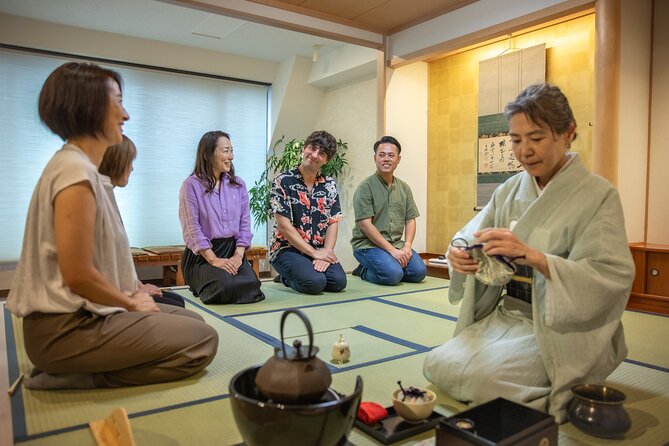
Japanese tea ceremony can look beautiful and intimidating from the outside. This one-hour session removes much of the ceremony’s formality and lets you focus on the essentials: matcha, sweets, hospitality, and the meaning behind each gesture. You sit comfortably in a small group, listen to the host’s explanation, then make your own bowl of tea.
I like the beginner-friendly tone and the chance to ask questions without worrying about a language slip or a cultural mistake. I also like that the group is capped at eight people, which gives the session a more personal feel than a large demonstration.
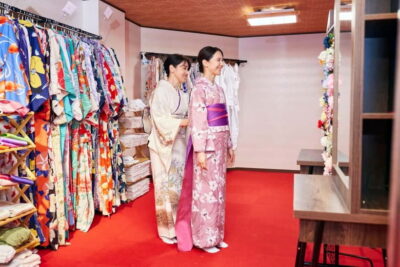
The trade-off is clear: this is not a full formal tea ceremony, and kimono rental is not included. If you want strict etiquette, a traditional setting, and a longer ritual, you may find this version too casual.
Key points to know before booking
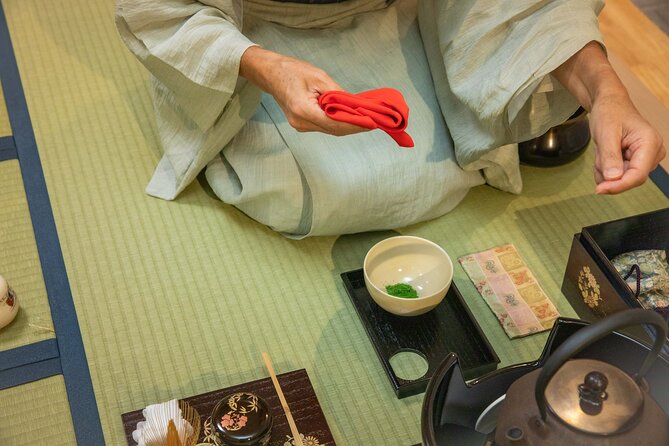
- You make your own matcha: Learn how to whisk powdered green tea and drink the bowl you prepare.
- The setting is relaxed: Expect a comfortable lounge rather than a highly formal tea room.
- The session lasts about one hour: It fits neatly into a morning or afternoon in Asakusa.
- The group is small: No more than eight people can join the activity.
- Traditional sweets are part of the experience: They give you a taste of how Japanese tea is enjoyed with food.
- Kimono rental is not included: Wear what feels comfortable, since the booking covers the tea activity only.
What this Tokyo tea experience is really about
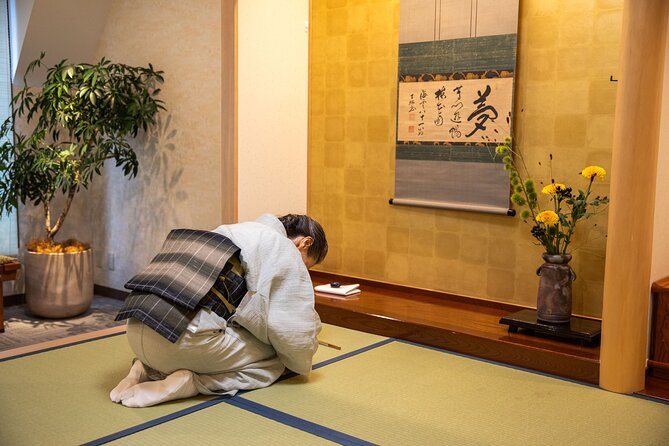
This activity is a gentle introduction to the way of tea, known in Japan as chanoyu or sado. You are not simply drinking green tea. You are learning why the host handles the bowl, water, whisk, and presentation in a certain way.
The casual format makes a difference. Formal tea ceremonies can ask visitors to observe strict sitting positions, precise movements, and carefully ordered etiquette. Here, the host explains the customs as you go, so you can understand the purpose behind them instead of trying to copy every movement perfectly.
I see this as a cultural lesson with a hands-on finish. You listen, watch, prepare matcha, taste a Japanese sweet, and have time to ask questions. That mix works well for people who want more than a photo but do not want to commit to a long or highly ceremonial event.
More Tokyo tea ceremonies:
- Matcha Making Class in Tokyo with Authentic Japanese Sweets Set
★ 5.0 · 744 reviews - Tokyo: Traditional Tea Ceremony with a Tea Master
★ 5.0 · 528 reviews - Dynamic Tokyo: Tokyo Tower, Tea Experience, Bay Cruise Day Tour
★ 4.5 · 521 reviews
Meeting at Tokyo Tourist Lounge in Asakusa
The activity begins at Tokyo Tourist Lounge Asakusa, at 5F, 2-chome-18-15 Kaminarimon, Taito City, Tokyo 111-0034. The location is near public transportation, which makes it practical to fit into a day spent exploring Asakusa.
The meeting point matters because Asakusa is one of Tokyo’s most useful areas for first-time cultural visits. You can pair the tea session with other sights in the district before or after the activity. The experience ends back at the same meeting point, so you do not need to arrange a separate return transfer.
Your mobile ticket makes check-in simple. You should still allow enough time to locate the building and reach the fifth floor, since the experience begins at a specific indoor meeting point rather than at a major landmark entrance.
The opening explanation: tea culture without the pressure
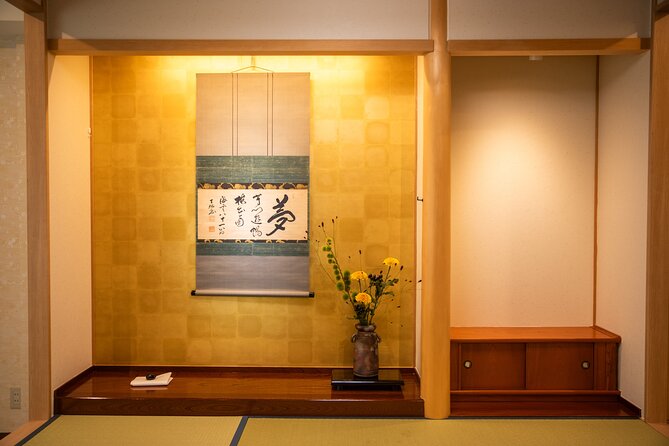
The session begins with an explanation of Japanese tea culture and the basic flow of the ceremony. Your host introduces the meaning of hospitality, harmony, and careful attention that shapes the tea tradition.
This introduction is one of the most useful parts for a first visit. Without context, the movements can seem like a string of rules. With context, the sequence becomes easier to follow. Pouring water, preparing the bowl, and presenting the tea each form part of a larger idea: creating a calm, respectful moment for the person drinking.
The host also helps with the small points that can make visitors nervous. You do not have to worry about making an embarrassing mistake or missing an unspoken rule. You can ask questions as they come up, which is especially helpful if you have never handled a bamboo whisk or tasted matcha prepared in the traditional style.
The experience feedback gives particular praise to detailed explanations of the ceremony’s history and process. That suggests you should expect more than a quick demonstration, though the precise balance between explanation and practice may depend on the host and group.
Making your own bowl of matcha
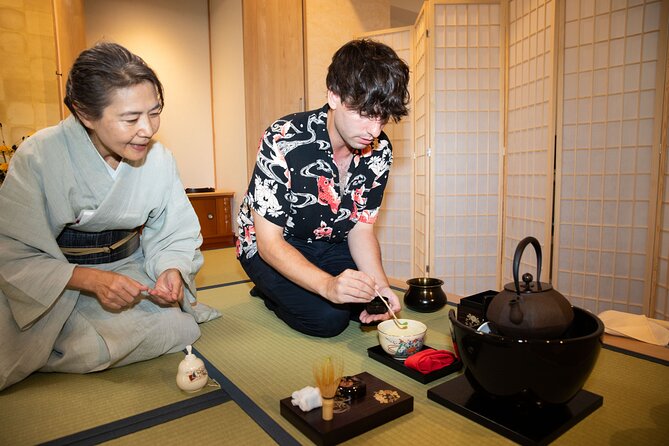
The hands-on section is the heart of the activity. You learn how to prepare powdered green tea and whisk it into a bowl of matcha. Instead of only watching a host perform the ritual, you take part in it.
You will be shown how to combine the tea and water, then use the whisk to create the proper texture. The point is not to produce a flawless bowl on your first attempt. It is to understand the care and movement involved in preparing matcha, then taste the result for yourself.
This makes the activity more memorable than a simple tea tasting. You notice the color, texture, aroma, and bitterness in a more direct way because you have prepared the drink. Matcha can be stronger and more savory than visitors expect, so the accompanying sweet provides a useful contrast.
You can enjoy the tea at your own pace. The relaxed structure means you are not pushed through the bowl before you have had a chance to look, taste, and ask about what you are drinking.
A completely different kind of day in Tokyo:
- Mt Fuji and Hakone 1-Day Bus Tour Return by Bullet Train
★ 5.0 · 26,383 reviews - 1-Day Tokyo Bus Tour
★ 5.0 · 14,250 reviews - Tokyo: teamLab Planets TOKYO Digital Art Museum Entry Ticket
★ 4.6 · 9,779 reviews - Mt Fuji & Hakone Cruise, Drum Show Bullet Train 1 Day from Tokyo
★ 4.0 · 7,413 reviews
Traditional sweets and the balance of flavors
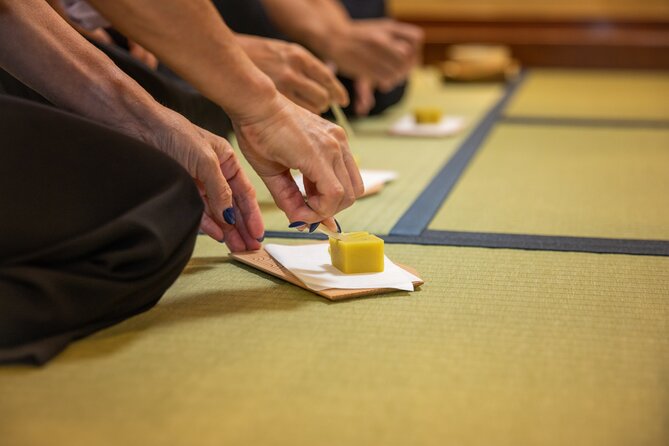
Japanese sweets are served with the matcha. They are not just an extra snack. In the tea tradition, a sweet helps prepare your palate for the concentrated, slightly bitter flavor of powdered green tea.
The exact type of sweet is not specified, so do not book this expecting a particular confection. What you can expect is a traditional Japanese sweet paired with freshly prepared matcha.
For many people, this pairing makes the tea easier to appreciate. The sweetness softens the intensity of the drink, while the tea keeps the overall tasting from becoming overly sugary. It is a small but important part of understanding how Japanese tea service works.
If you have strong dietary restrictions, the available information does not provide ingredient details. You may want to ask the provider in advance if that affects your decision to book.
A small group capped at eight people
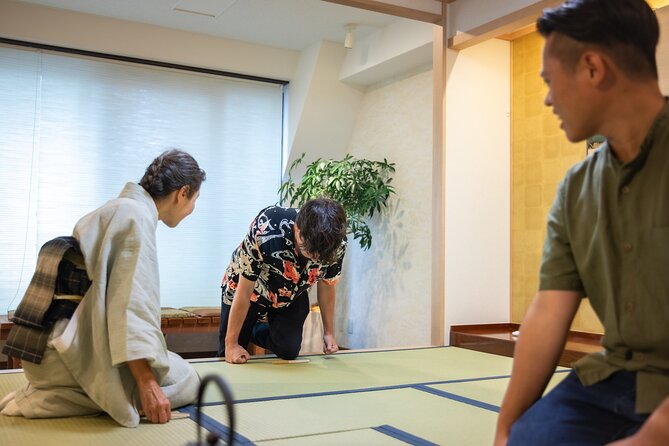
The maximum group size is eight. That is small enough for the host to demonstrate the process and respond to questions without the room feeling like a lecture hall.
A small group also suits the subject. Tea ceremony depends on quiet observation and attention to detail. If you are in a large crowd, it becomes harder to see how the tea is whisked or hear why each step matters. Here, you should have a better chance of following along.
The group size does not guarantee a private experience. You may still share the session with other people, and the amount of individual attention can vary. Still, eight is a reasonable limit for a short cultural class.
I would especially recommend this format for solo visitors, couples, families with older children, and small groups of friends. It offers enough structure to feel meaningful but not so much formality that beginners feel watched.
Asking questions and taking photos
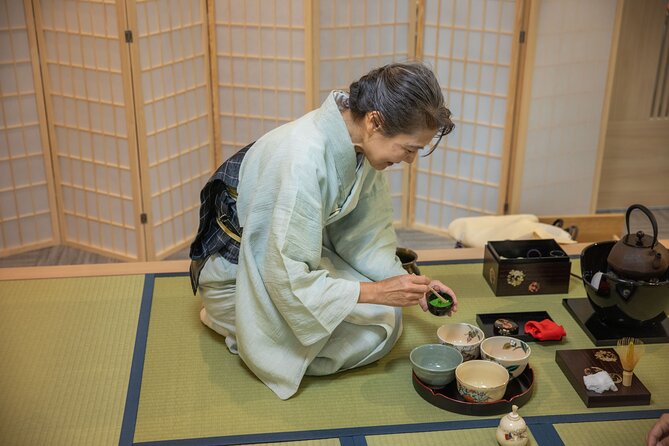
You are encouraged to ask questions and take photos during the experience. This makes the session useful for people who want to understand the custom rather than quietly observe it from a distance.
Photo opportunities may vary during the actual preparation. Be polite and follow the host’s guidance if you are asked to pause while tea is being made or served. The relaxed policy means you can record parts of the experience, but it does not mean every moment should become a photo opportunity.
Questions can cover the meaning of the ceremony, the tea itself, the tools, or the customs around serving and drinking. Since the activity is designed for visitors, you do not need prior knowledge of Japanese culture to take part.
A host named Midori is specifically associated with warm teaching and a kind welcome in the experience feedback. If Midori leads your session, you may receive that same personal style, but the assigned host is not guaranteed in the booking information.
How much does the $25 price offer?
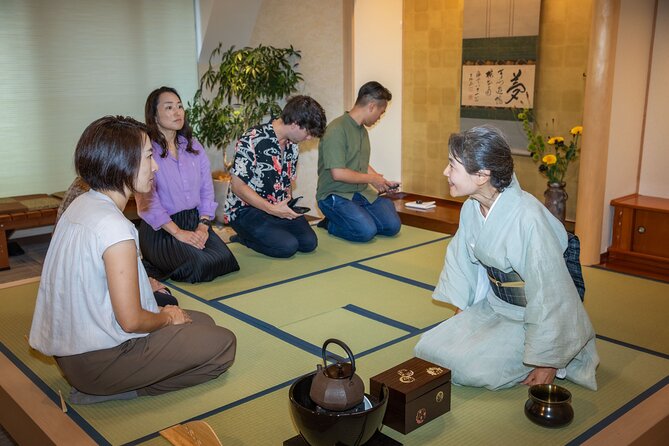
At $25 per person, this is a modestly priced cultural activity in Tokyo. The value comes from the combination of instruction and participation. You are not paying only for a cup of tea. You are paying for an explanation of the customs, a guided attempt at whisking matcha, a traditional sweet, and the chance to ask questions in a small group.
The one-hour duration keeps the cost and time commitment low. You can add it to a busy sightseeing day without giving up half a day. That is useful in Tokyo, where many visitors want to sample several neighborhoods and activities in one day.
The price may feel less attractive if you are seeking a formal ceremony, kimono photos, or a long presentation in a traditional tea house. Those features are not included. The booking covers coffee and/or tea, but the detailed description centers on matcha and Japanese sweets.
I would judge the value by your goal. For a first look at tea culture, the price is fair. For a costume experience or a fully formal ritual, this is the wrong product.
What is not included
Kimono wearing and rental are not included. That point is easy to miss if you associate tea ceremonies with traditional clothing. You should book this for the tea lesson, not for dressing up.
The relaxed lounge setting also means you should not expect a highly decorated traditional tea room or a strict ceremonial performance. The experience is designed to make the customs approachable, not to recreate every formal detail.
There is also no separate transportation service listed. You make your own way to the meeting point and return there when the session ends. Since the location is near public transportation, this should be manageable, but the booking does not include a pickup or drop-off.
Who will enjoy this activity most?
I would choose this experience if you want a short, friendly introduction to Japanese culture. It is especially suitable if you have never tried matcha, feel unsure about formal etiquette, or want a host to explain what you are seeing.
It also works well for repeat visitors to Japan. You may already know the major Tokyo sights and want a quieter activity that gives you a better sense of a traditional practice.
Families and mixed-age groups may appreciate the practical format. You listen for a while, then do something with your hands. That is easier to hold your attention than a long talk.
You may want to skip it if you already have extensive experience with Japanese tea ceremony or want a highly formal setting. The relaxed approach is the main selling point, but it is also the main limitation.
Timing, cancellation, and practical planning
The activity lasts approximately one hour and returns to the starting point. You receive confirmation at booking, and the mobile ticket can be used for check-in.
Free cancellation is available if you cancel at least 24 hours before the start time. Cancellations made within 24 hours are not refunded, and changes within that period are not accepted. All cut-off times use Tokyo local time.
The provider is Localized Walking & Food Tours. The experience is listed as near public transportation, and the group maximum is eight people.
I would place this session before or after other plans in Asakusa rather than building an entire day around it. Its short length gives you room to visit nearby sights, eat in the district, or continue to another part of Tokyo.
Should you book this tea ceremony?
Book it if you want to understand matcha and tea etiquette in a comfortable, low-pressure way. The best parts are the hands-on whisking, the explanation of each step, the traditional sweet, and the small group size.
Do not book it expecting kimono rental, a strict formal ritual, or a grand tea-house setting. At $25 for about an hour, this is a practical introduction rather than a once-in-a-lifetime ceremony. For a first taste of Japanese tea culture, that modest approach is exactly why it works.
FAQ
Where does the tea ceremony take place?
The activity begins and ends at Tokyo Tourist Lounge Asakusa, 5F, 2-chome-18-15 Kaminarimon, Taito City, Tokyo 111-0034, Japan.
How long does the experience last?
The tea ceremony lasts approximately one hour.
How many people can join the session?
The activity has a maximum of eight people.
Is the experience suitable for beginners?
Yes. It is designed as a relaxed introduction for people who may be unfamiliar with Japanese tea ceremony etiquette and matcha preparation.
Will I make my own matcha?
Yes. You will learn how to whisk powdered green tea and prepare your own bowl of matcha.
Are Japanese sweets included?
Yes. Traditional Japanese sweets are included with the matcha experience.
Is kimono rental included?
No. Wearing a kimono and kimono rental are not included.
Can I take photos and ask questions?
Yes. The experience allows you to ask questions and take photos in the relaxed setting.
Can I cancel for a full refund?
Yes, if you cancel at least 24 hours before the experience start time. Cancellations or changes made within 24 hours are not accepted for a refund.
Newly reviewed around Tokyo
- Tokyo Asakusa:Calligraphy & Make T-shirt Activity★ 5.0 · 62 reviews
- 1 Hour Travel around Tokyo with a Professional Photographer★ 5.0 · 3 reviews
- Travel Tokyo with Your Own Personal Photographer★ 5.0 · 43 reviews
- Intercity Shuttle, Tokyo to Haneda /Narita /Yokohama /Makuhari★ 5.0 · 5 reviews
- Train in Samurai Swordsmanship and Defeat the Demon in Tokyo★ 5.0 · 5 reviews
- Shuttle Van 6hr Tokyo Tour to-and-from Tokyo, Yokohama and Narita★ 5.0 · 9 reviews
- Kickboxing & Body Training with EX-Pro Fighter★ 5.0 · 4 reviews
- Traditional Japanese Knife Sharpening Class★ 5.0 · 18 reviews
Tokyo Tea Ceremony Experiences, compared.
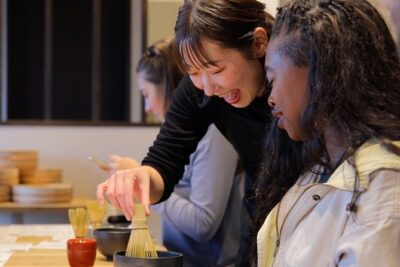
Matcha Making Class in Tokyo with Authentic Japanese Sweets Set
Read our review →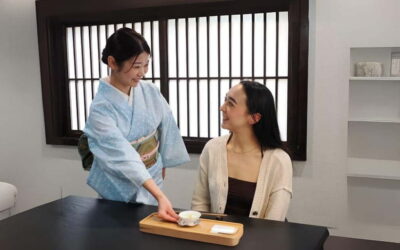
Dynamic Tokyo: Tokyo Tower, Tea Experience, Bay Cruise Day Tour
Read our review →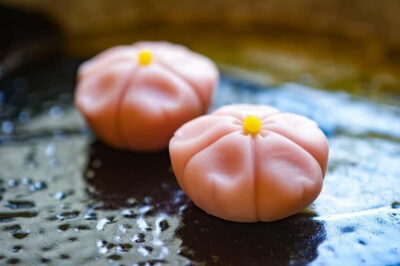
Matcha Making Experience with Mochi Sweets in Asakusa
Read our review →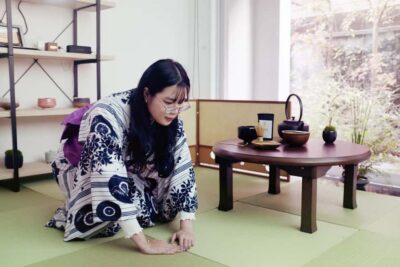
Tea Ceremony Workshop in Tokyo by the Experienced Instrucor
Read our review →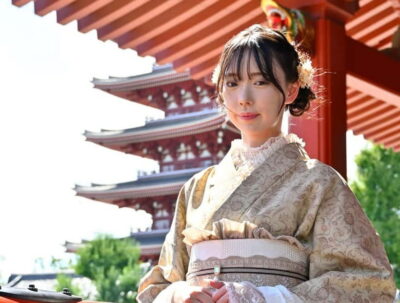
Browse the lists this tour appears in