
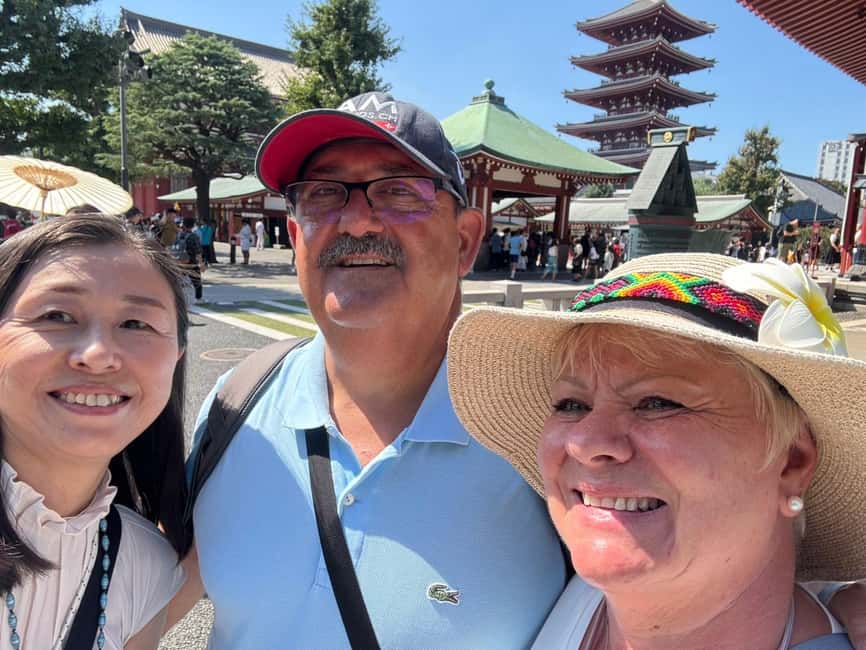
Reviewed · ASAKUSA AND SENSOJI TOURS
Tokyo: Beyond Asakusa to Kappabashi Kitchen Town
Tokyo’s best short walking tours connect places that make sense together. This one moves from the red lantern of Kaminarimon Gate through Sensoji’s spiritual grounds, then into Hoppy Street and Kappabashi, where Tokyo’s restaurant trade comes alive in a very different way. You get temples, street food culture, and kitchen shopping in two hours.
I especially like the chance to take part in a fortune-telling ritual, rather than simply watch a guide explain it. I also like the final stop at Kappabashi, where a guide can point you toward useful knives, restaurant tools, and the famous plastic food displays instead of leaving you to wander a long shopping street alone.
The main concern is pace. Two hours covers a lot of ground, and you will not have time for a full meal, extended shopping, or a slow look inside every temple building. Also, one booking reported that the meeting point did not match the location shown in the app, so confirm the Starbucks meeting place before setting out.
Key points to know before you book
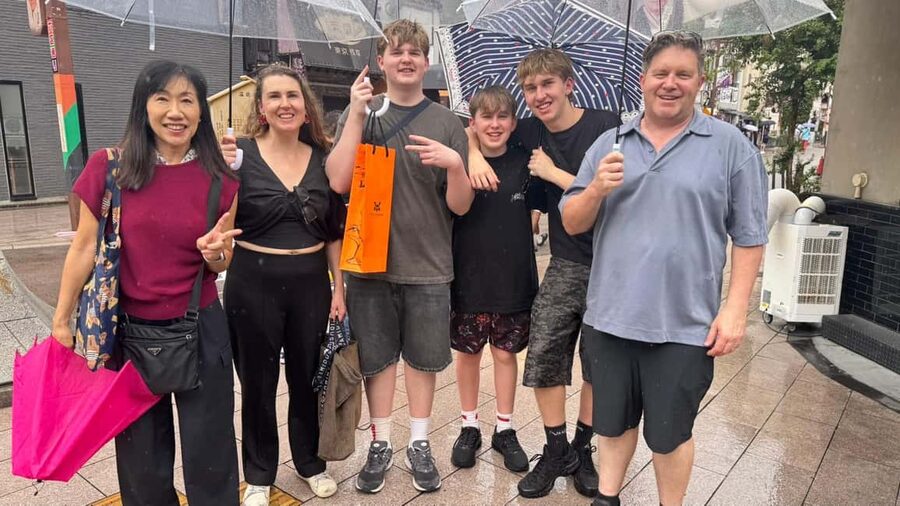
- A hands-on fortune ritual: You learn how to draw, read, and tie a fortune paper at Sensoji.
- Three sides of Asakusa: The route links Buddhist worship, Shinto practice, and old entertainment culture.
- Kappabashi with a purpose: Browse Japanese knives, restaurant tools, cookware, and lifelike plastic dishes.
- A compact two-hour route: The tour is useful when you want an introduction, not a full-day Asakusa visit.
- Guides for many languages: English, Spanish, French, Chinese, Korean, Portuguese, Japanese, and Russian are available.
- Bring yen and good shoes: Food and drinks cost extra, and shopping is part of the fun.
Why this route works in two hours
Asakusa can feel scattered when you first arrive. Kaminarimon, Nakamise, Sensoji, Asakusa Shrine, Hoppy Street, Rokku Street, and Kappabashi each have a different character. A guide gives the walk a clear order and helps you understand how the parts fit together.
You begin at Starbucks near Kaminarimon, at coordinates 35.7113392, 139.7961047. Look for a guide holding a paper with the tour name. Since one booking found a mismatch between the app and the actual meeting point, I would check the map pin and written instructions on the day of the tour.
The route is on foot, with no transport included. You should be comfortable walking and standing for two hours. The price is $17 per person, which is modest for a live guided walk with cultural activities. It is good value if you want context and direction, especially on a first visit to Asakusa. It is less useful if you prefer to browse at your own speed or spend most of the time eating and shopping.
More Asakusa and Sensoji tours:
- Tokyo: Japanese Dance Cabaret Theater Asakusa-Kaguwa Ticket
★ 4.8 · 2,270 reviews - Tokyo: Meiji Shrine, Asakusa, Skytree Bus Tour and Cruise
★ 4.7 · 1,986 reviews - Tokyo: Roll and Authentic Sushi Making Class in Asakusa
★ 4.9 · 1,957 reviews
Kaminarimon’s huge red lantern
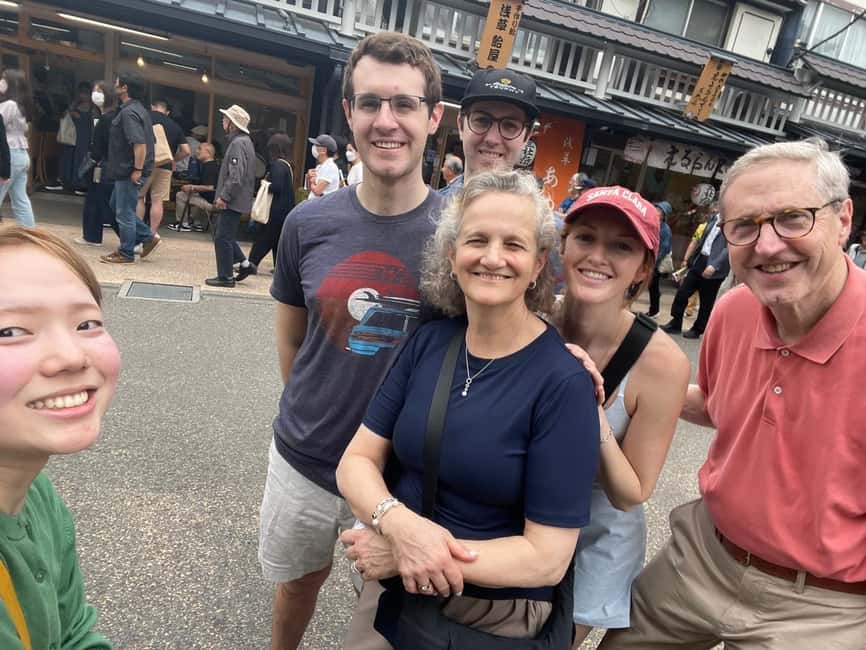
Kaminarimon means Thunder Gate, and the first sight is hard to miss: a massive red lantern hangs above the entrance. This is the classic gateway into Asakusa, but it is more than a photo stop. The guide explains the gate’s history and its place in the approach to Sensoji.
The opening can feel crowded, especially around the lantern and the gate’s large guardian figures. That is part of the setting, but it means you may need to pause at the edge rather than expect a quiet introduction. Your guide’s short explanation helps you notice the details before the group moves into Nakamise.
This first stop also gives you a useful orientation. From here, the route runs straight toward the temple grounds, so you can see how commerce and worship have shared this approach for centuries.
Nakamise Shopping Street and the old approach to Sensoji
Nakamise is a traditional shopping street leading toward the temple. The tour allows about 15 minutes here, enough for an overview and a few snacks, but not enough for serious shopping.
You might find traditional sweets, small souvenirs, and handmade goods along the way. The point is not simply to buy something. The guide explains the old merchant traditions connected with the street and shows how selling goods became part of the visitor’s approach to Sensoji.
I like this stop because it places everyday life beside religious practice. You are not walking from a modern station into an isolated shrine complex. You are moving through a long commercial corridor where food, souvenirs, and worship have long shared the same route.
If you want to sample snacks, bring some cash. Food is not included, and the short schedule means you should choose quickly. Save larger purchases for Kappabashi, where the shopping is more focused and the guide’s recommendations may be more useful.
Hozomon Gate, cleansing, and the fortune paper
Beyond Nakamise, you pass through Hozomon Gate, a two-story structure that houses Buddhist treasures. It acts as another threshold before the central temple grounds. Your guide explains why these gates matter, rather than treating them as simple architectural backdrops.
The tour also includes the purification fountain. You learn the proper way to take part in the cleansing ceremony, then experience the incense ritual and its place in Japanese Buddhist practice. These activities are small, but they change how you approach the temple. You are not only looking at a building. You are learning the gestures used by people who come to worship.
The fortune-telling ritual is one of the strongest parts of the tour. You learn how to draw a paper fortune, read its meaning, and tie it correctly if the result is not what you hoped for. Many people photograph these fortune drawers or watch others use them, but the guided explanation lets you take part with more confidence.
Follow the guide’s instructions and treat the area as a working religious site. This is not a staged performance, so keep your voice down and watch the movement around you.
A completely different kind of day in Tokyo:
- Mt Fuji and Hakone 1-Day Bus Tour Return by Bullet Train
★ 5.0 · 26,383 reviews - 1-Day Tokyo Bus Tour
★ 5.0 · 14,250 reviews - Tokyo: teamLab Planets TOKYO Digital Art Museum Entry Ticket
★ 4.6 · 9,779 reviews - Mt Fuji & Hakone Cruise, Drum Show Bullet Train 1 Day from Tokyo
★ 4.0 · 7,413 reviews
Sensoji, founded in 628 AD
Sensoji is Tokyo’s oldest temple, founded in 628 AD. The tour gives this stop about 30 minutes, making it the longest scheduled visit. That time is enough to understand the temple’s importance and hear how it survived wars, disasters, and major changes in the city around it.
The most useful part of the explanation is the contrast between survival and change. Asakusa has changed from an old temple district into a major sightseeing area, yet Sensoji remains a place of worship. The temple’s spiritual role has not disappeared beneath the crowds and souvenir shops.
You will have time for photos and a guided look at the grounds. Do not expect a private or silent temple visit. The value here is the context. A guide can explain what you are seeing, how the ritual areas are used, and why the temple still matters to local religious life.
A hot day can make this section tiring. One person who joined the tour on a very hot day still found the explanations engaging, but the practical lesson is clear: wear light clothing, carry water, and take the walking advice seriously.
Asakusa Shrine and Japan’s two religious traditions
Near Sensoji is Asakusa Shrine, a Shinto shrine with a different visual style and religious purpose. Seeing the shrine beside a Buddhist temple gives you a clear example of how Japan’s two major faith traditions can exist side by side.
This is a valuable stop because the contrast is easy to miss when you explore alone. The buildings may look similar at first, but the guide points out differences in architecture and practice. The tour includes a photo stop and a guided visit.
You do not need a long lecture to understand the basic point. Buddhism and Shinto have often shared the same local setting in Japan, and Asakusa makes that relationship visible within a short walk. For anyone interested in Japanese culture, this may be more useful than collecting another temple photo without context.
Hoppy Street and old-school izakaya culture
The route then shifts from temple grounds to Hoppy Street, a narrow lane lined with traditional izakaya. This change is one of the reasons the tour feels broader than a standard temple walk.
You learn about Hoppy, a local beer-like drink, along with kushikatsu and the social habits linked with after-work drinking. The guide explains the setting and customs, but food and drinks are not included. You should think of this as an introduction to the street, not a tasting tour.
Hoppy Street is a good place to see how Asakusa works after the temple gates and souvenir stalls. Small eating and drinking spots create a more informal mood. The alley may feel crowded, and you should stay with the group rather than stop at the first appealing menu.
If you want to return later for a drink or meal, make a note of the area during the tour. The two-hour schedule is not designed for a full izakaya visit, and ordering during the walk could cause you to miss the next stop.
Rokku Street and Asakusa’s entertainment past
The walk through Rokku Street adds another layer to Asakusa. This area was once a major entertainment quarter, competing with Tokyo’s best-known theater districts. Today it combines older traces with newer forms of Japanese popular culture.
The stop is brief, but it helps explain why Asakusa is not only a temple neighborhood. Its identity has long included theaters, drinking spots, shops, and public entertainment. That mix gives the district a more complicated character than the famous Kaminarimon photo suggests.
You might not find a single landmark that defines Rokku Street. Its appeal is in the change of mood and the stories attached to the area. A guide is useful here because the history is not always obvious from the street itself.
Kappabashi Kitchen Town and the best shopping stop
The final section takes you to Kappabashi Kitchen Town, a long-standing shopping area for professional chefs and restaurant owners. This is where the tour becomes especially useful for people who enjoy Japanese cooking, food presentation, or practical souvenirs.
You can browse Japanese kitchen knives made by smithies with generations of experience, along with cookware and restaurant tools. The guide can help you identify shops and products, which matters because the street contains many stores and the time available is limited.
The plastic food displays are another highlight. Their realistic appearance is not just a novelty. Restaurants use these models to show dishes to customers, and they have become a recognizable part of Japanese shopping streets. You might also find small souvenirs such as sushi-themed keychains.
One person on the tour bought a sushi keychain after the guide pointed out good places to look. That is the sort of purchase Kappabashi suits: light, memorable, and easy to take home. Knives and larger kitchen tools require more thought, so check store details and baggage rules before buying anything expensive.
Do not expect to visit every shop. Kappabashi is too large for that in a short visit. The benefit of arriving with a guide is efficiency. You get a first look at the best-known categories and can return later if a particular knife, pan, or food model catches your eye.
Guide quality and language choices
The tour offers live guiding in English, Spanish, French, Chinese, Korean, Portuguese, Japanese, and Russian. The named guides in the available feedback include Shun and Sanae. Sanae was praised for speaking very good French, while Shun was singled out for using personal stories and practical examples to explain Japanese history and culture.
That distinction matters. Asakusa has plenty of signs and landmarks, but a good explanation helps you notice details you would otherwise pass. Shun’s approach was particularly useful for someone who had already visited Asakusa and still found new things to see.
The quality of a walking tour can depend on the individual guide, so do not expect every language session to feel identical. Still, the route gives a guide plenty to work with, from temple ritual to nightlife customs and kitchen shopping.
Price, pace, and who should book
At $17, this is a strong value if you want a compact introduction to Asakusa and Kappabashi. You are paying for the guide’s interpretation, the chance to take part in the fortune ritual and cleansing practices, and a route that links several districts without requiring you to plan the order yourself.
The price does not include snacks, drinks, or shopping. Bring cash, especially if you want to sample Nakamise treats or buy a small souvenir in Kappabashi. The activity allows free cancellation up to 24 hours before departure and offers reserve-now, pay-later booking, which can help if your Tokyo plans are still shifting.
I would choose this tour early in a Tokyo visit. It gives you a map of Asakusa, introduces the temple customs, and shows you where to return for a meal or shopping. I would not choose it as your only Asakusa experience if you want long temple visits, a full izakaya dinner, or extended time with kitchen knives.
Should you book this Asakusa and Kappabashi walk?
Book it if you want a short, well-packed introduction to several sides of Tokyo: Buddhist worship, Shinto practice, traditional shopping, after-work drinking culture, and restaurant supply shops. It suits first-time visitors, culture-minded shoppers, and anyone curious about Japanese cooking tools.
Skip it if you dislike guided pacing or already know that you want to spend most of your day browsing Kappabashi independently. For everyone else, the $17 price makes this a sensible way to get your bearings, especially when you confirm the Starbucks meeting point, wear comfortable shoes, and keep a little cash ready for snacks and souvenirs.
FAQ
Where does the tour start?
Meet your guide in front of the Starbucks in Asakusa. The guide will hold a paper with the tour name. The listed coordinates are 35.7113392, 139.7961047.
How long does the tour last?
The tour lasts two hours.
What places does the route include?
The route includes Kaminarimon, Nakamise Shopping Street, Sensoji Temple, Asakusa Shrine, Hoppy Street, Rokku Street, and Kappabashi Kitchen Town.
Is food included?
No. Food and drinks are not included, so bring cash if you want to buy traditional snacks, a meal, or a drink.
Can I shop during the tour?
Yes. Shopping is included at Nakamise and Kappabashi, but the short duration limits how much time you have to browse.
What languages are available?
Live guides are available in English, Spanish, French, Chinese, Korean, Portuguese, Japanese, and Russian.
Can I cancel the booking?
You can cancel up to 24 hours in advance for a full refund. Reserve-now, pay-later booking is also available.
Newly reviewed around Tokyo
- Tokyo Asakusa:Calligraphy & Make T-shirt Activity★ 5.0 · 62 reviews
- Intercity Shuttle, Tokyo to Haneda /Narita /Yokohama /Makuhari★ 5.0 · 5 reviews
- 1 Hour Travel around Tokyo with a Professional Photographer★ 5.0 · 3 reviews
- Travel Tokyo with Your Own Personal Photographer★ 5.0 · 43 reviews
- Kickboxing & Body Training with EX-Pro Fighter★ 5.0 · 4 reviews
- Train in Samurai Swordsmanship and Defeat the Demon in Tokyo★ 5.0 · 5 reviews
- Shuttle Van 6hr Tokyo Tour to-and-from Tokyo, Yokohama and Narita★ 5.0 · 9 reviews
- Traditional Japanese Knife Sharpening Class★ 5.0 · 18 reviews
Asakusa and Sensoji Tours, compared.
Japanese Dance Cabaret Theater Asakusa-Kaguwa Ticket
Read our review →
Meiji Shrine, Asakusa, Skytree Bus Tour and Cruise
Read our review →
Roll and Authentic Sushi Making Class in Asakusa
Read our review →
Asakusa Walking Tour with Sensoji Temple Visit
Read our review →
Tokyo Panoramic 1 Day: Meiji Shrine, Asakusa, Odaiba and SKYTREE®
Read our review →
Tokyo Go Kart: Asakusa, Skytree, and Akihabara **IDP MUST**
Read our review →
Asakusa, Skytree & Akhihabara Go-Kart City Experience
Read our review →Browse the lists this tour appears in