
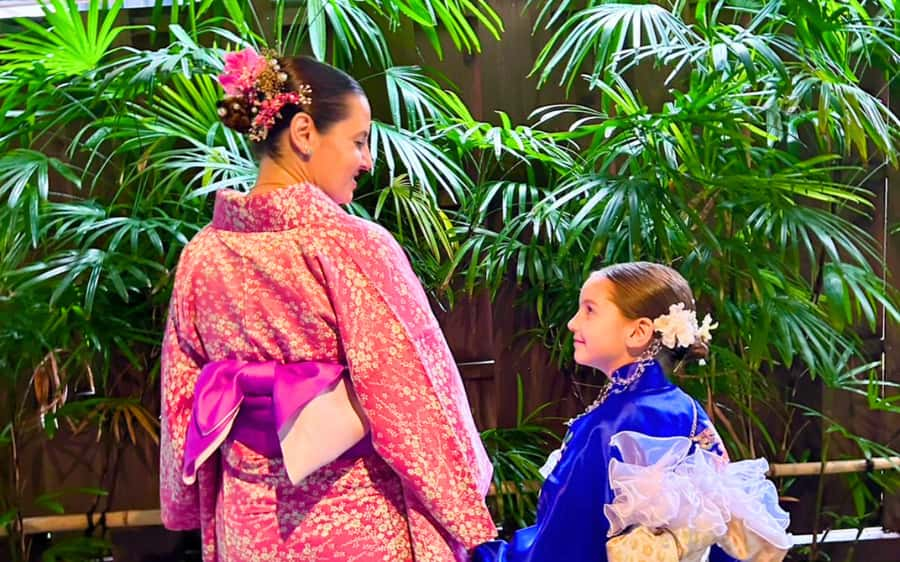
Reviewed · TOKYO KIMONO EXPERIENCES
Tokyo: Asakusa Kimono Rental Experience
Asakusa is one of Tokyo’s best places to wear a kimono because old streets, temple gates, and Sensoji are only a few minutes from the shop. You choose a real kimono, receive help from Kazune and the staff, then walk into one of the city’s most atmospheric historic areas.
I like the three-minute walk to Sensoji Temple, which leaves more time for photos and exploring. I also like the personal dressing help, especially with a Japanese National Certified Kimono Dresser on staff and attendants such as Wako, who has been praised for being kind, careful, and cheerful.
The main drawback is the return deadline: you normally need to bring the kimono back by 17:30. The outfit may also take some getting used to, especially with zori sandals, and the experience is not suitable for wheelchair users or people over 120 kilograms.
Key points to know before booking
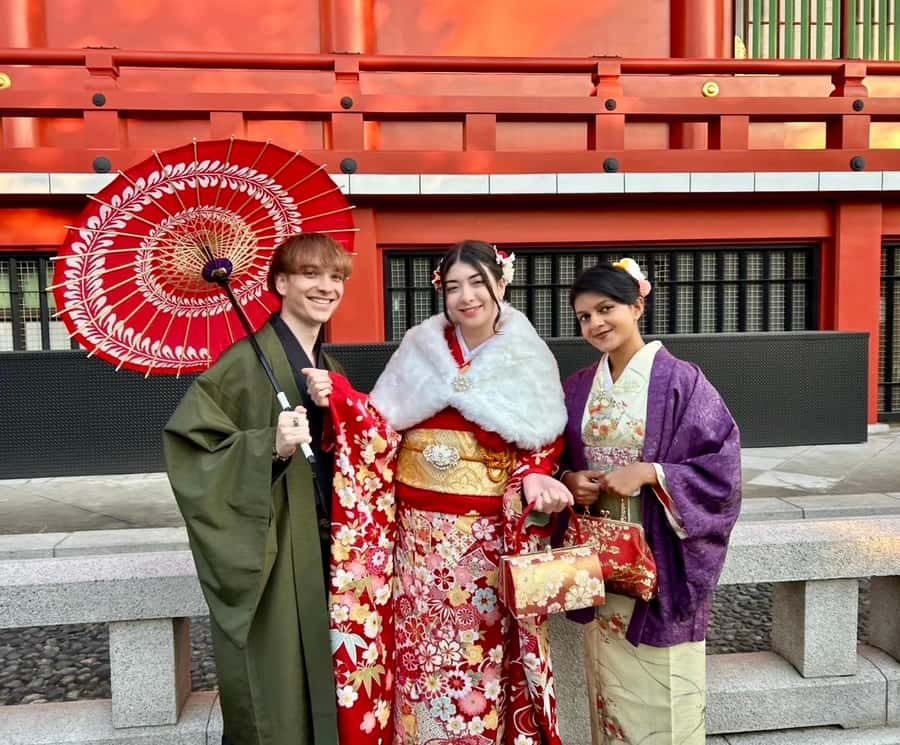
- Real kimono in old Asakusa: Choose from an authentic collection and walk directly toward Sensoji Temple.
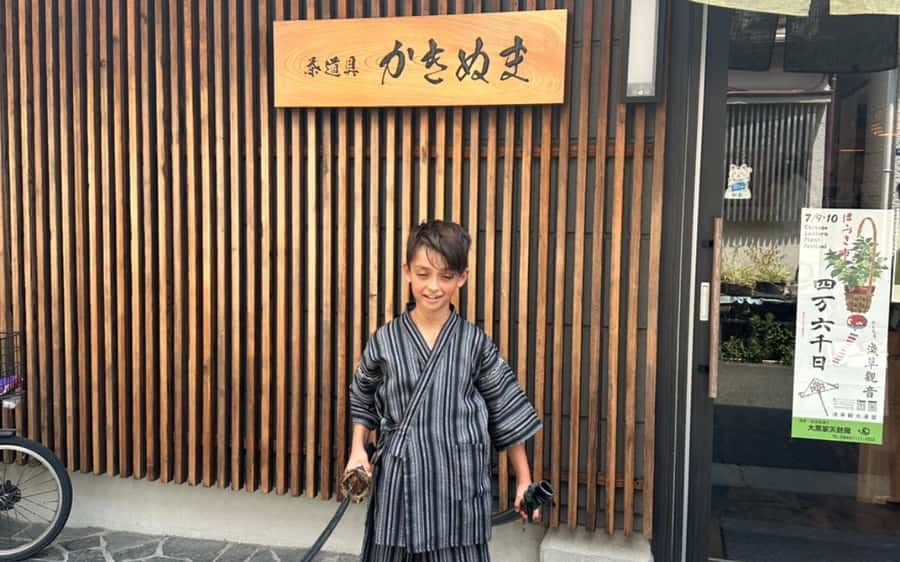
- Personal dressing assistance: Kazune and the staff help with the full outfit, including the obi belt and accessories.
- Certified kimono dresser on staff: A Japanese National Certified Kimono Dresser is available to help with proper fitting.
- Simple hairstyling included: You receive basic hair preparation, with traditional hairpins available in at least some arrangements.
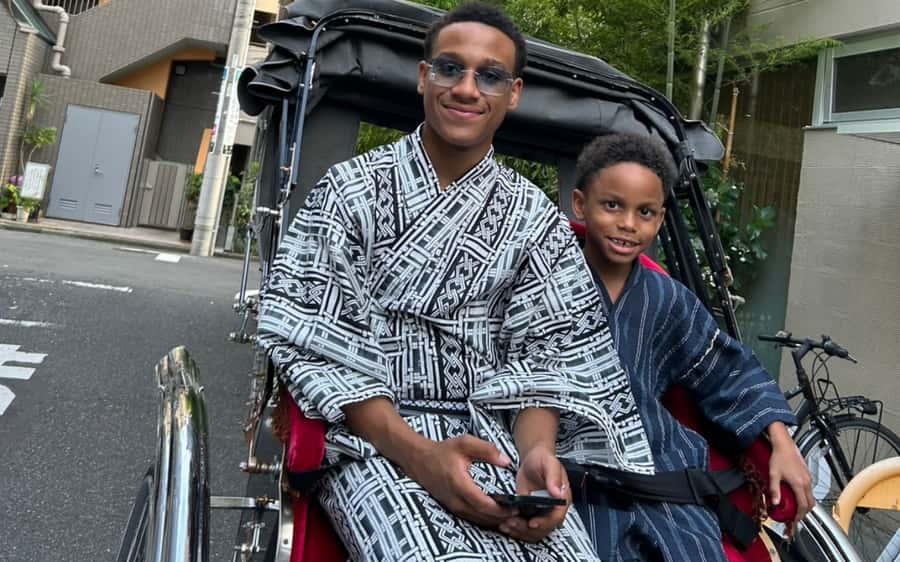
- Flexible extras: Add a rickshaw ride or tea ceremony at the shop for an additional fee.
- Same-day return required: Bring the kimono back by 17:30, unless you arrange an overnight rental for an extra charge.
Why Asakusa is the right place for a kimono rental
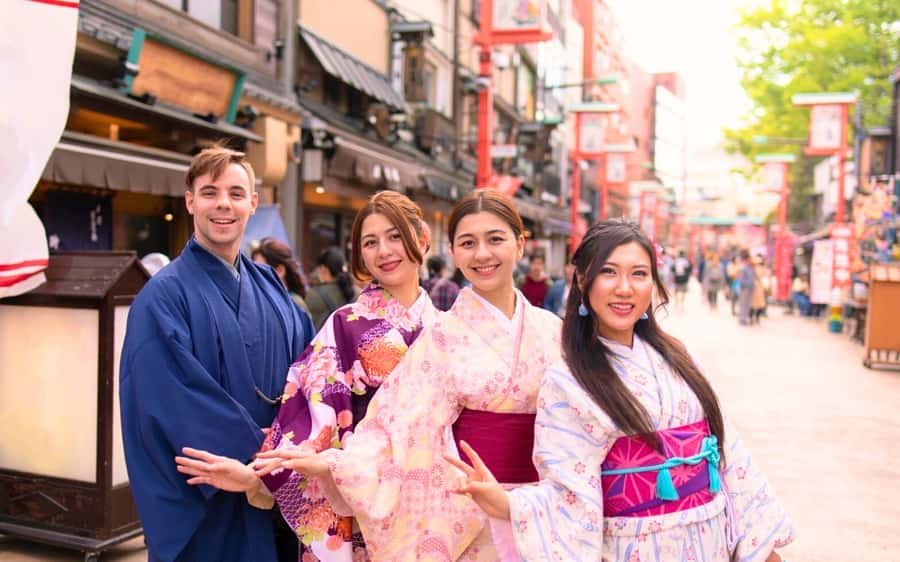
A kimono rental can feel awkward if you spend most of the booking on trains or in modern shopping streets. This one puts you in the right setting almost at once. The shop is only about three minutes from Sensoji Temple, so your walk begins near one of Tokyo’s most recognizable religious sites.
Asakusa gives you a useful mix of old and new Tokyo. You can pass through the temple grounds, walk around the traditional streets, and stop for photographs without needing a separate sightseeing tour. The kimono becomes part of the visit rather than a costume you wear briefly inside a shop.
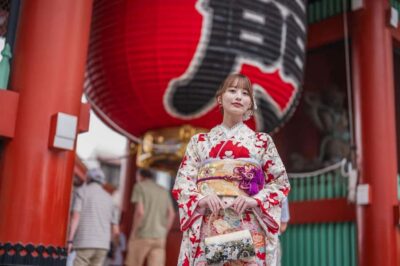
Sensoji is the natural focus. Its temple buildings and approach provide the kind of setting most people hope for when they picture themselves in traditional Japanese clothing. You are not simply dressing up for an indoor photograph. You have time to walk, look around, and make the outfit part of your day.
You should still remember that Sensoji is a working temple and a major sight. Dress and behave with respect, and take care around crowded paths. The activity gives you access to the area, not a private temple visit or a guided history tour.
More Asakusa and Sensoji tours:
- Tokyo: Japanese Dance Cabaret Theater Asakusa-Kaguwa Ticket
★ 4.8 · 2,270 reviews - Tokyo: Meiji Shrine, Asakusa, Skytree Bus Tour and Cruise
★ 4.7 · 1,986 reviews - Tokyo: Roll and Authentic Sushi Making Class in Asakusa
★ 4.9 · 1,957 reviews
Choosing a kimono near Sensoji Temple
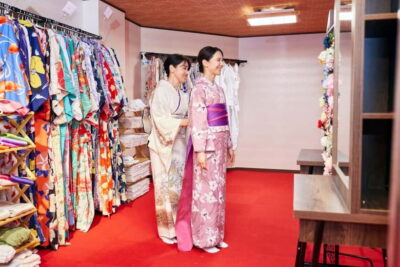
At the shop, you choose a kimono from the available collection. The information provided does not specify the number of garments, color range, or exact selection process, so you should expect your choices to depend on what is available when you arrive.
That flexibility can be part of the fun. A staff member can help you put together a complete look with the kimono, obi belt, zori sandals, and bag. You are not left to manage the complicated layers by yourself.
Kazune grew up in Asakusa and helps with the dressing process. That local connection adds a useful human touch. You are meeting someone who knows the neighborhood personally, rather than simply picking up clothing from a large rental counter.
The staff’s role matters here. A kimono can look simple when folded neatly on a rack, but the finished outfit depends on how the layers sit and how the obi is tied. Wako has received especially warm praise for making people feel welcome, checking that they were dressed properly, and helping them look presentable. That sort of attention is valuable if this is your first time wearing a kimono.
A Japanese National Certified Kimono Dresser is also on staff. Certification does not turn the booking into a formal lesson, but it does give you extra reassurance that the outfit will be handled with care.
Dressing, hairstyling, and the full outfit
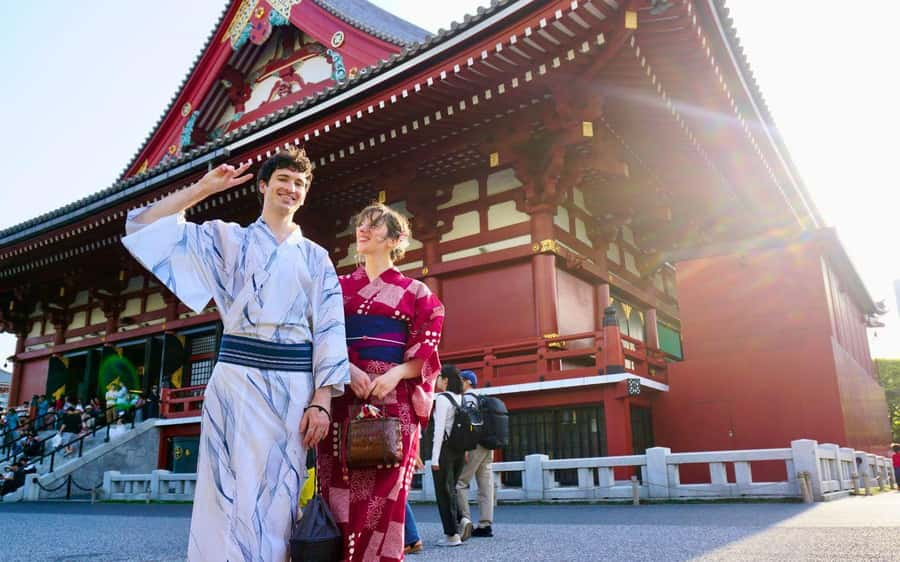
The rental includes the kimono itself along with the main pieces needed to wear it outdoors. Your package includes the obi belt, zori sandals, and a bag. Storage for your clothes and belongings is also provided while you are out.
Simple hairstyling is included. If your hairstyle matters a great deal, keep your expectations practical: this is basic styling rather than a separately described salon appointment. One woman described receiving a traditional hairstyle with hairpins, so you may have the chance to add a more traditional finish depending on the arrangement at the shop.
The hairstyle can make a real difference in photographs. It helps the kimono feel like a complete outfit instead of a robe paired with everyday hair and shoes. Men and women can enjoy the rental, and one group included three men who found the experience worthwhile alongside their female companion.
Some nicer items may be available for an extra charge. Ask about the cost before choosing an upgrade. The base price is $47 per person, while premium garments or accessories can raise the final amount.
Give yourself time for the dressing process. Arrive at least 10 minutes before your booked time, and do not plan a tight connection immediately afterward. You will need to find the shop, store your belongings, choose clothing, and get dressed before starting your walk.
Walking from the shop to Sensoji
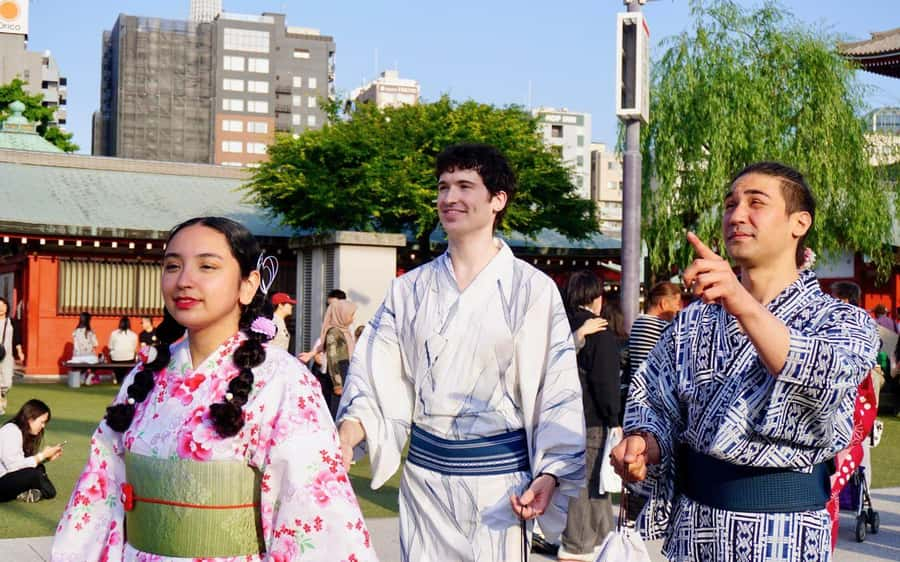
Once you are dressed, the main activity is self-guided. You can walk around Asakusa and visit Sensoji at your own pace. This is a good setup if you want time for pictures or prefer not to follow a fixed route.
The short distance from the shop is one of the strongest practical features. You avoid a long trip in unfamiliar clothing, and you can return to the shop without needing transport. That matters because zori sandals may feel different from ordinary walking shoes.
Plan your route with comfort in mind. The booking does not list a set duration, and your rental time is limited by the return deadline. If you start late, you lose some of the time available for temple grounds and photographs.
You might spend your time near Sensoji, explore the older streets of Asakusa, and stop whenever you find a suitable photo spot. The experience does not include a guide-led explanation of the temple, so consider reading a little about Sensoji before arriving if you want more historical context.
The outfit also changes how you move through the neighborhood. You will probably walk more slowly and pay closer attention to steps, crowded paths, and your bag. That slower pace is not a bad thing in Asakusa. It gives you time to notice details instead of rushing from one sight to the next.
More Tokyo kimono experiences:
- Let’s make kimono !(Kimono is a gift for you
★ 5.0 · 252 reviews - Tokyo: Matcha and Kimono Experience
★ 4.7 · 219 reviews - Tokyo: Asakusa Kimono Dressing and Matcha Experience
★ 4.9 · 173 reviews - Asakusa: Kimono Tea Ceremony with Matcha and Sweet
★ 4.9 · 153 reviews
What the $47 price really covers
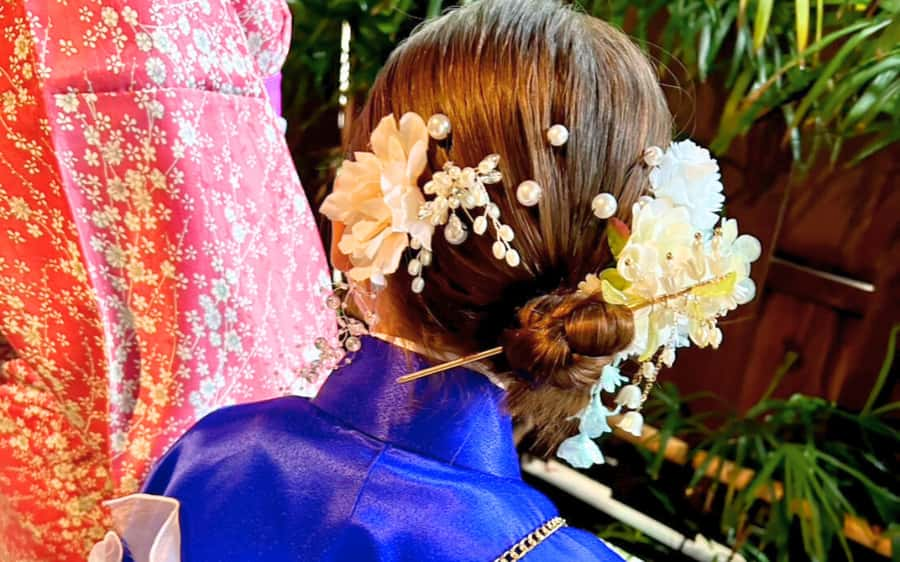
At $47 per person, the value depends on what you want from a kimono experience. The price includes the full kimono rental, obi, zori sandals, bag, dressing assistance, simple hairstyling, and storage. You also receive a convenient location near Sensoji, which saves transport time.
For a first kimono experience, that is a useful bundle. You do not need to arrange clothing, dressing, accessories, and hair separately. The staff’s help is a major part of the value, since tying and fitting the outfit would be difficult for most first-time visitors.
The price does not include transportation to the meeting point. You need to make your own way to Asakusa Station, served by the Tokyo Metro Ginza Line and Toei Asakusa Line.
Rickshaw rides and tea ceremonies are available for an additional fee at the shop. These extras could make the outing feel more like a prepared cultural activity, but they are not part of the $47 base cost. Ask about the price before agreeing to either one.
The package is best value for someone who plans to use the kimono for several hours around Asakusa. If you only want a quick photograph and do not care about walking around the district, a shorter photo-focused option might suit you better. No shorter option is specified here, so compare the available choices when booking.
Timing your visit around the 17:30 return
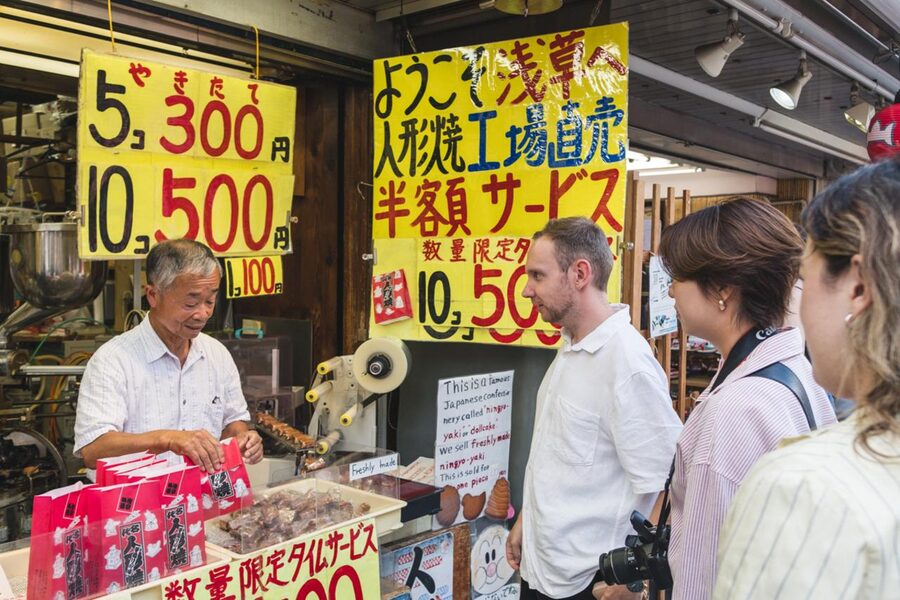
The usual return deadline is 17:30 on the same day. You can arrange to return the kimono the next day for a small additional fee, but that must be handled directly at the shop.
This deadline shapes your schedule. A morning or early afternoon booking gives you more breathing room for dressing, photos, temple visits, and a meal before returning the outfit. A later booking can still work, but you will have less time in Asakusa.
There is one special exception. On July 22, during the Katsushika fireworks festival in Tokyo, you can keep the kimono until 21:30. That is a useful option if you want to wear traditional clothing during an evening event, but confirm the arrangement when booking because it is tied to that specific date.
Return the kimono on time and allow a little extra time to get back to the shop. You do not want to finish your afternoon on the far side of Asakusa and hurry through the streets.
Finding the shop and getting ready
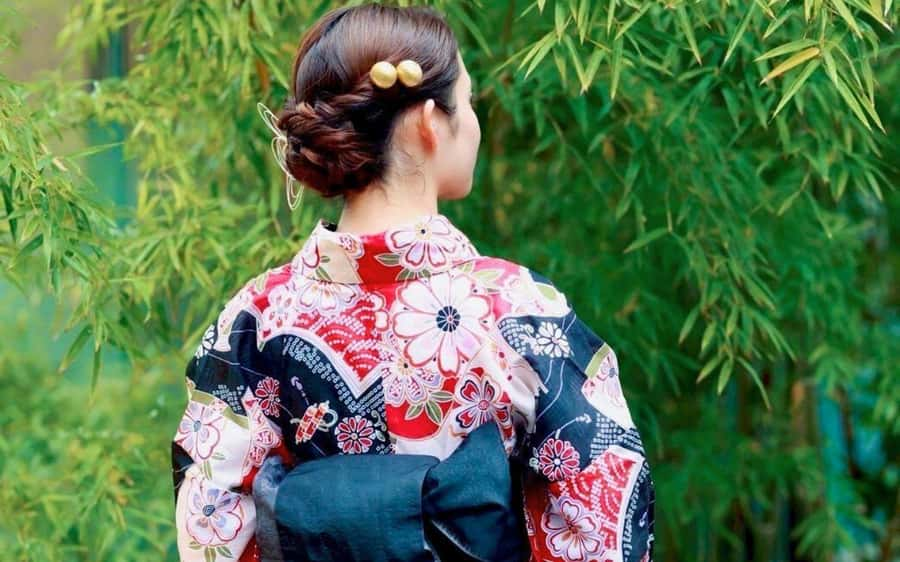
The meeting point is a short walk from Asakusa Station. Look for a building entrance with a black-and-white checkered pathway and a silver metal gate. Walk through the gate toward the elevator area, where staff will greet you.
This description is more useful than a broad address because Asakusa has many small entrances and busy streets. Save the emergency contact number supplied after booking in case the entrance is hard to identify.
Arrive at least 10 minutes early. This is not just a polite suggestion. Early arrival gives the staff time to prepare the clothing and helps protect your rental time.
The activity ends back at the same meeting point. That makes the end of the outing simple, especially if you plan to continue sightseeing by train.
English and Japanese are available. The experience is not suitable for children under two, babies under one, wheelchair users, or people over 120 kilograms. These limits are worth checking before you pay.
Who will enjoy this experience most
I would recommend this for you if you want photographs in traditional clothing but also want the freedom to explore without a guide. It suits couples, friends, families with older children, and mixed groups where not everyone needs the same style of outfit.
It is also a good choice if you are nervous about dressing yourself. The staff provide direct help, and Wako has been singled out for being especially welcoming and careful. Kazune’s connection to Asakusa adds a local face to the experience.
You may prefer another activity if you need step-free access, have a larger body size than the stated limit, or want a full cultural lesson with a detailed explanation of kimono construction. This booking focuses on wearing the clothing and enjoying Asakusa, not on a long classroom-style presentation.
The self-guided format is another consideration. Some people love choosing their own route. If you want a guide beside you explaining every temple feature, this may feel too independent.
Should you book this kimono experience?
Book it if you want a straightforward way to wear an authentic kimono near Sensoji Temple, with staff handling the difficult parts. The strongest reasons are the location, the included accessories and hairstyling, and the personal help from Kazune, Wako, and the certified dresser.
Before booking, check that the 17:30 return time fits your day and that you can walk comfortably in zori sandals. If you want more time, ask about the overnight option or the July 22 late return.
At $47, this is a sensible choice for a first kimono outing in Tokyo. You get the outfit, dressing assistance, hair preparation, storage, and a prime setting without arranging each part yourself. Add the rickshaw or tea ceremony only if those extras fit your budget and plans.
FAQ
Where does the kimono rental begin?
It begins at a shop a few minutes from Asakusa Station, served by the Tokyo Metro Ginza Line and Toei Asakusa Line.
How do I find the meeting point?
Look for a building entrance with a black-and-white checkered pathway and a silver metal gate. Walk through the gate to the elevator area, where staff will greet you.
How early should I arrive?
Arrive at least 10 minutes before your booked time so the staff can prepare the clothing and begin the fitting smoothly.
How close is the shop to Sensoji Temple?
The shop is about a three-minute walk from the famous Sensoji Temple.
What is included in the rental?
The package includes a kimono, obi belt, zori sandals, bag, dressing assistance, storage for your clothes and belongings, and simple hairstyling.
Is hairstyling included?
Yes. Simple hairstyling is included. Traditional hairpins and a more detailed hairstyle may depend on the arrangement available at the shop.
When must I return the kimono?
You normally need to return it to the shop by 17:30 on the same day.
Can I return the kimono the next day?
Yes, a next-day return may be arranged directly at the shop for a small extra fee.
Are rickshaw rides and tea ceremonies included?
No. Both can be added at the shop for an extra fee.
Who cannot take part?
The experience is not suitable for children under two years, babies under one year, wheelchair users, or people over 264 pounds, or 120 kilograms.
Newly reviewed around Tokyo
- Tokyo Asakusa:Calligraphy & Make T-shirt Activity★ 5.0 · 62 reviews
- 1 Hour Travel around Tokyo with a Professional Photographer★ 5.0 · 3 reviews
- Travel Tokyo with Your Own Personal Photographer★ 5.0 · 43 reviews
- Intercity Shuttle, Tokyo to Haneda /Narita /Yokohama /Makuhari★ 5.0 · 5 reviews
- Train in Samurai Swordsmanship and Defeat the Demon in Tokyo★ 5.0 · 5 reviews
- Shuttle Van 6hr Tokyo Tour to-and-from Tokyo, Yokohama and Narita★ 5.0 · 9 reviews
- Kickboxing & Body Training with EX-Pro Fighter★ 5.0 · 4 reviews
- Traditional Japanese Knife Sharpening Class★ 5.0 · 18 reviews
Tokyo Kimono Experiences, compared.

Tokyo Asakusa: Traditional Kimono Rental Experience at Wargo
Read our review →
Tokyo Authentic Kimono Rental in Asakusa with Photography Option
Read our review →
Kimono Rental inside Shinjuku Gyoen National Garden
Read our review →Browse the lists this tour appears in