
Reviewed · YANAKA OLD TOWN TOURS
Tokyo ART Walking: National Museum and Yanaka ART Area
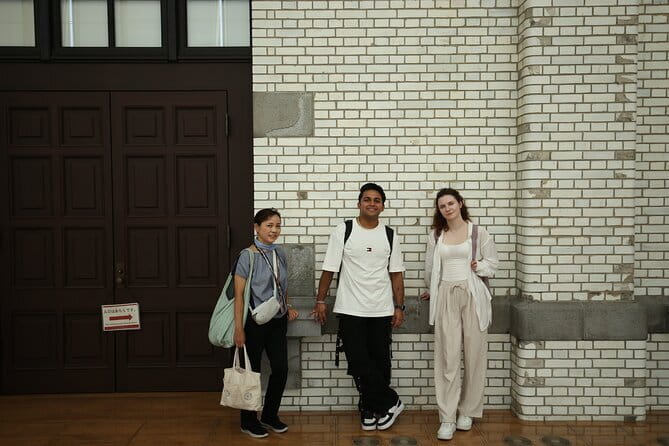
The best part of this tour is the change of scale. You begin with Japan’s largest museum, then leave the grand halls of Ueno for small galleries, an artist’s studio, a temple, and the quiet lanes around Yanaka. Tokyo National Museum admission is included, so you get a strong introduction to Japanese art without spending time sorting out tickets.
I like the mix of major sights and places you could easily miss on your own. I also like that guides such as Kyoko, Yuka, and Kenny have been praised for clear explanations and practical help, including getting people to the meeting point or back to their hotels. The main consideration is pace: nine stops in three and a half hours means short visits and a fair amount of walking.
Key points to know before booking
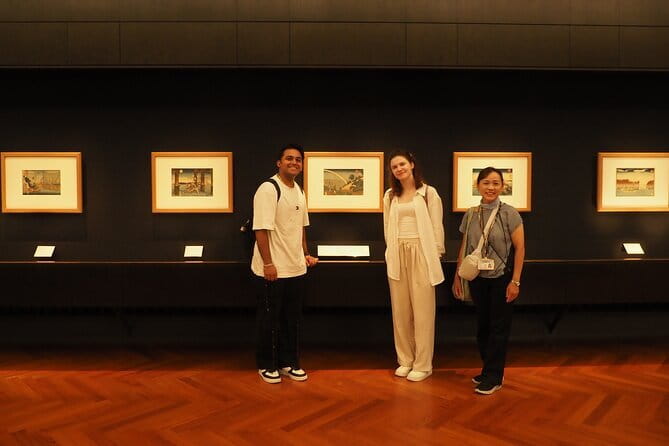
- The Tokyo National Museum anchors the tour: You get 75 minutes inside Japan’s largest museum and art gallery, with admission included.
- The route moves beyond the usual museum visit: You see Ueno’s cultural buildings, Tokyo University of the Arts, small galleries, and Yanaka’s art scene.
- Local artists are part of the experience: Allan West’s studio and the changing exhibitions at haco may offer direct contact with working artists.
- The tour ends at Nippori Station: You finish near Yanaka Cemetery after walking from JR Ueno Station.
- Coffee or tea is included: One soft drink is provided during the tour.
- Expect a small group: The maximum is 16 people, though the experience may feel more personal with a smaller booking.
From Japan’s largest museum to Yanaka’s small galleries
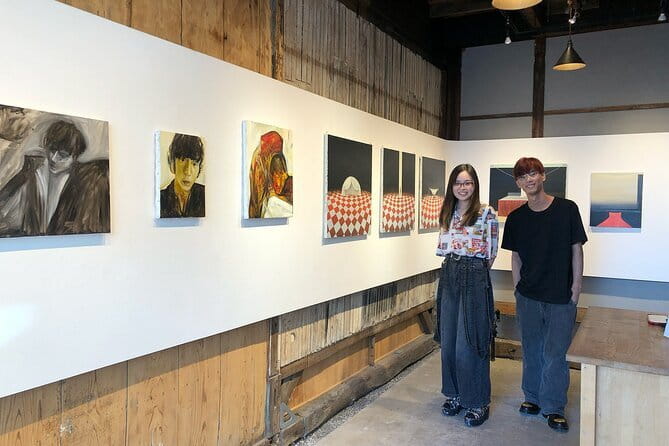
This tour works because it gives you two views of Tokyo art. The first is institutional and broad: the Tokyo National Museum presents paintings, sculptures, arts, and crafts from ancient to modern Japan. The second is personal and local: small exhibition spaces, a painter’s studio, and galleries in the Ueno and Yanaka area show how art is made and displayed outside a major museum.
You meet outside the Park Gate of JR Ueno Station, at the NewDays Ecute Ueno Park Gate area. The meeting point is served by public transportation, but the station is large, so allow time to find the correct exit. The tour ends at Nippori Station, not back at Ueno, which is useful if you plan to continue around Yanaka afterward.
The group can include up to 16 people. That is small enough for a guide to answer questions, but not so small that you should expect a private tour. The published price is $96.75 per person. That is not a bargain-priced walking tour, but it includes the Tokyo National Museum ticket, a certified guide, and coffee or tea. The real value is the route planning and explanation. You are paying to connect a major museum with less obvious art stops that would take more effort to find and understand alone.
More old Tokyo walks around Yanaka:
- The Old Quarter of Tokyo – Yanaka Walking Tour
★ 4.5 · 590 reviews - Yanaka Walking Tour: Historic and Traditional District of Tokyo
★ 5.0 · 530 reviews - Tokyo: Old Quarter Yanaka Walking Tour
★ 4.8 · 406 reviews
75 minutes inside the Tokyo National Museum
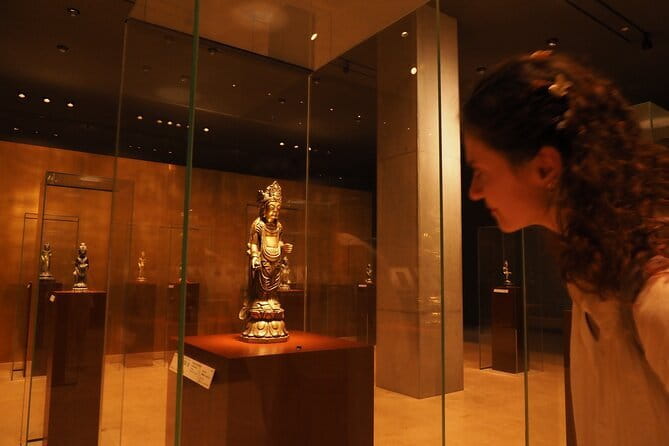
The first stop receives the longest visit, and rightly so. The Tokyo National Museum is Japan’s largest museum and art gallery, with works ranging from ancient objects to modern pieces. The collection includes paintings, sculpture, arts, and crafts, giving you a wide view of Japanese artistic traditions rather than one narrow theme.
Seventy-five minutes is enough for an introduction, not a full museum visit. If you already know the museum and want to spend hours with particular works, this tour will feel too brief. If you are new to Japanese art, the time limit can be helpful. You get a clear first look without trying to cover every room and leaving exhausted.
The guide commentary is important here. A large museum can be hard to read without context, especially when you are unfamiliar with the materials, periods, or uses of Japanese art. The guide helps give shape to what you are seeing and connects the museum displays to the later stops.
Admission is included, which removes one practical task and makes the $96.75 price easier to assess. You should still think of this as a guided introduction rather than a museum study visit.
Ueno’s concert halls and modern architecture
After the museum, the route shifts outdoors through Ueno’s cultural district. Tokyo Bunka Kaikan is one of Tokyo’s major halls for opera, ballet, and classical music. The visit lasts about 15 minutes, so the focus is the building and its place in the district rather than a performance.
You also view the National Museum of Western Art from outside. It is the only museum in East Asia designed by Le Corbusier, but entry is not included in this tour. That distinction matters. If you want to see the collections inside, plan a separate visit and budget for another admission fee.
The route also passes the former concert hall of the Tokyo National University of Fine Arts and Music. These stops give you a better sense of why Ueno is such an important cultural area. You are not only going from one museum door to another. You are seeing a cluster of art, music, education, and architecture within a walkable part of Tokyo.
The children’s library and Kuroda’s place in Japanese art
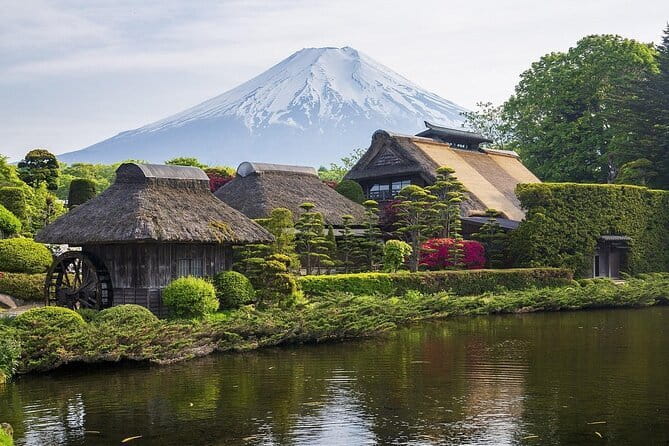
The International Library of Children’s Literature is another short stop, with about 15 minutes allotted. Its appeal is architectural: the building combines modern and retro elements. That makes it a useful pause in a tour otherwise focused on collections and galleries.
The route also includes a small museum devoted to Kuroda, described as a pioneer of Western art in Japan. This stop adds context to the country’s changing relationship with European-style painting. It is one of the places where a guide can make the visit more useful than a quick look at a building from the street.
Because most of these stops are brief, you should not expect long time inside every site. The benefit is range. In one morning or afternoon, you get art, music, architecture, education, and neighborhood history without having to plan the connections yourself.
More Tokyo museums and galleries:
- Tokyo: teamLab Planets TOKYO Digital Art Museum Entry Ticket
★ 4.6 · 9,779 reviews - Tokyo: Samurai Ninja Museum Guided tour and Experience
★ 4.6 · 1,010 reviews - Ninja Experience (Family Friendly) at Samurai Ninja Museum TOKYO
★ 5.0 · 441 reviews - Tokyo Studio Ghibli Museum and Ghibli Film Appreciation Tour
★ 4.5 · 421 reviews
Tokyo University of the Arts and Chinretsukan Gallery
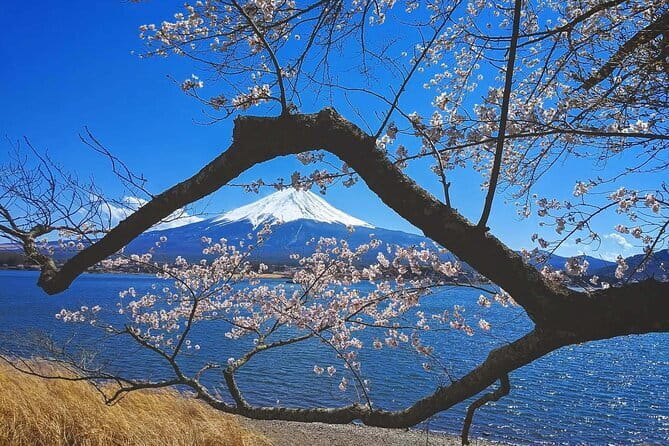
The Chinretsukan Gallery at the Ueno Campus of Tokyo University of the Arts is one of the more relevant stops for anyone interested in how Japanese artists are trained. The university is Japan’s only national university of the arts, with both Fine Arts and Music faculties.
The gallery visit lasts about 15 minutes and admission is free. Exhibitions can vary, so the exact material on display may not be the same every time you take the tour. That uncertainty is part of the appeal, but it also means you should not book expecting one specific exhibition.
This stop puts local art in an academic setting. You see work connected to an institution that trains artists and musicians, then continue to smaller spaces where contemporary artists show work directly to the public. The contrast is useful and helps the tour avoid becoming only a greatest-hits museum walk.
Gokoku-in Temple and the quieter side of Ueno
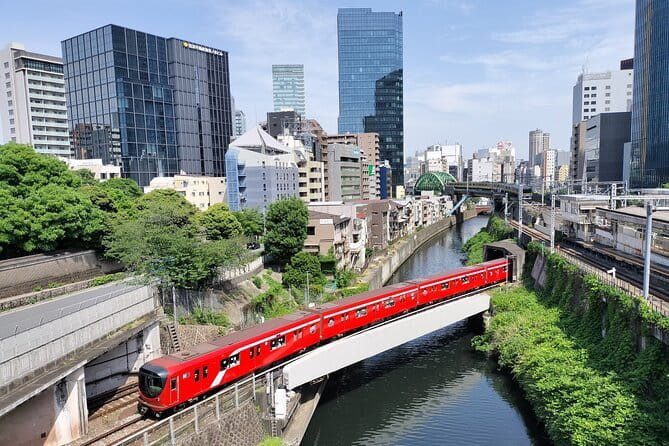
Gokoku-in Temple is dedicated to Daikokuten, a deity associated with prosperity and good harvests. The visit lasts around 15 minutes and offers a change of mood after the museums and gallery buildings.
The temple is described as tasteful rather than grand, so you should expect a compact cultural stop, not a long temple visit with extensive grounds. Its value lies in the contrast. You move from formal art institutions into a religious setting, then toward the more personal art spaces of Yanaka.
This is also where the route begins to feel less like a standard museum tour. You are still close to Tokyo’s major cultural institutions, but the stops become smaller and more local in character.
Allan West’s studio and the personal side of art
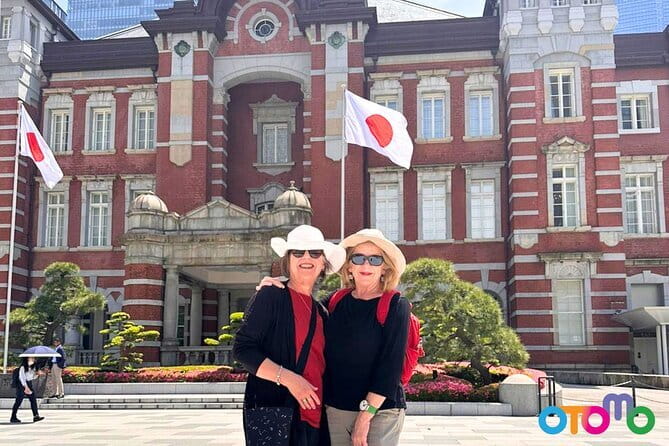
Art Sanctuary Allan West is the studio and gallery of Allan West, a painter of Japanese folding screens. This is one of the most distinctive stops because you are seeing a working artist’s space rather than only a finished collection in a large museum.
The visit lasts about 15 minutes. That is enough for an introduction and a look around, but not a long studio appointment. The stop is especially useful if you want to understand the connection between traditional Japanese formats and present-day art practice.
The tour description identifies the artist as Allan West, though one supplied detail spells the name Alan West. The consistent point is the studio and gallery devoted to his folding-screen painting. Your guide can help explain what you are seeing and why this type of work matters within Japanese art.
Haco and the chance to meet an artist
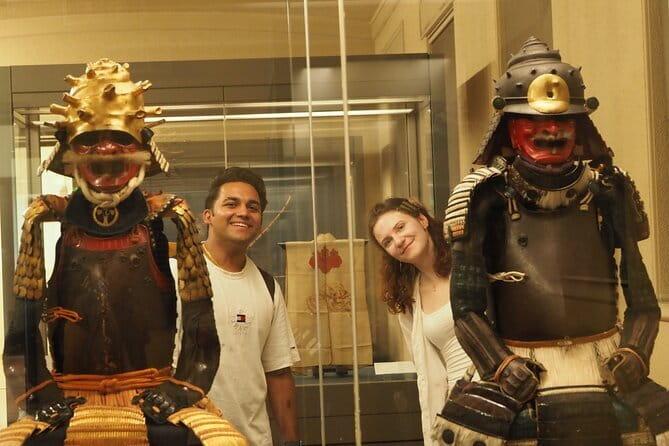
Haco, described as an art brewing gallery, changes its exhibitions every week. That makes the stop fresh for repeat visitors, and it gives first-time visitors a look at a small gallery that does not follow the fixed collection model of a major museum.
You may be able to talk with the artist, but the artist is not guaranteed to be present when you arrive. That is an important practical detail. Book this tour for the gallery visit and the chance of a conversation, not as a promised artist meeting.
The short 15-minute stop works best if you are open to seeing one small exhibition and asking a few questions. It is not designed for a long, quiet gallery study. Still, this kind of space is difficult to find without local knowledge, which is one reason the guided route earns part of its price.
SCAI The Bathhouse, art in a former public bath
SCAI The Bathhouse is a contemporary art gallery in a renovated public bathhouse. The building itself gives the visit character. A former neighborhood bathhouse is an unexpected setting for contemporary art, and the contrast between old structure and modern exhibition space is one of the tour’s most memorable ideas.
The stop lasts about 15 minutes and admission is listed as free. As with the other galleries, the exhibition can change, so the exact work you see will depend on the current program.
This is a good example of what the tour does better than a standard museum visit. It does not simply show you famous objects. It shows how Tokyo reuses older spaces and how art fits into everyday neighborhoods.
Yanaka Cemetery and the walk to Nippori Station
The final stop is Yanaka Cemetery, a green and quiet cemetery near the end of the route. You spend about 10 minutes there before finishing at Nippori Station.
The cemetery provides a calm ending after the concentrated visual information of the museum and galleries. It also places you in Yanaka, an area known for its local artists and small creative spaces. The tour does not return you to Ueno, so check your plans before booking. Ending at Nippori is convenient if you want to continue through the Yanaka area, but it may require a separate train ride if your hotel or next stop is elsewhere.
The route is about three and a half hours. Since it includes nine listed stops and begins with 75 minutes in the museum, the later visits are short. Wear comfortable shoes and expect a walking tour rather than a series of long indoor visits.
What the guides add to the experience
The guide is central to the value here. Kyoko has been especially praised for both art knowledge and practical help, including making the meeting point easier to find and helping with the return journey. Yuka is described as a strong communicator who gives a good introduction to Japanese art and the Ueno area. Kenny has also been praised for thoughtful guiding around Ueno Park, the Tokyo National Museum’s Japan Gallery, and nearby galleries.
Those details matter because this is not a route where every stop explains itself. The museum is large. The architecture stops are brief. The small galleries may have changing exhibits. A guide who can connect those pieces makes the day more coherent.
The guide may also be able to help with practical decisions during the walk. One person was assisted with a taxi back, but private transportation is not included, so do not assume hotel pickup or a return ride is part of the standard service. The listed meeting and end points remain JR Ueno Station and Nippori Station.
Is $96.75 a fair price?
At $96.75 per person, this is best judged as a guided art route, not as a museum ticket with a short walk attached. The Tokyo National Museum admission is included, as is one coffee or tea, but the main expense is the certified guide and the time saved planning a route through Ueno and Yanaka.
The price makes more sense if you want explanation. It is also easier to justify if you are interested in Japanese art but do not know which galleries or cultural buildings to choose. You receive a connected introduction to major and small-scale art spaces in one booking.
It makes less sense if you prefer to explore museums slowly, skip short architectural stops, or spend a full afternoon at one gallery. You could visit the Tokyo National Museum independently and choose your own pace. This tour is for people who want an organized route and context more than total freedom.
Group discounts are available, which may improve the value for a party. Confirmation is sent within 48 hours, subject to availability. Free cancellation is available until 24 hours before the start time, while cancellations or changes inside that period are not accepted.
Who should book this art walk?
I would choose this tour if you are visiting Tokyo for the first time and want an art-focused introduction without building the route yourself. It also suits repeat visitors who have seen the famous museums and want smaller galleries, a studio, and Yanaka’s quieter side.
It is a good fit for adults and older children who can manage three and a half hours of walking and frequent transitions. Most people can participate, and the group is capped at 16, but no private transport is included.
I would be cautious if your main goal is an in-depth visit to the Tokyo National Museum. Seventy-five minutes passes quickly, and the rest of the route has many 15-minute stops. You should also avoid assuming that an artist will be present at haco or that the National Museum of Western Art can be entered during this tour.
Should you book the Tokyo art walk?
Book it if you want the Tokyo National Museum paired with places you are unlikely to find on your own. The strongest parts are the guide-led museum introduction, the contrast between major institutions and small galleries, and the chance to see Allan West’s studio and SCAI The Bathhouse.
Skip it if you want a slow museum day or dislike a fixed walking schedule. For everyone else, $96.75 is a reasonable price for a carefully connected Ueno-to-Yanaka route, especially when admission, guiding, and a drink are included.
FAQ
How long does the Tokyo ART Walking tour last?
The tour lasts approximately 3 hours and 30 minutes.
Where does the tour begin?
It begins outside the Park Gate of JR Ueno Station, at the NewDays Ecute Ueno Park Gate area in Ueno, Tokyo.
Where does the tour end?
The tour ends at Nippori Station in Arakawa City, Tokyo.
Is admission to the Tokyo National Museum included?
Yes. The Tokyo National Museum admission fee is included.
Does the tour enter the National Museum of Western Art?
No. The tour views the National Museum of Western Art from outside, and entry is not included.
Is coffee or tea included?
Yes. One coffee, tea, or other soft drink is included.
How many people can join the tour?
The maximum group size is 16 people.
Is private transportation included?
No. Private transportation is not included. The tour uses a walking route between Ueno and Nippori.
Can I cancel for a full refund?
Yes. You can cancel at least 24 hours before the experience start time for a full refund. Cancellations or changes made less than 24 hours before the start time are not accepted.
More Tokyo walking tours
- Tokyo Tsukiji Fish Market Food and Culture Walking Tour
★ 5.0 · 3,184 reviews - Tokyo: Imperial Palace and Shogun Historical Walking Tour
★ 5.0 · 2,251 reviews - Tokyo: Shinjuku Local Bar and Izakaya Guided Walking Tour
★ 4.9 · 1,794 reviews - Tokyo: Tsukiji Fish Market Food and Walking tour
★ 5.0 · 1,724 reviews
Newly reviewed around Tokyo
- Tokyo Asakusa:Calligraphy & Make T-shirt Activity★ 5.0 · 62 reviews
- Intercity Shuttle, Tokyo to Haneda /Narita /Yokohama /Makuhari★ 5.0 · 5 reviews
- 1 Hour Travel around Tokyo with a Professional Photographer★ 5.0 · 3 reviews
- Travel Tokyo with Your Own Personal Photographer★ 5.0 · 43 reviews
- Train in Samurai Swordsmanship and Defeat the Demon in Tokyo★ 5.0 · 5 reviews
- Shuttle Van 6hr Tokyo Tour to-and-from Tokyo, Yokohama and Narita★ 5.0 · 9 reviews
- Kickboxing & Body Training with EX-Pro Fighter★ 5.0 · 4 reviews
- Traditional Japanese Knife Sharpening Class★ 5.0 · 18 reviews
Yanaka Old Town Tours, compared.
Yanaka Walking Tour: Historic and Traditional District of Tokyo
Read our review →
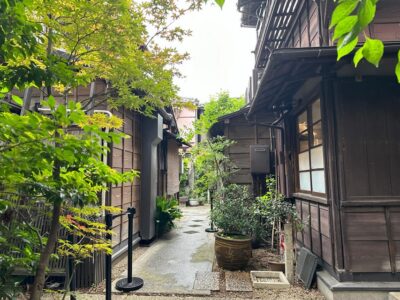
Stroll in Old traditional culture towns~Yanaka & Nezu
Read our review →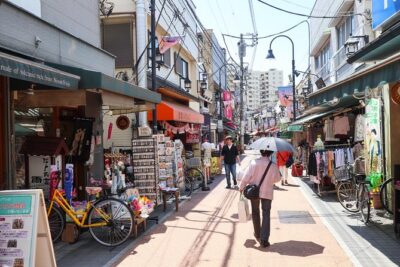
Yanaka Historical Walking Tour in Tokyo’s Old Town
Read our review →
Private Home Cooking in Yanaka – Local Flavors in a Warm Setting
Read our review →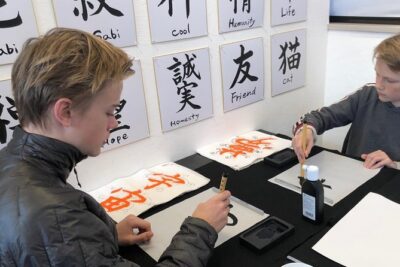
Let’s experience calligraphy in YANAKA, Taito-ku, TOKYO !!
Read our review →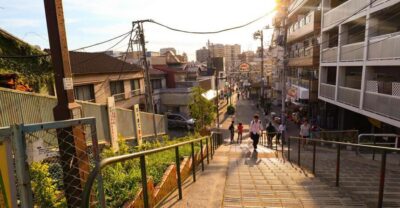
Yanaka District: Historical Walking Tour in Tokyo’s Old Town
Read our review →Browse the lists this tour appears in