
Reviewed · TOKYO COOKING CLASSES
Private Home Cooking in Yanaka – Local Flavors in a Warm Setting
The best part of this experience is that you do not just eat Japanese food, you learn how ordinary Tokyo households make it. In a small kitchen near Yanaka Ginza, Yuki guides you through dishes such as miso soup, gyoza, tempura, sushi, udon, bento, or miso-glazed eggplant, with plenty of time to ask questions.
I like the private format, since you get direct help rather than waiting for a teacher to reach a large class. I also like the chance to shape the menu around allergies, vegetarian or vegan needs, and favorite dishes. The main drawback is finding the meeting point, which sits on a side street and has confused some first-time visitors.
- Personal menu planning: Request dishes and dietary changes up to two days before the class.
- A real Yanaka setting: The kitchen is about 100 meters from Yanaka Ginza, in the old Yanesen district.
- Hands-on cooking: You chop, mix, knead, fry, roll, and cook rather than watch a demonstration.
- English instruction: Yuki and the other instructors explain techniques, ingredients, and the reasons behind each step.
- Lunch or dinner timing: The roughly two-hour class fits neatly into a morning, afternoon, or evening in Tokyo.
- A full meal at the end: You eat what you make, often with enough food to leave you comfortably full.
Cooking Everyday Japanese Food With Yuki
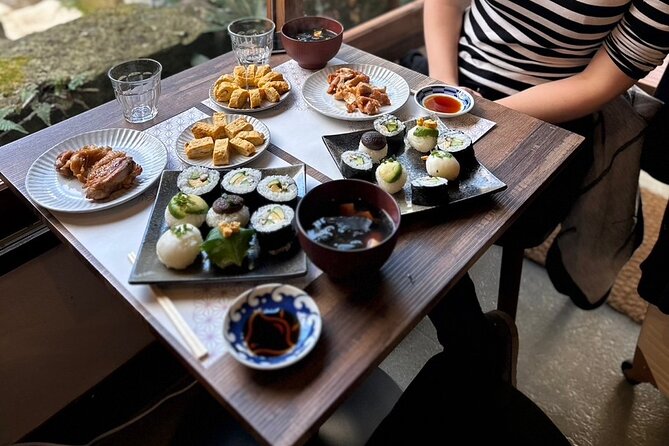
This is not a sushi-only lesson built around one impressive dish. The appeal lies in learning food Japanese families actually make at home. Depending on your menu request, you might prepare miso soup from scratch, okonomiyaki, nasu dengaku, tonkatsu, gyoza, karaage, tempura, rolled sushi, soba, udon, or a bento box.
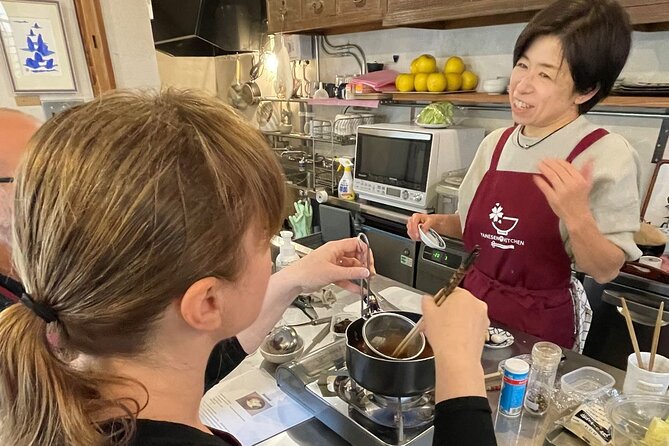
Yuki is the instructor most often named in the class details, and she teaches in English. You work beside her as she explains the ingredients and gives corrections while you cook. That matters more than it might sound. Japanese cooking often depends on small details, such as how finely to cut an ingredient, how to judge oil temperature, or when to add miso so its flavor remains balanced.
The cooking is active from the start. You may chop, slice, grind, mix, shape, and cook the ingredients yourself. In one menu, the process includes making dashi with kombu and bonito flakes, preparing a complex miso soup, grilling okonomiyaki, and glazing eggplant with miso and sesame seeds.
The lesson also includes useful shortcuts and substitutions. The recipes use ingredients that are available in ordinary markets outside Japan, so you are not left with a dish you can only recreate in Tokyo. That makes the class especially useful if you enjoy cooking at home and want more than a pleasant meal during your visit.
A Small Studio Near Yanaka Ginza
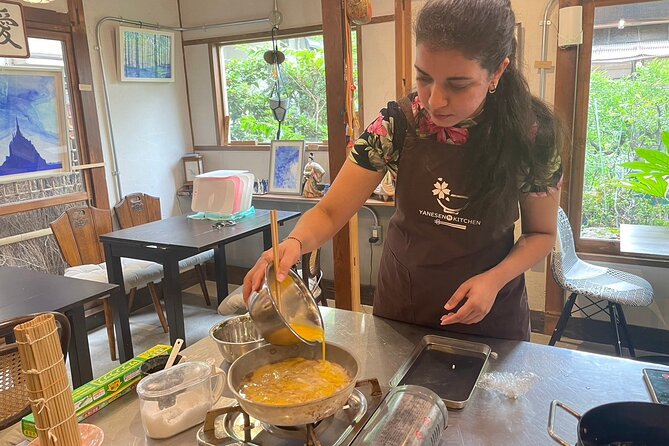
The activity begins at the YANESEN Tourist Information and Culture Center at 3-chome-13-7 Yanaka. The cooking space is close to Yanaka Ginza, roughly 100 meters away, and the class ends back at the meeting point.
The location gives the experience a strong neighborhood feel. Yanaka is one of the Tokyo districts where small streets, local shops, and a slower residential rhythm remain easy to notice. You are not cooking in a hotel conference room or a generic restaurant classroom. The setting is homey, though one important detail is worth clarifying: one class description calls it a local home kitchen, while a participant described it as a studio rather than an actual private home.
Finding the entrance can be tricky. The cooking space is on a side street off Yomise Street, and several people needed help locating it. A coffee shop called Ko Hi Ko Jo is used as a useful landmark. If you are unsure, stop at the information center or ask at the coffee shop. Staff can direct you, and in at least one case, someone came out to find the group.
I would arrive a little early rather than cutting it close. The cooking itself lasts about two hours, and you do not want to spend part of that time circling the block with a phone in your hand.
More old Tokyo walks around Yanaka:
- The Old Quarter of Tokyo – Yanaka Walking Tour
★ 4.5 · 590 reviews - Yanaka Walking Tour: Historic and Traditional District of Tokyo
★ 5.0 · 530 reviews - Tokyo: Old Quarter Yanaka Walking Tour
★ 4.8 · 406 reviews
Choosing a Menu That Fits Your Trip
Menu planning is one of the strongest features here. Plan A lets you choose one main dish. Plan B lets you choose two appetizers. The available food can vary, but the cooking sessions have included:
- Miso soup made with homemade dashi
- Okonomiyaki
- Nasu dengaku, or miso-glazed eggplant
- Tonkatsu
- Gyoza and karaage
- Tempura
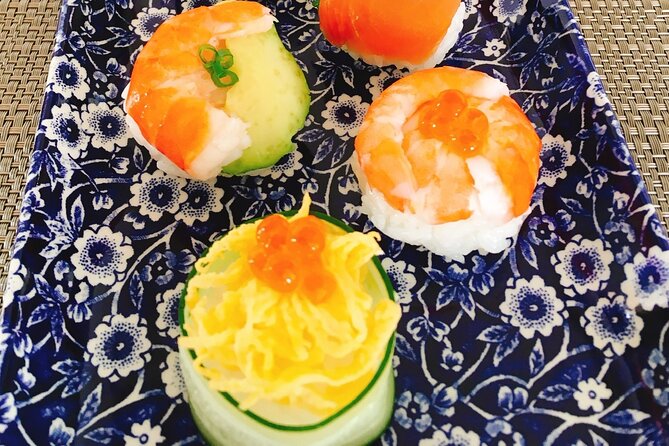
- Rolled sushi and other sushi styles
- Soba and udon noodles
- Bento boxes
- Nikujaga and oyakodon
You should state your preferred dishes when you reserve. Allergies, vegetarian meals, vegan meals, and other requests can be discussed through the contact form up to two days before the cooking date. Do not wait until you enter the kitchen, since the menu and ingredients need to be arranged ahead of time.
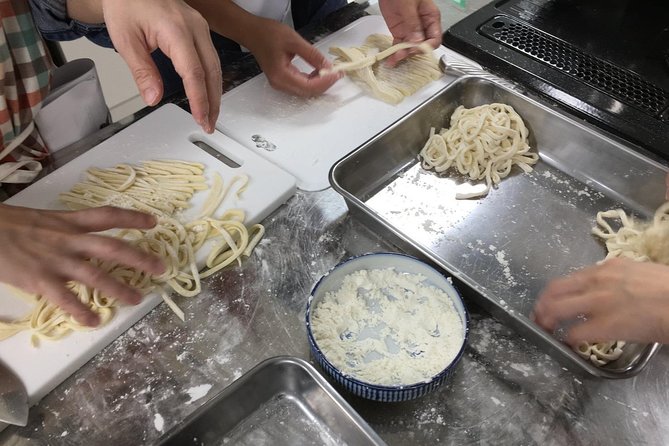
For a first class, I would choose a menu that teaches several techniques rather than focusing on one complicated dish. Miso soup with homemade dashi, okonomiyaki, and nasu dengaku offers a good spread of chopping, seasoning, grilling, and broth-making. If you want a more tactile session, udon is a fun choice because the dough can be kneaded with your feet inside a sealed bag, following a traditional method.
Families may prefer bento boxes, since children can help prepare several small items and arrange the final meal. Sushi and gyoza also provide clear, satisfying tasks. Solo cooks can usually get a highly tailored session because the private arrangement leaves room for questions and adjustments.
What the Two Hours Feel Like
The schedule is compact but busy. You meet at the information and culture center, walk to the nearby cooking space, and begin preparing the meal with the instructor. The exact order depends on your menu, but you can expect to work with ingredients rather than watch someone else do all the important steps.
The instructor explains the purpose of each ingredient and demonstrates techniques before you try them. With tempura, for example, the useful lesson is not only mixing batter. You also learn how to recognize the proper oil temperature, a skill that can make home frying feel much less intimidating.
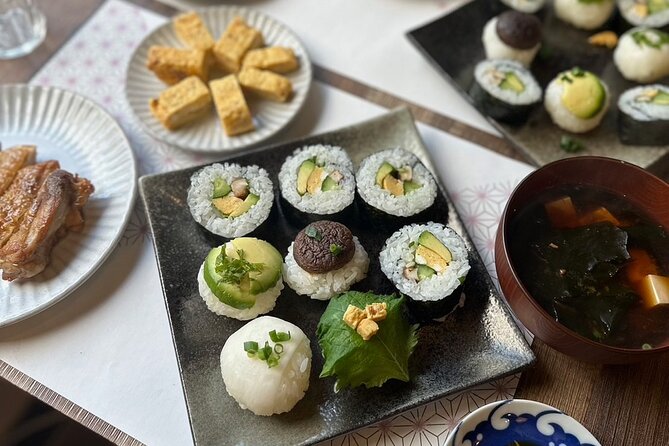
A sushi session may include shaping rice and rolling the finished pieces. A bento class can cover rice balls, rolled egg omelet, and arranging the box so it looks appealing as well as tastes good. With udon, you work the dough and learn how texture develops. With miso soup, you see how kombu, bonito flakes, and wakame create a broth with more depth than instant soup.
The pace allows conversation too. Yuki explains cooking habits, tools, and food customs, while you can talk about your own home and cuisine. The instructors have been described as patient and comfortable in English, including when teaching children. That makes this a good choice if you want cultural context without sitting through a formal lecture.
At the end, you sit down and eat the food you prepared. Portions are generous, and several menus produce enough food for a very substantial lunch or dinner. Some meals may even leave you with extra portions.
The Dishes That Teach You the Most
Some menus are more useful than others if your goal is to cook Japanese food after returning home.
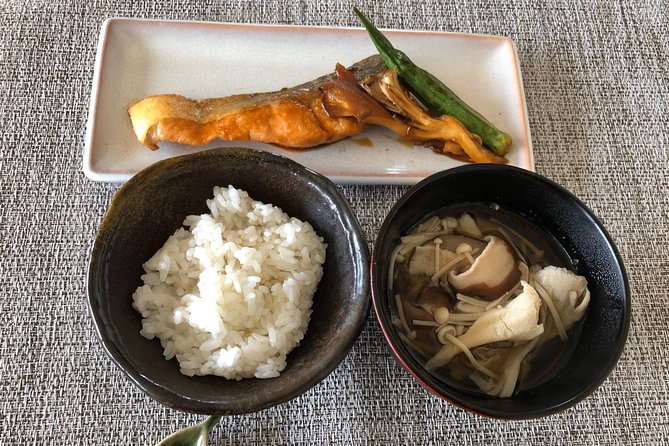
Miso soup from scratch offers the clearest lesson in Japanese pantry basics. Using kombu, bonito flakes, wakame, and miso shows how broth is built and why the order of preparation matters. It also helps you understand the difference between a quick packaged soup and a carefully made household version.
Nasu dengaku is simple enough to repeat but distinctive enough to feel special. Eggplant is paired with a miso glaze and sesame, sometimes with two different glaze styles. It is a good example of how a few common ingredients can produce a dish with strong flavor.
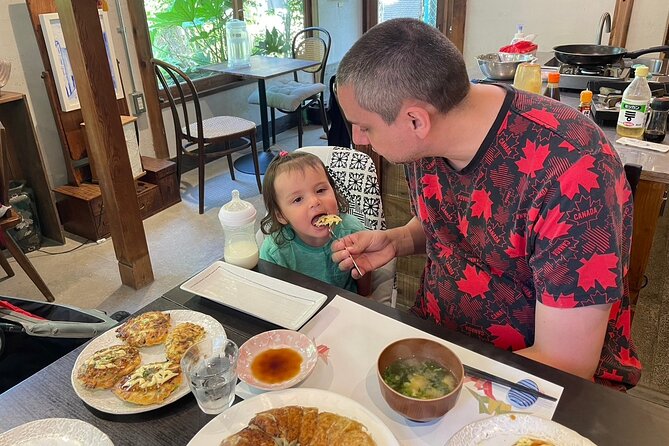
Okonomiyaki is social and forgiving. You mix a batter with several ingredients, cook it on a grill or hot surface, and see how texture changes as it firms. It is also easy to adapt with other fresh ingredients once you understand the method.
Udon gives you a memorable physical task. Kneading the dough with your feet, safely enclosed in a bag, is unusual and helps make the class more than a standard recipe lesson. You also learn how the dough develops its texture.
Bento preparation teaches organization as much as cooking. Several small foods must be prepared, portioned, and arranged. The square egg pan used for rolled omelet can be unfamiliar, but learning to handle it is part of the fun.
Gyoza, tempura, and sushi are rewarding choices if you want recognizable Japanese favorites. They also give you skills you can practice at home, from folding dumplings to rolling sushi and controlling frying temperature.
More Tokyo cooking classes:
- Tokyo: Roll and Authentic Sushi Making Class in Asakusa
★ 4.9 · 1,957 reviews - Tokyo Shinjuku Chopsticks Making Class
★ 5.0 · 1,763 reviews - Tokyo: Sushi Making Class in a Happi Coat near a Famous Spot
★ 4.9 · 1,377 reviews - Tokyo Sushi Making Class in Tsukiji with Professional Chef
★ 5.0 · 1,177 reviews
What Makes the Price Worth It
The price is $122.23 per person, with group discounts available. That is not a cheap meal, but it covers a private, hands-on cooking class, ingredients, instruction, and the meal you eat afterward.
For a solo visitor, the value comes from personal attention. You can ask about every step, adjust the menu to your interests, and get help with knife work, seasoning, dough, or frying as needed. A solo booking can feel closer to a private lesson than a group activity.
For a couple or family, the cost needs a closer look. The group discount helps, but you are paying for an experience rather than simply buying lunch. If you only want to taste Japanese food, a restaurant will cost less. If you want recipes, techniques, conversation, and a neighborhood activity in one package, the price is easier to justify.
The amount of food also matters. You do not prepare a token sample and leave hungry. The menus described include several dishes and produce a full meal, sometimes with extra food. You are paying for both the class and lunch or dinner, along with the time spent learning.
The experience is most valuable for people who will use what they learn. If you enjoy cooking, plan to recreate the dishes at home, or want practical insight into Japanese ingredients, this is a better buy than a short demonstration.
Adding Yanaka Ginza Before or After Class
The cooking space is close enough to Yanaka Ginza to pair the class with a walk through the district. This is one of the best reasons to choose this location instead of a cooking school in a modern commercial area.
Give yourself time to explore the surrounding Yanesen streets before or after the class. You can browse the local shopping area, notice the residential character, and stop for coffee or a meal. The neighborhood adds context to the food lesson: you are not learning Japanese home cooking in isolation, but in an older part of Tokyo where local life is part of the setting.
Timing matters. A lunch class works well if you want to walk afterward and continue exploring. A dinner class lets you spend the afternoon in Yanaka Ginza before cooking. The activity lasts about two hours, so it is easy to combine with other plans, but the walk to the meeting point and the possibility of getting lost mean you should allow extra time.
Who Will Enjoy This Class Most
I would recommend this experience to anyone who wants to understand Japanese food beyond restaurant menus. It suits couples, families, solo visitors, and small private groups. Children can take part when the menu is suited to their age, and the instructors have experience explaining the process clearly to younger participants.
It is especially useful for:
- Home cooks who want recipes they can repeat outside Japan
- First-time visitors looking for a friendly introduction to Tokyo
- People with allergies or dietary needs who want a menu discussed in advance
- Families who prefer an active lesson to a museum visit
- Solo visitors who value one-on-one instruction
- Anyone interested in ordinary Japanese food rather than only famous restaurant dishes
It may not be the right choice if you want a polished chef-led show, a large social class, or a fixed menu that requires no planning. You also need to be comfortable following directions in a small kitchen and doing the work yourself.
Practical Details Before You Reserve
Your booking is confirmed at the time of reservation, and mobile tickets are available. The experience is private, so only your group takes part. Service animals are allowed, and the meeting point is near public transportation.
Free cancellation is available when you cancel at least 24 hours before the start time. Changes made inside that window are not accepted, and late cancellations are not refunded. The activity can also be canceled if minimum attendance is not reached or if poor weather affects the operation. In those cases, you are offered another date or a full refund.
The weather condition seems unusual for an indoor cooking class, so confirm the status with the provider if the forecast is poor. Also, send dietary details early. The class can accommodate allergies, vegetarian meals, vegan meals, and other requests, but only when the instructor has time to plan.
Should You Book Private Home Cooking in Yanaka?
Book it if you want to cook, not just eat. The strongest parts are the private instruction, flexible menu, English guidance from Yuki and her team, and the chance to learn practical dishes such as dashi-based miso soup, gyoza, udon, tempura, sushi, and nasu dengaku.
The main cautions are the price, the occasionally confusing meeting point, and the need to request your menu in advance. Arrive early, use Ko Hi Ko Jo or the information center as landmarks, and treat the class as a cooking lesson with a meal attached.
For food lovers, families, and solo visitors who want a personal look at everyday Tokyo cooking, this is a worthwhile use of two hours in Yanaka. If you plan to recreate even two or three of the dishes at home, the experience offers more lasting value than another restaurant meal.
FAQ
Where does the cooking class begin?
It begins at the YANESEN Tourist Information and Culture Center at 3-chome-13-7 Yanaka, Taito City, Tokyo 110-0001, Japan.
Where does the activity end?
The activity ends back at the meeting point.
How long does the experience last?
The cooking experience lasts approximately two hours.
How much does the experience cost?
The listed price is $122.23 per person. Group discounts are available.
Is the class private?
Yes. Only your group participates in the private activity.
Can I choose the dishes?
Yes. You can request menu choices in the reservation request form. Plan A allows one main dish, while Plan B allows two appetizers.
Can the class accommodate allergies or special diets?
Yes. Allergies, vegetarian meals, vegan meals, and other requests can be arranged when you provide details in advance.
How far is the cooking space from Yanaka Ginza?
The cooking space is about 100 meters from Yanaka Ginza.
Is the instruction available in English?
Yes. The instructor can teach in English, and the class details identify Yuki and other English-speaking instructors.
Can I cancel for a refund?
You can cancel at least 24 hours before the start time for a full refund. Cancellations made less than 24 hours before the start time are not refunded.
Newly reviewed around Tokyo
- Tokyo Asakusa:Calligraphy & Make T-shirt Activity★ 5.0 · 62 reviews
- Intercity Shuttle, Tokyo to Haneda /Narita /Yokohama /Makuhari★ 5.0 · 5 reviews
- 1 Hour Travel around Tokyo with a Professional Photographer★ 5.0 · 3 reviews
- Travel Tokyo with Your Own Personal Photographer★ 5.0 · 43 reviews
- Train in Samurai Swordsmanship and Defeat the Demon in Tokyo★ 5.0 · 5 reviews
- Shuttle Van 6hr Tokyo Tour to-and-from Tokyo, Yokohama and Narita★ 5.0 · 9 reviews
- Kickboxing & Body Training with EX-Pro Fighter★ 5.0 · 4 reviews
- Traditional Japanese Knife Sharpening Class★ 5.0 · 18 reviews
Tokyo Cooking Classes, compared.
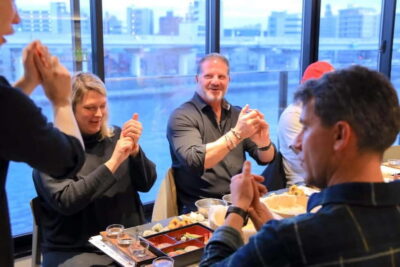
Roll and Authentic Sushi Making Class in Asakusa
Read our review →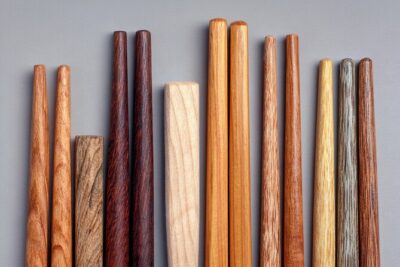
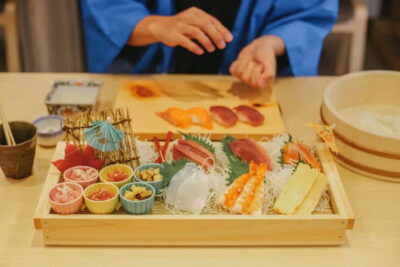
Sushi Making Class in a Happi Coat near a Famous Spot
Read our review →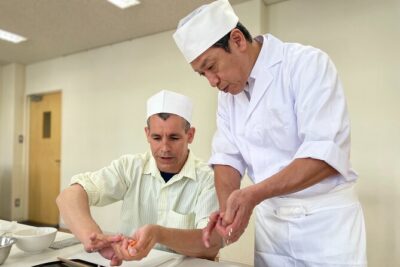
Tokyo Sushi Making Class in Tsukiji with Professional Chef
Read our review →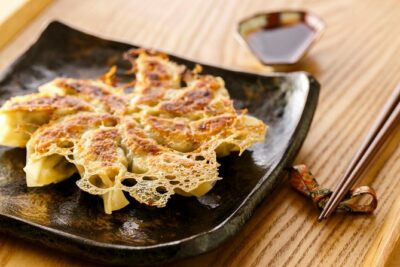
Ramen & Gyoza Cooking Class in Tokyo with Local Supermarket Visit
Read our review →
Matcha Making Class in Tokyo with Authentic Japanese Sweets Set
Read our review →
Tsukiji Fish Market Sushi Making Class with Pro Chef
Read our review →
Browse the lists this tour appears in