
Reviewed · TOKYO TEA CEREMONY EXPERIENCES
Tea ceremony experience in Japanese-style room 60min
The best part of this experience is that you do not just watch a Japanese tea ceremony. You choose your own bowl and sweet, learn what each object means, then make your own matcha in a traditional room at Wasako. Ryouko, along with assistants such as Akiko, explains the movements in clear, gentle steps.
I like the small group size, limited to seven, and the chance to take plenty of photographs in a registered tangible cultural property. I also like the human touch: the host may take pictures for you, answer questions, and explain the scrolls, furnishings, utensils, and customs. The main drawback is value. One booking finished in about 40 minutes, so the $45 price feels stronger when you receive a full lesson and personal attention.
What makes this tea ceremony worth your time
- You choose your own bowl and sweet: Each matcha bowl has its own design and story.
- You prepare the tea yourself: After watching the demonstration, you whisk your own matcha.
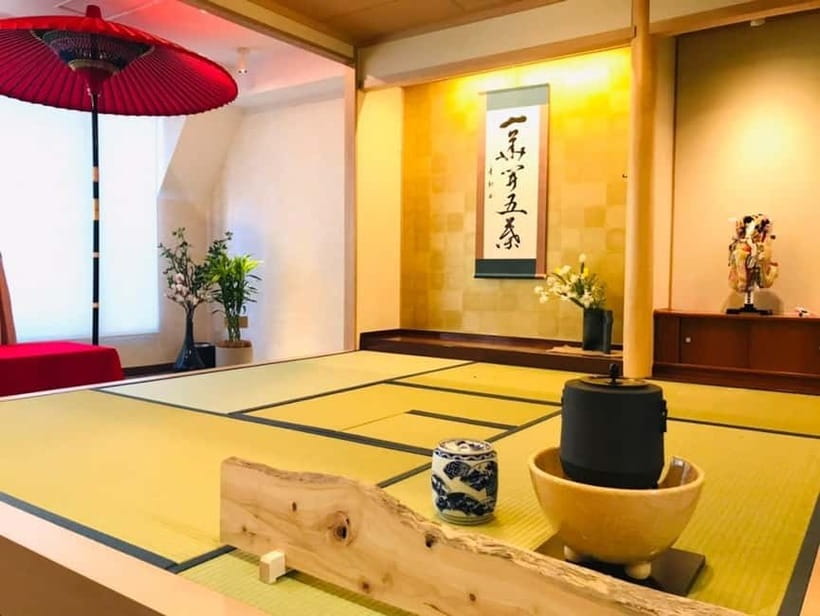
- The setting is part of the experience: Wasako is inside the historic Ichimatsu building, with traditional furnishings and many good photo spots.
- Ryouko brings warmth to the lesson: Her calm explanations and willingness to answer questions are a major part of the appeal.
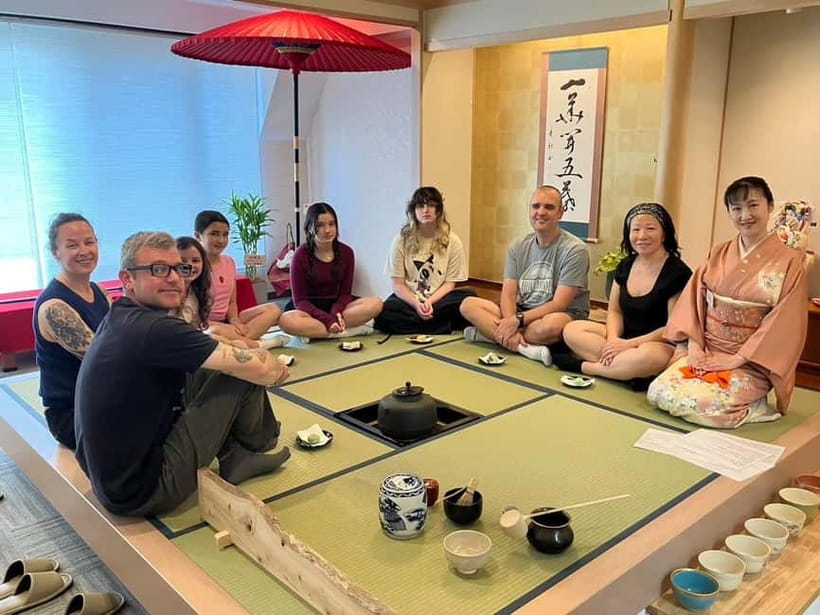
- The group stays small: With no more than seven participants, the lesson can feel personal, especially when numbers are low.
- Socks are required: Shoes come off indoors, and socks are needed if you step onto the tatami.
Entering Wasako near Asakusa
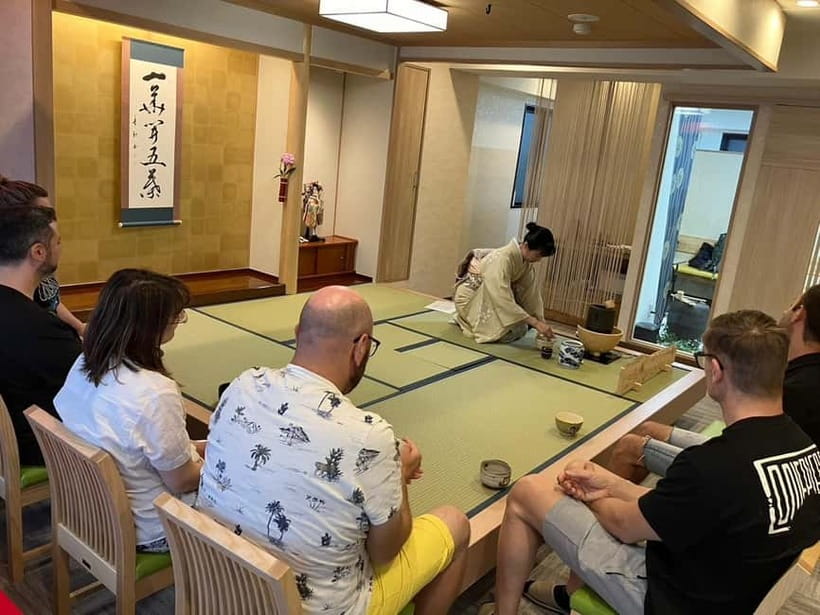
Wasako is located inside the Charyo-Ichimatsu restaurant, in a Japanese-style room close to the old Asakusa sightseeing district. You can reach it in about five minutes from Tawaramachi Station on the Tokyo Metro Ginza Line, using Exit 3. From Asakusa Station on the Toei Asakusa Line, allow about 10 minutes from Exit A4.
The directions deserve a little care. One booking found the signs vague, so look for the green signs marked Tea ceremony experience. The room is on the fifth floor, two doors to the right of the kimono rental area, near a doorway associated with an incense shop. It is also described as being virtually opposite Asakusa Station Exit 4.
Arrive with socks on. Shoes are not allowed indoors, and you may not enter the tatami area in bare feet. If you arrive without socks, a pair can be purchased for 500 yen. That is a small cost, but an easy one to avoid.
The venue itself gives the ceremony more weight than a plain classroom would. Ichimatsu is a registered tangible cultural property in Japan, and its traditional details provide a natural backdrop for photographs. You are not just sitting at a table with a bowl of green tea. The room, objects, light, and quiet pace all help explain why the ceremony pays such close attention to placement and movement.
More Tokyo tea ceremonies:
- Matcha Making Class in Tokyo with Authentic Japanese Sweets Set
★ 5.0 · 744 reviews - Tokyo: Traditional Tea Ceremony with a Tea Master
★ 5.0 · 528 reviews - Dynamic Tokyo: Tokyo Tower, Tea Experience, Bay Cruise Day Tour
★ 4.5 · 521 reviews
Choosing a bowl and Japanese sweet
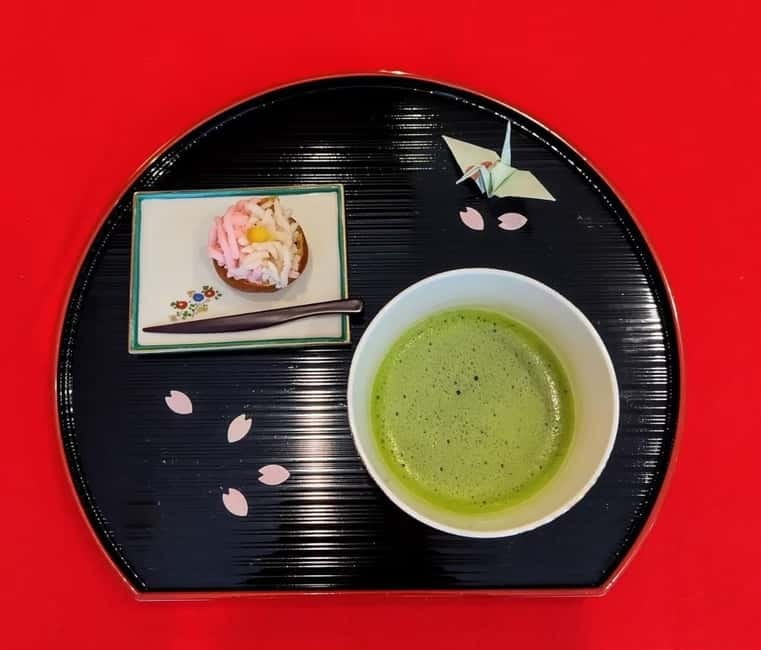
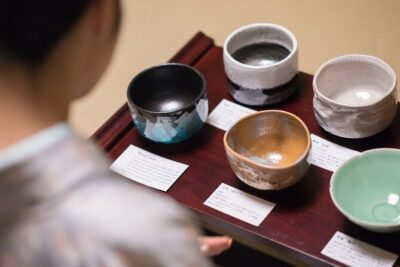
The first personal choice is your matcha bowl. Rather than handing everyone identical equipment, the staff lets you select from several bowls. Each has a different design, and the host explains the bowl individually.
This is a small detail with real value. A tea bowl is not just a cup. Its shape, color, texture, and decoration affect how the tea is presented and held. You do not need prior knowledge to appreciate the differences. The explanation gives you a reason to pause and look closely.
You also choose the sweet served with the tea. Japanese tea sweets are usually made to balance matcha, which can taste grassy, bitter, and quite strong when you first drink it. Eating the sweet before the tea makes the flavor easier to enjoy and gives the ceremony a pleasant rhythm.
I like this opening because it gives you a role before the formal movements begin. You are making choices, not waiting passively for a performance to finish. It also makes the photographs more personal, since the bowl you hold is one you selected.
Watching Ryouko prepare the matcha
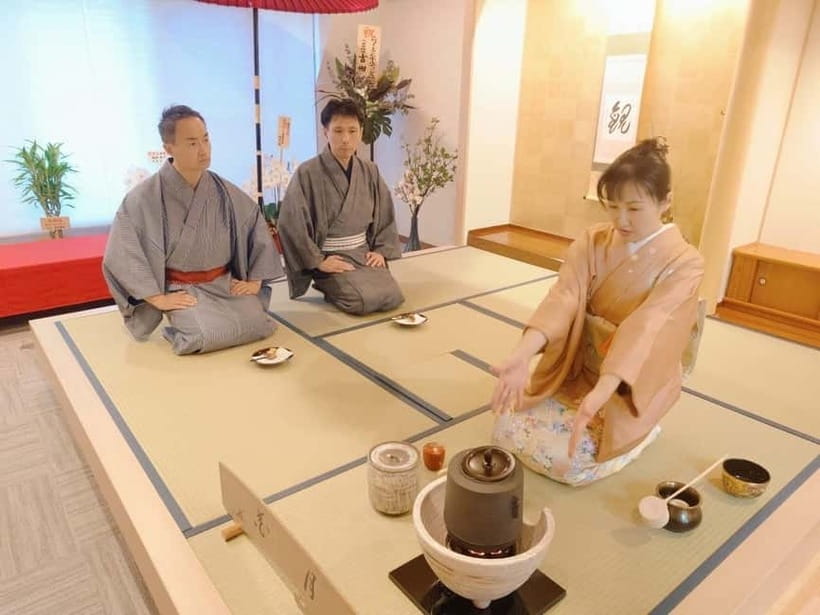
The demonstration is the calm center of the session. Ryouko prepares the tea while explaining what she is doing, and she may discuss the tools, the room, the hanging scrolls, and other furnishings as they become relevant.
The pace is deliberate. That is the point. A tea ceremony is not designed to get a cup of tea into your hands as fast as possible. Each movement has an order, and the order helps create a feeling of care. You will see the host handle the utensils with precision, prepare the powder, add water, and whisk the matcha.
English instruction is available, and the activity is offered in English and Japanese. The explanations are aimed at visitors who may know little about tea ceremony customs, so you do not need to study the etiquette in advance. You can also ask questions as the lesson proceeds.
This is where the quality of the host matters most. Ryouko is repeatedly described as patient, kind, and eager to share Japanese culture. She does not simply perform the ceremony and send you on your way. The best part of the session is the connection between the formal ritual and the person explaining it.
Making your own matcha
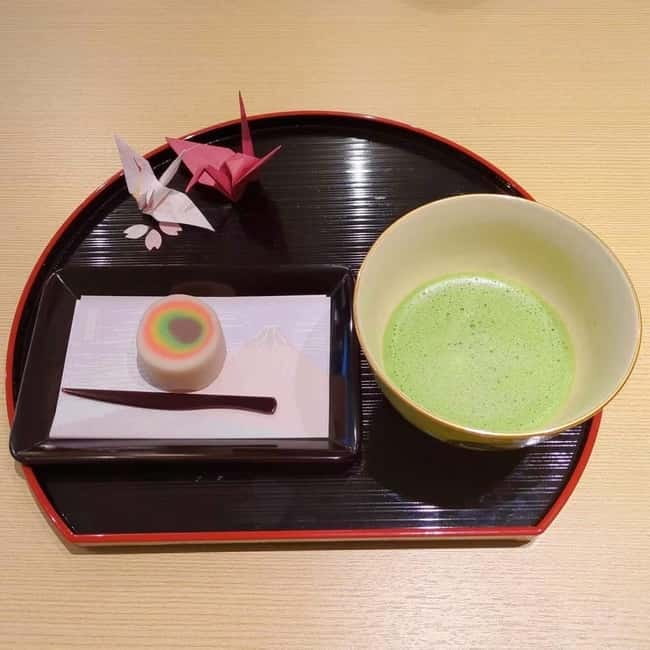
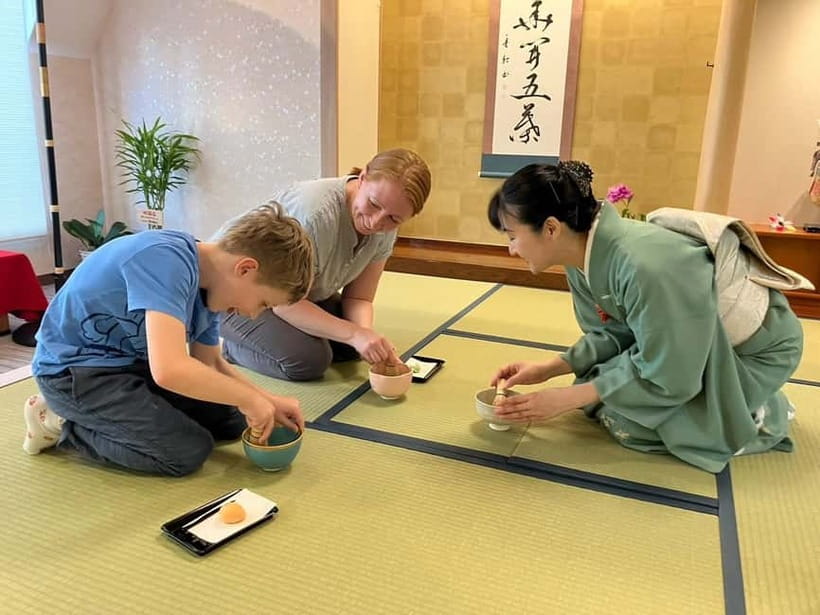
After watching the demonstration, you get to prepare your own tea. The host teaches you how to use the whisk and guides you through the process. You do not need to worry about getting every movement perfect. The point is to try the method, understand the basic steps, and notice how much work goes into a bowl that looks simple.
This hands-on part gives the experience more substance than a photo stop. You learn by doing, and you can compare your finished tea with the one prepared by the tea master. The result may not have the same fine foam or exact rhythm, but that is part of the fun.
For many people, this will be their first time making matcha in a formal setting. You will leave with a better sense of why the whisk matters, how the tea is mixed, and why presentation is so closely tied to hospitality.
The session is also suitable for families with older children. Children under six are not accepted, but older children and teenagers have enjoyed the activity. The calm format can work well for a family that wants a cultural experience between busier stops around Asakusa.
A completely different kind of day in Tokyo:
- Mt Fuji and Hakone 1-Day Bus Tour Return by Bullet Train
★ 5.0 · 26,383 reviews - 1-Day Tokyo Bus Tour
★ 5.0 · 14,250 reviews - Tokyo: teamLab Planets TOKYO Digital Art Museum Entry Ticket
★ 4.6 · 9,779 reviews - Mt Fuji & Hakone Cruise, Drum Show Bullet Train 1 Day from Tokyo
★ 4.0 · 7,413 reviews
A historic room built for photographs
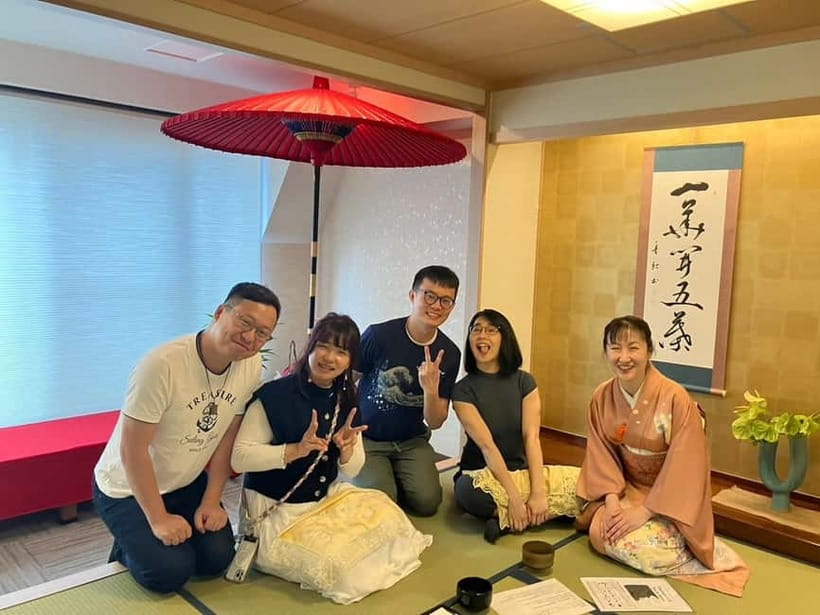
Bring your camera, but do not let photography take over the ceremony. Ichimatsu has several attractive details, and the staff is willing to help take pictures during the experience. This is especially useful if you are traveling as a couple or family and want photographs of everyone together.
The host may photograph you while you choose a bowl, watch the preparation, or make your own matcha. You can also take pictures and videos during the ceremony, subject to the staff’s guidance. Several bookings included personal help with photographs, which adds practical value for visitors who want more than a quick selfie.
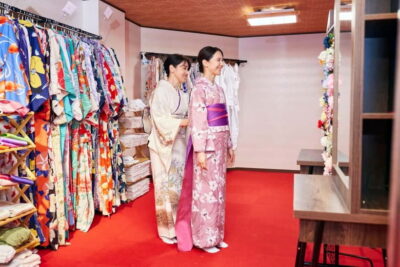
Some participants also arranged kimono dressing as an addition to the tea ceremony. Ryouko and Akiko have helped with the layers and dressing process, and the kimono made the photographs feel more complete. A kimono option is not part of the $45 tea ceremony inclusion list, so confirm the cost and availability when booking.
The kimono can turn a short tea lesson into a longer cultural outing, but it is not essential. If you are mainly interested in learning to prepare matcha, the standard session is enough. If you want a special photo record of your time in Tokyo, the additional dressing may be worth considering.
Timing, group size, and the real pace
The listed start times are 10:00, 11:30, 13:30, and 15:00. The core activity is described as 45 minutes, while the product information also displays a duration range of 45 minutes to four hours. That wider range likely reflects different availability or optional additions, such as kimono dressing, rather than the normal tea lesson itself.
Plan on roughly 45 minutes for the ceremony, while allowing more time if you add another activity. One booking reported a session lasting about 40 minutes, including early arrival. That is worth keeping in mind when judging the cost.
The group limit is seven people. A full group could make the demonstration feel more like a class, while a very small group allows more questions and individual help. Some sessions may have only one participant, creating a quiet, almost private lesson. You should not assume that you will be alone, but the small maximum is reassuring.
I would place this activity between major Asakusa sights rather than building an entire day around it. Its short format works well before or after sightseeing, and the four starting times give you useful flexibility.
Is $45 a fair price?
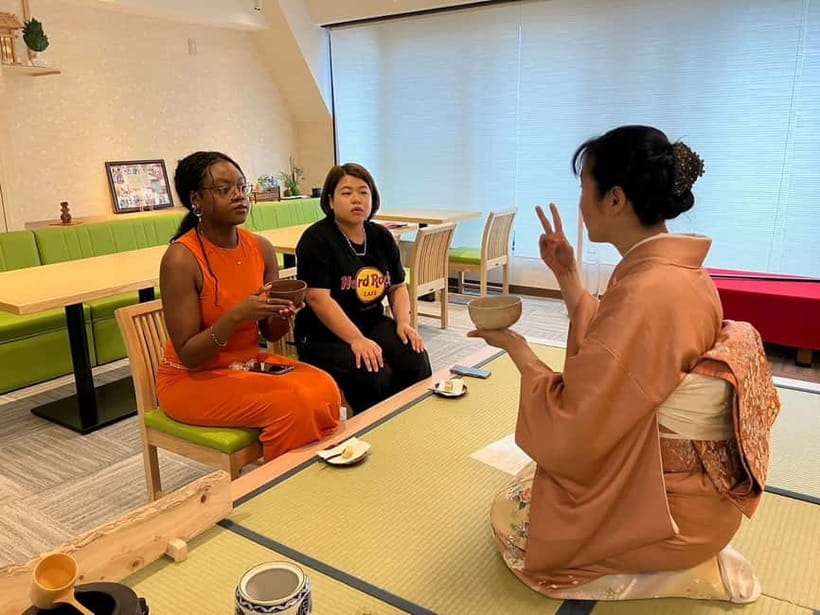
At $45 per person, this is not the cheapest way to drink matcha in Tokyo. You are paying for more than the tea itself: a traditional room, a demonstration, instruction, sweets, the chance to select a bowl, hands-on preparation, and the host’s attention.
The price makes the most sense if you want a cultural lesson rather than a quick refreshment. You also receive something that is hard to reproduce in an ordinary café: an explanation of the objects and customs, a formal presentation, and the chance to participate.
The value is less convincing if the session runs only 40 minutes and the explanations stay brief. One participant felt the price did not fully match the length and amount of information. That is a fair caution. Expectations matter here. Think of it as a compact introduction to tea ceremony, not a long workshop for serious students of tea.
A fuller experience can be created with the optional kimono arrangement, if available, and the time spent taking photographs. That will change the total cost and duration, so check before committing.
What to wear and who should book
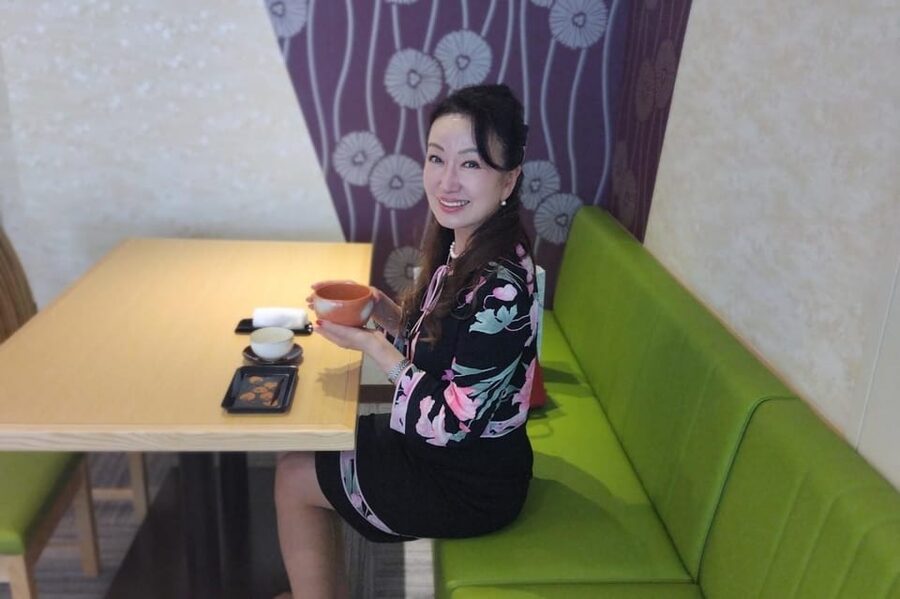
Wear clothing that allows you to sit comfortably on the floor. You will need socks, and shoes must be removed indoors. The information does not specify a formal dress code, but simple, respectful clothing is sensible for a traditional room.
This is a good choice for:
- First-time visitors who want an introduction to Japanese tea ceremony
- Couples or families looking for photographs in a traditional setting
- Visitors staying around Asakusa or traveling through eastern Tokyo
- People who prefer a small class to a large staged performance
- Anyone curious about matcha and willing to make the tea themselves
- Older children and teenagers, since children under six are not accepted
It is not suitable for wheelchair users according to the activity information. The listing also notes that children under six cannot participate. If sitting on tatami is difficult, ask before booking, since the ceremony takes place in a Japanese-style room.
Booking details worth checking
The experience accepts reservations with payment later, which helps if your Tokyo schedule is still changing. It also advertises free cancellation up to 24 hours in advance, but the detailed cancellation note says a 50 percent fee applies the day before and 100 percent on the day of the event.
Because those statements do not line up perfectly, check the exact cancellation deadline shown for your booking. Do not wait until the final day if your plans are uncertain.
The activity is run in English and Japanese. The small group limit is seven, and the available start times are 10:00, 11:30, 13:30, and 15:00. Tea sweets, matcha, the demonstration, your own preparation, and photography opportunities are included. Socks, and any optional kimono arrangement, are separate considerations.
Should you book this tea ceremony?
I would book this if you want a personal introduction to matcha in a traditional room, especially if you are already visiting Asakusa. The chance to choose a bowl, learn the meaning of the objects, prepare your own tea, and receive help with photographs gives the short session a clear purpose.
I would think twice if you want a long lecture, advanced tea training, or a guaranteed private appointment. The lesson can be brief, and the $45 price depends heavily on how much explanation and personal help you receive.
For most first-time visitors, the setting and warm instruction from Ryouko make this a worthwhile cultural stop. Add the kimono option if photographs matter most, arrive in socks, and allow enough time to enjoy the room rather than rushing straight to the next sight.
FAQ
How long does the tea ceremony last?
The main experience is described as 45 minutes, though the available duration field shows 45 minutes to four hours. Optional additions and booking availability may affect the total time. One session finished in about 40 minutes.
What time can I start the experience?
The listed start times are 10:00, 11:30, 13:30, and 15:00. Check availability for your chosen date.
Where does the tea ceremony take place?
It takes place in Wasako, a Japanese-style room inside the Charyo-Ichimatsu restaurant. The building is a registered tangible cultural property in Japan.
Do I need to bring socks?
Yes. Shoes are not allowed indoors, and socks are required if you enter the tatami area. If you do not have socks, they can be purchased for 500 yen.
Is the activity available in English?
Yes. Instruction is offered in English and Japanese. The tea master explains the ceremony, utensils, furnishings, and preparation steps.
Is the kimono included in the $45 price?
The included items list does not include kimono dressing. Some bookings arranged kimono rental and dressing separately, so confirm availability and cost before booking.
Newly reviewed around Tokyo
- Tokyo Asakusa:Calligraphy & Make T-shirt Activity★ 5.0 · 62 reviews
- Intercity Shuttle, Tokyo to Haneda /Narita /Yokohama /Makuhari★ 5.0 · 5 reviews
- 1 Hour Travel around Tokyo with a Professional Photographer★ 5.0 · 3 reviews
- Travel Tokyo with Your Own Personal Photographer★ 5.0 · 43 reviews
- Train in Samurai Swordsmanship and Defeat the Demon in Tokyo★ 5.0 · 5 reviews
- Shuttle Van 6hr Tokyo Tour to-and-from Tokyo, Yokohama and Narita★ 5.0 · 9 reviews
- Kickboxing & Body Training with EX-Pro Fighter★ 5.0 · 4 reviews
- Traditional Japanese Knife Sharpening Class★ 5.0 · 18 reviews
Tokyo Tea Ceremony Experiences, compared.
Matcha Making Class in Tokyo with Authentic Japanese Sweets Set
Read our review →
Dynamic Tokyo: Tokyo Tower, Tea Experience, Bay Cruise Day Tour
Read our review →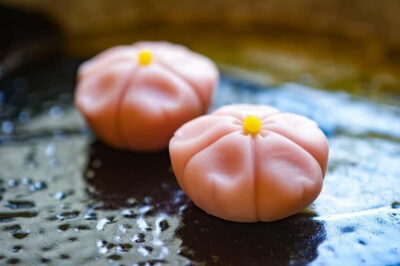
Matcha Making Experience with Mochi Sweets in Asakusa
Read our review →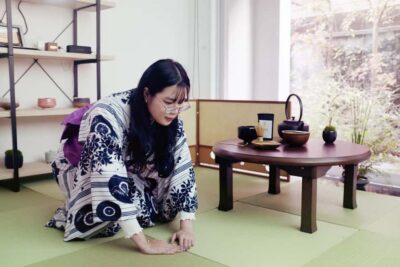
Tea Ceremony Workshop in Tokyo by the Experienced Instrucor
Read our review →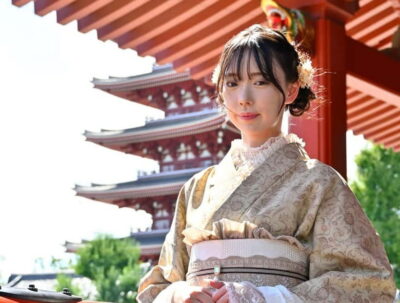
Browse the lists this tour appears in