
Reviewed · TOKYO SUSHI MAKING CLASSES
Taisho Sushi Making Class in Tokyo
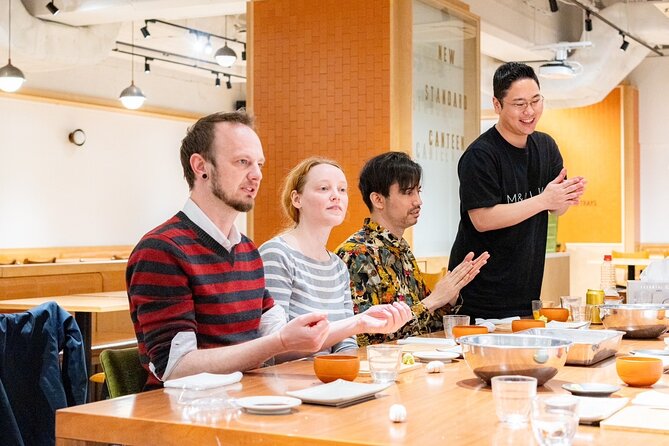
The clever part of this Tokyo class is the practice with models before real fish and rice. You repeat the hand movements first, then make nigiri, maki, and gunkan sushi under instruction. It is a quick, hands-on way to understand why sushi chefs train for so long.
I like the generous amount of fish and sushi-making time, and I like that non-fish eaters can request vegetarian or vegan options. The main consideration is timing: the activity is described as about an hour in one place and 90 minutes in another, so do not schedule it too tightly against another appointment.
Key points
- Practice models come first: You learn the grip and shaping motions before handling real ingredients.
- Three sushi styles are covered: Make nigiri, rolled maki, and gunkan, the seaweed-wrapped style with toppings.
- You eat what you make: The class ends with a chance to enjoy your own sushi and learn basic eating etiquette.
- Fish-free choices are available: Vegetarian and vegan participants can take part without handling fish.
- A central Tokyo meeting point: Meet at 1-chōme-4-4 Kōjimachi in Chiyoda City, near public transportation.
- Good for groups: The class can accept up to 50 people, making it suitable for families and larger parties.
Learning sushi grip before touching real fish

Taisho Sushi Making is built around repetition, not just a quick demonstration. You first work with models to practice the grip and shaping procedure. That small step matters because sushi rice is sticky, fish is delicate, and the movement is harder than it looks.
I appreciate this approach. Many short cooking classes rush straight to the finished dish. Here, you get a chance to repeat the motion several times before ingredients are added. You can focus on the shape of the rice, the pressure of your fingers, and the way the topping sits on the rice.
The class follows methods similar to those used in sushi chef training schools. You will not become a professional chef in one visit, but you will leave with a better sense of the discipline behind a seemingly simple piece of nigiri.
This is also useful for children and first-time cooks. The model practice gives you a low-pressure beginning, and the instructor can correct the movement before you waste ingredients. The class is designed for participation, so you should expect to make the sushi yourself rather than watch someone prepare it for you.
More Tokyo sushi making classes:
- Sushi Making Tokyo Roll and Authentic Japanese Sushi Class
★ 5.0 · 3,971 reviews - Tokyo: Roll and Authentic Sushi Making Class in Asakusa
★ 4.9 · 1,957 reviews - Make Sushi and Create Unforgettable Memories in Tokyo
★ 5.0 · 1,413 reviews
Making nigiri with seasonal fish
After the practice stage comes the central part of the class: making nigirizushi with real rice and fish. Nigiri is the familiar hand-shaped sushi with a small portion of topping placed over rice. The session teaches the grip and shaping method, then lets you repeat it with the available ingredients.
The fish selection changes with the season. That means the exact pieces on your plate are not fixed, but you are promised a substantial variety and quantity. One especially useful point is that the class is designed to provide enough sushi for you to eat until you are full, rather than offering only a single sample.
That generous portion improves the value of the lesson. At $109.01 per person, this is not the cheapest food activity in Tokyo. Still, you are paying for instruction, equipment, ingredients, and a meal. If you would otherwise buy a good sushi lunch and also pay for a separate cooking activity, the price is easier to justify.
I would treat the meal as part of the value, not an extra perk. You make the food, eat it at the end, and gain enough practice to try the technique again at home. The class is short, but you are not simply paying for a tasting plate.
The exact ingredients depend on the season, so do not book this expecting one particular fish. If you have dietary restrictions, ask about available choices before you arrive. Vegetarian and vegan options are offered, but the provided details do not specify the exact substitute ingredients.
Rolling maki and learning nori technique
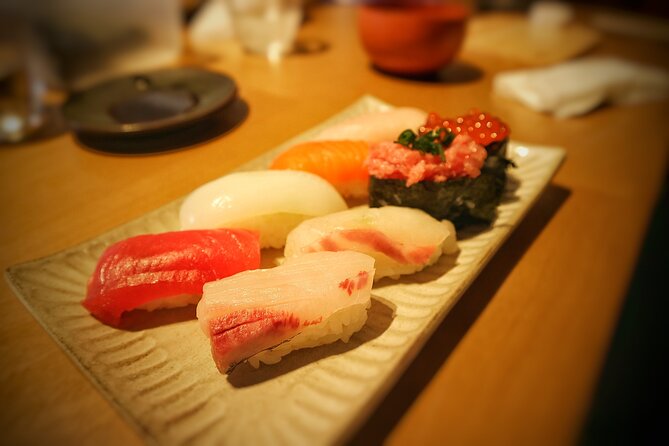
The session also covers maki, the rolled form of sushi. You learn to prepare and roll it, with guidance on the seaweed sheet called nori. The instructor explains that nori has a front and back side, a small detail that can make a difference in texture and appearance.
This is the kind of practical tip you may remember later. Sushi-making often looks tidy when done by a professional, but rolling takes coordination. You need to manage the rice, fillings, and seaweed at the same time. The class gives you a chance to repeat the process with hands-on help.
Maki is likely the most approachable style for people who are not confident with their hands. Nigiri requires a precise grip, while rolling gives you a larger surface to work with. If your first piece looks uneven, that is part of the lesson, not a failure.
The activity is also a social one. You work alongside other people who came to Tokyo with an interest in sushi. The format suits couples, families, and larger groups, and the maximum group size is listed as 50. A group that large can feel less personal than a small private lesson, so those seeking quiet, one-to-one coaching should keep that in mind.
Shaping gunkan with salmon roe and toppings
Once you have repeated the nigiri practice, the instructor explains gunkan. The name means warship, and the style uses a strip of nori to hold toppings above the rice. The class may include toppings such as salmon roe and negitoro, described as crushed tuna, as well as other items.
Gunkan adds another useful skill to the lesson. You learn how the nori wraps around the rice and how to build a firm base for soft toppings. It is different from nigiri, so the class does not leave you with only one sushi technique.
The toppings can vary, and the available choices may depend on the season or dietary request. For fish-free participants, the provider offers vegetarian and vegan options. If you are booking for a mixed group, that makes the class easier to arrange than a fish-only workshop.
I like the progression here: practice grip, make nigiri, then work with rolls and gunkan. Each form uses different hand movements. In roughly 60 to 90 minutes, you get a broad introduction instead of spending the entire session on one style.
More Tokyo cooking classes:
- Tokyo Shinjuku Chopsticks Making Class
★ 5.0 · 1,763 reviews - Tokyo: Sushi Making Class in a Happi Coat near a Famous Spot
★ 4.9 · 1,377 reviews - Tokyo Sushi Making Class in Tsukiji with Professional Chef
★ 5.0 · 1,177 reviews - Ramen & Gyoza Cooking Class in Tokyo with Local Supermarket Visit
★ 5.0 · 823 reviews
Eating your own sushi with proper etiquette
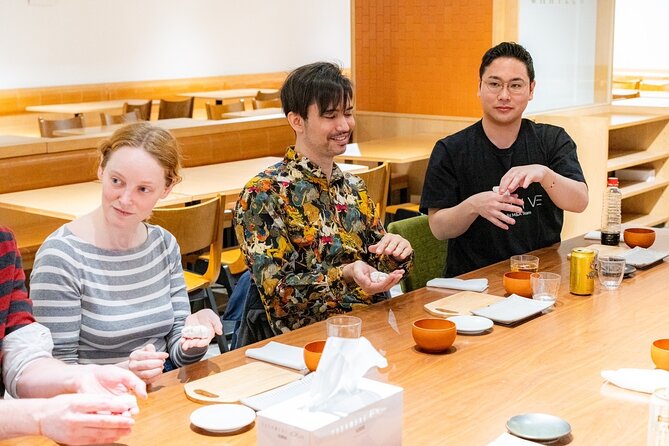
The class ends with the best part for many people: you eat what you made. The instruction includes basic sushi-eating etiquette, so you are not left wondering how to handle the finished pieces.
That etiquette lesson is useful in Japan, where sushi customs can feel formal to first-time visitors. You learn not only how to prepare sushi, but also how to approach it at the table. The experience connects the cooking process with the meal itself.
The pace is brisk. The tour summary describes the activity as about one hour, while the detailed description calls it a 90-minute experience. I would plan for the longer time and leave a buffer afterward. The meeting point is at 1-chōme-4-4 Kōjimachi in Chiyoda City, and the activity ends back there.
The class does not require you to bring equipment or ingredients. Everything needed for the session is supplied. That makes it a handy choice during a busy Tokyo itinerary, especially if you want a food activity without carrying anything special across the city.
What the $109.01 price includes in practical terms
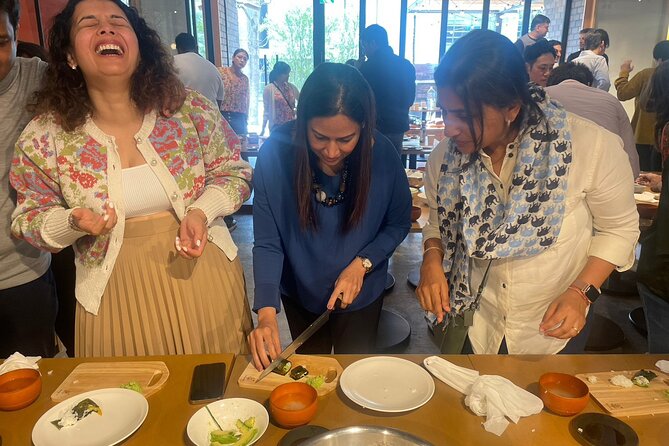
The listed price is $109.01 per person. That is a sizable spend for an activity lasting about an hour to 90 minutes, so the value depends on what you want from it.
If your goal is simply to eat inexpensive sushi, this is not the right choice. Tokyo offers many meals at a lower price. If you want instruction, hands-on practice, a social setting, and enough food to count as a meal, the price makes more sense.
The class supplies all equipment and materials. You do not have to buy a sushi mat, knife, rice, fish, or other ingredients. You also receive instruction in several styles and get to eat your finished work. Those details reduce the hidden costs that can come with cooking activities.
The reported rating is 4.9 from 89 reviews, with 100 percent recommending the activity. The strongest praise focuses on the amount of fish and the time provided, and the class has been described as a good fit for larger groups and families. That matches the format: you get a full activity rather than a quick demonstration.
For a family, the cost can add up quickly, especially with several participants. For a sushi fan who has already planned a costly meal in Tokyo, the class may offer more lasting value because you learn a technique you can try again.
Who will enjoy this Tokyo sushi class
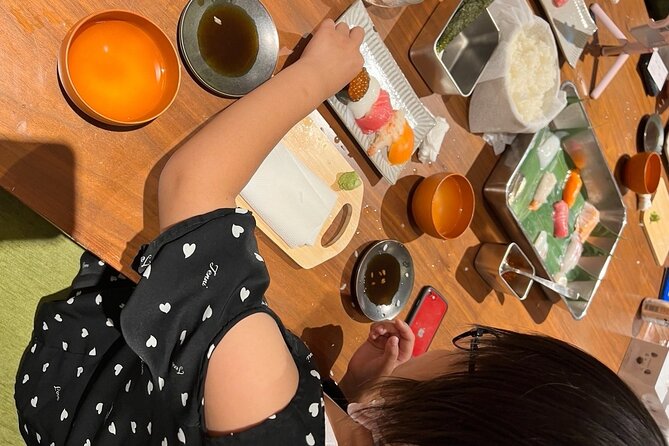
I would recommend Taisho Sushi Making to you if you meet one or more of these descriptions:
- You love sushi and want to understand how it is made.
- You want a food activity that fits into a short Tokyo schedule.
- You are traveling with family or a larger group.
- You want to make and eat a proper quantity of sushi, not just one sample.
- You need vegetarian or vegan participation.
- You enjoy practical classes more than passive sightseeing.
It is especially well suited to first-timers. The model practice removes some of the pressure, and the instructor explains more than one sushi style. You do not need to arrive with any equipment or prior cooking experience.
It may be less suitable if you want a quiet, highly personal chef lesson. With room for up to 50 people, the class can have a group atmosphere. The short schedule also means the teaching must move along quickly.
Fish lovers should be aware that the exact selection changes by season. That is normal for sushi, but it means the menu is not fixed. People with allergies or strict dietary needs should confirm the available options before booking.
Meeting point, timing, and booking advice
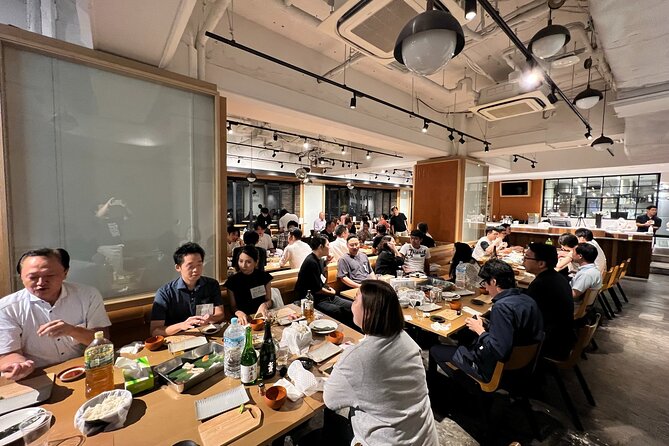
The start and end point is 1-chōme-4-4 Kōjimachi, Chiyoda City, Tokyo 102-0083. The location is near public transportation, which helps when fitting the class into a day of sightseeing.
The activity is often booked about 23 days ahead. That gives you a useful planning guide, especially if you are visiting during a busy period or need a particular time for a family group. Confirmation is sent within 48 hours, subject to availability.
A mobile ticket is provided, so you can keep the booking on your phone. Service animals are allowed. The class requires a minimum number of participants, so a cancellation for that reason would result in an alternative date or experience, or a full refund.
You can cancel free of charge up to 24 hours before the start time. Cancellations or changes made less than 24 hours before the activity are not refunded or accepted. Since the timing is short, check your train plans and other reservations before committing.
Is Taisho Sushi Making worth booking?
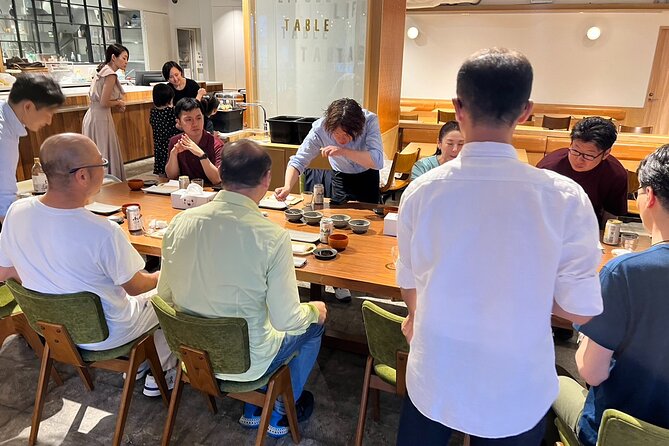
I would book this class if you want more than a sushi meal. The strongest features are the model-based practice, the chance to make several sushi styles, and the generous amount of food at the end. Vegetarian and vegan options also make it workable for mixed groups.
The main drawbacks are the price and the uncertain duration. At $109.01, it is an activity purchase rather than a casual lunch. And since the timing is described as both about one hour and 90 minutes, you should leave room in your schedule.
For sushi fans, families, and people who enjoy hands-on food activities, this is a good use of part of a Tokyo day. If you only want to eat sushi or prefer a small private lesson, spend your money elsewhere. For everyone in between, Taisho offers a practical introduction with enough rice, fish, and repetition to make the class feel worthwhile.
FAQ
How long does the Taisho Sushi Making class last?
The activity is described as approximately one hour in the tour summary and as a 90-minute experience in the detailed description. Plan for up to 90 minutes.
Where does the class start and finish?
It starts at 1-chōme-4-4 Kōjimachi, Chiyoda City, Tokyo 102-0083, Japan, and ends back at the meeting point.
Are vegetarian and vegan options available?
Yes. Vegetarian and vegan options are available for participants who do not eat fish. The specific substitute ingredients are not stated.
What kinds of sushi will I learn to make?
The class covers nigiri, maki, and gunkan sushi. You also learn how to prepare, roll, and eat sushi, including basic sushi etiquette.
Do I need to bring equipment or ingredients?
No. All equipment and materials are provided.
Can I cancel for a full refund?
Yes. You can cancel at least 24 hours before the local start time for a full refund. Cancellations or changes made less than 24 hours before the start time are not accepted or refunded.
More hands-on classes and workshops in Tokyo
- Chopstick Making Workshop in Ginza
★ 4.8 · 1,366 reviews - Matcha Making Class in Tokyo with Authentic Japanese Sweets Set
★ 5.0 · 744 reviews - Tokyo: Samurai Sword & Archery Class from Samurai Descendant
★ 5.0 · 603 reviews - Tokyo: Tsukiji Fish Market Sushi Making Class with Pro Chef
★ 4.9 · 506 reviews
Newly reviewed around Tokyo
- Tokyo Asakusa:Calligraphy & Make T-shirt Activity★ 5.0 · 62 reviews
- Intercity Shuttle, Tokyo to Haneda /Narita /Yokohama /Makuhari★ 5.0 · 5 reviews
- 1 Hour Travel around Tokyo with a Professional Photographer★ 5.0 · 3 reviews
- Travel Tokyo with Your Own Personal Photographer★ 5.0 · 43 reviews
- Train in Samurai Swordsmanship and Defeat the Demon in Tokyo★ 5.0 · 5 reviews
- Shuttle Van 6hr Tokyo Tour to-and-from Tokyo, Yokohama and Narita★ 5.0 · 9 reviews
- Kickboxing & Body Training with EX-Pro Fighter★ 5.0 · 4 reviews
- Traditional Japanese Knife Sharpening Class★ 5.0 · 18 reviews
Tokyo Sushi Making Classes, compared.
Sushi Making Tokyo Roll and Authentic Japanese Sushi Class
Read our review →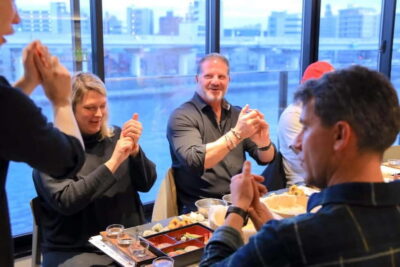
Roll and Authentic Sushi Making Class in Asakusa
Read our review →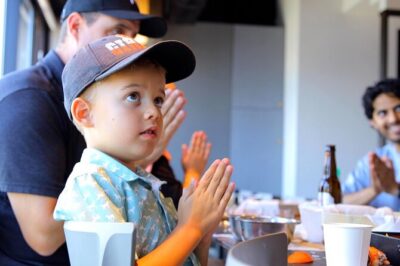
Make Sushi and Create Unforgettable Memories in Tokyo
Read our review →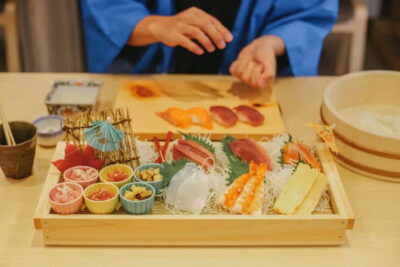
Sushi Making Class in a Happi Coat near a Famous Spot
Read our review →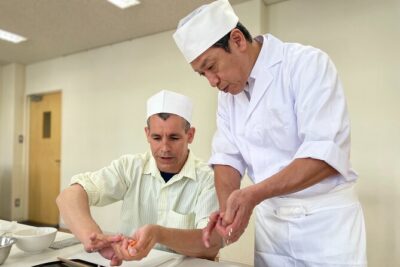
Tokyo Sushi Making Class in Tsukiji with Professional Chef
Read our review →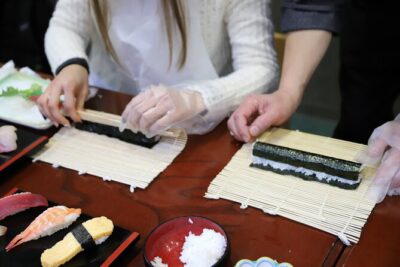
Tsukiji Fish Market Guided Tour and Sushi Making with Pro Chef
Read our review →
Tsukiji Fish Market Sushi Making Class with Pro Chef
Read our review →
Browse the lists this tour appears in