
Reviewed · TOKYO SUSHI MAKING CLASSES
Sushi Cooking Class: AKEMI’s SUSHiKiTCHEN in Tokyo
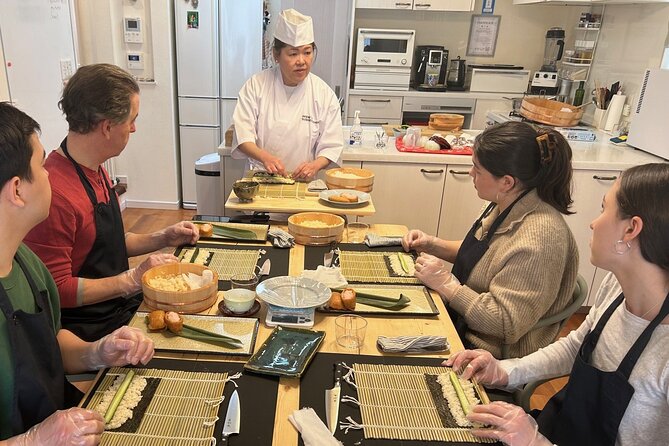
Sushi here is more than lunch. In Akemi’s Tokyo home, you learn how the rice, fish, knife work, and hand movements fit together, then eat the meal you made. Chef Akemi’s seven years in Japanese restaurants and training at Tokyo Sushi School give the class a useful professional base without turning it into a stiff demonstration.
I like the small class size, which means real help at the counter rather than a quick show followed by guesswork. I also like the ingredients: rice ordered from Kyoto’s Hachidaime Gihey, founded in 1787, and fish sourced from Toyosu and Tsukiji. The main consideration is price. At $105.68 per person, this costs more than a casual sushi meal, so its value depends on whether you want skills and food culture, not just a plate of sushi.
Key points about Akemi’s Sushi Kitchen
- A Tokyo home instead of a restaurant: You learn in a quiet residential setting with Akemi and Dan.
- Four kinds of sushi: The lesson gives you several techniques rather than one simple roll.
- Fresh, carefully chosen ingredients: Rice comes from Kyoto’s Hachidaime Gihey, while fish is sourced from Toyosu and Tsukiji.
- Food culture is part of the lesson: You cover sushi history, Japanese terms, and proper eating etiquette.
- Personal instruction: The class is described as limited to five students, with the activity capped at six people.
- A meal you prepare yourself: The class ends with you eating the sushi made during the lesson.
Entering a Quiet Tokyo Home in Sasazuka
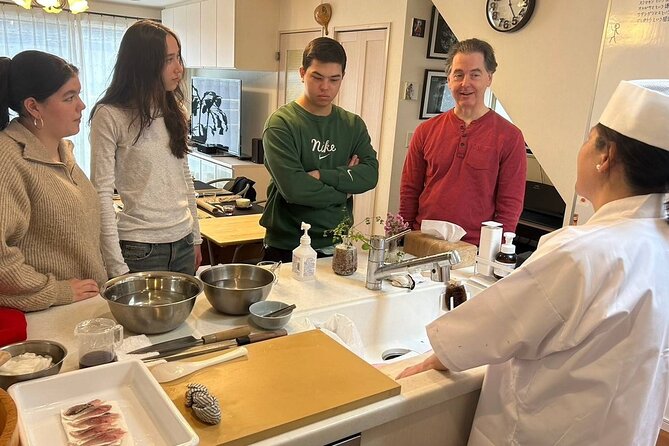
The class begins at Tamanosato Sasazukaten, at 1-chōme-56-18 Sasazuka in Shibuya. That address places you in a residential part of Tokyo rather than at a famous restaurant or a large cooking school. This matters because the setting changes the feel of the lesson. You are not simply watching a chef perform. You are stepping into the working space of a local cook.
Akemi and Dan host the class in their home. The supplied information describes the area as quiet, which should appeal to you if you want a break from Tokyo’s crowded central streets. It also makes the class feel more personal than a standard food demonstration.
You should allow time to find the meeting point, especially if you are not familiar with Sasazuka. The location is near public transportation, and the activity ends back at the same point. Since the class lasts about two and a half hours, it fits well into a morning or afternoon plan, but you will want to avoid booking a train, museum entry, or dinner reservation too close to the end.
The atmosphere may be one of the strongest reasons to choose this class. You get an ordinary Tokyo neighborhood and a host’s home, not a polished tourist stage. The tradeoff is that a home setting can feel more intimate and less formal than some people expect. If you prefer a large studio, a set menu, or a restaurant kitchen, this may not be your ideal format.
More Tokyo sushi making classes:
- Sushi Making Tokyo Roll and Authentic Japanese Sushi Class
★ 5.0 · 3,971 reviews - Tokyo: Roll and Authentic Sushi Making Class in Asakusa
★ 4.9 · 1,957 reviews - Make Sushi and Create Unforgettable Memories in Tokyo
★ 5.0 · 1,413 reviews
Meeting Chef Akemi and Learning the Basics
Akemi brings solid practical experience to the table. She has spent seven years in the restaurant industry in Japan and completed the Edomae Sushi Technique Acquisition Course at Tokyo Sushi School. Edomae sushi refers to the Tokyo style that developed around preserving and preparing seafood close to the city’s historic waterfront markets.
You will not only be shown what to do. The class is designed to explain the terms and ideas behind sushi, too. That helps you understand why certain ingredients are treated in certain ways, rather than leaving you with a recipe that works only once.
English is part of Akemi’s teaching service, so you can expect the lesson to be offered in English. Dan is also part of the hosting team. The available information does not set out every moment of their roles, but having two friendly hosts can help the home setting feel relaxed and welcoming.
The group size is important here. The class is described as limited to a maximum of five students, while the activity information gives a maximum of six participants. Either way, this is a small group, not a crowded workshop. You should have room to ask questions and receive help with hand movements, shaping, and presentation.
That personal guidance is especially useful if you have never made sushi. Sushi can look simple on a plate, but the rice, filling, pressure, and shape all need some control. A small class gives Akemi time to correct you before a minor mistake becomes a plateful of loose rice.
Four Sushi Styles, Not Just One Easy Roll
The practical heart of the lesson is learning to make four types of sushi. The exact names and order are not provided, so you should not expect a fixed list of specific forms in advance. What matters is the range: you are learning more than one way to handle sushi rice and toppings.
Each style should give you a different lesson in shape, balance, and technique. You might work with different ways of placing fish or other ingredients, controlling the rice, and forming the final piece. The point is not to produce restaurant-perfect sushi on your first try. It is to understand the basic movements and gain enough confidence to keep practicing.
Akemi’s professional background is valuable here. A home class can be warm and informal, but you still want someone who understands the technical side of sushi. Her Tokyo Sushi School training suggests that the instruction is based on recognized Edomae methods rather than a casual recipe adapted for tourists.
You should also expect to handle fresh ingredients rather than prepackaged substitutes. The information specifically highlights fish, or neta, from Toyosu and Tsukiji markets. Those names matter. Toyosu is Tokyo’s major wholesale fish market, while Tsukiji remains a well-known food market area with long ties to the city’s seafood trade.
The class is not described as a market visit, so you should not expect to tour either market. Instead, the benefit comes through the ingredients brought into the kitchen. You get a chance to work with seafood connected to Tokyo’s professional food supply without spending half a day navigating a market.
Why the Rice and Fish Matter
Sushi depends on more than raw fish. The rice carries seasoning, gives the piece its structure, and shapes much of the final taste. Akemi uses a blended rice specially ordered from Hachidaime Gihey in Kyoto, a rice business established in 1787.
That detail adds real value to the lesson. You can learn the correct hand technique, but the finished sushi will still depend on the quality and preparation of the rice. Using a carefully selected blend lets you taste the difference between ordinary home rice and rice chosen for sushi.
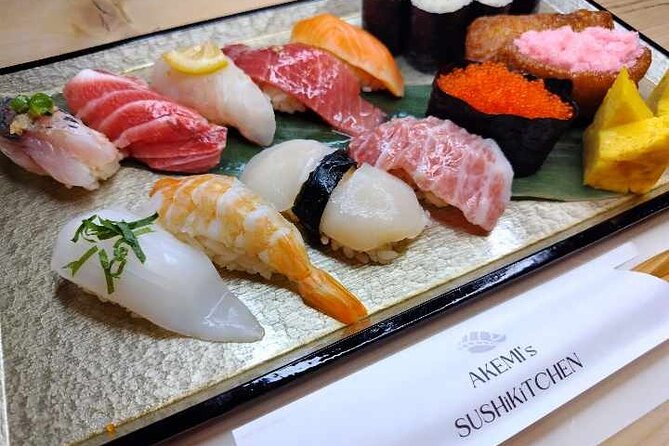
The fish is sourced directly from Toyosu and Tsukiji. The available details do not list the exact fish served on your date, so you should not book expecting a particular species. Still, direct sourcing from these major Tokyo seafood centers points to a serious approach to ingredients.
This also helps explain the price. You are paying for instruction, a small group, the home setting, and ingredients selected for the lesson. At $105.68, the class is not a bargain if you measure value only by the amount of food. It becomes more reasonable if you count the cooking lesson, cultural explanation, and chance to work with high-quality sushi ingredients.
I would think of it as a food workshop with a meal included, not an inexpensive lunch with a little entertainment added.
More Tokyo cooking classes:
- Tokyo Shinjuku Chopsticks Making Class
★ 5.0 · 1,763 reviews - Tokyo: Sushi Making Class in a Happi Coat near a Famous Spot
★ 4.9 · 1,377 reviews - Tokyo Sushi Making Class in Tsukiji with Professional Chef
★ 5.0 · 1,177 reviews - Ramen & Gyoza Cooking Class in Tokyo with Local Supermarket Visit
★ 5.0 · 823 reviews
Sushi History, Japanese Terms, and Table Manners
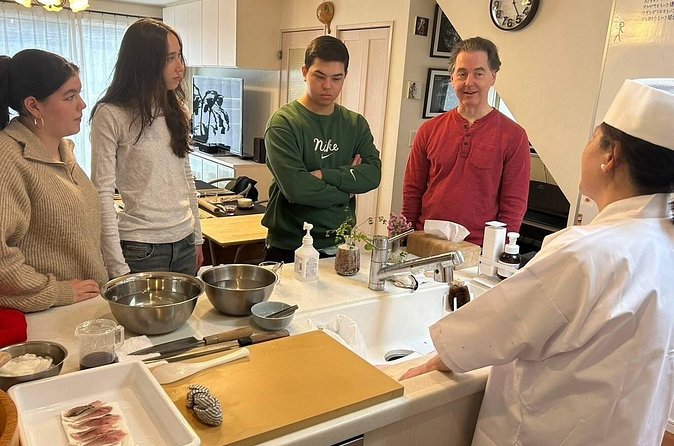
The lesson covers sushi’s history and the vocabulary used around it. That gives you context for what you are making. Sushi has changed over time, and Tokyo’s Edomae tradition is tied to local seafood, preservation, and the development of food served quickly in the city.
You will also learn sushi eating etiquette. This can be useful during the rest of your Japan visit, especially if you plan to eat at sushi counters or traditional restaurants. It is easy to focus only on chopsticks and soy sauce, but etiquette also includes how you handle each piece and how you show respect for the food and the person preparing it.
The class can help you avoid treating sushi as a set of mysterious rules. You learn why certain customs exist and how to approach a sushi meal with more confidence. Even people from Japan have reportedly learned something about their own food culture during the lesson, which suggests that the cultural section is not just a few tourist facts.
Still, the emphasis is educational. If you want a fast activity with minimal explanation, two and a half hours may feel long. If you enjoy knowing the reason behind a dish, the extra context is part of what makes this class worthwhile.
Eating What You Made
The lesson ends with a meal made by the participants. That final stage gives the class a clear payoff. You do not simply take a few pieces home or watch Akemi prepare a separate lunch. You sit down with the results of your own work.
Your sushi may not look exactly like Akemi’s. That is normal, and it is part of the fun. The meal lets you see which techniques you picked up and which ones need more practice. It also makes the class easier to remember than a demonstration where someone else does all the cooking.
The available food details describe the sushi as fresh and delicious, with ingredients from respected sources. You should keep expectations sensible. This is a lesson, not an omakase meal prepared entirely by a master chef. The appeal is the combination of fresh food and personal effort.
I especially like this format for couples, families, and small groups of friends. You get a shared task, plenty of conversation, and a meal at the end. Solo participants can also benefit from the small group, particularly if they want a structured way to meet people without joining a large tour.
Timing, Price, and Practical Fit
The class lasts about two hours and 30 minutes. That is enough time for instruction, hands-on preparation, cultural information, and the final meal. It is longer than a quick cooking demonstration but short enough to fit into a Tokyo sightseeing day.
The price is $105.68 per person. For a basic sushi meal, that would be expensive. For a small-group cooking class with professional instruction, specialty rice, fresh market fish, cultural teaching, and a sit-down meal, the figure is easier to justify.
The class is booked an average of 49 days ahead, so you should plan early if your Tokyo dates are fixed. That booking pattern also fits the small capacity. A class with only five or six places can fill faster than a large bus tour.
A mobile ticket makes it simple to keep the booking on your phone. Confirmation is provided when you book. Service animals are allowed, and the meeting point is near public transportation. The activity returns to the starting point, which keeps the rest of your day easier to plan.
Free cancellation is available up to 24 hours before the start time. Canceling less than 24 hours ahead, or changing the booking inside that window, does not qualify for a refund. The cutoff follows local Tokyo time, so check the clock carefully if you are changing plans from another time zone.
Who Will Enjoy This Class Most
I would recommend Akemi’s Sushi Kitchen if you want to understand sushi rather than simply eat it. It is a strong fit for food-minded visitors, first-time sushi makers, couples, families with older children, and anyone who prefers a small personal setting.
It is also a good choice if you value local contact. The Tokyo home, quiet neighborhood, and time with Akemi and Dan offer a different view of the city from restaurant hopping or market sightseeing.
You may want to skip it if your main goal is a cheap meal, a large menu, or a high-end sushi counter. You should also be comfortable with the idea that your own hand-shaped sushi may look less polished than a professional chef’s work. The class is about learning by doing.
Should You Book Akemi’s Sushi Kitchen?
Book it if you want a practical food lesson with genuine Tokyo context. The strongest points are the small group, Akemi’s formal sushi training, carefully sourced rice and fish, and the chance to eat what you prepare.
The price is the main question. At $105.68, it is best viewed as a cooking class, cultural lesson, and meal in one. If that combination fits your interests, the personal attention and home setting make it a sensible splurge. If you only want sushi for lunch, spend less at a restaurant and save your time for another Tokyo activity.
FAQ
Where does the sushi class begin?
The class begins at Tamanosato Sasazukaten, 1-chōme-56-18 Sasazuka, Shibuya, Tokyo 151-0073, Japan.
How long does the experience last?
The class lasts approximately two hours and 30 minutes.
How many people can join the class?
The lesson is described as limited to a maximum of five students. The activity information lists a maximum of six participants.
What will I learn to make?
You will learn how to make four types of sushi. The exact types are not specified in the provided details.
Who teaches the class?
Chef Akemi teaches the sushi lesson. She has seven years of experience in Japan’s restaurant industry, completed the Edomae Sushi Technique Acquisition Course at Tokyo Sushi School, and teaches in English. Dan is also part of the hosting team.
What is the cancellation policy?
You can cancel up to 24 hours before the start time for a full refund. Cancellations or changes made less than 24 hours before the experience are not refunded or accepted.
More hands-on classes and workshops in Tokyo
- Chopstick Making Workshop in Ginza
★ 4.8 · 1,366 reviews - Matcha Making Class in Tokyo with Authentic Japanese Sweets Set
★ 5.0 · 744 reviews - Tokyo: Samurai Sword & Archery Class from Samurai Descendant
★ 5.0 · 603 reviews - Tokyo: Tsukiji Fish Market Sushi Making Class with Pro Chef
★ 4.9 · 506 reviews
Newly reviewed around Tokyo
- Tokyo Asakusa:Calligraphy & Make T-shirt Activity★ 5.0 · 62 reviews
- Intercity Shuttle, Tokyo to Haneda /Narita /Yokohama /Makuhari★ 5.0 · 5 reviews
- 1 Hour Travel around Tokyo with a Professional Photographer★ 5.0 · 3 reviews
- Travel Tokyo with Your Own Personal Photographer★ 5.0 · 43 reviews
- Train in Samurai Swordsmanship and Defeat the Demon in Tokyo★ 5.0 · 5 reviews
- Shuttle Van 6hr Tokyo Tour to-and-from Tokyo, Yokohama and Narita★ 5.0 · 9 reviews
- Kickboxing & Body Training with EX-Pro Fighter★ 5.0 · 4 reviews
- Traditional Japanese Knife Sharpening Class★ 5.0 · 18 reviews
Tokyo Sushi Making Classes, compared.
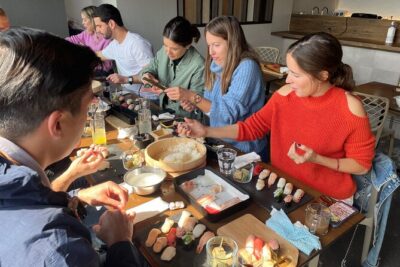
Sushi Making Tokyo Roll and Authentic Japanese Sushi Class
Read our review →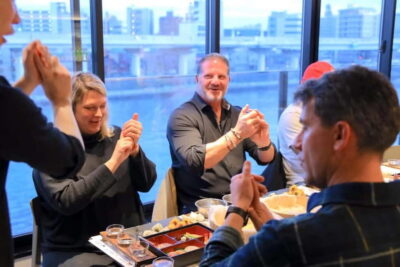
Roll and Authentic Sushi Making Class in Asakusa
Read our review →
Make Sushi and Create Unforgettable Memories in Tokyo
Read our review →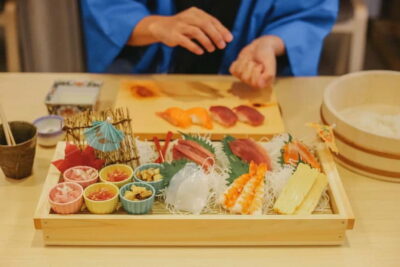
Sushi Making Class in a Happi Coat near a Famous Spot
Read our review →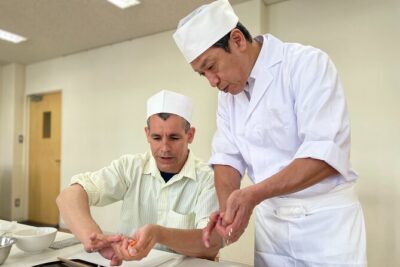
Tokyo Sushi Making Class in Tsukiji with Professional Chef
Read our review →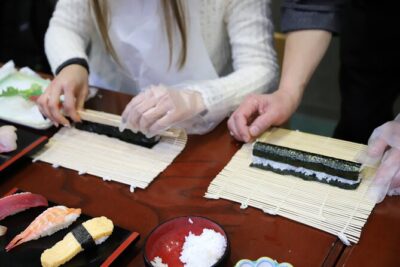
Tsukiji Fish Market Guided Tour and Sushi Making with Pro Chef
Read our review →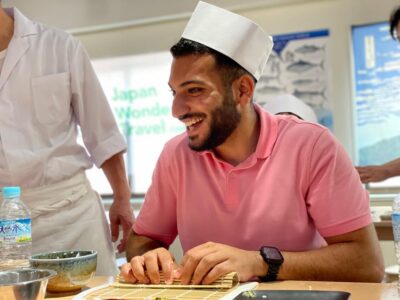
Tsukiji Fish Market Sushi Making Class with Pro Chef
Read our review →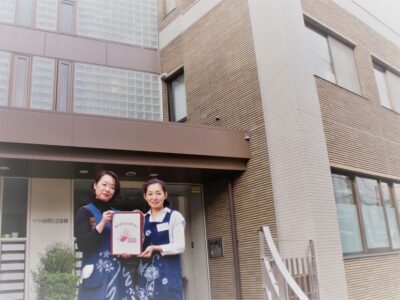
Browse the lists this tour appears in