
Reviewed · TOKYO SUSHI MAKING CLASSES
Shibuya Hands On Sushi Making Class with Chef
Making sushi is easy to watch and surprisingly tricky to shape. In this 90-minute Shibuya class, Chef Tero guides you through seasoned rice, nigiri, maki, and gunkan sushi, then lets you eat the results while they are fresh.
I like the small group size of six and the chance to work with more than seven toppings, including tuna, salmon, and gizzard shad. I also like that children can take part, with Chef Tero praised for being especially friendly and patient with kids.
The main consideration is time. Ninety minutes gives you a focused introduction, not a full course in sushi craft. You will make several pieces, but this is a hands-on tasting lesson rather than a long culinary school session.
Key points to know before booking
- You make more than seven pieces: Practice nigiri, maki, and gunkan instead of simply watching a chef work.
- Chef Tero leads the class: The experience is designed for direct guidance, including for families with children.
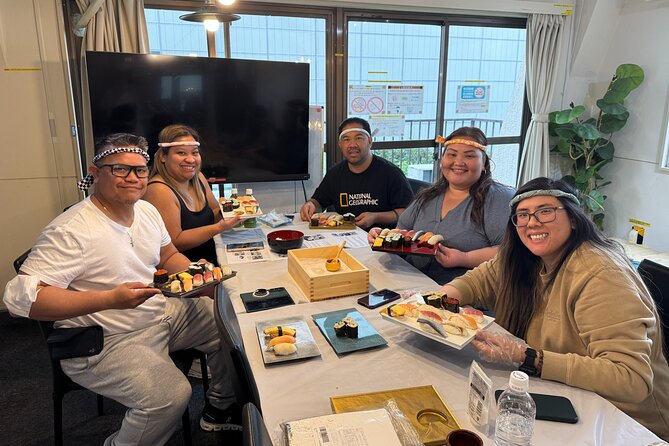
- The group is capped at six: That keeps the lesson personal and limits the feeling of a large tourist activity.
- The toppings include tuna, salmon, and gizzard shad: You get a useful taste of different sushi styles and textures.
- You eat your own work: The class ends with a shared meal and time for photos.
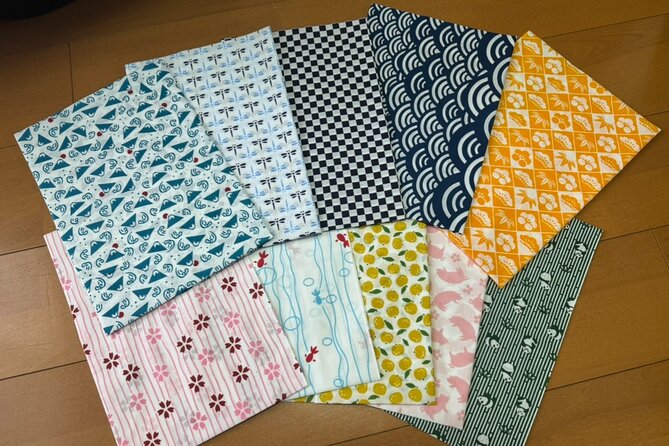
- A tenugui is included: You take home a traditional Japanese hand towel as a small souvenir.
What this Shibuya sushi class is really about
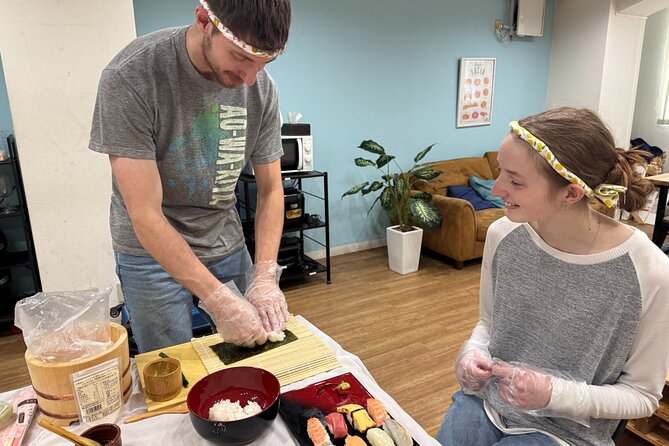
This experience gives you a short, practical introduction to sushi making in central Tokyo. You are not just seated at a counter watching a chef slice fish. You handle the rice, shape the pieces, roll sushi, and put together a meal you can eat with your group.
That hands-on part matters. Sushi looks simple because the finished pieces are small and neat. In practice, rice has to hold together without becoming heavy, toppings need to sit properly, and each style has its own shape. A class lets you see those small details from close range.
The experience is led by a professional sushi chef, identified in the available information as Tero. His role is central to the class. You can expect instruction on technique as well as some background on the food, its preparation, and the differences between the sushi styles you make.
The class is especially well suited to first-time visitors. You do not need previous cooking experience, and the structure gives you a clear task at each stage. You make sushi, rather than trying to absorb a long lecture about it.
More things to do in Shibuya:
- Official Street Go-Kart in Shibuya
★ 5.0 · 3,435 reviews - Tokyo: Street Kart Experience in Shibuya
★ 4.9 · 1,484 reviews - Shibuya Meltdown Nightlife Tour: All-You-Can-Drink Bar Hopping
★ 5.0 · 1,058 reviews
Arriving in Shibuya at 2-chōme-14-6
The meeting point is at 2-chōme-14-6 Shibuya, Tokyo 150-0002, Japan. The activity begins and ends there, and the location is near public transportation.
That simple out-and-back arrangement is useful in Tokyo. You do not need to coordinate a second meeting point or figure out where the class finishes. Add the 90-minute session to a day of sightseeing in Shibuya, or use it as a planned food stop between other activities.
The address is specific, but you should still allow enough time to find the meeting point. Shibuya can be confusing when you are moving between stations, crossings, and side streets. Your mobile ticket is convenient, but it is wise to have the address ready on your phone before you leave the station.
The class is booked about 15 days ahead on average. That does not guarantee every date will sell out, but it is a useful planning clue. If the class fits a fixed Tokyo itinerary, booking around two weeks ahead is sensible.
Starting with rice, toppings, and sushi basics
The class begins with the foundations of sushi. The most important one is properly seasoned rice. Rice is not just a base for the fish. Its texture, shape, and seasoning affect how the finished sushi feels and tastes.
You will learn the basic approach before working on the different forms. That order helps, because nigiri, maki, and gunkan all use rice in different ways. You get a chance to see how the same central ingredient can become several distinct pieces.
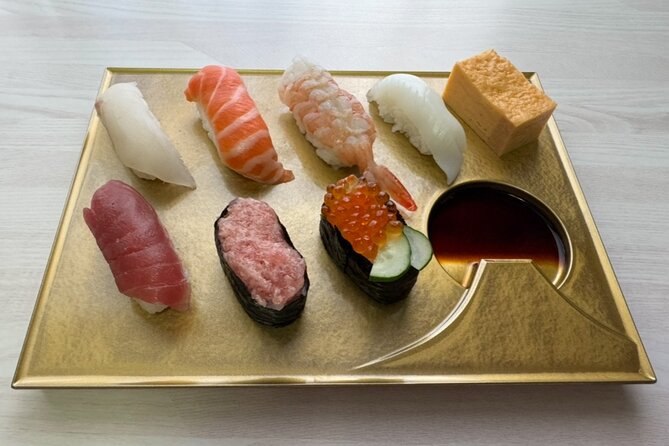
The toppings, known as neta, are a useful part of the lesson. More than seven types are included, with tuna, salmon, and gizzard shad specifically named. That gives you more variety than a class built around only one familiar fish.
Tuna and salmon are easy reference points for many first-time sushi makers. Gizzard shad adds a more traditional choice and gives the class a little more range. You can compare different toppings while also learning how their size and shape affect the finished piece.
The information provided does not specify every topping or explain how each one is prepared. That is worth keeping in mind if you have a particular favorite fish in mind. The named options give you a clear idea of the selection, but the full list may vary.
Shaping nigiri with your own hands
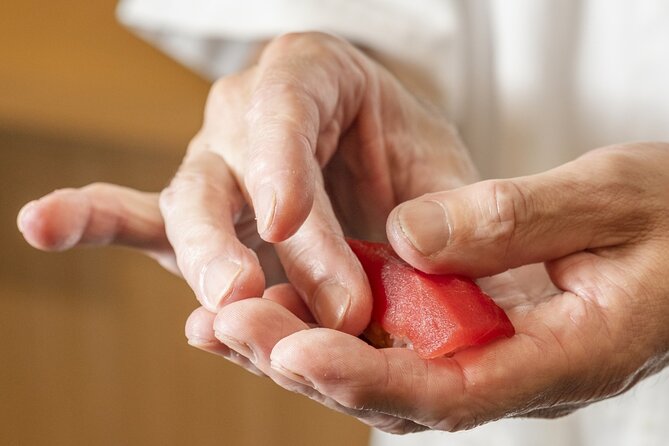
Nigiri is the sushi most people recognize as a small mound of rice topped with fish. It looks restrained, but getting the proportions right takes care. The rice must be shaped firmly enough to hold together, without being compressed into a dense block.
You will practice making the rice form and placing a topping on it. This is one of the best reasons to choose a hands-on class. Once you try it, you understand why a sushi chef’s neat, fast movements take years to develop.
You should expect your pieces to look homemade, at least at first. That is part of the fun, and the class is built around making more than seven beautiful pieces rather than producing restaurant-perfect sushi at the first attempt. Chef Tero can guide you toward a better shape and cleaner presentation.
The class also gives you a way to notice the difference between making sushi and simply eating it. You become more aware of rice texture, the balance between topping and rice, and the amount of pressure needed to keep a piece intact.
More Tokyo sushi making classes:
- Sushi Making Tokyo Roll and Authentic Japanese Sushi Class
★ 5.0 · 3,971 reviews - Tokyo: Roll and Authentic Sushi Making Class in Asakusa
★ 4.9 · 1,957 reviews - Make Sushi and Create Unforgettable Memories in Tokyo
★ 5.0 · 1,413 reviews - Tokyo: Sushi Making Class in a Happi Coat near a Famous Spot
★ 4.9 · 1,377 reviews
Rolling maki and filling gunkan sushi
Maki sushi brings a different skill. Instead of shaping rice by hand and placing fish on top, you roll ingredients together. The roll needs enough structure to hold its shape, but too much pressure can flatten the rice and squeeze out the filling.
Gunkan sushi has its own form, with rice wrapped in seaweed and a topping held above it. Making it helps you see why sushi is not one single technique. Each style has a separate shape and purpose.
The class includes practice with nigiri, maki, and gunkan. That variety is one of its strongest features because you are not repeating the same simple motion for an hour and a half. You move between shaping, rolling, and assembling.
The wording promises more than seven pieces, but it does not state an exact number for each style. You should think of the total as a tasting-sized meal and a set of techniques to practice, not a large dinner.
The meal at the end
After the preparation, you eat the sushi you made with your group. This gives the class a satisfying finish. You are not packing away your work or watching someone else serve the food. The final meal connects the lesson to the reason most people come to sushi in the first place: taste.
The shared meal also makes the experience social. You can compare shapes, talk about the different toppings, and take photos of the finished pieces. The hachimaki, a traditional Japanese headband, adds a playful touch while you work and makes for a memorable picture.
The available information does not specify drinks, side dishes, or the exact serving setup. I would book this for the sushi lesson and the pieces you make, rather than expecting a broad restaurant-style meal.
The food is reported as fresh, and Chef Tero’s manner comes through as a strong part of the experience. He was described as friendly and informative, and especially good with children. That combination matters in a short class, since a rushed or distant instructor can make basic techniques feel harder than they are.
Why the small group matters
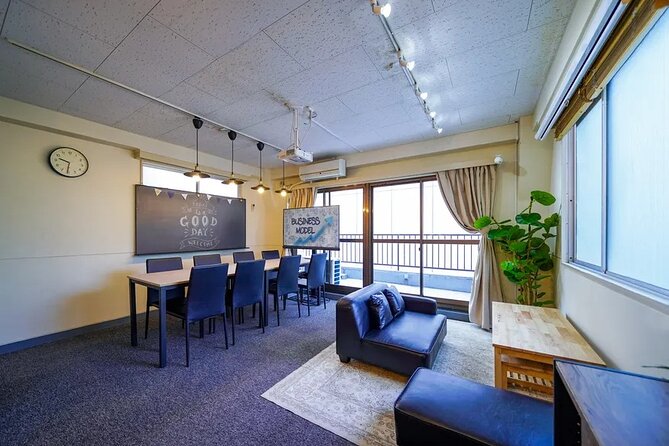
The maximum group size is six people. That is a useful limit for a practical cooking lesson. You have a better chance of seeing the chef’s demonstrations clearly and getting help when your rice or rolls are not behaving.
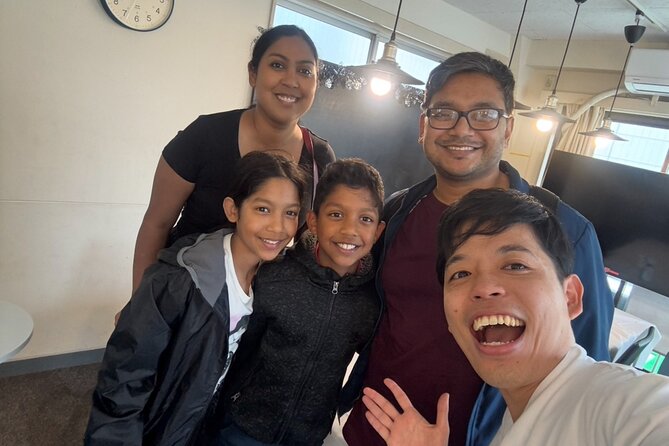
A small group also suits families. One family of four was able to take part together, with everyone producing sushi and sharing a meal with the chef. The class can therefore work as a shared activity rather than splitting a family into separate sightseeing choices.
Chef Tero’s reported success with children is another point in its favor. Kids can follow the basic shapes and enjoy the visible result. Still, the session involves handling food and following several steps, so very young children may need close help from an adult. The provided information does not give a minimum age, so check the booking details if age is important for your group.
Couples, friends, and solo visitors can also fit comfortably into the format. The class is small enough for conversation, but structured enough that you are not expected to provide your own entertainment.
Price and what you receive for $43.18
The listed price is $43.18 per person. For Tokyo, the value depends on what you want from the outing.
If you only want to eat inexpensive sushi, this is not the cheapest way to have a meal. You are paying for the chef’s instruction, the ingredients, the use of the class setting, the chance to make several styles, and the social experience of eating what you prepare.
The price becomes more reasonable if you value an activity as much as a meal. In 90 minutes, you receive direct practice with nigiri, maki, and gunkan, use more than seven toppings, and take home a tenugui towel. You also get a memory that is more personal than another restaurant stop.
For a family, the cost adds up quickly, so consider whether everyone in the group will enjoy participating. For a couple or a small group of friends, the price can make sense as a central Tokyo activity that combines food, culture, and a practical skill.
The tenugui is a modest extra, not a major reason to book. Its value is that it is useful and tied to Japanese daily culture, rather than being a generic souvenir.
Who should book this experience
I would recommend this class to first-time sushi makers, food-focused visitors, and families looking for a shared activity in Tokyo. It is also a good fit if you want something more active than a guided tasting but less demanding than a long cooking course.
You should book it if you like the idea of learning by doing. The class gives you a clear result at the end, and the chance to eat your own pieces makes the lesson feel complete.
It may be less suitable if you want a long, detailed culinary workshop, a formal meal, or a broad tour of Shibuya. The activity stays focused on sushi making and lasts about an hour and a half. It does not include a wider neighborhood tour.
Dietary needs are not addressed in the supplied information. If you have allergies, avoid certain fish, or need a specific diet, ask before booking rather than assuming substitutions are available.
Booking timing and cancellation details
Confirmation is sent within 48 hours of booking, subject to availability. The activity is free to cancel up to 24 hours before the start time for a full refund.
Cancellations or changes made less than 24 hours before the start are not refunded or accepted. The cut-off uses Tokyo local time, so check the time carefully if you are booking from another country.
A minimum number of participants is required. If the class is canceled because that minimum is not reached, you will be offered another date or experience, or receive a full refund.
The mobile ticket makes access simple, but the most important practical step is reaching the Shibuya meeting point on time. The activity ends where it begins, which helps with planning the rest of your day.
Should you book this Shibuya sushi class?
Book it if you want to make and eat your own sushi in a small group, with a professional chef guiding each stage. The combination of more than seven toppings, three sushi styles, a shared meal, and a tenugui souvenir gives the 90-minute session good value at $43.18.
I would be especially comfortable recommending it to families because Chef Tero is described as friendly with children, and a family of four enjoyed making the pieces together. Just remember that this is a compact introduction, not a full chef-training course.
If you want a relaxed, practical taste of Japanese food culture close to Shibuya, this is a sensible choice. If you mainly want a large meal or a long lesson, spend your money elsewhere. For most first-time visitors who like food and hands-on activities, the balance is appealing.
FAQ
Where does the sushi-making class meet?
The meeting point is 2-chōme-14-6 Shibuya, Tokyo 150-0002, Japan.
Where does the activity end?
The activity ends back at the meeting point.
How long does the class last?
The class lasts approximately 1 hour and 30 minutes.
How much does the experience cost?
The listed price is $43.18 per person.
How many people can join the class?
The maximum group size is six travelers.
Which sushi styles will I make?
You will practice making nigiri, maki, and gunkan sushi.
What toppings are included?
More than seven types of neta are used. Tuna, salmon, and gizzard shad are specifically included among the toppings.
Is a sushi chef present during the class?
Yes. The workshop is led by a professional sushi chef. The chef is identified as Tero in the available information.
Do I get to eat the sushi I make?
Yes. You enjoy your handmade sushi with the group at the end of the class.
Is cancellation free?
Yes. You can cancel at least 24 hours before the start time for a full refund. Cancellations made less than 24 hours before the start time are not refunded.
More hands-on classes and workshops in Tokyo
- Chopstick Making Workshop in Ginza
★ 4.8 · 1,366 reviews - Tokyo: Samurai Sword & Archery Class from Samurai Descendant
★ 5.0 · 603 reviews - Tokyo: Tsukiji Fish Market Sushi Making Class with Pro Chef
★ 4.9 · 506 reviews - Tokyo Chopstick Making Workshop with Artisan
★ 5.0 · 466 reviews
More Tokyo cooking classes
- Tokyo Shinjuku Chopsticks Making Class
★ 5.0 · 1,763 reviews - Tokyo Sushi Making Class in Tsukiji with Professional Chef
★ 5.0 · 1,177 reviews - Ramen & Gyoza Cooking Class in Tokyo with Local Supermarket Visit
★ 5.0 · 823 reviews - Matcha Making Class in Tokyo with Authentic Japanese Sweets Set
★ 5.0 · 744 reviews
Newly reviewed around Tokyo
- Tokyo Asakusa:Calligraphy & Make T-shirt Activity★ 5.0 · 62 reviews
- Intercity Shuttle, Tokyo to Haneda /Narita /Yokohama /Makuhari★ 5.0 · 5 reviews
- 1 Hour Travel around Tokyo with a Professional Photographer★ 5.0 · 3 reviews
- Travel Tokyo with Your Own Personal Photographer★ 5.0 · 43 reviews
- Shuttle Van 6hr Tokyo Tour to-and-from Tokyo, Yokohama and Narita★ 5.0 · 9 reviews
- Kickboxing & Body Training with EX-Pro Fighter★ 5.0 · 4 reviews
- Train in Samurai Swordsmanship and Defeat the Demon in Tokyo★ 5.0 · 5 reviews
- Traditional Japanese Knife Sharpening Class★ 5.0 · 18 reviews
Tokyo Sushi Making Classes, compared.
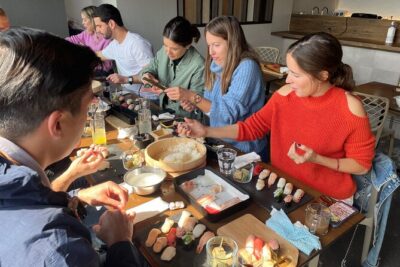
Sushi Making Tokyo Roll and Authentic Japanese Sushi Class
Read our review →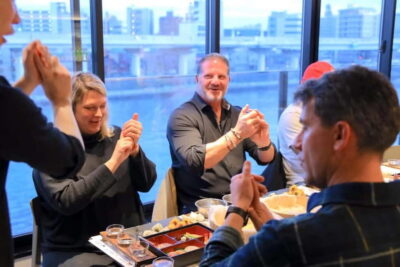
Roll and Authentic Sushi Making Class in Asakusa
Read our review →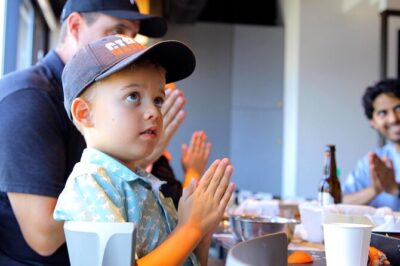
Make Sushi and Create Unforgettable Memories in Tokyo
Read our review →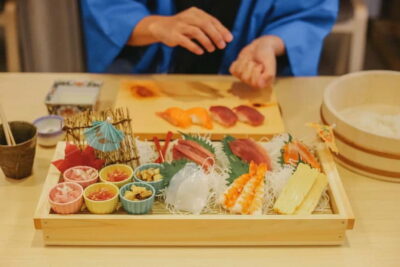
Sushi Making Class in a Happi Coat near a Famous Spot
Read our review →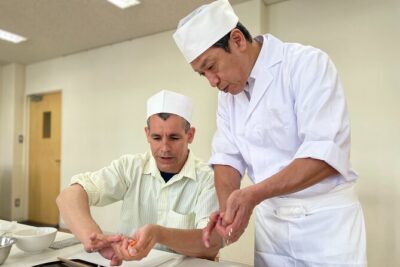
Tokyo Sushi Making Class in Tsukiji with Professional Chef
Read our review →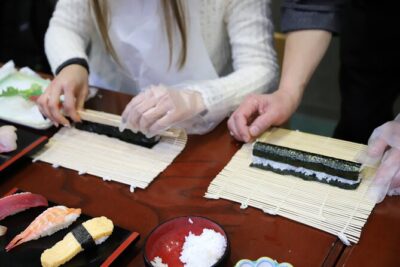
Tsukiji Fish Market Guided Tour and Sushi Making with Pro Chef
Read our review →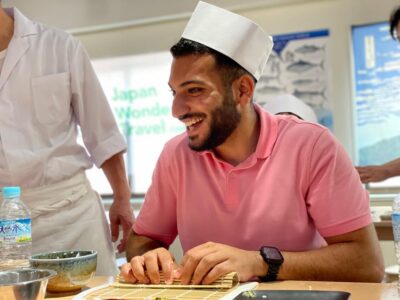
Tsukiji Fish Market Sushi Making Class with Pro Chef
Read our review →
Browse the lists this tour appears in