
Reviewed · TOKYO SUMO EXPERIENCES
Ryogoku: Sumo Town Guided Walking Tour with Lunch
Ryogoku’s sumo world is much bigger than a tournament ticket. This three-and-a-half-hour walk takes you past sumo stables, the Kokugikan arena, temples, and local sights before sitting you down to eat chanko-nabe, the hot pot associated with wrestler life. The best part is the guide’s explanation of what you are seeing, from stable routines to the sport’s Shinto roots.
I like the small group of up to eight, which gives you room to ask questions, and I like the way lunch connects the culture to something you can taste. Guides including Jeff, Taka, Sue, and Yoko have earned praise for being warm, funny, and well prepared. The main catch is simple: you will not watch a bout or guaranteed training session, and the meal can feel crowded when several tour groups arrive together.
Key points at a glance
- Ryogoku beyond the arena: Walk through the district’s sumo stables, religious sites, museums, and public spaces.
- A guide-led lesson in sumo: Learn how the sport developed over 1,600 years and how wrestlers live and train.
- Chanko-nabe lunch included: Share the hearty hot pot that helps fuel sumo wrestlers.
- Small group setting: With no more than eight participants, questions and conversation are easier.
- Actual wrestlers are not guaranteed: You see stables from outside, but bouts and practice sessions are not part of the tour.
- A full 210-minute outing: Wear comfortable shoes and expect a substantial walking experience before lunch.
Why Ryogoku is the right place to learn sumo
Ryogoku is the natural classroom for this subject. The neighborhood is tied to professional sumo, and its streets bring together the Kokugikan arena, wrestler stables, old religious sites, food, and museums. You are not just hearing a lecture about sumo in a hotel room. You are walking through the setting where the sport is practiced and presented.
That matters because sumo has customs that can seem puzzling if you only watch a match. The guide can explain the meaning behind rituals, the place of Shinto in the sport, and why a wrestler’s career follows rules unlike those of most modern athletes. You also get context for the colorful names, rankings, training life, and stable system that shape the sport.
The tour also links sumo to wider Japanese culture. Along the way, the guide discusses Buddhist temples, Shinto shrines, gardens, swords, woodblock prints, and cuisine. This gives you a broader picture of Ryogoku instead of reducing the district to one arena and a few souvenir shops.
More Tokyo sumo experiences:
- Tokyo: Sumo Show and Dining Experience
★ 4.8 · 2,742 reviews - the SUMO show
★ 5.0 · 1,960 reviews - Tokyo Shinjuku Sumo Show & Experience with Photo
★ 5.0 · 1,750 reviews
Meeting outside Ryogoku Station
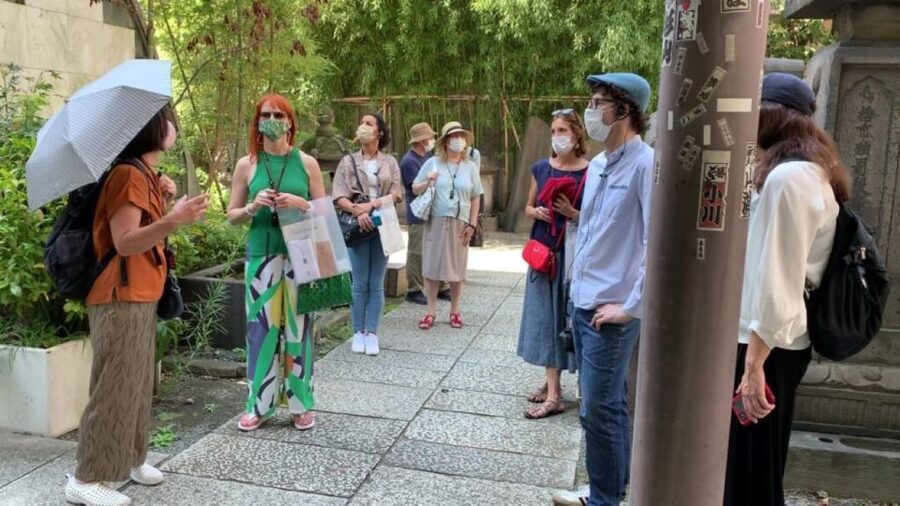
The meeting point is outside the Toei Oedo Line’s Ryogoku Station. This is a practical starting place, since Ryogoku is easy to reach by train and the walk begins right in the district.
The experience lasts 210 minutes. That is long enough for a proper introduction without taking your entire day. Still, this is a walking tour, not a short photo stop, so comfortable shoes are essential. The route includes several blocks and multiple sightseeing stops before the one-hour meal.
The group is limited to eight people. That small size is one of the strongest reasons to choose this tour instead of trying to piece together sumo information on your own. A guide can answer questions about the sport, customs, and daily life without having to address a large crowd.
English is the tour language. Past guides have included Jeff, Taka, Sue, and Yoko. The strongest feedback centers on their ability to explain complicated subjects in a friendly, entertaining way. Taka has been praised for his humor, while Sue has been noted for making lunch feel personal and adjusting well when weather caused problems.
Seeing Hakkaku-beya from the outside
The first listed stop is Hakkaku-beya, a sumo stable. You should think of this as an exterior visit, not an open-house tour. Sumo stables are working homes and training places, so the group does not simply walk inside and observe the wrestlers at will.
That limitation is important. The guide explains how stables function, how wrestlers train, and how daily life is organized. You learn why the stable is central to a wrestler’s career, rather than treating it as just another building on a walking route.
You might see wrestlers in the neighborhood, but there is no promise of that. One particularly memorable account described seeing wrestlers relaxing in a back alley and loincloths airing in the sun after practice. That sort of chance sighting can make the area feel wonderfully real, but you should regard it as luck, not part of the schedule.
Training is not included. If your main goal is to watch wrestlers practice, this is the wrong product. If your goal is to understand the system and recognize what you are seeing around Ryogoku, the stop is useful.
Ryogoku Kokugikan and the language of the sport
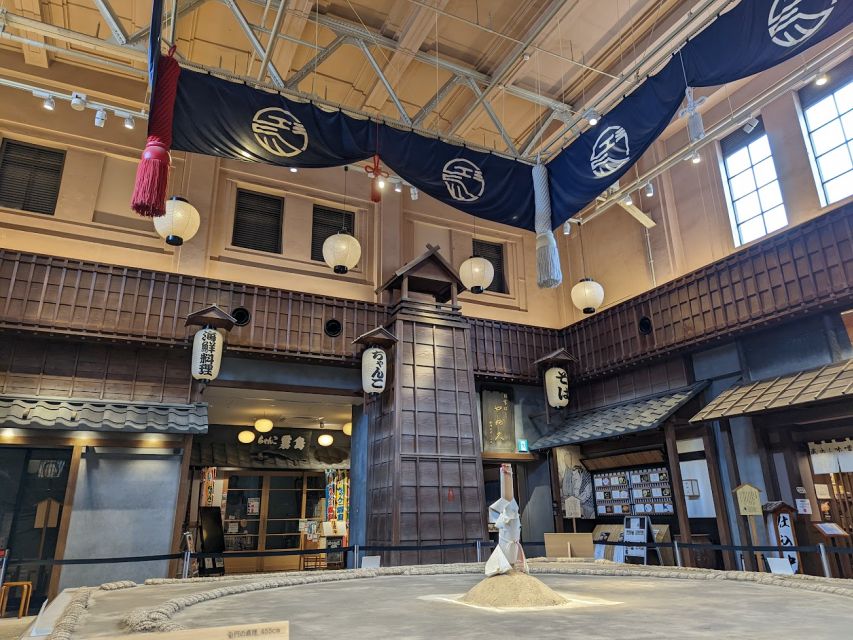
The Kokugikan is the district’s major sumo landmark. The tour visits the arena from the outside and uses it as a place to explain how professional tournaments work.
Even without entering for a match, the arena gives the sport a physical center. Your guide can connect the building to the tournament calendar, rankings, ceremonial traditions, and the experience of watching sumo in person. That background can make a future tournament day much easier to follow.
The tour is especially helpful if you have watched a few bouts but found the rules and rituals hard to sort out. Sumo looks simple at first glance, two wrestlers trying to force each other out of a ring, but the ranking system, stable structure, ceremonies, and strict etiquette add plenty of detail.
Do not book this expecting a substitute for tournament admission. The experience does not include actual sumo bouts. It gives you the groundwork, so you can get more from a tournament ticket later or watch the sport with better understanding back home.
More Tokyo walking tours:
- Tokyo Tsukiji Fish Market Food and Culture Walking Tour
★ 5.0 · 3,184 reviews - Tokyo: Imperial Palace and Shogun Historical Walking Tour
★ 5.0 · 2,251 reviews - Tokyo: Shinjuku Local Bar and Izakaya Guided Walking Tour
★ 4.9 · 1,794 reviews - Tokyo: Tsukiji Fish Market Food and Walking tour
★ 5.0 · 1,724 reviews
Ryogoku Edo NOREN and the neighborhood’s cultural links
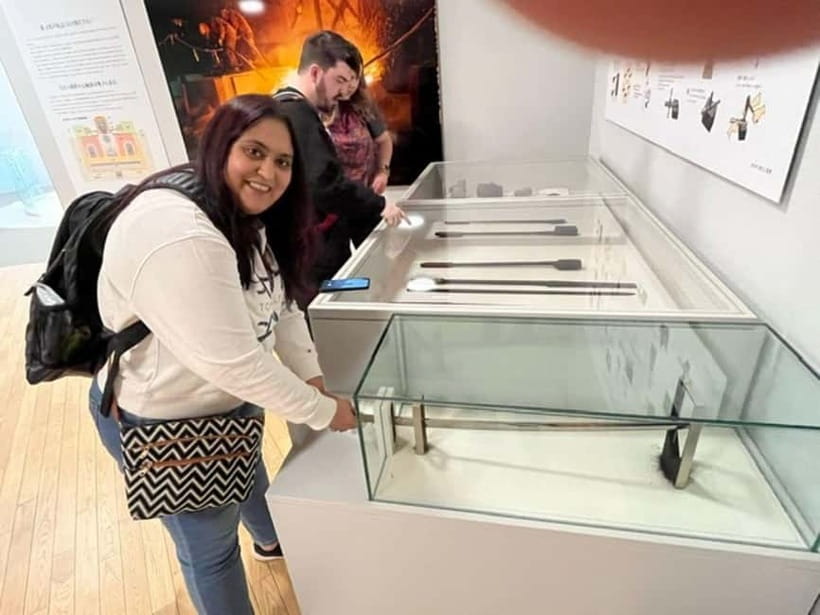
Ryogoku Edo NOREN is another stop on the walk. The tour uses the area to connect local food and traditional culture with the sumo district.
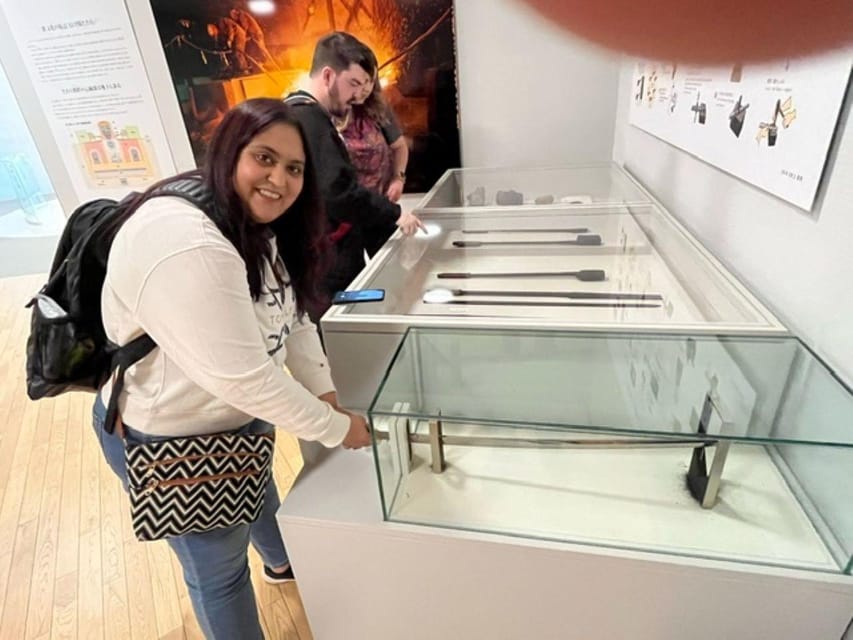
The route is not limited to sports. You hear about Japanese gardens, swords, woodblock prints, Buddhist temples, and Shinto sites. One account also pointed to the Hokusai museum and a Japanese sword museum as part of the wider Ryogoku area. The exact sights covered can depend on the guide and the day, but the overall focus is clear: sumo sits inside a much larger cultural setting.
This is where an expert guide earns the fee. You can pass a temple or museum on your own, take a photograph, and move on. A guide can tell you why the site matters, how it connects with Japanese beliefs, and how it fits into the neighborhood’s past.
The route should appeal to you if you like walking tours that mix one main topic with side subjects. It may feel less focused if you want nothing but technical sumo instruction from start to finish.
Ekō-in and sumo’s religious roots
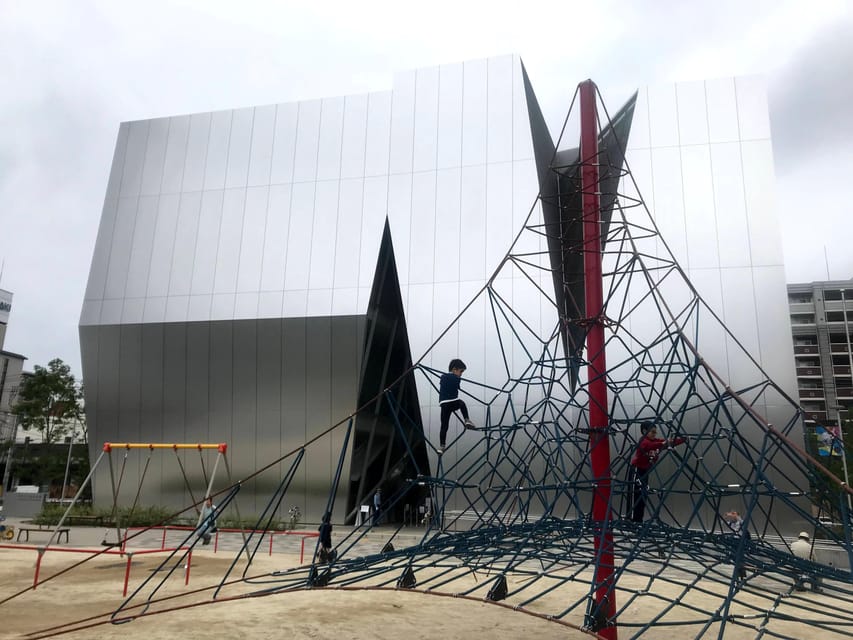
Ekō-in adds another layer to the walk. This Buddhist temple is included as one of Ryogoku’s important religious landmarks, and it helps show that sumo is not simply a modern sporting event.
The guide discusses the links between sumo and Shinto, Buddhism, ceremony, and traditional Japanese life. These connections help explain why a sumo event contains so much ritual before the actual contest begins.
You do not need a background in religion or Japanese history to enjoy this part. The value lies in having someone point out the cultural threads while you are standing in the places connected to them. For many people, this will be more useful than memorizing isolated facts about tournament winners.
The stop is relatively short, listed at about 15 minutes. That keeps the pace moving, but it also means you should not expect an extended temple visit or a long period of quiet reflection.
A second stable, Kasugano-beya
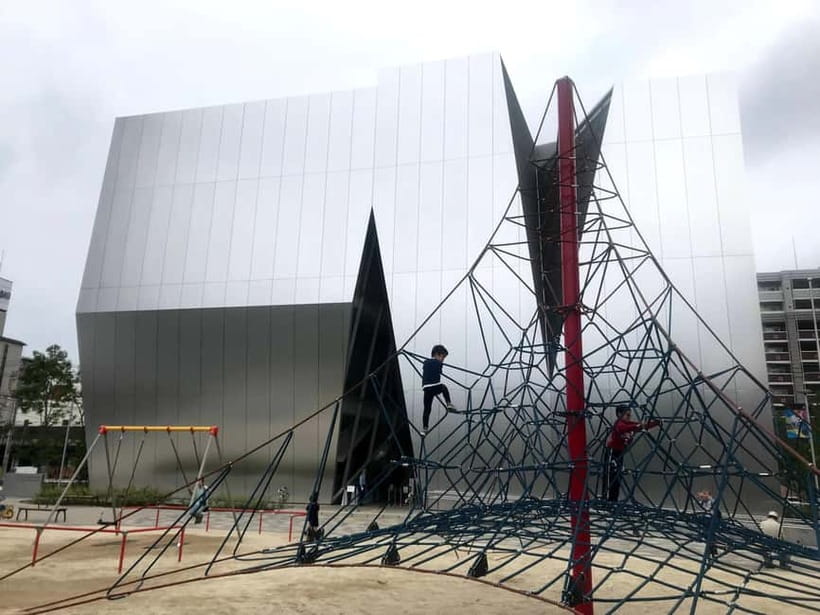
Kasugano-beya provides another look at the stable system. Seeing more than one stable helps you understand that Ryogoku is not built around a single famous location. Sumo life is spread through the neighborhood.
Again, the visit is from the outside. The guide talks about the wrestlers’ lives and careers, but there is no scheduled practice viewing. This distinction deserves repeating because the most common disappointment would be arriving with the expectation of watching a training session.
If you happen to see wrestlers walking through the neighborhood, the guide can help you understand what you are seeing. The small group makes it easier to stop briefly and ask questions without creating a large crowd.
The two stable stops also give the walk a practical rhythm. You move between explanations, streets, religious sites, and the arena rather than standing in one place for the entire morning.
Chanko-nabe: lunch with a purpose
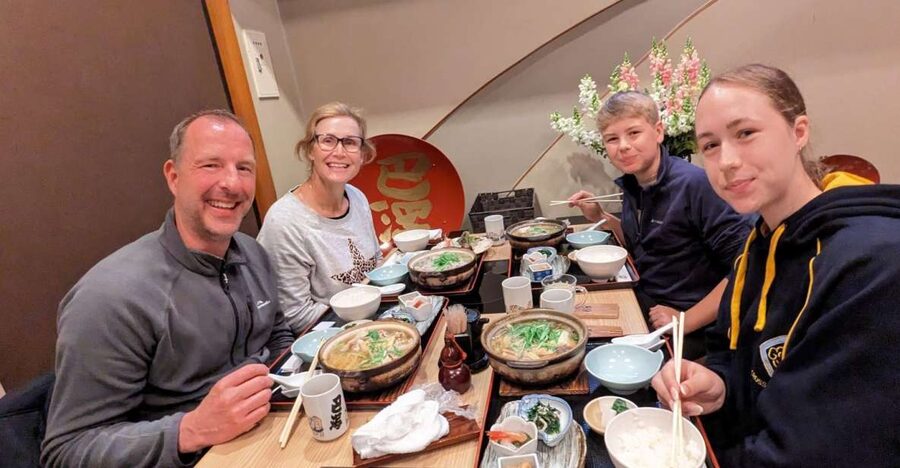
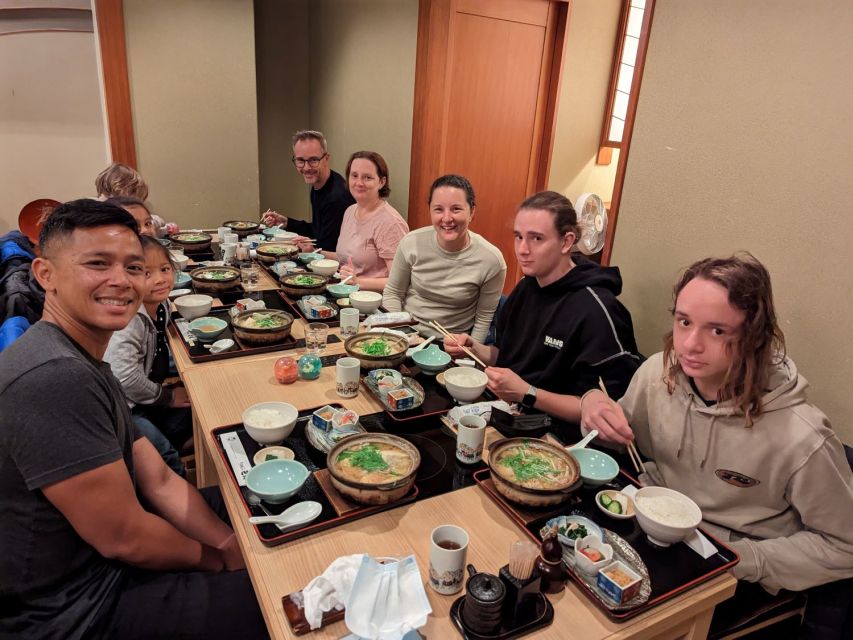
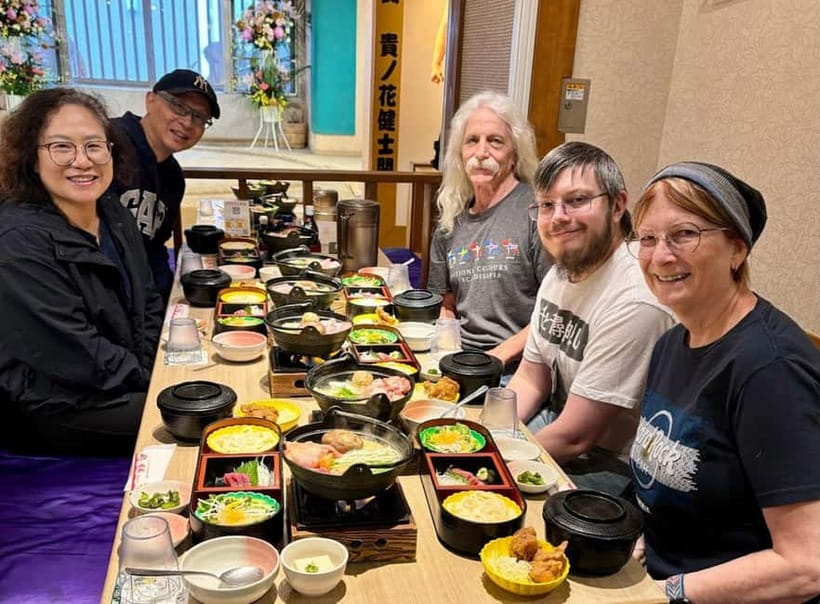
Lunch is the tour’s most tangible connection to wrestler life. You eat chanko-nabe at a Ryogoku restaurant, listed at Hana no Mai near the Edo-Tokyo Museum front. The meal is a hot pot built around nutrition, warmth, and shared eating.
Chanko-nabe became central to stable life for practical reasons. Wrestlers have traditionally prepared the food themselves because professional cooks were not available in the stable. A hot pot is quick to prepare, easy to share, and flexible enough to provide a balanced meal.
The dish also makes sense as social food. Everyone eats from the same pot, which encourages a sense of teamwork and shared routine. That gives you more to think about than simply trying another Japanese soup.
The meal has been praised as tasty and traditional, and it is included in the $122 price. The main drawback is the dining setup. When several tour groups arrive at the same time, the restaurant can feel crowded and overly organized for visitors. One French-language account described it as a tourist trap, while other experiences found the meal enjoyable and welcoming.
I would treat lunch as a cultural introduction rather than a private restaurant discovery. You are paying for the food, the convenience, and its place in the tour’s story. If you want a quiet, independent meal away from groups, you may prefer to eat separately.
Food allergies are another concern. The tour is not suitable for people with food allergies, so you should not book it if you need strict allergy control.
What $122 gets you
At $122 per person, this is not a bargain walking tour. The price includes an English-speaking guide, the small group format, and lunch at a sumo-related restaurant. You are also paying for the guide’s ability to connect details that would be hard to assemble from a map and a few online articles.
The value is strongest if you have a real interest in sumo but no tournament ticket. The three-and-a-half-hour format gives you a structured introduction to the sport, its places, and its food. It can also make a future tournament visit more rewarding.
The value is weaker if you mainly want to see wrestlers up close. There is no bout admission, no guaranteed sighting of athletes, and no stable training visit. You could walk around Ryogoku on your own for less money, but you would lose the explanation and the included meal.
The reserve-now, pay-later option and free cancellation up to 24 hours before departure make planning easier. Those policies are useful if your Tokyo schedule is still changing, but they do not alter the basic question: you are buying interpretation and access to a focused local experience, not an event ticket.
Who will get the most from this walk
I would recommend this tour to first-time sumo spectators, curious visitors who want cultural context, and anyone planning to attend a tournament later. It also suits people who like food, neighborhood walking, and questions more than formal museum displays.
Families and mixed-interest groups may find the wider route helpful because it includes temples, gardens, swords, prints, and cuisine. A person who is only mildly interested in sumo can still get something from the district’s other subjects.
Serious sumo fans should read the limits carefully. You may already know much of the basic history, and the lack of a practice session could leave you wanting more. The guide’s depth may still make the walk worthwhile, but your expectations should focus on place and explanation.
The tour is not suitable for people with mobility impairments. The route includes walking between several stops, and comfortable shoes are required. It is also not suitable for people with food allergies because lunch is part of the experience.
Should you book it?
Book this tour if you want to understand sumo before watching it. The best reasons are the small group, the strong English-speaking guides, the chance to see Ryogoku’s working sumo district, and the included chanko-nabe meal.
Skip it if your priority is an actual match, a guaranteed practice session, or a quiet independent lunch. You can enjoy the Kokugikan from outside and perhaps see wrestlers by chance, but neither is promised.
For most first-time visitors with a genuine interest in Japanese culture, the tour offers a useful bridge between watching sumo and understanding it. Just wear good shoes, arrive ready to walk, and treat any sighting of wrestlers as an unexpected bonus.
FAQ
How long does the Ryogoku sumo tour last?
The tour lasts 210 minutes, or three and a half hours.
Where does the tour meet?
You meet your guide outside Ryogoku Station on the Toei Oedo Line.
Where does the tour finish?
The tour finishes at 2-chōme-17-17 Ryogoku, Sumida City, Tokyo 130-0026, Japan.
Is lunch included?
Yes. Lunch at a chanko-nabe restaurant in Ryogoku is included.
What is chanko-nabe?
Chanko-nabe is a nutritious hot pot associated with sumo wrestlers. It is valued as a balanced meal that is easy to prepare and share.
Will I watch an actual sumo bout?
No. The tour does not include watching an actual sumo bout.
Can I watch sumo wrestlers train?
Training sessions are not included, and no practice viewing is guaranteed. The tour visits sumo stables from the outside.
How many people are in the group?
The group is limited to eight participants.
What language is the tour offered in?
The tour is offered in English with a live English-speaking guide.
What should I bring?
Bring comfortable shoes for the walking route.
Is the tour suitable for people with food allergies?
No. The tour is not suitable for people with food allergies.
Can I cancel for a full refund?
Yes. You can cancel up to 24 hours in advance for a full refund.
More Lunch Experiences in Tokyo
- Tokyo: Mt.Fuji & Lake Kawaguchiko 1-Day Bus Tour w/Optional Lunch
★ 4.5 · 839 reviews - Tokyo: Sumo Experience and Chanko Nabe Lunch
★ 4.8 · 257 reviews - Tokyo: Tsukiji Fish Market Tour with 6 Stops & Seafood Lunch
★ 4.5 · 165 reviews - Tokyo: 1 Day Bus Tour with Meiji-Jingu,Odaiba,lunch&Skytree
★ 4.6 · 156 reviews
Newly reviewed around Tokyo
- Tokyo Asakusa:Calligraphy & Make T-shirt Activity★ 5.0 · 62 reviews
- Intercity Shuttle, Tokyo to Haneda /Narita /Yokohama /Makuhari★ 5.0 · 5 reviews
- 1 Hour Travel around Tokyo with a Professional Photographer★ 5.0 · 3 reviews
- Travel Tokyo with Your Own Personal Photographer★ 5.0 · 43 reviews
- Train in Samurai Swordsmanship and Defeat the Demon in Tokyo★ 5.0 · 5 reviews
- Shuttle Van 6hr Tokyo Tour to-and-from Tokyo, Yokohama and Narita★ 5.0 · 9 reviews
- Kickboxing & Body Training with EX-Pro Fighter★ 5.0 · 4 reviews
- Traditional Japanese Knife Sharpening Class★ 5.0 · 18 reviews
Tokyo Sumo Experiences, compared.
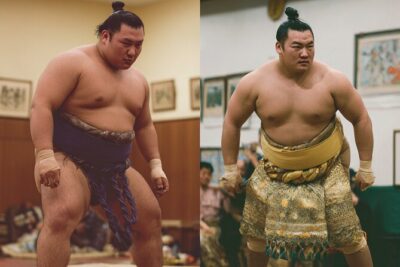
Tokyo Shinjuku Sumo Show & Experience with Photo
Read our review →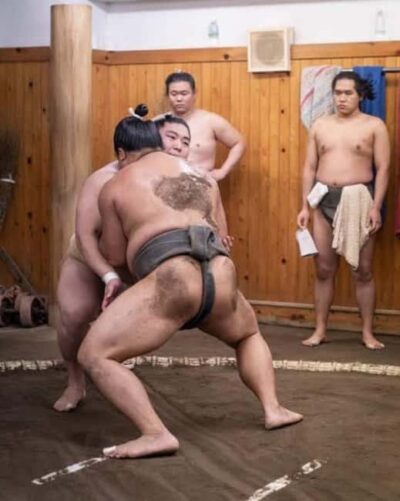

Luxury Sumo Show Experience & Japanese cuisine & Drink
Read our review →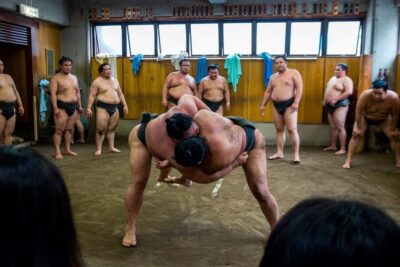
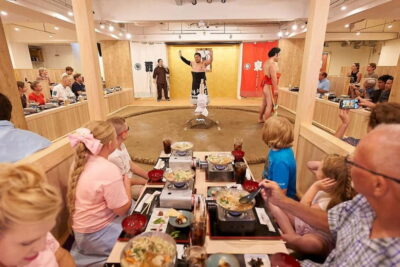
Tokyo Sumo Experience: Chanko & Mochi with a Former Pro
Read our review →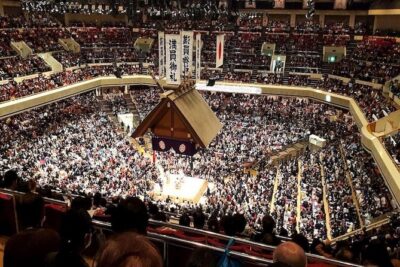
Ultimate Sumo Tournament: Tokyo, Osaka, Nagoya, Fukuoka
Read our review →Browse the lists this tour appears in