
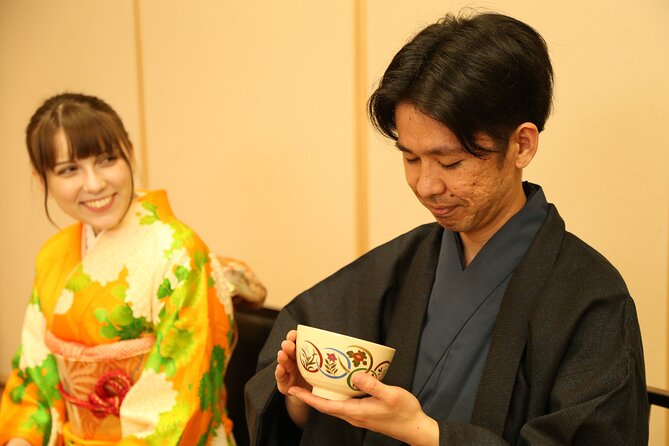
Reviewed · TOKYO TEA CEREMONY EXPERIENCES
Practicing Zen through Japanese Tea Ceremony
A Japanese tea ceremony is less about drinking tea than learning how attention, movement, and hospitality fit together. In this 75-minute Tokyo session, a bilingual tea master first performs the ritual, then guides you through preparing your own matcha. I like the careful pairing of bitter tea with wagashi sweets, and I like that you do more than watch. You take part.
The setting may not feel like a traditional tea house. The ceremony takes place in a room at Kikai Shinkō Kaikan, and one review described it as a basement office space. Also, the Zen portion is fairly light, with more emphasis on the ceremony itself than on meditation practice.
Key points to know before booking
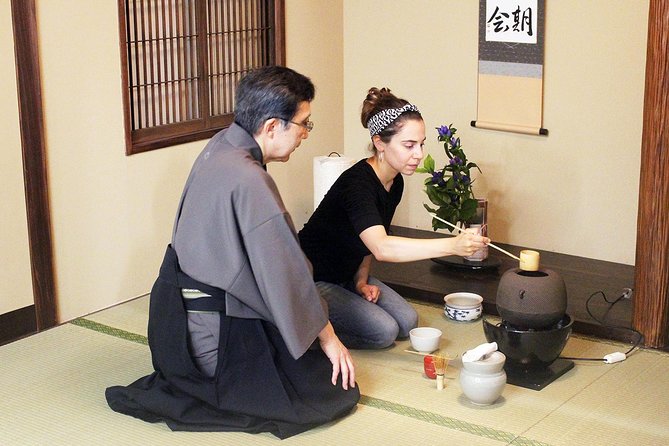
- You prepare your own matcha: After watching the tea master, you repeat the process with instruction.
- Wagashi balances the tea: Traditional Japanese sweets are chosen to suit matcha’s bitter flavor.
- The session connects tea with Zen: You learn about mindfulness, respect, utensils, scrolls, and the meaning behind the movements.
- Past sessions have featured Miyuki and Yuuko: Both received praise for warm, clear instruction.
- The venue is practical rather than scenic: You meet at Kikai Shinkō Kaikan in Shibakōen, not in a historic tea house.
- The group can reach 28 people: That is worth considering if you want a very private ceremony.
A quiet lesson in a city that rarely slows down
Tokyo can fill every hour of your day with stations, department stores, temples, food stops, and neon streets. This tea ceremony gives you a reason to stop moving for a while.
The pace is deliberate. A tea master prepares matcha using classical ceremonial methods, explains the meaning behind the actions, and serves traditional sweets. You are not simply watching a cultural demonstration from the sidelines. Once the formal presentation is complete, you take your turn.
That change from observer to participant matters. You begin to notice how the bowl is handled, how the tea is whisked, and how each action has a place. You do not need prior experience. The instructor explains the process in English and guides you through the steps.
The session lasts about one hour and 15 minutes. That is long enough to offer genuine context, but short enough to fit into a day of sightseeing. I would place it between major Tokyo activities rather than treat it as an all-day event.
More Tokyo tea ceremonies:
- Matcha Making Class in Tokyo with Authentic Japanese Sweets Set
★ 5.0 · 744 reviews - Tokyo: Traditional Tea Ceremony with a Tea Master
★ 5.0 · 528 reviews - Dynamic Tokyo: Tokyo Tower, Tea Experience, Bay Cruise Day Tour
★ 4.5 · 521 reviews
What happens when you arrive at Shibakōen
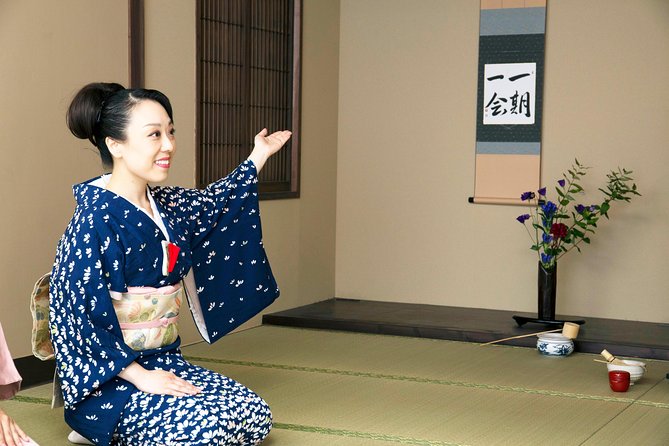
The meeting point is Kikai Shinkō Kaikan, 3-chōme-5-8 Shibakōen, Minato City, Tokyo 105-0011. The location is near public transportation, which makes it reasonably easy to add to an itinerary around Minato.
The address is important because this is not presented as a tea ceremony inside a famous temple or preserved tea house. The setting recreates the atmosphere of a traditional ceremony in a modern building. One attendee found the basement office-room setting less atmospheric than expected, although the short meditation and hands-on tea preparation were especially enjoyable.
That contrast is worth understanding before you pay. You come here for instruction and participation, not for grand architecture or garden views. If your ideal tea ceremony includes tatami rooms, old wooden buildings, and a carefully framed garden, this may feel more functional than romantic.
On the other hand, a simple room can keep the focus on the tea master. You are less likely to spend the session taking photographs of the surroundings, and more likely to pay attention to the explanation. The practical atmosphere may also feel less intimidating for a first tea ceremony.
The tea master sets the tone
The instructor is a bilingual licensed tea master with at least five years of experience. Sessions have included guides named Miyuki and Yuuko. Miyuki was praised for making the experience comfortable and meaningful, while Yuuko was noted for a warm welcome and clear English.
The individual guide matters here. Tea ceremony can seem formal or even mysterious if nobody explains why the actions happen. A good instructor makes the movements readable without stripping away their quiet character.
You learn about the ceremony’s traditions, Zen practices, Japanese hanging scrolls, and tea utensils. These details help you see the room as more than a place where someone prepares green tea. The scroll, the tools, the sweets, and the order of service all contribute to the mood.
Do not expect an academic lecture. The session is designed for visitors who want a practical introduction. The explanations give you enough background to understand the ritual, then the activity lets you try it yourself.
Watching the formal ceremony
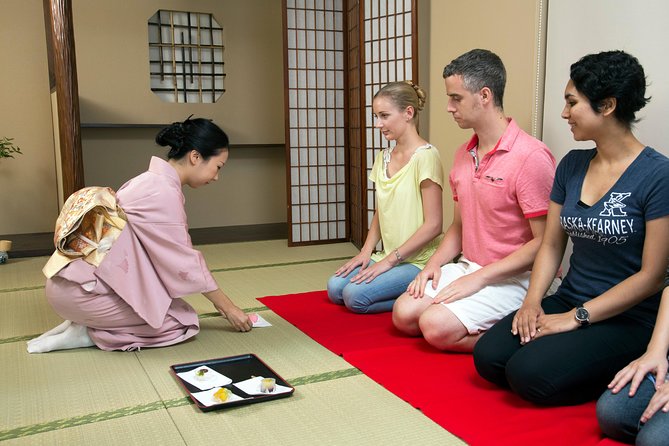
The tea master begins by preparing authentic matcha and serving traditional Japanese sweets. This first performance gives you a model to follow. You can watch the order of actions before attempting them yourself.
The ceremony’s value lies in its restraint. There is no need to rush from one step to the next. The tea master’s movements show how Japanese hospitality can be expressed through preparation and care rather than through a long spoken welcome.
You also learn why the sweet is served with matcha. Wagashi is not just a snack added to the booking. Its sweetness balances the strong, slightly bitter taste of the tea. Eating the confection before drinking matcha helps you notice the contrast.
This is one of the session’s strongest details because it connects taste with custom. You are not only told that wagashi is traditional. You can understand its purpose with your own palate.
The formal performance also gives you a chance to observe etiquette. The ceremony includes manners and gestures that may not be obvious to someone encountering them for the first time. The tea master explains the traditions in English, which makes the quiet actions easier to follow.
A completely different kind of day in Tokyo:
- Mt Fuji and Hakone 1-Day Bus Tour Return by Bullet Train
★ 5.0 · 26,383 reviews - 1-Day Tokyo Bus Tour
★ 5.0 · 14,250 reviews - Tokyo: teamLab Planets TOKYO Digital Art Museum Entry Ticket
★ 4.6 · 9,779 reviews - Mt Fuji & Hakone Cruise, Drum Show Bullet Train 1 Day from Tokyo
★ 4.0 · 7,413 reviews
Your turn to whisk matcha
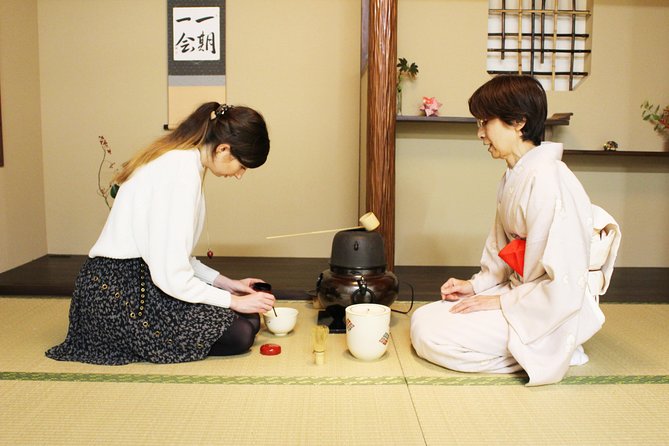
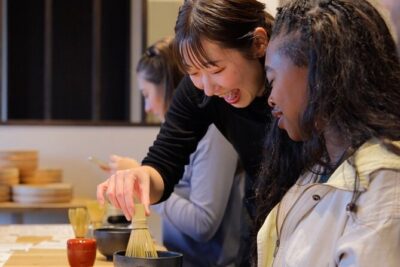
The second half is the most active part. You prepare tea yourself using the ceremony’s methods, with the tea master offering instruction along the way.
This is where the activity earns its price more convincingly than a basic demonstration would. You learn by doing. The first attempt may feel awkward, but that is part of the point. You become aware of the bowl, the utensils, the tea powder, and the movement needed to prepare the drink.
The activity description does not promise that you become an expert in matcha preparation. It gives you a guided introduction. Think of it as a cultural lesson with a practical exercise, not a professional tea-school course.
I also like the social element. One person does not simply perform for the entire room while everyone else watches. You have the chance to repeat the ceremony process yourself. That makes the memory more personal and gives you a skill you can remember after leaving Tokyo.
If you are shy about participating, the clear instruction should help. If you prefer a purely private or silent experience, the group format may feel less comfortable. The maximum group size is 28 people, so the room may not provide the intimacy of a private tea gathering.
The Zen connection, kept in perspective
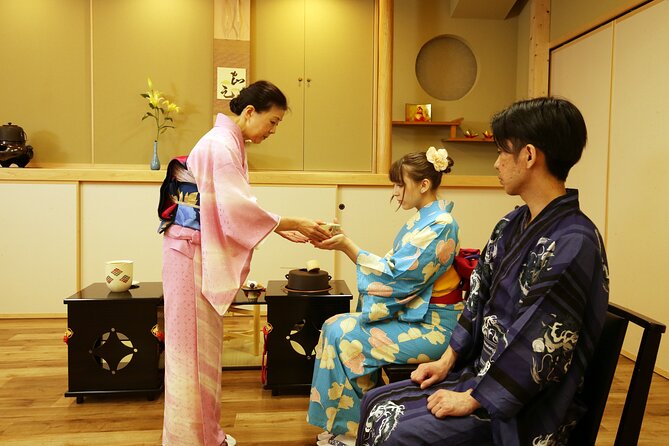
The experience presents tea ceremony as connected to Zen practice. You hear about mindfulness, respect, and the value of giving full attention to a simple act. A short meditation may also be included.
That connection can be useful, especially if you want to understand why the ceremony moves slowly and why small gestures matter. Tea ceremony is not merely a recipe for matcha. It is a way of organizing a brief encounter around care, order, and presence.
Still, keep your expectations measured. One participant felt the session offered more tea ceremony than Zen theory or practice. If you are looking for an extended meditation workshop, this is not the right choice. The Zen material supports the ceremony, but it does not take over the class.
I see that balance as sensible for a short Tokyo activity. The ceremony gives the Zen ideas a physical form. You learn through the way the tea is prepared, the way the tools are handled, and the way attention is directed. You do not need a long discussion of philosophy to understand the basic connection.
Why the utensils and scrolls matter
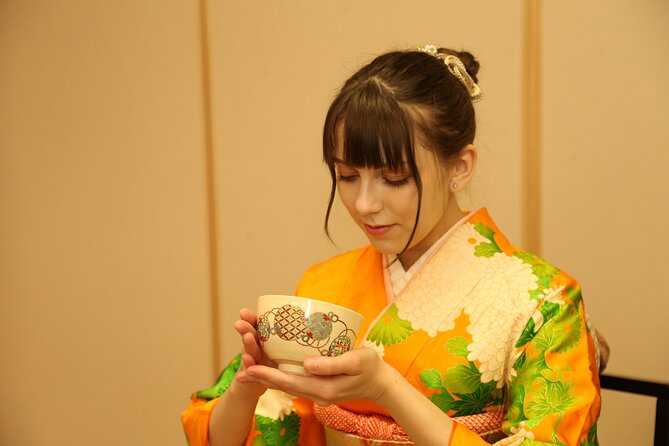
The session includes explanations of Japanese hanging scrolls and tea utensils. These can seem like small details, but they help explain the ceremony’s visual language.
A tea bowl is not just a cup. A whisk is not just a kitchen tool. Their use, placement, and handling are part of the larger ritual. The hanging scroll also helps establish the atmosphere of the room and gives the tea gathering a theme or point of focus.
You may not leave able to identify every utensil or school of tea. That is not the goal. You should leave with a better sense of why a tea ceremony gives so much weight to ordinary objects.
This is especially valuable if the rest of your Japan trip includes temples, gardens, traditional restaurants, or craft shops. You will begin to recognize the same interest in materials, arrangement, restraint, and seasonal feeling. The ceremony offers a lens you can carry into other parts of the country.
A practical value check at $64.50
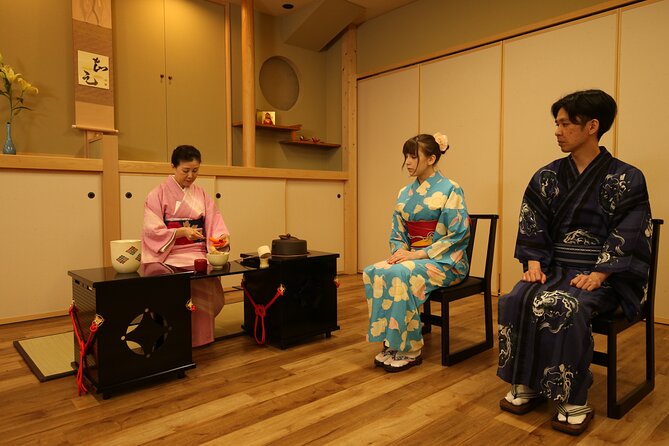
At $64.50 per person, this is not the cheapest way to taste matcha in Tokyo. You could buy a bowl of tea and a sweet for far less. The price makes more sense because you are paying for a bilingual licensed tea master, formal preparation, cultural explanation, and your own guided attempt.
The value is strongest if you want context. A cup of matcha from a café can be pleasant, but it will not explain the ceremony’s etiquette, tools, scrolls, Zen connection, and order of service.
The price is also easier to justify for first-time visitors who want a structured cultural activity without committing half a day. At about 75 minutes, it fits neatly into a busy itinerary.
Group discounts are available, which may help if you are booking with family or friends. Still, remember the maximum group size of 28. A discount does not change the size or the shared nature of the experience.
I would not book this for the setting alone. The modern meeting venue limits the visual payoff. I would book it for the instructor, the explanations, the sweets, and the chance to make matcha yourself.
Who will enjoy this most
This experience suits you if you want a calm break from sightseeing and prefer learning through participation. It is particularly useful for first-time visitors who have seen tea ceremony in photographs but do not understand what happens during one.
It also works well for people with an interest in Japanese food. The wagashi pairing shows how sweets can be selected to balance a drink, rather than treated as a separate dessert.
Families and small groups may appreciate the guided format, especially with a group discount. The hands-on portion gives the session a clear focus and may be easier to enjoy than a long lecture.
You should think twice if your priority is a historic setting. The location is a meeting room in a modern building, and one account specifically described it as a basement office space. You should also look elsewhere if your main goal is extended meditation or detailed Zen study.
The activity is conducted in English with a bilingual tea master. The group may include up to 28 people, so you should expect a shared class rather than a private consultation.
Timing, transport, and cancellation
The meeting point is near public transportation, and the activity ends at the same location. There is no hotel pickup or drop-off, so you need to plan your own route to Shibakōen.
Confirmation is provided within 48 hours of booking, subject to availability. Since the experience is booked on average eight days ahead, reserving before your Tokyo schedule fills up is sensible.
The mobile ticket makes the booking easy to carry on your phone. Free cancellation is available if you cancel at least 24 hours before the start time. Cancellations or changes made inside that window are not refunded or accepted, and the cutoff uses Tokyo local time.
Should you book the Shibakōen tea ceremony?
Book it if you want a short, guided introduction to Japanese tea ceremony with real participation. The strongest parts are the clear bilingual instruction, the wagashi and matcha pairing, and the moment when you prepare tea yourself.
Go in with realistic expectations. This is not a grand tea house visit, and the Zen material is an introduction rather than a full meditation course. The room may feel plain, and a group of up to 28 can reduce the sense of privacy.
For most first-time visitors, I think the activity offers a fair cultural experience at $64.50. You gain more than a taste of matcha: you learn why the ritual is arranged as it is, then practice the movements yourself. If that sounds more valuable to you than a photogenic venue, this is a good way to slow down in Tokyo.
FAQ
Where does the tea ceremony take place?
It takes place at Kikai Shinkō Kaikan, 3-chōme-5-8 Shibakōen, Minato City, Tokyo 105-0011, Japan.
How long does the experience last?
The tea ceremony lasts approximately one hour and 15 minutes.
Is transportation included?
No. Pickup and drop-off services are not included. The meeting point is near public transportation, and the activity ends at the same location.
Is the tea master bilingual?
Yes. The experience includes a bilingual licensed tea master, and explanations are provided in English.
Do I get to prepare matcha myself?
Yes. The tea master first performs the ceremony, then you prepare a second tea ceremony yourself with instruction.
Are sweets included?
Yes. Traditional Japanese sweet confections, known as wagashi, are included and selected to complement the matcha.
How many people can join the activity?
The maximum group size is 28 people.
What is the cancellation policy?
You can cancel for a full refund up to 24 hours before the experience begins. Cancellations or changes made less than 24 hours before the start time are not refunded.
Newly reviewed around Tokyo
- Tokyo Asakusa:Calligraphy & Make T-shirt Activity★ 5.0 · 62 reviews
- Intercity Shuttle, Tokyo to Haneda /Narita /Yokohama /Makuhari★ 5.0 · 5 reviews
- 1 Hour Travel around Tokyo with a Professional Photographer★ 5.0 · 3 reviews
- Travel Tokyo with Your Own Personal Photographer★ 5.0 · 43 reviews
- Train in Samurai Swordsmanship and Defeat the Demon in Tokyo★ 5.0 · 5 reviews
- Shuttle Van 6hr Tokyo Tour to-and-from Tokyo, Yokohama and Narita★ 5.0 · 9 reviews
- Kickboxing & Body Training with EX-Pro Fighter★ 5.0 · 4 reviews
- Traditional Japanese Knife Sharpening Class★ 5.0 · 18 reviews
Tokyo Tea Ceremony Experiences, compared.
Matcha Making Class in Tokyo with Authentic Japanese Sweets Set
Read our review →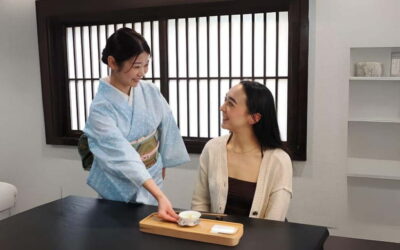
Dynamic Tokyo: Tokyo Tower, Tea Experience, Bay Cruise Day Tour
Read our review →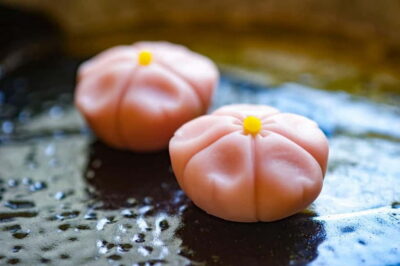
Matcha Making Experience with Mochi Sweets in Asakusa
Read our review →
Tea Ceremony Workshop in Tokyo by the Experienced Instrucor
Read our review →
Browse the lists this tour appears in