
Reviewed · TOKYO RAMEN TOURS AND CLASSES
Okonomiyaki & Gyoza Cooking Class with Local Supermarket Visit
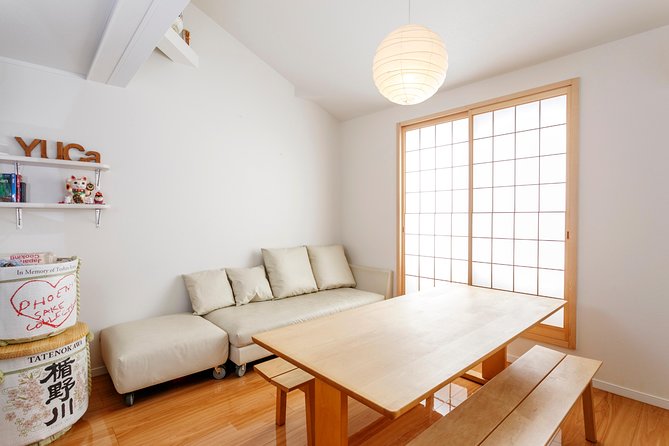
Tokyo’s best food lessons often happen away from the famous restaurant streets. At Yuca’s home in Nishiogu, you’ll make okonomiyaki and gyoza with your own hands, then sit down to eat what you prepared. The setting gives the class a personal feel that a large cooking school cannot match.
I like the small group of no more than seven, which leaves room for questions and help at the counter. I also like the local supermarket visit, since it shows you the sauces, vegetables, noodles, and packaged foods you may otherwise walk past without understanding. Yuca is warm, speaks very good English, and has a friendly way with both adults and children.
The main thing to consider is the price: $121.89 per person is not a cheap lunch class. The value depends on how much you want the cultural conversation, the home setting, the ingredients lesson, and the recipe skills, not just the food itself. The supermarket portion is optional, so your total experience may last less than the full three hours if you skip it.
Key points at a glance
- Cook two Japanese staples: Make savory okonomiyaki with vegetables, pork, and egg noodles, plus pork and vegetable gyoza.
- Learn in Yuca’s home: The residential Nishiogu setting offers a glimpse of everyday Tokyo beyond the main sightseeing districts.
- Small, hands-on group: The class accepts a maximum of seven people, making it easier to follow each step.
- Lunch is included: You eat the dishes you prepare, so the class is both a lesson and a meal.
- Optional supermarket walk: Continue to a local store from 12:30 to 1:00 for a closer look at Japanese ingredients.
- Useful transport perk: A one-way taxi ride is included, though the supplied details do not specify which leg it covers.
Why this Tokyo cooking class feels personal
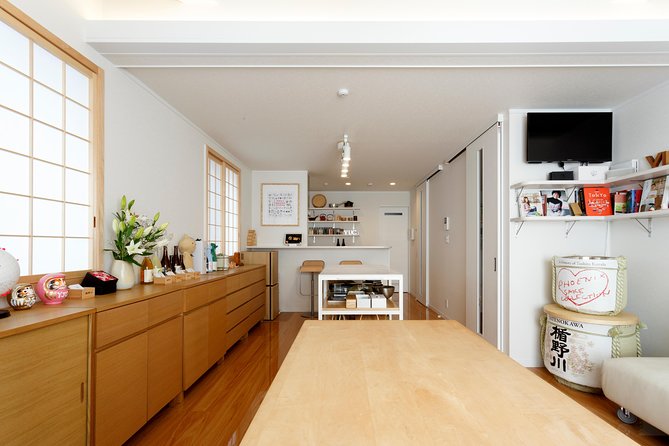
Yuca’s class takes place in her own home and cooking studio at 2-chōme-34-8 Nishiogu, in Arakawa City. That address places you in a residential part of Tokyo rather than at a purpose-built cooking venue aimed at large groups.
I like this choice because the setting changes the tone. You are not simply moving from a demonstration counter to a dining table. You are entering a real neighborhood and learning food in a private home, where the experience can feel more like being welcomed for lunch than attending a formal course.
That home setting also suits families. A 10-year-old child has taken part successfully, and Yuca is described as especially kind with children. The class is hands-on but approachable, so you do not need advanced cooking skills to join in. You should still expect to follow instructions carefully, handle ingredients, and take part rather than sit back and watch.
The group limit of seven matters here. With several people sharing a kitchen, a larger group could make folding dumplings or working with the pancake mixture feel crowded. Seven is still enough for a social class, while keeping the session small enough for individual help.
More Tokyo ramen tours and classes:
- Eat and Drink Like a Local: Tokyo Ueno Food Tour-Taverns&Ramen
★ 5.0 · 957 reviews - Ramen & Gyoza Cooking Class in Tokyo with Local Supermarket Visit
★ 5.0 · 823 reviews - Tokyo: Ramen Tasting Tour with 6 Mini Bowls of Ramen
★ 4.9 · 432 reviews
9:50 to 10:00, arriving in Nishiogu
The schedule gives a meeting window from 9:50 to 10:00, with the activity starting at 10:00. You will meet at YUCa’s Japanese Cooking, and the activity ends at the same point.
Plan your route before leaving your hotel. The venue is near public transportation, but the supplied information does not name a particular station or provide a step-by-step route. A mobile ticket is accepted, and confirmation arrives at booking, so keep your booking details ready when you set out.
The one-way taxi ride is a useful extra, especially if you are carrying luggage or prefer not to work out the last part of the route. The details do not say whether the taxi is for the journey to the class or the return, so check that point before the day begins. You should not assume it covers both directions.
The start time is firm enough that you should avoid treating this like a casual late-morning stop. Arrive with a little margin. Missing the opening food lesson would make the cooking steps harder to follow.
10:15 to 10:30, Japanese ingredients and food culture
After the initial meeting, Yuca gives a short lesson on Japanese food culture and ingredients. This portion lasts about 15 minutes, but it helps explain what you are about to cook.
That context is useful because Japanese supermarkets can be confusing at first. Sauces, noodles, seasonings, wrappers, and vegetables may look familiar while carrying different names or uses. Learning the basic ingredients before cooking means you can pay attention to flavor and technique instead of guessing what belongs in the bowl.
Yuca’s strength appears to be making this information easy to follow. Her English is described as very good, and the class has worked for people cooking Japanese food for the first time. You can expect practical explanations rather than a long lecture, since most of the morning is reserved for preparing and eating the dishes.
This is also the moment to ask questions about substitutions and methods. If you want to recreate the food at home, listen for details about the ingredients as well as the visible steps. The class is designed to leave you with recipes you can try again, not just a pleasant meal that ends at noon.
Making okonomiyaki, Tokyo’s savory pancake
Okonomiyaki is a filling Japanese dish that combines vegetables, pork, and egg noodles in a savory pancake. The name is often explained as food cooked according to your preference, and the dish can vary from place to place.
Here, you will prepare the mixture and cook it under guidance. The egg noodles make this version especially substantial, and the combination of vegetables, pork, and egg gives you a useful introduction to several everyday Japanese ingredients in one dish.
I like okonomiyaki for a first cooking class because it is familiar enough to understand but different enough to be interesting. You can see how a few simple ingredients become a complete meal, and the finished dish is far more satisfying than a small tasting portion.
The practical advantage is that the technique is approachable. You are not being asked to master a complicated restaurant menu in a short time. You are learning a dish that can become a reliable home meal, provided you can find the needed ingredients later.
More Tokyo cooking classes:
- Tokyo: Roll and Authentic Sushi Making Class in Asakusa
★ 4.9 · 1,957 reviews - Tokyo Shinjuku Chopsticks Making Class
★ 5.0 · 1,763 reviews - Tokyo: Sushi Making Class in a Happi Coat near a Famous Spot
★ 4.9 · 1,377 reviews - Tokyo Sushi Making Class in Tsukiji with Professional Chef
★ 5.0 · 1,177 reviews
Folding gyoza one dumpling at a time
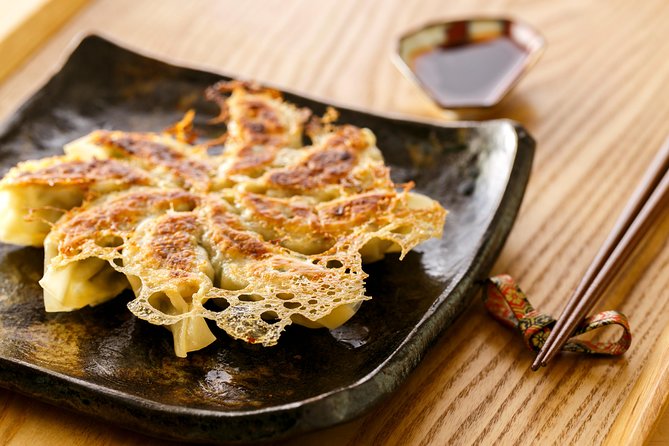
Gyoza brings a different skill to the class. These dumplings use minced pork and vegetables, then are folded before cooking.
The filling is straightforward, but shaping the wrappers takes patience. This is the part where a small group and a helpful instructor make a real difference. You can watch the correct folding method, try it yourself, and ask for help before the dumpling tears or refuses to close.
The class has worked well for first-time gyoza makers. A family with a child took part, and the cooking was described as easy to follow. That does not mean every dumpling will look perfect. It means the class is structured so that beginners can take part without feeling embarrassed by uneven folds.
There is a nice practical payoff. Once you learn the basic process, gyoza becomes a recipe you can repeat at home. You may not find every Japanese ingredient in your local store, but the class gives you a clearer idea of what the filling, wrapper, and cooking process are meant to do.
10:30 to 12:30, cooking and lunch
The main cooking and tasting period runs for about two hours. That is enough time for an unhurried class, though the pace will depend on the group and the questions people ask.
You should expect to prepare both dishes rather than watch Yuca do all the work. That hands-on format is the heart of the experience. You learn through chopping, mixing, shaping, and cooking, then eat the results at lunch.
The meal is included, which improves the value of the $121.89 price. You are not paying for a brief demonstration followed by another restaurant bill. Still, the food alone does not explain the full cost. Similar dishes can be found for less in Tokyo, so the extra money pays for instruction, ingredients, the private home setting, and the time spent with Yuca.
The atmosphere is one of the strongest reasons to choose this class. Yuca is repeatedly described as warm, friendly, and encouraging. Children have been treated with care, and first-time cooks have felt comfortable taking part. If you want a formal chef school with professional equipment and a strict curriculum, this may feel too informal. If you want personal contact and a relaxed lesson, the home setting is a strong match.
The class also suits people who like to bring something home from a trip. You leave with cooking practice, a better sense of Japanese ingredients, and recipes you can attempt again. Yuca also shares Japanese cooking through her food blog and YouTube channel, which may help you continue after Tokyo.
12:30 to 13:00, the optional supermarket visit
The supermarket tour runs from 12:30 to 1:00 and is optional. This gives you a short but useful look at the products used in ordinary Japanese cooking.
A supermarket is often more revealing than a souvenir shop. You can see how sauces, noodles, wrappers, vegetables, snacks, and prepared foods are arranged for daily life. After cooking okonomiyaki and gyoza, you will have enough context to recognize several ingredients and understand why they matter.
I would keep this part if you have the energy and want to buy ingredients for another meal. It is especially useful if you are curious about Japanese food beyond restaurant menus. The tour also gives the morning a clean ending, moving from preparation to eating and then to the place where many of those ingredients are sold.
The word optional matters. If you have another appointment at 1:00, or if the cooking session has given you all the food information you need, you can skip it. The activity ends back at the meeting point, and the advertised duration of two and a half hours appears to include the supermarket portion.
Is $121.89 a fair price?
At $121.89 per person, this class belongs in the special-experience part of a Tokyo budget, not the everyday meal category. You can eat okonomiyaki or gyoza for much less, so booking it only for lunch would not make financial sense.
The price is easier to justify if you value several parts together:
- A two-and-a-half-hour activity
- Hands-on preparation of two dishes
- Lunch included
- Ingredient and food-culture instruction
- A maximum group size of seven
- A local supermarket visit
- A one-way taxi ride
- Time with an English-speaking host in her home
The taxi inclusion adds some practical value, but confirm how it works. The supermarket visit adds educational value, though it is optional. The strongest part of the package is the personal instruction from Yuca and the chance to cook rather than simply watch.
For a solo visitor, couple, or family that enjoys food, the cost can be reasonable. For a group focused mainly on saving money, it will feel high. I would also compare the class with your other Tokyo plans. A morning spent here gives you a social and practical experience, but it takes most of a half-day.
Who should book this experience?
I would recommend it most strongly to people who enjoy cooking, want contact with local life, or like learning recipes they can repeat at home. It is also a good choice for families, since a child has taken part successfully and the teaching style is gentle.
It works well for first-time visitors who want a break from major sightseeing stops. Nishiogu gives you a residential setting, and the supermarket portion adds a small look at ordinary shopping in Tokyo.
You do not need to be an experienced cook. The class has been designed for approachable, hands-on participation. You should, however, be willing to work with pork and vegetables, handle dumpling wrappers, and follow kitchen instructions.
You may want to choose another activity if you dislike group cooking, prefer a restaurant meal, or need a fully flexible schedule. The morning has a set timetable, and the class depends on a minimum number of participants. If that minimum is not reached and the activity is canceled, you are offered another date or experience, or a full refund.
Free cancellation is available up to 24 hours before the start time. After that point, the payment is not refunded, and late changes are not accepted. The cutoff follows Tokyo local time.
My booking advice
Book this class if you want more than a plate of Japanese food. You will cook two recognizable dishes, learn how their ingredients fit together, eat lunch, and see a residential side of Tokyo. Yuca’s warm teaching style and the small group make the class especially suitable for families and beginners.
Think twice if the price is your main concern or if you want a quick food stop. The class earns its cost through instruction and personal contact, not through the cheapest meal in town. If that sounds like the kind of souvenir you can use at home, this is a worthwhile morning in Tokyo.
FAQ
Where does the cooking class take place?
The class takes place at YUCa’s Japanese Cooking, 2-chōme-34-8 Nishiogu, Arakawa City, Tokyo 116-0011, Japan.
What time does the activity start?
The meeting window is 9:50 to 10:00, and the listed start time is 10:00 am.
How long does the experience last?
The full activity lasts about two hours and 30 minutes. The schedule runs from the morning meeting through the optional supermarket tour ending at 1:00 pm.
What dishes will I make?
You will make okonomiyaki with vegetables, pork, and egg noodles, along with gyoza filled with minced pork and vegetables.
Is lunch included?
Yes. You eat the dishes prepared during the cooking class, and lunch is included in the price.
How many people can join the class?
The activity accepts a maximum of seven travelers. The supermarket tour from 12:30 to 1:00 is optional.
More hands-on classes and workshops in Tokyo
- Sushi Making Tokyo Roll and Authentic Japanese Sushi Class
★ 5.0 · 3,971 reviews - Chopstick Making Workshop in Ginza
★ 4.8 · 1,366 reviews - Matcha Making Class in Tokyo with Authentic Japanese Sweets Set
★ 5.0 · 744 reviews - Tokyo: Samurai Sword & Archery Class from Samurai Descendant
★ 5.0 · 603 reviews
Newly reviewed around Tokyo
- Tokyo Asakusa:Calligraphy & Make T-shirt Activity★ 5.0 · 62 reviews
- Intercity Shuttle, Tokyo to Haneda /Narita /Yokohama /Makuhari★ 5.0 · 5 reviews
- 1 Hour Travel around Tokyo with a Professional Photographer★ 5.0 · 3 reviews
- Travel Tokyo with Your Own Personal Photographer★ 5.0 · 43 reviews
- Train in Samurai Swordsmanship and Defeat the Demon in Tokyo★ 5.0 · 5 reviews
- Shuttle Van 6hr Tokyo Tour to-and-from Tokyo, Yokohama and Narita★ 5.0 · 9 reviews
- Kickboxing & Body Training with EX-Pro Fighter★ 5.0 · 4 reviews
- Traditional Japanese Knife Sharpening Class★ 5.0 · 18 reviews
Tokyo Ramen Tours and Classes, compared.
Eat and Drink Like a Local: Tokyo Ueno Food Tour-Taverns&Ramen
Read our review →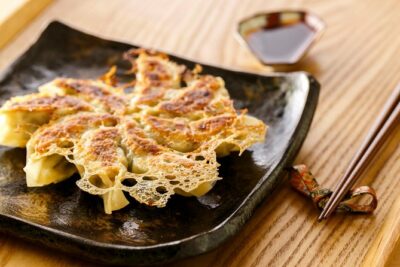
Ramen & Gyoza Cooking Class in Tokyo with Local Supermarket Visit
Read our review →
Easy Ramen Cooking Experience in Kabukicho, Shinjuku
Read our review →
Ramen and Sushi Cooking Class with Sake Pairing Set in Tokyo
Read our review →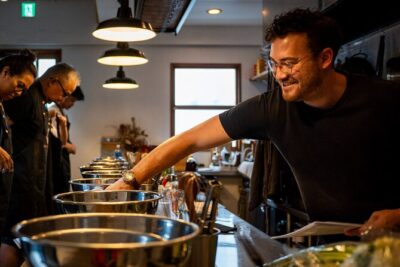
Professional Ramen & Gyoza with Ramen Chef in a restaurant!
Read our review →
Ramen Dojo Tokyo | Make All 3 (Tonkotsu/Shoyu/Miso)
Read our review →Ramen Dojo Tokyo | Make All 3 (Tonkotsu/Shoyu/Miso)
Read our review →Browse the lists this tour appears in