
Reviewed · TOKYO TEA CEREMONY EXPERIENCES
Matcha table tea ceremony experience in Tokyo
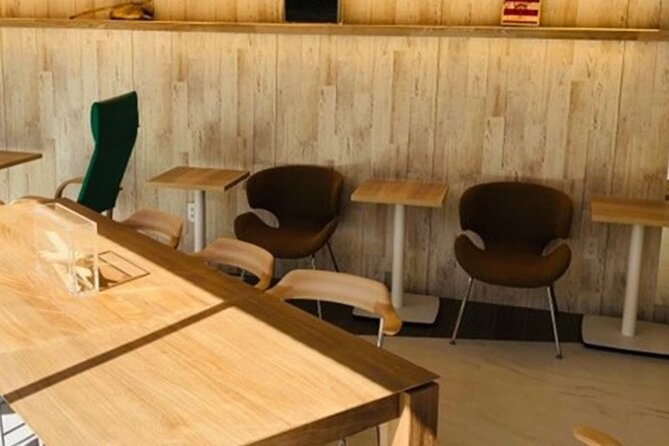
The most appealing part of this Tokyo experience is its relaxed format: you learn the rituals of matcha sitting in a chair at a table, not kneeling on the floor. Master instructor Masumi Matsumoto explains the tea’s history, spirit, and manners in English, then prepares matcha and a seasonal Japanese sweet for you.
I like the tiny group size, capped at five, and the fact that you do more than watch. You taste tea prepared by the instructor, learn how to handle the special whisk, and make your own cup. The two-minute walk from Toritsudaigaku Station also keeps the outing easy to fit into a Tokyo day.
The main consideration is price: at $65.04 per person, this is not a quick sampling of matcha. You are paying for a focused, two-hour lesson with a master instructor, so it suits you best if you want cultural context and a skill to take home.
Key points to know before booking
- Chair-based ceremony: You can enjoy the tea ritual at a table instead of sitting on the floor.
- Masumi Matsumoto leads the session: She is a master instructor with the Japan Table Tea Ceremony Association and teaches in English.
- Maximum of five people: The small setting allows for close instruction and a quieter feel.
- You make your own matcha: The second half gives you hands-on practice with a tea whisk.
- Seasonal wagashi included: The Japanese sweet changes throughout the year.
- Easy Meguro access: The meeting point is about two minutes from Toritsudaigaku Station.
Why this table ceremony feels different
Traditional Japanese tea ceremony can look formal from the outside. There are set movements, careful manners, special tools, and a quiet pace. That can be fascinating, but it can also feel intimidating if you are worried about making a mistake or sitting on your knees for a long time.
This experience removes one major barrier. The table tea ceremony format lets you sit on a chair, making it a practical choice for anyone who finds floor seating uncomfortable. You still learn how tea is enjoyed and served, but the setting is more approachable than a formal floor-based ceremony.
That relaxed setup does not mean the session is empty of tradition. Masumi Matsumoto teaches the history, spirit, and manners behind the ceremony. The purpose is not simply to drink a bright green beverage. You learn why the preparation is deliberate, how the tea is presented, and how hospitality shapes the experience.
I see this as a good middle ground. You receive a real cultural lesson, but you are not expected to arrive with prior knowledge or perfect etiquette. The tone is friendly and casual enough for beginners, families, and curious food lovers.
More Tokyo tea ceremonies:
- Matcha Making Class in Tokyo with Authentic Japanese Sweets Set
★ 5.0 · 744 reviews - Tokyo: Traditional Tea Ceremony with a Tea Master
★ 5.0 · 528 reviews - Dynamic Tokyo: Tokyo Tower, Tea Experience, Bay Cruise Day Tour
★ 4.5 · 521 reviews
Arriving in Meguro for the two-hour lesson
The activity takes place at 1-chōme-9-1 Nakane in Meguro City, Tokyo. Toritsudaigaku Station is about a two-minute walk away, which is a major advantage in a city where a simple outing can turn into a long series of train transfers and confusing directions.
Meguro-ku also gives you options before or after the class. The area includes the Meguro River, Nakameguro Park, and Jiyugaoka, known for its sweets shops and food-focused attractions. You can treat the ceremony as a stand-alone activity or pair it with a half-day in southern Tokyo.
The meeting point is also the ending point, so you do not need to figure out a second location after the lesson. Allow enough time to arrive calmly. Tea ceremony depends on attention and quiet, and rushing in from the station would work against the mood.
The activity lasts about two hours. That is long enough for explanation, tasting, demonstration, and hands-on practice without taking up your entire day. I would place it between sightseeing stops rather than booking it alongside another tightly timed reservation.
First taste: matcha, manners, and a seasonal sweet
The first half begins with an explanation of how to enjoy matcha. Masumi introduces the tea and offers context about its history and proper manners. This part matters because it gives meaning to the gestures you will see later.
The instructor then prepares the matcha for you. You taste the tea with a seasonal Japanese sweet, known as wagashi. The sweet changes during the year, so the exact item is not fixed. That small seasonal touch connects the food to the time of your visit rather than treating the sweet as a standard snack.
The pairing also helps you understand the balance of the ceremony. Matcha has a strong, earthy taste that may be unfamiliar if you usually drink coffee or ordinary green tea. A carefully chosen sweet provides contrast and makes the first cup easier to appreciate.
Pay attention to the sequence here. The instructor is not only showing you a recipe. You are learning how the tea is received, how the sweet fits into the experience, and why the ceremony gives attention to small actions. The pace may feel slower than a normal café stop, but that is the point.
Families can benefit from this opening section because it gives children a clear story to follow: learn the custom, watch the preparation, taste the sweet, then try the tea. The children’s responses can vary, of course, especially with matcha’s distinct flavor, but the lesson is designed for beginners rather than tea specialists.
The hands-on half: whisking and serving your own cup
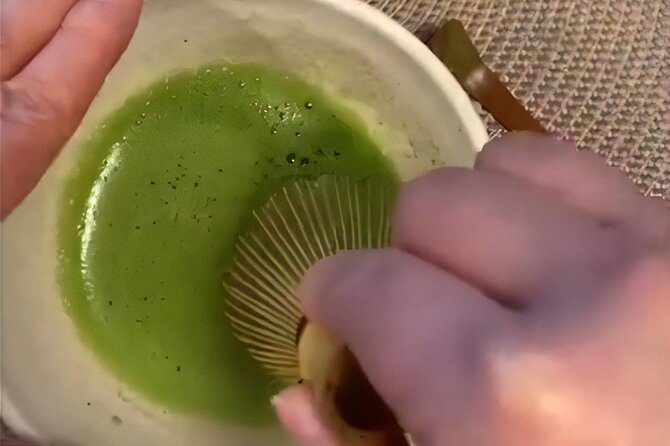
The second half is where the experience becomes more than a demonstration. You use a special bamboo tea whisk, called a chasen, to prepare matcha yourself. The instructor shows you how to handle the tools and guides you through the process.
This is the part you can recreate at home. You leave with an understanding of the basic preparation rather than only a memory of watching someone else work. The skill is simple in outline, but the lesson helps you see the care behind the motion, texture, and presentation.
You also practice serving the tea. That changes your role. Instead of being only the person receiving hospitality, you learn how to offer it to someone else. This connects the physical technique to the larger idea of tea ceremony as an act of consideration.
Do not expect a competitive workshop or a test. The group is limited to five, and the instructor can focus on each participant more closely than in a large class. If your whisking is uneven at first, that is part of learning. The value is in understanding the method and the manner, not in producing a perfect cup on your first attempt.
The hands-on design makes the $65.04 price easier to assess. A simple cup of matcha elsewhere in Tokyo will cost much less. Here, you are paying for instruction, personal attention, the prepared tea and sweet, cultural explanation, and the chance to practice the process yourself.
A completely different kind of day in Tokyo:
- Mt Fuji and Hakone 1-Day Bus Tour Return by Bullet Train
★ 5.0 · 26,383 reviews - 1-Day Tokyo Bus Tour
★ 5.0 · 14,250 reviews - Tokyo: teamLab Planets TOKYO Digital Art Museum Entry Ticket
★ 4.6 · 9,779 reviews - Mt Fuji & Hakone Cruise, Drum Show Bullet Train 1 Day from Tokyo
★ 4.0 · 7,413 reviews
Masumi Matsumoto’s teaching style and English support
Masumi Matsumoto is a master instructor with the Japan Table Tea Ceremony Association. English explanations cover the history, spirit, manners, and practical steps, which is important because the ceremony has details that are easy to miss when you are only watching.
The teaching style is described as warm, friendly, and humorous. That matters in a setting where formal customs can make you worry about doing something wrong. You can ask questions and focus on the experience instead of trying to guess the correct movement.
English fluency is especially useful for families and first-time participants. Children can follow along, and adults can understand the reason behind each step rather than copying gestures without context. The lesson has also been used successfully by people who arrived concerned about a language barrier.
I would still approach the ceremony with patience. This is a cultural activity, not a fast entertainment stop. The quiet moments are part of the format. You may hear explanations about etiquette, notice the aroma of the tea, and spend time concentrating on movements that would normally pass unnoticed.
How the small group changes the experience
The maximum group size is five people. That is one of the strongest practical features because tea ceremony is built around attention, not crowds.
A small class gives you a better chance to see the instructor’s hand movements and follow the preparation closely. It also makes the hands-on section less mechanical. You are not simply copying a demonstration at the back of a room.
The setting should feel more personal than a large cultural show, but you should remember that you are still sharing the lesson with other participants. If you want a completely private ceremony, the available information does not promise exclusive use. The small group is intimate, not necessarily private.
This format works well for couples, solo visitors, and families. Families in particular may appreciate the chair seating and gentle instruction. The activity can also suit people who want a quieter cultural stop after Tokyo’s crowded shopping districts and major sights.
What the $65.04 price gives you
At $65.04 per person, this is a premium small-group activity. The price makes most sense when you want more than a photo and a quick taste.
You receive roughly two hours with a master instructor, a prepared serving of matcha, a seasonal wagashi, explanations of tea history and manners, and practical instruction with the whisk. You also get the chance to make and serve your own tea.
The strongest value is educational. If you plan to buy matcha tools or prepare tea at home, the lesson gives you a useful starting point. You can also better understand what you are seeing if you visit a tea room later in Japan.
The value is weaker if you only want to try matcha once or are looking for a low-cost food activity. Tokyo has cheaper ways to drink green tea. This experience earns its price through personal instruction and cultural detail, not through quantity of food or sightseeing stops.
Group discounts are available, so check the total for your party before booking. Since the average booking lead time is about 98 days, popular dates may require planning well ahead, especially if your Tokyo schedule is fixed.
Practical planning for your Tokyo day
The activity is near public transportation and begins at the specified meeting point in Nakane, Meguro City. A mobile ticket is accepted, which keeps the arrival process simple.
Confirmation is sent within 48 hours of booking, subject to availability. If your schedule is still changing, the cancellation terms give you some protection: you can cancel for a full refund up to 24 hours before the start time. Cancellations or changes made less than 24 hours ahead are not accepted for a refund, and cut-off times use Tokyo local time.
I would avoid scheduling this immediately before an important train departure or timed attraction. The class is about two hours, and you will get more from it if you arrive unhurried and allow a little room afterward.
The ceremony ends where it begins. From there, you can continue around Meguro, visit Nakameguro Park, walk toward the Meguro River, or head to Jiyugaoka for more sweets and shopping.
Who should book this matcha experience
I would choose this for you if you want direct contact with Japanese culture and prefer doing something rather than simply looking at something. The hands-on whisking, chair seating, and small class make it approachable for first-time participants.
It is also a strong pick for families. The English instruction, gentle atmosphere, and simple progression from explanation to tasting to practice give children a way to take part. The chair format removes one common concern for older family members or anyone who dislikes kneeling.
Tea enthusiasts will appreciate the chance to learn from a master instructor and take home a repeatable preparation skill. Food lovers may enjoy the changing wagashi, though this should not be booked as a full meal.
You may want to skip it if your main goal is a brief, inexpensive matcha drink, a large theatrical performance, or a ceremony in a historic temple setting. This is a small instructional session in Meguro, with the emphasis on learning and participation.
Should you book it?
Book this table tea ceremony if you want to understand matcha from the inside: how it is prepared, how it is received, and how hospitality shapes the ritual. Masumi Matsumoto’s English instruction, the five-person limit, seasonal wagashi, and chair seating make the experience welcoming without stripping away its cultural purpose.
At $65.04, it is best viewed as a lesson and cultural encounter rather than a snack stop. If you value personal guidance and want a skill you can try again at home, the price is reasonable. If you only want a quick taste of matcha, spend less at a café and use your time elsewhere.
FAQ
Where does the matcha table tea ceremony take place?
The meeting point is 1-chōme-9-1 Nakane, Meguro City, Tokyo 152-0031, Japan. It is about a two-minute walk from Toritsudaigaku Station.
How long does the experience last?
The activity lasts approximately two hours.
Can I sit on a chair instead of the floor?
Yes. This is a table tea ceremony, so you sit on a chair at a table rather than sitting on the floor.
Who teaches the tea ceremony?
Masumi Matsumoto leads the session. She is a master instructor with the Japan Table Tea Ceremony Association.
Is the experience taught in English?
English instruction is available, including explanations of the history, spirit, manners, tea types, and preparation.
How many people can join?
The activity has a maximum of five participants.
Is a Japanese sweet included?
Yes. The instructor serves matcha with a seasonal Japanese sweet. The wagashi changes with the seasons.
Can I cancel for a full refund?
Yes. You can cancel at least 24 hours before the scheduled start time for a full refund. Cancellations or changes made less than 24 hours before the start time are not accepted for a refund.
Newly reviewed around Tokyo
- Tokyo Asakusa:Calligraphy & Make T-shirt Activity★ 5.0 · 62 reviews
- Intercity Shuttle, Tokyo to Haneda /Narita /Yokohama /Makuhari★ 5.0 · 5 reviews
- 1 Hour Travel around Tokyo with a Professional Photographer★ 5.0 · 3 reviews
- Travel Tokyo with Your Own Personal Photographer★ 5.0 · 43 reviews
- Train in Samurai Swordsmanship and Defeat the Demon in Tokyo★ 5.0 · 5 reviews
- Shuttle Van 6hr Tokyo Tour to-and-from Tokyo, Yokohama and Narita★ 5.0 · 9 reviews
- Kickboxing & Body Training with EX-Pro Fighter★ 5.0 · 4 reviews
- Traditional Japanese Knife Sharpening Class★ 5.0 · 18 reviews
Tokyo Tea Ceremony Experiences, compared.
Matcha Making Class in Tokyo with Authentic Japanese Sweets Set
Read our review →
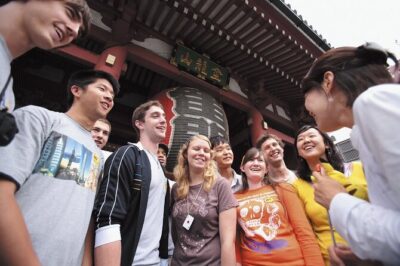
Dynamic Tokyo: Tokyo Tower, Tea Experience, Bay Cruise Day Tour
Read our review →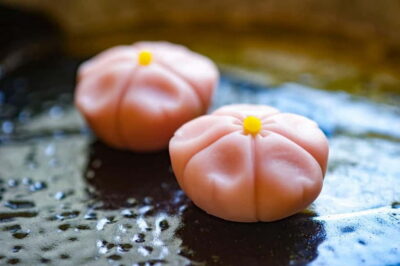
Matcha Making Experience with Mochi Sweets in Asakusa
Read our review →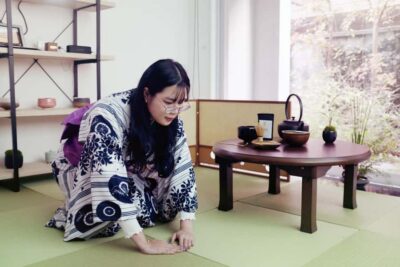
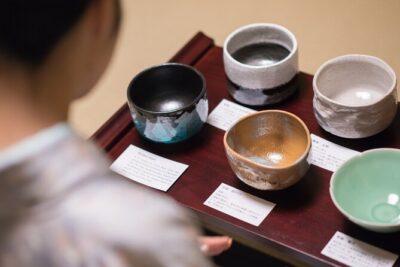
Tea Ceremony Workshop in Tokyo by the Experienced Instrucor
Read our review →
Browse the lists this tour appears in