
Reviewed · TOKYO COOKING CLASSES
Japanese Katsu Curry Cooking Class–near YANAKA, Tokyo!
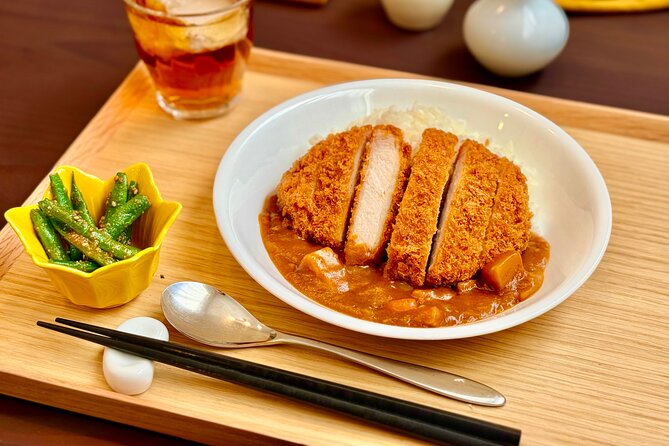
Japanese curry here begins with homemade roux, not the familiar boxed cubes. You season it to suit your taste, then pair it with crisp tonkatsu and a seasonal vegetable dish. I like that this is both a cooking lesson and a small look at daily life in Tokyo’s old downtown neighborhoods.
I especially like the maximum group size of six, which gives the home chef room to help with practical details. I also like the useful substitutions for ingredients you may not find at home. The main consideration is price: at $111.67 per person, this is a premium cooking class, so it makes the most sense if you want hands-on instruction rather than just a meal.
Key points
- Make curry roux from scratch: Adjust the flavor instead of relying on prepared curry cubes.
- Learn crisp tonkatsu technique: The class covers how to fry a golden-brown pork cutlet at home.
- Cook with Yuki: The home chef leads a small group in a residential studio near Yanaka.
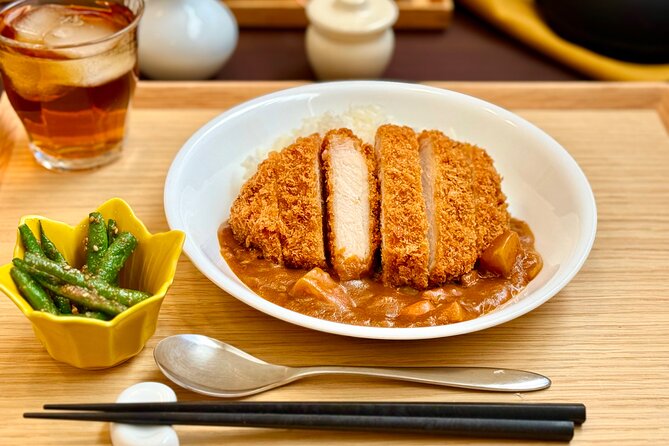
- Eat a full Japanese lunch: Your meal includes curry rice, tonkatsu, a seasonal vegetable side dish, green tea, and water.
- Useful for home cooks abroad: Yuki shares ingredient substitutions for products available in your country.
- Plan dietary needs early: Pork can be replaced with chicken or tofu, and vegetarian, gluten-free, or halal requests should be made at booking.
Why Homemade Roux Changes the Curry Lesson
Japanese curry is often introduced through convenient boxed roux. That method is easy and very common, but it limits your control over the final flavor. At YUZU WASHOKU STUDIO, you learn to make the roux yourself, which gives the class a stronger teaching purpose.
You can adjust the seasoning to your liking, rather than simply following the flavor built into a commercial block. That makes this useful for anyone who wants to recreate the dish after returning home. The recipes are described as simple and easy to follow, with advice on replacing Japanese ingredients with items sold in your own country.
This is not a class built around showing off rare products or complicated restaurant tricks. It focuses on food you can reasonably make in your own kitchen. That practical angle adds value, particularly if you already enjoy cooking and want to understand how Japanese curry comes together.
The class is led by Yuki, a home chef who also gives a short introduction to Japanese home cooking. The setting is a quiet residential neighborhood near Yanaka, rather than a large commercial cooking school. You get a meal, but you also get a small window into an ordinary Tokyo kitchen.
More old Tokyo walks around Yanaka:
- The Old Quarter of Tokyo – Yanaka Walking Tour
★ 4.5 · 590 reviews - Yanaka Walking Tour: Historic and Traditional District of Tokyo
★ 5.0 · 530 reviews - Tokyo: Old Quarter Yanaka Walking Tour
★ 4.8 · 406 reviews
Meeting Yuki Near Yanaka at 10:00 a.m.
You meet at YUZU WASHOKU STUDIO at 1-chōme-58-4 Nishinippori, Arakawa City, Tokyo 116-0013. The studio is near public transportation, but hotel pickup is not included, so you need to make your own way there.
The class begins at 10:00 a.m. Allow enough time to find the address without rushing. Residential Tokyo can be less obvious than a major station entrance, and this experience takes place away from the standard sightseeing setting.
That location is part of the appeal. Yanaka and nearby Nishinippori have a quieter, old downtown feel, and the cooking studio sits in a residential area. You should not expect a polished tourist venue with a large reception desk. Instead, the atmosphere is intended to feel closer to a home kitchen.
After meeting, you spend roughly 15 minutes learning about Japanese home cooking and receiving a short Tokyo guide. This introduction helps place the food in context before you begin chopping, mixing, and frying.
I like this opening because it gives you more than a recipe. It connects the meal to everyday Japanese cooking, while the Tokyo tips may help you make better use of the rest of your visit. The tradeoff is that the guide portion is brief. If you want a long, detailed history of Japanese cuisine, this is not that kind of class.
The 10:15 Introduction to Japanese Home Cooking
From about 10:15 to 10:30, Yuki explains Japanese home cooking and shares Tokyo guidance. The available details do not specify a formal lecture outline, so you should think of this as a short orientation rather than a full culinary seminar.
The useful part is the focus on home cooking. Japanese food can seem highly specialized from the outside, but a dish such as curry rice is a common comfort food eaten by people of all ages. This class presents it as something you can prepare for yourself, not simply something to order in a restaurant.
You also receive straightforward recipes. That matters because the lesson does not end when lunch is served. You can take the method home and try it again, adjusting the curry to suit your own kitchen and preferences.
One particularly helpful feature is the advice on ingredient substitutions. Japanese recipes can become frustrating when they call for products that are difficult to find abroad. Yuki addresses that problem directly, which makes the lesson more useful after your trip.
A home cook who already knows the basics can still find value here. One participant with considerable cooking experience learned several ways to improve technique, including details related to preparing katsu. You should not assume that a simple dish means a shallow class.
Frying Tonkatsu Without a Soggy Crust
The second major skill is tonkatsu, the breaded and fried cutlet served with the curry. The class teaches you how to produce a golden-brown, crisp coating, with tips intended for cooking at home.
The exact frying equipment and step-by-step method are not specified, so I would not book this expecting a professional kitchen demonstration with a full technical breakdown of oil temperatures and restaurant equipment. The promise is more useful and domestic: learn the process, understand the key points, and apply them in your own kitchen.
Tonkatsu is normally made with pork. If you prefer chicken or tofu, you can request a substitute in advance. That flexibility is important, but it is not something to arrange at the last minute. Include your preference when you reserve the class.
For many people, this will be the most hands-on part of the meal. Curry roux can be adjusted gradually, but frying a cutlet requires attention to coating and texture. You leave with a better sense of how to make the centerpiece of a katsu curry lunch rather than simply watching someone else prepare it.
The class also includes a seasonal vegetable side dish. The vegetables change with the season, so the side is not fixed year-round. This gives the meal some variety and reflects a basic Japanese home-cooking habit: use what is suitable and available at that time of year.
More Tokyo cooking classes:
- Tokyo: Roll and Authentic Sushi Making Class in Asakusa
★ 4.9 · 1,957 reviews - Tokyo Shinjuku Chopsticks Making Class
★ 5.0 · 1,763 reviews - Tokyo: Sushi Making Class in a Happi Coat near a Famous Spot
★ 4.9 · 1,377 reviews - Tokyo Sushi Making Class in Tsukiji with Professional Chef
★ 5.0 · 1,177 reviews
A Full Lunch Around 12:30
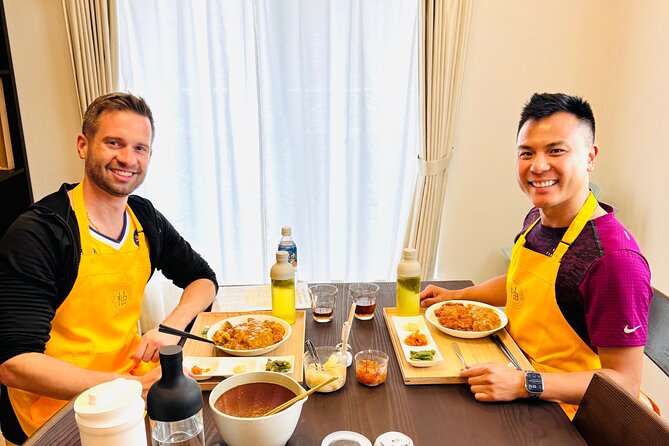
Cooking and tasting run from about 10:30 until 12:30. At the end, you sit down to eat Japanese curry rice with tonkatsu, the seasonal vegetable dish, green tea, and water.
This is a proper lunch rather than a tiny tasting portion. The meal gives you a chance to judge the balance of the curry, the texture of the cutlet, and the side dish you helped prepare. It also lets you ask follow-up questions while the techniques are still fresh.
The green tea and water are included, along with a rental apron and hand towel. Those are small details, but they mean you do not need to bring cooking gear or worry as much about getting your sightseeing clothes messy.
The class ends back at the meeting point. Since the total duration is about two and a half hours, you still have much of the afternoon available for Yanaka, nearby neighborhoods, or another Tokyo plan.
The timing works well for a food-focused morning, but it does shape your day. You need to reach Nishinippori by 10:00, and the class occupies the late morning through lunch. If you prefer a slow morning or have a fixed midday reservation elsewhere, check your schedule carefully.
What the $111.67 Price Includes
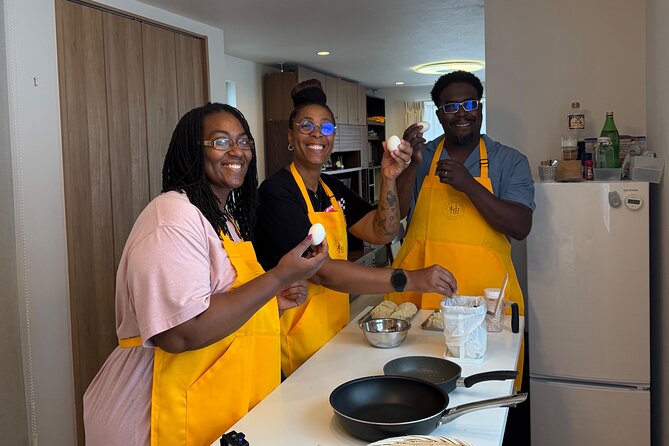
At $111.67 per person, this is not a budget lunch. You are paying for a small-group lesson, an instructor, recipes, equipment use, lunch, drinks, and the chance to work in a private-feeling home kitchen.
The group limit is six people. That is a strong point for anyone who wants personal help, especially when learning to fry tonkatsu or adjust curry seasoning. A six-person maximum is also more intimate than a large demonstration class, though the exact group size on your date can vary.
The value depends on your goal. If you only want to eat katsu curry, Tokyo offers cheaper ways to do that. If you want a guided cooking session and a recipe you can repeat at home, the price is easier to justify.
I would especially consider it worthwhile for couples, families, and serious home cooks who want a shared activity. It also suits a honeymoon itinerary well. Yuki has welcomed a honeymooning couple, and the experience offers a meal you prepare together rather than another restaurant stop.
The class has a perfect five-star rating from 18 published ratings and a 100 percent recommendation rate at the time of the supplied information. Those numbers suggest strong satisfaction, but the sample is small. I would treat them as encouraging rather than proof that every participant will have the same experience.
Dietary Requests Need Advance Notice
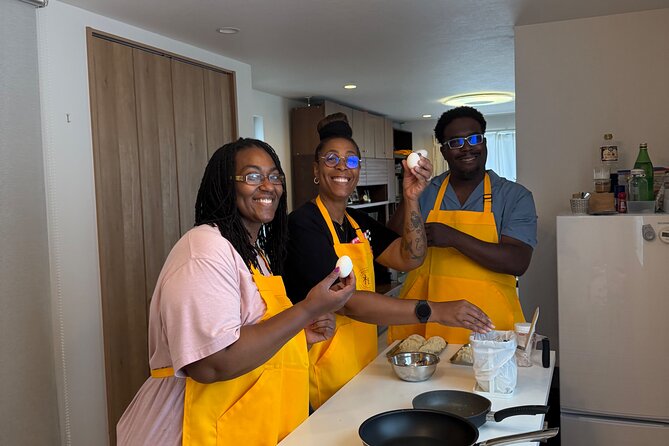
The class can accommodate several dietary needs, but you must provide the information when booking. Vegetarian, gluten-free, halal, and other special requests should not be left until the morning of the class.
For the tonkatsu, pork can be replaced with chicken or tofu if requested ahead of time. The information specifically says vegetarian options are available, but you should still explain exactly what you need when making the reservation.
Because the vegetables in the side dish change seasonally, the menu is not completely fixed. That is useful if you like seasonal cooking, but it means you should not expect one identical plate on every date.
The safest approach is simple: state every allergy, restriction, or preference clearly during reservation. Do not assume that a general dietary label tells the kitchen everything it needs to know.
Who Will Get the Most From This Class
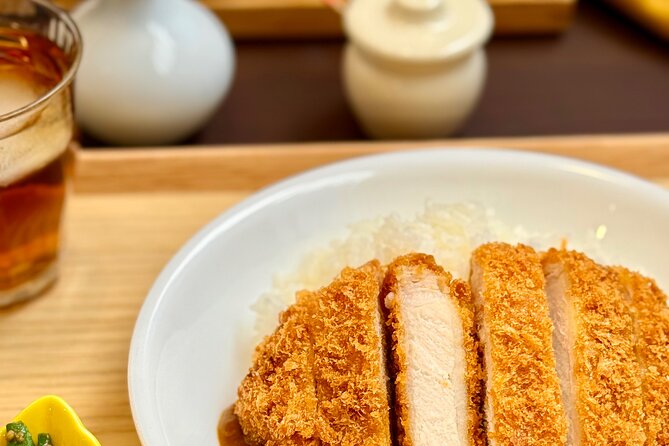
I would choose this class if you want to learn a repeatable Japanese dish, not just watch a chef cook. The from-scratch roux and substitution advice make it especially useful for people who plan to cook Japanese food at home.
It is also a good fit if you enjoy smaller, personal experiences. The six-person maximum and residential setting offer a different feel from a busy food hall or a large cooking studio.
Couples may appreciate the shared task and included lunch. Families can also enjoy it, provided the children are suited to a two-and-a-half-hour cooking activity and any age requirements are confirmed directly, since none are provided here.
You may want to skip it if your main aim is a low-cost meal, a broad survey of Japanese cuisine, or an advanced professional cooking course. The focus is narrow by design: Japanese curry, tonkatsu, and one seasonal side dish.
The experience is also less suitable for a very tight itinerary. You must travel to Nishinippori, arrive for 10:00, and give the class your late morning. That is not a flaw, but it is worth planning around.
Booking, Weather, and Cancellation Details
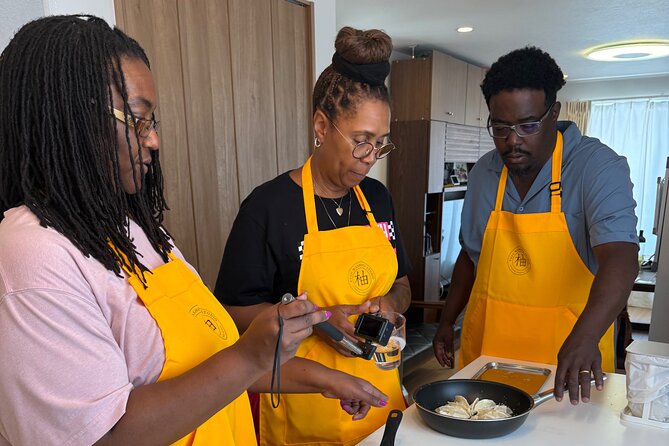
The activity is available with a mobile ticket, and confirmation is received when you book. It requires a minimum number of participants, so the provider may cancel if that number is not reached.
Free cancellation is available up to 24 hours before the start time for a full refund. Changes or cancellations made inside that 24-hour window are not accepted or refunded.
The experience also requires good weather. If poor weather causes cancellation, you are offered another date or a full refund. Since the class takes place indoors, this condition may relate to operating or access requirements, but the supplied details do not explain the exact reason.
The class is typically booked about 44 days ahead. That is a useful planning signal, particularly if you need a specific date or have dietary requirements. I would reserve early, then avoid making changes close to the start time.
Should You Book This Yanaka Cooking Class?
Book it if you want a small, practical cooking lesson led by home chef Yuki, with a real lunch and techniques you can use after Tokyo. The homemade curry roux is the key reason to choose it over a basic Japanese food workshop, and the tonkatsu lesson adds a useful second skill.
The price is high for a meal alone, but more reasonable for two and a half hours of instruction, a six-person maximum, included food, drinks, apron, towel, and recipe guidance. I would pass only if your schedule is tight, your budget is limited, or you want a wider menu.
For a food-minded visit to Tokyo, this class offers a pleasant change from eating at restaurants. You cook in a quiet neighborhood, learn how a familiar Japanese comfort food is built, and finish with lunch you helped make. That is a solid choice for anyone who values participation over a quick bite.
FAQ
Where does the Japanese Katsu Curry Cooking Class take place?
The class takes place at YUZU WASHOKU STUDIO, 1-chōme-58-4 Nishinippori, Arakawa City, Tokyo 116-0013, Japan, near Yanaka and public transportation.
What time does the class start?
The class starts at 10:00 a.m.
How long does the cooking class last?
The experience lasts approximately two hours and 30 minutes. Cooking and tasting run from about 10:30 until 12:30.
What food is included?
Lunch includes Japanese curry rice, tonkatsu, a seasonal vegetable side dish, green tea, and water.
Do I make the curry roux from scratch?
Yes. The class teaches you how to prepare Japanese curry roux from scratch rather than using store-bought curry cubes.
Can the tonkatsu be made without pork?
Yes. Pork can be replaced with chicken or tofu if you request it in advance.
Are vegetarian, gluten-free, or halal options available?
Vegetarian options and accommodations for gluten-free, halal, and other dietary needs are available by request. You should provide the details when making your reservation.
Is hotel pickup included?
No. Hotel pickup is not included. You need to travel to the meeting point yourself.
What is the cancellation policy?
You can cancel up to 24 hours before the experience for a full refund. Cancellations or changes made less than 24 hours before the start time are not accepted or refunded.
More hands-on classes and workshops in Tokyo
- Sushi Making Tokyo Roll and Authentic Japanese Sushi Class
★ 5.0 · 3,971 reviews - Chopstick Making Workshop in Ginza
★ 4.8 · 1,366 reviews - Ramen & Gyoza Cooking Class in Tokyo with Local Supermarket Visit
★ 5.0 · 823 reviews - Matcha Making Class in Tokyo with Authentic Japanese Sweets Set
★ 5.0 · 744 reviews
Newly reviewed around Tokyo
- Tokyo Asakusa:Calligraphy & Make T-shirt Activity★ 5.0 · 62 reviews
- Intercity Shuttle, Tokyo to Haneda /Narita /Yokohama /Makuhari★ 5.0 · 5 reviews
- 1 Hour Travel around Tokyo with a Professional Photographer★ 5.0 · 3 reviews
- Travel Tokyo with Your Own Personal Photographer★ 5.0 · 43 reviews
- Kickboxing & Body Training with EX-Pro Fighter★ 5.0 · 4 reviews
- Train in Samurai Swordsmanship and Defeat the Demon in Tokyo★ 5.0 · 5 reviews
- Shuttle Van 6hr Tokyo Tour to-and-from Tokyo, Yokohama and Narita★ 5.0 · 9 reviews
- Traditional Japanese Knife Sharpening Class★ 5.0 · 18 reviews
Tokyo Cooking Classes, compared.
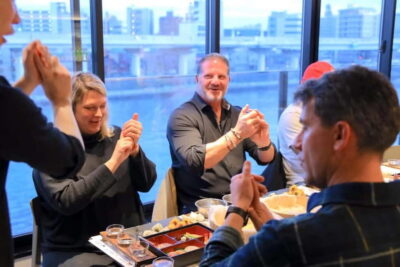
Roll and Authentic Sushi Making Class in Asakusa
Read our review →
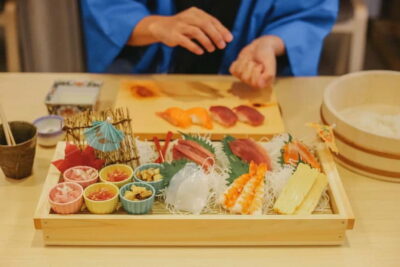
Sushi Making Class in a Happi Coat near a Famous Spot
Read our review →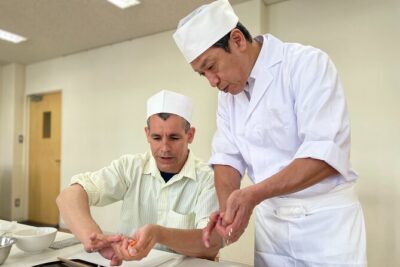
Tokyo Sushi Making Class in Tsukiji with Professional Chef
Read our review →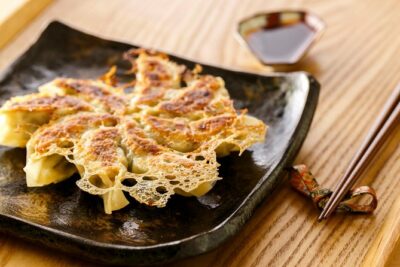
Ramen & Gyoza Cooking Class in Tokyo with Local Supermarket Visit
Read our review →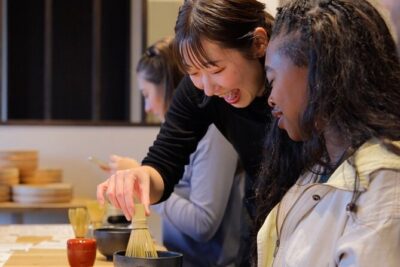
Matcha Making Class in Tokyo with Authentic Japanese Sweets Set
Read our review →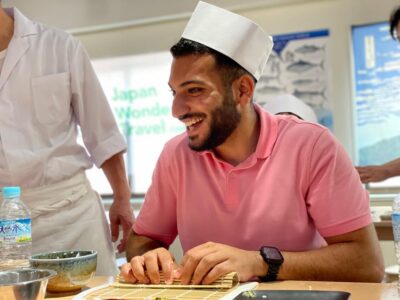
Tsukiji Fish Market Sushi Making Class with Pro Chef
Read our review →
Browse the lists this tour appears in