
Reviewed · TOKYO WALKING TOURS
Full Day Walking Tour in Shinjuku and Shibuya
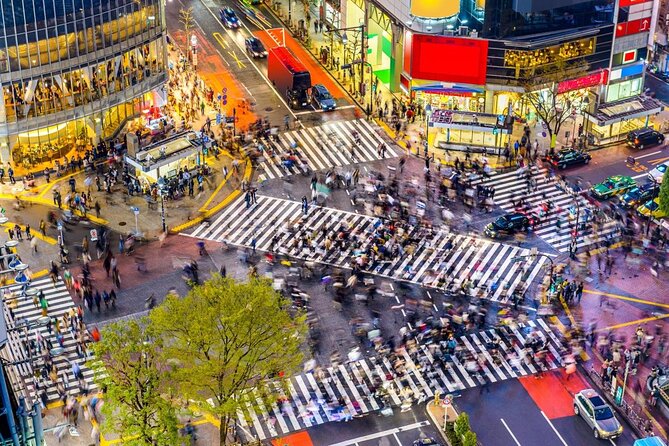
Tokyo’s old and new sides meet on this full-day walk. You’ll begin with local history at the Shinjuku Historical Museum, pause for matcha and wagashi in Shinjuku Gyoen, then move through Golden Gai, Kabukicho, Meiji Jingu, Harajuku, and finally Shibuya. It is a busy day, but it gives you a useful first look at several major districts.
I like the well-balanced route, which gives you a museum, garden, shrine, traditional tea, modern city streets, and pop culture in one outing. I also like that guides such as Beth and Jeff have earned special praise for clear directions, local tips, patience, and flexibility. The catch is simple: this is an eight-hour walking tour with public transport, not a gentle sightseeing ride.
Key things to know before booking
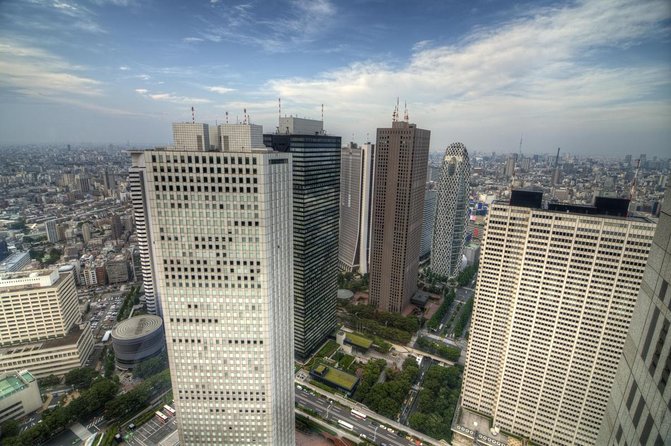
- A full Tokyo sampler: You cover Shinjuku, Harajuku, and Shibuya in one day, with history, religion, food culture, and modern city life.
- Matcha and wagashi are included: The tea-house experience at Shinjuku Gyoen adds a calm traditional pause to an otherwise active day.
- Lunch is your responsibility: You receive time to explore Golden Gai and Kabukicho, but the cost of food is not included.
- Expect plenty of walking: The route includes outdoor time, a 20-minute walk from the museum to Shinjuku Gyoen, and several hours on foot overall.
- The group can reach 20 people: That keeps the tour social, though it may feel less personal than a private guide.
- The finish is at Shibuya Station: Shibuya is the endpoint, while the detailed sightseeing focuses most heavily on Shinjuku, Meiji Jingu, and Harajuku.
Why this eight-hour route works for a first Tokyo day
Tokyo can feel like several cities stitched together by rail. Shinjuku has old neighborhoods, department stores, nightlife, gardens, and huge transport links. Shibuya has its own look and energy. Harajuku adds youth fashion and shrine culture between the two.
This tour gives you a guide to connect those pieces. Instead of spending a morning wondering how Shinjuku Gyoen relates to Golden Gai, or how to reach Meiji Jingu from central Shinjuku, you follow a planned route with the train fare and key admissions handled.
The day starts at 9:30 a.m. at Yotsuya-Sanchome Station, outside the ticket gates by the yellow information stand. That meeting point matters. Tokyo stations can have several exits and confusing underground passages, so arrive with enough time to find the correct side of the gates.
You should plan for a full day outdoors. The tour uses public transport rather than a private vehicle, and the schedule includes several long walking sections. On a hot day, the pace may feel demanding. One guest specifically praised Jeff for making a hot day easier by knowing where to go and how to get around, but good shoes, water, and weather-appropriate clothing still matter.
More things to do in Shibuya:
- Official Street Go-Kart in Shibuya
★ 5.0 · 3,435 reviews - Tokyo: Street Kart Experience in Shibuya
★ 4.9 · 1,484 reviews - Shibuya Meltdown Nightlife Tour: All-You-Can-Drink Bar Hopping
★ 5.0 · 1,058 reviews
Shinjuku Historical Museum: start with Tokyo’s local story
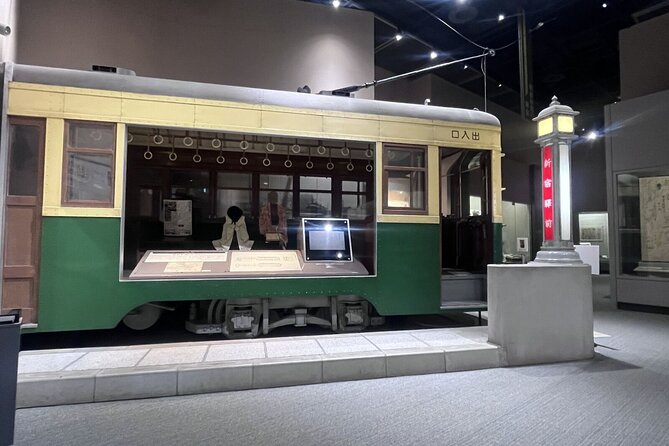
The first stop lasts about 90 minutes and includes admission to the Shinjuku Historical Museum. This is a smart opening because it gives context before you enter the famous streets and gardens of the district.
A museum visit also slows the first hour down. You are not immediately thrown into Tokyo’s crowds and rail stations. Instead, you begin by looking at how Shinjuku developed and what the area meant before its current reputation as a major commercial and entertainment center.
Your guide leads you through the museum rather than leaving you to read displays alone. That can be especially useful if you have limited time in Tokyo and want someone to point out what matters instead of trying to absorb every exhibit.
The museum is also a good contrast with the stops that follow. After this indoor historical introduction, you walk for about 20 minutes to Shinjuku Gyoen. This transition lets you see the city at street level, though it adds to the physical demands of the morning.
Shinjuku Gyoen: gardens, tea, and a welcome pause
Shinjuku Gyoen receives about two hours and 15 minutes, making it the longest single stop before the final Harajuku portion. Admission is included, and the schedule includes a guided visit to the park and gardens plus a matcha and wagashi experience at the park tea house.
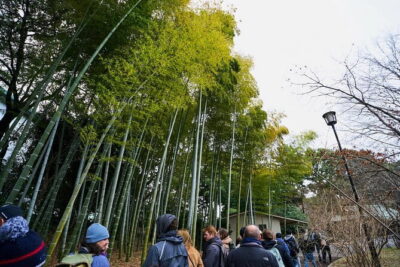
This is one of the tour’s best choices. Shinjuku is famous for neon, tall buildings, and nightlife, yet the garden offers a quieter setting within the same district. You get a traditional Japanese experience without spending a separate half-day traveling to a more distant tea venue.
Matcha is powdered green tea, and wagashi are Japanese sweets often served with tea. The pairing gives you more than a quick beverage break. It introduces a small piece of tea culture in a setting where your guide can explain what you are seeing and tasting.
The garden stop also gives your feet a break from hard city pavement, though you should not mistake it for a seated tour. You will still walk around the grounds, and the full schedule keeps moving.
The amount of time here is useful if you want photographs, garden views, and a slower conversation with your guide. It may feel long if gardens are not high on your list, especially during hot or rainy weather. Still, the balance is good: the museum and garden supply the traditional and historical side of the day before lunch takes you into Shinjuku’s entertainment quarter.
Golden Gai and Kabukicho: lunch with freedom to choose
After Shinjuku Gyoen, the tour heads toward Golden Gai and Kabukicho, described as Shinjuku’s lively entertainment center. This section lasts about 75 minutes and includes a guided look at the area, followed by free time to explore and find local food.
The guide’s role here is valuable because Golden Gai can be confusing at first. Its compact streets and small bars have a very different feel from Tokyo’s broad avenues and giant stations. A guide can help you understand the area’s character and point out how to approach your free time.
Lunch is not included, so you control what you spend and what you eat. That is good for flexibility, but you should budget separately and remember that the 75-minute stop is not a long restaurant meal. If you want a substantial lunch, use the time efficiently.
This is also where the group format matters. With as many as 20 people, the guide may need to keep everyone together near busy streets and narrow lanes. You should not expect the same freedom as on a private food tour.
Still, I like the decision to leave lunch open. People have different appetites and budgets, and you may prefer a quick bite rather than a formal meal. The important point is that the tour gives you an introduction to the district, not a paid tasting menu.
More things to do in Shinjuku:
- Tokyo: Shinjuku Food Tour (13 Dishes at 4 Local Eateries)
★ 5.0 · 6,603 reviews - Tokyo Bar Hopping Tour in Shinjuku (All-You-Can-Drink + Dinner)
★ 5.0 · 3,587 reviews - Tokyo: Shinjuku Food Tour (15 Dishes and 4 Eateries)
★ 4.9 · 2,033 reviews - Best of Shinjuku: Izakaya Food Tour (4 Stops, 14+ Tastings)
★ 5.0 · 1,863 reviews
Meiji Jingu: a major shrine after the city noise
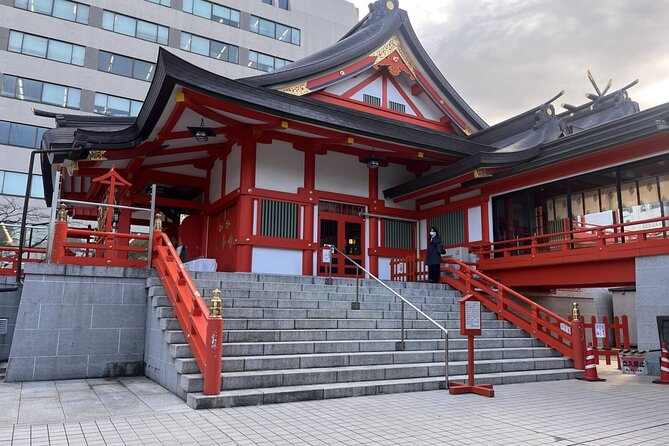
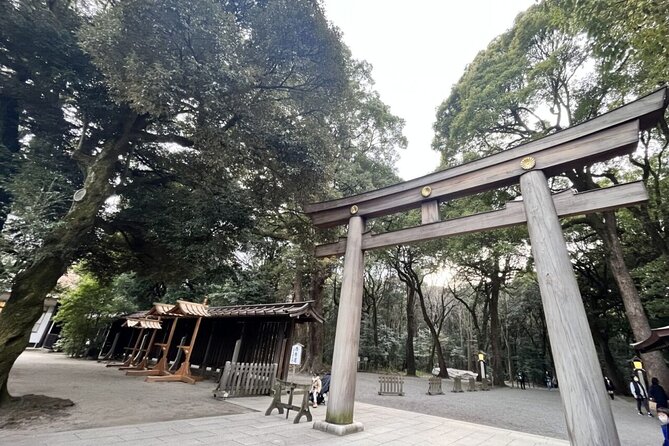
From Shinjuku, you take a short train ride to Harajuku Station. The train fare is included, which removes one small transport decision from the day. Your guide then leads you around Meiji Jingu Shrine before continuing into Harajuku.
Meiji Jingu provides another strong contrast. You move from museum rooms, formal gardens, and entertainment streets into a major Shinto shrine setting. The route lets you see how religious tradition remains part of everyday Tokyo rather than existing only in remote historic towns.
The shrine portion is part of a three-hour block that also includes Harajuku. That gives the final section more room than any other stop. You can expect the guide to explain the shrine and then help you make sense of Harajuku’s quirky, youth-focused streets.
The information supplied for the tour does not list exact shrine buildings or Harajuku shops, so you should not book this expecting a fixed shopping list or a guaranteed visit to a particular café. Think of it as an organized introduction to the area, with the guide shaping the walk according to the day and the group.
The long final block may be tiring after the museum, garden, lunch, and earlier walking. On the other hand, it prevents the day from becoming a rushed sequence of photo stops. You have time to see both the shrine and the modern side of Harajuku before the tour ends at Shibuya Station.
Reaching Shibuya Station: useful endpoint, limited detail
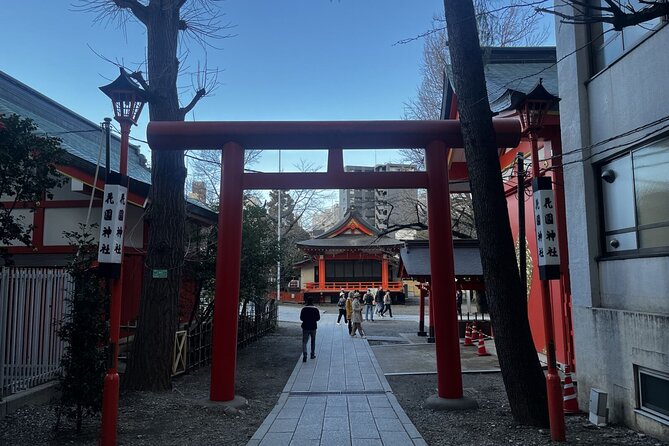
The tour concludes at Shibuya Station, which is convenient if you plan to continue exploring on your own. You finish in one of Tokyo’s best-known districts, with rail connections available for the rest of your evening.
It is worth being precise about the route. The tour is marketed around Shinjuku and Shibuya, but the detailed stops focus on Shinjuku first, then Harajuku and Meiji Jingu, with Shibuya as the endpoint. You should not assume that a large portion of the day is dedicated to named Shibuya attractions.
One guest praised Beth for covering the important parts of Shibuya, while the published route gives the clearest detail about the walk through Harajuku and the ending at Shibuya Station. If Shibuya itself is your main priority, confirm what the guide plans to cover before booking.
For many people, the endpoint works well. You can stay in Shibuya after the tour, meet friends there, or continue to dinner without retracing your route to Shinjuku.
Guides Beth and Jeff add practical value
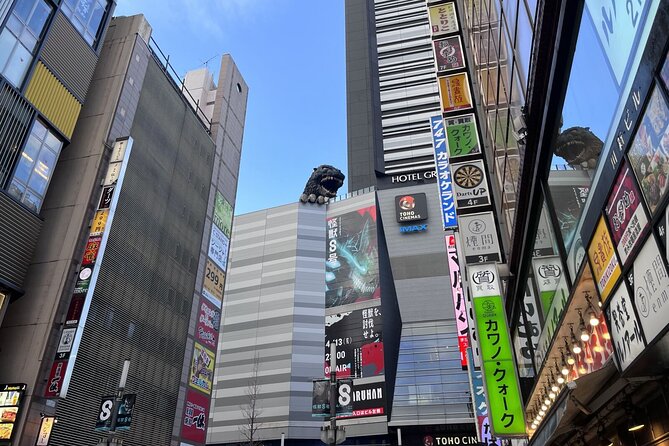
The strongest personal praise centers on guides Beth and Jeff. Beth is described as warm, patient, and able to explain both local history and the modern districts. She also received praise for carrying a guest’s luggage, an especially kind touch, though you should not treat that as a guaranteed service.
Jeff received praise for handling a hot day, knowing how to get between stops, and offering tips along the way. Another guest found him flexible and helpful with requests. These details suggest that the human side of the tour is a major part of its value.
The tour uses a local English-speaking guide, but the assigned guide can vary. You may have Beth, Jeff, or another guide, so book for the route and format rather than for one named person unless the provider confirms your request.
A group limit of 20 is reasonable for a city walking tour, but it is not intimate. You may have less time for personal questions or spontaneous detours than you would with a private guide. The positive reports about flexibility came from private-tour requests, so do not assume the regular group experience includes a private itinerary.
Is $165.19 a fair price?
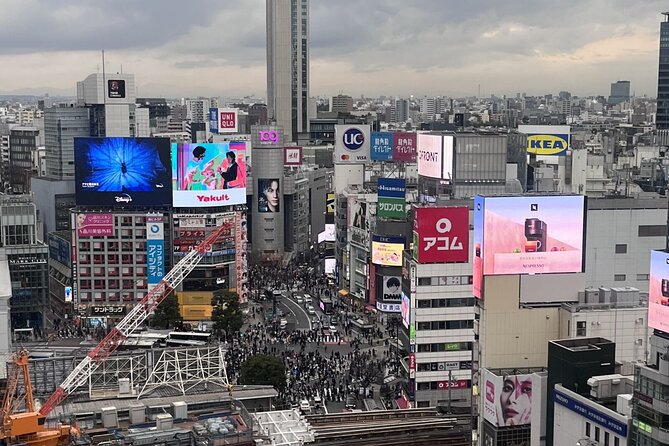
At $165.19 per person, this is not a budget walk. The price includes the Shinjuku Historical Museum admission, Shinjuku Gyoen admission, train fare from Shinjuku Station to Harajuku Station, the park tea-house experience, and an English-speaking guide.
The value depends on how you normally travel. If you would pay separately for a guide, museum admission, garden entry, a tea experience, and help with Tokyo’s rail system, the bundle is easier to justify. You are also paying for the route design and the time saved figuring out connections.
Lunch is extra, and the tour does not include a private vehicle. You are paying for walking, public transport, admissions, and guidance rather than comfort or door-to-door transport.
The tour is usually booked about 68 days ahead, which suggests that you should not leave it until the last moment if your Tokyo dates are fixed. It is best suited to someone with one open day who wants a guided introduction to several major areas instead of building a route from scratch.
Free cancellation is available if you cancel at least 24 hours before the 9:30 a.m. start time. Changes or cancellations made inside that window are not accepted for a refund.
Who should book this walking tour?
I would choose this tour if you have limited time in Tokyo, want a broad first look at Shinjuku and nearby districts, and prefer a guide to handle the route. It is especially useful for people who want both traditional culture and modern city life in one day.
It also suits you if you value context. The museum, shrine, garden, and tea experience give more meaning to the neon streets and shopping areas than a simple photo checklist would.
I would hesitate if you dislike long walks, need a slow pace, want a private experience, or care mainly about specific Shibuya attractions. The group can reach 20 people, lunch is not included, and the route is active from morning until late afternoon.
FAQ
Where does the tour start?
The tour starts at 9:30 a.m. at Yotsuya-Sanchome Station, outside the ticket gates by the yellow information stand in front of the gates.
Where does the tour end?
The tour ends at Shibuya Station, at 2 Chome-24, Shibuya, Tokyo.
How long does the tour last?
The experience lasts about eight hours.
Is lunch included?
No. You have time to explore Golden Gai and Kabukicho and find local food, but lunch is at your own expense.
Is public transport used?
Yes. The tour does not use a private vehicle. It includes the train fare from Shinjuku Station to Harajuku Station.
What is included in the price?
The price includes admission to the Shinjuku Historical Museum and Shinjuku Gyoen Park, the park tea-house experience, the train fare from Shinjuku to Harajuku, and a local English-speaking guide.
Should you book it?
Book this tour if you want one organized day that links a museum, Japanese garden, tea, shrine, entertainment district, Harajuku, and a finish near Shibuya. The route offers variety, and guides such as Beth and Jeff add practical help with directions, local context, and the day’s pace.
Skip it if you want a relaxed schedule or a detailed, Shibuya-only visit. At eight hours, with several outdoor walking sections and lunch extra, this is an active introduction to Tokyo. For the right person, it is a useful way to get your bearings fast, then return to the districts you liked best on your own.
More full-day trips in Tokyo
- From Tokyo: Mount Fuji Full-Day Sightseeing Trip
★ 4.5 · 4,970 reviews - Mount Fuji Full-Day Private Tour from Tokyo (Customizable)
★ 4.9 · 1,470 reviews - Tokyo Private Full-Day Tour by Car or Van
★ 5.0 · 684 reviews - From Tokyo: Must-Visit Mount Fuji Highlight Full-Day Tour
★ 4.7 · 532 reviews
More Tokyo walking tours
- Tokyo Tsukiji Fish Market Food and Culture Walking Tour
★ 5.0 · 3,184 reviews - Tokyo: Imperial Palace and Shogun Historical Walking Tour
★ 5.0 · 2,251 reviews - Tokyo: Shinjuku Local Bar and Izakaya Guided Walking Tour
★ 4.9 · 1,794 reviews - Tokyo: Tsukiji Fish Market Food and Walking tour
★ 5.0 · 1,724 reviews
Newly reviewed around Tokyo
- Tokyo Asakusa:Calligraphy & Make T-shirt Activity★ 5.0 · 62 reviews
- 1 Hour Travel around Tokyo with a Professional Photographer★ 5.0 · 3 reviews
- Travel Tokyo with Your Own Personal Photographer★ 5.0 · 43 reviews
- Intercity Shuttle, Tokyo to Haneda /Narita /Yokohama /Makuhari★ 5.0 · 5 reviews
- Train in Samurai Swordsmanship and Defeat the Demon in Tokyo★ 5.0 · 5 reviews
- Shuttle Van 6hr Tokyo Tour to-and-from Tokyo, Yokohama and Narita★ 5.0 · 9 reviews
- Kickboxing & Body Training with EX-Pro Fighter★ 5.0 · 4 reviews
- Traditional Japanese Knife Sharpening Class★ 5.0 · 18 reviews
Tokyo Walking Tours, compared.
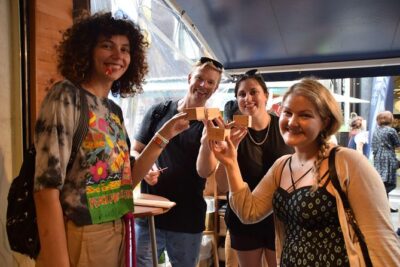
Tokyo Tsukiji Fish Market Food and Culture Walking Tour
Read our review →
Imperial Palace and Shogun Historical Walking Tour
Read our review →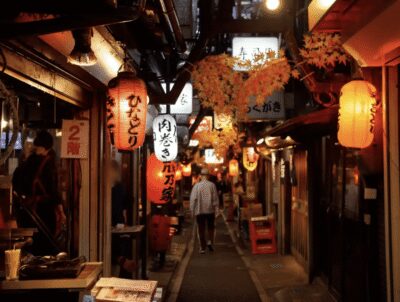
Shinjuku Local Bar and Izakaya Guided Walking Tour
Read our review →
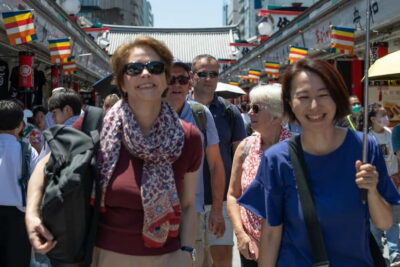
Asakusa Walking Tour with Sensoji Temple Visit
Read our review →
Tokyo Castle & Imperial PalaceーShogun Walking Tour
Read our review →
Browse the lists this tour appears in