
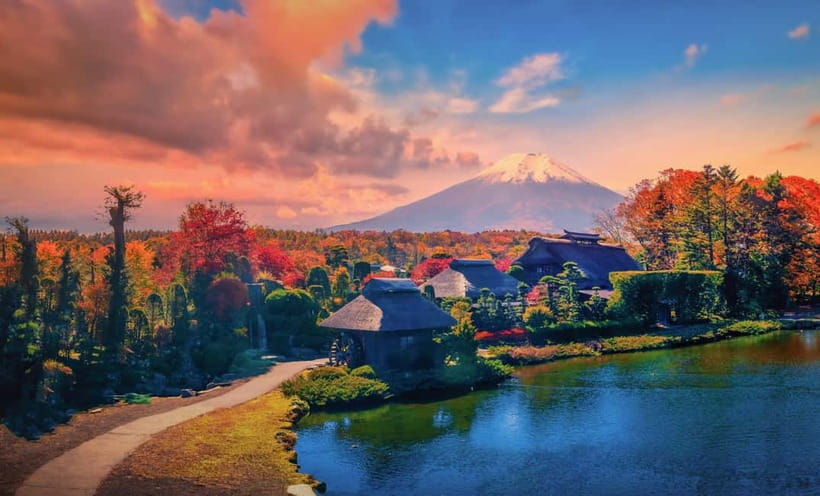
Reviewed · MOUNT FUJI DAY TRIPS FROM TOKYO
From Tokyo: Mount Fuji Full-Day Sightseeing Trip
Mount Fuji is best understood from several angles, and this 10-hour day trip gives you four of the classic ones in a single outing. You’ll see the mountain above Kawaguchiko Lake, behind Chureito Pagoda, near Oshino Hakkai’s spring-fed ponds, and from the high 5th Station.
I like the well-chosen photo stops and the clean, air-conditioned coach, which saves you from working out several buses and trains. I also like the guides’ practical help: Sophie, Evita, Annie, Catherine, and Itsuki are among the guides praised for clear explanations and good humor. The main drawback is simple: this is a long day, and traffic can add two or three hours to the return.
Key points to know before booking
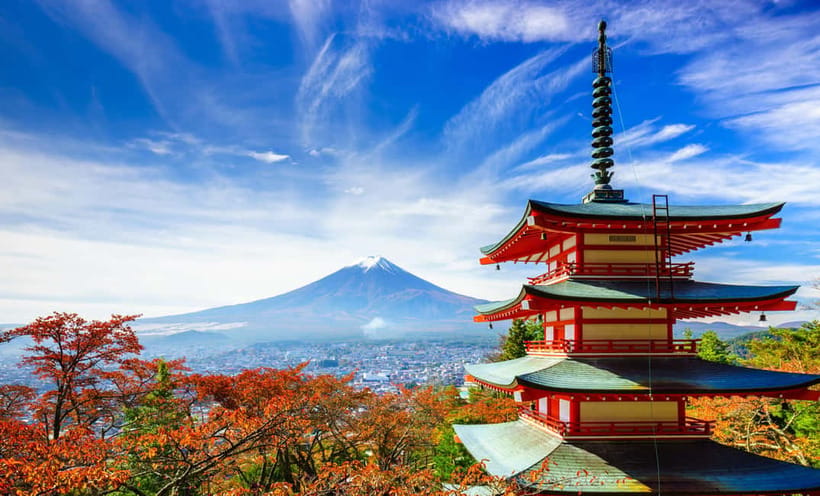
- Four distinct views of Fuji: Lake Kawaguchi, Chureito Pagoda, Oshino Hakkai, and the mountain’s 5th Station each offer a different setting.
- Winter changes the plan: If the road to the 5th Station closes, the group may visit the 4th Station, 1st Station, or Yamanakako Hananomiyako Park instead.
- The weather decides the headline view: Fuji may be hidden by cloud even when the rest of the day is pleasant.
- Arakurayama means stairs: The pagoda viewpoint requires a substantial uphill walk, with more than 400 steps to the best lookout.
- Plan your stop time: Food, toilets, shopping, and photographs can compete for the same short window.
- The price is fair for a full-day outing: At $68, transport and entry fees are included, but meals are not.
Why this route works for a first Fuji visit
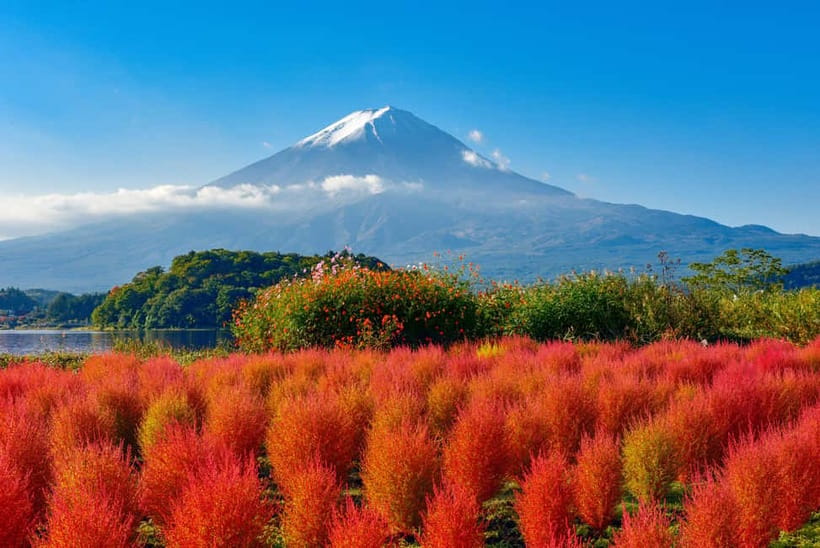
Mount Fuji is not just one viewpoint with a mountain in the background. Its appearance changes sharply with the foreground. A lake gives you reflections, a pagoda adds a familiar Japanese image, Oshino Hakkai brings in village scenery and spring water, and the 5th Station puts you close to the upper slopes.
That variety is the main reason I would consider this tour instead of trying to piece together a route alone. You can spend a lot of time checking train connections, local buses, and admission details around Fujiyoshida and the Fuji Five Lakes area. This outing handles the transport and links the main sights in one day.
The tradeoff is control. You do not choose how long to stay at each stop, and you cannot simply leave early if the sky turns gray. The schedule is designed to give you a broad sample rather than a slow, private visit.
The coach ride from Tokyo takes about two hours each way in normal conditions. That is a significant part of the day, but the bus gives you a place to rest between stops. Several departures have been praised for clean, comfortable coaches and safe driving, though one passenger found the coach less comfortable than expected.
More Mount Fuji day trips from Tokyo:
- Mt Fuji and Hakone 1-Day Bus Tour Return by Bullet Train
★ 5.0 · 26,383 reviews - Mt Fuji & Hakone Cruise, Drum Show Bullet Train 1 Day from Tokyo
★ 4.0 · 7,413 reviews - Tokyo Mt Fuji 5th St & Hakone Cruise Bus Tour w/Bullet Train
★ 4.4 · 5,024 reviews
Kawaguchiko Oishi Park and the first Fuji view
Oishi Park is the gentle opening to the day. You get around 30 minutes for photographs and a walk beside Lake Kawaguchi, with Fuji forming the main backdrop when the clouds cooperate.
This is one of the easiest stops physically. You do not need to climb a steep trail to get a good photo, and the lake gives your pictures more depth than a simple roadside view. Your guide may also point out useful positions for a reflection shot, a detail that can make a difference when the water is calm.
Thirty minutes is enough for a few photographs and a quick look around, but not for a leisurely park visit. If you need the toilet, a drink, and a full set of lake photos, use your time carefully. One practical approach is to take your main picture first, then explore.
Fuji visibility is never guaranteed. Several people have had excellent views in cloudy weather, while others reached the area and saw only mist or cloud. The mountain can appear and disappear quickly, so keep your camera ready rather than assuming the final stop will offer the best chance.
Arakurayama Sengen Park and Chureito Pagoda

The most famous photograph on the route comes from Arakurayama Sengen Park, where the five-storied Chureito Pagoda sits above Fujiyoshida with Mount Fuji behind it. In spring, cherry blossoms add the familiar pink frame, though flower season also brings heavier crowds and slower roads.
This stop lasts about 75 minutes, and you should expect real exercise. The path rises toward the pagoda, and the best viewpoint involves more than 400 steps. You do not need to rush straight to the top if your knees or stamina make that unappealing, but the classic composition is found uphill.
The stairs are not a small detail. One person described the tour as requiring a lot of walking, while another suggested climbing all the steps for the view of a lifetime. I agree with the basic advice: wear shoes you can walk in, and do not treat this as a quick bus stop.
The park is paired with a visit to Chureito Pagoda and a walk through the nearby Hikawa Clock Shop area. The clock shop stop gives you time to look around Fujiyoshida and photograph the narrow street view toward Fuji. It adds a town setting to the day, rather than giving you only formal viewpoints.
The short visit also creates a time decision. You can spend the available minutes climbing, taking the pagoda photograph, wandering through the town, or using facilities. You probably will not do all of those at a relaxed pace.
Oshino Hakkai and Fuji spring water
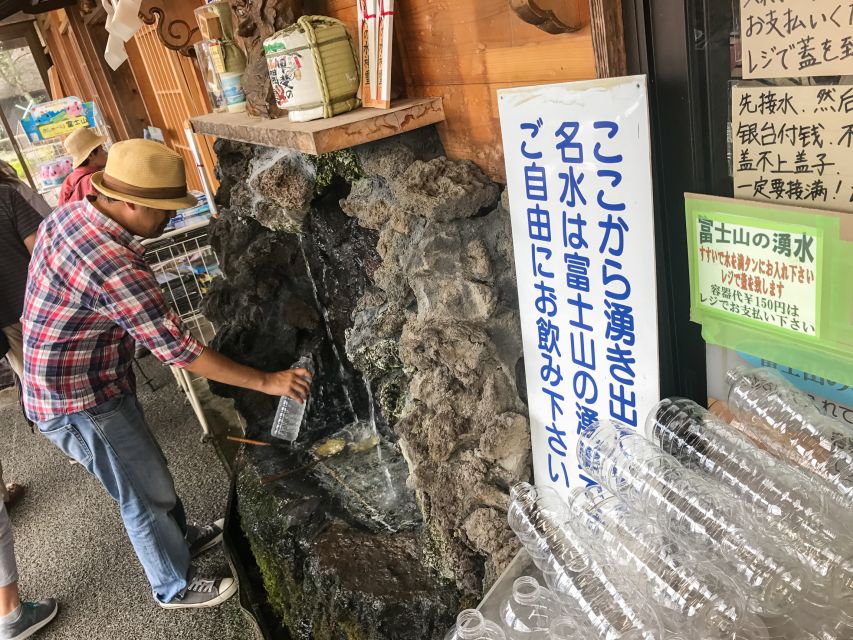
Oshino Hakkai is a village area known for eight clear ponds fed by snowmelt and rain filtered through Mount Fuji. The water is associated with the mountain’s underground springs, and you can taste it at the site.
This is a more grounded stop than the sweeping lake and pagoda viewpoints. You get ponds, traditional-style buildings, small shops, food, and a close look at one of the Fuji area’s best-known local attractions. The tour allows about 80 minutes here, including lunch time.
Food is not included, so bring money for lunch and drinks. The stop works well for this because you can choose what you want instead of being tied to a set meal. The same time, however, has to cover eating, walking, photographs, and shopping. Queues can make that feel tighter than the timetable suggests.
The water tasting is a small but memorable part of the visit. It connects the scenery to Fuji’s role as a source of water, rather than treating the mountain as a distant cone for photographs. You can also see the different ponds and enjoy a slower village stop after the climb at Arakurayama.
Keep your expectations realistic. Oshino Hakkai can feel busy, particularly on weekends and during flower season. It is a popular attraction with shops and food stalls, not an empty rural hamlet. The value is in seeing the ponds and village setting as part of the wider Fuji area.
More full-day trips in Tokyo:
- Mount Fuji Full-Day Private Tour from Tokyo (Customizable)
★ 4.9 · 1,470 reviews - Tokyo Private Full-Day Tour by Car or Van
★ 5.0 · 684 reviews - From Tokyo: Must-Visit Mount Fuji Highlight Full-Day Tour
★ 4.7 · 532 reviews - Mt. Fuji, Hakone Full-Day Private Tour with English Driver Guide
★ 4.5 · 458 reviews
Mount Fuji 5th Station at 2,300 meters
The 5th Station is the highest planned stop on the standard route, at about 2,300 meters. It sits partway up Fuji and offers a closer view of the upper mountain, along with food, souvenirs, and a chance to experience the cooler air.
The scheduled visit is about 40 minutes. That gives you time to take photographs, look at the shops, and enjoy the change in elevation, but it is not enough for a long mountain walk. Bring an extra layer, even in warmer months. One departure was described as freezing at the mountain stop, and another found the coach welcome after the cold especially useful.
This is also the stop most vulnerable to road closures. In winter or during difficult weather, the road to the 5th Station may close. The replacement can be the 4th Station, the 1st Station, or Yamanakako Hananomiyako Park. During some winter outings, the schedule may focus on a diamond Fuji sunset view at Yamanakako instead.
That change is not a failure of the tour, but it matters when you book. If your only goal is standing at the 5th Station, this outing carries a clear risk. If you want a full day around Fuji with several backup sights, the substitution is easier to accept.
Do not assume the highest stop guarantees the best view. Cloud can cover the summit at 2,300 meters while the lower lake remains clear. The best guide response is to adjust the order when possible, and one departure did exactly that by visiting the 5th Station while Fuji was still visible.
The guides and how the day feels
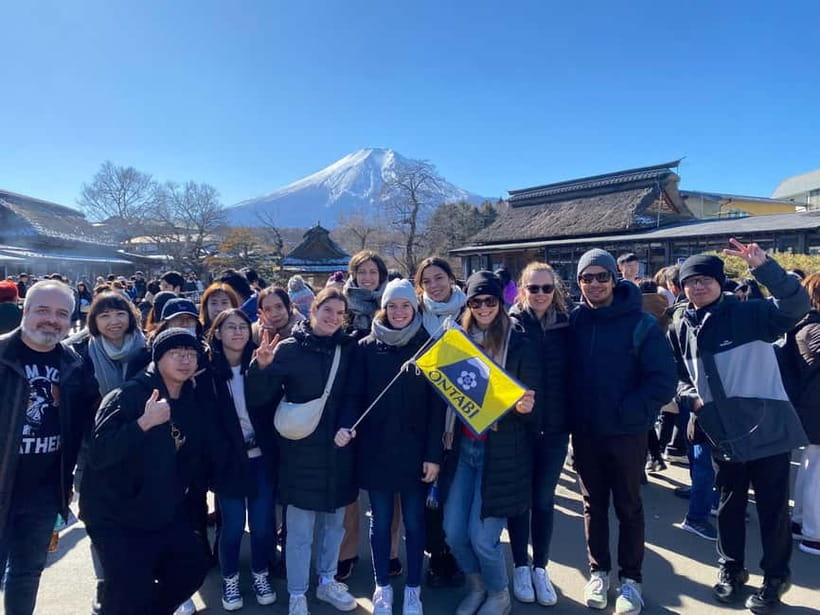
The guide is important here because the tour leader does more than point out stops. The leader keeps the group together, explains meeting times, shares background about Japanese culture and language, and helps you understand what you are seeing.
Guide names vary by departure. Sophie has been praised for humor and useful tips, while Evita received praise for clear communication and detailed explanations. Annie, Catherine, Itsuki, Sheila, Tina, and Shao have also led departures described as friendly and well organized.
The best reports emphasize clear English, a light sense of humor, and good timing. Some guides use a small speaker so everyone can hear outside the bus. WhatsApp has also been used to send meeting information, though you should still listen carefully at every stop.
The style may not suit everyone. One person felt the guide gave too many examples and spoke more than necessary, while another disliked a request for tips at the end. Tipping is not listed as an included requirement, so you should decide for yourself. The tour leader is there to accompany the group and provide information, not to deliver a private guiding experience at every sight.
Transport, meeting points, and the long return
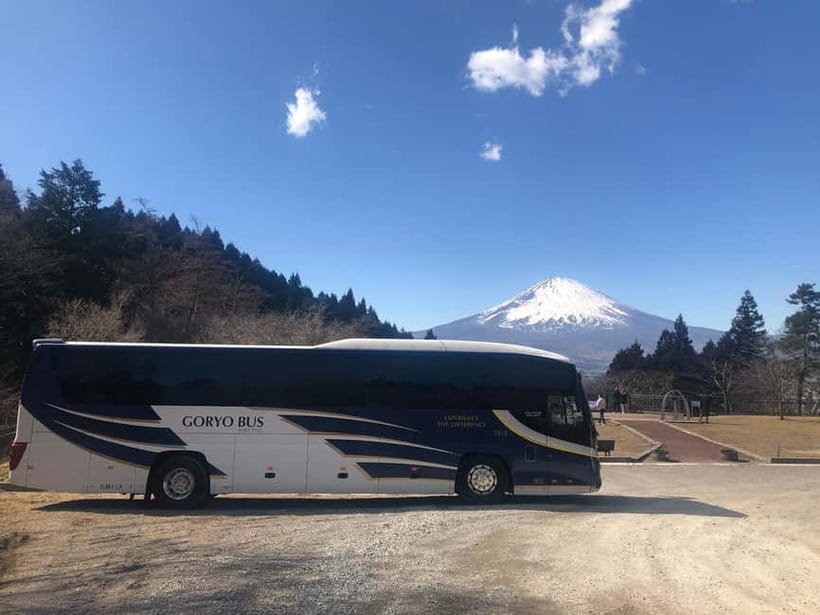
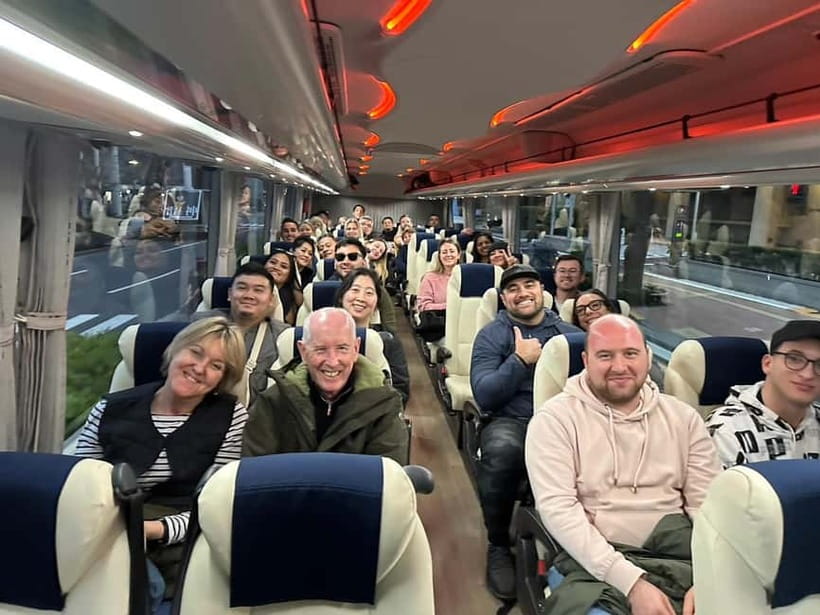
The coach is one of the strongest practical reasons to book. You leave Tokyo by air-conditioned bus and return the same way, avoiding several changes in public transport. Many departures have used modern, clean coaches, and allocated seats help the group board efficiently.
The meeting point deserves care. Pick-up and drop-off options are in the Shinjuku and Tokyo Station areas, but the exact meeting location depends on the option booked. The stated locations can be hard to find, especially if you come out of the wrong underground exit, and one person found the stop around the corner from where the app appeared to place it.
Arrive early and check the exact instructions before leaving your hotel. Do not assume the bus will wait while you search. Large bags and luggage are not allowed, so carry only what you need for the day.
Traffic is the biggest threat to the timetable. The drive can take about two hours each way, but arrival back in Tokyo may be delayed by two or three hours. Weekends and flower season are particularly prone to congestion. A late return can affect dinner plans, evening tickets, or a train connection, so leave your evening open.
The itinerary can also change because of weather, traffic, or other conditions. If the whole tour is canceled, you should be informed by at least 2 PM the day before. The tour offers free cancellation up to 24 hours before departure, and you can reserve now and pay later, which helps if your weather plans are uncertain.
Is $68 good value?
At $68 per person, this is a strong price for a ten-hour outing if you want several Fuji-area sights in one day. The fee includes transport, entry fees for the sightseeing stops, and a guide who speaks English, Mandarin, or Cantonese.
The price does not include food or drinks. You should budget separately for lunch at Oshino Hakkai and any snacks or souvenirs at the 5th Station. The tour is also not a private experience, so its value comes from convenience and coverage rather than flexibility.
I would compare it with the cost of arranging four regional stops on your own. The coach removes much of the planning, and the driver handles roads that can become difficult during crowded periods. For a first visit from Tokyo, that is useful.
I would not book it if you want a quiet Fuji retreat, a long hike, or plenty of time at one shrine or village. The schedule gives you a taste of several places. It does not allow you to linger.
Who should book this Fuji day trip?
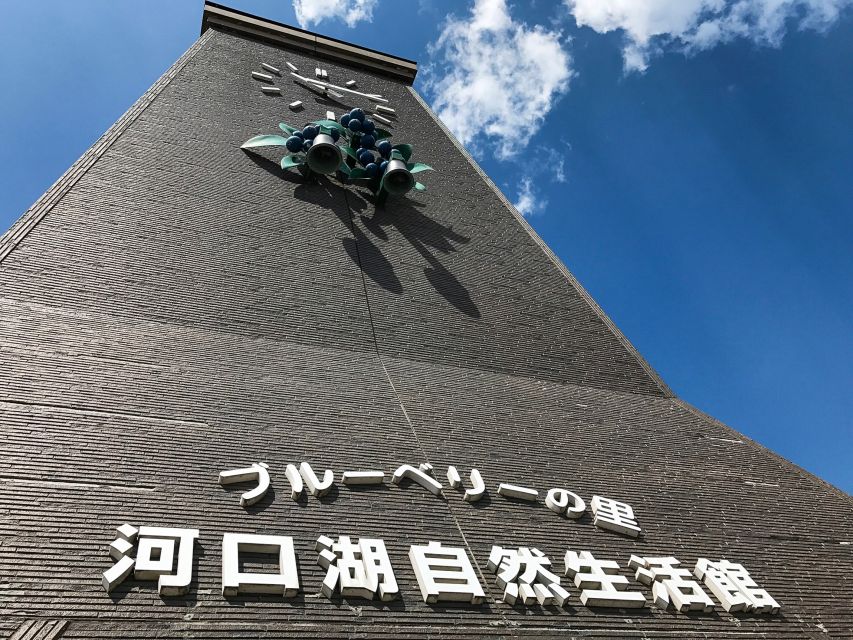
This outing suits you if you have limited time in Tokyo and want to see the main Fuji viewpoints without changing hotels. It is also a good fit for families with older children, couples who want varied photographs, and anyone who prefers a guide and coach to a day of route planning.
You should be comfortable with a long day, changing weather, stairs, and a busy schedule. Children must be accompanied by an adult, and unaccompanied minors are not allowed.
If you have limited mobility, think carefully about Arakurayama. The pagoda viewpoint involves a steep climb and many steps, and the schedule is not designed around slow walking. You may still enjoy the lower parts of the park, but the classic viewpoint is uphill.
Should you book it?
I would book this tour if you want the best chance of seeing Fuji from several settings and you accept that weather controls the result. The lake, pagoda, ponds, and mountain station give the day a satisfying range, while the $68 price keeps the outing reasonable.
Book with sensible expectations. You may spend more time on the road than planned, the 5th Station may be replaced, and Fuji may vanish behind clouds. If you can keep your evening free and bring good walking shoes, warm layers, water, and patience, this is an efficient and well-priced introduction to the Mount Fuji area.
FAQ
How long does the Mount Fuji tour last?
The tour lasts about 10 hours, including the coach journeys between Tokyo and the Fuji area.
Where does the tour depart from?
There are two possible starting areas, around Shinjuku and Tokyo Station. The exact meeting point may vary according to the option booked, so check your booking details carefully.
Is food included?
No. Food and drinks are not included. You have time to buy lunch at Oshino Hakkai.
What languages are available?
The live tour is available in English and Chinese. The listed Chinese options include Mandarin and Cantonese.
Will I definitely see Mount Fuji?
No. Visibility depends on weather, and panoramic views are not guaranteed. Cloud can cover Fuji at one stop and clear at another.
What happens if the road to the 5th Station is closed?
The itinerary may change to the 4th Station, 1st Station, or Yamanakako Hananomiyako Park. In winter, the replacement may include a chance to see a diamond Fuji sunset.
Can I bring luggage or a large bag?
No. Luggage and large bags are not allowed. Children must also be accompanied by an adult.
Newly reviewed around Tokyo
- Tokyo Asakusa:Calligraphy & Make T-shirt Activity★ 5.0 · 62 reviews
- Travel Tokyo with Your Own Personal Photographer★ 5.0 · 43 reviews
- Intercity Shuttle, Tokyo to Haneda /Narita /Yokohama /Makuhari★ 5.0 · 5 reviews
- 1 Hour Travel around Tokyo with a Professional Photographer★ 5.0 · 3 reviews
- Train in Samurai Swordsmanship and Defeat the Demon in Tokyo★ 5.0 · 5 reviews
- Shuttle Van 6hr Tokyo Tour to-and-from Tokyo, Yokohama and Narita★ 5.0 · 9 reviews
- Kickboxing & Body Training with EX-Pro Fighter★ 5.0 · 4 reviews
- Traditional Japanese Knife Sharpening Class★ 5.0 · 18 reviews
Mount Fuji Day Trips from Tokyo, compared.
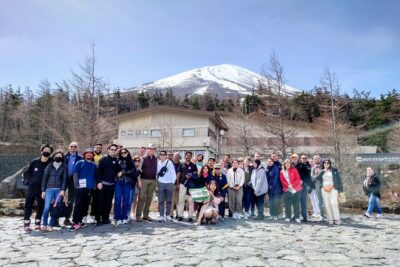
Mt Fuji and Hakone 1-Day Bus Tour Return by Bullet Train
Read our review →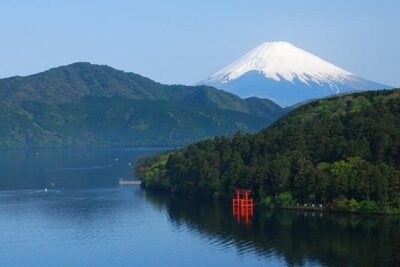
Mt Fuji & Hakone Cruise, Drum Show Bullet Train 1 Day from Tokyo
Read our review →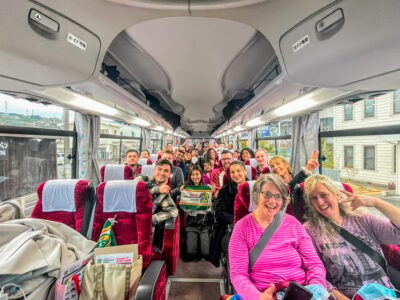
Tokyo Mt Fuji 5th St & Hakone Cruise Bus Tour w/Bullet Train
Read our review →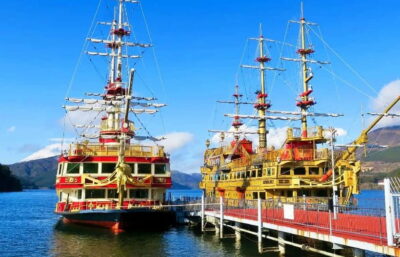
Mt. Fuji Tour, Hakone Ropeway, Owakudani, Lake Ashi
Read our review →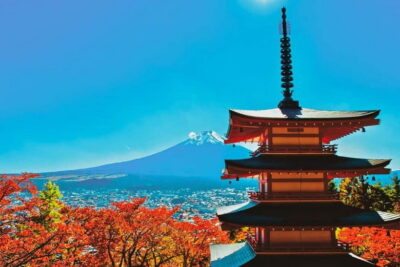
Mt.Fuji,Kawaguchiko Oishi Park,Arakurayama Sengen Park
Read our review →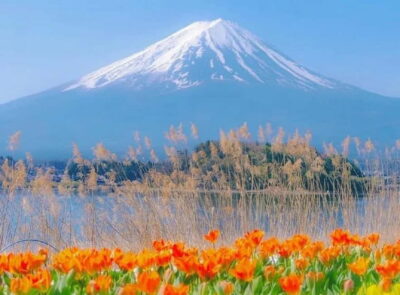
Mt Fuji Top 5 Spots Day Tour: Arakurayama Park,Oshino Hakkai
Read our review →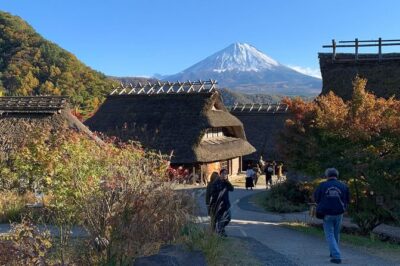
Private Tour to Mt. Fuji and Hakone (Fully Licenced Operator)
Read our review →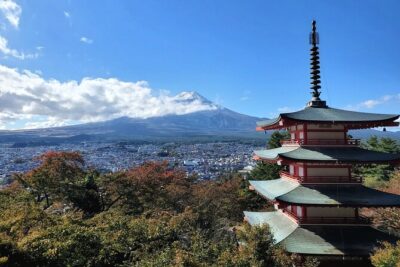
Mount Fuji Full-Day Private Tour from Tokyo (Customizable)
Read our review →Browse the lists this tour appears in