
Reviewed · MOUNT FUJI DAY TRIPS FROM TOKYO
Tokyo: Mt. Fuji Tour, Hakone Ropeway, Owakudani, Lake Ashi
Mt. Fuji is the star here, but the best part is the variety around it. In one long day, you’ll see a lakeside shrine, a volcanic valley, a ropeway, snowmelt ponds, swans, and perhaps Fuji itself rising above the scene. Hakone and the Fuji Five Lakes give you two very different views of Japan’s most famous mountain.
I like the included ropeway fare and the amount of ground this tour covers without asking you to work out several train and bus connections. Guides such as Jack, Kousei, Sato, and Tom are often praised for keeping large groups on time and helping with photos. The main drawback is the pace: stops can be short, lunch may come late, and heavy traffic can turn a 10-hour day into a very long one.
Key points to know
- Lake Ashi’s red Torii gate: Visit Hakone Shrine and photograph the famous gate set in the water, though the gate is closed from December 28 through February 10, 2026.
- Ropeway fare included: The 30-minute ride gives you broad views of Lake Ashi, volcanic Owakudani, and, on a clear day, Mt. Fuji.
- Pirate ship costs extra: The optional 25-minute cruise costs about 1,700 JPY and may be worth it for the lake views.
- Lunch is not included: Bring snacks and water. Depending on traffic, the meal break can be as late as after 2:15 pm.
- Fuji is never guaranteed: Clear winter days can be spectacular, but clouds, rain, wind, and ropeway closures can change the day.
- A full day outside Tokyo: Expect about 10 hours, shared transport, several popular sights, and roughly four hours of total coach travel.
Why this Tokyo to Fuji day trip works
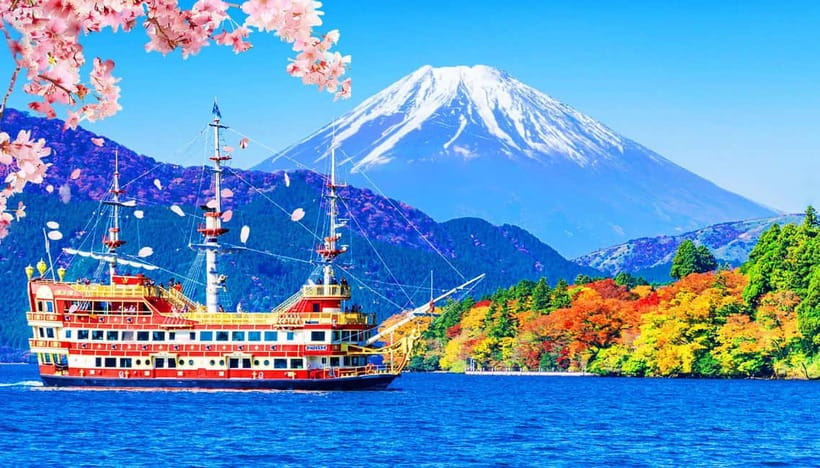
At $54 per person, this is an efficient way to reach places that are awkward to combine independently in one day. You get air-conditioned coach transport, a driver, a multilingual guide, parking fees, and the Hakone Ropeway fare. You do not pay for lunch or the optional Lake Ashi cruise.
That price is especially fair if you want a broad first look rather than a slow visit to one area. You’ll cover Hakone on one side of Mt. Fuji, then travel toward Lake Yamanaka and Oshino Hakkai on the other side. The trade-off is time. You are sampling several places, not settling into one town for hours.
The tour has a rating of 4.7 from about 4,002 ratings, and 87 percent of ratings give the transport a perfect score. The praise tends to center on the guides, organization, and the chance to see Fuji without arranging the route yourself. Jack is often noted for clear English and helpful explanations, while Kousei is especially valued for his friendly manner and skill with group photos. Sato, Tom, Andrew, and Wanting are also names associated with recent departures.
Guide quality matters here. With many stops and a large shared group, you need someone who repeats meeting times, counts people, and explains where to wait. The best guides do exactly that. Still, your guide and vehicle assignment can vary, so book this for the route and structure rather than a particular person.
More Mount Fuji day trips from Tokyo:
- Mt Fuji and Hakone 1-Day Bus Tour Return by Bullet Train
★ 5.0 · 26,383 reviews - Mt Fuji & Hakone Cruise, Drum Show Bullet Train 1 Day from Tokyo
★ 4.0 · 7,413 reviews - Tokyo Mt Fuji 5th St & Hakone Cruise Bus Tour w/Bullet Train
★ 4.4 · 5,024 reviews
Meeting in Tokyo and heading toward Hakone
You begin at one of two designated Tokyo meeting points, near Tokyo Station or Shinjuku Station. The exact point depends on the option you book. Staff wear yellow vests, and you should arrive at least 15 minutes early.
The first coach ride can take about two hours. Tokyo traffic is the wild card, especially during weekends, holidays, and peak seasons. The bus has air conditioning, but comfort can vary. A recent passenger found the seating tight, particularly when a neighboring passenger used more than their share of space. If you are traveling alone, arrive early and pay attention to your assigned seat.
You cannot smoke or eat on the vehicle. That rule matters because the first proper food stop may be much later than you expect. Eat breakfast before meeting the group, and carry water and a snack for the road. Snacks are listed as something to bring, but they must be eaten outside the coach.
Hakone Shrine and the Heiwa no Torii
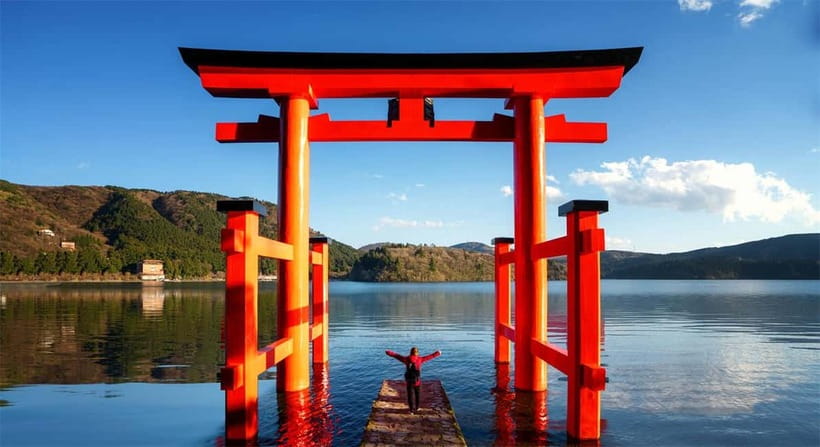
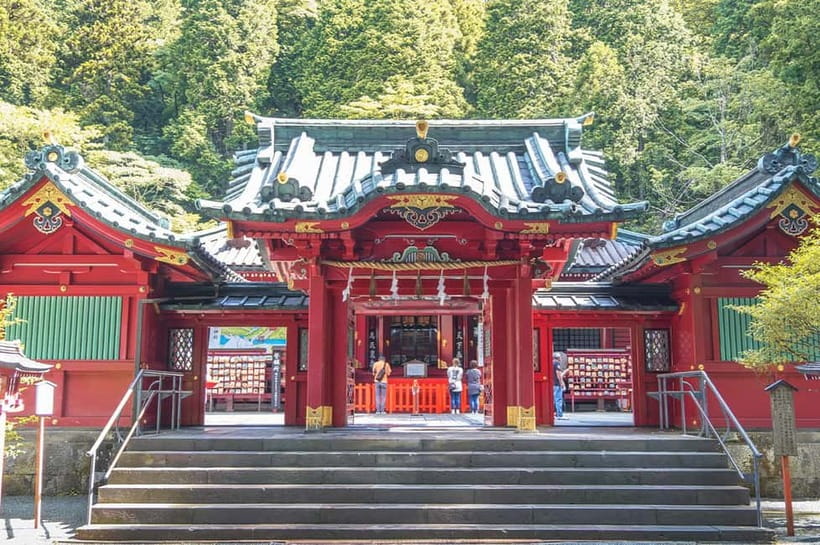
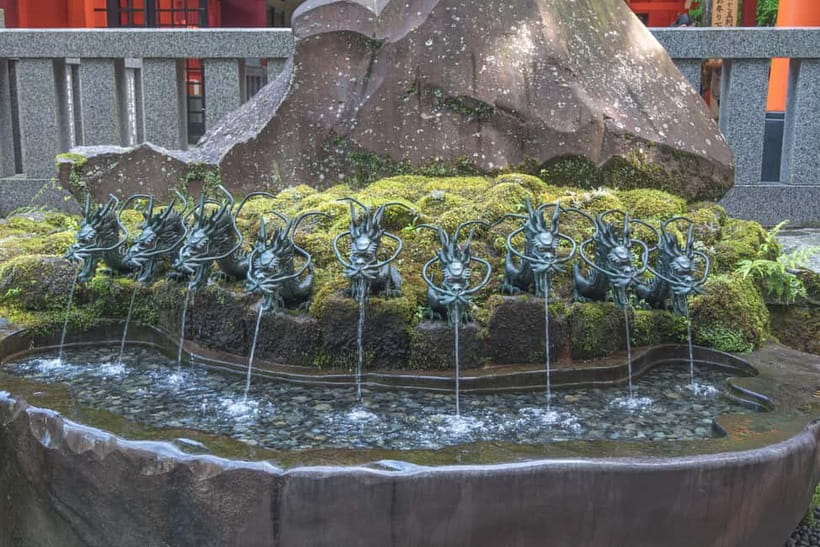
Your first major stop is the Heiwa no Torii, the bright red gate set in Lake Ashi. It belongs to Hakone Shrine, founded in 757, and has become one of the area’s most photographed sights.
You get about 20 minutes at the gate and another 20 minutes around the shrine. That is enough to take photos and get a feel for the setting, but not enough for a leisurely shrine visit, long queues, and a full walk through the grounds. If the photo line is long, you can still take a pleasing picture from nearer the trees and shoreline.
The gate is especially striking because it sits between the dark water and wooded slopes. On clear days, Mt. Fuji may appear beyond Lake Ashi, though the mountain’s visibility depends entirely on the weather. This is also a good place to use the camera you brought, since the scene changes quickly with clouds and light.
The Torii gate is scheduled to be closed from December 28 through February 10, 2026. If your visit falls within those dates, expect the signature photo opportunity to be affected. The shrine itself remains an important stop, but the gate is the reason many people are most eager to visit.
Lake Ashi by pirate ship or road
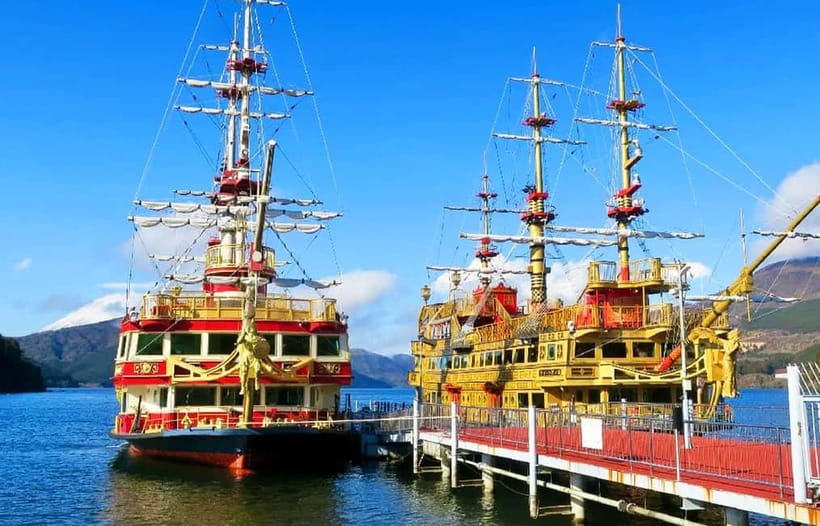
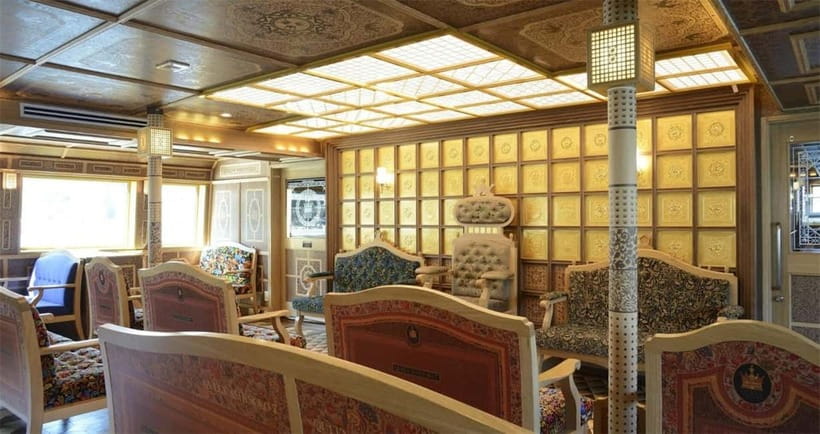
After the shrine, you may take the Hakone Sightseeing Cruise, a roughly 25-minute ride on one of three themed vessels: Royal II, Victory, or Queen Ashinoko. These ships are designed to look like pirate vessels, which is playful rather than traditional, but the scenery is the point.
The cruise gives you moving views of Lake Ashi, the Torii gate, and the surrounding mountains. If the sky is clear, it can be one of the day’s most memorable sections. You pay about 1,700 JPY separately, and the fare is not part of the $54 tour price.
You can also travel by vehicle to Togendai Ropeway Station instead. This is useful if the lake is rough, the boat queue is too long, or you prefer to keep the extra money. But the cruise adds a pleasant change of pace after time on the coach, and the views from the water are different from those at the shrine.
Do not assume the boat is always the right choice. One poor-weather departure offered little to see, and the cruise still cost extra. If fog, rain, or low cloud covers the lake, ask your guide how the timing works before paying.
More Hakone day trips from Tokyo:
- Private Tour to Mt. Fuji and Hakone (Fully Licenced Operator)
★ 5.0 · 1,910 reviews - Mt Fuji & Hakone Cruise, Drum Show Bus 1 Day from Tokyo
★ 4.0 · 1,287 reviews - From Tokyo: Mt. Fuji & Hakone Tour w/ Return by Bullet Train
★ 4.2 · 1,278 reviews - Mt Fuji and Hakone 1-Day Bus Tour Return by Bus
★ 4.5 · 929 reviews
The Hakone Ropeway and volcanic Owakudani
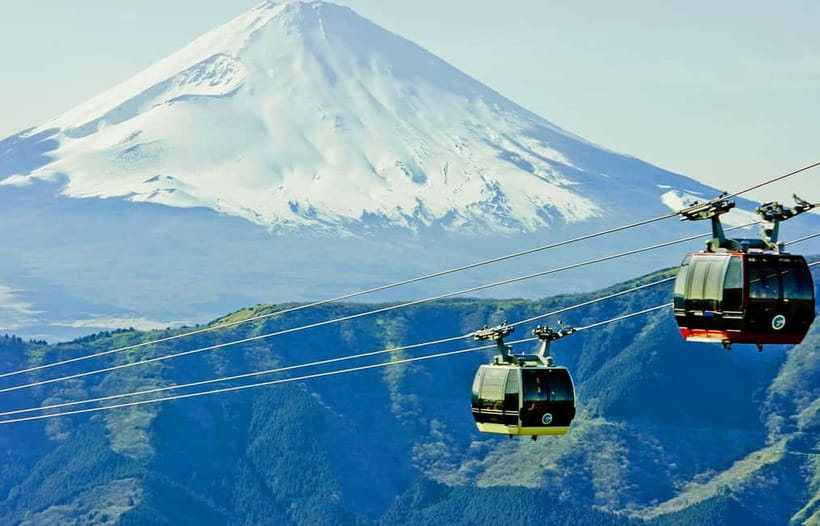
The included Hakone Ropeway is one of the strongest parts of the route. The ride lasts about 30 minutes and links the Hakone area with Owakudani, a volcanic valley formed during a major eruption of Mt. Hakone about 4,000 years ago.
From the cabins, you look across Lake Ashi and the broken volcanic terrain. On clear days, Mt. Fuji can appear in the distance. The ride is not just transport. It gives you a wide view that is hard to get from the road.
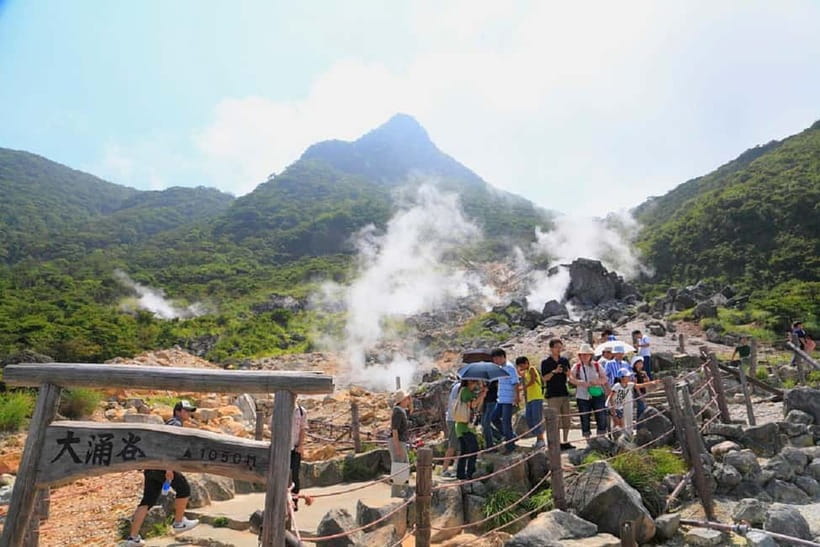
At Owakudani, you have about 50 minutes. The valley has steam vents, sulfurous air, and signs of geothermal activity. The local specialty is the black egg, boiled in volcanic spring water. It is a simple snack, but trying one makes the stop feel tied to the place rather than just another photo break.
The air around volcanic vents can be strong, and this is one reason the activity is not suitable for people with respiratory problems. It is also a poor match for anyone with serious mobility limits, since the day includes several walking areas, boarding points, and crowded attractions.
The ropeway can close because of bad weather or maintenance. If that happens, the operator says you can request a 1,000 JPY per-person ticket refund by email. Bad weather can also remove the Fuji view, so think of the ropeway as a worthwhile ride even when the mountain stays hidden.
Lake Yamanaka and the Swan Lake Shore
The next stop shifts the focus from Hakone to the Fuji Five Lakes. At Lake Yamanaka, you visit the Swan Lake Shore for about 20 minutes.
Swans gather here, and the shoreline gives you a chance to photograph them with Mt. Fuji behind them. It is a simple photo stop, not a long nature walk. If your group is behind schedule, this stop may be shortened or the swan-feeding time may be skipped.
That matters because the day has little spare time. Traffic on the roads around Fuji can be heavy, and a slow queue at the cruise or ropeway can affect later stops. Enjoy the swans if you can, but do not expect a quiet half-day by the lake.
Oshino Hakkai and Mt. Fuji’s snowmelt ponds
Oshino Hakkai is the final sightseeing stop before the return to Tokyo. The site has eight clear ponds fed by snowmelt from Mt. Fuji. The water and mountain views give you a calmer finish after the steam and crowds of Owakudani.
You have about 40 minutes here, enough for photos and a short walk among the ponds. Look for reflections in the water, then take time to see the small village setting around the site. This is one of the better places to appreciate how Fuji shapes the local countryside, not just the skyline.
The mountain may be the main reason you booked, but Oshino Hakkai gives the day a useful contrast. At Hakone, you see volcanic activity and a large lake. Here, you see clear water linked to Fuji’s snowmelt. If clouds hide the summit, the ponds still provide something worthwhile to photograph.
Food, timing, and the long ride home
Lunch is not included, and the timing deserves careful planning. The stated break is about 40 minutes at a local restaurant, but traffic and queues can push lunch later. On some departures, the meal has not arrived until after 2:15 pm.
Have breakfast before the meeting time. Bring a snack and water, and do not count on eating on the coach. You may buy food at the attractions or follow the restaurant suggestion from your guide. Some people enjoy the optional local meal, including a Wagyu beef choice on certain arrangements, but you should confirm the cost and menu with the guide.
After Oshino Hakkai, the coach ride back to Tokyo takes about two hours in normal conditions. The full day usually runs around 10 hours from morning meeting to evening drop-off. Do not schedule a theater reservation, airport transfer, or important dinner immediately afterward. The driver’s legal daily working limit is 10 hours, and traffic or unexpected delays may force changes to the route.
Weather, crowds, and the pace of the day
Mt. Fuji visibility is never promised. Winter can offer crisp air and superb views, and several recent February departures had cloudless skies. But another departure had poor weather and almost no useful views from the boat. This is not a flaw the operator can fix.
Crowds are another practical issue. The meeting point can feel chaotic when many tour groups gather in one place. The pirate ship and ropeway may also have long queues. Stay close to your guide, note the meeting time, and keep your phone charged in case the group needs to contact you.
The pace is brisk. You might have only 20 minutes at the shrine, 50 minutes at Owakudani, and 40 minutes at Oshino Hakkai. Some people like this efficient rhythm because it lets them see many famous places. If you prefer long café stops, detailed shrine visits, or quiet walks, you may find the schedule too tight.
Who should book this tour
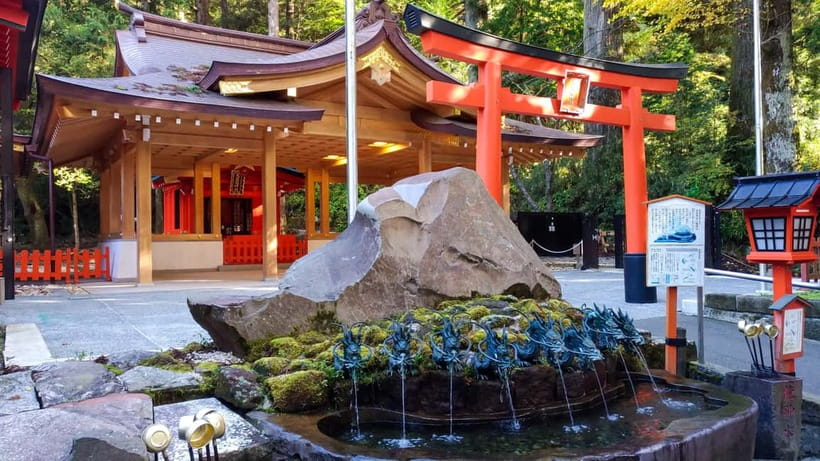
I would choose this tour if you have one free day in Tokyo and want a broad introduction to Hakone and the Fuji area. It suits first-time visitors, solo visitors who prefer organized transport, and anyone who wants a guide to handle directions, parking, and changing road conditions.
It also works well for photographers, provided you accept that weather controls the best subject. Guides may help with photos, and the route offers several strong compositions: the Torii gate, Fuji over Lake Ashi, the ropeway, black eggs, swans, and Oshino Hakkai’s ponds.
I would hesitate if you have limited mobility, respiratory problems, or little patience for crowded shared tours. I would also skip it if you need a guaranteed Fuji view or a relaxed lunch. The route is ambitious, and the bus time is substantial.
Free cancellation is available up to 24 hours before departure, and you can reserve now and pay later. That helps if your Tokyo plans are still moving, but check the meeting point and guide details in your inbox, including the spam folder, the evening before.
Should you book it?
Book it if value means seeing many major sights in one organized day. For $54, the included ropeway, coach, guide, and parking make the price attractive, even after adding food and the optional 1,700 JPY cruise.
Skip it if you want depth, flexibility, or a slow day around one lake. My practical choice would be to book it, eat a solid breakfast, bring snacks, keep expectations flexible about Fuji, and pay for the pirate ship only if the weather and queue make the ride worthwhile.
FAQ
How long is the Tokyo Mt. Fuji and Hakone tour?
The tour lasts about 10 hours, including the morning departure from Tokyo, sightseeing, and the evening return. Traffic, weather, queues, and other conditions can change the total time.
Where does the tour meet?
There are two possible designated meeting areas, near Tokyo Station or Shinjuku Station. The exact meeting point depends on the option booked.
How early should I arrive?
Arrive at least 15 minutes before departure. Staff at the meeting point wear yellow vests.
Is the Hakone Ropeway included?
Yes. The Hakone Ropeway fare is included in the tour price. If bad weather or maintenance closes the ropeway, a 1,000 JPY per-person ticket refund can be requested by email.
Does the tour include the Lake Ashi pirate ship?
No. The pirate ship is optional and costs about 1,700 JPY separately. The cruise lasts about 25 minutes.
Is lunch included?
No. Food and drinks are not included. You can bring food, buy something at the attractions, or eat at a restaurant suggested by the guide.
Can I see Mt. Fuji on this tour?
You may see Mt. Fuji from Lake Ashi, the ropeway, Lake Yamanaka, and Oshino Hakkai, but visibility depends on the weather and is not guaranteed.
Is the Torii gate at Hakone Shrine always open?
No. The Torii gate is scheduled to be closed from December 28 through February 10, 2026.
What languages are available?
Live guiding is available in Chinese, English, and Japanese.
Is the tour suitable for people with mobility or respiratory issues?
The activity is not suitable for people with mobility impairments or respiratory issues. It includes walking, boarding transport, the ropeway, and a visit to the volcanic area at Owakudani.
Newly reviewed around Tokyo
- Tokyo Asakusa:Calligraphy & Make T-shirt Activity★ 5.0 · 62 reviews
- Intercity Shuttle, Tokyo to Haneda /Narita /Yokohama /Makuhari★ 5.0 · 5 reviews
- 1 Hour Travel around Tokyo with a Professional Photographer★ 5.0 · 3 reviews
- Travel Tokyo with Your Own Personal Photographer★ 5.0 · 43 reviews
- Train in Samurai Swordsmanship and Defeat the Demon in Tokyo★ 5.0 · 5 reviews
- Shuttle Van 6hr Tokyo Tour to-and-from Tokyo, Yokohama and Narita★ 5.0 · 9 reviews
- Kickboxing & Body Training with EX-Pro Fighter★ 5.0 · 4 reviews
- Traditional Japanese Knife Sharpening Class★ 5.0 · 18 reviews
Mount Fuji Day Trips from Tokyo, compared.
Mt Fuji and Hakone 1-Day Bus Tour Return by Bullet Train
Read our review →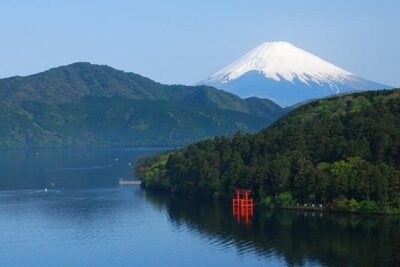
Mt Fuji & Hakone Cruise, Drum Show Bullet Train 1 Day from Tokyo
Read our review →
Tokyo Mt Fuji 5th St & Hakone Cruise Bus Tour w/Bullet Train
Read our review →
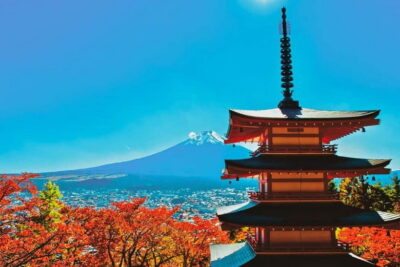
Mt.Fuji,Kawaguchiko Oishi Park,Arakurayama Sengen Park
Read our review →
Mt Fuji Top 5 Spots Day Tour: Arakurayama Park,Oshino Hakkai
Read our review →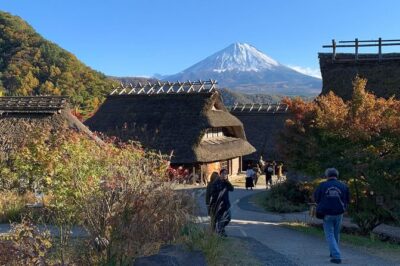
Private Tour to Mt. Fuji and Hakone (Fully Licenced Operator)
Read our review →
Mount Fuji Full-Day Private Tour from Tokyo (Customizable)
Read our review →Browse the lists this tour appears in