
Reviewed · ASAKUSA AND SENSOJI TOURS
From Asakusa: Old Tokyo, Temples, Gardens and Pop Culture
Tokyo’s past and present meet on this four-hour walk from Asakusa to Akihabara, with a quiet Edo-era garden added at the end. You begin at Senso-ji, pass through Ueno and Okachimachi, ride local trains as needed, and finish among anime shops and old-style garden paths.
I like the way this tour links neighborhoods instead of treating each sight as an isolated stop. I also like that the guide explains how Asakusa, Ueno, and Akihabara changed over time, giving you a clearer picture of Tokyo than a temple visit alone. The main drawback is pace: five areas in four hours means short visits and plenty of walking.
Key points at a glance
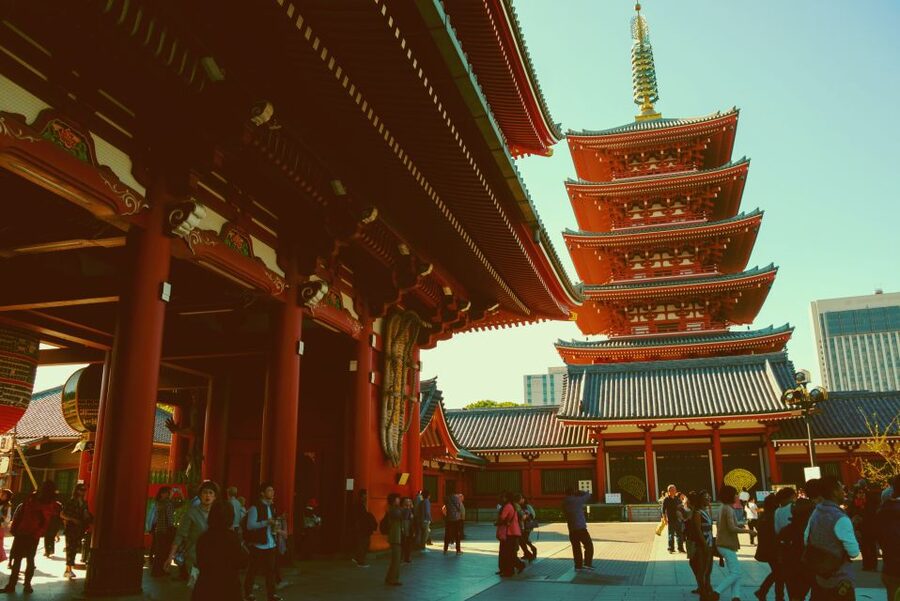
- Senso-ji with context: Spend time at Tokyo’s best-known Buddhist temple with an English-speaking guide who explains its place in Asakusa.
- Ueno and Okachimachi beyond museums: See a working market district with street vendors, food stalls, and small shops rather than only polished department stores.
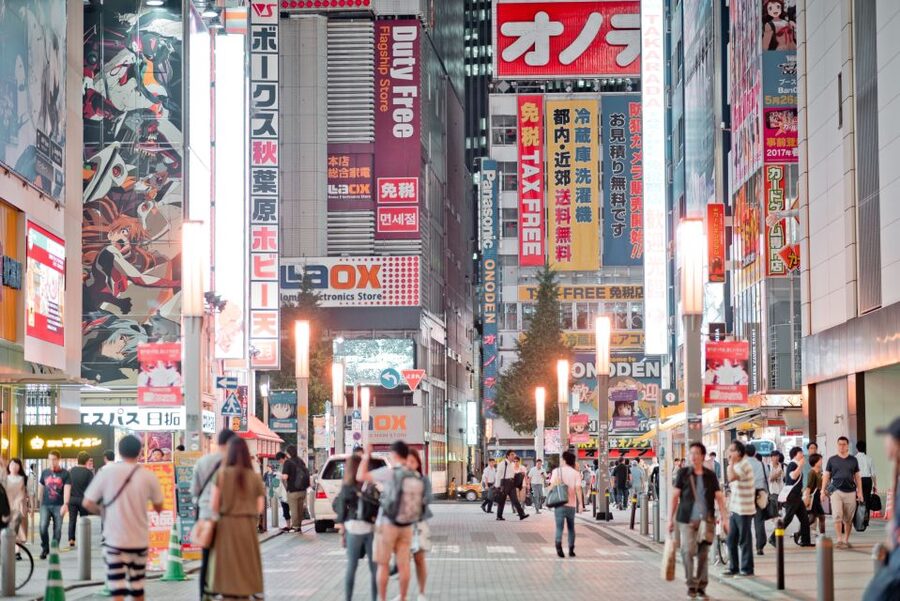
- Akihabara’s changing identity: Learn how an electronics district became a center for anime, manga, gaming, and cosplay.
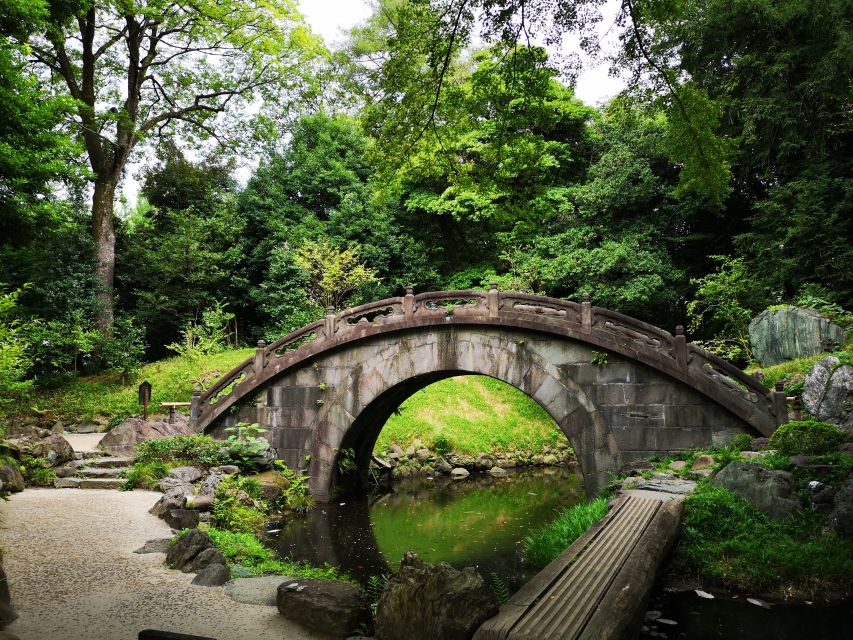
- Koishikawa Korakuen’s calm finish: Leave the neon behind for a traditional garden shaped by Edo-period taste.
- Small group format: The group is limited to eight people, and standard admissions plus local train rides are covered.
- Good guide reports: Guides named in past bookings include Taka, Takee, Toru, and Michelle, with Michelle noted as fluent in Italian as well as English.
Why this East Tokyo route works
Many Tokyo tours stay in one district. This one makes a different choice. It treats East Tokyo as a sequence of changes: religious center, marketplace, consumer district, pop-culture zone, and formal garden.
That structure gives you useful background as you walk. Asakusa shows the city’s older public face. Ueno and Okachimachi bring you into everyday commerce. Akihabara shows how technology and entertainment reshaped a neighborhood. Koishikawa Korakuen then offers a sharp change of mood.
I like that contrast. Tokyo can feel like a collection of unrelated scenes if you only move from one famous sight to the next. Here, the guide helps connect the dots. You see not just what each area looks like, but how its role has shifted.
The four-hour length is both a strength and a limit. It is long enough to cover a broad slice of East Tokyo, yet short enough to fit into a busy schedule. But you will not get an extended museum visit, a long shopping session, or an unhurried exploration of every temple corner. Think of it as a guided orientation with several substantial stops.
More Asakusa and Sensoji tours:
- Tokyo: Japanese Dance Cabaret Theater Asakusa-Kaguwa Ticket
★ 4.8 · 2,270 reviews - Tokyo: Meiji Shrine, Asakusa, Skytree Bus Tour and Cruise
★ 4.7 · 1,986 reviews - Tokyo: Roll and Authentic Sushi Making Class in Asakusa
★ 4.9 · 1,957 reviews
Starting in Asakusa at Kamiya Bar
The meeting point is Kamiya Bar in Asakusa, a practical place to begin because the opening section keeps you near one of Tokyo’s most historic temple districts. You should arrive in comfortable shoes. The route is built around walking, even though local train rides are included where needed.
Asakusa is often introduced through Senso-ji, but the area is larger than its famous gate and temple hall. The tour gives you about 45 minutes to look at the district, which allows the guide to explain how its streets, shops, and religious sites fit together.
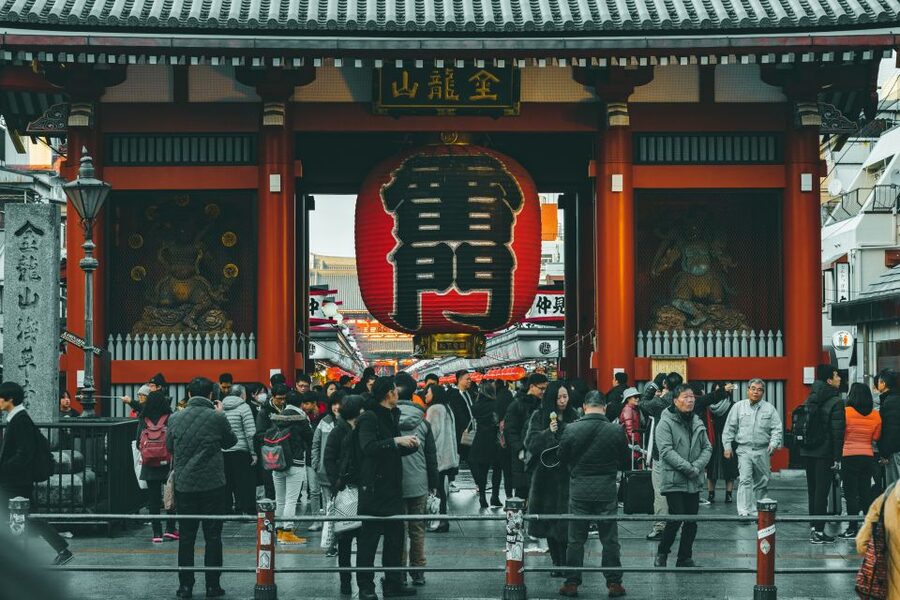
This is one of the best places in Tokyo to see old customs operating alongside modern city life. The approach to the temple is lined with Nakamise-dori, a shopping street that leads toward Senso-ji. It can be busy, so stay close to your guide and expect a steady flow of people.
The guide’s role matters here. Without context, Asakusa can become a quick photo stop: red gates, incense, souvenirs, and crowds. With an explanation of the temple’s age and importance, the visit has more meaning. You learn why this district became such an early center of Tokyo life and how its identity has continued into the present.
Senso-ji and the older face of Tokyo
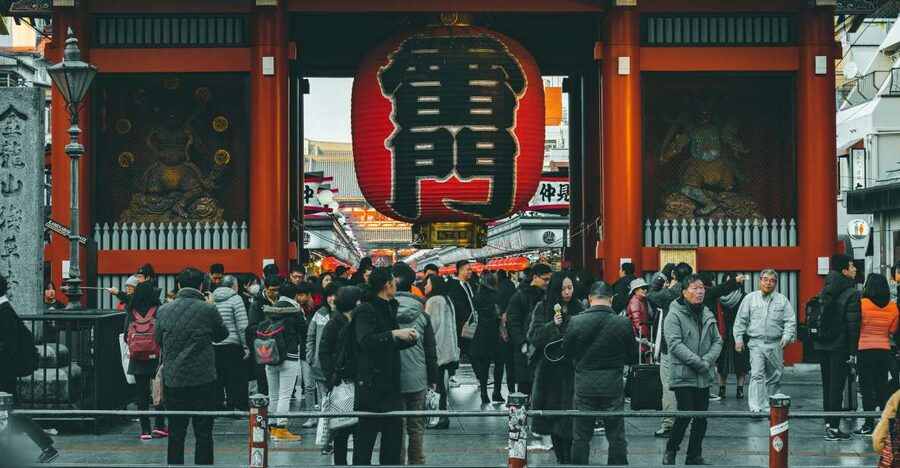
The dedicated Senso-ji section lasts about 15 minutes. That may sound brief, but it is part of a longer Asakusa visit rather than the whole stop.
Senso-ji is an early Buddhist temple in Japan, and the guide explains its background while you view the temple grounds. The value here is not simply seeing a famous building. It is understanding why Asakusa became such an important place for worship, commerce, and public life.
You should be ready for a busy setting. Senso-ji is not a quiet retreat during the main part of the day. If you want long periods of silence or careful architectural study, this tour will feel too quick. If you want a clear introduction before exploring alone, the timing works well.
The shopping street also gives you a chance to see the connection between religion and commerce. Traditional snacks, souvenirs, and local goods sit along the route to the temple. Food and drinks are not included, so any purchases here are your responsibility.
Ueno and Okachimachi: Tokyo with its sleeves rolled up
From Asakusa, the route continues toward Ueno. The connection is especially interesting because Asia’s first subway service ran between Asakusa and Ueno. The tour uses local trains, and standard train costs are included, giving you a practical sense of how these districts connect.
Ueno receives about 25 minutes of guided sightseeing. It is known for museums and cherry blossoms, but this tour uses it as part of a wider story about East Tokyo. The guide can help you see Ueno not just as a park or cultural stop, but as a district linked to movement, trade, and public life.
The next 25-minute section in Okachimachi shifts the mood again. For generations, this area has been filled with street vendors and shops selling goods and food. Its appeal is its everyday feel. You are not being led through a polished shopping complex designed to look the same in every city.
I especially like this part for the contrast with Asakusa. Asakusa presents a carefully preserved traditional image. Okachimachi feels more practical and workaday. The two areas are close, yet they show different sides of Tokyo.
You should not expect a long market meal or a full food tour. Food and drinks are excluded, and the time is limited. Still, the stop gives you a useful look at how commerce works at street level. If you prefer local markets to luxury retail, this may be one of the tour’s most rewarding sections.
A completely different kind of day in Tokyo:
- Mt Fuji and Hakone 1-Day Bus Tour Return by Bullet Train
★ 5.0 · 26,383 reviews - 1-Day Tokyo Bus Tour
★ 5.0 · 14,250 reviews - Tokyo: teamLab Planets TOKYO Digital Art Museum Entry Ticket
★ 4.6 · 9,779 reviews - Mt Fuji & Hakone Cruise, Drum Show Bullet Train 1 Day from Tokyo
★ 4.0 · 7,413 reviews
Akihabara, from electronics to otaku culture
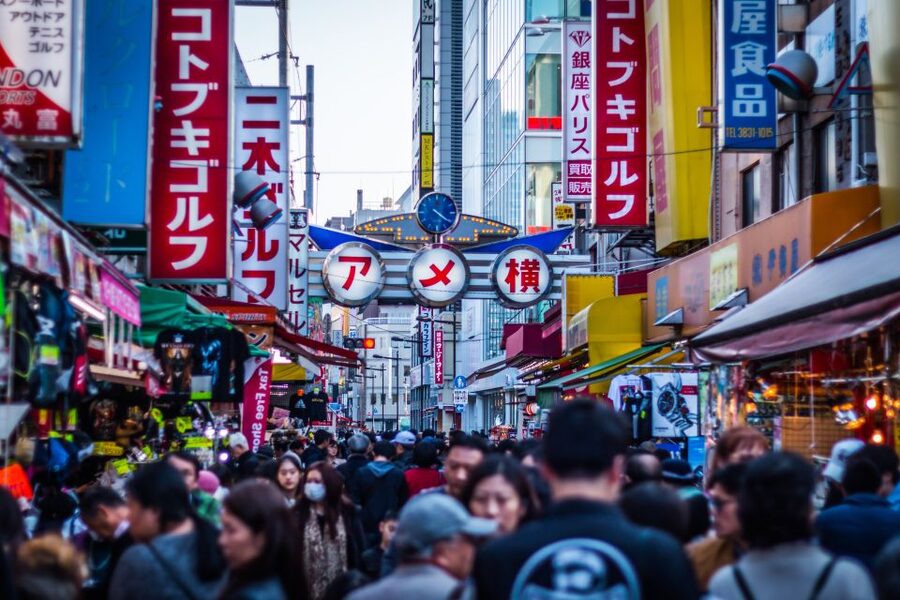
Akihabara receives about 45 minutes, enough time to understand the district but not enough for serious shopping. The area has been associated with electronics since before the war. Over time, it became known for anime, manga, gaming, and other parts of otaku culture.
The guide explains this change rather than presenting Akihabara as a collection of neon signs. That background is useful because the district can appear confusing at first. Electronics stores, game centers, anime shops, themed businesses, and colorful signs all compete for attention.
You may also see cosplayers and promotional activity on the streets. The tour presents Akihabara as a place where entertainment culture spills into daily city life. It is a good stop for families, pop-culture fans, and anyone curious about how a technology district took on a new identity.
The tradeoff is that Akihabara rewards independent wandering. Forty-five minutes with a guide gives you a strong first look, but you will not have time to browse every floor of every shop. If you already know exactly which electronics or anime stores you want, you may prefer to return later on your own.
For first-time visitors, though, the guide can save you from seeing only the surface. The useful question is not just what is for sale, but why this neighborhood became a global reference point for Japanese pop culture.
Koishikawa Korakuen and a quieter final hour
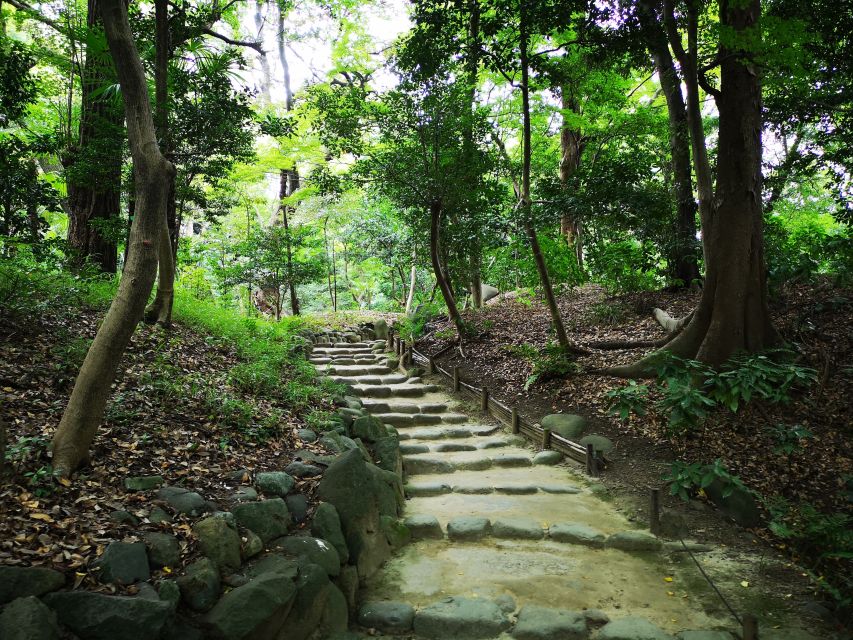
Koishikawa Korakuen receives about 45 minutes, with scenic views along the way. Its traditional Japanese garden provides the route’s strongest change of pace.
After the temple crowds, market streets, train ride, and electronic signs, the garden offers open space and slower movement. Its design reflects Edo-era taste, with paths and views arranged to create changing scenes as you walk. The guide can point out how the garden differs from the districts you have just visited.
Season affects this stop. Cherry blossoms make spring especially attractive, while autumn brings strong red and gold colors. The garden is still worthwhile outside those periods, but the visual character changes with the calendar.
This final stop is more than a pleasant ending. It reminds you that Tokyo’s older traditions were not erased by urban growth. They survive in carefully maintained gardens, temples, markets, and neighborhood customs.
The schedule gives you enough time for a proper look, though not a long, reflective stroll. If gardens are your main reason for visiting Tokyo, you may want to return separately. On this tour, the garden works best as a calm counterpoint to Akihabara.
The guide makes the difference
The tour is conducted in English and limited to eight participants. That small-group size should make it easier to ask questions and hear explanations while moving through busy areas.
Guide quality appears to be a major strength. Taka has been described as engaging and informative, and Takee is noted for making the experience fun for children. One family’s outing included a pub stop and origami, although you should not treat those extras as guaranteed parts of the tour.
Toru has been described as especially kind and attentive, with the feel of a travel companion rather than someone simply reciting facts. Michelle is noted as a professional guide who also speaks Italian fluently. Your guide may be someone else, but these names show the range of people who have led the experience.
The best guides on a route like this do more than list dates and names. They explain why the neighborhoods feel different and help you notice details that would otherwise pass quickly. That matters most in Okachimachi and Akihabara, where the story is less obvious than at Senso-ji.
What the $68 price covers
At $68 per person, the tour offers solid value if you want a broad introduction to East Tokyo. The price includes the guide, standard admissions, and local train rides used during the tour.
Koishikawa Korakuen admission is covered as part of the standard tour costs. The Tokyo National Museum is not included if you choose to add it, and the route does not include food or drinks.
The value comes from the range of places covered rather than from long visits at one attraction. You are paying for a guide who organizes the route, gives historical and cultural context, and handles the transitions between districts. The included train rides also keep you from paying small transport costs along the way.
The price is less attractive if you want free time. You may feel hurried if your priority is shopping in Akihabara, eating in Okachimachi, or photographing every part of Senso-ji. In that case, use this tour as an introduction and return to your favorite area afterward.
Who will enjoy this tour most
I would recommend this route to first-time Tokyo visitors who want to understand how several East Tokyo districts fit together. It is also a good match for families, since the range of sights keeps the day moving and the small group allows more personal attention.
Pop-culture fans will appreciate the Akihabara section, but the tour is not only for anime and gaming enthusiasts. Temple visitors, market browsers, garden lovers, and anyone interested in city change all get a meaningful stop.
The tour may suit you less if you have limited walking ability, although it is listed as wheelchair accessible. You should still check current route conditions and be prepared for crowded streets, station movement, and uneven conditions around older sites.
You should also choose your starting time with care. Availability varies, and the districts can feel very different depending on how busy they are. Comfortable shoes are essential.
Should you book this East Tokyo walk?
Book it if you want a compact, guided explanation of Tokyo’s older districts and newer pop-culture identity. The route is unusually varied: Senso-ji, Nakamise-dori, Ueno, Okachimachi, Akihabara, and Koishikawa Korakuen each bring a different mood.
I especially recommend it early in your Tokyo stay. The guide can help you decide which neighborhoods deserve a longer return visit. You will also gain useful context before exploring the city alone.
Skip it if you prefer to spend four hours in one museum, shop at your own speed, or linger over a meal. The pace is purposeful, and the five areas require some discipline.
For $68, a small group of up to eight, included local transport, and a guide-led look at both old and new Tokyo, it is a sensible choice for curious first-time visitors. Just wear good shoes and accept that the tour gives you a well-shaped introduction, not unlimited time at every stop.
FAQ
How long does the Tokyo tour last?
The tour lasts four hours.
Where does the tour meet?
The meeting point is Kamiya Bar in Asakusa, at 1-chōme-1-1 Asakusa.
Which places are included?
The route includes Asakusa, Senso-ji Temple, Ueno, Okachimachi, Koishikawa Korakuen, and Akihabara.
Is transportation included?
Standard local train rides used during the tour are included.
Is the Tokyo National Museum included?
No. Admission to the Tokyo National Museum is not included if you choose to visit it.
What language is the tour offered in?
The live tour guide speaks English. Michelle, one of the guides associated with the experience, is also noted as fluent in Italian.
Newly reviewed around Tokyo
- Tokyo Asakusa:Calligraphy & Make T-shirt Activity★ 5.0 · 62 reviews
- Intercity Shuttle, Tokyo to Haneda /Narita /Yokohama /Makuhari★ 5.0 · 5 reviews
- 1 Hour Travel around Tokyo with a Professional Photographer★ 5.0 · 3 reviews
- Travel Tokyo with Your Own Personal Photographer★ 5.0 · 43 reviews
- Shuttle Van 6hr Tokyo Tour to-and-from Tokyo, Yokohama and Narita★ 5.0 · 9 reviews
- Kickboxing & Body Training with EX-Pro Fighter★ 5.0 · 4 reviews
- Train in Samurai Swordsmanship and Defeat the Demon in Tokyo★ 5.0 · 5 reviews
- Traditional Japanese Knife Sharpening Class★ 5.0 · 18 reviews
Asakusa and Sensoji Tours, compared.
Japanese Dance Cabaret Theater Asakusa-Kaguwa Ticket
Read our review →
Meiji Shrine, Asakusa, Skytree Bus Tour and Cruise
Read our review →
Roll and Authentic Sushi Making Class in Asakusa
Read our review →
Asakusa Walking Tour with Sensoji Temple Visit
Read our review →
Tokyo Panoramic 1 Day: Meiji Shrine, Asakusa, Odaiba and SKYTREE®
Read our review →
Tokyo Go Kart: Asakusa, Skytree, and Akihabara **IDP MUST**
Read our review →
Asakusa, Skytree & Akhihabara Go-Kart City Experience
Read our review →Browse the lists this tour appears in