
Reviewed · TOKYO TEA CEREMONY EXPERIENCES
Authentic Japanese tea tasting session: sencha, matcha, gyokuro
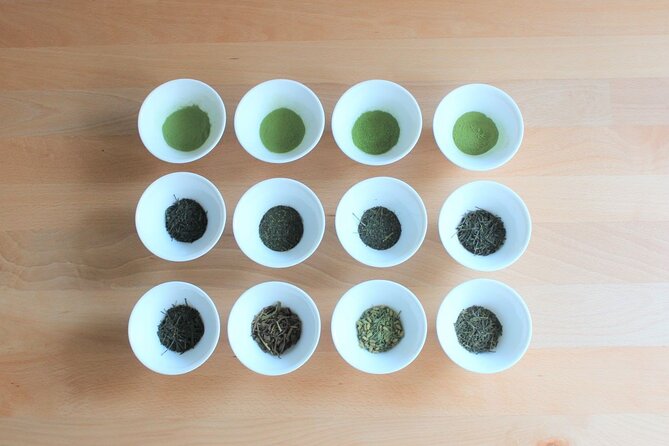
The most useful part of this Tokyo tea experience is the side-by-side tasting of 12 Japanese teas. Sencha, matcha, gyokuro, and other styles are not treated as one green-tea blur. You learn how growing methods, processing, region, and brewing temperature change what reaches your cup.
I like the clear teaching style and the small group limit of four. Yosuke explains each tea in an orderly way, and the nine-page handout gives you something useful to follow while tasting. The one drawback is that this is a lesson and tasting, not a traditional tea ceremony, so anyone seeking formal rituals should choose a different activity.
Key points at a glance
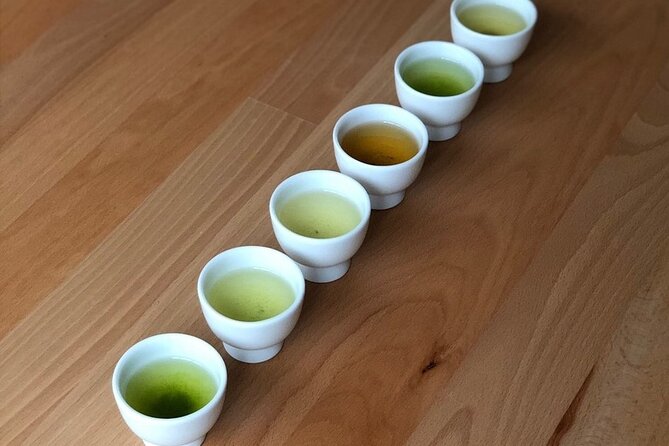
- Twelve teas in one sitting: Compare everyday Japanese tea with premium selections that can be unusual even for local drinkers.
- Sencha, matcha, and gyokuro: Learn what separates these familiar names, rather than simply sampling them without context.
- Yosuke’s structured instruction: Tea preparation, production, history, planting regions, and brewing temperatures all have a place.
- Small groups of up to four: The format leaves room for questions and personal guidance.
- A 90-minute afternoon session: The start time is 1:30 pm, and the activity returns you to its meeting point.
- A lesson, not a tea ceremony: The focus is taste, farming, processing, and history rather than formal performance.
What the Tokyo tea tasting actually offers
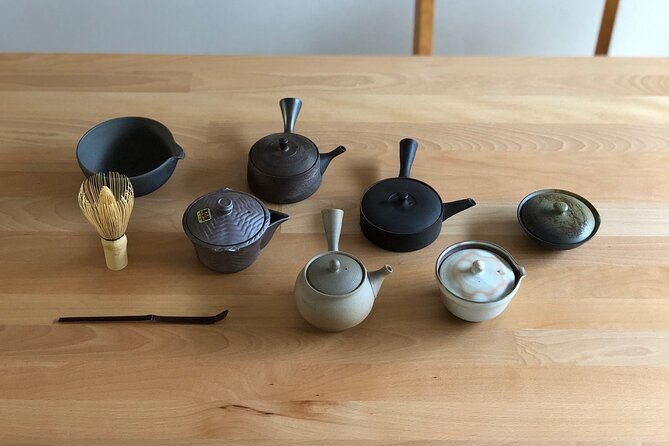
At ShiZen Tea Experience, you spend about 90 minutes learning how Japanese tea differs from cup to cup. The goal is not to rush through a long list of samples. It is to give you a working picture of Japanese tea, from ordinary daily drinks to high-end leaves.
That distinction matters. Many visitors know matcha because it appears in sweets, cafés, and ceremonial settings. Sencha is often the everyday Japanese green tea people encounter at restaurants. Gyokuro is less familiar, and its production gives it a very different character and price.
Here, you taste these styles alongside other Japanese teas. That comparison is the heart of the experience. One cup may be light and familiar, while another brings out stronger savory notes or a more concentrated flavor. You are guided toward the differences instead of being left to guess why one tea costs more than another.
The exact tasting lineup may vary. The experience is described as featuring 12 teas, while one account of a session refers to nine. I would treat the number as a useful guide rather than a promise that every sitting will contain an identical set of samples.
More Tokyo tea ceremonies:
- Matcha Making Class in Tokyo with Authentic Japanese Sweets Set
★ 5.0 · 744 reviews - Tokyo: Traditional Tea Ceremony with a Tea Master
★ 5.0 · 528 reviews - Dynamic Tokyo: Tokyo Tower, Tea Experience, Bay Cruise Day Tour
★ 4.5 · 521 reviews
Starting in Morishita at 1:30 pm
The meeting point is ShiZen Tea ExperienceJapan at 2-28-3 Morishita, Koto City, Tokyo, in Morishita TM Mansion 202. The activity begins at 1:30 pm and finishes back at the same location.
Morishita is in eastern Tokyo, and the meeting point is near public transportation. You will need to allow time to find the building and room, since the address includes an apartment-style location, room 202. The supplied information does not name a specific station or give step-by-step directions, so check the exact route before setting out.
An afternoon start works well in a Tokyo itinerary. You can visit another part of the city in the morning, then spend a quiet block of time with tea. The session is short enough to fit around dinner plans, but focused enough that it does not feel like a quick tasting squeezed between major sights.
Because the group can have no more than four people, the setting should feel more like a private lesson than a large public class. That is especially helpful if you want to ask why one tea is brewed at a certain temperature or how a premium tea differs from a daily one.
Learning the family tree of Japanese tea
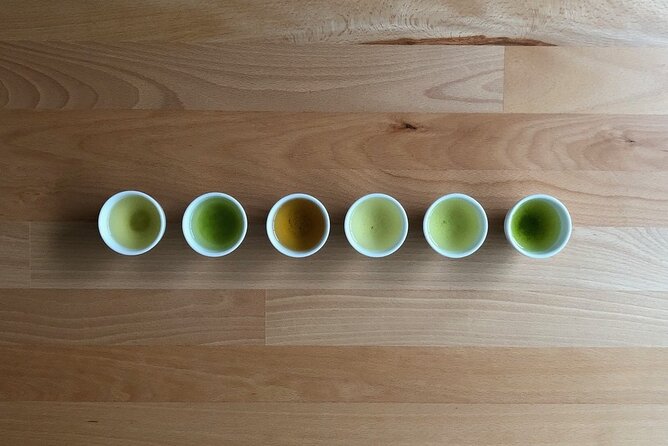
The session begins with the basics: what Japanese green tea is, how it is made, and how its history shaped the styles you drink today. You are not expected to arrive already knowing the terminology.
The teaching moves beyond names. Each tea comes with an explanation of its production and historical background. You learn how the leaves are grown and processed, and how those choices affect the finished drink.
Regional difference is also part of the lesson. The information provided does not list every growing area or assign a fixed region to each sample, so you should not expect a detailed map-based tour. You can expect the broader idea that Japanese tea changes according to where and how it is produced.
That context makes the tasting more useful. Without it, a premium tea can simply taste expensive. With it, you can start to notice why a tea has a different aroma, strength, texture, or aftertaste.
Sencha, matcha, and gyokuro side by side
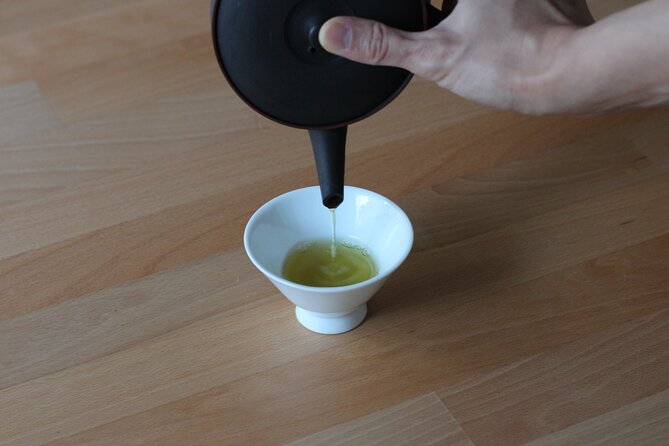
Sencha is a good starting point because it is familiar as an everyday Japanese tea. You can use it as a reference while comparing the other styles.
Matcha changes the experience because you consume finely ground tea rather than steeping leaves and removing them. The activity explains what matcha is and places it within the wider Japanese tea family. Do not expect this part to become a formal tea ceremony. The focus remains on taste, preparation, and production.
Gyokuro gives the tasting a premium edge. It is included as one of the high-end teas, and the session uses premium samples that may be special even for people who live in Japan. This is one of the strongest reasons to book the class if you already drink green tea at home but rarely have access to top-grade Japanese examples.
The value comes from contrast. Tasting one tea in isolation can leave you unsure what you are meant to notice. Moving from daily tea to premium tea in the same sitting gives you a clearer point of reference.
More Tokyo food tours:
- Tokyo: Shinjuku Food Tour (13 Dishes at 4 Local Eateries)
★ 5.0 · 6,603 reviews - Tokyo Tsukiji Fish Market Food and Culture Walking Tour
★ 5.0 · 3,184 reviews - Tokyo: Shinjuku Food Tour (15 Dishes and 4 Eateries)
★ 4.9 · 2,033 reviews - Best of Shinjuku: Izakaya Food Tour (4 Stops, 14+ Tastings)
★ 5.0 · 1,863 reviews
The practical art of brewing temperature
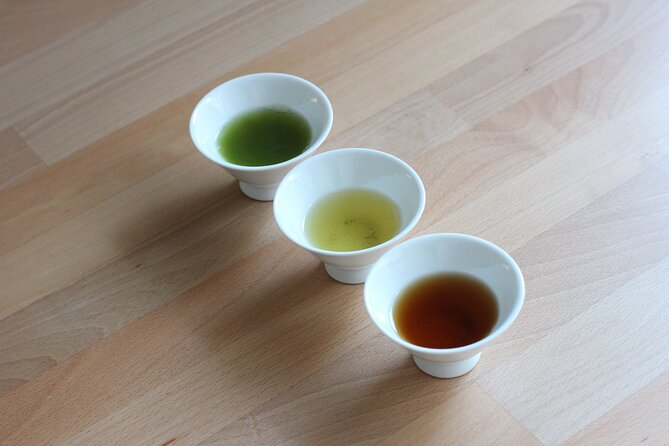
A good tea can be spoiled by poor preparation. The session covers the temperature used for each kind of tea, along with the way it is prepared.
That is practical information you can use after leaving Tokyo. If you buy Japanese tea during your trip, the instructions from this class can help you make better use of it at home. You also gain a better sense of why brewing instructions differ between teas.
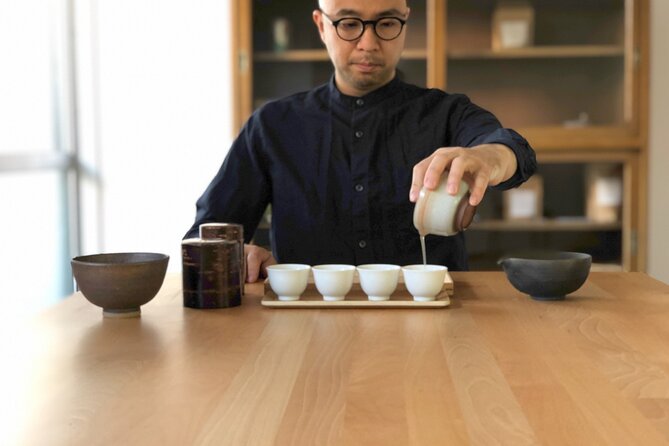
The host’s methodical preparation is an important part of the lesson. You watch the process rather than simply receiving finished cups. That makes the session useful for anyone who wants to understand technique, not just collect tasting memories.
Caffeine is worth considering. If you are sensitive to it, tell the provider before the session. This is a tasting of many teas in one sitting, so the issue deserves attention even though the session lasts only about an hour and a half.
A calm, organized class with Yosuke
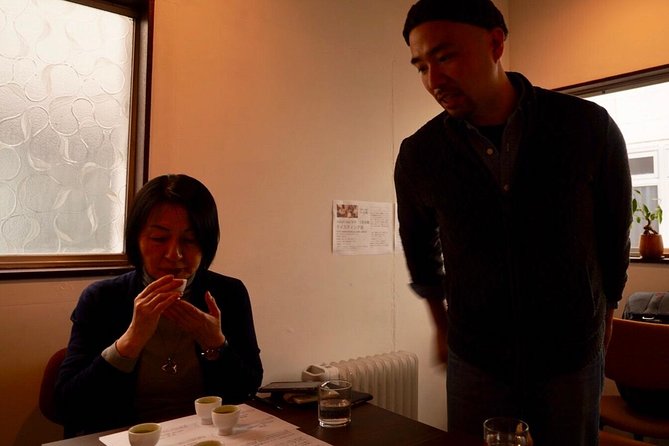
Yosuke leads the session and handles both the preparation and the teaching. His approach is structured, with clear explanations and time to work through the teas.
A nine-page handout is provided during at least some sessions. That is a welcome touch. Tea names, production terms, temperatures, and regional notes can become a lot to absorb in one afternoon. Having written material lets you mark what you liked and revisit the information later.
I also like that the format leaves room for questions. With a maximum of four people, you are not competing with a crowd to be heard. If you are curious about farming, processing, or the tea industry, this is the kind of small class where your questions can shape the conversation.
The teaching style appears best suited to people who enjoy an organized presentation. If you want a relaxed drink with little explanation, this may feel more academic than necessary. If you like wine tastings, food classes, or short cultural lessons, the structure should work in your favor.
What makes the premium tasting worthwhile
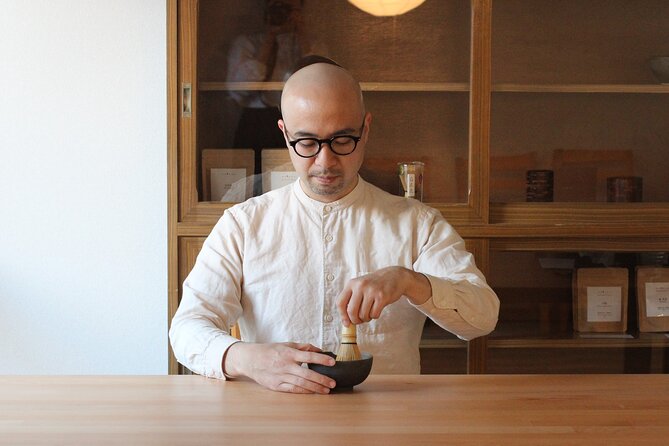
At $90.80 per person, this is not a cheap cup of tea. You are paying for the range of samples, the instruction, the preparation, and access to premium teas that may be difficult to compare on your own.
The price makes more sense if you treat the session as a compact class rather than a beverage stop. You taste a broad selection, learn how tea is produced, and leave with a clearer idea of what you personally like. That final point is useful: the stated aim is for you to understand your own preference, not simply to declare one tea the best.
I would be less quick to recommend it if you are only looking for a low-cost refreshment or a traditional Japanese performance. You can find tea more cheaply elsewhere, and this experience does not promise ceremonial robes, formal movements, or a classic tea-house presentation.
For a serious tea fan, the price may be fair. It is especially useful if you plan to buy tea in Japan and want help choosing between familiar sencha and more unusual premium styles.
Who should book this experience
This session is a strong match for several kinds of visitors:
- Tea beginners: You receive enough background to understand the major terms without needing prior study.
- Green-tea drinkers: You can compare quality and production instead of relying on packaging or reputation.
- Food and history fans: Each tea is linked to its making and historical setting.
- Visitors who prefer small groups: Four people is the maximum, which supports questions and direct attention.
- Curious shoppers: The tasting can help you identify the kinds of tea you want to seek out later.
It is less suitable if your main goal is a formal tea ceremony. The provider is clear that this activity focuses on flavor, production, and history. It also may not suit anyone highly sensitive to caffeine unless they contact ShiZen Tea before attending.
Timing, booking, and cancellation
The experience runs for approximately 90 minutes and starts at 1:30 pm. It ends at the meeting point in Morishita, so you do not need to arrange a separate finish location.
Mobile tickets are accepted, and confirmation is sent at booking. The activity is near public transportation, but the supplied details do not identify the exact station, so allow extra time for the final walk and for locating room 202.
It is commonly booked about 16 days ahead. That is a useful planning guide, particularly because the group limit is only four people. If your Tokyo dates are fixed, booking earlier is sensible.
Free cancellation is available up to 24 hours before the local start time for a full refund. Changes or cancellations made inside that 24-hour window are not accepted for a refund.
Should you book the ShiZen Tea Experience?
Book it if you want to understand Japanese tea rather than simply drink it. The small group, careful preparation, nine-page handout, and broad tasting give you plenty to take home, especially if sencha, matcha, or gyokuro already interest you.
Skip it if you want a formal tea ceremony, a quick inexpensive cup, or a highly theatrical cultural show. This is a focused lesson with tasting at its center.
For most curious food and culture fans, the strongest reason to go is the comparison. Twelve teas in one session can show you more about Japanese green tea than sampling one familiar cup at a café. At $90.80, it is a considered purchase, but the combination of rare tea, clear instruction, and a group of four gives the afternoon real value.
FAQ
Where does the Japanese tea tasting take place?
The meeting point is ShiZen Tea ExperienceJapan at 135-0004 Tokyo, Koto City, Morishita, 2-chōme 28-3, Morishita TM Mansion 202.
What time does the experience start?
The session starts at 1:30 pm.
How long does the tea tasting last?
The activity lasts approximately 1 hour and 30 minutes.
How many teas will I taste?
The experience is described as featuring 12 different Japanese teas. One session description refers to nine teas, so the exact number or selection may vary.
Are sencha, matcha, and gyokuro included?
Yes. The experience specifically covers sencha, matcha, and gyokuro, along with other Japanese teas.
Is this a traditional tea ceremony?
No. The focus is on tasting, production methods, tea history, and regional differences rather than formal tea ceremony procedures.
How large is the group?
The activity has a maximum of four travelers.
What should I do if I am sensitive to caffeine?
You should inform the provider before the session if you are caffeine sensitive.
Can I cancel for a full refund?
Yes. You can cancel at least 24 hours before the local start time for a full refund. Cancellations or changes made less than 24 hours before the start are not accepted for a refund.
Newly reviewed around Tokyo
- Tokyo Asakusa:Calligraphy & Make T-shirt Activity★ 5.0 · 62 reviews
- Intercity Shuttle, Tokyo to Haneda /Narita /Yokohama /Makuhari★ 5.0 · 5 reviews
- 1 Hour Travel around Tokyo with a Professional Photographer★ 5.0 · 3 reviews
- Travel Tokyo with Your Own Personal Photographer★ 5.0 · 43 reviews
- Train in Samurai Swordsmanship and Defeat the Demon in Tokyo★ 5.0 · 5 reviews
- Shuttle Van 6hr Tokyo Tour to-and-from Tokyo, Yokohama and Narita★ 5.0 · 9 reviews
- Kickboxing & Body Training with EX-Pro Fighter★ 5.0 · 4 reviews
- Traditional Japanese Knife Sharpening Class★ 5.0 · 18 reviews
Tokyo Tea Ceremony Experiences, compared.
Matcha Making Class in Tokyo with Authentic Japanese Sweets Set
Read our review →
Dynamic Tokyo: Tokyo Tower, Tea Experience, Bay Cruise Day Tour
Read our review →
Matcha Making Experience with Mochi Sweets in Asakusa
Read our review →
Tea Ceremony Workshop in Tokyo by the Experienced Instrucor
Read our review →
Browse the lists this tour appears in