
Reviewed · TOKYO TEA CEREMONY EXPERIENCES
At an Antique Shop, Tea Ceremony and Japanese Sweets Forming
The unusual setting is the main reason to book this experience. Instead of practicing tea ceremony in a plain apartment room, you enter a 100-year-old roadside antique shop, browse its tableware, then make Nerikiri wagashi before sitting down for matcha. The shop has even been featured by CNN, which gives you a clue that this is not a standard tourist classroom.
I like two things in particular: you can choose the teacup you use, including pieces that may be several hundred years old, and the sweets making is simple enough for beginners. The main consideration is communication. The host is a Japanese artisan whose English may be limited, so you should come ready for demonstrations, gestures, and questions rather than a polished scripted talk.
Key points
- A century-old shop replaces the usual classroom: You begin among antique tableware in a setting with real character.
- You choose your own teacup: Some cups are several hundred years old, adding a tangible link to Japanese craft.
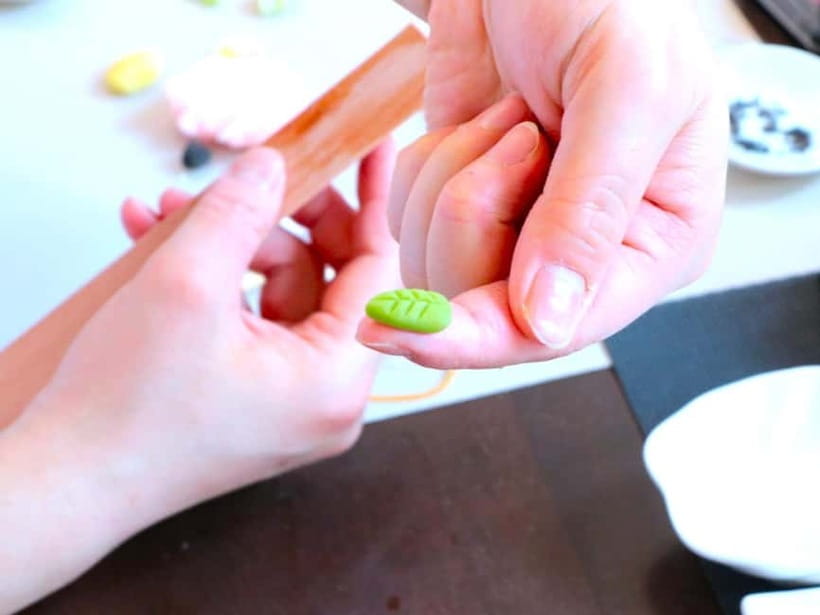
- You make Nerikiri by hand: Colored dough is shaped like clay, with tools used to add fine seasonal details.
- Tea follows the sweets lesson: You eat your own creation before drinking special powdered matcha.
- The ceremony uses chairs: You do not need to sit on the floor in the dedicated tea room.
- Best for visitors aged 13 and older: The experience suits curious adults and older teenagers, but not young children or wheelchair users.
Why this Tokyo tea experience feels different
Many tea ceremony activities take place in a rented room or a modern apartment. This one begins in a working antique tableware shop, roughly 10 minutes from Nippori Station. That setting changes the mood before the tea even arrives.
You can take your time looking at the shop’s antique pieces when you arrive. The objects are not just decoration for a themed class. They are part of the shop’s identity, and the chance to choose a teacup gives you something concrete to think about before the ceremony begins.
The CNN connection is interesting, but I would not book this solely because of publicity. The real value comes from the combination of setting, hands-on craft, and tea. You get more than a demonstration, yet the activity remains calm and focused rather than packed with stops or rushed explanations.
The exact meeting details are supplied after booking. Since the shop is near Nippori Station but not described with a public address here, allow enough time to find it and avoid arriving at the last minute. The scheduled ending does not change if you are late.
More Tokyo tea ceremonies:
- Matcha Making Class in Tokyo with Authentic Japanese Sweets Set
★ 5.0 · 744 reviews - Tokyo: Traditional Tea Ceremony with a Tea Master
★ 5.0 · 528 reviews - Dynamic Tokyo: Tokyo Tower, Tea Experience, Bay Cruise Day Tour
★ 4.5 · 521 reviews
Looking around the antique tableware shop
Your first step is to look around the shop. This is a small but important part of the experience. You are not dropped into a lesson with no context. The cups, bowls, and other tableware help explain why tea ceremony pays such close attention to objects.
The shop also gives antique lovers a chance to buy tableware, though purchases are not included in the $57 price. You should treat this as an optional extra, not a required part of the activity. If you are tempted by something, remember that antique shopping calls for care with condition, age, price, and packing for the journey home.
The shop’s age is also useful for setting expectations. This is an artisan’s place of work, not a large attraction built for crowds. You may appreciate the personal feel, but it also means the experience is likely to be less polished and highly choreographed than a commercial cultural show.
That tradeoff suits me. You get a more grounded encounter with Japanese craft, but you need to be patient and attentive.
Shaping seasonal Nerikiri wagashi
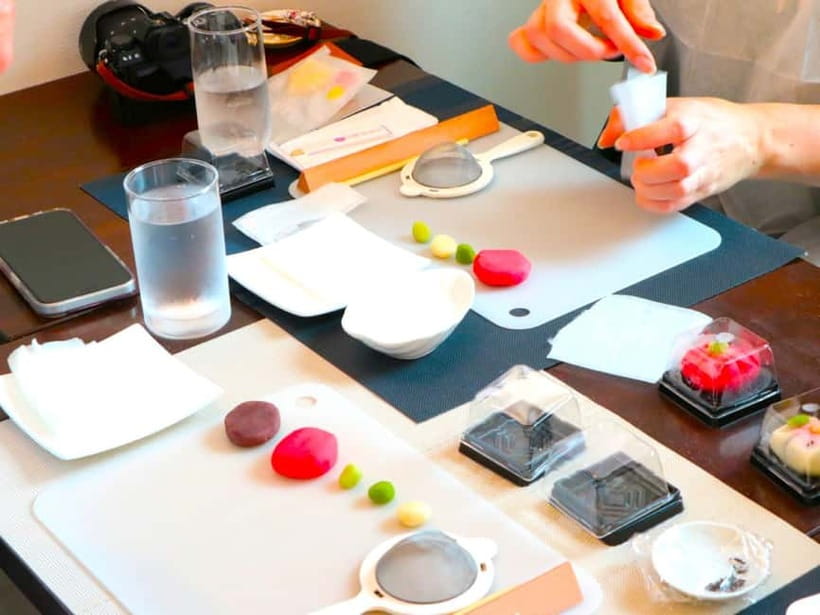
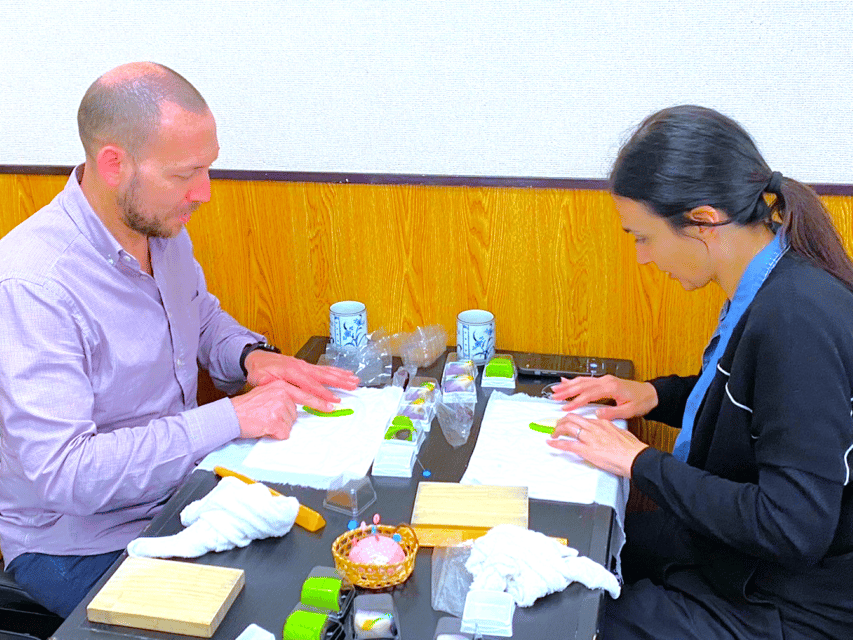
After you look around, the activity moves to Nerikiri, a Japanese sweet made with a mochi-flour-based mixture. The material is colored and shaped by hand to create the design chosen for the day.
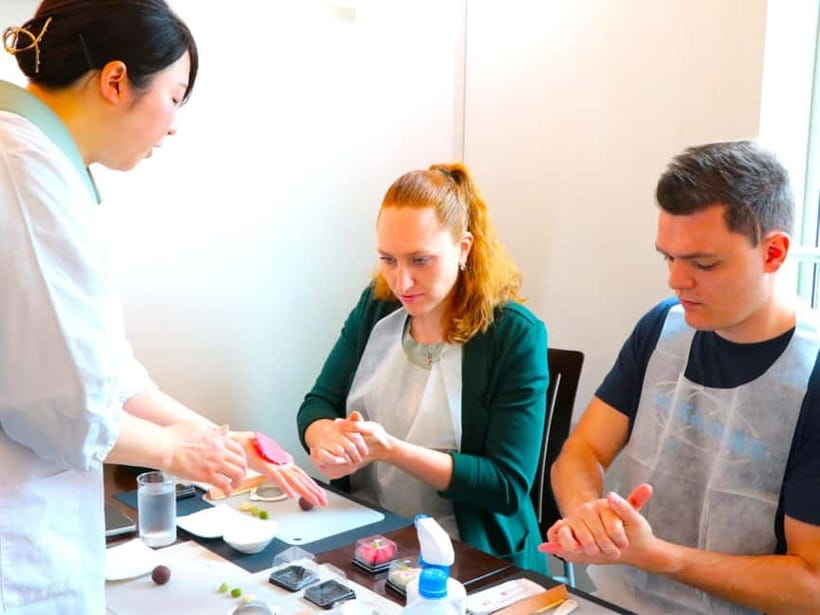
The instructor treats the process much like working with colorful clay. You form the dough into different shapes, then use tools to add lines and details that suggest seasonal Japanese beauty. This is not presented as a demanding cooking lesson, and you do not need a background in confectionery or creative work.
That beginner-friendly approach is one of the strongest parts of the experience. You can focus on the shape and texture instead of worrying about getting every step perfect. The guidance is careful, and the hands-on work gives you something to do rather than leaving you seated for a long demonstration.
I would still keep your expectations realistic. The supplied information does not specify the exact design or number of sweets, so the final result depends on the day’s theme. You may find that the fun is in learning the technique and handling the dough, not in producing a flawless pastry worthy of a shop window.
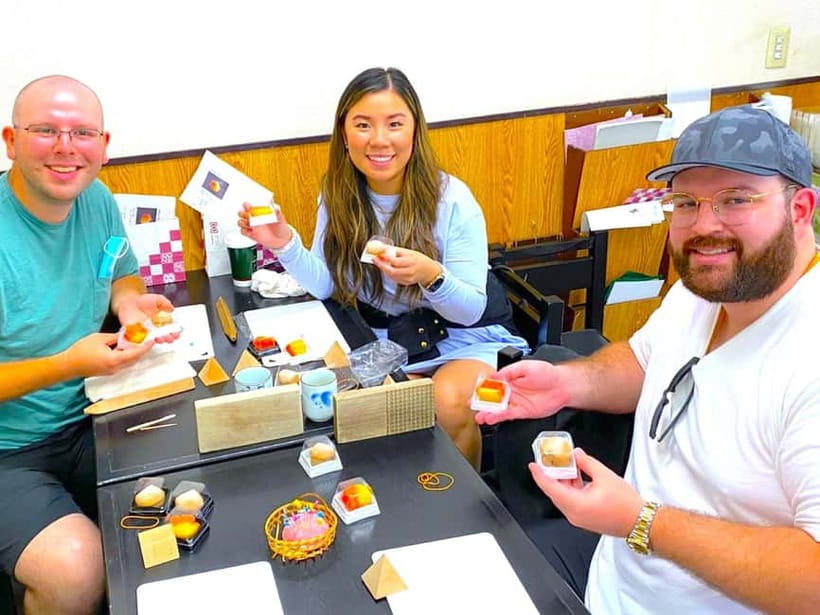
The finished Nerikiri becomes part of the tea service. That connection matters. You are not making a decorative object and then moving on. You will eat what you shaped while taking part in the next part of the experience.
Choosing a teacup with a story
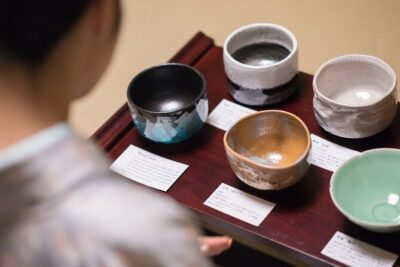
The opportunity to select your own teacup adds a personal decision to the ceremony. Some of the cups are several hundred years old, so you may be handling an object with much more age than the tea room itself.
I like this feature because it turns an ordinary serving dish into part of the experience. You can look closely at the cup, consider its design, and then use that same piece for your matcha. It also gives antique tableware a practical purpose rather than keeping it behind glass.
Use care when handling anything offered to you. The cups are old, and the setting is an antique shop. Follow the host’s instructions, and do not assume that every piece is suitable for casual handling or purchase.
The information does not say that every participant receives a particular type of cup or that you can take one home. You are choosing the cup for use during the ceremony. If you want to purchase tableware, that is separate and subject to the shop’s offerings.
More Dessert Tours in Tokyo:
- Tokyo: Matcha Making Experience with Mochi Sweets in Asakusa
★ 4.9 · 388 reviews - Make Traditional Nerikiri Sweets & Matcha experience in Shibuya
★ 5.0 · 130 reviews - Private Mochi Sweets Making class near Shibuya area
★ 5.0 · 93 reviews - Japanese Traditional Sweets making and Tea Ceremony
★ 4.7 · 50 reviews
Sitting in the dedicated tea room
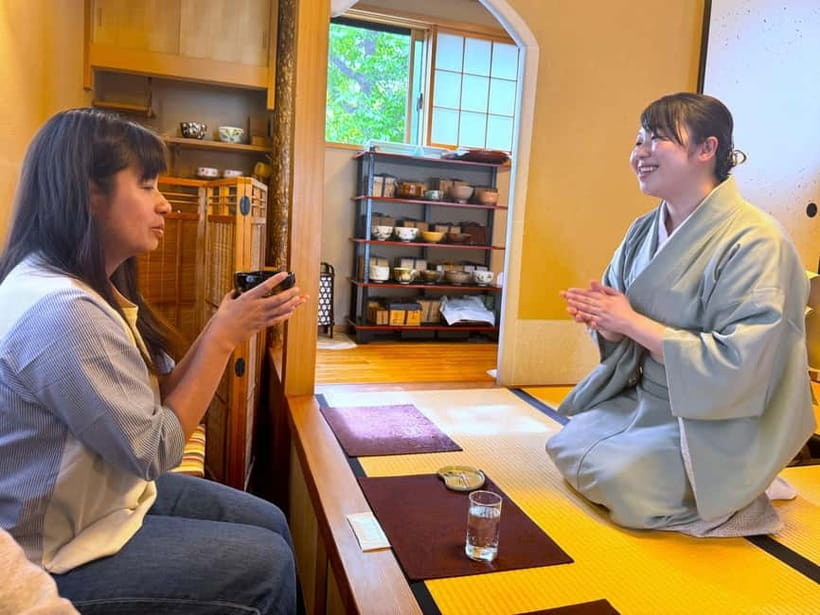
Once the wagashi is ready, you move to a dedicated tea room. The ceremony is designed for sitting in a chair, which makes it more approachable than a floor-based format.
That detail matters if kneeling or sitting on the floor is uncomfortable. It does not make the ceremony casual, though. You still have the chance to observe the order of serving, the handling of the confection, and the preparation of real matcha.
The host first serves the sweet, then the powdered green tea. Eating the Nerikiri before drinking the matcha lets you notice how the confection prepares your palate for the tea. The tea is described as real matcha rather than a sweetened green tea drink, so expect a distinct, slightly bitter flavor.
You can ask questions during the ceremony. Conversation is treated as an important part of the exchange, and questions can help you understand what you are seeing. This is a good opportunity to ask about the cup, the wagashi, the tools, or the way matcha is served.
English is available, but the host is a Japanese artisan and may not speak English with ease. That can limit long explanations. At the same time, the activity is built around watching, making, tasting, and asking simple questions, so perfect spoken English is not essential for every part.
What the $57 price covers
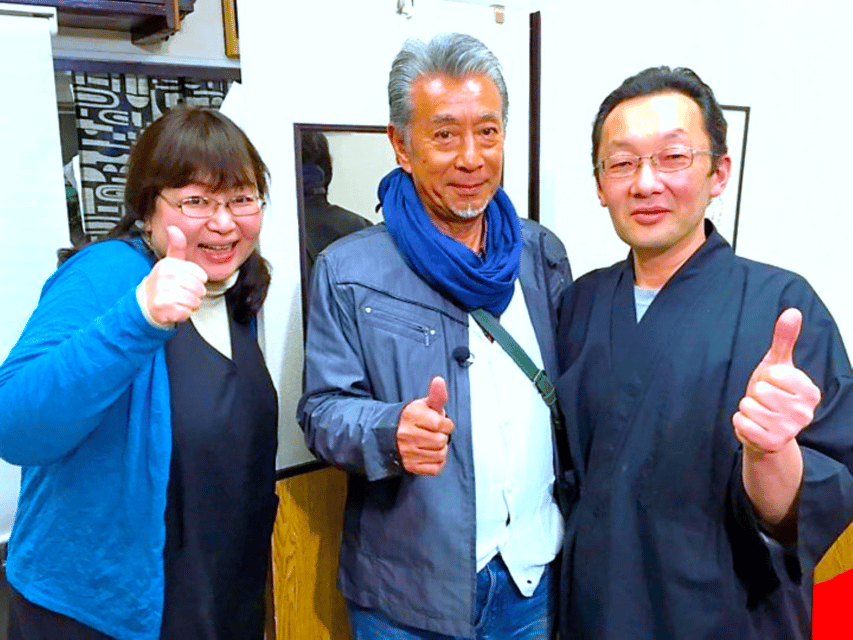
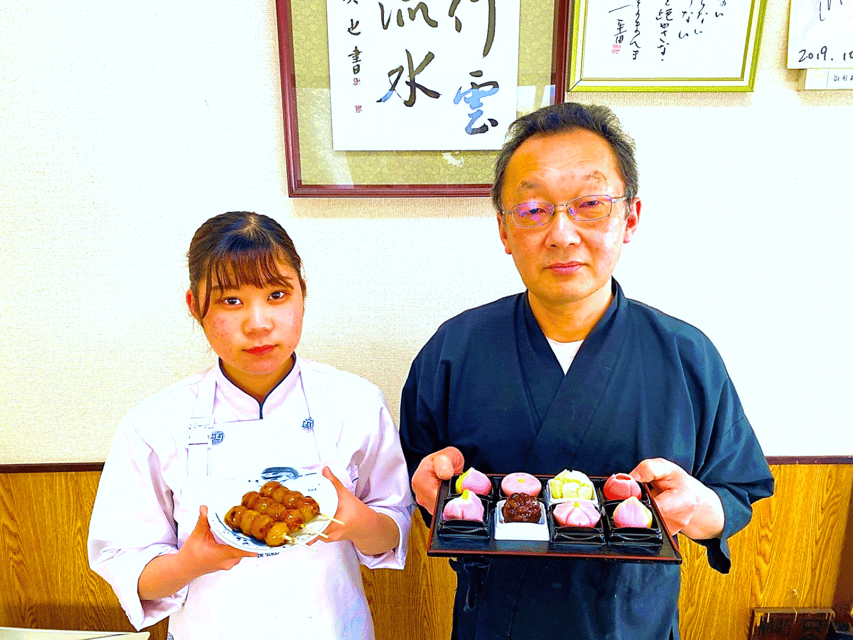
At $57 per person, the price includes the experience fee, use of the shop and tea room, tools, the ingredients for the Nerikiri, matcha, the sweets, and consumption tax.
I consider that fair for a small cultural activity with three linked parts: an antique shop visit, a hands-on confection lesson, and a tea ceremony. You are paying for access to an unusual setting as well as the food and drink. The old teacups add another detail that a basic tea tasting would not provide.
The value is strongest if you care about Japanese craft, tableware, or quiet cultural activities. If your only goal is to taste matcha as cheaply as possible, you can likely find a simpler option. This is not just a beverage stop. It is a guided encounter with making, serving, and using objects.
The price does not include any antique tableware you decide to buy. Keep that separate in your budget. It also does not turn the activity into a shopping tour. The main program remains the sweets and tea ceremony.
Who should book this experience
I would recommend it to adults and older teenagers who want a slower Tokyo activity with a strong sense of place. It should suit you especially well if you enjoy craft workshops, traditional food, antique objects, or small cultural encounters.
It is also a good choice for someone who has already seen Tokyo’s major sights and wants an activity that asks you to pay attention to details. You will work with your hands, look carefully at tableware, and taste a style of tea that is very different from a sweet café drink.
The minimum age is 13. Anyone under 18 must be with an adult, and unaccompanied minors cannot participate. Children under 13 are not suitable for this program.
You should not book if you need wheelchair access, since the activity is not suitable for wheelchair users. It is also not suitable for people with vertigo, epilepsy, or a cold. Baby strollers and baby carriages are not allowed, and bare feet, chewing gum, smoking, alcohol, and drugs are prohibited.
Anyone who is unwell or under the influence of alcohol will be refused entry without a refund. That rule is worth taking seriously, especially after a long day of sightseeing.
Practical timing and arrival advice
The experience begins and ends at the same location, about 10 minutes from Nippori Station. The precise meeting information arrives after you reserve, so check it carefully and leave time to find the shop.
No duration is provided, so do not build a tightly packed schedule around it. Give yourself room before and after the activity. Arriving late does not extend the program, and the planned end time remains fixed.
Only paying participants may enter. If someone in your party wants to watch without taking part, that person must be declared when requesting the booking and must pay the required fee. You should not assume that a nonparticipating companion can simply wait inside.
Cancellation is allowed up to seven days before the activity for a full refund. That deadline gives you some flexibility, but it is not a last-minute option.
How this experience compares with a standard tea ceremony
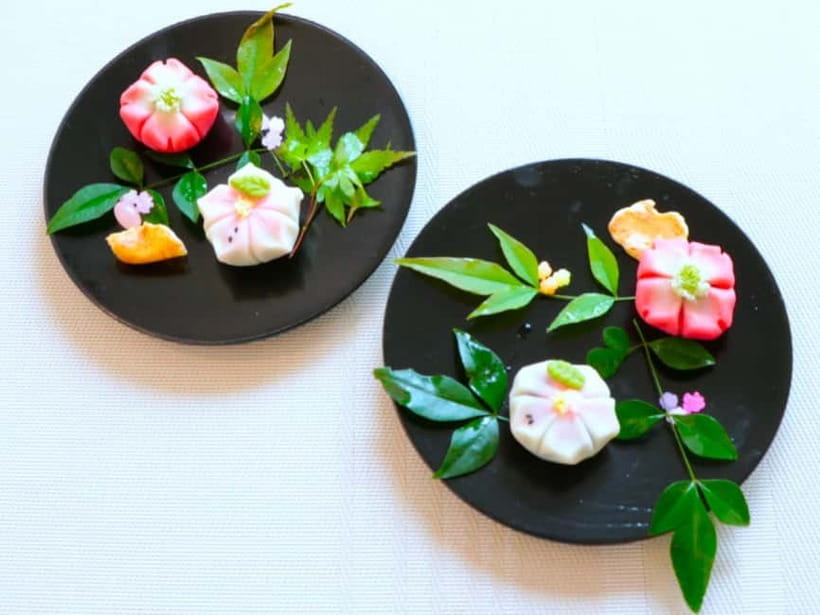
A standard tea ceremony may focus mainly on observing the host prepare and serve the tea. Here, you take part in the process before sitting down. You make the Nerikiri, select a cup, and then eat the sweet during the ceremony.
That makes the experience more active and more memorable for many people. You leave with a clear sequence of things you did, not just something you watched. The tradeoff is that the ceremony may feel less formal than a performance devoted entirely to tea etiquette.
The shop setting also makes this more personal than a generic classroom. You are surrounded by actual antique tableware and working in a place known among local Japanese customers. The lack of polished English and commercial presentation may frustrate someone seeking a highly scripted lesson, but it can also make the exchange feel more genuine.
The strong points are simple: the setting is distinctive, the sweets are approachable, and the chair-based tea room makes the ceremony easier for many people. The weak points are equally clear: the activity is not suitable for children under 13 or wheelchair users, the exact duration is not stated, and English conversation may be limited.
Should you book this antique shop tea ceremony?
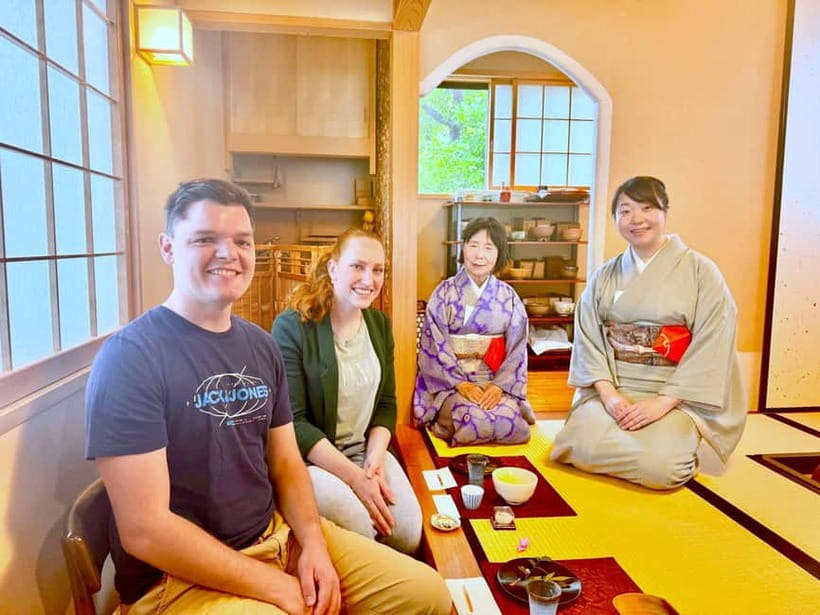
Book it if you want a hands-on Japanese experience with a real sense of place. The chance to shape Nerikiri, choose an old teacup, and drink matcha in a dedicated tea room gives the $57 price a solid purpose.
Skip it if you want a large, highly polished presentation, need full wheelchair access, or prefer an activity centered only on tasting tea. You should also be comfortable with a host who may explain some things through demonstration rather than fluent English.
For the right person, this is a thoughtful Tokyo addition, especially near a visit to the Nippori area. Come on time, wear suitable footwear, ask questions, and treat the antique objects with care. The result is a quiet cultural experience that connects Japanese sweets, tea, and tableware in one small shop.
FAQ
Where does the tea ceremony and wagashi activity take place?
It takes place in a 100-year-old roadside antique tableware shop in Tokyo, about 10 minutes from Nippori Station. Detailed location information is provided after reservation.
What is included in the $57 price?
The price includes the experience fee, facility use, tools, matcha, Nerikiri wagashi ingredients, the sweets, and consumption tax.
Can I choose the teacup I use?
Yes. You can choose the teacup used during the ceremony. Some cups are several hundred years old.
What type of Japanese sweet will I make?
You will make Nerikiri, a Japanese wagashi made with a mochi-flour-based mixture and shaped by hand.
Do I need cooking or craft experience?
No. The activity is designed to be accessible to beginners, and the host guides you through shaping the colored materials and adding details with tools.
Is the tea ceremony conducted while sitting on the floor?
No. The dedicated tea room is designed for the ceremony to be experienced while sitting in a chair.
Is the activity available in English?
English is available, but the host is a Japanese artisan who may not speak English fluently. The activity includes demonstrations, and questions are welcomed.
What is the minimum age?
Participants must be at least 13 years old. Anyone under 18 must be accompanied by an adult.
Is the activity suitable for wheelchair users?
No. The activity is not suitable for wheelchair users. It is also not suitable for people with vertigo, epilepsy, or a cold.
Can I buy antique tableware?
You may purchase antique tableware from the shop, but purchases are not included in the activity price.
Newly reviewed around Tokyo
- Tokyo Asakusa:Calligraphy & Make T-shirt Activity★ 5.0 · 62 reviews
- Intercity Shuttle, Tokyo to Haneda /Narita /Yokohama /Makuhari★ 5.0 · 5 reviews
- 1 Hour Travel around Tokyo with a Professional Photographer★ 5.0 · 3 reviews
- Travel Tokyo with Your Own Personal Photographer★ 5.0 · 43 reviews
- Train in Samurai Swordsmanship and Defeat the Demon in Tokyo★ 5.0 · 5 reviews
- Shuttle Van 6hr Tokyo Tour to-and-from Tokyo, Yokohama and Narita★ 5.0 · 9 reviews
- Kickboxing & Body Training with EX-Pro Fighter★ 5.0 · 4 reviews
- Traditional Japanese Knife Sharpening Class★ 5.0 · 18 reviews
Tokyo Tea Ceremony Experiences, compared.
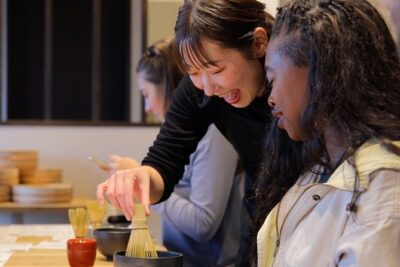
Matcha Making Class in Tokyo with Authentic Japanese Sweets Set
Read our review →
Dynamic Tokyo: Tokyo Tower, Tea Experience, Bay Cruise Day Tour
Read our review →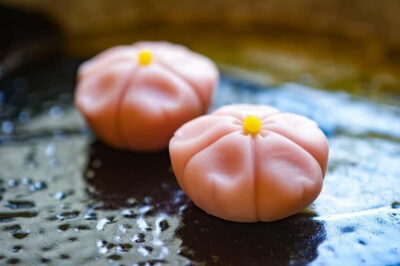
Matcha Making Experience with Mochi Sweets in Asakusa
Read our review →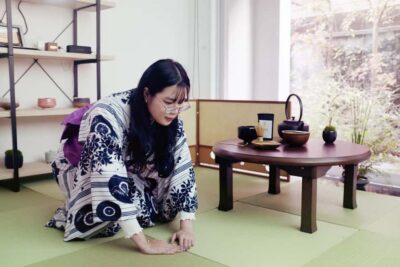
Tea Ceremony Workshop in Tokyo by the Experienced Instrucor
Read our review →
Browse the lists this tour appears in