
Reviewed · TOKYO TEA CEREMONY EXPERIENCES
Tokyo: Matcha Tasting and Making Experience
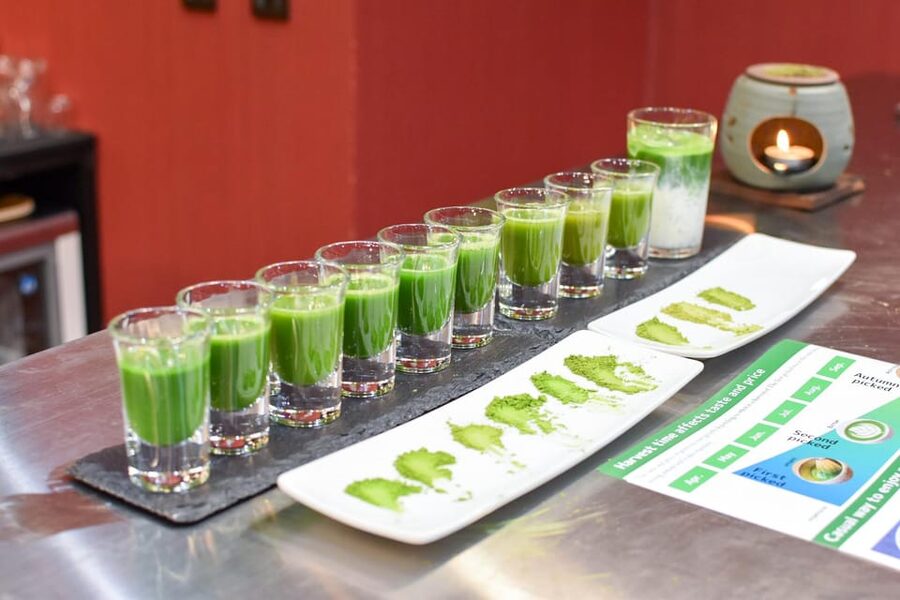
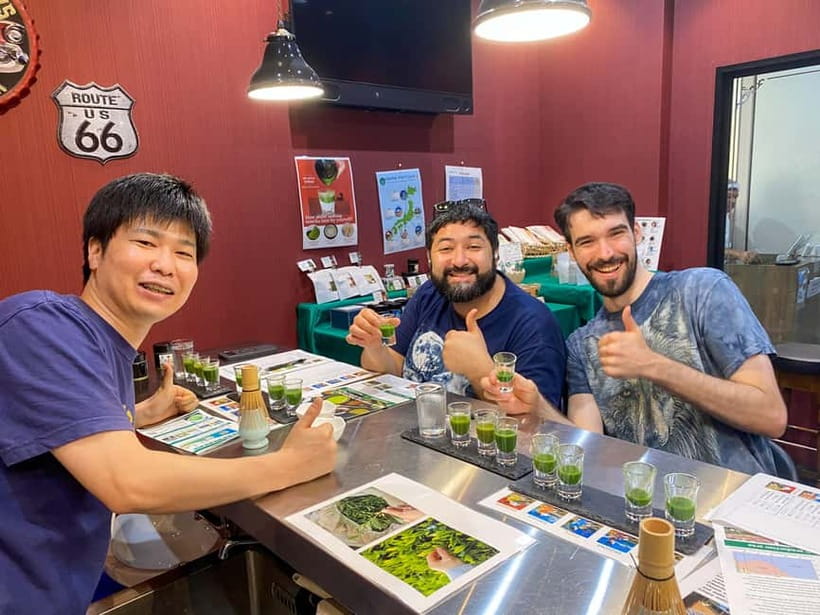
Matcha tasting here is less about taking a quick green-tea photo and more about learning why one powder tastes sweet, another sharp, and another almost savory. You compare matcha from five Japanese production areas, then use a bamboo whisk to prepare your favorite.
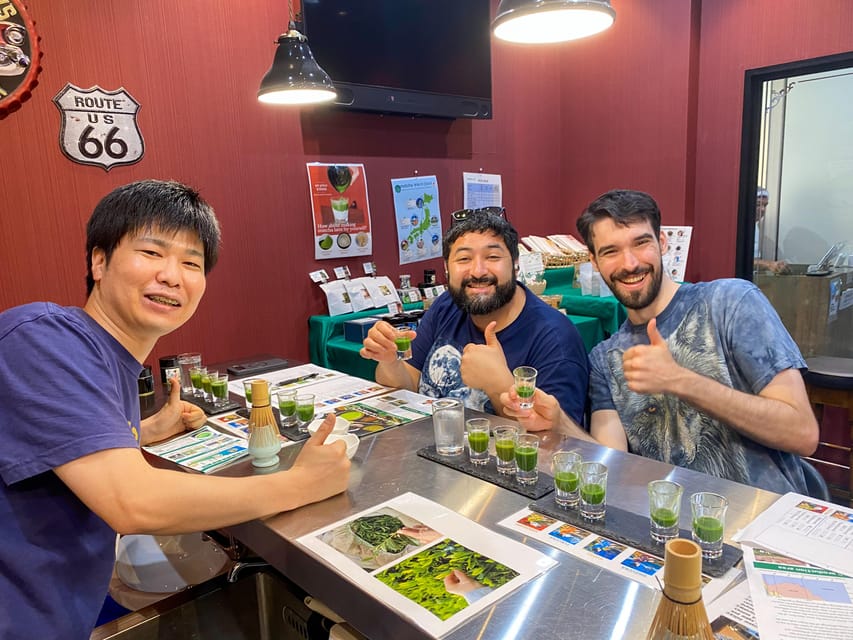
I especially like the small group of up to five, which gives you room to ask questions, and the fact that your guide, Chisei, worked as a tea farmer in Kyoto for six years. The matcha latte, hojicha latte, and sweets also make the session friendly for people who are still deciding how much they like straight matcha.
One thing to check before booking is the tasting count. The experience is described as including 10 types, while the detailed schedule says eight are served, including six ceremonial-grade examples and two products sold as matcha but not technically defined as matcha. That difference is worth confirming if the exact number matters to you.
Key points to know before you book
- Five Japanese tea regions: Compare matcha from representative production areas rather than sampling just one house blend.
- A former tea farmer leads the class: Chisei brings six years of tea-growing experience in Kyoto to the explanations.
- You make your own bowl: Choose a favorite powder and whisk ousucha, the standard thin matcha served with water.
- The tasting includes a useful comparison: Color, aroma, and flavor are considered side by side, including products marketed as matcha outside Japan.
- Milk-based drinks soften the lesson: Matcha latte, hojicha latte, and matcha sweets follow the tasting.
- The setting is easy to find: Enter Henn na Hotel Asakusa Tawaramachi, pass the FamilyMart on the first floor, and go to the second floor.
Why this Tokyo matcha class is different
Many tea activities in Tokyo focus on the ritual of preparing one bowl. This class takes another route. It asks you to compare several powders before deciding what you like, which is a better way to understand matcha than simply being told that one tea is premium.
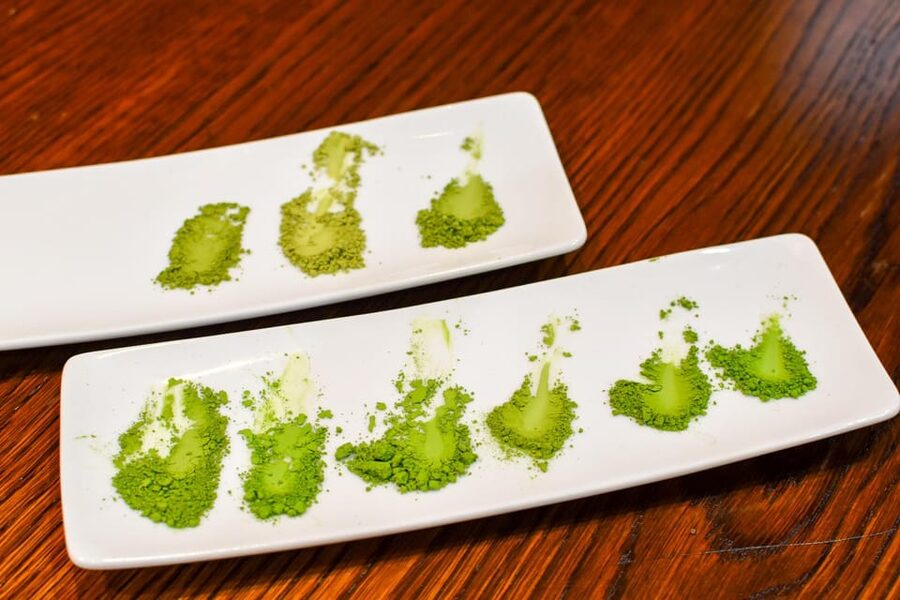
You will look at the color first, then taste the tea after it has been prepared. That gives you a simple framework to use later in a shop or café. A bright green powder may suggest careful processing, but color alone does not tell you what you will enjoy. Fragrance, bitterness, sweetness, body, and aftertaste all matter.
The session also deals with an issue that can confuse first-time buyers. Two of the samples are sold as matcha around the world but are not technically defined as matcha. That comparison can help you understand why the word matcha is used so broadly outside Japan.
I like this honest approach. You are not being pushed toward one correct answer. You taste, compare, and choose the powder that suits you.
More Tokyo tea ceremonies:
- Matcha Making Class in Tokyo with Authentic Japanese Sweets Set
★ 5.0 · 744 reviews - Tokyo: Traditional Tea Ceremony with a Tea Master
★ 5.0 · 528 reviews - Dynamic Tokyo: Tokyo Tower, Tea Experience, Bay Cruise Day Tour
★ 4.5 · 521 reviews
Meeting Chisei and learning how tea becomes matcha
Your instructor, Chisei, is described as a former tea farmer who grew tea in Kyoto for six years. That background gives the class a practical base. You are not only hearing general facts about Japanese tea. You can ask about cultivation, production, and the link between farming methods and the drink in your cup.
The opening explanation covers the definition of matcha, its history, and how it is cultivated. For someone new to Japanese tea, this is important because matcha is not simply ordinary green tea ground into powder. The class is designed to explain what you are drinking before asking you to judge it.
The guide’s teaching style has earned especially strong praise. Comments describe detailed explanations, practical experience, and a warm way of sharing that information. One useful point comes through clearly: this is not a rushed tasting where cups appear without context. The instructor takes time to show what you are looking at and why it may taste different.
The class is conducted in English. It is also limited to five participants, a real advantage in a 90-minute session. With a larger group, a tea-making lesson can turn into a demonstration where you wait your turn. Here, the small format should make it easier to see the whisking technique and ask about a particular sample.
The tasting: eight or ten powders from five areas
The main tasting compares matcha from five representative production areas in Japan. The detailed schedule says eight kinds are served in small portions. Six are ceremonial grade, while two are products commonly sold as matcha but not defined as matcha in the same way.
The overall description refers to 10 different types, so you should be aware of that small inconsistency when comparing this class with other Tokyo activities. The key point is that you receive multiple samples from five regions, not one standard cup. If you want an exact count before paying, ask the provider to clarify whether the session currently includes eight or 10.
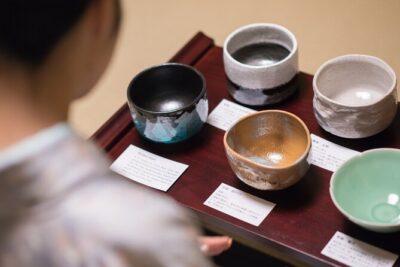
The tasting begins with visual inspection. You look at the powder’s color before it is made into tea. Then the guide prepares each sample so you can assess the fragrance and taste. Small portions are a sensible choice here. Matcha has a strong character, and full servings of eight or 10 varieties would be too much for many people.
I recommend keeping your first impressions simple. Notice which tea feels sweet, which seems more bitter, and which has a fuller or lighter flavor. You do not need a trained palate. The value is in comparing samples while the differences are fresh.
The five production areas also matter. Tea-growing conditions and local methods can affect the final drink, but this class does not ask you to memorize a long list of names. Instead, you get a direct sense that Japanese matcha is not one single flavor.
One of the best parts is that the class includes products sold as matcha but outside the technical definition. That may sound like a minor detail, but it gives you a practical warning for shopping. A bright package and the word matcha do not always tell you exactly what is inside.
Choosing a favorite and whisking ousucha
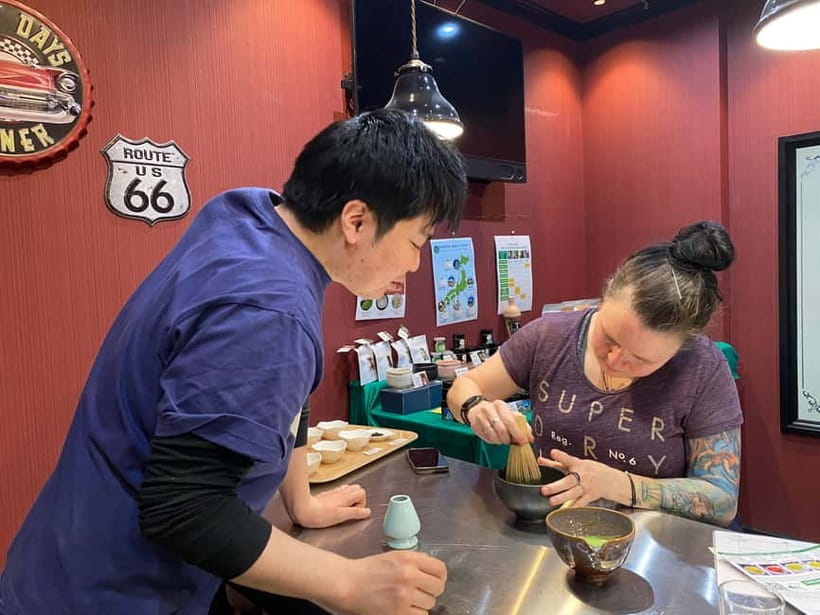
After the comparison, you select the matcha you liked best. Then you make it yourself with a bamboo tea whisk.
The final bowl is ousucha, the thin style of matcha prepared with water. This is the hands-on center of the class. You are not just watching Chisei work. You get to handle the whisk and learn a method you can repeat at home.
A bamboo whisk can look simple, but preparing smooth matcha takes a little practice. The class gives you a chance to learn the basic movement in a calm setting, without needing to buy equipment first. You can pay attention to the texture and foam, then adjust your technique as you go.
I like that you choose the powder after tasting it. You are more likely to remember the lesson when the tea in your bowl is your own choice. You may prefer a sweeter style, a more powerful flavor, or one with less bitterness. There is no need to pretend that the most expensive or most traditional sample is automatically your favorite.
The practical payoff continues after the class. Once you have used a bamboo whisk and seen the process, you can make matcha at home. The experience does not end with a photo or a souvenir cup. It gives you a basic skill and a better idea of what kind of powder to buy.
More Tokyo food tours:
- Tokyo: Shinjuku Food Tour (13 Dishes at 4 Local Eateries)
★ 5.0 · 6,603 reviews - Tokyo Tsukiji Fish Market Food and Culture Walking Tour
★ 5.0 · 3,184 reviews - Tokyo: Shinjuku Food Tour (15 Dishes and 4 Eateries)
★ 4.9 · 2,033 reviews - Best of Shinjuku: Izakaya Food Tour (4 Stops, 14+ Tastings)
★ 5.0 · 1,863 reviews
Matcha latte, hojicha, and sweets at the end
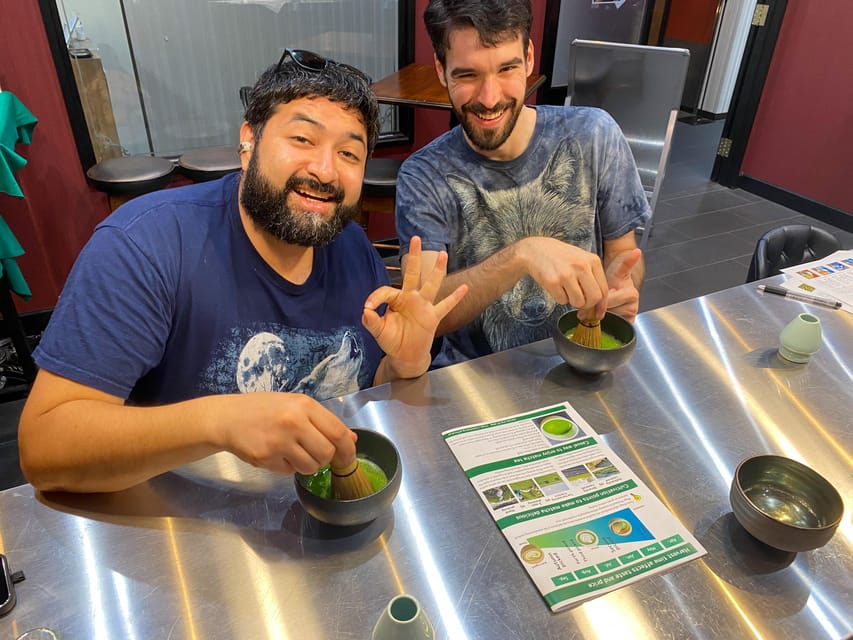
The class finishes with a matcha latte, a hojicha latte, and matcha sweets. The original activity information clearly includes matcha latte and matcha sweets, and also says you can drink both matcha latte and hojicha latte.
These drinks serve two purposes. First, they provide a pleasant change after several cups of straight matcha. Second, they show how tea behaves with milk and sweetness. The class uses an original matcha blend intended to work well with milk, so this part is not simply leftover tea poured into a glass.
Hojicha offers a different direction. It is roasted tea, generally known for a toastier profile than matcha. Having both latte options lets you compare a powdered green tea drink with a roasted tea drink, even if the main lesson remains focused on matcha.
The sweets add another useful contrast. Bitterness often feels different when paired with sugar, and you may find that a matcha you did not love on its own works better in a dessert or latte. If straight matcha seems too strong for you, do not assume the whole experience will be difficult. The final drinks make the class more approachable.
Still, the tasting is the heart of the activity. Book this for the comparison and tea-making lesson first, with the latte and sweets as a welcome finish.
Location at Henn na Hotel Asakusa Tawaramachi
The class takes place at a café inside Henn na Hotel Asakusa Tawaramachi. To find it, enter the hotel, look for the FamilyMart on the first floor, and go to the second floor.
Transportation is not included, so you need to make your own way there. The meeting instructions are short but useful. Do not wait outside looking for a separate street café entrance. Go into the hotel and continue upstairs.
The location works well for fitting the class into a Tokyo sightseeing day, especially if you are already visiting the Asakusa area. The information provided does not promise a view, a traditional tea-house room, or a farm setting, so set your expectations accordingly. This is an indoor teaching and tasting session in a hotel café, not a trip into a tea-growing district.
That urban setting is also part of the appeal. You can learn about tea production without giving up half a day for transport. The class lasts 90 minutes, which leaves room for other plans before or after.
Is $63 a fair price?
At $63 per person, this is not a bargain café stop. You are paying for instruction, a multi-sample tasting, hands-on preparation, lattes, sweets, and a small group rather than simply buying one drink.
The price makes more sense if you want context. Eight or 10 small samples from five regions would be difficult to compare on your own, and buying several tins of matcha just to discover your preferences could cost more and create plenty of waste. The former tea farmer’s experience is also part of what you are paying for.
I would call the value good for someone who is curious about Japanese tea and wants a focused lesson. It is less attractive if you only want a quick matcha latte or a traditional ceremony with formal dress and quiet ritual. In that case, a café visit may give you what you need for much less.
The small group helps justify the price. Five people is a useful limit for a hands-on class, especially when each person needs a turn with the whisk. The 90-minute length is long enough for explanation, tasting, practice, and the final drinks without taking over your day.
Who will enjoy this experience most?
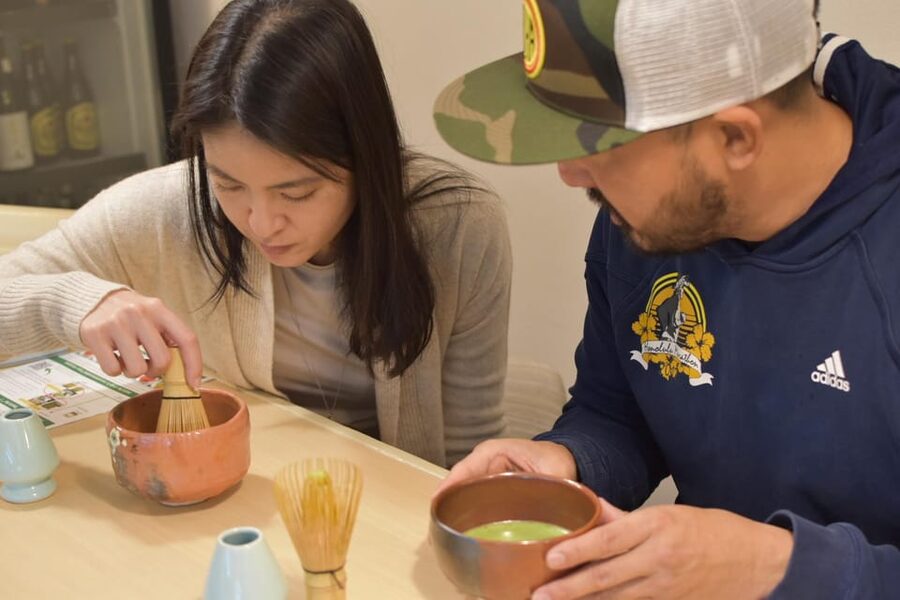
I would recommend the class to first-time matcha drinkers, tea fans, and anyone who wants to understand Japanese tea beyond its bright green color. It also suits couples and small groups who like comparing flavors and doing something practical together.
Parents and older children may find the whisking portion appealing, although the supplied information does not specify a minimum age. If age is important for your booking, check with the provider before reserving.
This is also a good choice for people who normally prefer sweet drinks. You can taste matcha straight, then try it with milk and sweets. That progression lets you see how the tea changes instead of forcing you to enjoy the strongest version immediately.
You may want to skip it if you dislike powdered tea, do not want an instructional format, or are looking for a full tea ceremony. The activity is designed as a class for general visitors to learn about Japanese tea. Commercial inquiries are not appropriate during the session, and anyone booking for commercial purposes should contact the provider first.
Booking is flexible because you can cancel up to 24 hours before the activity for a full refund, and the reserve-now, pay-later option lets you hold a place without paying immediately. Starting times depend on availability.
Should you book this matcha experience?
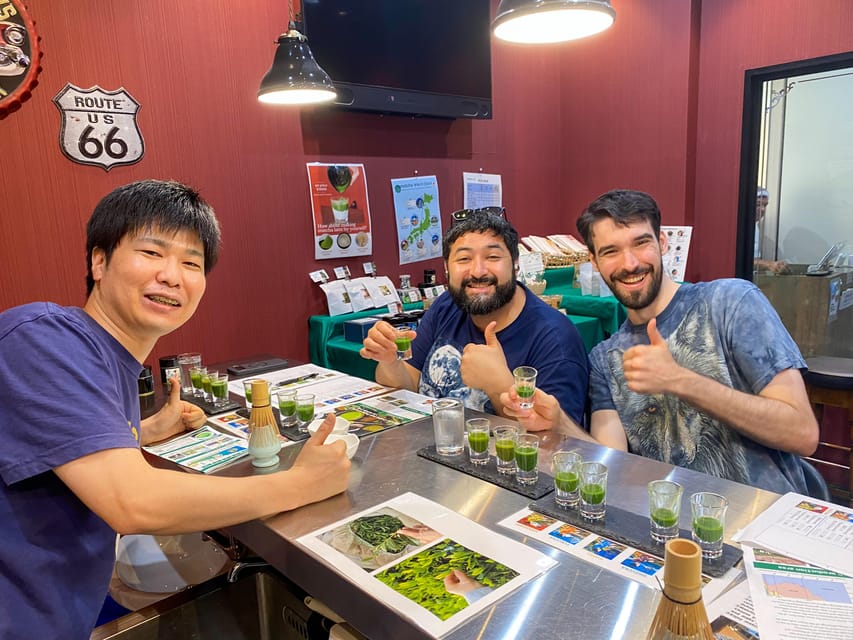
Book it if you want to taste several kinds of matcha, learn how farming and production affect flavor, and leave with a skill you can use at home. The strongest reasons are the five-region comparison, Chisei’s tea-farming background, and the small group of no more than five people.
Think twice if you only want a sweet drink or a formal ceremony. Also confirm the number of samples, since the description gives both eight and 10. With that detail cleared up, $63 is a reasonable price for a focused 90-minute lesson that combines tasting, instruction, whisking, lattes, and sweets.
FAQ
Where does the matcha experience take place?
It takes place at a café inside Henn na Hotel Asakusa Tawaramachi. Enter the hotel, find the FamilyMart on the first floor, and go to the second floor.
How long does the experience last?
The class lasts 90 minutes.
How many people can join the class?
The group is limited to five participants.
What language is the class taught in?
The instructor teaches the class in English.
What types of matcha will I taste?
The experience compares matcha from five Japanese production areas. The detailed schedule says eight types are served, including six ceremonial-grade samples and two products sold as matcha but not technically defined as matcha. The general description refers to 10 types, so confirm the current number when booking.
Is transportation included?
No. You are responsible for getting to the experience location.
Newly reviewed around Tokyo
- Tokyo Asakusa:Calligraphy & Make T-shirt Activity★ 5.0 · 62 reviews
- Intercity Shuttle, Tokyo to Haneda /Narita /Yokohama /Makuhari★ 5.0 · 5 reviews
- 1 Hour Travel around Tokyo with a Professional Photographer★ 5.0 · 3 reviews
- Travel Tokyo with Your Own Personal Photographer★ 5.0 · 43 reviews
- Train in Samurai Swordsmanship and Defeat the Demon in Tokyo★ 5.0 · 5 reviews
- Shuttle Van 6hr Tokyo Tour to-and-from Tokyo, Yokohama and Narita★ 5.0 · 9 reviews
- Kickboxing & Body Training with EX-Pro Fighter★ 5.0 · 4 reviews
- Traditional Japanese Knife Sharpening Class★ 5.0 · 18 reviews
Tokyo Tea Ceremony Experiences, compared.
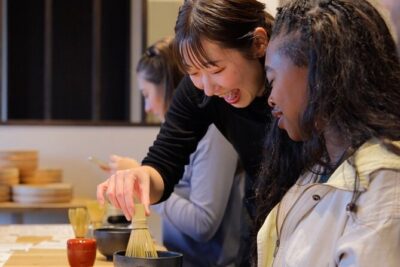
Matcha Making Class in Tokyo with Authentic Japanese Sweets Set
Read our review →
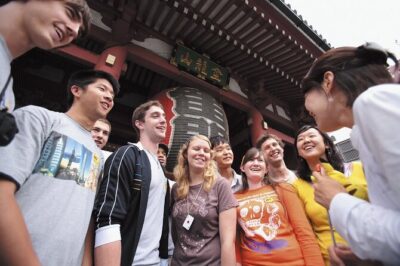
Dynamic Tokyo: Tokyo Tower, Tea Experience, Bay Cruise Day Tour
Read our review →
Matcha Making Experience with Mochi Sweets in Asakusa
Read our review →
Tea Ceremony Workshop in Tokyo by the Experienced Instrucor
Read our review →
Browse the lists this tour appears in