
Reviewed · TOKYO TEA CEREMONY EXPERIENCES
Tokyo: Matcha Tea Ceremony Experience in Shibuya
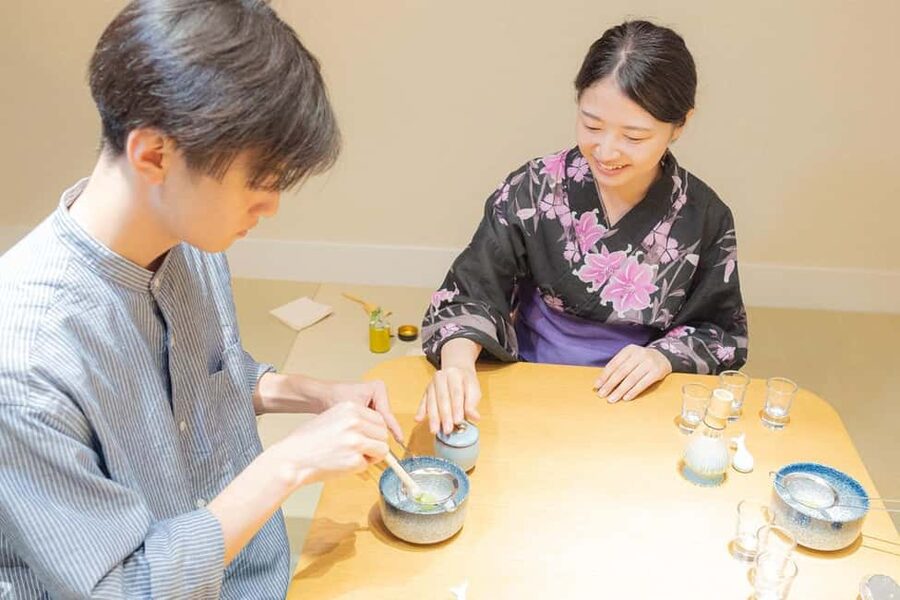
The best part of this Shibuya experience is that you do not just watch someone whisk matcha. You make your own tea, compare several Japanese teas, and learn why each one is served with care. The one-hour format keeps the lesson focused, while the small group size allows room for questions.
I like the clear English guidance and the traditional sweet paired with each tea. I also like the relaxed setting, which makes this a good first introduction to Japanese tea customs rather than a formal performance where you sit silently and hope you are holding the cup correctly. The main consideration is time: one hour gives you a useful taste of the tradition, but not a long, formal ceremony with every possible ritual.
- You make your own matcha: Follow step-by-step instructions and take part instead of only observing.
- Several teas are included: Taste and compare differences in flavor, aroma, and presentation.
- Traditional sweets add context: Each tea is paired with a small sweet to improve the tasting.
- Taku has excellent English: He is described as a warm host who comes well prepared.
- The group is limited to 10: That keeps the lesson more personal than a large demonstration.
- Photos are provided: You receive pictures from the experience at the end.
What the One-Hour Tea Session Actually Offers
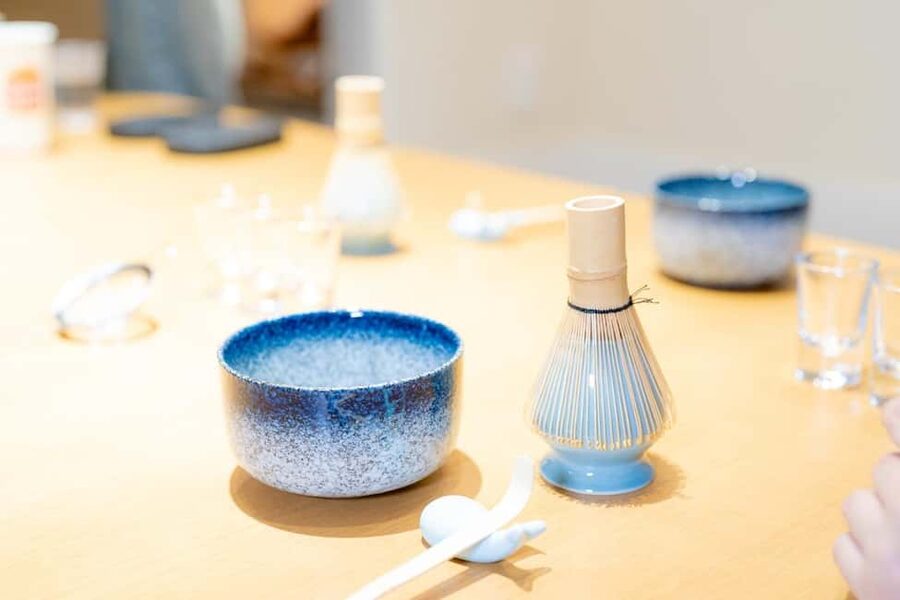
This is a compact cultural activity in Shibuya, designed around participation. You meet the instructor at the entrance of the Okazaki Building, where a vending machine provides a useful landmark. From there, the session introduces the tools, teas, basic manners, and simple movements that shape a Japanese tea ceremony.
You should expect the experience to move through several connected parts rather than one long formal ritual. You taste tea, learn how it is prepared and served, then get the chance to make matcha under guidance. The format gives you both background and practice, which is more useful than hearing a long talk about tea without ever touching the whisk.
The activity is conducted in English. Taku is specifically praised for speaking excellent English and being well prepared, so you can ask questions about the ceremony and its customs without relying on guesswork. That matters here because tea etiquette can seem mysterious if you only copy movements without knowing their purpose.
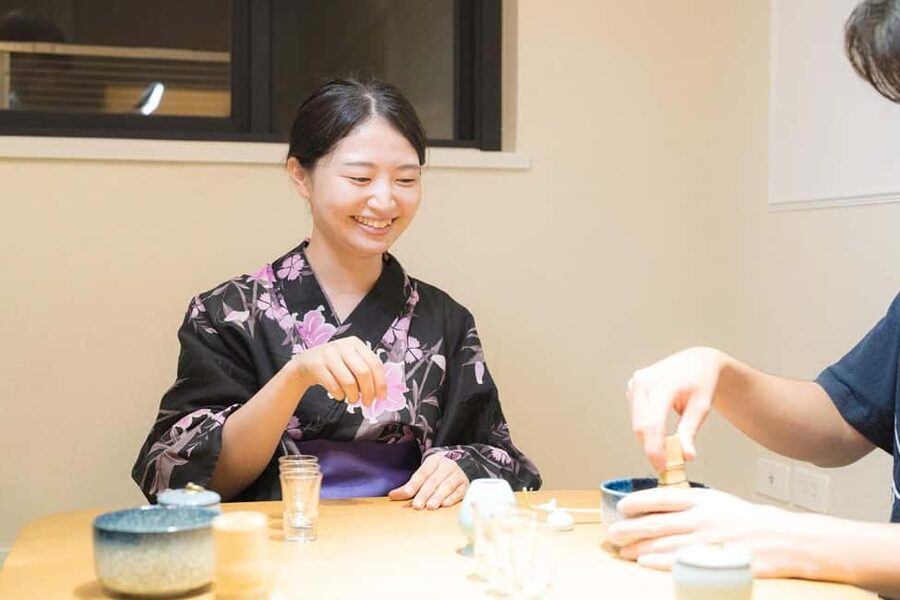
The atmosphere is intended to be calm and welcoming. You are there to learn, not to pass an etiquette exam. If you make a slightly awkward bow or turn the cup the wrong way, the point is to understand the gesture, not to perform it perfectly.
Meeting at the Okazaki Building in Shibuya
The meeting point is simple but worth noting carefully. The instructor waits in front of the Okazaki Building entrance, next to a vending machine. Use that machine as your visual marker, especially if you are arriving in a busy part of Shibuya and need to confirm that you have found the right entrance.
The supplied information does not give a detailed route from a station, so allow time to locate the building. Shibuya can be confusing when you are moving quickly, and a one-hour activity leaves little room for a late arrival. Have the meeting details ready on your phone before you set out.
Once you meet the instructor, the small-group format should make it easy to identify your host and settle in. The group can include up to 10 participants. That is large enough for a social activity, but small enough for the teacher to watch your technique and answer questions.
I see the group limit as one of the better features for this kind of lesson. Tea preparation involves small movements, and you get more from the session when you can see the tools clearly and receive direct guidance.
More things to do in Shibuya:
- Official Street Go-Kart in Shibuya
★ 5.0 · 3,435 reviews - Tokyo: Street Kart Experience in Shibuya
★ 4.9 · 1,484 reviews - Shibuya Meltdown Nightlife Tour: All-You-Can-Drink Bar Hopping
★ 5.0 · 1,058 reviews
Comparing Japanese Teas and Traditional Sweets
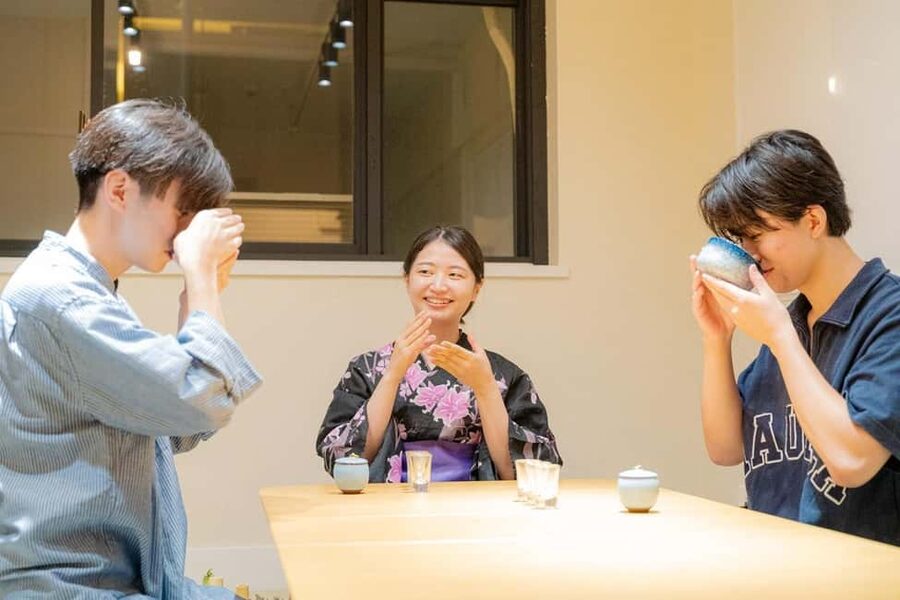
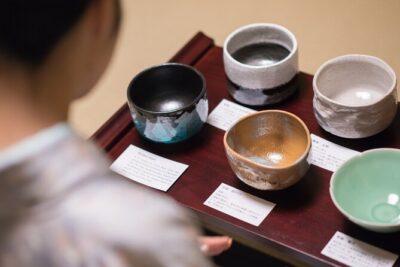
The tasting section gives the experience its wider cultural value. You sample several carefully prepared Japanese teas rather than treating matcha as the only drink worth discussing. This lets you notice differences in taste, aroma, and presentation.
Each tea comes with a small traditional sweet. That pairing is not just a snack. Sweetness can change how you notice the tea, and the contrast helps you pay attention to details you might otherwise miss. The sweet also connects the tasting to the hospitality built into the ceremony.
You do not need a trained palate to enjoy this part. The teacher guides you toward simple comparisons, such as which tea seems more delicate, which aroma arrives first, or how the presentation affects your expectations. I like this approach because it makes Japanese tea less intimidating.
The activity does not list the exact names or number of teas, so you should not expect a fixed tasting menu with specific varieties guaranteed in advance. The useful promise is broader: you will taste several kinds and learn to compare them. For a first session, that is enough to give you a sense of the range.
Making Matcha With Step-by-Step Help
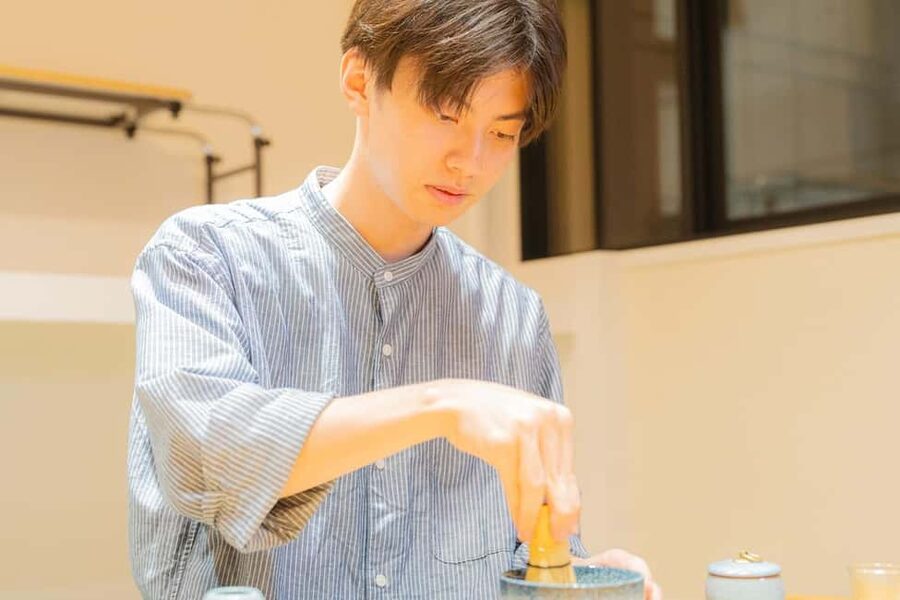
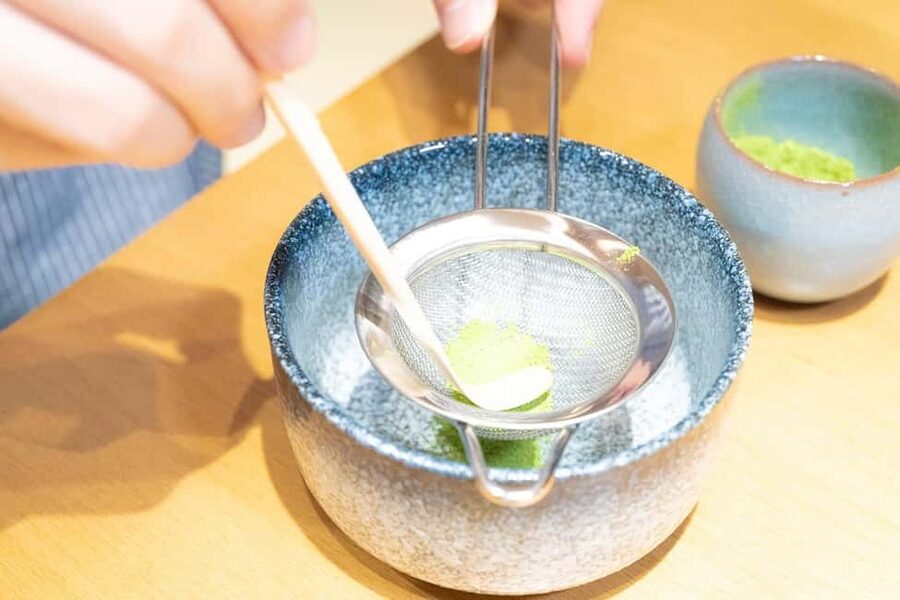
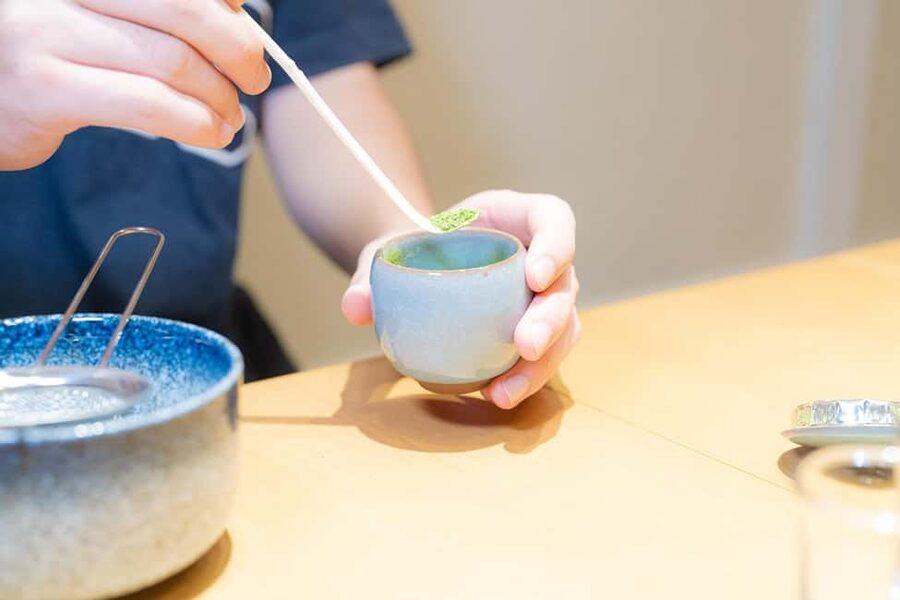
The hands-on matcha portion is likely the moment most people will remember. You are shown the basic process and then prepare your own cup with the provided tea ceremony tools. The teacher guides you through the movements, so you are not left to guess how to handle the equipment.
This matters because matcha preparation is physical. The whisk, bowl, tea powder, and water all play a part, and the finished drink depends on how you bring them together. A demonstration can look simple until you try it yourself. Guided practice turns the idea into something you understand with your hands.
The activity focuses on the basic steps and manners of serving tea. That means you learn more than a recipe. You also get a sense of why the ceremony values care, attention, and respect between the person preparing the tea and the person receiving it.
I would treat the matcha-making section as a cultural lesson rather than a technical class. The provided information does not promise advanced instruction or professional-level whisking. You will learn the fundamentals and make a cup under supervision, which is a fair goal for a one-hour session.
Learning the Manners Without Feeling Stiff
Tea ceremony can seem formal from the outside. There are ways to receive the bowl, observe the tea, and show respect for the person serving it. In this session, the teacher explains the basic manners so you understand what you are doing instead of simply copying a sequence.
That background helps you read the ceremony as a form of hospitality. The quiet pace is not only about appearances. It encourages you to focus on the tea, the utensils, the guest, and the moment of serving.
The experience is described as relaxed and welcoming, which should suit people who are curious but nervous about getting the rules wrong. You can ask questions in English, and the small group makes the lesson less anonymous.
I would recommend paying attention to the small gestures, even if they seem minor at first. The value is in seeing how preparation, presentation, and behavior work together. You leave with a better idea of why the ceremony is respected, not just a memory of drinking green tea.
More Tokyo tea ceremonies:
- Matcha Making Class in Tokyo with Authentic Japanese Sweets Set
★ 5.0 · 744 reviews - Tokyo: Traditional Tea Ceremony with a Tea Master
★ 5.0 · 528 reviews - Dynamic Tokyo: Tokyo Tower, Tea Experience, Bay Cruise Day Tour
★ 4.5 · 521 reviews - Tokyo: Matcha Making Experience with Mochi Sweets in Asakusa
★ 4.9 · 388 reviews
Taku and the English-Language Instruction
The instructor makes a real difference in an activity built around explanation. Taku is identified as a particularly strong host, with excellent English and careful preparation. That gives you a clear point of contact for questions about the tea, the tools, and the customs.
Another positive note about the teaching is the friendly tone. The host is described as kind, and the activity is designed to welcome first-time participants. That combination should help you enjoy the session even if Japanese tea culture is new to you.
The information lists English as the activity language. If you need another language, this experience does not advertise one. The teacher’s English ability is therefore important, especially during the etiquette portion, where a few unclear instructions could make the ritual feel more confusing than it needs to be.
The six ratings produce an overall score of 4.4 out of 5. The comments highlight a nice host, a fun and informative session, and the useful cultural and historical context provided by Taku. That praise points to the human side of the experience, not just the equipment or setting.
Is $30 a Fair Price in Shibuya?
At $30 per person, this is reasonably priced for a one-hour cultural activity that includes instruction, tea selections, a traditional sweet, ceremony tools, and photos. You are paying for guided participation rather than a simple drink in a café.
The value is strongest if you want an introduction that fits neatly into a busy Tokyo day. You get a focused lesson without committing half a day to a formal school or a longer cultural program. It can also work well between other Shibuya plans.
The price is less compelling if you only want to taste matcha. A café visit will usually be a simpler way to buy a tea, though this activity gives you context, preparation practice, manners, and several teas to compare. The added value comes from the instruction.
Photos are included and shared at the end. That is a pleasant extra, especially for a hands-on activity where you may not want to stop and take pictures while learning. The main product is still the lesson, so book it for the cultural experience rather than for a photo session.
Who Will Enjoy This Experience Most?
This activity suits first-time visitors to Japan who want a manageable introduction to a familiar but often misunderstood tradition. It also fits anyone curious about Japanese food and drink, especially if you enjoy comparing flavors rather than rushing from one landmark to the next.
Families and mixed-age groups may appreciate the practical format, though the supplied information does not specify a minimum age. Children would need to be comfortable following a calm, guided activity for one hour.
It is also a good pick for people who prefer small groups. With a maximum of 10 participants, the session should feel more personal than a large demonstration. You can watch the teacher’s movements and take part without disappearing into a crowd.
The activity is wheelchair accessible. That makes it a useful option for visitors checking access before booking, though the provided details do not explain the exact room layout or facilities. If you need specific access arrangements, confirm them before reserving.
Timing, Flexibility, and Practical Details
The duration is one hour, with starting times based on availability. That makes it easy to fit into a Shibuya itinerary, but you should still plan to arrive at the Okazaki Building entrance before the scheduled start.
You can cancel up to 24 hours in advance for a full refund. The reserve-now, pay-later option also helps if your Tokyo schedule is still changing. These policies are useful in a city where weather, jet lag, and shifting plans can affect your day.
The activity is offered in a small group, with English instruction. Tea ceremony tools, selected tea leaves, a small sweet, and photos are included. There is no need to bring special equipment.
I would wear something comfortable that lets you sit and handle the tea tools without fuss. The supplied details do not specify seating style or clothing requirements, so do not assume a formal dress code.
My Verdict: Book It for Participation, Not Spectacle
I would book this experience if you want to do more than drink matcha and would enjoy learning through direct practice. The strongest reasons are the small group, English guidance, tea comparisons, traditional sweet pairings, and the chance to make your own cup.
The session is not designed as a long, elaborate ceremony. It is a one-hour introduction, and that is both its strength and its limit. You get a friendly lesson with useful cultural context, but not an exhaustive study of every tea school or ritual detail.
At $30, the activity offers good value for a compact Shibuya plan. Taku’s clear English and careful preparation are especially helpful for first-time participants. Book it if you want a calm hour with structure, culture, and something you can actively do. Skip it only if you are looking for an extended formal ceremony or prefer to explore tea entirely on your own.
FAQ
Where does the tea ceremony take place?
The meeting point is in front of the Okazaki Building entrance in Shibuya. A vending machine is next to the entrance.
How long is the experience?
The tea ceremony experience lasts one hour.
How much does it cost?
The listed price is $30 per person.
Is the activity conducted in English?
Yes. English is the listed language for the instructor and the activity.
Who teaches the experience?
The activity is led by a local teacher. Taku is specifically identified as a host who speaks excellent English and is well prepared.
How many people can join?
It is a small-group activity limited to 10 participants.
Do I make my own matcha?
Yes. You receive step-by-step guidance while making your own matcha.
Are tea and sweets included?
Yes. The experience includes selections of tea leaves and a small traditional sweet. Several teas are prepared for tasting and comparison.
Are tea ceremony tools provided?
Yes. The tools needed for the tea ceremony are included.
Is the experience wheelchair accessible?
Yes. The activity is listed as wheelchair accessible.
Can I cancel for a refund?
Yes. You can cancel up to 24 hours in advance for a full refund.
Can I reserve now and pay later?
Yes. The activity offers a reserve-now, pay-later option.
Newly reviewed around Tokyo
- Tokyo Asakusa:Calligraphy & Make T-shirt Activity★ 5.0 · 62 reviews
- Travel Tokyo with Your Own Personal Photographer★ 5.0 · 43 reviews
- Intercity Shuttle, Tokyo to Haneda /Narita /Yokohama /Makuhari★ 5.0 · 5 reviews
- 1 Hour Travel around Tokyo with a Professional Photographer★ 5.0 · 3 reviews
- Train in Samurai Swordsmanship and Defeat the Demon in Tokyo★ 5.0 · 5 reviews
- Shuttle Van 6hr Tokyo Tour to-and-from Tokyo, Yokohama and Narita★ 5.0 · 9 reviews
- Kickboxing & Body Training with EX-Pro Fighter★ 5.0 · 4 reviews
- Traditional Japanese Knife Sharpening Class★ 5.0 · 18 reviews
Tokyo Tea Ceremony Experiences, compared.
Matcha Making Class in Tokyo with Authentic Japanese Sweets Set
Read our review →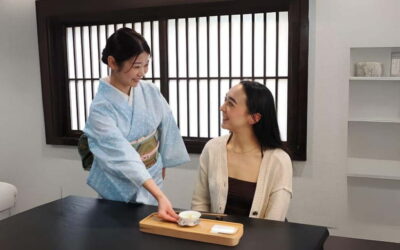
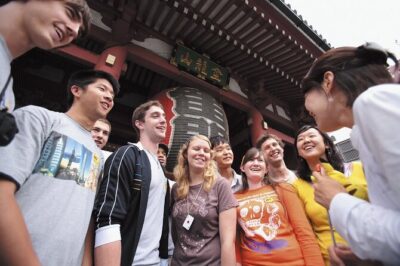
Dynamic Tokyo: Tokyo Tower, Tea Experience, Bay Cruise Day Tour
Read our review →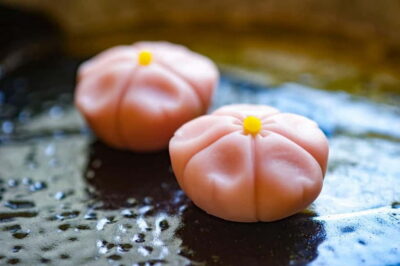
Matcha Making Experience with Mochi Sweets in Asakusa
Read our review →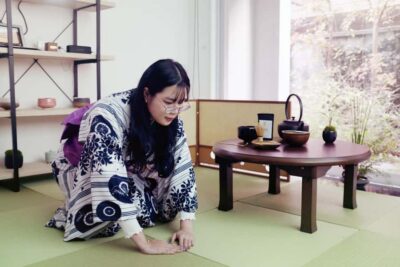
Tea Ceremony Workshop in Tokyo by the Experienced Instrucor
Read our review →
Browse the lists this tour appears in