
Reviewed · TOKYO TRADITIONAL MUSIC AND DANCE SHOWS
Tokyo: Learn about Japanese Traditional art KABUKI in Ginza
Kabuki culture gets a quick, focused introduction in the heart of Ginza, beginning at the Kabukiza building and continuing through its gallery and specialty shops. You will not see a performance, but you can learn how this traditional theater fits into Japanese culture without giving up an entire evening.
I like the small group limit of nine, which should make it easier to ask questions, and I like the chance to browse Kabukiza-only souvenirs that you will not find at an ordinary Tokyo shop. The main catch is simple but important: Kabuki viewing is not included, and one guest expected a short show.
The guide gives you a useful starting point, though the depth may vary. Nori received warm praise for being friendly, while another guest found the Kabuki history explanation quite basic. If you already know Kabuki, you may want a fuller theater tour. If you are new to it, this is a compact first look.
Key Points at a Glance
- Kabukiza gallery visit: Learn about Kabuki through exhibits inside the famous Ginza theater complex.
- No live performance: The price covers cultural introduction and sightseeing, not Kabuki viewing.
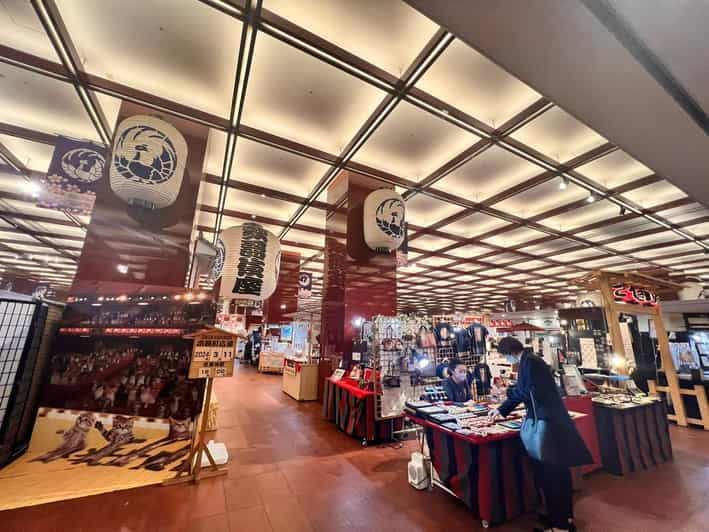
- Kabukiza-only shopping: Look for theater-related goods, Japanese accessories, sweets, and other souvenirs.
- Historic Mitsukoshi stop: Browse the Ginza branch of a department store with more than 350 years of history.
- English small-group format: A live English-speaking guide leads up to nine participants.
- Short 90-minute schedule: A good fit for a free morning or afternoon in central Tokyo.
What This Ginza Kabuki Experience Actually Offers
This is best understood as a cultural walk with indoor stops, not a theater ticket. The focus is on helping you recognize the Kabukiza building, understand basic Kabuki ideas, and see the kinds of objects and shops connected with the theater.
That distinction matters. Kabuki is a traditional Japanese performing art, and a short gallery visit cannot give you the full effect of a staged production. You will not experience the music, acting, costumes in motion, or the atmosphere of a performance. You will get a compact introduction instead.
For many people, that is enough. You may be fitting Tokyo into a tight itinerary, or you may be curious about Kabuki without wanting to spend several hours at a theater. This tour gives you a way to include Kabuki in your Ginza day without committing to a full show.
The meeting point is in front of NISSAN CROSSING. That is a practical central location in Ginza, but you should allow enough time to find it before the 90-minute visit begins. The experience is conducted in English, and the group is limited to nine, so the format should feel more personal than a large walking tour.
More things to do in Ginza:
- Chopstick Making Workshop in Ginza
★ 4.8 · 1,366 reviews - Tokyo: Art Aquarium Museum GINZA Entry Ticket
★ 4.5 · 278 reviews - Official Japan Go-Kart Through Tokyo Bay / Ginza (IDP Required)
★ 4.5 · 71 reviews
Starting at Kabukiza in the Center of Ginza
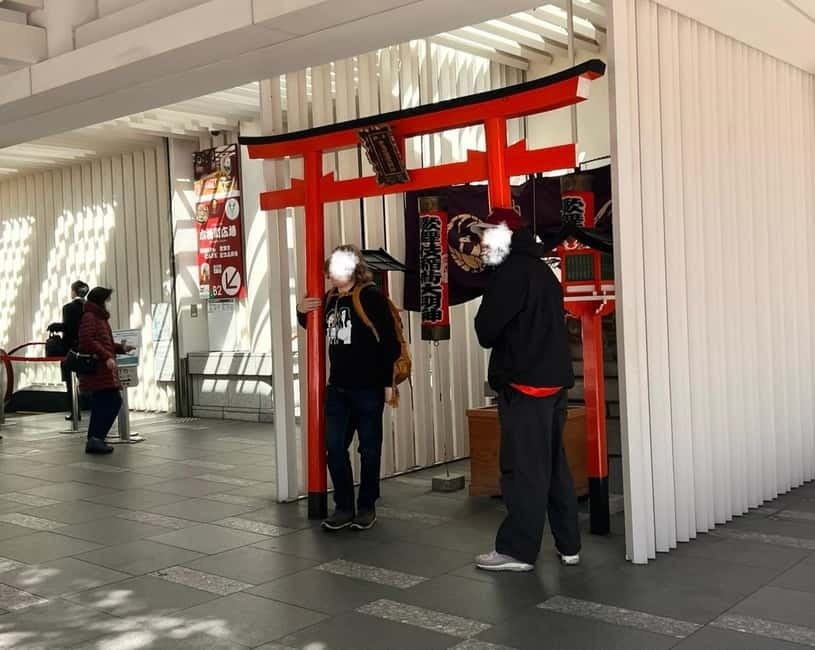
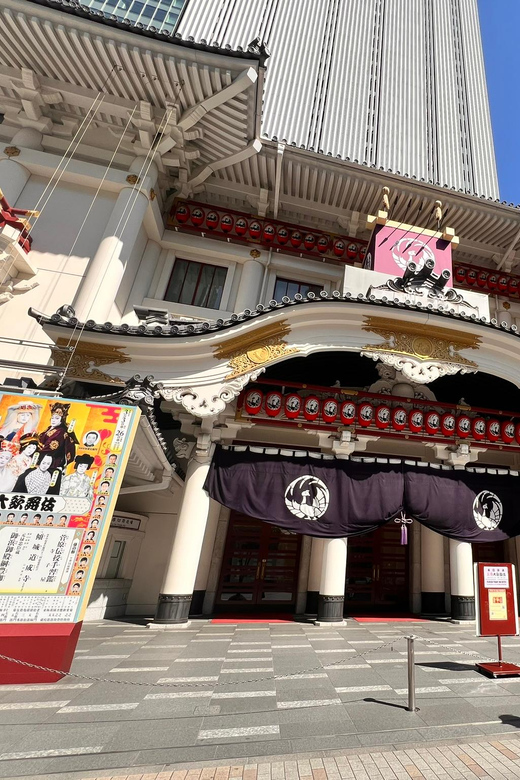
Kabukiza is the main focus of the experience. Even before entering the gallery, the building gives you a sense of how traditional theater is presented in modern Ginza. The tour lets you see the theater complex and learn how Kabuki connects with Japanese entertainment and culture.
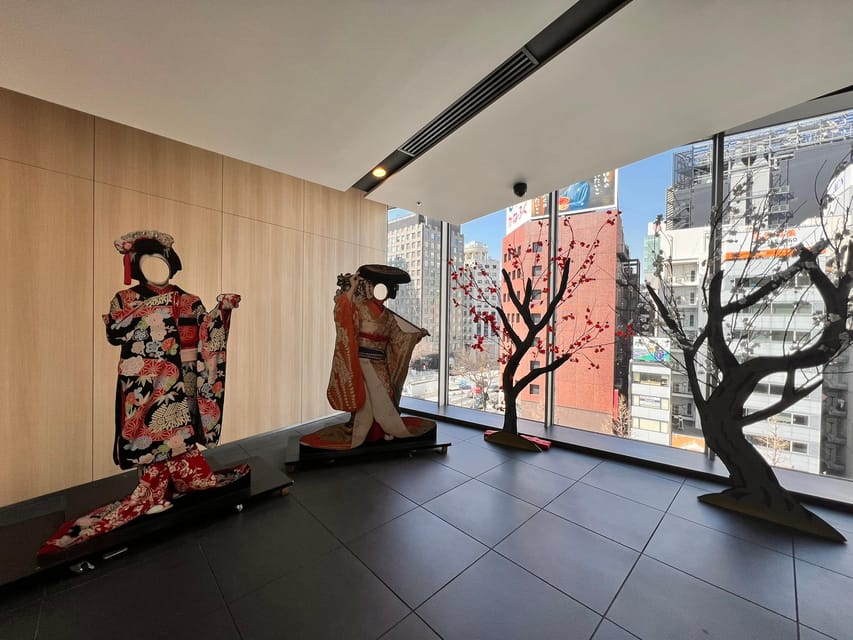
The gallery is the educational heart of the visit. Your guide takes you through Kabuki exhibits and explains the basics in English. The information is aimed at newcomers, so you can expect a straightforward introduction rather than an advanced study of theatrical history.
That beginner-friendly approach can be useful. Kabuki has its own visual style, conventions, and vocabulary, and a guide can give you a framework for noticing what matters. Instead of simply walking past the theater, you get context for why the building and its displays are significant.
The quality of that explanation may depend on the guide and the questions you ask. Nori was specifically praised for being friendly, and another guest found the guide informative. At the same time, one person felt the history section was very basic and suggested that language may have played a part.
I would treat this as a foundation. Ask questions if you want more detail, especially about what you see in the exhibits. The small group makes that more realistic than it would be on a crowded group visit.
The Important Difference Between Learning Kabuki and Seeing Kabuki
The most important booking warning is that Kabuki viewing is not included. This experience does not provide a short performance, theater ticket, or sample show.
That point should guide your decision. If you want to watch actors perform Kabuki, you need a separate plan. This activity is for learning about the art and seeing related exhibits, not for sitting in the audience.
The difference is easy to miss when you first read about a Kabuki-focused activity in Ginza. The title may sound like a theater visit, but the actual experience is closer to an introduction inside and around Kabukiza. One guest expected a short show and was disappointed, even though the guide was well liked.
I would book this only after deciding that a gallery and cultural explanation meet your needs. If you mainly want to see Kabuki on stage, this is not the right standalone choice. If you want a short orientation before deciding if Kabuki interests you, it can do that job.
Shopping for Kabukiza-Only Souvenirs
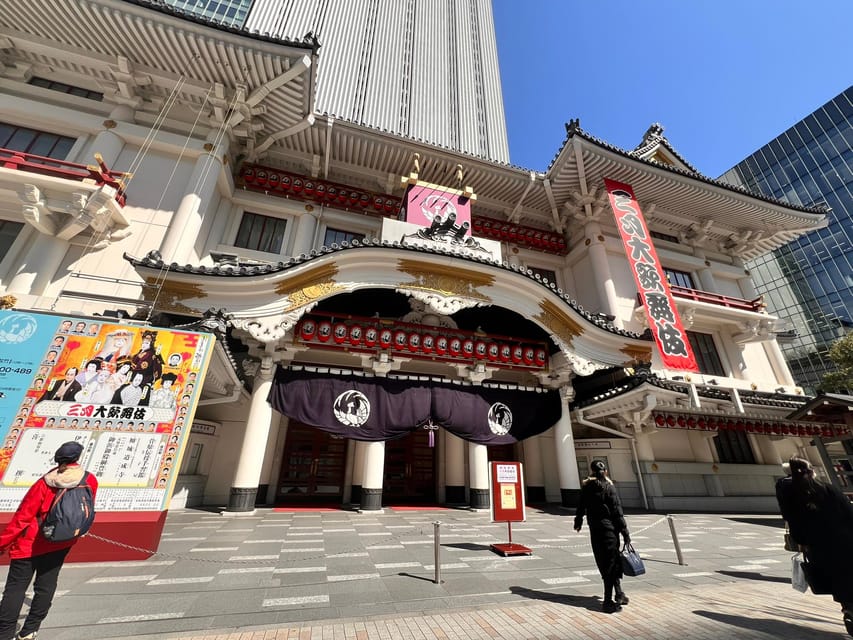
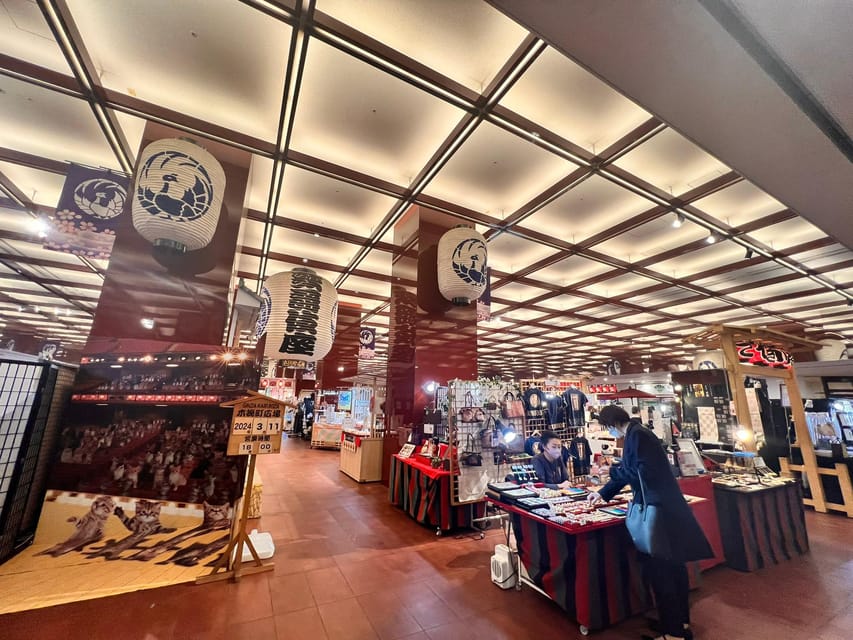
The shopping portion adds a practical and enjoyable layer. After learning about Kabuki, you can stop at shops in the area that sell goods connected with Kabukiza. The selection includes Kabuki items, Japanese accessories, Japanese sweets, and other gifts.
The special appeal is access to souvenirs only available at Kabukiza. That gives you a better chance of finding something tied directly to the theater rather than a generic Tokyo item. The description does not promise a set purchase or discount, so your shopping cost depends entirely on what you choose.
I like this part because it lets you continue the subject at your own pace. A small Kabuki-related object or Japanese sweet can be a more useful memory than a quick photograph outside the building. It also gives you a chance to browse even if you decide the gallery introduction is enough cultural sightseeing for the day.
Keep your expectations practical. This is not a dedicated shopping tour, and the 90-minute schedule includes the theater visit, explanation, and department store stop. You will have time to look, but you should not expect a long, unhurried shopping session.
More Tokyo traditional music and dance shows:
- Tokyo: Japanese Dance Cabaret Theater Asakusa-Kaguwa Ticket
★ 4.8 · 2,270 reviews - Tokyo: KABUKI Show at Kabukiza Theatre Admission Ticket
★ 4.8 · 152 reviews - Tokyo: KABUKI, BUNRAKU, etc. presented by National Theatre
★ 4.6 · 135 reviews - Japanese Traditional Music Show in Tokyo
★ 5.0 · 72 reviews
Visiting Mitsukoshi Ginza After Kabukiza
The final stop is Mitsukoshi Ginza, the Ginza branch of a department store with more than 350 years of history. The visit shifts the focus from Kabuki theater to Japanese retail and traditional crafts.
This is a smart pairing. Kabukiza introduces a traditional performing art, while Mitsukoshi gives you a look at high-quality Japanese goods in a polished department store setting. You may find traditional crafts, Japanese accessories, sweets, and other items that fit a more refined shopping style.
The stop also gives you a different view of Ginza. You are not only visiting a theater or buying souvenirs. You are seeing how traditional Japanese design and craftsmanship are presented in one of Tokyo’s best-known shopping districts.
Still, this portion is a browse, not a private craft demonstration. The information provided does not specify particular departments, products, or demonstrations. Think of it as a chance to encounter quality Japanese goods and get a taste of Ginza’s style, rather than a detailed retail tour.
Is the $51 Price Fair?
At $51 per person, this experience is priced as a guided cultural introduction rather than simple entry to a building. The value comes from having an English-speaking guide connect the Kabukiza visit, souvenir area, and Mitsukoshi stop within a compact 90-minute plan.
I see the price as reasonable for someone who wants guidance and has limited time. A small group of no more than nine is a useful feature, especially if you want to ask questions or avoid trying to work out the Kabukiza area on your own.
The value is weaker if you only want to look around and shop. The activity does not include a performance, and purchases are extra. If the main goal is live Kabuki, you will need to spend more separately on that experience.
Your expectations should match the format. You are paying for the guide’s time, the organized route, and the cultural explanation. You are not paying for theater admission or a package of souvenirs.
Who Will Get the Most From This 90-Minute Tour?
I would recommend this for first-time visitors who are curious about Kabuki but do not have time for a full theater outing. It also suits people who want a short Ginza activity that combines culture, shopping, and a historic department store.
The tour may work well for:
- Visitors with only a morning or afternoon free in Ginza
- First-time Kabuki learners who want basic context
- Shoppers looking for Kabukiza-related souvenirs
- Small groups that prefer an English-speaking guide
- People who want to pair traditional theater with Japanese crafts and retail
I would be more cautious if you already have a strong background in Kabuki. The history explanation may feel too simple, especially if you are hoping for detailed theater scholarship.
I would also avoid booking it as your only Kabuki experience if seeing a performance is important to you. Use it as an introduction, not a substitute for the stage.
Timing, Group Size, and Booking Flexibility
The activity lasts 90 minutes, so it is easy to fit before lunch, after another Ginza stop, or between larger Tokyo plans. The short length is one of its strengths, but it also limits how much detail the guide can cover.
The live guide speaks English, and the small group is capped at nine participants. That should give you a better chance to hear the explanation and ask a question than a large group would allow. The guide’s style matters here, since one guest found the information informative while another found it basic.
You can cancel up to 24 hours in advance for a full refund. You can also reserve now and pay later, which helps if your Tokyo schedule is still changing. These policies are useful, but they do not change the central question: are you happy with a Kabuki introduction rather than a live show?
My Practical Take on the Experience
I like the clear three-part shape: Kabukiza for cultural context, nearby shops for souvenirs, and Mitsukoshi for a polished look at traditional Japanese goods. It gives you more variety than a simple theater exterior visit.
The strongest part is the combination of location and convenience. You can learn a little about Kabuki, shop for items tied to the theater, and see an old department store without spending half a day on transport.
The weak point is also clear. The tour can sound more theatrical than it really is, and the lack of a performance may disappoint anyone who does not read the details carefully. The basic level of the history explanation may also leave experienced Kabuki fans wanting more.
I would make the most of it by arriving with a few questions. Ask about the exhibits, the role of the Kabukiza building, and what makes the souvenirs specific to the theater. That can turn a basic introduction into a more useful conversation.
Should You Book This Kabuki Tour?
Book it if you want a short, guided introduction to Kabuki in Ginza, especially if souvenir shopping and Mitsukoshi appeal to you. The small English-speaking group and central location make it a practical choice for a busy Tokyo schedule.
Skip it if your main goal is to watch Kabuki. No performance is included, and the educational material may be too basic for someone already familiar with the art.
For the right audience, $51 buys a tidy introduction to three connected parts of Ginza: traditional theater, specialty shopping, and long-established Japanese retail. Just book it for the experience it provides, not the one you might assume from its title.
FAQ
Where does the tour meet?
The meeting point is in front of NISSAN CROSSING in Ginza.
How long does the experience last?
The tour lasts 90 minutes.
Is Kabuki performance viewing included?
No. Kabuki viewing is not included in the activity.
Is the tour conducted in English?
Yes. The experience includes a live English-speaking guide.
How many people can join the group?
The group is limited to nine participants.
What will I see at Kabukiza?
You will see the Kabukiza building and tour Kabuki exhibits with a guide.
Can I buy Kabuki souvenirs during the tour?
Yes. The tour stops at souvenir shops in the area, including shops with Kabukiza-only goods. Shopping costs are not included.
Does the tour visit Mitsukoshi?
Yes. The route includes Mitsukoshi Ginza, a department store with more than 350 years of history.
Can I cancel for a refund?
You can cancel up to 24 hours in advance for a full refund.
Newly reviewed around Tokyo
- Tokyo Asakusa:Calligraphy & Make T-shirt Activity★ 5.0 · 62 reviews
- Intercity Shuttle, Tokyo to Haneda /Narita /Yokohama /Makuhari★ 5.0 · 5 reviews
- 1 Hour Travel around Tokyo with a Professional Photographer★ 5.0 · 3 reviews
- Travel Tokyo with Your Own Personal Photographer★ 5.0 · 43 reviews
- Train in Samurai Swordsmanship and Defeat the Demon in Tokyo★ 5.0 · 5 reviews
- Shuttle Van 6hr Tokyo Tour to-and-from Tokyo, Yokohama and Narita★ 5.0 · 9 reviews
- Kickboxing & Body Training with EX-Pro Fighter★ 5.0 · 4 reviews
- Traditional Japanese Knife Sharpening Class★ 5.0 · 18 reviews
Tokyo Traditional Music and Dance Shows, compared.
Japanese Dance Cabaret Theater Asakusa-Kaguwa Ticket
Read our review →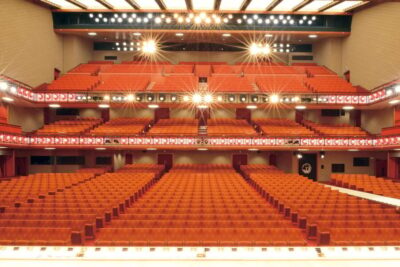
KABUKI Show at Kabukiza Theatre Admission Ticket
Read our review →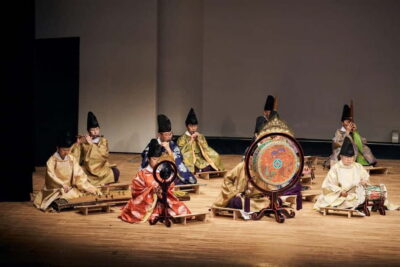
KABUKI, BUNRAKU, etc. presented by National Theatre
Read our review →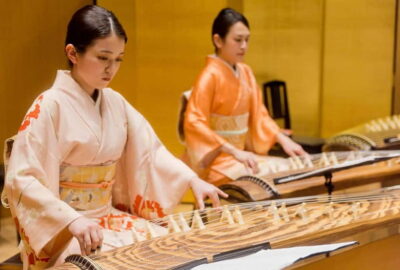

Tokyo’s Authentic and Finest Taiko Drumming Experience
Read our review →
Tokyo’s Authentic and Finest Taiko Drumming Workshop
Read our review →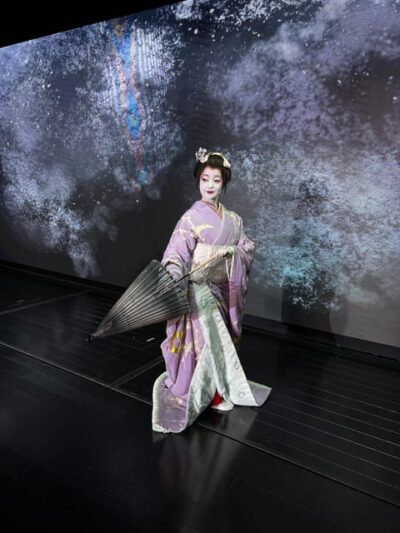
Authentic Japanese Dance Show ticket by professionals
Read our review →
Browse the lists this tour appears in