
Reviewed · TOKYO WALKING TOURS
Tokyo Castle & Imperial PalaceーShogun Walking Tour
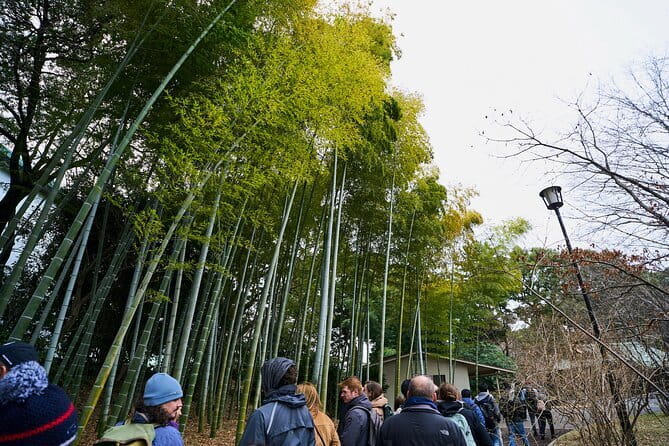
Edo Castle was once Japan’s largest castle, and this tour helps you see the fortress beneath modern Tokyo. You’ll follow moats, gates, stone walls, gardens, and palace grounds while learning how the shogun governed for roughly 260 years. The most useful part is the explanation of what you’re looking at, since many of these remains are easy to pass without context.
I like the small groups of up to 10 and the relaxed two-hour pace. I also like that guides such as Anju, Fuma, Yuka, Tomo, and Kosei connect the Edo period with Japan today, rather than treating the palace as a collection of old stones. The main consideration is that much of the walk is outdoors, and the tour is conducted in English only.
Key points to know before booking
- Edo Castle survives in moats, gates, walls, and ruins: You’ll learn how these pieces worked together as a huge defensive system.
- The Imperial Palace grounds connect past and present: The tour links the shogun’s castle with the emperor’s modern residence.
- Small groups make questions easy: With no more than 10 people, you can usually keep close to the guide and ask about details.
- Ninomaru Garden offers a quieter side of Tokyo: Expect carefully arranged scenery, unusual koi, and trees from across Japan.
- The tour is a good value at $23: The gardens and grounds provide the setting, while the guide supplies the meaning behind what you see.
- Outdoor conditions matter: Wear shoes and clothing suited to the weather, and allow extra care on slopes if mobility is limited.
Why Edo Castle is more than a palace visit
The Imperial Palace can seem like a broad green center in the middle of Tokyo. Without background, you may notice a handsome gate, a deep moat, or a large stone wall and then keep walking. This tour gives those features a job and a story.
Your guide explains how Edo Castle grew into an enormous stronghold and how its layered defenses helped protect the shogun. The point is not simply that the castle was large. It is understanding how gates, moats, walls, towers, and controlled entrances worked together to make access difficult.
That setting also gives you a useful introduction to the Edo period. For about 260 years, Japan experienced a long period of samurai rule under the shogunate. The castle was the political center of that system, so walking its grounds helps explain how Tokyo developed from Edo, a seat of military power, into Japan’s capital.
The tour also moves beyond samurai stories. It discusses the imperial system and its stated 2,600-year continuity, bringing the story into the present day. That connection gives the walk more range than a simple castle tour. You’ll hear about military government, palace life, gardens, and the role of the imperial family.
More Tokyo walking tours:
- Tokyo Tsukiji Fish Market Food and Culture Walking Tour
★ 5.0 · 3,184 reviews - Tokyo: Imperial Palace and Shogun Historical Walking Tour
★ 5.0 · 2,251 reviews - Tokyo: Shinjuku Local Bar and Izakaya Guided Walking Tour
★ 4.9 · 1,794 reviews
Starting at Wadakura Fountain Park
The meeting point is in front of Starbucks Coffee Kōkyo Gaien Wadakura Fountain Park Store at 3-1 Kōkyo Gaien, Chiyoda City, Tokyo. Look for a guide holding a sign marked Local Guide Stars.
This is a sensible place to begin because it puts you beside the Imperial Palace area without sending you deep into a confusing maze of streets. Still, Tokyo’s central districts can be busy and spread out, so I would arrive early enough to find the café and settle in before the stated start time.
The tour returns to the same Starbucks at the end. That makes the walk easy to fit into a day of sightseeing. You are not left at an unfamiliar corner of Tokyo, and you can continue toward another central attraction or take a break nearby.
The group limit of 10 is important here. A large group would make it harder to hear explanations beside a moat or gate. With a smaller party, guides such as Anju, Fuma, Ai, Keiko, Kazuki, and Koyo can keep the conversation moving and respond to individual questions.
Sakurada Tatsumi Yagura and the castle’s defensive edge
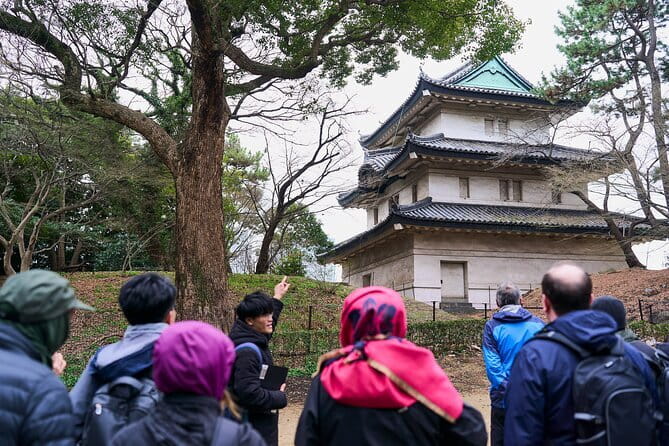
The first listed stop is Sakurada Tatsumi Yagura, a short photo stop and introduction to the castle area. A yagura is a defensive tower, and this stop helps set up the main theme of the walk: Edo Castle was designed as a working fortress, not just a residence.
You should expect only about five minutes here, so it is more of a visual introduction than a long visit. Your guide uses the structure to explain the castle’s scale and the way its defenses were arranged.
This is a good early stop for photography. The stonework, water, and traditional structure make a strong first image of old Edo. The drawback is simple: if you want a long, detailed look at one building, the tour keeps moving. Its value comes from the larger story rather than extended time at each monument.
Ote-Mon Gate and the first real sense of scale
Ote-Mon Gate receives about 15 minutes, enough time for a fuller explanation and a closer look. As one of the major entrances, it helps you picture the controlled movement into the castle grounds.
Here, your guide can explain how a visitor would have approached the castle and why gates were more than attractive entry points. The castle’s defenses were layered, and the route through them mattered. A gate could slow movement, limit access, and give guards a strategic advantage.
I find this kind of explanation especially useful because the surviving structures do not always reveal their purpose on their own. A wall may look like scenery until you understand where it sat in the larger system.
The stop also gives the group time to take photos. Keep in mind that this is a walking tour, not a private architectural inspection. You will get context, pictures, and a sense of how the entrance functioned, then move on.
A completely different kind of day in Tokyo:
- Mt Fuji and Hakone 1-Day Bus Tour Return by Bullet Train
★ 5.0 · 26,383 reviews - 1-Day Tokyo Bus Tour
★ 5.0 · 14,250 reviews - Tokyo: teamLab Planets TOKYO Digital Art Museum Entry Ticket
★ 4.6 · 9,779 reviews - Mt Fuji & Hakone Cruise, Drum Show Bullet Train 1 Day from Tokyo
★ 4.0 · 7,413 reviews
The Imperial Palace grounds and the modern imperial system

The walk continues through the Tokyo Imperial Palace area for around 20 minutes. This is where the tour shifts from castle history to the continuing imperial institution.
The palace is associated with Japan’s emperor today, while the same general grounds once held the center of shogunal power. That contrast is one of the strongest reasons to take this tour. You can see how one location carried very different political meanings across time.
Your guide explains the imperial system as a tradition said to stretch back 2,600 years. The tour asks how that institution endured through major changes in Japanese government and society. You are not simply looking at a residence. You are examining the relationship between old authority, military rule, and modern Japan.
Access matters here. The tour covers the Imperial Palace grounds and the eastern garden, but that does not mean every palace building or interior is open for a visit. Expect an outdoor walk around the grounds and visible historic features rather than a full indoor palace tour.
Ninomaru Garden, koi, and a calmer Tokyo
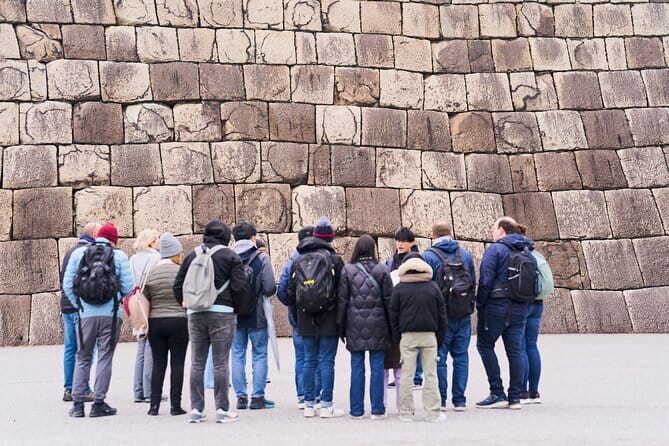
Ninomaru Garden receives about 15 minutes, though the whole walk through the gardens gives this section a gentle change of pace. After gates, walls, and military history, the garden offers a more peaceful view of the palace grounds.
You’ll see seasonal plantings, carefully arranged scenery, and trees gathered from different parts of Japan. The garden is also known for special koi. These details give the tour a cultural side that a strictly military history walk would miss.
I like this stop because it shows how power was presented through beauty and order as well as through walls and guards. The garden is not just a pleasant photo backdrop. It helps you understand the contrast between the hard defensive edge of Edo Castle and the controlled calm of an imperial garden.
The timing is fairly brief, so enjoy the views as you listen. If gardens are your main interest, you may wish the tour allowed more time to wander independently. The benefit of the guided format is that you learn what makes particular trees, ponds, and garden features worth noticing.
Edo Castle ruins and the palace model
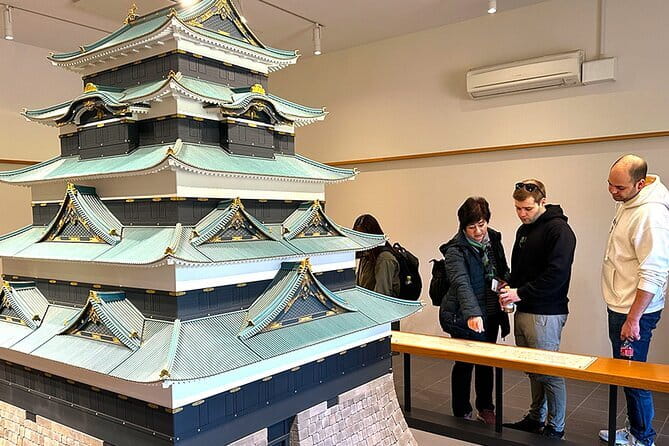
The Edo Castle ruins receive about 10 minutes, but this may be one of the most useful parts for anyone who has trouble picturing the original complex. The remaining stones and foundations give you physical evidence of the castle, while the guide fills in the missing towers, halls, and walls.
You’ll also view a miniature structure showing what the former palace looked like. That model is especially helpful because the present-day grounds can feel open and spacious. A scale representation lets you see the concentration of buildings and the size of the former complex more clearly.
This is where the tour’s title makes sense. You are not walking through an intact castle with grand rooms and complete towers. You are following its traces. The experience depends on your willingness to imagine the past from surviving pieces.
A strong guide makes a real difference here. Kosei, for example, is praised for connecting Japanese history with modern life and for comparing Japanese and international culture. Other guides, including Fuma and Anju, are known for using anecdotes and small facts to make the ruins easier to picture. The guide’s explanation is the main attraction at this stop.
Imperial Palace East Gardens and the final views
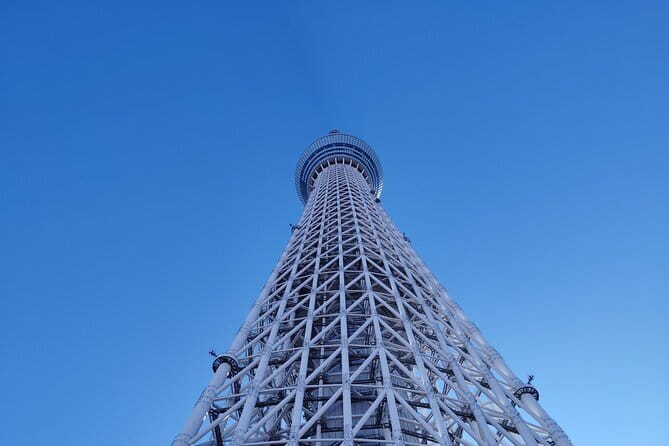
The Imperial Palace East Gardens receive about 20 minutes, making them the longest individual stop on the route. This gives you time to slow down after the castle explanations and take in the trees, garden features, and open views.
The gardens are a strong ending because they combine several themes from the tour. You get the former castle setting, the imperial connection, Japanese garden design, seasonal scenery, and a quieter break from central Tokyo’s busy streets.
Photography is encouraged, so bring a camera or keep your phone ready. You may find the best images here rather than at the more defensive stops, especially when the gardens are in season. Since conditions change during the year, the exact colors and flowers will depend on your visit date.
The route then returns to the Starbucks at Wadakura Fountain Park. The full activity lasts two hours, although one guide has occasionally continued a little longer when questions and conversation kept going. Do not count on extra time, but the flexible pace is a positive sign for people who prefer a real conversation instead of a rushed script.
The guide makes the difference
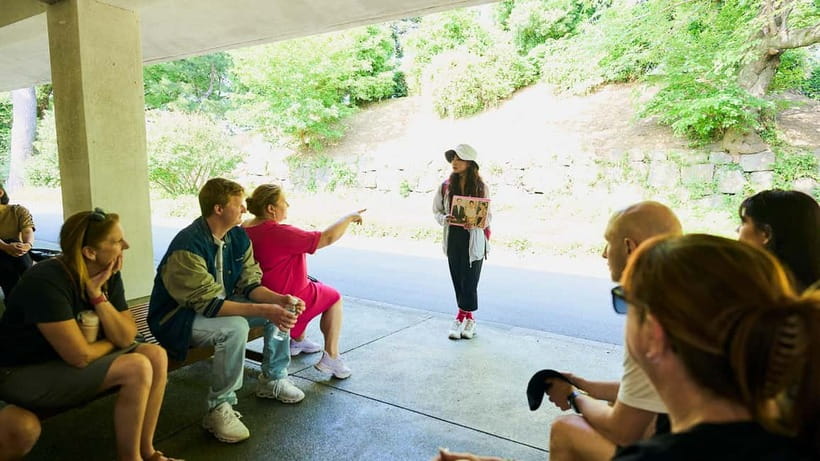
The most important part of this experience is the person leading it. The route itself is worthwhile, but the palace grounds are large and the remains can be subtle. A guide who explains why a wall was built or how an entrance worked changes the walk from sightseeing into history.
Several guides receive repeated praise for clear English, friendly pacing, and strong storytelling. Anju is described as patient, cheerful, and able to bring the Edo period into the present. Fuma is praised for passion, fun facts, and useful recommendations for the rest of a Tokyo visit. Yuka, Tomo, Keiko, Ai, Mai, Nana, Kazuki, and Koyo are also noted for clear explanations and warm conversation.
That does not mean every tour will feel identical. Different guides will tell stories in their own way, and English is the only available language. If you need Japanese-language support, this is not the right choice.
The group format helps. You can ask questions about samurai life, castle defenses, palace functions, or the imperial family without feeling lost in a crowd. Some guides use small quizzes or invite personal questions, which can make the historical material easier to remember.
Is $23 a fair price?
At $23 per person, I consider this a reasonable price for a two-hour guided walk in central Tokyo. The Imperial Palace East Gardens themselves do not necessarily carry a separate admission charge, so you are mainly paying for the guide’s time, explanation, organization, and small-group setting.
That distinction matters. If you only want to stroll through the gardens and take photos, you may prefer to visit independently. If you want to understand the castle’s defenses, the Edo period, and the shift from shogunal power to imperial Japan, the guide adds the value.
The group limit of 10 makes the price more attractive than a large general tour. You get a better chance to hear the guide and ask questions, while the two-hour length keeps the cost and time commitment modest.
Free cancellation up to 24 hours before the activity and a reserve-now, pay-later option also make it easier to fit into a changing Tokyo schedule. Check the available start times before booking, since the tour runs at set times rather than whenever you arrive.
Practical details for comfort and access
Much of the route is outside. Wear shoes suitable for walking and dress for the forecast. Sun, rain, heat, or cold can affect your enjoyment more than the historical content, especially because the itinerary moves between open grounds and gardens.
There is a security check when entering the Imperial Palace area. Do not bring knives or alcohol. Keeping your belongings simple will make entry easier.
Wheelchairs are available and can be used within the Imperial Palace grounds. Some slopes and sections still require walking or going down on foot, so anyone with mobility concerns should consider that limitation before booking.
The tour is conducted in English only. The guide sign at the meeting point reads Local Guide Stars, and the tour returns to the same location where it begins.
Who should book this walk?
I would choose this tour if you want a clear introduction to Tokyo’s political history without spending half a day inside a museum. It suits first-time visitors, history fans, people interested in samurai culture, and anyone curious about the connection between Edo Castle and the modern Imperial Palace.
It is also a good pick if you have watched a period drama and want to sort fiction from the real setting. The tour does not recreate samurai life, and you will not enter a preserved castle interior. Instead, you will see the actual ground on which that world operated and learn how its systems worked.
You may want something else if your priority is palace interiors, a long garden stroll, or a tour in a language other than English. The walk is brisk enough to cover several locations, and each stop receives a limited amount of time.
Should you book the Tokyo Castle and Imperial Palace Shogun Walking Tour?
Book it if you want the Imperial Palace grounds to make sense. At $23, the walk offers a well-priced way to connect moats, gates, ruins, gardens, and the imperial system in one compact outing.
I especially recommend it for visitors who might otherwise look at the stone walls and see only attractive scenery. The strongest guides, including Anju, Fuma, Yuka, Tomo, and Kosei, turn those quiet remains into a story about military power, palace life, and modern Japan.
Skip it only if you prefer to explore alone or need indoor attractions. For everyone else, this is a practical, friendly introduction to one of Tokyo’s most important historic sites.
FAQ
How long does the tour last?
The tour lasts two hours and returns to the Starbucks Coffee Kōkyo Gaien Wadakura Fountain Park Store.
How much does the tour cost?
The listed price is $23 per person.
Where does the tour meet?
Meet in front of Starbucks Coffee Kōkyo Gaien Wadakura Fountain Park Store at 3-1 Kōkyo Gaien, Chiyoda City, Tokyo.
How do I identify the guide?
The guide will be holding a sign that says Local Guide Stars.
What language is the tour conducted in?
The tour is conducted in English only. Japanese-language support is not available.
How large is the group?
The tour is limited to 10 participants.
What places does the tour visit?
The route includes Sakurada Tatsumi Yagura, Ote-Mon Gate, Tokyo Imperial Palace, Ninomaru Garden, Edo Castle ruins, and the Imperial Palace East Gardens.
Is photography allowed?
Yes. Photography is encouraged throughout the visit.
Are there security restrictions?
There is a security check when entering the Imperial Palace. Do not bring knives or alcohol.
Is the tour suitable for wheelchair users?
Wheelchairs can be used within the Imperial Palace grounds, but some slopes and areas require walking or going down on foot. Dress appropriately because much of the tour takes place outdoors.
Newly reviewed around Tokyo
- Tokyo Asakusa:Calligraphy & Make T-shirt Activity★ 5.0 · 62 reviews
- Intercity Shuttle, Tokyo to Haneda /Narita /Yokohama /Makuhari★ 5.0 · 5 reviews
- 1 Hour Travel around Tokyo with a Professional Photographer★ 5.0 · 3 reviews
- Travel Tokyo with Your Own Personal Photographer★ 5.0 · 43 reviews
- Train in Samurai Swordsmanship and Defeat the Demon in Tokyo★ 5.0 · 5 reviews
- Shuttle Van 6hr Tokyo Tour to-and-from Tokyo, Yokohama and Narita★ 5.0 · 9 reviews
- Kickboxing & Body Training with EX-Pro Fighter★ 5.0 · 4 reviews
- Traditional Japanese Knife Sharpening Class★ 5.0 · 18 reviews
Tokyo Walking Tours, compared.
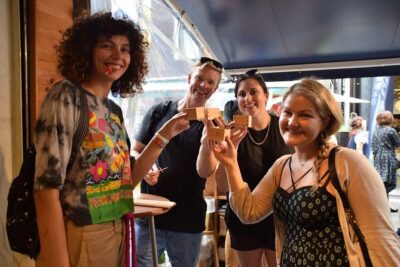
Tokyo Tsukiji Fish Market Food and Culture Walking Tour
Read our review →
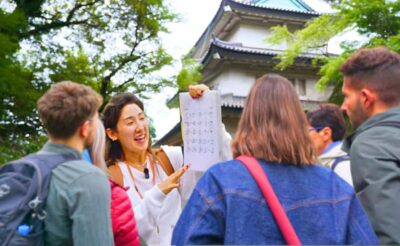
Imperial Palace and Shogun Historical Walking Tour
Read our review →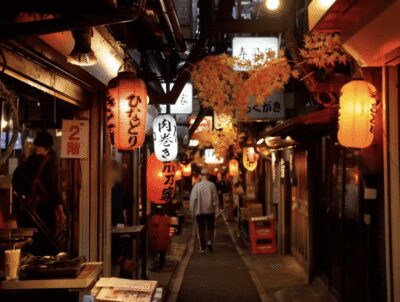
Shinjuku Local Bar and Izakaya Guided Walking Tour
Read our review →
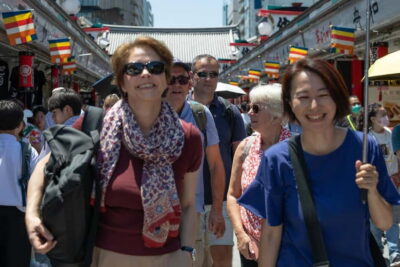
Asakusa Walking Tour with Sensoji Temple Visit
Read our review →

Browse the lists this tour appears in