
Reviewed · TOKYO TEA CEREMONY EXPERIENCES
Tea Ceremony Experience in a Private Tea Room in Shibuya
The unusual part of this Shibuya experience is the setting: after an eight-minute walk from the station, you leave the city noise behind and enter a private tea room in an apartment building. Host Tatsu, also identified as Tatsuya, explains the ceremony, the meaning of its objects, and the work behind premium matcha.
I like the family connection to tea farming and the chance to taste organic matcha said to represent only 2% of Japan’s total circulation. I also like the practical format: you watch a formal preparation, enjoy wagashi sweets from a shop with more than 200 years of history, then make your own bowl. The tea room has no toilet, and matcha contains caffeine, so plan ahead.
Key points to know
- Eight minutes from Shibuya Station: Meet outside The OneFive Tokyo Shibuya hotel, close to Hachiko, the Scramble Crossing, and other central sights.
- A private tea room in an apartment building: The entrance may seem ordinary, but the room itself is designed for a quiet ceremony.
- Tatsu or Tatsuya leads the session: Expect clear explanations in English or Japanese, with time for questions.
- Premium organic matcha: The tea comes from EAST GREEN MATCHA and is described as among the rarest 2% of the harvest.
- You make your own matcha: The hands-on portion gives you more than a demonstration and lets you practice the whisking technique.
- Traditional wagashi is included: Sweets come from a long-established Japanese confectionery shop with more than 200 years of history.
A calm tea room just minutes from Shibuya Crossing
Shibuya is famous for noise, screens, crowds, and the great diagonal crossing outside the station. This activity offers a useful change of pace without asking you to leave central Tokyo. You meet at the front of The OneFive Tokyo Shibuya hotel at 1-8-11 Jinnan, Shibuya-ku, and walk about eight minutes to the tea room.
Look for a sign marked TEA ROOM KAKOI. The guide meets you at the entrance, and the activity finishes back at the same meeting point. That simple arrangement matters in Shibuya, where a first-time visitor can lose time among station exits and large commercial buildings.
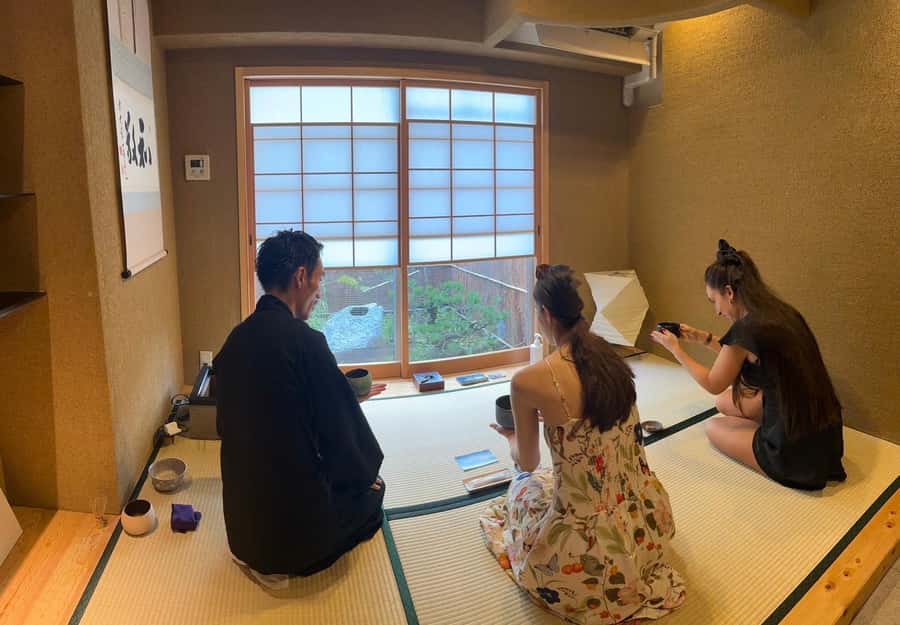
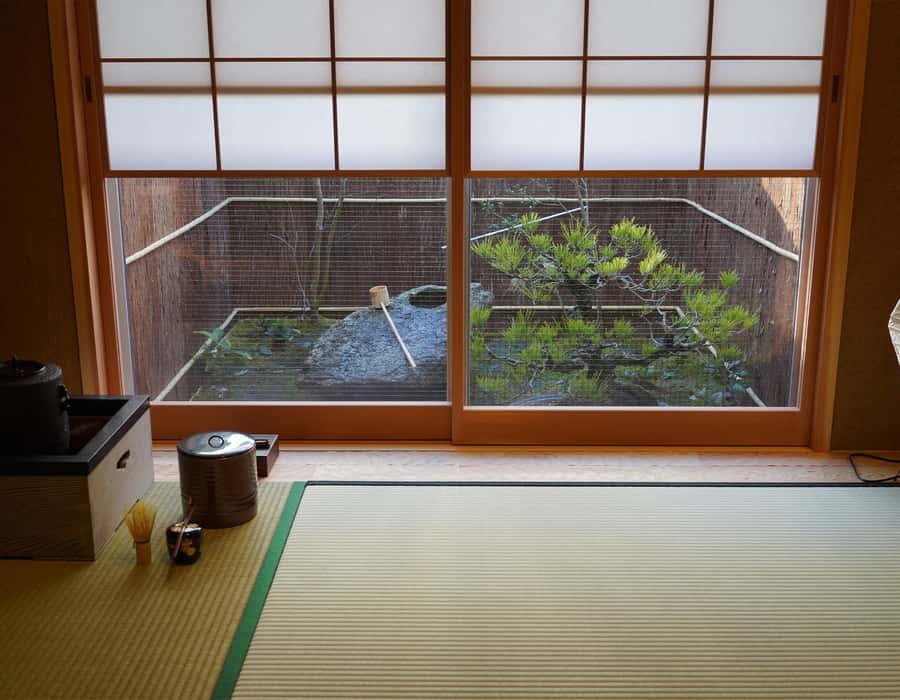
The tea room is located in an apartment complex. That may sound less grand than a historic garden or temple, but it is part of the appeal. You are not being led through a large attraction with a parade of groups. You enter a compact, purpose-made room where the focus is on the host, the utensils, the tea, and the quiet rhythm of the ceremony.
One useful expectation to set: this is a private tea-room experience in a city apartment building, not a tour of a famous temple tea house. If you want a formal ceremony in a historic compound, this may feel modest. If you want an accessible introduction close to Shibuya Station, the location works well.
More things to do in Shibuya:
- Official Street Go-Kart in Shibuya
★ 5.0 · 3,435 reviews - Tokyo: Street Kart Experience in Shibuya
★ 4.9 · 1,484 reviews - Shibuya Meltdown Nightlife Tour: All-You-Can-Drink Bar Hopping
★ 5.0 · 1,058 reviews
What the opening explanation adds
The session begins with an introduction to Japanese tea ceremony and matcha production. This is more useful than simply watching someone whisk green tea. You learn why the ceremony is carried out with care, how the tea is prepared, and how matcha developed from a specialized Japanese tradition into a drink known around the world.
The guide also explains the background of the tea itself. Tatsu or Tatsuya is described as coming from a family with tea farms for two generations, which gives the conversation a personal connection to agriculture. You can ask about differences between matcha varieties, the production process, and the reason premium tea costs more.
This opening section helps you notice details that might otherwise pass by. The bowl, scoop, whisk, and other objects are not treated as random props. The host explains how to respect each item and why calm behavior matters during the ceremony.
The language choice is practical. The experience is offered in English and Japanese, and the guide is described as patient and clear when explaining the ritual. Still, tea ceremony has its own vocabulary and customs, so you should expect a cultural lesson rather than a long historical lecture.
The formal ceremony and the taste of matcha
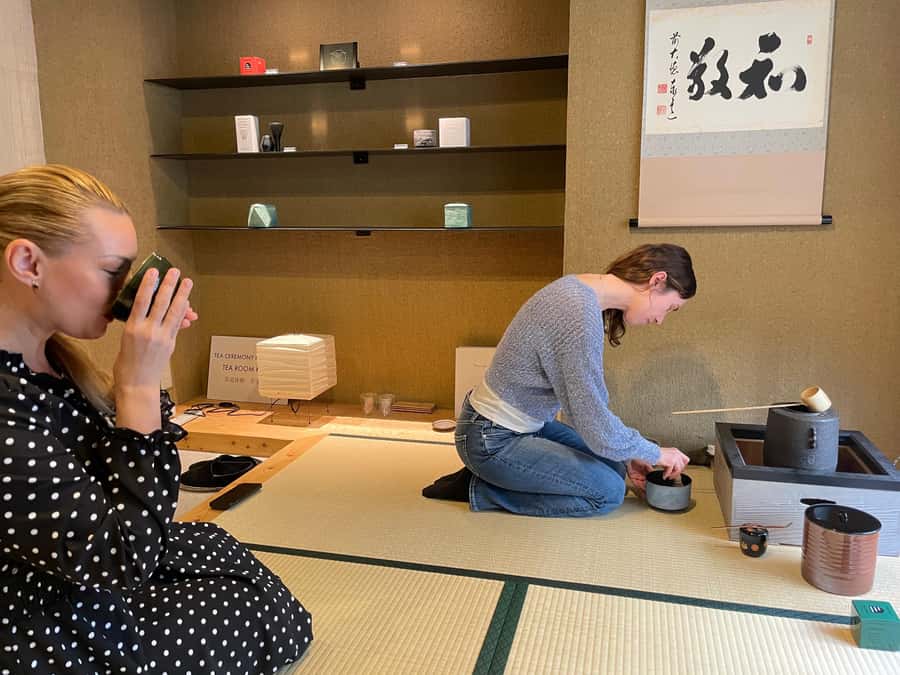
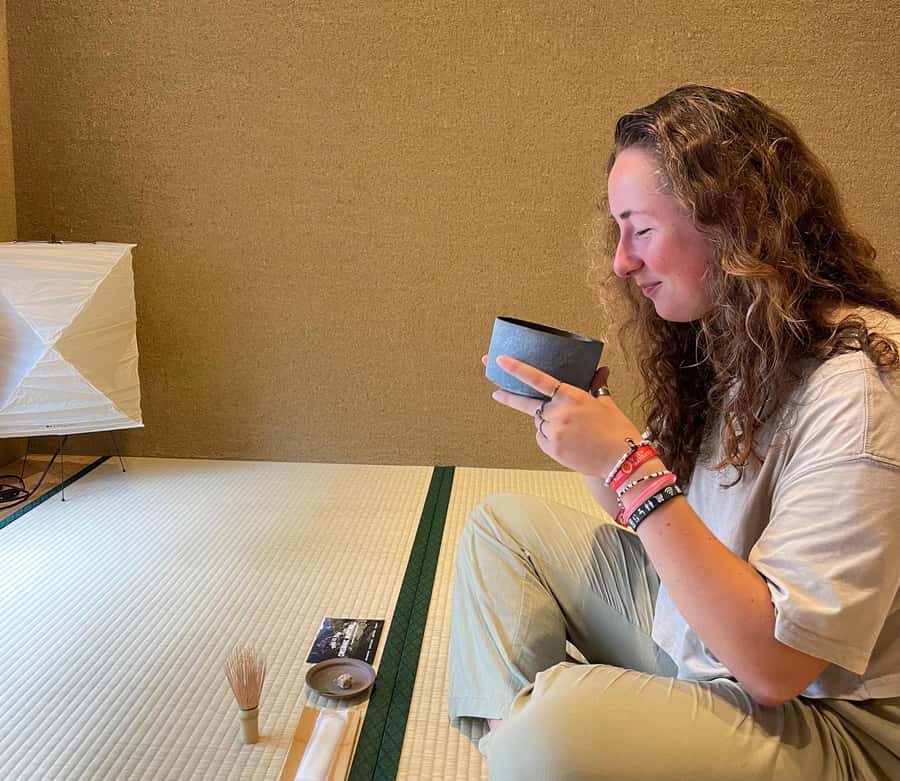
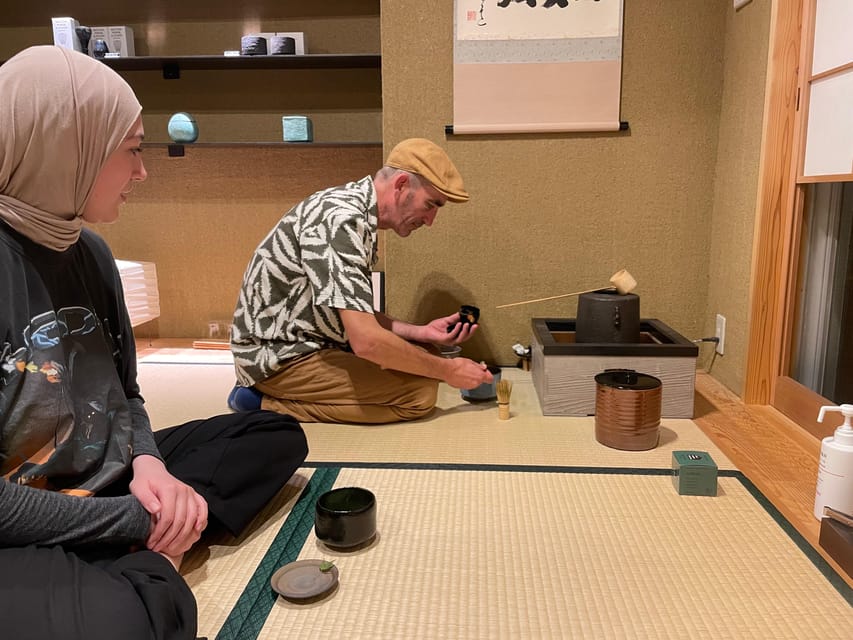
After the introduction, the host prepares matcha in the formal tea ceremony style and serves it with a traditional sweet. The ceremony is not only about flavor. It is also about attention, movement, and the relationship between host and guest.
You may be shown how to hold the bowl, how to appreciate its appearance, and how to drink the tea properly. The pace is deliberately measured. That slower rhythm is especially welcome after navigating Shibuya Station, although visitors who want a fast activity may find the quiet pauses less exciting.
The matcha comes from EAST GREEN MATCHA, the experience provider. It is described as high-grade organic matcha making up only 2% of the total circulation. That claim gives you a clear reason to compare this activity with a basic matcha tasting, where the main attraction may simply be a sweet drink in a themed setting.
Taste is personal, of course. Matcha has a concentrated, grassy flavor, and it contains caffeine. If you are sensitive to caffeine, keep that in mind before booking. The experience does not present tea as a caffeine-free wellness drink.
The traditional sweet is an important part of the sequence. Wagashi can balance matcha’s sharper taste, and the sweets served here come from a confectionery business with more than two centuries of history. The pairing lets you understand why Japanese tea service usually considers the drink and sweet together rather than treating the sweet as an unrelated snack.
Making your own bowl of matcha
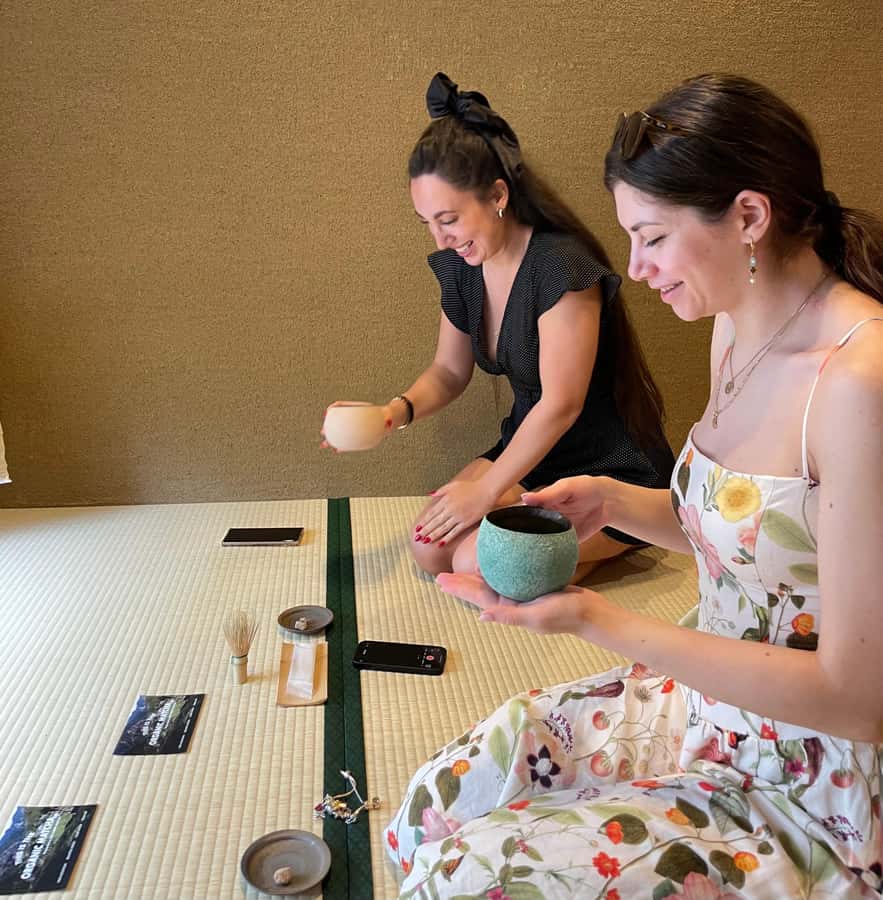
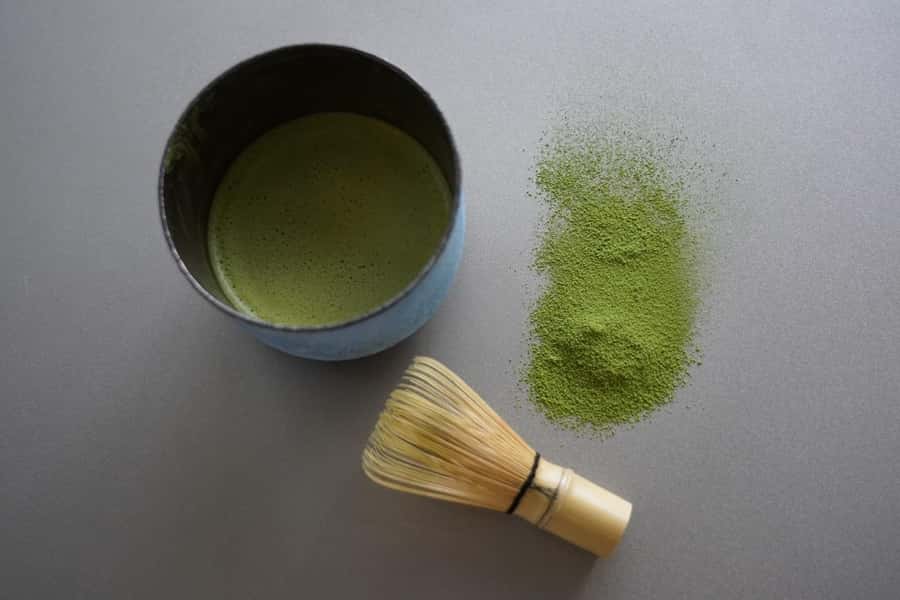
The hands-on section is where this activity becomes more useful than a simple performance. After watching the formal preparation, you receive guidance on making your own matcha. The host explains the technique and helps you understand what you are doing rather than leaving you to copy movements without context.
You will likely pay attention to the whisking motion, the amount of effort, and the finished froth. The activity information does not specify every utensil or the exact length of this portion, so you should not expect a detailed cooking class. It is a guided introduction, designed to help you prepare and drink matcha with greater understanding.
This part suits first-time visitors especially well. You do not need prior tea experience, and you get a chance to ask questions while the steps are still fresh. It also gives you a practical memory to take home: you can buy organic matcha and original tea tools afterward if you wish.
The host’s manner matters here. Tatsu or Tatsuya is repeatedly described as friendly, patient, professional, and clear. That combination is valuable in a ceremony, since the etiquette can feel intimidating if the instructor treats every mistake as a serious breach. The tone here is formal enough to teach the customs, but relaxed enough for questions.
More Tokyo tea ceremonies:
- Matcha Making Class in Tokyo with Authentic Japanese Sweets Set
★ 5.0 · 744 reviews - Tokyo: Traditional Tea Ceremony with a Tea Master
★ 5.0 · 528 reviews - Dynamic Tokyo: Tokyo Tower, Tea Experience, Bay Cruise Day Tour
★ 4.5 · 521 reviews - Tokyo: Matcha Making Experience with Mochi Sweets in Asakusa
★ 4.9 · 388 reviews
Why the apartment setting works, and where it may not
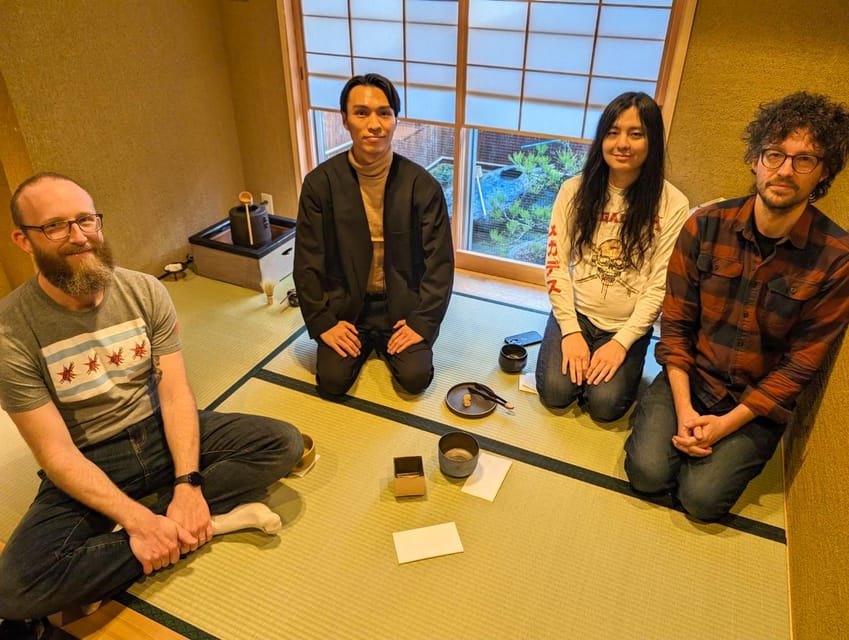
The tea room has received especially strong praise for its calm atmosphere and careful decoration. Once inside, the contrast with Shibuya is part of the experience. You are still in the city center, but the room gives you a place to focus on small actions and quiet conversation.
The setting is also intimate. A compact room can make the ceremony feel personal, but it may not suit you if you prefer open spaces or grand architecture. The activity does not provide a large-scale cultural show. Its strength is concentration, not spectacle.
You should also plan your restroom visit before meeting. There is no toilet in the tea room. The meeting point is near central Shibuya facilities, but the supplied information does not promise access to a particular restroom, so it is wise not to arrive at the last minute.
Pets are not allowed, although assistance dogs are permitted. The activity is not suitable for children under 10, babies under 1 year, or pregnant women. Those restrictions are important when planning a family day in Tokyo.
The value at $30 per person
At $30 per person, this experience is priced as an affordable cultural activity rather than a luxury tea event. You receive premium organic matcha, traditional wagashi, a formal preparation, a hands-on matcha session, and an English or Japanese explanation. You also get a central location that fits neatly around sightseeing in Shibuya.
The value is strongest if you want context. Buying a bowl of matcha at a café would cost less in some cases, but it would not teach you the etiquette, production background, or purpose of the ceremony. A higher-priced formal tea event might offer a more elaborate setting, yet this activity gives you a direct introduction without requiring a long journey across Tokyo.
I would think of the fee as paying for three things: the tea and sweet, the instruction, and the quiet private setting. If you care only about drinking matcha, the price may seem high. If you want to understand why the drink is prepared in a particular way, $30 is fair.
The option to reserve and pay later also helps if your Tokyo plans are still shifting. Cancellation is allowed up to 24 hours in advance for a full refund. That makes it easier to fit the ceremony between visits to Meiji Shrine, the Hachiko Statue, Shibuya Scramble Crossing, or the Pokémon Center.
Who will get the most from this experience
I would recommend this activity to you if you are curious about Japanese customs but want a relaxed introduction. It works well for solo visitors, couples, and small parties who prefer conversation and participation over a large demonstration.
Tea enthusiasts have an obvious reason to book, especially if you want to compare organic matcha and learn about production from a host with family ties to tea farming. It also suits first-time matcha drinkers because the guide explains how to taste and drink the tea properly.
Photographs are another possible benefit. The tea room is described as beautifully decorated, and the ceremony offers clear visual details. Still, you should treat photography as a secondary bonus. The point is to pay attention to the ritual rather than spend the whole session behind a phone.
This is less suitable for very young children, anyone who dislikes caffeine, and visitors who need regular restroom access. It is also not the right choice if your main goal is a famous historic building. The room’s quiet atmosphere and skilled host are the main attractions.
Planning the rest of your Shibuya day
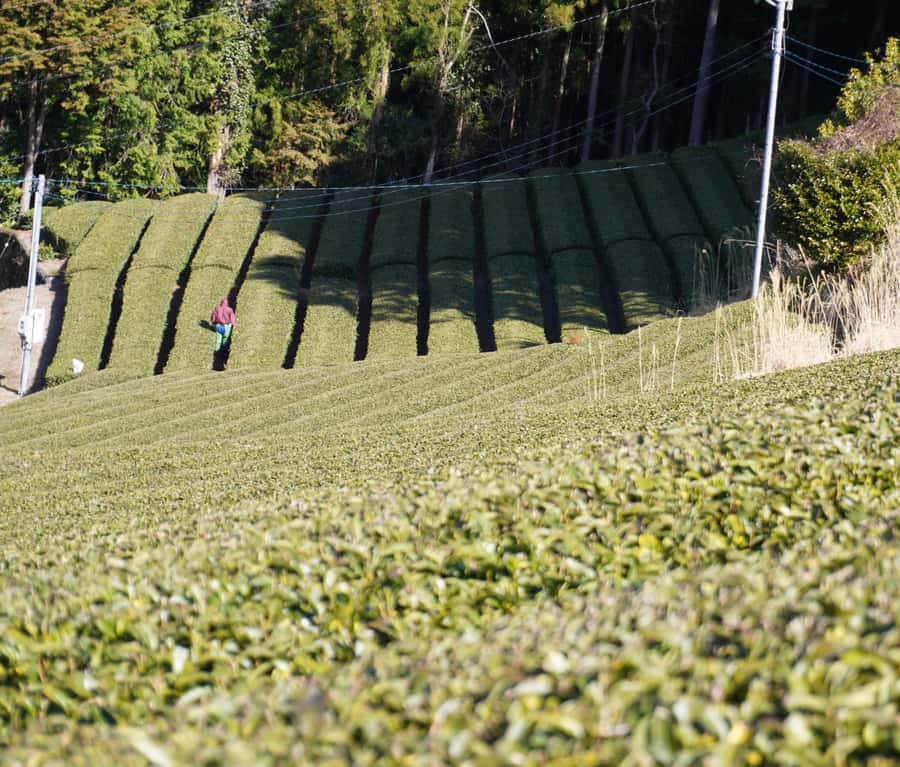
The meeting point places you in a useful part of Tokyo. You can pair the activity with Shibuya’s major sights before or after the ceremony. The Hachiko Statue and Shibuya Scramble Crossing are close by, and Meiji Shrine is another well-known stop in the area. The Pokémon Center gives families and character fans a different kind of Tokyo experience.
I would avoid scheduling this as a rushed stop between two timed attractions. The ceremony depends on a calm mood, and you will get more from it if you have time to arrive at the hotel meeting point without racing through the station.
Because the activity ends back at the starting point, you can continue exploring without arranging transport from an unfamiliar neighborhood. That is a small but useful advantage in Tokyo, where a good location often saves more time than a slightly lower ticket price.
Should you book the Shibuya tea ceremony?
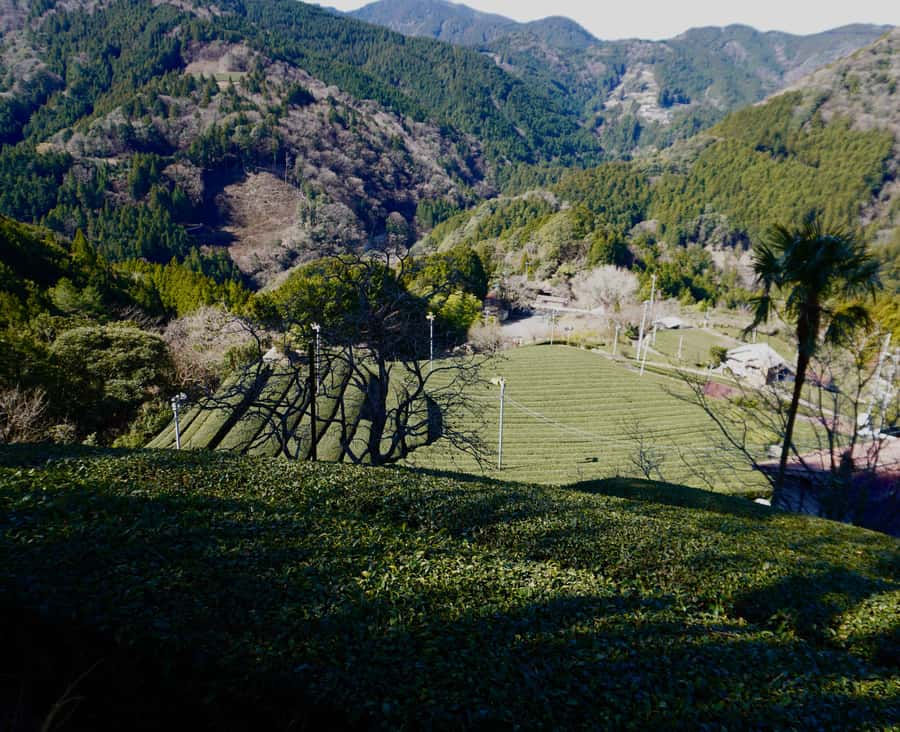
Book it if you want a well-priced, hands-on introduction to Japanese tea in a quiet room close to the city’s most famous crossing. The strongest reasons are the premium organic matcha, the traditional sweet, the chance to make your own bowl, and the host’s personal connection to tea farming.
Skip it if you want a grand temple setting, a long formal ceremony, or a caffeine-free activity. The apartment-building location may seem ordinary at first, and there is no toilet in the room. For everyone else, this is a focused way to slow down for an hour or so in the middle of Shibuya, with enough instruction to make the experience meaningful rather than merely decorative.
FAQ
Where does the tea ceremony meet?
Meet at the front of The OneFive Tokyo Shibuya hotel at 1-8-11, Jinnan, Shibuya-ku, Tokyo, 150-0041. The guide holds a sign marked TEA ROOM KAKOI.
How far is the tea room from Shibuya Station?
The tea room is about an eight-minute walk from Shibuya Station.
What does the activity include?
It includes premium organic matcha, traditional Japanese sweets, the formal ceremony, and a guided session in which you make your own matcha.
What kind of sweets are served?
The sweets are traditional Japanese wagashi from a long-established shop with more than 200 years of history.
Can I make matcha myself?
Yes. The host guides you through the process and explains the techniques and meaning involved.
Is the experience available in English?
Yes. The experience is offered in English and Japanese.
Is there a toilet in the tea room?
No. There is no toilet in the tea room, so plan ahead before entering.
Are children allowed to join?
The activity is not suitable for children under 10 years old. It is also not suitable for babies under 1 year.
Can I buy matcha or tea tools afterward?
Yes. You may purchase high-quality organic matcha and original tea tools as souvenirs if you wish.
What is the cancellation policy?
You can cancel up to 24 hours in advance for a full refund.
Newly reviewed around Tokyo
- Tokyo Asakusa:Calligraphy & Make T-shirt Activity★ 5.0 · 62 reviews
- Intercity Shuttle, Tokyo to Haneda /Narita /Yokohama /Makuhari★ 5.0 · 5 reviews
- 1 Hour Travel around Tokyo with a Professional Photographer★ 5.0 · 3 reviews
- Travel Tokyo with Your Own Personal Photographer★ 5.0 · 43 reviews
- Train in Samurai Swordsmanship and Defeat the Demon in Tokyo★ 5.0 · 5 reviews
- Shuttle Van 6hr Tokyo Tour to-and-from Tokyo, Yokohama and Narita★ 5.0 · 9 reviews
- Kickboxing & Body Training with EX-Pro Fighter★ 5.0 · 4 reviews
- Traditional Japanese Knife Sharpening Class★ 5.0 · 18 reviews
Tokyo Tea Ceremony Experiences, compared.
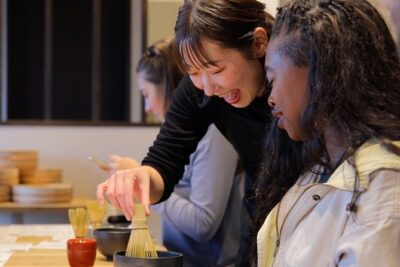
Matcha Making Class in Tokyo with Authentic Japanese Sweets Set
Read our review →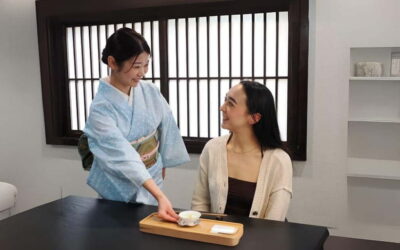
Dynamic Tokyo: Tokyo Tower, Tea Experience, Bay Cruise Day Tour
Read our review →
Matcha Making Experience with Mochi Sweets in Asakusa
Read our review →
Tea Ceremony Workshop in Tokyo by the Experienced Instrucor
Read our review →
Browse the lists this tour appears in