
Reviewed · TOKYO TEA CEREMONY EXPERIENCES
Tokyo: Tea Ceremony & Japanese Sweets Making
The best part of this Tokyo workshop is that you do not only watch a tea ceremony. You make your own matcha and prepare a Japanese sweet to eat with it. That hands-on approach gives you a better feel for the calm rhythm, careful movements, and strong flavor behind this famous Japanese tradition.
I like the small group limit of 10, which should make it easier to follow the demonstration and ask questions in clear English. I also like the tidy one-hour format. It fits neatly into a morning or afternoon of sightseeing without taking over your day.
The main consideration is the short running time. You will get an introduction and practical tryout, not a long ceremonial study. The meeting point is also inside a personal training gym in Hakusan, so you should check the address carefully before setting out.
Key details at a glance
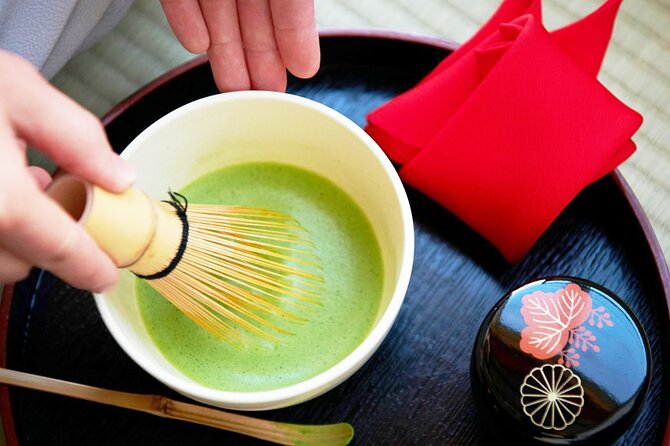
- Watch the Otemae demonstration: See the formal preparation before trying the process yourself.
- Whisk your own matcha: Learn the basic method from a tea master with more than 10 years of experience.
- Craft a seasonal Japanese sweet: Prepare the treat that accompanies your tea, rather than receiving a ready-made dessert.
- Use clear English guidance: The host explains the activity in English for international visitors.
- Keep your schedule flexible: The session lasts about one hour and ends where it begins.
- Plan for a small class: No more than 10 people can join, helping keep the lesson personal.
What the one-hour tea workshop actually offers
This experience gives you a compact introduction to two linked parts of Japanese tea culture: matcha preparation and seasonal sweets. The point is not simply to drink green tea. You learn how the tea is made, see the ceremonial form, and then take part in the process.
The session is led by a tea master with more than 10 years of experience. That matters because matcha preparation can look simple at first glance. The bowl, whisk, water, powder, and movements all have a purpose, and an experienced instructor can show you the details without turning the lesson into a long lecture.
The English guidance is another practical strength. Tea ceremonies can be quiet and highly visual, but without explanation, it is easy to miss what you are seeing. Clear instructions help you understand what happens during the demonstration and what to do when it is your turn.
More Tokyo tea ceremonies:
- Matcha Making Class in Tokyo with Authentic Japanese Sweets Set
★ 5.0 · 744 reviews - Tokyo: Traditional Tea Ceremony with a Tea Master
★ 5.0 · 528 reviews - Dynamic Tokyo: Tokyo Tower, Tea Experience, Bay Cruise Day Tour
★ 4.5 · 521 reviews
Watching the Otemae demonstration
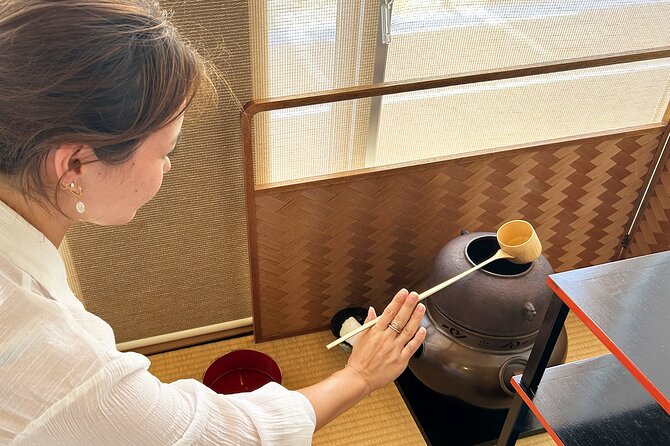
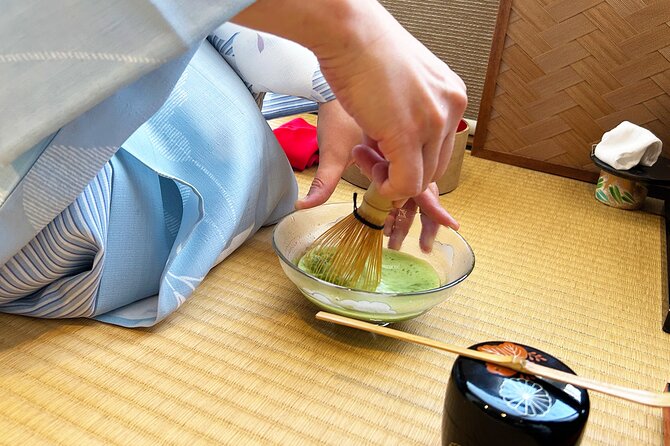
The class begins with an Otemae demonstration. This is the formal tea-making performance, giving you a chance to watch the sequence before handling the tools yourself.
That demonstration is valuable for more than taking photos. It shows the controlled pace of the ceremony and the attention given to each movement. You can watch how the tea is prepared, presented, and treated as part of a larger ritual rather than a quick beverage service.
The ceremony is described as traditional, so expect a quiet and focused atmosphere. This may suit you if you want a cultural activity with a slower rhythm. If you prefer a lively cooking class with constant conversation, the formal opening could feel restrained.
The host then connects the formal display with the practical lesson. You are not left sitting on the sidelines for the entire hour. The demonstration acts as a guide for your own attempt.
Making matcha with your own hands
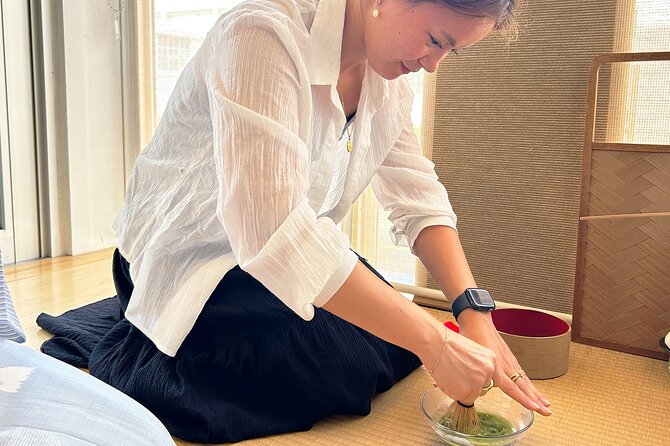
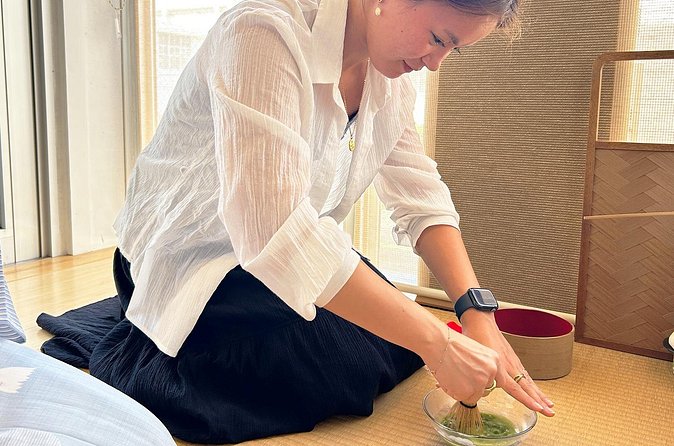
After watching the tea master, you prepare matcha yourself. This is where the activity becomes more memorable than a standard tea tasting.
You can expect to learn the basic steps for making the drink and then taste the result. Matcha has a distinct, concentrated flavor, and preparing it yourself gives you a better sense of how the drink reaches the cup. You also get to notice the difference between simply being served tea and taking part in its preparation.
Do not expect to become a tea master in one short session. The value is in learning the foundations, seeing the technique up close, and gaining enough confidence to understand what you are drinking. The lesson is suitable for a first introduction rather than advanced practice.
The experience also gives you a chance to slow down. Tokyo can push you from station to shrine to shopping street at a fast pace. A short tea session offers a quiet change of tempo without requiring a full day outside the city center.
Preparing the seasonal Japanese sweet
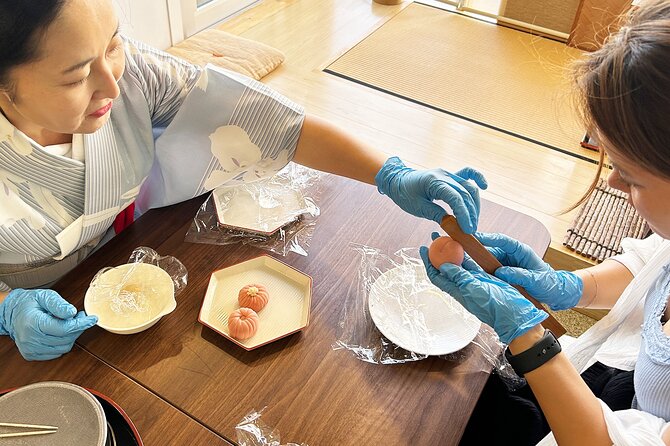
The other hands-on element is making a seasonal Japanese sweet. You design and prepare the sweet yourself, then enjoy it with the matcha.
This pairing is important. Japanese sweets served with matcha are not just an extra snack. Their sweetness helps balance the tea’s strong, earthy taste. Preparing the sweet also gives the session a creative side, so you are not only copying a ceremony or following drink-making steps.
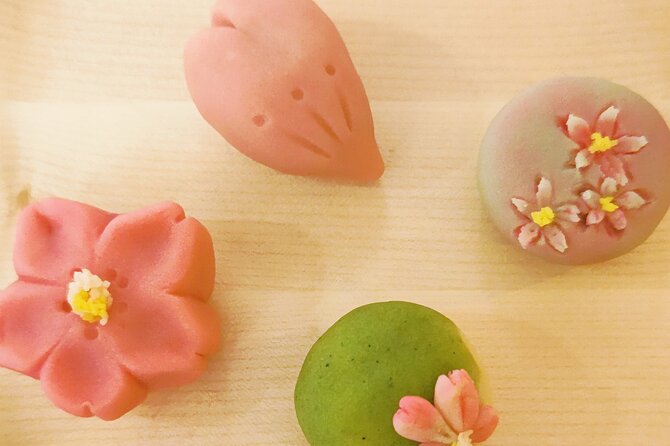
The word seasonal matters here. Japanese sweets often reflect the time of year through shape, color, or presentation. The exact design is not specified, so you should treat this as a chance to work with the sweet offered during your visit rather than expect a particular pattern.
You might find this part especially appealing if you enjoy food workshops but do not want a long cooking class. The activity is brief and focused. It introduces the connection between tea and sweets without asking you to spend several hours preparing a full meal.
More Dessert Tours in Tokyo:
- Tokyo: Matcha Making Experience with Mochi Sweets in Asakusa
★ 4.9 · 388 reviews - Make Traditional Nerikiri Sweets & Matcha experience in Shibuya
★ 5.0 · 130 reviews - Private Mochi Sweets Making class near Shibuya area
★ 5.0 · 93 reviews - Japanese Traditional Sweets making and Tea Ceremony
★ 4.7 · 50 reviews
Why the small group size makes a difference
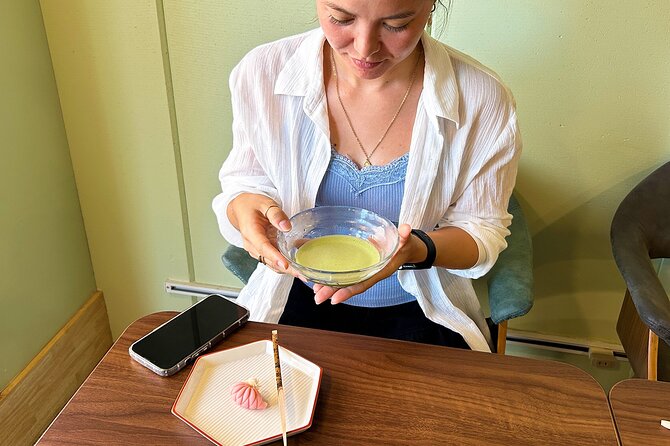
The class accepts a maximum of 10 people. That is a useful limit for an activity built around close observation and personal practice.
In a large class, it can be hard to see the tea preparation or get help with your own matcha. A group of 10 or fewer should give you a clearer view of the demonstration and a better chance to follow instructions as you work.
The small format may also help the English explanations feel more direct. You can pay attention to the host’s movements and ask for clarification if a step is unclear. The available rating is 4.8 from 10 reviews, and 90 percent of the listed recommendations are positive, which points to a strong response so far. The sample feedback especially praises the combination of a traditional ceremony, matcha, and Japanese sweets, along with the friendly instruction.
Still, a small group does not guarantee a private lesson. You will be sharing the hour with other people, and the class may feel more social or more quiet depending on the group.
Hakusan meeting point and getting there
The meeting point is at a personal training gym called VaLerio LuanaJapan, at 1-chome 26-17, Phil Park Hakusan Hills, second floor, in Bunkyo City’s Hakusan area. The listed postal code is 113-0001, Tokyo.
This is a detail you should take seriously. A tea workshop held inside a gym is not the kind of venue you may spot by looking for a traditional tea-house sign. Save the full address on your phone, allow time to locate the building, and check the entrance before the start time.
The venue is near public transportation, which makes the activity practical to add to a Tokyo itinerary. The session begins and ends at the same point, so you do not need to arrange a separate return transfer or wonder where the class finishes.
Because the activity lasts about an hour, you can pair it with other plans in Bunkyo or elsewhere in Tokyo. Leave enough time for the journey and finding the building. The exact schedule, station instructions, and access details are not provided here, so confirm the meeting information when you book.
Is $32.58 a fair price?
At $32.58 per person, this is priced as an accessible cultural activity rather than a luxury tea ceremony. The value comes from the combination of several elements in one short session: a formal demonstration, instruction from an experienced tea master, your own matcha preparation, and a Japanese sweets workshop.
You are also paying for participation, not just a cup of tea. If you only want to taste matcha, you can find simpler options elsewhere. If you want to understand the process and make part of the meal yourself, this format gives you more for the time.
The one-hour length keeps the cost reasonable for a packed Tokyo schedule, though it also limits how much detail the instructor can cover. You should book it for a focused introduction, not for an in-depth study of tea schools, history, utensils, or ceremony etiquette. Those subjects may come up, but they are not promised as part of the session.
For first-time visitors, the price makes sense when you want one cultural activity that is calm, practical, and easy to fit between other plans. For someone already experienced with matcha or formal tea practice, the short class may feel basic.
Who will enjoy this experience most
I would recommend this workshop to you if you want a direct cultural activity with something to do from start to finish. It suits couples, solo visitors, families with an interest in Japanese food, and small groups looking for a quiet break from sightseeing.
It is also a good fit if you are curious about matcha but have never prepared it yourself. The instructor’s clear English guidance removes much of the guesswork, while the demonstration gives you a visual example before you begin.
Food-minded visitors should enjoy the sweet-making portion. It adds a creative task and gives you something to pair with the tea. You do not need to choose between a tea ceremony and a sweets activity here, since both are included in the same short visit.
You may want to skip it if you are looking for a long, highly formal ceremony or a full cooking course. The one-hour format is designed for an introduction. It gives you a taste of the custom, not every layer of it.
Practical advice before you book
Wear something that lets you work comfortably with your hands. The activity includes making matcha and preparing a sweet, so you will be more comfortable if you are ready to take part rather than simply sit and watch.
Read the meeting address carefully. The venue name may not immediately suggest a tea workshop because it is located in a personal training gym. The building name, floor, and Hakusan address are all worth saving.
Plan to arrive with enough time to find the entrance. The activity has a fixed start time, and the cancellation rules allow a full refund only if you cancel at least 24 hours before the start. Changes or cancellations made less than 24 hours before the activity are not accepted for a refund.
The mobile ticket is convenient, especially if you keep your bookings on your phone. Confirmation is provided at booking, so check the details then and keep the meeting information easy to reach.
Should you book the Hakusan matcha workshop?
Book it if you want to do more than take a photo of a tea ceremony. The strongest reason to choose this activity is the mix of watching, making, tasting, and creating a sweet in one hour.
I especially like the balance between formal tradition and hands-on participation. You see the Otemae demonstration, learn from a tea master with more than a decade of experience, then prepare matcha and a seasonal sweet yourself. That is a useful introduction at a fair price.
Skip it if your main goal is a long, elaborate ceremony or advanced tea instruction. For most first-time visitors who want a compact and approachable cultural activity in Tokyo, this workshop is a sensible choice. Just confirm the unusual gym meeting point and leave plenty of time to find the second-floor venue.
FAQ
How long does the Tokyo tea ceremony and sweets activity last?
The activity lasts approximately one hour.
What will I do during the experience?
You will watch an Otemae tea demonstration, learn how to prepare matcha, make your own matcha, and prepare a seasonal Japanese sweet to enjoy with the tea.
Is the activity conducted in English?
Yes. The experience includes clear English guidance from the host.
Who leads the workshop?
The workshop is led by a tea master with more than 10 years of experience.
Where does the activity meet?
It meets at VaLerio LuanaJapan, a personal training gym at 1-chome 26-17, Phil Park Hakusan Hills, second floor, Hakusan, Bunkyo City, Tokyo 113-0001.
Where does the activity finish?
The activity ends back at the meeting point.
How many people can join?
The maximum group size is 10 people.
Can I cancel for a full refund?
Yes. You can receive a full refund if you cancel at least 24 hours before the experience start time. Cancellations or changes made less than 24 hours before the start are not accepted for a refund.
Newly reviewed around Tokyo
- Tokyo Asakusa:Calligraphy & Make T-shirt Activity★ 5.0 · 62 reviews
- Intercity Shuttle, Tokyo to Haneda /Narita /Yokohama /Makuhari★ 5.0 · 5 reviews
- 1 Hour Travel around Tokyo with a Professional Photographer★ 5.0 · 3 reviews
- Travel Tokyo with Your Own Personal Photographer★ 5.0 · 43 reviews
- Train in Samurai Swordsmanship and Defeat the Demon in Tokyo★ 5.0 · 5 reviews
- Shuttle Van 6hr Tokyo Tour to-and-from Tokyo, Yokohama and Narita★ 5.0 · 9 reviews
- Kickboxing & Body Training with EX-Pro Fighter★ 5.0 · 4 reviews
- Traditional Japanese Knife Sharpening Class★ 5.0 · 18 reviews
Tokyo Tea Ceremony Experiences, compared.
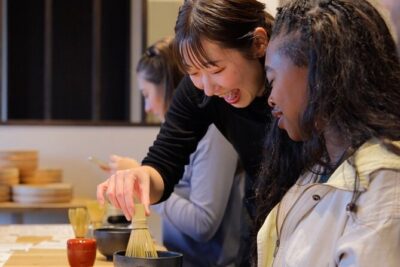
Matcha Making Class in Tokyo with Authentic Japanese Sweets Set
Read our review →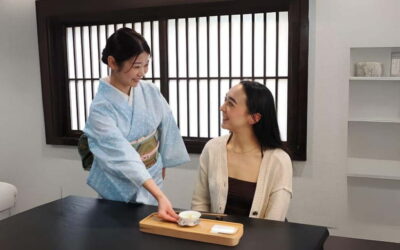
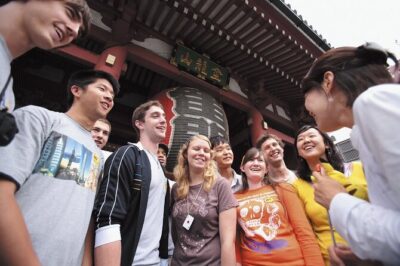
Dynamic Tokyo: Tokyo Tower, Tea Experience, Bay Cruise Day Tour
Read our review →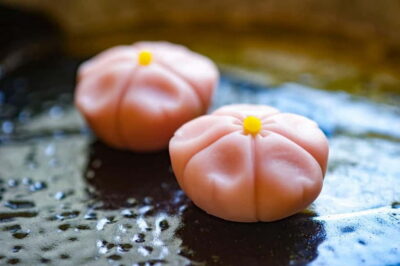
Matcha Making Experience with Mochi Sweets in Asakusa
Read our review →
Tea Ceremony Workshop in Tokyo by the Experienced Instrucor
Read our review →
Browse the lists this tour appears in