
Reviewed · TOKYO TEA CEREMONY EXPERIENCES
Tokyo: Matcha Tea Ceremony Experience at Japanese room in Shibuya
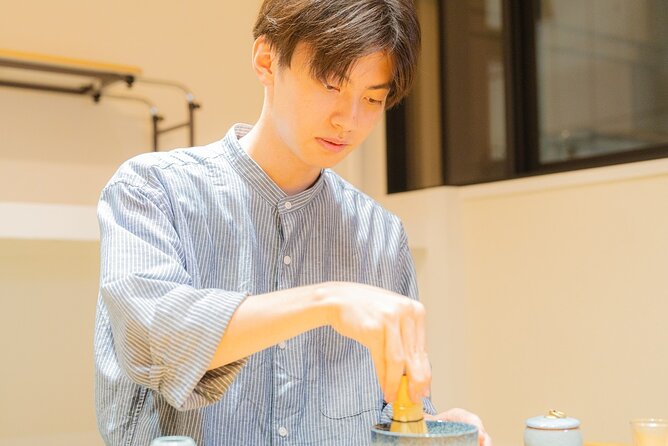
The best part of this Shibuya tea ceremony is that you do not just watch someone prepare matcha. You make your own bowl, follow the basic etiquette, and taste several Japanese teas in a calm Japanese room. Guides including Taku, So-Wa, and Ryota explain both the ritual and the everyday culture behind it.
I like the hands-on format and the small group size, capped at eight people. I also like that the session goes beyond matcha to include teas such as hojicha, which gives you a broader sense of Japanese tea. The main limitation is its short one-hour length, so this is an introduction rather than a full study of tea ceremony.
Key points at a glance
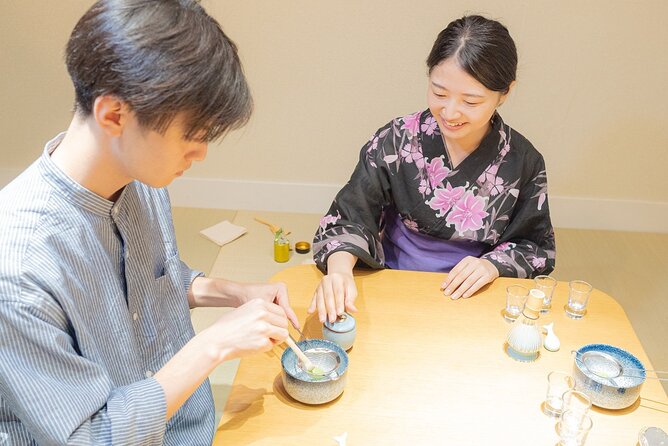
- Make your own matcha: Prepare a bowl yourself while an instructor explains the basic movements and manners.
- Taste three Japanese teas: Compare matcha, hojicha, and other teas as part of the session.
- Learn tea ceremony etiquette: The guide explains the meaning behind the formal steps in a clear, beginner-friendly way.
- Small Shibuya group: Attendance is limited to eight people, making questions and personal guidance easier.
- Traditional sweets included: Sweets accompany the tea preparation and add a familiar part of the ceremony.
- Easy one-hour cultural stop: The meeting point is near public transportation at 2-chōme-14-13 Shibuya.
Making matcha instead of only watching
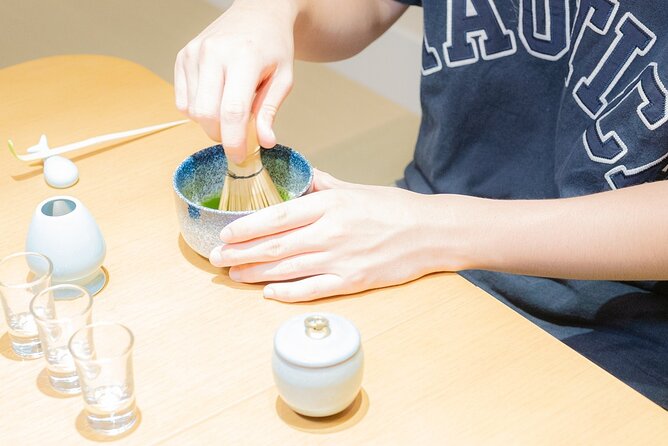
A tea ceremony can seem formal from the outside. There are careful gestures, particular manners, and a quiet pace that may feel unfamiliar if you have only seen matcha served in a café.
This experience gives you a useful way in. You prepare the matcha yourself under the instructor’s direction, learning the essential technique one step at a time. That matters because the activity is not built around simply taking photographs or watching a performance. Your hands are involved, and you leave with a better sense of what goes into a bowl of matcha.
You can expect the guide to explain the basic etiquette as the ceremony unfolds. The goal is not to turn you into a tea master in an hour. It is to show you the central ideas of attention, care, and respect that shape the ceremony.
The beginner-friendly approach is one of the strongest reasons to consider this session. You do not need prior knowledge of tea preparation, Japanese customs, or formal ceremony manners. The instruction is designed to make the process approachable, so you can ask questions instead of worrying about making a mistake.
A small group helps here. With no more than eight participants, the guide has a better chance to watch your technique and answer questions. It also keeps the setting quieter than a large demonstration.
More things to do in Shibuya:
- Official Street Go-Kart in Shibuya
★ 5.0 · 3,435 reviews - Tokyo: Street Kart Experience in Shibuya
★ 4.9 · 1,484 reviews - Shibuya Meltdown Nightlife Tour: All-You-Can-Drink Bar Hopping
★ 5.0 · 1,058 reviews
A calm Japanese room in the middle of Shibuya
The meeting point is at 2-chōme-14-13 Shibuya, Tokyo 150-0002, with the activity ending at the same location. The setting gives you a change of pace from the city outside. Shibuya is known for fast movement and bright distractions, while the tea room experience focuses on slower gestures and close attention.
That contrast is part of the appeal. You can fit the session into a day of sightseeing without giving up a full afternoon. At about one hour, it works well before dinner, between other activities, or as a quiet break after time in the city.
The meeting point is near public transportation, but you should still allow time to find the exact entrance. An address in Shibuya can place you close to many streets, buildings, and stations, and the tea activity itself ends where it begins. Use the mobile ticket for access and check the meeting details before setting out.
The room is described as Japanese in style, but specific design features are not provided. I would book this for the cultural activity rather than for a grand architectural setting. The value comes from the instruction, the tea preparation, and the chance to ask questions.
Understanding the ceremony step by step
The session introduces the basic structure and manners of a Japanese tea ceremony. Your guide leads you through the process, explaining what to do and why the actions matter.
This is useful because tea ceremony etiquette is not always obvious. How you handle the bowl, how you approach the tea, and how you pay attention to the serving process all form part of the experience. You are not expected to know these details before arriving.
Guides named in the feedback include Taku, So-Wa, and Ryota. Taku is associated with explanations of matcha and hojicha, and with helping participants prepare their tea. So-Wa is noted for explaining the background of Japanese tea ceremony and wider Japanese culture. Ryota is also singled out for making the matcha lesson enjoyable.
Since the exact guide may vary by departure, I would treat these names as examples of the teaching team rather than a guarantee of who will lead your time slot. The important point is that the experience is guide-led and conversational, not a silent demonstration.
Questions are welcome during the session. That makes this a good pick if you want context, not just a ceremonial photo. You can ask about the teas, the steps, or the place of tea ceremony in Japanese culture.
Comparing matcha, hojicha, and other teas
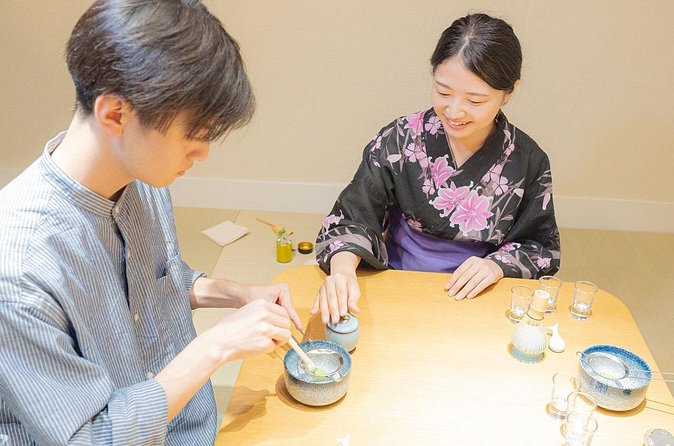
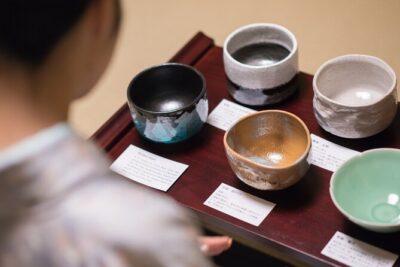
The tasting is a major reason this activity offers more value than a basic matcha-making class. You taste three kinds of Japanese tea and compare their flavors, rather than assuming every tea has the same character.
Matcha is the powdered green tea used in the preparation portion. Because you make it yourself, you can connect the flavor with the technique and the ritual. Hojicha, a roasted tea, is also included in the tea discussion and has become a favorite for some participants. The other tea or teas are not specified in the available details, so the exact selection may vary.
This comparison is especially useful if you are new to Japanese tea. A cup of matcha can be grassy, concentrated, and distinct from the lighter or more roasted flavors found in other teas. Tasting several styles helps you notice those differences without needing specialist knowledge.
The activity also includes traditional sweets. Their role is not only decorative. Sweets provide a familiar companion to the tea and help you understand how the ceremony balances concentrated tea with a small touch of sweetness.
Do not expect a long tasting menu or a full tea education course. The session is short, and the tea selection is meant to support the ceremony. Still, three teas are enough to give the hour some range.
More Tokyo tea ceremonies:
- Matcha Making Class in Tokyo with Authentic Japanese Sweets Set
★ 5.0 · 744 reviews - Tokyo: Traditional Tea Ceremony with a Tea Master
★ 5.0 · 528 reviews - Dynamic Tokyo: Tokyo Tower, Tea Experience, Bay Cruise Day Tour
★ 4.5 · 521 reviews - Tokyo: Matcha Making Experience with Mochi Sweets in Asakusa
★ 4.9 · 388 reviews
What the one-hour schedule means for you
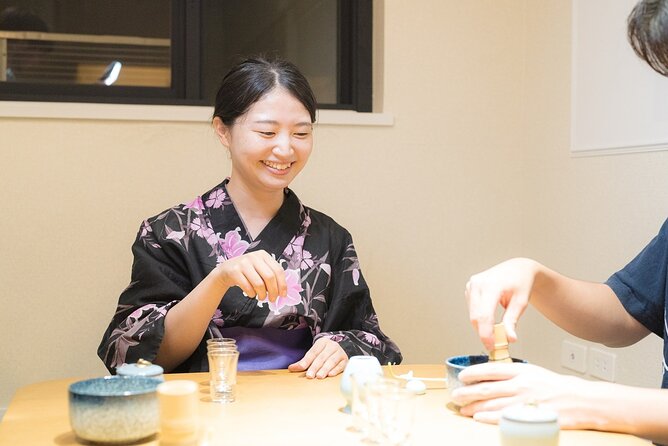
The advertised duration is approximately one hour. That is long enough for an introduction, hands-on preparation, explanations, and a tasting, but not long enough for an exhaustive account of Japanese tea culture.
I see the short format as both a benefit and a limit. If your Tokyo schedule is tight, the session is easy to add without reshaping your day. You get a focused cultural activity instead of committing to a half-day program.
The tradeoff is that the ceremony will move at a practical pace. You may learn the basic manners and techniques, but you will not cover every school of tea, every utensil, or the full development of the tradition. If you want an academic or highly formal study, this will feel brief.
For most first-time visitors, that is a fair exchange. The session gives you enough background to recognize the care behind matcha, while keeping the experience relaxed and accessible.
The value of $32.58 per person
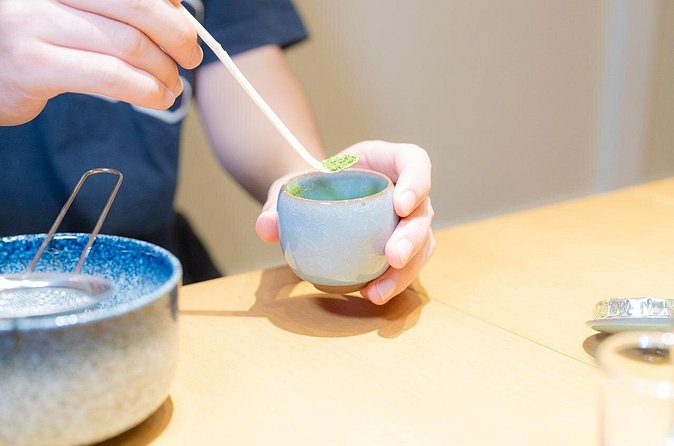
At $32.58 per person, this experience is priced as a modest cultural activity rather than a luxury tea event. The fee covers about an hour of guided instruction, your hands-on matcha preparation, several tea tastings, and traditional sweets.
I consider that reasonable if you want more than a drink. A café matcha may cost less, but it will not normally include tea ceremony etiquette, cultural explanation, guided preparation, and comparisons with other teas. Here, you are paying for teaching and participation as much as for the tea itself.
The value improves if you are curious about Japanese culture but do not want a long formal ceremony. You get a compact introduction in Shibuya, with a small group and a guide available for questions.
The price may feel less worthwhile if you only want to sample matcha quickly. It is also not the right choice if you expect a lavish setting or a lengthy ceremony performed entirely for you. This experience asks you to take part, which is its strength, but it also means the focus is on learning rather than luxury.
Who will enjoy this Shibuya experience most
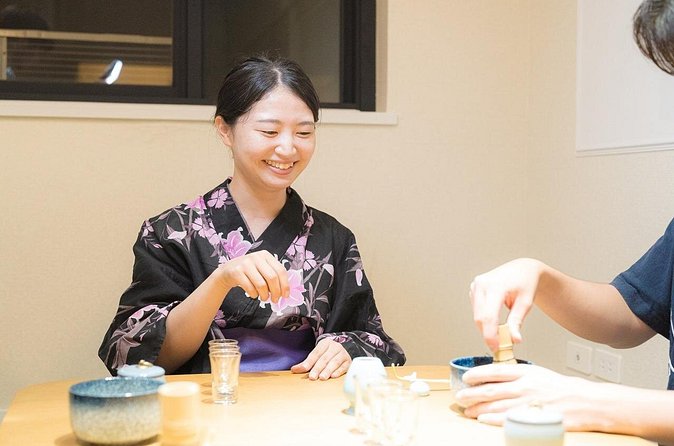
I would recommend this activity to first-time visitors who want a clear introduction to Japanese tea ceremony without committing to a full cultural course. It suits couples, solo visitors, families with an interest in Japanese customs, and small groups looking for an easy activity near public transportation.
It is also a good choice for tea drinkers who want to compare matcha, hojicha, and other Japanese teas. If hojicha is new to you, the tasting may be especially useful because you can encounter a tea style that is different from the powdered matcha used in the ceremony.
You will probably enjoy it if you like asking questions. The guides are presented as friendly and willing to explain both traditional and modern Japan, so the session has a personal teaching element.
I would be more cautious if you are looking for a highly formal, silent ceremony with a long sequence of exact rituals. The activity is relaxed and beginner-friendly. That makes it approachable, but it may not satisfy someone seeking an advanced or strictly ceremonial experience.
Practical details before you book
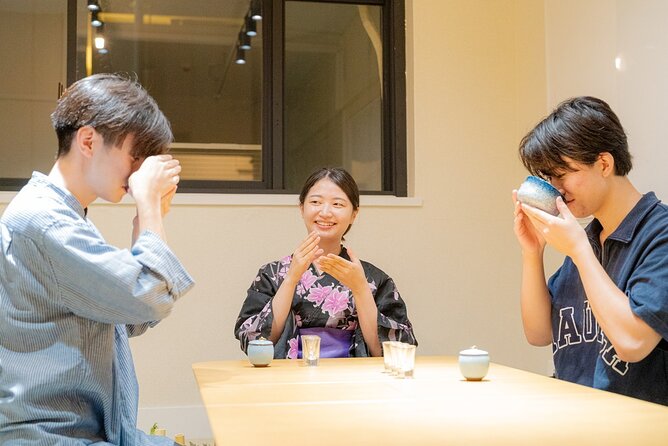
Your booking confirmation is provided at the time of reservation, and the experience uses a mobile ticket. Keep the ticket easy to access on your phone.
The group maximum is eight people. That is small enough for a more personal lesson, but the exact number at your time may be lower or may reach the stated limit.
The activity starts and ends at the same Shibuya meeting point. Since no hotel pickup is listed, plan to make your own way to 2-chōme-14-13 Shibuya. The location is near public transportation, which makes it practical to combine with other plans in central Tokyo.
Free cancellation is available if you cancel at least 24 hours before the start time. Cancellations made less than 24 hours ahead are not refunded, and late changes are not accepted. The cut-off follows local Tokyo time, so check your schedule before the deadline.
Should you book this tea ceremony?
Book it if you want to make matcha yourself, learn the basic manners, and taste several teas in a small, relaxed setting. The one-hour length, Shibuya location, and $32.58 price make it an easy cultural addition to a Tokyo itinerary.
The strongest reasons to go are the hands-on preparation, the chance to compare tea styles, and the guides’ clear attention to questions and cultural context. Taku, So-Wa, and Ryota are named among the instructors connected with the experience, with explanations ranging from matcha and hojicha to the wider role of tea ceremony in Japan.
Skip it if you want a long, highly formal ceremony or a luxury tea setting. For a first taste of the tradition, though, this is a sensible and well-priced introduction that gives you something to do, taste, and understand.
FAQ
How long does the tea ceremony experience last?
The activity lasts approximately one hour.
Where does the activity meet?
It starts at 2-chōme-14-13 Shibuya, Tokyo 150-0002, Japan.
Where does the activity end?
The experience ends back at the meeting point.
How many people can join the activity?
The group has a maximum of eight participants.
Do I make my own matcha?
Yes. You prepare your own bowl of matcha with step-by-step guidance from the instructor.
Which teas are included?
The activity includes matcha and a tasting of three Japanese teas. Hojicha is specifically discussed in the experience, but the full tea selection is not specified.
Can I cancel for a full refund?
Yes, if you cancel at least 24 hours before the scheduled start time. Cancellations made less than 24 hours in advance are not refunded.
Newly reviewed around Tokyo
- Tokyo Asakusa:Calligraphy & Make T-shirt Activity★ 5.0 · 62 reviews
- Intercity Shuttle, Tokyo to Haneda /Narita /Yokohama /Makuhari★ 5.0 · 5 reviews
- 1 Hour Travel around Tokyo with a Professional Photographer★ 5.0 · 3 reviews
- Travel Tokyo with Your Own Personal Photographer★ 5.0 · 43 reviews
- Train in Samurai Swordsmanship and Defeat the Demon in Tokyo★ 5.0 · 5 reviews
- Shuttle Van 6hr Tokyo Tour to-and-from Tokyo, Yokohama and Narita★ 5.0 · 9 reviews
- Kickboxing & Body Training with EX-Pro Fighter★ 5.0 · 4 reviews
- Traditional Japanese Knife Sharpening Class★ 5.0 · 18 reviews
Tokyo Tea Ceremony Experiences, compared.
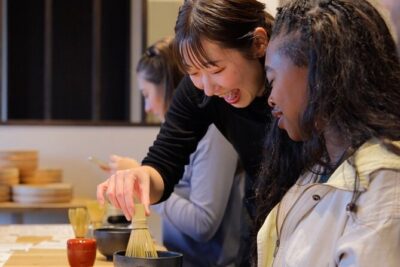
Matcha Making Class in Tokyo with Authentic Japanese Sweets Set
Read our review →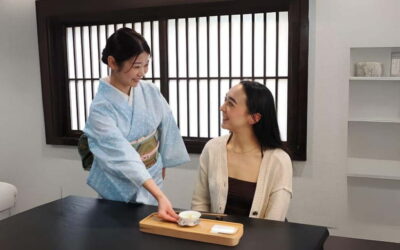
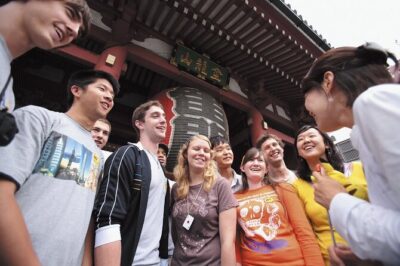
Dynamic Tokyo: Tokyo Tower, Tea Experience, Bay Cruise Day Tour
Read our review →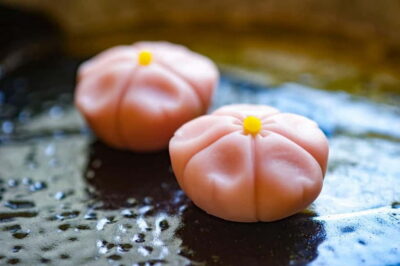
Matcha Making Experience with Mochi Sweets in Asakusa
Read our review →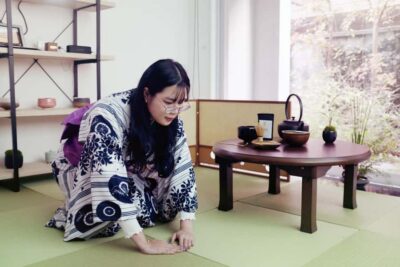
Tea Ceremony Workshop in Tokyo by the Experienced Instrucor
Read our review →
Browse the lists this tour appears in