
Reviewed · TOKYO TEA CEREMONY EXPERIENCES
Tokyo 6 hr Private Guided Tour & Tea Ceremony Experience
Tokyo is hard to grasp in one sitting, but this private tour gives you a useful shortcut: a local guide plus a tea ceremony, followed by two or three sights chosen around your interests. You might pair old Tokyo in Asakusa with the neon energy of Shibuya, or choose a quieter route through Meiji Shrine and a Japanese garden.
I like the hotel pickup from one of Tokyo’s 23 Special Wards, and I like having one person focused on your group instead of following a fixed crowd. The main caution is pace. Six hours can cover only two or three major stops well, and you pay your own transport and entrance fees. Guide quality may also vary. Taka received warm praise for building a fun itinerary, while Kris was described as pleasant but slow with subway exits and difficult to understand at times.
Key details to know before booking
- One hour of Japanese culture at Jidaiya: The tour begins with a tea ceremony and a closer look at traditional customs.
- Choose two or three Tokyo sights: Options range from Senso-ji and the Imperial Palace to Harajuku, Akihabara, Tsukiji, and Shinjuku.
- Private attention from a licensed English-speaking guide: The experience is designed around your interests rather than a fixed sightseeing script.
- Pickup is available in Tokyo’s 23 Special Wards: You meet the guide on foot within the designated area.
- The $161.25 price covers the guide and tea ceremony, not everything else: Train fares, admission fees, food, and personal expenses come separately.
- The Imperial Palace is an exterior visit only: You do not enter the palace grounds or buildings as part of this tour.
A tea ceremony gives the day a clear starting point
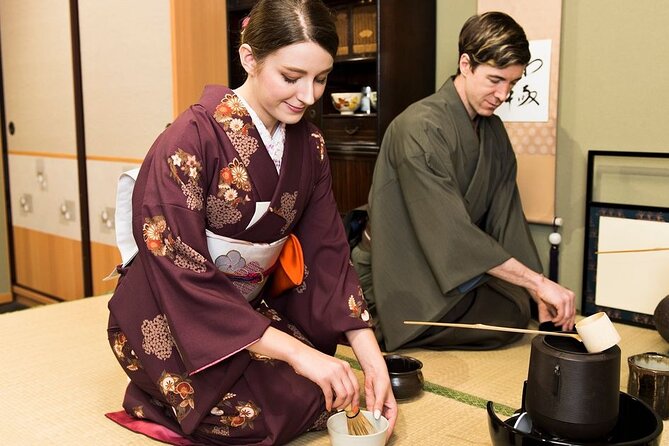
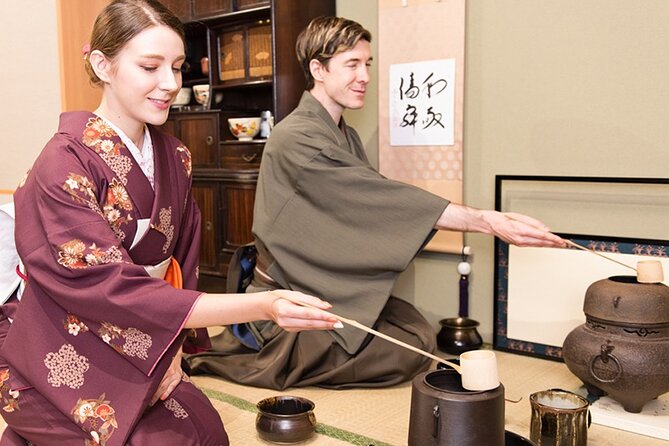
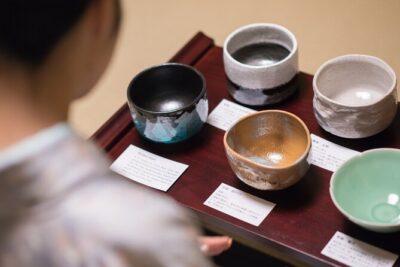
The first stop is Jidaiya, a Japanese culture center in Asakusa. The scheduled tea ceremony lasts about one hour and is included in the price. This is more than a quick photo stop. You get a set period to slow down and take part in a traditional activity before tackling Tokyo’s busy streets.
That opening matters. Tokyo can feel like a wall of signs, stations, crowds, and unfamiliar customs. A tea ceremony gives you a calm introduction to Japanese etiquette and culture. Your guide can also help explain what you are doing and why, which is useful if this is your first visit to Japan.
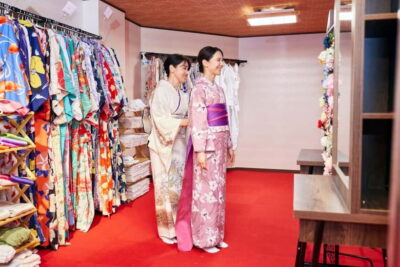
Do not expect a full kimono rental. Kimono is not included, and the tea experience is the cultural activity provided by the tour. If dressing up is important to you, you will need to arrange that separately.
Jidaiya is also presented as an alternative to ordinary Asakusa sightseeing. That makes it a good fit if you want some context and participation, not just a walk past famous buildings. The ceremony may be the part of the day you remember most clearly because it offers something you cannot get from simply standing outside a temple.
More Tokyo tea ceremonies:
- Matcha Making Class in Tokyo with Authentic Japanese Sweets Set
★ 5.0 · 744 reviews - Tokyo: Traditional Tea Ceremony with a Tea Master
★ 5.0 · 528 reviews - Dynamic Tokyo: Tokyo Tower, Tea Experience, Bay Cruise Day Tour
★ 4.5 · 521 reviews
Asakusa and Senso-ji: old Tokyo in a compact area
Asakusa is one of the strongest choices for your sightseeing portion. It is the center of Tokyo’s traditional Shitamachi, or low-city, district, where the mood of older Tokyo survives among temples, lanes, and long-running shops.
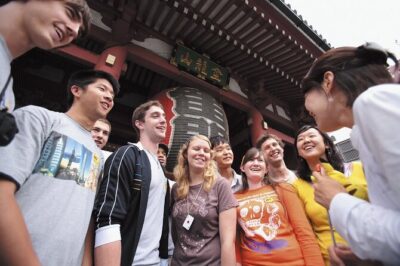
Senso-ji is the main attraction. This Buddhist temple is one of Tokyo’s most colorful and popular religious sites, and its story reaches back to a legend from the year 628. Even with only 15 minutes listed at the temple itself, your guide can give the place meaning beyond the usual entrance photo.
The wider Asakusa stop is listed at 30 minutes, separate from the Senso-ji visit. That suggests you can see both the district and its best-known temple without spending the whole afternoon here. Still, the time is short if you want to browse, snack, shop, and study the temple grounds at a relaxed pace.
I would choose Asakusa if you want traditional Tokyo in a concentrated area. It pairs especially well with the tea ceremony because both parts of the morning focus on Japanese customs and older culture. If you prefer modern fashion, electronics, or food markets, another part of the menu may suit you better.
The Imperial Palace is an outside view, not an interior tour
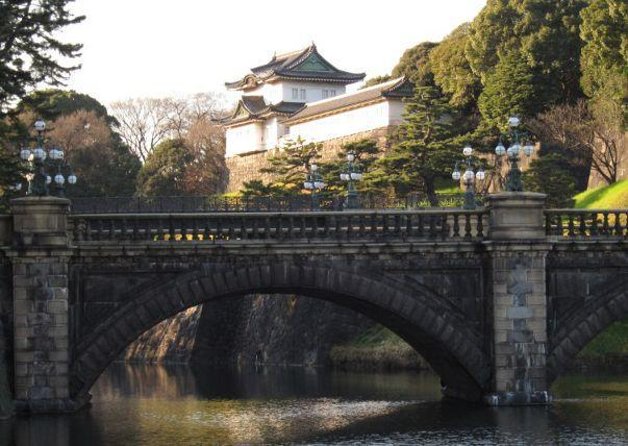
The Imperial Palace stop lasts about 30 minutes. The current palace occupies the former site of Edo Castle and is surrounded by moats and large grounds. It offers a useful look at Japan’s imperial center and the city’s older political foundations.
The important limitation is clear: you do not go inside the Imperial Palace. Treat this as a photo and orientation stop, not a palace tour. Your guide can explain the setting and point out what you are seeing, but the experience does not include access to interior rooms or a full exploration of the grounds.
This is a practical choice if you want a broad Tokyo overview. It is less satisfying if your main goal is a long garden walk or detailed architectural visit. At 30 minutes, it works best as one piece of a carefully chosen route.
Hamarikyu offers a quiet break beside Tokyo Bay

Hamarikyu Gardens takes about 15 minutes in the listed schedule, and admission is not included. This large garden in central Tokyo sits beside Tokyo Bay and includes seawater ponds that change with the tides, along with a teahouse.
That setting gives you a different side of the city. After temple streets or major stations, a garden stop can make the day feel less rushed. The garden’s tidal ponds also connect it to Tokyo’s waterfront in a way that a standard city park does not.
Fifteen minutes is enough for a quick look, but not enough for a full visit. If you enjoy gardens, I would ask your guide whether the timing can be adjusted before you settle on this option. You will also need to pay the entrance fee yourself.
More private tours in Tokyo:
- Tokyo 6hr Private Tour with Government-Licensed Guide
★ 5.0 · 3,902 reviews - Private Tour to Mt. Fuji and Hakone (Fully Licenced Operator)
★ 5.0 · 1,910 reviews - Tokyo Customized Private Tour (Must See Places in 1 Day)
★ 5.0 · 1,499 reviews - Mount Fuji Full-Day Private Tour from Tokyo (Customizable)
★ 4.9 · 1,470 reviews
Shibuya and Harajuku show Tokyo’s younger side
Shibuya Scramble Crossing is one of the city’s most recognizable modern scenes. People cross from every direction at once, surrounded by giant signs, shops, and traffic. The stop is not given a separate time in the schedule, so confirm how long your guide plans to spend there if it is a priority.
Shibuya works well for a first look at present-day Tokyo. You can see why the district has become a symbol of the city’s speed and scale. It is also a natural pairing with the more traditional Asakusa, giving you two very different views in one day.
Nearby Harajuku centers on Takeshita Street, which is known for teenage fashion and strong youth culture. The scheduled stop lasts about 30 minutes. That is enough to walk through and take in the shops, but not enough for a long shopping session.
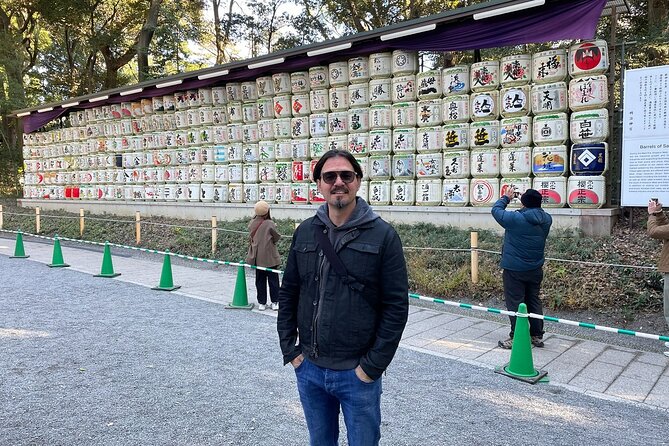
Meiji Jingu Shrine adds a calmer and more formal stop beside Harajuku Station. The shrine is dedicated to the deified spirits of Emperor Meiji and Empress Shoken, and the visit is also listed at 30 minutes. This contrast is part of the appeal: Takeshita Street gives you colorful youth culture, while Meiji Jingu gives you a wooded shrine setting and a more reflective atmosphere.
If I were planning a balanced first visit, I would consider Shibuya, Takeshita Street, and Meiji Jingu as one modern Tokyo combination. But the tour allows only two or three selected sites, so you may need to choose between them rather than assume all three fit comfortably.
Akihabara is the pick for electronics and pop culture
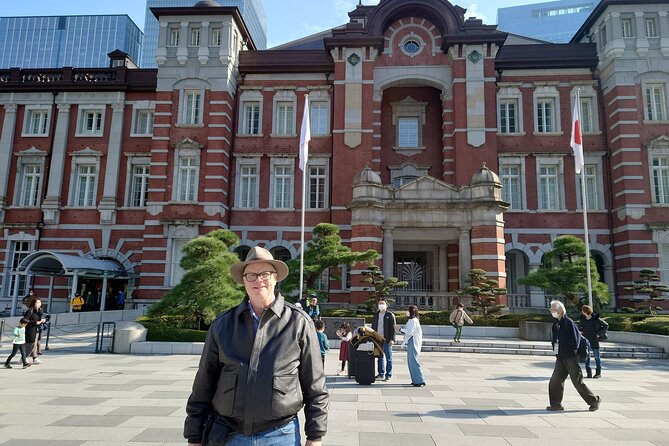
Akihabara is famous for electronics shops and has also become a center for Japanese pop culture. The stop lasts about 30 minutes, making it a quick introduction rather than a serious shopping trip.
Choose Akihabara if you want a district with a very specific identity. It is a better fit for you if electronics, games, anime, or unusual retail areas interest you. If those subjects do not appeal, your limited sightseeing time may be better spent in Asakusa, a garden, or Tsukiji.
A guide is useful here because the district can feel like a maze of shops and signs. The private format also lets you explain what interests you instead of being marched through a general route.
Tsukiji is best for food culture and browsing
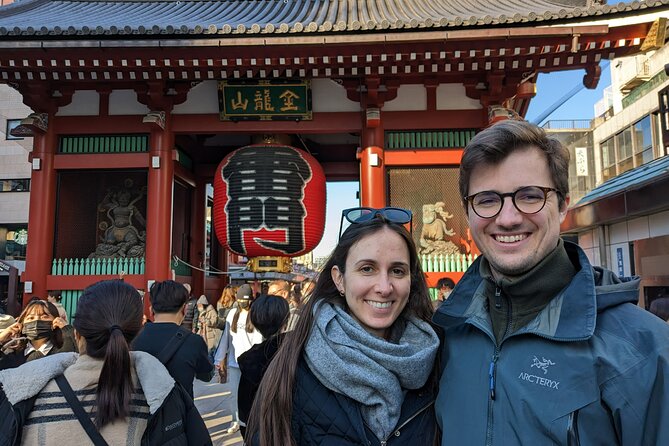
Tsukiji Outer Market occupies the area beside the former wholesale market. The remaining district contains wholesale and retail shops, making it one of the clearest choices for food culture and market browsing.
The scheduled stop is 30 minutes, and admission is free. That keeps costs down, but half an hour still goes quickly. You may get an introduction to the market and its atmosphere, yet not have time for a long meal or careful shopping.
Lunch is not included. That is worth planning around, since a market visit naturally makes you hungry. Ask your guide how the timing works if you want to eat at Tsukiji rather than simply walk through it. The private format should make that conversation easier, but do not assume the six-hour price includes food.
Tokyo’s gardens reward a slower choice
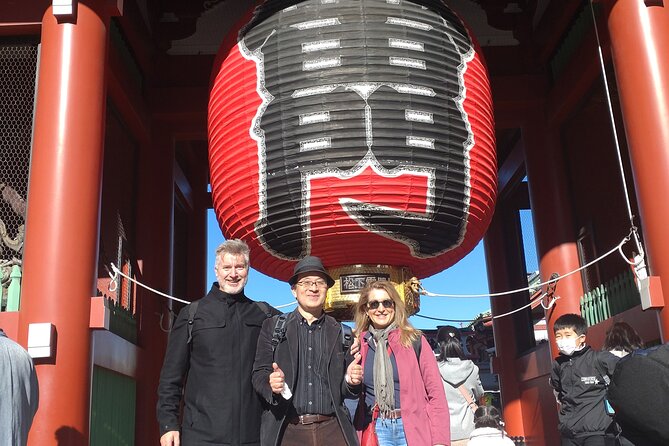
Rikugien Garden is considered one of Tokyo’s finest Japanese gardens. It was built around 1700 for the fifth Tokugawa shogun, and its name refers to the six poems garden concept. The visit is listed at 30 minutes, with admission extra.
Koishikawa Korakuen is another major Japanese garden and one of Tokyo’s oldest. Its stop is listed at only 15 minutes, and admission is also extra. Both gardens suit you if you want ponds, paths, and carefully arranged scenery instead of city streets.
The drawback is simple: garden visits need time. A short stop can give you a taste, but it cannot replace a proper walk. If one of these gardens is the main reason you are booking, ask whether it can count as one of your two or three chosen sites and receive enough time to be worthwhile.
Shinjuku gives you two very different final choices
Golden Gai in Shinjuku began around 1950, when small eating and drinking businesses moved from a black market area near Shinjuku Station. Today, it is known for a dense group of tiny bars and restaurants. The scheduled visit lasts 30 minutes.
Golden Gai is most useful as a quick orientation walk. The character comes from its narrow lanes and small-scale businesses, not from a major monument. Food and drinks are not included, and a short visit may not allow much time to settle into one place.
Shinjuku Gyoen National Garden offers the opposite mood. It is one of Tokyo’s largest and most popular parks, with lawns, walking paths, and quieter scenery close to Shinjuku Station. The stop is listed at 15 minutes, with admission extra.
I would not try to force Golden Gai and Shinjuku Gyoen into the same short route unless you have a strong reason. One is best for urban nightlife history and compact streets. The other is best for a quiet park. Your guide can help you choose based on what you want from the day.
What $161.25 really buys you
At $161.25 per person, this is not a cheap walking tour. Its value depends on how much you want help making decisions in a city with a huge menu of sights.
The price includes a licensed local English-speaking guide, the private or small-group attention, hotel pickup within the 23 Special Wards, and the tea ceremony. You also get a customizable plan rather than a standard route. For a first day in Tokyo, that can save time and reduce the stress of working out a complicated sightseeing plan alone.
The price does not include train or other transport fees, admission tickets, lunch, or personal spending. There is no private vehicle. You meet the guide on foot within the designated pickup area, so the phrase hotel pickup should not lead you to expect a car.
The group limit is 10 people, but the experience is presented as private and the tour cannot be combined with other groups. Confirm the exact group arrangement when booking, especially if personal attention is important to you.
Guide style can shape the whole day
The guide matters a great deal here because the tour is flexible. Taka received especially strong praise for being fun, well informed, and able to build a terrific itinerary. A 3D art café was part of one group’s route, showing that the final plan can sometimes include a less standard choice when the guide and group agree.
Another guide, Kris, was described as pleasant but less effective at keeping pace, finding subway exits, taking photos, and speaking clearly. That is not a reason to reject the tour, but it is a reason to set realistic expectations. You may receive a lively, highly tailored day, or a more uneven experience depending on who leads it.
At the start, tell your guide exactly what matters most: temples, food, gardens, fashion, pop culture, photography, or a broad first look. Also say how fast you walk and whether you want time for snacks or shopping. A clear plan should help you get more from six hours.
Who should book this Tokyo experience
I would recommend this tour to a first-time visitor who wants a guided introduction without committing to a large group. It also suits families or mixed-interest groups because the route can be shaped around different priorities.
The tea ceremony makes it appealing if you want a cultural activity, not just sightseeing. The private guide is useful if you need help with Tokyo’s districts, subway connections, or deciding which sights deserve your limited time.
I would hesitate if you want long visits at every stop, a private car, included admission, or a slow garden-and-food day. Six hours is enough for a smart sampler, not an unhurried tour of all Tokyo. You should also budget extra for transport, food, and any paid garden admission.
Free cancellation is available up to 24 hours before the start time. Changes or cancellations inside that window are not accepted for a refund. Most people can participate, and service animals are allowed.
Should you book it?
Book this experience if you want a tea ceremony paired with a flexible Tokyo introduction, and you value having a local guide help you choose between very different districts. I especially like the option to combine old Asakusa, modern Shibuya, a shrine, a market, or a garden according to your interests.
Skip it if you already know Tokyo well or want to spend half a day in one neighborhood. Before paying, decide on your top two priorities and ask how the route will handle transport, time, and entrance costs. With the right guide and a sensible plan, $161.25 can be fair value for a focused first look. Without that planning, six hours can feel like a series of rushed snapshots.
FAQ
How long does the Tokyo private tour last?
The experience lasts approximately six hours, including the tea ceremony and sightseeing.
Is hotel pickup included?
Pickup is offered from within one of Tokyo’s 23 Special Wards. You meet the guide on foot within the designated area, and no private vehicle is provided.
How many sights can I choose?
The included plan is customizable, with a choice of two or three sites from the available options. The listed choices include Asakusa, Senso-ji, the Imperial Palace, Hamarikyu Gardens, Shibuya, Takeshita Street, Meiji Jingu Shrine, Akihabara, Tsukiji, Rikugien Garden, Koishikawa Korakuen Garden, Golden Gai, and Shinjuku Gyoen.
Is the tea ceremony included?
Yes. The tea ceremony experience is included, and the Jidaiya cultural program is scheduled for about one hour.
Are transportation and entrance fees included?
No. Transportation fees, entrance fees, lunch, and personal expenses are not included. Admission is also not included for Hamarikyu Gardens, Rikugien Garden, Koishikawa Korakuen Garden, or Shinjuku Gyoen National Garden.
Can I enter the Imperial Palace?
No. The tour visits the Imperial Palace area from outside, but access inside the Imperial Palace is not included.
Newly reviewed around Tokyo
- Tokyo Asakusa:Calligraphy & Make T-shirt Activity★ 5.0 · 62 reviews
- Intercity Shuttle, Tokyo to Haneda /Narita /Yokohama /Makuhari★ 5.0 · 5 reviews
- 1 Hour Travel around Tokyo with a Professional Photographer★ 5.0 · 3 reviews
- Travel Tokyo with Your Own Personal Photographer★ 5.0 · 43 reviews
- Train in Samurai Swordsmanship and Defeat the Demon in Tokyo★ 5.0 · 5 reviews
- Shuttle Van 6hr Tokyo Tour to-and-from Tokyo, Yokohama and Narita★ 5.0 · 9 reviews
- Kickboxing & Body Training with EX-Pro Fighter★ 5.0 · 4 reviews
- Traditional Japanese Knife Sharpening Class★ 5.0 · 18 reviews
Tokyo Tea Ceremony Experiences, compared.
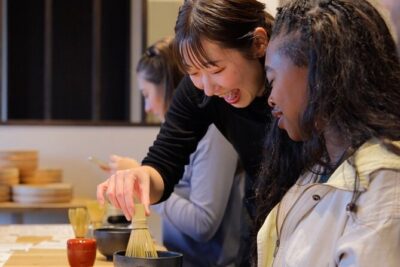
Matcha Making Class in Tokyo with Authentic Japanese Sweets Set
Read our review →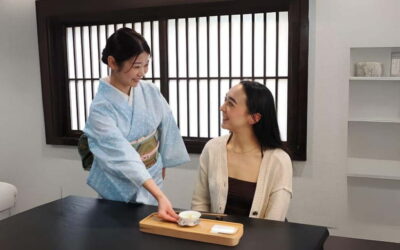
Dynamic Tokyo: Tokyo Tower, Tea Experience, Bay Cruise Day Tour
Read our review →
Matcha Making Experience with Mochi Sweets in Asakusa
Read our review →
Tea Ceremony Workshop in Tokyo by the Experienced Instrucor
Read our review →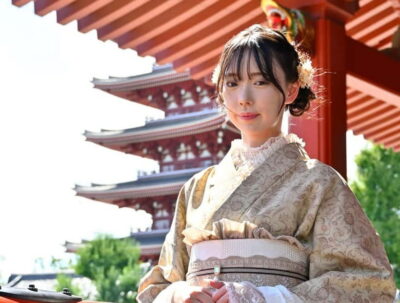
Browse the lists this tour appears in