
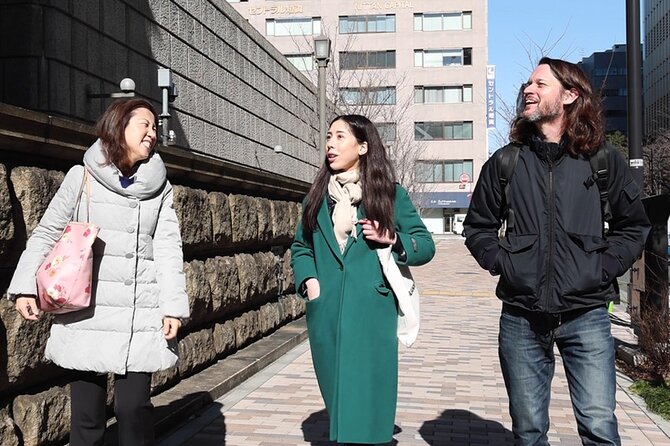
Reviewed · TOKYO IMPERIAL PALACE TOURS
Tokyo’s Imperial Palace & Nihonbashi Tour
Tokyo’s Imperial Palace and Nihonbashi tour pairs two very different sides of the city: quiet palace gardens shaped by the shoguns, then old commercial shops where dashi, nori, knives, and washi are still sold. I like that the tour gets beyond postcard Tokyo and gives you useful cultural context along the way.
I especially like the sake and dashi tastings, plus the chance to see specialty stores that have served customers for generations. The main caution is simple: this is a walking tour, and the title can give you the wrong idea. You do not tour the Imperial Palace residence itself. You visit the East Gardens and outer grounds, and some shop demonstrations can vary.
Key points at a glance
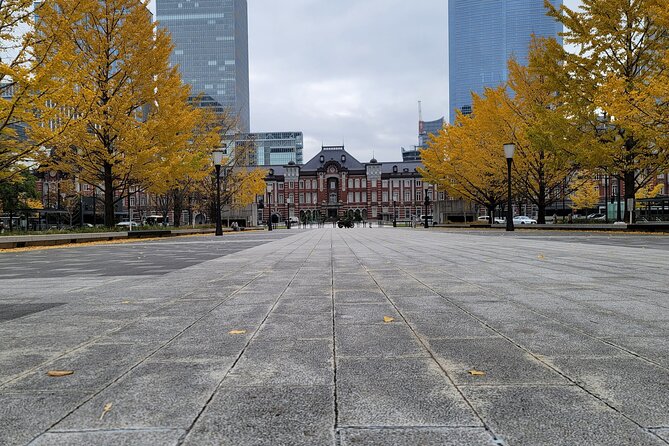
- East Gardens and Edo Castle ruins: Walk through Otemon Gate and see the former heart of Tokugawa power.
- Nihonbashi specialty shops: Visit Ninben dashi, Yamamoto Nori, Kiya knives, and Ozu Washi.
- Food and drink samples: Dashi soup stock and a Japanese sake set are included.
- Morning or afternoon departure: The choice helps fit the tour into a busy Tokyo schedule.
- Four hours with a guide: English-language help makes unfamiliar history, food, and customs easier to understand.
- Expect plenty of walking: The group can reach 28 people, and the route includes palace paths, city streets, and public transportation.
From Tokyo Station to the palace grounds
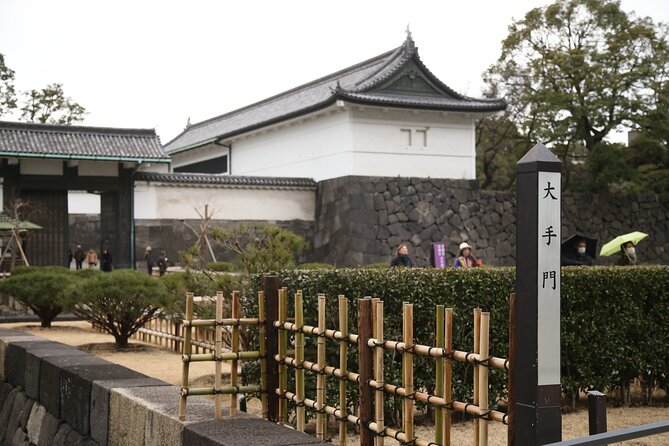
The meeting point is outside Tokyo Station, at 1 Chome-9 Marunouchi in Chiyoda City. That is a practical starting place because the station is easy to reach, but Tokyo Station is large. Give yourself time to find the correct exit and meeting spot rather than arriving at the last minute.
The tour begins along a ginkgo-lined avenue leading toward the Imperial Palace. The approach gives you a useful sense of scale. The palace grounds sit in the middle of modern Tokyo, yet the first stretch feels calmer than the surrounding office district.
Your guide provides the basic setting before you enter the gardens. This is where the experience earns its keep for anyone who wants more than a pleasant walk. Without context, the stone walls, gates, trees, and open lawns can blur together. With a guide, you can connect the site to Edo Castle and the Tokugawa shoguns who ruled Japan for centuries.
The first palace stop is brief, about 15 minutes, and focuses on the outer grounds. Expect stonework, trees, and views around the palace area rather than access to the private Imperial residence. That distinction matters. If you are hoping to step inside the working palace or see royal rooms, this tour will disappoint you.
More Imperial Palace tours in Tokyo:
- Tokyo: Imperial Palace and Shogun Historical Walking Tour
★ 5.0 · 2,251 reviews - Tokyo: Imperial Palace Japanese History Walking Tour
★ 4.9 · 987 reviews - Tokyo: Imperial Palace and Shogun Walking Tour
★ 4.9 · 935 reviews
Otemon Gate and the East Gardens
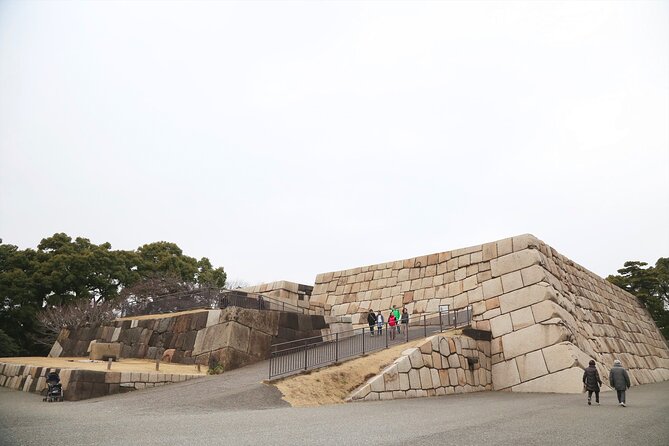
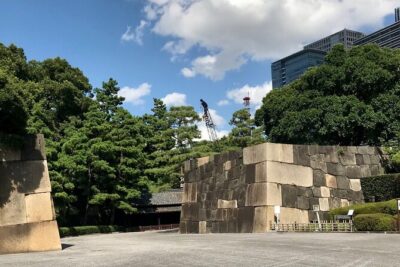
The main palace visit lasts about an hour in the East Gardens. You enter through Otemon Gate, once the principal entrance to Edo Castle. The gate itself helps explain how heavily defended the shogun’s residence once was, even though today it sits beside a fast-moving city.
The gardens include cherry trees, pine trees, seasonal flowers, and the remains of Edo Castle. Depending on the season, the plantings can change the feel of the walk. Spring may bring cherry blossoms and azaleas, while other times of year offer a quieter view of the carefully maintained grounds.
The castle ruins are the strongest historical part of this section. There is no complete castle building waiting at the top, so adjust your expectations. What you see is a spacious garden with foundations, walls, gates, and open ground marking the former castle complex.
I would not treat this as a free attraction with a guide added on by accident. The gardens are open without an admission charge, but the guide can explain how the site fits into Japan’s political past. That said, the value depends heavily on the individual guide. Mari, Yoshi, Andy Watanabe, Kishy, Toyo, and others have been praised for clear explanations, warm manners, and a good pace. One poor account described weak English and a confused route, so guide quality is not perfectly predictable.
The route is not difficult in a technical sense, but it is long enough to matter. You will walk through open grounds, and weather can make a major difference. Heavy rain, wind, and summer heat have made the tour tiring for some people. Bring water, wear comfortable shoes, and check the forecast before choosing your day.
Crossing to Nihonbashi
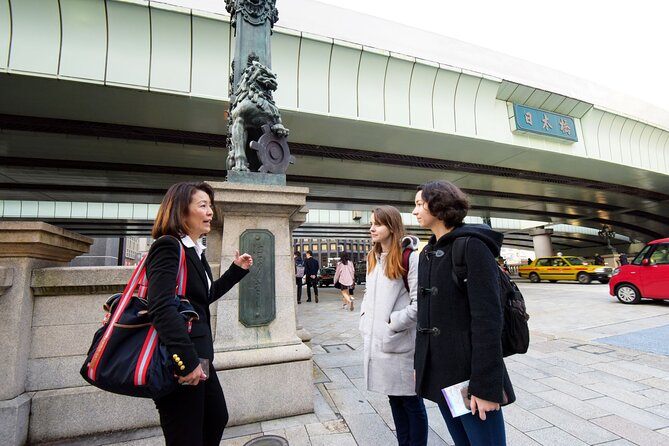
After the palace gardens, the tour moves to Nihonbashi, the historic commercial district near the center of Tokyo. The area marks the starting point of Japan’s national highway network from the early seventeenth century, so it has long been tied to trade, movement, and urban life.
The connection between the two halves is what makes this outing useful. The palace grounds show the political center of old Tokyo. Nihonbashi shows how commerce and skilled trades shaped daily life. You move from castle ruins to shops selling soup stock, seaweed, knives, paper, and regional food.
Transportation between the areas is not included as a separate tour benefit, and the route may involve a subway ride or walking to and from stations. A public transit journey is part of the city experience, but it also adds time and stairs. One particularly rainy outing became more about walking between stations than seeing the planned stops. If you have limited energy, ask the guide at the start how the group will move between areas.
Ninben and the taste of dashi
Ninben Nihombashi Main Store is a specialist shop for dashi, the soup stock used in dishes such as noodle soups and hot pots. You receive a sample of dashi, and the guide explains how this basic ingredient supports so much Japanese cooking.
This is a small stop, scheduled for about 20 minutes, but it offers a useful lesson. Dashi is not simply a broth you order at a restaurant. It is part of the foundation of many dishes, and tasting it on its own can help you notice flavors that disappear once combined with noodles, vegetables, or meat.
There is one important warning. The shop may be closed or the planned explanation may change. One outing reached the stop only to find it unavailable, with little advance notice. If dashi is a major reason you booked, treat it as a planned possibility rather than a guarantee.
A completely different kind of day in Tokyo:
- Mt Fuji and Hakone 1-Day Bus Tour Return by Bullet Train
★ 5.0 · 26,383 reviews - 1-Day Tokyo Bus Tour
★ 5.0 · 14,250 reviews - Tokyo: teamLab Planets TOKYO Digital Art Museum Entry Ticket
★ 4.6 · 9,779 reviews - Mt Fuji & Hakone Cruise, Drum Show Bullet Train 1 Day from Tokyo
★ 4.0 · 7,413 reviews
Yamamoto Nori and Kiya knives
Yamamoto Noriten Honten has sold nori since 1849. The scheduled visit takes about 20 minutes and introduces different kinds of seaweed. The original plan includes seeing staff roast nori, but that demonstration is not always available. You may instead see packaged seaweed products in a retail setting.
That does not make the stop useless. Nori is familiar to anyone who eats sushi, yet a specialty store shows how broad the category can be. Still, the experience is more shopping visit than hands-on production class, so keep your expectations modest.
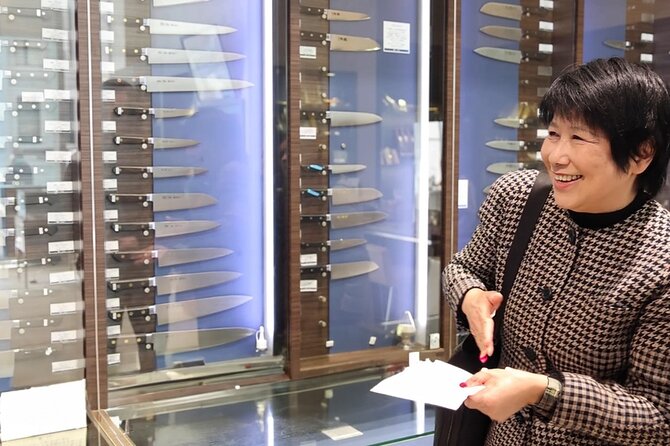
Kiya Nihombashi Main Branch dates to 1792 and carries a wide range of utensils. You can see traditional Japanese knives alongside more modern European-style tools. The stop is appealing if you cook or want a serious souvenir, but it is not a knife-making workshop. You may receive help understanding the products, yet the central activity is looking and shopping.
The guides can be especially helpful here because a knife purchase raises practical questions about size, use, and transport. Do not feel obliged to buy anything. The shop is part of the cultural route, not a required sales stop.
Ozu Washi and the paper-making question

Ozu Washi is the most unusual stop for many people. The store presents Japanese paper and stationery, and the visit is scheduled for about an hour. You learn about different types of washi, see paper goods, and may watch or take part in paper-making depending on the arrangements for that day.
The printed plan describes making a sheet of washi, but this part needs careful wording. At least one outing found the hands-on activity unavailable unless booked separately, and the paid session was already full. Other outings focused on a paper-making film and the shop rather than a personal craft session.
I still think this is one of the tour’s best stops. Washi is not merely decorative paper. It connects craft, writing, packaging, art, and everyday Japanese design. You will get more from the visit if you ask the guide what makes the paper types different and confirm before the tour begins if hands-on making is included.
The hour here also gives the tour a change of pace. After walking through palace grounds and city streets, the paper store offers a quieter look at a traditional craft. It is a better fit for you if you enjoy materials, design, and small-scale production more than landmark collecting.
Toyama shop and the final sake tasting

The tour ends at a Toyama Prefecture antenna shop. These stores sell food and goods from a particular region, allowing Tokyo visitors to sample products from elsewhere in Japan without leaving the city.
The stop lasts about 30 minutes and includes a Japanese sake set. You can taste several kinds of sake, with one outing receiving three samples. The tasting is a pleasant finish because it gives you something concrete to try after a day of history and shopping.
Do not expect a formal brewery lesson. The setting is a shop, and the amount of explanation can depend on the guide and staff available. Still, the tasting makes the final stop more than a retail visit. You can ask about the sake, look at regional products, and finish near Nihonbashi restaurants and department stores.
The tour ends in Nihonbashi rather than returning you to Tokyo Station. Nihombashi Station serves the Toei Asakusa, Metro Ginza, and Metro Tozai lines. Mitsukoshimae Station serves the Metro Ginza and Hanzomon lines. This is convenient if you plan to continue sightseeing, shopping, or eating in central Tokyo.
Price, group size, and overall value
At $101.72 per person, this is not a cheap way to walk through the East Gardens. The gardens themselves have free admission, and you can visit several Nihonbashi shops independently.
The price makes more sense if you value interpretation, language help, a fixed route, and the included tastings. You are paying for a four-hour introduction that links palace history with food and craft traditions. The included dashi sample and sake set add some value, though they are not substantial meals.
The group can reach 28 people, which is large enough to affect the feel of the tour. Some outings have been small, even with two guides, and felt almost private. Others may be less personal, especially inside narrow shops. The quality of the experience will depend on how well the guide manages the group and how clearly everyone can hear.
A morning or afternoon option is useful. I would choose the cooler part of the day in summer and avoid a tight schedule afterward. The route has enough walking and transit that delays, weather, or a busy shop can affect the finish time.
Who should book this tour?
I would recommend it to a first-time Tokyo visitor who wants a guided introduction to history, traditional food, shopping, and city movement in one half-day. It also suits you if you are curious about Japanese knives, paper, regional food, or sake and would rather have someone explain what you are seeing.
Families and older visitors can enjoy it, especially with a patient guide. Guides have adjusted the pace for people with physical limitations, but you should still be comfortable walking for several hours. Hot weather, rain, and wind can turn the route into a slog.
I would skip it if your main goal is to enter the Imperial Palace building, take part in guaranteed craft workshops, or spend a relaxed afternoon with little walking. I would also avoid booking it on a stormy day unless you are prepared for route changes.
The free cancellation policy allows a full refund when you cancel at least 24 hours before the start time. Weather or minimum-group cancellations may lead to another date or a full refund. Confirmation is sent within 48 hours, subject to availability.
Should you book it?
Book this tour if you want context and variety more than a single major sight. The East Gardens, Edo Castle remains, dashi, nori, knives, washi, and sake create a broad picture of Tokyo in four hours.
Just book with clear expectations. You are visiting palace grounds, not the Imperial residence. Shop demonstrations can change, the washi activity may require separate arrangements, and the route involves substantial walking. If those limits suit you, the tour offers a useful first look at two central Tokyo districts and leaves you in Nihonbashi with plenty of time to continue exploring.
FAQ
How long is the Tokyo Imperial Palace and Nihonbashi tour?
The tour lasts approximately four hours.
Where does the tour start?
It starts at Tokyo Station, at 1 Chome-9 Marunouchi, Chiyoda City, Tokyo 100-0005, Japan.
Where does the tour end?
It ends in Nihonbashi. The closest stations are Nihombashi Station and Mitsukoshimae Station.
Is admission to the East Gardens included?
Yes. Entrance into the East Gardens of the Imperial Palace is included, and no separate admission fee is listed for the palace stops.
Are food and drink included?
A sample of dashi soup stock and a Japanese sake set are included. Other food and beverages are not included.
How many people can join the tour?
The maximum group size is 28 people. A nationally accredited tour guide-interpreter leads the experience.
Newly reviewed around Tokyo
- Tokyo Asakusa:Calligraphy & Make T-shirt Activity★ 5.0 · 62 reviews
- Travel Tokyo with Your Own Personal Photographer★ 5.0 · 43 reviews
- Intercity Shuttle, Tokyo to Haneda /Narita /Yokohama /Makuhari★ 5.0 · 5 reviews
- 1 Hour Travel around Tokyo with a Professional Photographer★ 5.0 · 3 reviews
- Train in Samurai Swordsmanship and Defeat the Demon in Tokyo★ 5.0 · 5 reviews
- Shuttle Van 6hr Tokyo Tour to-and-from Tokyo, Yokohama and Narita★ 5.0 · 9 reviews
- Kickboxing & Body Training with EX-Pro Fighter★ 5.0 · 4 reviews
- Traditional Japanese Knife Sharpening Class★ 5.0 · 18 reviews
Tokyo Imperial Palace Tours, compared.

Imperial Palace and Shogun Historical Walking Tour
Read our review →
Imperial Palace East Garden and Edo Castle Walking Tour in Tokyo
Read our review →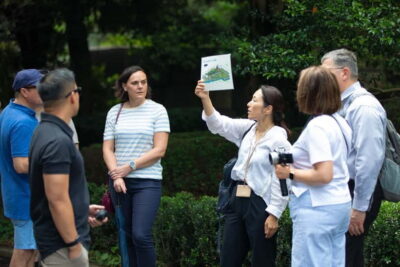
Imperial Palace, Sensō-ji Temple, & Tokyo Tower Tour
Read our review →
Tokyo Castle, Imperial Palace, Shogun & Garden Walking Tour
Read our review →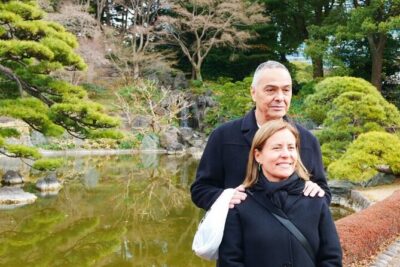
Edo Castle & East Garden of the Imperial Palace Tour
Read our review →Browse the lists this tour appears in