
Reviewed · TOKYO SAMURAI AND NINJA EXPERIENCES
Samurai Training Tokyo Asakusa
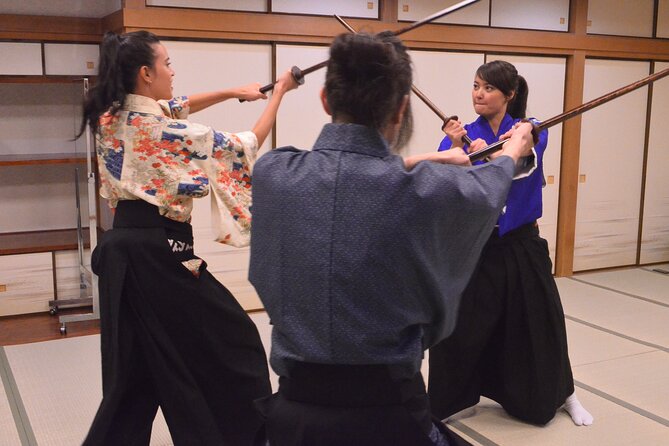
The most memorable part of this Asakusa experience is the transformation. You arrive in ordinary holiday clothes and soon find yourself dressed in samurai costume, sword at your belt, learning how to draw and return a katana with proper form. The class is light, friendly, and built for first-timers rather than martial-arts experts.
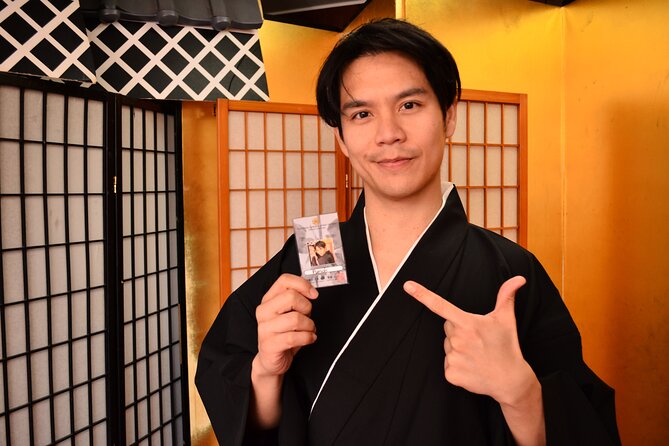
I like the private format, since Jiro and his assistants can adjust the pace for a couple, a family, or a solo participant. I also like the photo and video package. You do not have to ask a parent or friend to stand outside with a phone, and you leave with a certificate bearing your photo.
The main consideration is expectations. This is an entertaining introduction to samurai movement, not a hard training session at a traditional dojo. You will learn basic kata and staged combat, but the class is short and designed to be fun, approachable, and highly visual.
Key points to know before booking
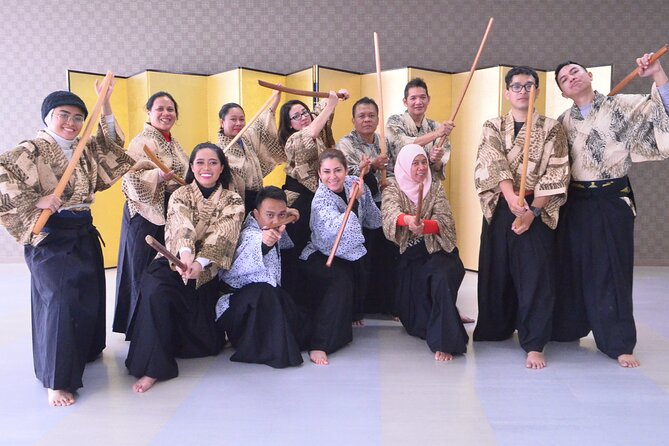
- A private Asakusa class: Only your group participates, with a maximum of 10 people per booking.
- Suitable for children from age six: Children must attend with an adult, and the instructors are used to making younger participants feel comfortable.
- Jiro leads the lesson: Aya and Akari have also assisted with classes, helping with costumes, photographs, and the staged battle.
- You learn real samurai-style movements: The session covers greetings, drawing and sheathing the sword, kata, slashing motions, and choreographed combat.
- Photos and video are part of the keepsake: You receive picture and video footage, along with a certificate and photo data on an SD card.
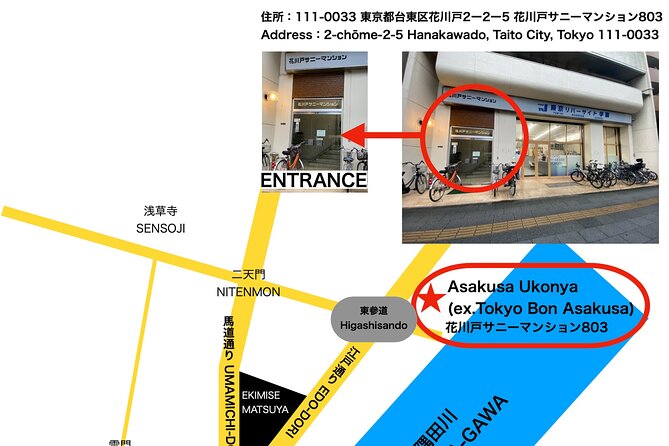
- Allow a little flexibility with the meeting point: The listed starting point is Hanakawado Sunny Mansion, but the exact location can vary with group size and is confirmed at least two days before the date.
What this Asakusa samurai class is really like
This experience works because it gives you a clear role from the start. You are not simply watching a demonstration or posing in rented clothes. You put on the costume, belt the sword, practice the movements, and finish with a staged battle that can be photographed and filmed.
The class is supervised by Ukon Takafuji, Iemoto of the Kenbu Ukon-ryu, also known as the Tachibana samurai kenbu school. That connection gives the activity a traditional performance and sword-discipline foundation, though the format remains a short visitor experience rather than a full course of study.
I would treat it as a cultural activity with hands-on practice. It gives you a taste of samurai etiquette, movement, costume, and presentation. It does not claim to turn you into a trained swordsman in one hour, and the short format is part of its appeal.
More Asakusa and Sensoji tours:
- Tokyo: Japanese Dance Cabaret Theater Asakusa-Kaguwa Ticket
★ 4.8 · 2,270 reviews - Tokyo: Meiji Shrine, Asakusa, Skytree Bus Tour and Cruise
★ 4.7 · 1,986 reviews - Tokyo: Roll and Authentic Sushi Making Class in Asakusa
★ 4.9 · 1,957 reviews
Meeting in Hanakawado, near Asakusa attractions
The published starting point is 花川戸サニーマンション, 2-chome-2-5 Hanakawado, Taito City, Tokyo. This is in the Asakusa area, near public transportation, and the activity ends back at the meeting point.
You should pay close attention to the final meeting instructions. The exact meeting and training location can change depending on the number of participants, and the organizers say they will contact you at least two days before the reserved date. This is the one practical detail I would not leave to chance, especially if you are fitting the class between Senso-ji, the Sumida River, and another Tokyo booking.
Hotel pickup and drop-off are not included. Plan to make your own way to the meeting point, and allow enough time to find the building. One participant had trouble at first locating the meeting place, though the staff met the group and guided them to the training space. That suggests the handoff is helpful, but you should still check messages before setting out.
Asakusa makes a sensible base for this activity. You can pair the class with temple visits, traditional shopping streets, river views, or lunch nearby without giving up a full day. The approximate one-hour duration is especially useful on a packed Tokyo schedule.
Changing into the samurai costume
After gathering, you change into the rental samurai outfit. This is not a quick photo booth stop. The clothing, sword belt, and pose help create the setting for the lesson, and costume time is part of the experience rather than an extra charge.
Once dressed, you belt the sword and take an initial photograph. This opening portrait gives you a chance to get comfortable with the costume before the technical work begins. It also helps younger participants understand that the session is controlled and guided, not a free-for-all with swords.
The staff members Jiro, Aya, and Akari have been praised for being patient and friendly during this part of the class. That matters when a family includes different ages or when someone feels awkward in unfamiliar clothing. The instructors appear to use humor and encouragement to keep the mood relaxed.
You should expect some standing, movement, and repeated practice. The physical demand is moderate, but the activity does require a moderate level of fitness. Wear something that makes changing easy and allows comfortable movement underneath the costume.
Greetings, drawing, and sheathing the katana
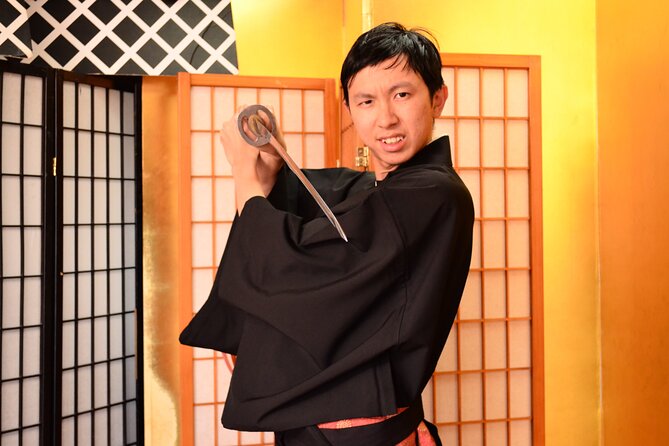
The lesson starts with greetings. This is a small detail, but it keeps the session from becoming only dress-up and pretend fighting. You learn that the sword is handled with attention and ceremony, then begin the basic movements.
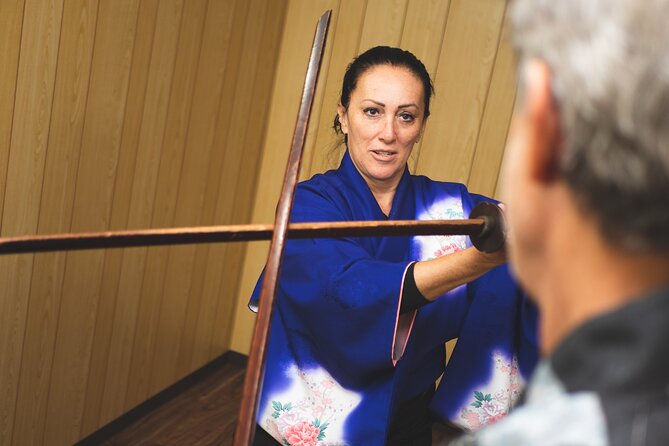
The first technical steps are battou, drawing the katana, and nattou, returning it to its sheath. You also practice kata, or a set sequence of movements. The instructor demonstrates each action and then has you repeat it.
For a complete beginner, this is the most useful section. You learn how the sword fits into the costume, how to move your hands, and how to coordinate your posture with the draw and return. The point is not speed. It is control, timing, and making the movement look deliberate.
The instruction is geared to people with no previous sword experience. If you have a martial-arts background, you may find the movements familiar and the pace gentle. That is not a weakness unless you are seeking strenuous combat training. A participant with a second-degree black belt described the class as enjoyable but clearly less intense than serious dojo practice.
More Tokyo samurai and ninja experiences:
- Tokyo: Samurai Ninja Museum Guided tour and Experience
★ 4.6 · 1,010 reviews - Tokyo: Samurai Sword & Archery Class from Samurai Descendant
★ 5.0 · 603 reviews - Best Samurai Experience in Tokyo
★ 5.0 · 458 reviews - Ninja Experience (Family Friendly) at Samurai Ninja Museum TOKYO
★ 5.0 · 441 reviews
Practicing kata and staged samurai combat
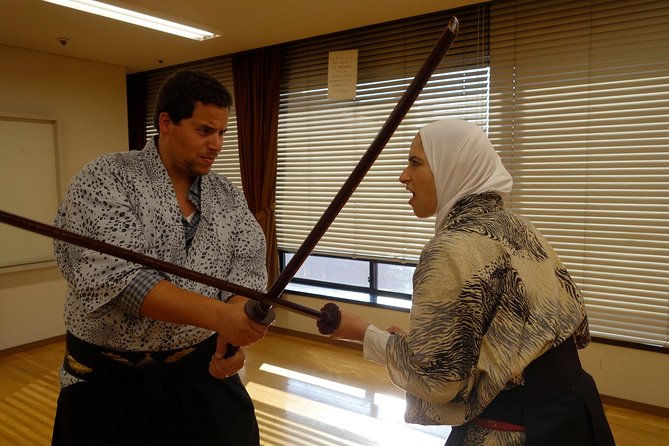
After the basic sword handling, the class moves into slashing motions and simple swordplay. You practice moves that look like a samurai battle, often with the instructor guiding you through a choreographed routine.
This is the section children tend to remember. Jiro has paired with younger participants during simulated combat, including an 11-year-old, and adjusted the exercise to keep the child at ease. The fight is staged, supervised, and designed for clear movements and good photographs, not competitive sparring.
The family format works well because people can watch one another, laugh, and take turns. Parents can participate instead of spending the entire class filming from the side. The instructors also record the battle on your phone when permitted, which gives you a moving souvenir rather than just posed images.
Do not expect an open-ended fight or a demanding test of skill. The choreography gives everyone a better chance of looking good on camera, which is exactly the point for many bookings. You get a structured taste of sword performance, with enough motion to work up a small sweat.
Photos, video, and the samurai certificate
Photography is one of the strongest parts of the package. The instructors take pictures during the costume portion and throughout the practice. They also record video, including the final battle sequence.
This arrangement has real value for families. You can join your children instead of trying to document everything yourself. Several participants found the photographs surprisingly polished, and Jiro has been singled out for taking strong pictures as well as teaching the lesson.
Bring your own phone if you want extra footage recorded on it. The activity includes picture and video footage, and the information provided also says you receive photo data on an SD card. The class finishes with a certificate of recognition featuring your photo, along with a photo of your face.
The certificate is playful rather than a professional martial-arts qualification. Still, it is a useful souvenir, especially for children and teenagers. The SD card and staged battle video give you something more personal than a generic Tokyo keepsake.
What the $85.89 price includes
At $85.89 per person, this is not the cheapest short activity in Tokyo. The price makes more sense when you count what is bundled into the hour: a private class, local instruction, costume rental, photographs, video footage, and the certificate.
A family of four will pay a meaningful total, so I would book it for the personal element rather than simply for access to a costume. The private format means you are not sharing the lesson with a large public group, and the instructor can give attention to children, couples, or a solo participant.
The photo and video service also changes the value calculation. If you would otherwise hire a photographer or miss the action while holding your phone, the included media is useful. You receive a record of the movements, not only a single posed portrait.
The price is harder to justify if you want a long technical lesson or serious martial-arts instruction. For that purpose, this class is too short. For a compact cultural activity with a clear beginning, middle, and end, it fits well into a Tokyo day.
Who will enjoy this experience most
Families with children are the clearest match. The minimum age is six, children must be accompanied by an adult, and the instructor’s patient, humorous approach helps younger participants follow along. Teenagers may especially enjoy learning a routine they can repeat for the camera.
Couples and friends also fit the format. A private class allows you to share the jokes and photos without performing in front of strangers. Solo participants can book too, and the instructors provide the same guided structure rather than leaving you to pose alone.
You do not need prior sword or martial-arts experience. The lesson starts with the basics and shows you each movement. People with a fitness or martial-arts background can still have fun, but should book with the understanding that the class is introductory.
This is also a good choice for an itinerary with limited free time. The activity lasts about an hour, though changing clothes, photographs, and the certificate may stretch the total closer to one to one and a half hours. I would avoid scheduling a tight connection immediately afterward.
Small practical points that matter
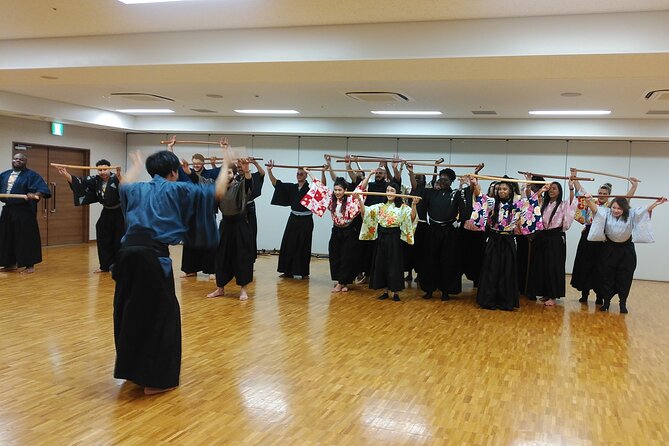
The experience is private, with no more than 10 people per booking. That is large enough for a family gathering but still small enough for individual attention.
Confirmation is sent within 48 hours of booking, subject to availability. The meeting point may change with the number of people, so check the organizer’s message rather than relying only on the original address.
The activity is offered with a mobile ticket. You do not need hotel transportation because none is included. Children need an accompanying adult, and all participants should be comfortable with moderate physical movement.
The cancellation terms are worth noting before you commit. You receive a full refund if you cancel at least six full days before the local start time. A cancellation two to six full days ahead receives a 50 percent refund, while cancellations less than two full days ahead are not refunded. Changes follow the same time limits, and a cancellation caused by the provider not meeting its minimum number of participants results in another date, another experience, or a full refund.
My honest take on the class
I like the balance between instruction and showmanship. You learn greetings, sword drawing, sheathing, kata, and battle movements, but the class never forgets that you are on holiday and want memorable photographs.
The strongest feature is the staff’s interaction with different ages. Jiro and his assistants have shown patience with children, helped adults relax, and kept the lesson moving. The fact that the instructor can pair with a child during staged combat is useful for parents who want their children involved without feeling overwhelmed.
The main weakness is also clear. At roughly an hour, the class cannot offer much technical depth. If you are already advanced in martial arts, you may want more demanding drills. If you want a polished, friendly introduction with a costume, a little exercise, and a recorded battle, the short length works in your favor.
Should you book Samurai Training Tokyo Asakusa?
Book it if you want a hands-on family activity that fits between major Tokyo sights. It is particularly well suited to children from six years old, teenagers, couples, first-time visitors, and anyone who values photographs and video as part of the experience.
Skip it if your main goal is rigorous sword instruction, a long historical lecture, or a full day at a dojo. This is a carefully guided introduction, not professional combat training.
For most visitors, the decision comes down to what you want to remember from Asakusa. If the answer is a family battle in samurai clothing, a photo certificate, and a video you can show at home, the $85.89 fee offers solid value. Just confirm the final meeting place, allow extra time around the one-hour class, and arrive ready to take part rather than simply watch.
FAQ
How long does Samurai Training Tokyo Asakusa last?
The activity is listed as approximately one hour. Allow additional time for changing clothes, photographs, video recording, and receiving the certificate. Some participants found the full process took about one to one and a half hours.
What age can children be?
The minimum age is six. Children must be accompanied by an adult, and the activity recommends a moderate level of physical fitness.
Is the class private?
Yes. This is a private activity for your group only, with a maximum of 10 people per booking.
What is included in the price?
The price includes a local instructor, rental samurai costume, picture and video footage, and the certificate provided at the end. Hotel pickup and drop-off are not included.
Where does the activity meet?
The listed starting point is 花川戸サニーマンション, 2-chome-2-5 Hanakawado, Taito City, Tokyo. The exact meeting and training location can vary based on the number of participants, and you should receive the final information at least two days before the reserved date.
What happens if I need to cancel?
Cancel at least six full days before the local start time for a full refund. Cancellation two to six full days ahead receives a 50 percent refund. Less than two full days ahead is nonrefundable, and changes follow the same deadlines.
Newly reviewed around Tokyo
- Tokyo Asakusa:Calligraphy & Make T-shirt Activity★ 5.0 · 62 reviews
- Intercity Shuttle, Tokyo to Haneda /Narita /Yokohama /Makuhari★ 5.0 · 5 reviews
- 1 Hour Travel around Tokyo with a Professional Photographer★ 5.0 · 3 reviews
- Travel Tokyo with Your Own Personal Photographer★ 5.0 · 43 reviews
- Shuttle Van 6hr Tokyo Tour to-and-from Tokyo, Yokohama and Narita★ 5.0 · 9 reviews
- Kickboxing & Body Training with EX-Pro Fighter★ 5.0 · 4 reviews
- Train in Samurai Swordsmanship and Defeat the Demon in Tokyo★ 5.0 · 5 reviews
- Traditional Japanese Knife Sharpening Class★ 5.0 · 18 reviews
Tokyo Samurai and Ninja Experiences, compared.
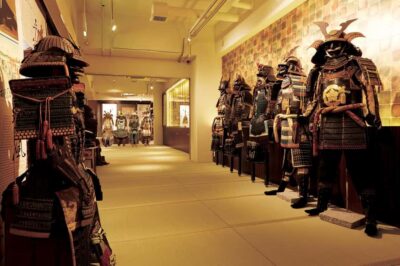
Samurai Ninja Museum Guided tour and Experience
Read our review →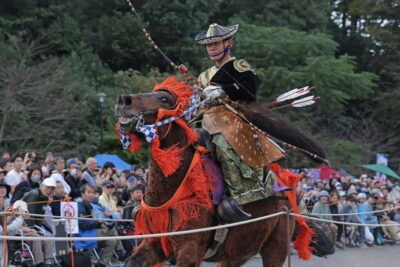
Samurai Sword & Archery Class from Samurai Descendant
Read our review →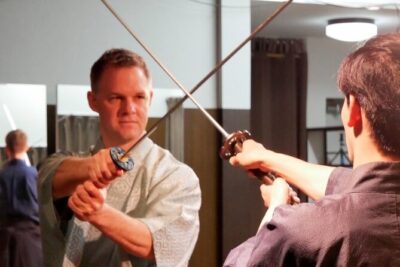
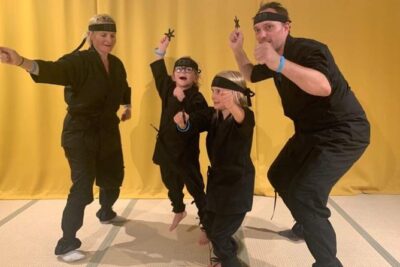
Ninja Experience (Family Friendly) at Samurai Ninja Museum TOKYO
Read our review →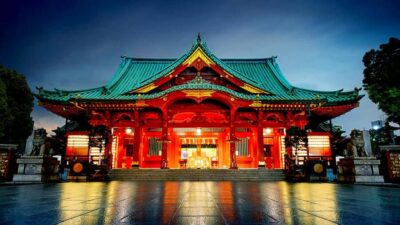
Samurai Entertainment Night Show in Kanda Shrine
Read our review →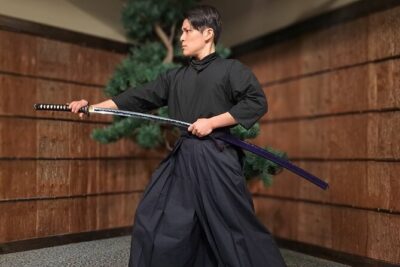
Tokyo Sword Experience – includes Museum Ticket/Ninja Experience
Read our review →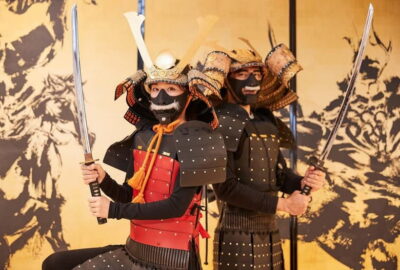
Samurai Ninja Museum Asakusa: Samurai Sword Lesson & Tour
Read our review →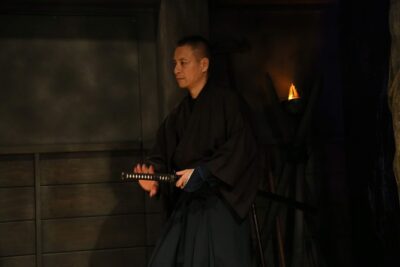
Ninja Samurai 2-hour hands-on lesson by Japanese master in Tokyo
Read our review →Browse the lists this tour appears in