
Reviewed · TOKYO KIMONO EXPERIENCES
Ride a rickshaw wearing a kimono in Asakusa! Enjoy authentic traditional culture!
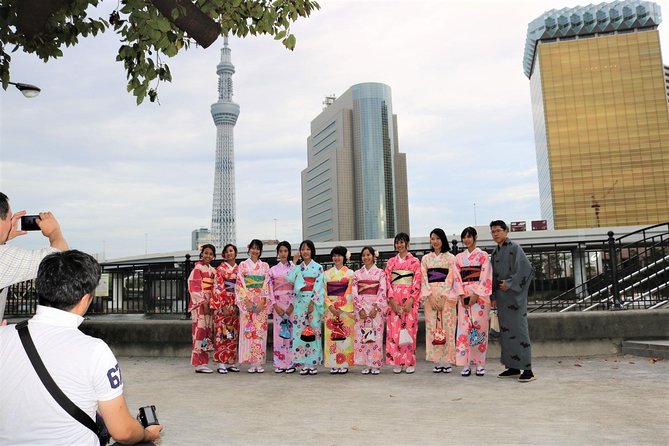
Asakusa becomes a stage for the day: you are dressed in a kimono, given a simple hair set and accessories, then picked up outside the shop by a rickshaw. The ride itself lasts about 12 minutes, but the real treat is having the rest of the afternoon to wander near Kaminarimon and Sensoji Temple in traditional dress.
I like two things here. First, the dressing, hair styling, sandals, and drawstring bag are bundled into one modest price, so you do not need to assemble the outfit yourself. Second, the rickshaw driver adds local color and stops for a commemorative photo. The main caution is sizing: larger kimonos can cost another 1,000 to 2,000 yen, and the dressing process can feel rushed if you want a slow, detailed explanation.
Key points at a glance
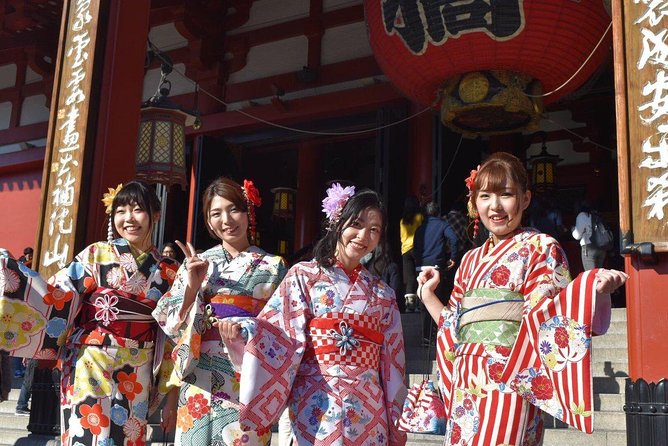
- A full kimono setup: Dressing, hair styling, hair accessories, sandals, and a drawstring bag are included.
- A 12-minute rickshaw ride: A professional driver collects you outside HANAKA and takes you toward Asakusa’s main sights.
- Free time until 6pm: After the ride, you can eat, take photos, and explore near Kaminarimon and Sensoji Temple.
- Small group size: The activity accepts a maximum of five people, which keeps the fitting and ride more personal.
- Watch the size fees: Larger kimono sizes may cost an extra 1,000 to 2,000 yen, paid at the shop.
- Convenient Asakusa base: The shop is near public transportation, though the entrance can be tricky to spot.
Why this Asakusa experience works
Asakusa is one of Tokyo’s best places for a traditional Japanese outing. It has the red Kaminarimon gate, Sensoji Temple, old-style shopping streets, food stalls, and plenty of photo-friendly corners. Wearing a kimono here gives your visit a clear focus rather than sending you from one unrelated attraction to another.
I especially like the combination of a guided start and independent afternoon. The shop staff handle the complicated clothing, you get a short introduction to the neighborhood by rickshaw, and then you are free to set your own pace. You can stop for snacks, pose for photos, visit Sensoji, or simply walk until it is time to return the outfit.
The activity costs $52.17 per person. That is a fair price for a short-term kimono rental that includes hair styling, accessories, sandals, a bag, and a rickshaw transfer. It is not a full-day guided sightseeing tour, and the rickshaw ride is brief, so the value depends on how much you want the dressed-up experience itself.
For me, the package makes sense for a first visit to Tokyo, a special family outing, or anyone who wants photos with a distinctly Japanese setting. If you only want a long rickshaw tour, this is not the right product. If you want to wear a kimono without managing all the details alone, it is a better fit.
More Asakusa and Sensoji tours:
- Tokyo: Japanese Dance Cabaret Theater Asakusa-Kaguwa Ticket
★ 4.8 · 2,270 reviews - Tokyo: Meiji Shrine, Asakusa, Skytree Bus Tour and Cruise
★ 4.7 · 1,986 reviews - Tokyo: Roll and Authentic Sushi Making Class in Asakusa
★ 4.9 · 1,957 reviews
Finding HANAKA near Kaminarimon
The meeting point is Asakusa Kimono Rental HANAKA, at 2 Chome 3-7 Kaminarimon, Taito City, Tokyo 111-0034. The shop is on the fourth floor of Duel Asakusa IV and is close to public transportation.
Give yourself time to find the entrance. The shop can be difficult to spot from the street, and one approach is through an alley beside a hotel. The business is also visible from an Asakusa subway exit, but you should still use Google Maps and check the building carefully rather than arriving at the last second.
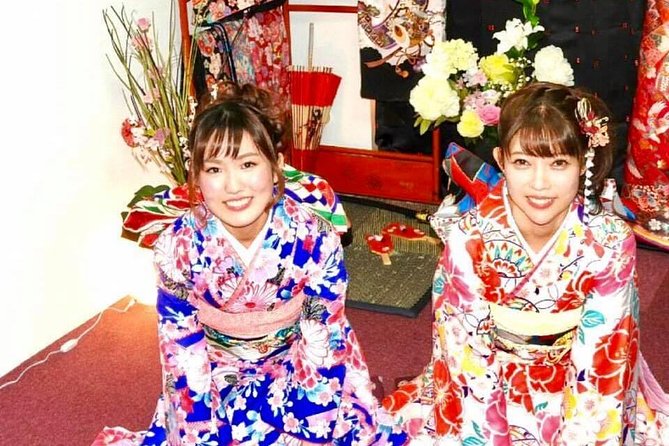
You do not need to bring a kimono, shoes, or a separate bag. This is a complete rental. You will remove your shoes inside the shop, then choose from the available kimono colors and patterns with help from the staff.
The shop itself is small, with many kimonos and accessories packed into the space. That gives you plenty of choice, but it also means the selection area may feel busy when several people are changing at once. The small group limit of five helps keep the experience manageable.
The 30-minute dressing session
The dressing process takes about 30 minutes. A professional kimono dressing instructor helps you into the clothing, while a hairdresser with a Japanese national qualification handles your hairstyle and accessories. The salon operates as a full-time shop, with hygiene management as part of its normal work.
You can expect a simple hair set rather than a long salon appointment. Hair accessories are included, and the staff choose sandals for you. The package also provides a drawstring bag, which is useful for carrying small personal items while you walk around Asakusa.
The outfit changes by season. From June through September, you will wear a yukata, the lighter summer garment. Outside those months, the standard kimono is used. Sandals are included, with summer clogs provided during the warmer season.
The fitting is practical and efficient. Some people appreciate that speed, especially with children or a tight schedule. Others may want more explanation about the many layers, ties, and steps involved in wearing a kimono. If learning the clothing process matters to you, ask questions as you are dressed and allow a little patience for communication.
English ability may be limited at the shop, so clear gestures and a translation app can help. The staff are described as friendly and accommodating, but the pace can be brisk. You should arrive ready to follow instructions rather than expecting a long fashion consultation.
Kimono sizing and the extra charge
Sizing is the most important point to check before booking. Kimonos are made in standard Japanese sizes, and larger sizes may require a special garment. The stated additional charge is 1,000 to 2,000 yen, paid directly on the day.
The exact need for a larger kimono depends on more than height and weight. Bust and waist measurements also matter. The supplied guidelines indicate that women should be at least 168 centimeters and men at least 175 centimeters for the relevant larger-size consideration, but the shop explains that body shape also affects the fitting.
This fee should not surprise you. The base price looks attractive because it covers many essentials, but the listed cost does not include every possible size. If you have concerns, contact the shop before the appointment and ask what measurements they need.
This is also where the experience can feel less comfortable. A larger-size fee may seem unexpected, particularly if it is explained only at the fitting. I would treat it as a practical possibility and budget for it in advance rather than assuming the advertised price is final for every body type.
More Tokyo kimono experiences:
- Let’s make kimono !(Kimono is a gift for you
★ 5.0 · 252 reviews - Tokyo: Matcha and Kimono Experience
★ 4.7 · 219 reviews - Tokyo: Asakusa Kimono Dressing and Matcha Experience
★ 4.9 · 173 reviews - Asakusa: Kimono Tea Ceremony with Matcha and Sweet
★ 4.9 · 153 reviews
The rickshaw pickup and photo stop
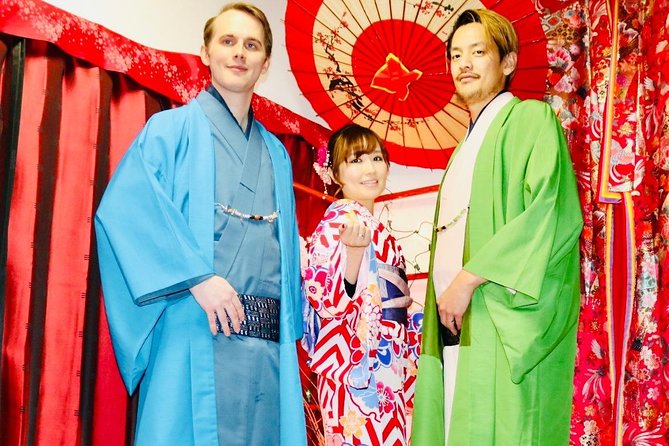
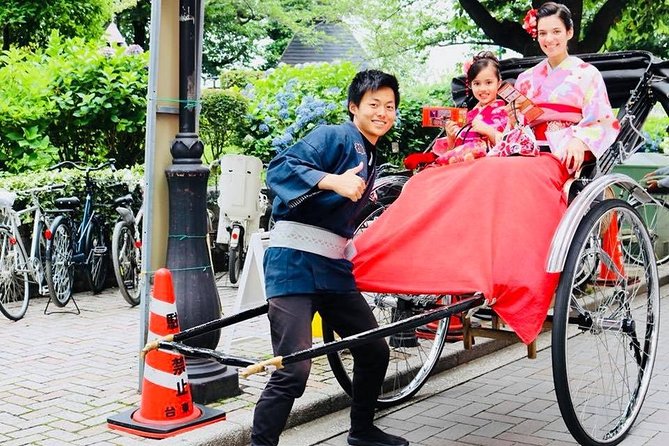
Once you are dressed, a rickshaw comes to the front of HANAKA. The ride takes about 12 minutes. Before boarding, the staff take a commemorative photograph, giving you a useful record of the complete outfit before the afternoon begins.
The rickshaw is less about covering distance and more about setting the mood. You sit above the street while the driver pedals through the Asakusa area, offering sightseeing commentary along the way. The drivers are a major part of the fun, and the available comments describe them as friendly, entertaining, and good at helping with photographs.
You can discuss where to get off with the driver. The usual plan places you near Kaminarimon and Sensoji Temple, but that flexibility lets you choose a convenient starting point for your walk.
Do not confuse this with a long private rickshaw tour. The included ride is short. Some arrangements have included an extra half-hour ride for an added charge, but that is separate from the package described here. If a longer ride is important to you, ask HANAKA directly instead of assuming it is included.
Exploring Kaminarimon and Sensoji in a kimono
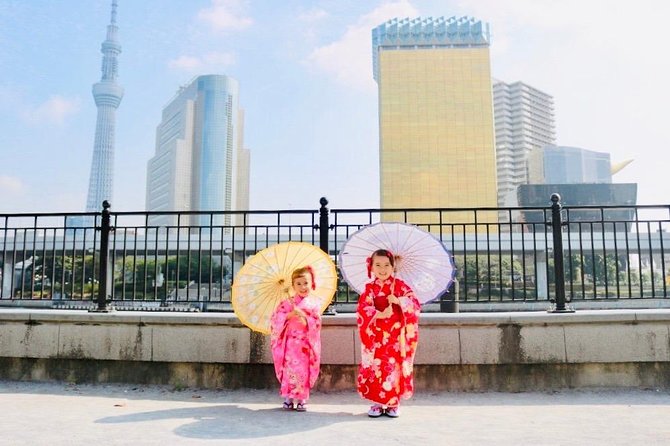
After you get off, the rest of the experience is yours. You can take photos around Kaminarimon, walk toward Sensoji Temple, browse the nearby streets, or stop for food. You return to the meeting point by 6pm, so keep an eye on the time and leave enough room to walk back and change.
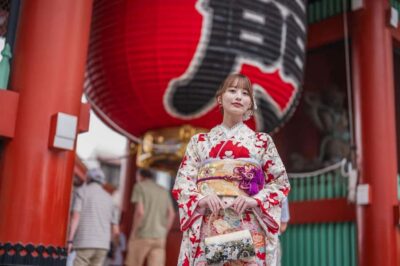
Kaminarimon gives you an immediate visual anchor. Its large red gate and lantern make a strong backdrop for kimono photographs. Sensoji Temple adds a more ceremonial setting, while the surrounding streets provide plenty of everyday Asakusa atmosphere.
A kimono changes the rhythm of your visit. You will likely walk more carefully and take smaller steps, especially in sandals. That is not a problem for a relaxed afternoon, but it is worth planning around. Avoid stuffing your schedule with distant Tokyo attractions after the fitting. The experience is best when you give Asakusa the time it deserves.
Food is another reason to keep the afternoon open. The package allows time for eating, photos, and other activities, but it does not include meals or photography equipment. Bring your own camera or phone. Rain gear and cold-weather protection are also not included, so check the forecast and dress sensibly underneath the rental clothing.
Photographs, families, and special occasions
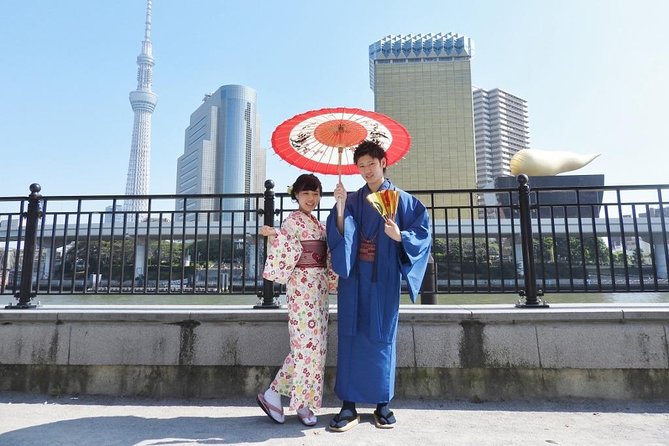
The photography is one of the strongest parts of the package. Staff take pictures during the setup and the rickshaw driver can help with photo opportunities. You should not expect professional photography equipment or a dedicated photographer for the entire afternoon, but you will have chances to record the day.
The activity can work well for families. The staff have dressed young children, including a five-year-old, and the small group limit helps keep attention focused. Children may enjoy the rickshaw more than the formal dressing, so explain that the outfit must be handled carefully and that walking in sandals is different from wearing sneakers.
Couples and parent-child groups also fit the format well. One family described the day as a favorite part of a six-day Japan visit, alongside another playful Tokyo activity. That makes sense: the outfit, the ride, and the old Asakusa setting create a concentrated memory without taking over your entire trip.
You should know that the rickshaw may feel unusual at first. It is an open, exposed ride rather than standard transportation. For many people, that is precisely what makes it fun. If you dislike being photographed or prefer ordinary sightseeing, the experience may feel too staged.
Timing, group size, and practical planning
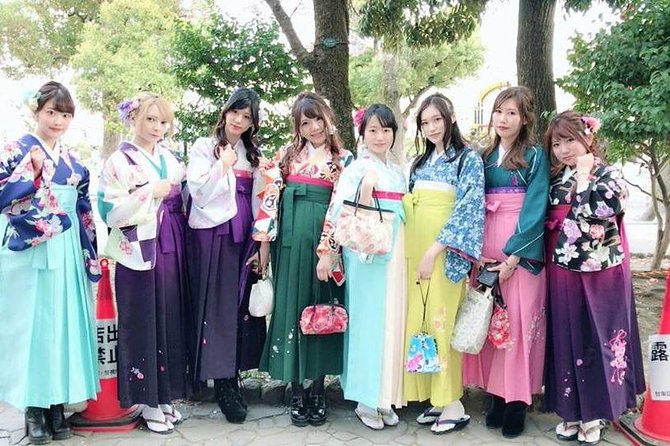
The activity lasts about six hours, with operating hours listed from 11am to 2pm for the start window. The schedule allows you to remain in Asakusa until the return time of 6pm. Confirm your exact start time when booking, since the fitting, ride, free time, and return must all fit together.
The maximum group size is five. That is small enough for a more personal fitting and a less crowded departure, though the rickshaw arrangement may vary depending on how many people are in your party.
The experience ends back at HANAKA. Plan your later Tokyo activities around that location rather than assuming you will finish at Sensoji. This matters if you have dinner reservations or a train to catch.
Confirmation is normally sent when you book. If you reserve within two hours of the start time, confirmation may arrive later, depending on availability. Free cancellation is available up to 24 hours before the start time. Cancellations or changes made within 24 hours are not accepted for a refund.
Who should book this experience?
I would choose this for you if you want a low-effort introduction to kimono dress, enjoy taking photos, and plan to spend time in Asakusa anyway. It is also a strong choice for families, couples, and first-time visitors who want one distinctly traditional activity without committing to a formal cultural class.
The package is less suitable if you need a long rickshaw circuit, have very specific clothing-size requirements, or want detailed English instruction about every part of the kimono. You should also think twice if the 6pm return time conflicts with a later booking elsewhere in Tokyo.
At $52.17, the value is good when you count the outfit, hair set, accessories, sandals, drawstring bag, photo moment, and short rickshaw ride together. Budget a little more for a possible large-size fee, food, and any extra photography or longer ride you arrange.
Should you book it?
Book this experience if your ideal Asakusa day includes a kimono, a few good photos, a short rickshaw ride, and several unhurried hours near Kaminarimon and Sensoji Temple. The best parts are the complete outfit setup, the friendly rickshaw drivers, and the freedom to explore after the formal portion ends.
Before paying, check the shop location, confirm your size, and decide if a 12-minute ride is enough for you. With those expectations set, this is a practical and reasonably priced way to turn an ordinary Asakusa visit into a special half-day outing.
FAQ
Where does the kimono experience begin?
It begins at Asakusa Kimono Rental HANAKA, at 2 Chome 3-7 Kaminarimon, Taito City, Tokyo 111-0034. The shop is on the fourth floor of Duel Asakusa IV.
Where does the activity end?
The activity ends back at the HANAKA meeting point.
How long does the full experience last?
The experience lasts approximately six hours, with time to explore Asakusa until the return time at 6pm.
How long does kimono dressing take?
The dressing, hair styling, and accessory setup take approximately 30 minutes.
Is hair styling included?
Yes. A simple hair set and hair accessories are included.
Are shoes and a bag included?
Yes. The package includes sandals and a drawstring bag. Summer clogs are provided during the summer season.
What do I need to bring?
The rental is complete, so you do not need to bring kimono clothing or accessories. Photography equipment, rain gear, and cold-weather protection are not included.
Is a larger kimono available?
Larger kimonos may be available, but an additional fee of 1,000 to 2,000 yen may apply for some sizes. You pay this fee directly on the day.
How long is the rickshaw ride?
The included rickshaw ride takes approximately 12 minutes. You can discuss the drop-off point with the driver.
What happens if I need to cancel?
You can cancel at least 24 hours before the start time for a full refund. Cancellations or changes made less than 24 hours before the start time are not accepted for a refund.
Newly reviewed around Tokyo
- Tokyo Asakusa:Calligraphy & Make T-shirt Activity★ 5.0 · 62 reviews
- Intercity Shuttle, Tokyo to Haneda /Narita /Yokohama /Makuhari★ 5.0 · 5 reviews
- 1 Hour Travel around Tokyo with a Professional Photographer★ 5.0 · 3 reviews
- Travel Tokyo with Your Own Personal Photographer★ 5.0 · 43 reviews
- Train in Samurai Swordsmanship and Defeat the Demon in Tokyo★ 5.0 · 5 reviews
- Shuttle Van 6hr Tokyo Tour to-and-from Tokyo, Yokohama and Narita★ 5.0 · 9 reviews
- Kickboxing & Body Training with EX-Pro Fighter★ 5.0 · 4 reviews
- Traditional Japanese Knife Sharpening Class★ 5.0 · 18 reviews
Tokyo Kimono Experiences, compared.
Tokyo Asakusa: Traditional Kimono Rental Experience at Wargo
Read our review →
Tokyo Authentic Kimono Rental in Asakusa with Photography Option
Read our review →
Kimono Rental inside Shinjuku Gyoen National Garden
Read our review →Browse the lists this tour appears in