
Reviewed · TOKYO TRADITIONAL MUSIC AND DANCE SHOWS
Tokyo: KABUKI Show at Kabukiza Theatre Admission Ticket
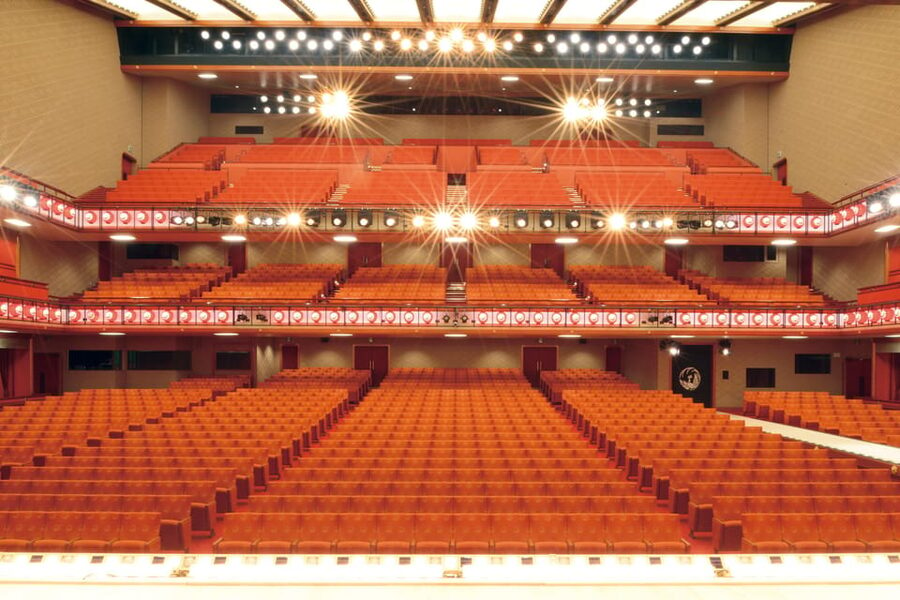
Kabuki at Kabukiza Theatre is a full evening of stylized acting, dance, music, costumes, painted faces, and stories drawn from Japan’s past. The theater is the only one in the world devoted exclusively to Kabuki, so you are not seeing a shortened tourist demonstration. You are entering a working performance venue in Ginza, where the program changes every month.
I like two things right away: the English or Simplified Chinese caption service makes the action far easier to follow, and the four-hour schedule gives you more than a quick sample of the art form. The main drawback is also clear: four hours in traditional theater seating can feel long, especially if you do not enjoy classical theater or find older-style chairs uncomfortable.
Key things to know before booking
- Four hours means a complete Kabuki program, not one short show. Expect several pieces, with intermissions between them.
- The monthly program changes, so check the official Kabuki Web schedule before you reserve.
- Captions are included in English or Simplified Chinese, but the service cannot be exchanged for a Japanese audio guide or refunded if you do not use it.
- You must exchange your voucher for a physical ticket at the Basement Level 2 box office. The voucher alone will not get you into the theater.
- Seats cannot be selected with this reservation, so your location in the auditorium is assigned.
- Food and drinks are allowed, and snacks and alcohol are available inside for the intermissions.
Why Kabuki at Kabukiza is worth your evening
Kabuki is not simply Japanese theater with elaborate costumes. It is a highly formal art in which movement, posture, voice, music, makeup, and stage machinery all carry meaning. A performer may hold a pose for dramatic effect, turn slowly toward the audience, or use a precise gesture to show anger, grief, pride, or surprise.
That formal style can seem unusual at first. You may find the acting broad and deliberate rather than naturalistic. Give yourself time to adjust. Once you understand that the actors are working through a traditional visual language, the details become easier to read.
The building matters, too. Kabukiza gives you the chance to watch Kabuki in a theater made for Kabuki, rather than in a modern concert hall or a short cultural demonstration. The curtains, screens, stage sets, costumes, and live music all help create a setting that feels connected to the art itself.
I especially like that the program is not frozen in one standard performance. Kabukiza presents a new selection each month. That means your experience depends on the season and the schedule, and a return visit can bring completely different stories, dances, and performers.
More Tokyo traditional music and dance shows:
- Tokyo: Japanese Dance Cabaret Theater Asakusa-Kaguwa Ticket
★ 4.8 · 2,270 reviews - Tokyo: KABUKI, BUNRAKU, etc. presented by National Theatre
★ 4.6 · 135 reviews - Japanese Traditional Music Show in Tokyo
★ 5.0 · 72 reviews
What the four-hour program is really like
The advertised duration is about four hours, but the evening is not one uninterrupted story. A typical program contains several separate pieces, and intermissions divide the experience.
One month might include a modern Kabuki work, a dance, a domestic play, and another dance. Another might present a historical drama in several acts, followed by a fox dance and a modern love story. The March program, for example, included The Return of the Evil Lady-in-Waiting Iwafuji in the matinee, while the evening included a spring dance and Three Thieves Named Kichisa.
This variety helps the long running time. Each section can have a different mood, subject, rhythm, and visual style. You may move from a serious historical scene to a comic or graceful dance, then to a domestic drama with more personal emotions.
The tradeoff is that the program may not unfold like a single plot. If you expect one continuous story from beginning to end, you could feel lost. Read the monthly program in advance and use the caption service to understand where each piece begins and ends.
Intermissions are not wasted time. They let you stretch, visit the facilities, buy refreshments, and talk quietly about what you have just seen. You can bring your own food and drink, and snacks and alcohol are also sold inside the theater. I would plan a small meal or snack, especially for an evening performance.
English captions make a major difference
The included caption service is one of the strongest reasons for an international visitor to choose this experience. Kabuki stories can involve old expressions, family relationships, historical events, and social customs that are not obvious from the action alone.
The captions help explain the dialogue and follow the story. They are particularly useful during spoken scenes, where a character’s exact words can matter more than the broad stage movement. If you do not read Japanese, the service changes the experience from watching attractive but mysterious movement to following an actual drama.
There is one practical catch. You must divide your attention between the stage and the caption screen. The captions do not always change at a steady rhythm, and it can be hard to watch an actor’s face while waiting for the next line. The screen is helpful, but it is not a substitute for watching the stage.
This matters because Kabuki performance depends heavily on facial expression, posture, and controlled gestures. If you sit far from the stage, those details may be harder to see. Since you cannot specify your seat with this booking, you should set your expectations accordingly. The caption service remains valuable, but your view may affect how easily you catch the finer acting.
Costumes, sets, and live music carry the show
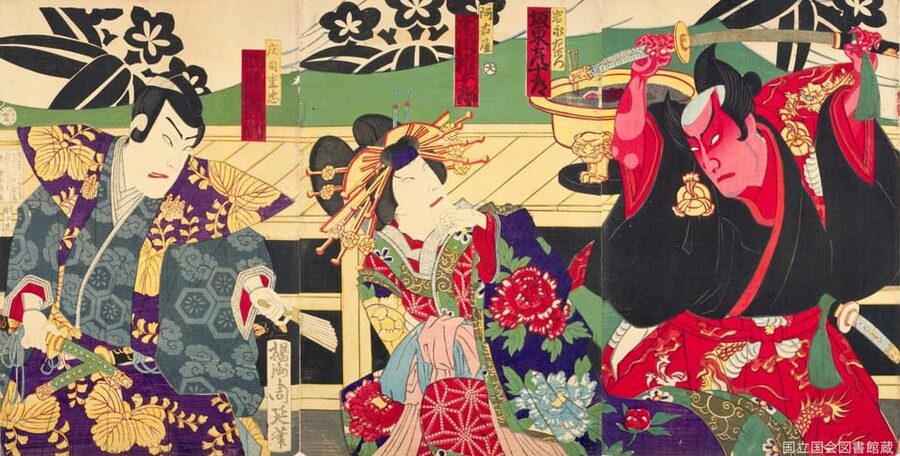
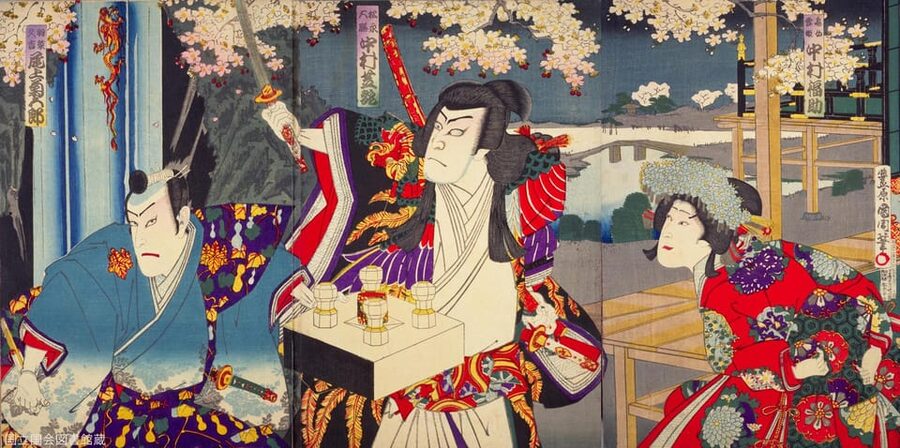
Kabuki gives you plenty to watch even before you understand every line. Costumes can be sumptuous, with strong colors and formal patterns that immediately identify a character’s role or status. Makeup and wigs make faces readable from a distance, while movement gives each character a distinct presence.
The stage sets and curtains are also part of the pleasure. A performance may shift from a domestic interior to a historical setting or a stylized natural scene. The visual design is not merely decoration. It supports the mood and tells you what sort of world the characters occupy.
Live music adds another layer. Depending on the program, you may hear instruments such as shamisen alongside narration and other traditional sounds. The music can frame an entrance, build tension, or give a dance its pace.
The acting includes singing, dancing, and at times acrobatic movement. This variety is why Kabuki can appeal to people who are not usually theater fans. You are not sitting through four hours of spoken drama alone.
Still, this is traditional theater, not a fast-moving stage show. Some scenes rely on repetition, formal pauses, or long passages of narration. If you dislike classical performance in your own country, you may find the pace demanding.
More Tokyo shows and performances:
- Mt Fuji & Hakone Cruise, Drum Show Bullet Train 1 Day from Tokyo
★ 4.0 · 7,413 reviews - Tokyo: Sumo Show and Dining Experience
★ 4.8 · 2,742 reviews - the SUMO show
★ 5.0 · 1,960 reviews - Tokyo Shinjuku Sumo Show & Experience with Photo
★ 5.0 · 1,750 reviews
The Kabukiza building and Ginza setting
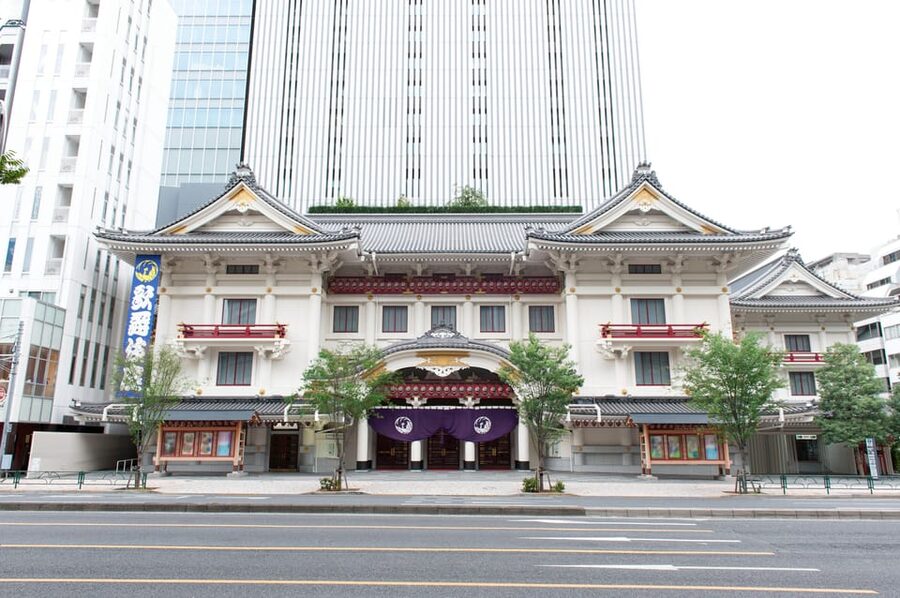
Kabukiza is at Ginza 4-12-15 in Chuo Ward, a central Tokyo location that is easy to combine with an afternoon or evening in Ginza. The theater doors open 30 minutes before the performance, so arrive early enough to collect your ticket, find your seat, and settle in without rushing.
Your first required stop is the box office on Basement Level 2. Bring the PDF or mobile voucher used for the reservation. You cannot enter the theater with that voucher alone. Exchange it for the actual ticket at the venue box office.
The box office is listed as open from 10:00 a.m. to 6:00 p.m. If you arrive after 6:00 p.m., go directly to the theater entrance as instructed. Even so, I would not cut it close. The building has several levels and the ticket exchange is an extra step that is easy to overlook.
Basement Level 2 also has a shopping center with Kabuki-related gifts and souvenirs. It is a useful place to browse before the show, but do not assume every shop will remain open after the final curtain. If souvenirs matter to you, visit before the performance or during an early break.
The permanent interactive exhibition gives you a way to learn more about Kabuki before the curtain rises. It can help you recognize the basic ideas behind the costumes, stage conventions, and performance style. Allow some extra time if you want to see it rather than treating the theater as a place to rush in and out.
Choosing a matinee or evening show
Kabukiza commonly offers a matinee beginning around 11:00 a.m. and an evening program beginning around 4:30 p.m., though exact times depend on the month. The listed programs can run more than four hours, with planned end times around 3:00 p.m. for a matinee or after 8:00 p.m. for an evening show.
A matinee works well if you want dinner in Ginza afterward or prefer not to finish late. An evening performance can make a memorable final activity after a day in Tokyo, but you need to protect the full block of time. Do not schedule a tightly timed restaurant reservation or another attraction immediately afterward.
The timing also affects your food plan. A long matinee may cover lunch, while an evening show can run through dinner. Since food is permitted and refreshments are sold at the theater, plan ahead rather than assuming you can eat normally between pieces.
Programs for the next month go on sale from the 14th of each month. If your dates are flexible, this can help you plan. If your Tokyo visit is already fixed, check the official schedule before paying so you know which stories and dances you will see.
Is $106 a fair price?
At $106 per person, this is not a casual, low-cost night out. The value depends on what you want from Tokyo.
You are paying for a full Kabuki program in the art form’s dedicated theater, not for a short staged introduction. The ticket also includes the English or Simplified Chinese caption service, which is important if you do not speak Japanese. For someone who wants a serious cultural performance, the price can be reasonable because the evening occupies four hours and offers several distinct pieces.
The value is weaker if you are only curious about Kabuki and would prefer a 30-minute sample. The length, assigned seating, and formal style ask for a real time commitment. A seat may also feel tight, and you cannot choose its location through this reservation.
I would compare the cost with other major Tokyo performances and experiences you are considering. If your priority is authentic traditional culture, Kabukiza offers something unusually specific. If your priority is comfort, flexibility, or a quick introduction, the price may feel high.
Who will enjoy this most
I would recommend Kabukiza to you if you enjoy theater, dance, history, visual arts, or traditional music. It also suits anyone looking for a cultural evening that goes beyond temples, shopping, and food.
You do not need prior Kabuki knowledge. The caption service helps, and the range of pieces lets you experience more than one side of the form. Read the program beforehand and accept that the acting style may take a little time to understand.
Families should note that children under four are not permitted. Older children may enjoy the costumes and dramatic movement, but four hours is a serious commitment. Think about attention span and comfort before booking.
You should think twice if you dislike long performances, formal acting, or sitting in older-style theater chairs. Bring a cushion if you need extra support, and use the intermissions to move around.
A practical plan for your visit
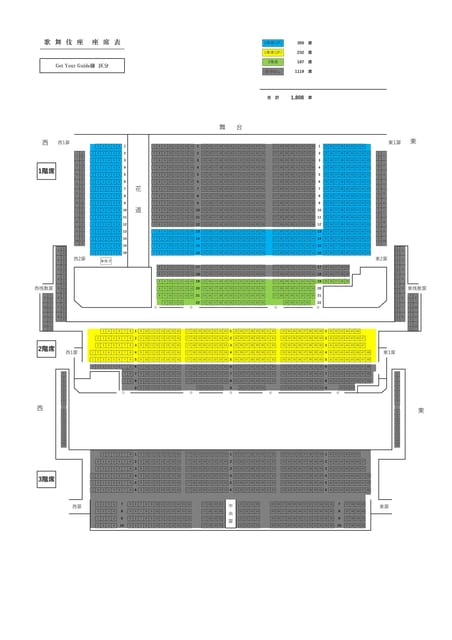
Set aside at least 30 minutes before showtime for arrival and ticket collection. Go first to the Basement Level 2 box office with your mobile or PDF voucher, then find the theater entrance and seat.
If you want to visit the interactive exhibition or shop for souvenirs, arrive earlier than the 30-minute door opening window. The shopping center is useful for Kabuki gifts, but its hours may not match your exit time.
Bring a small snack or buy refreshments inside. Food and drinks are allowed, and the intermissions make it possible to eat without missing the performance. Keep your meal simple so you can return to your seat on time.
During the show, use the caption service when you need story details, but keep looking at the actors. Kabuki’s meaning often sits in a held pose, a turn of the head, or a carefully shaped expression. The best experience comes from using the captions as support rather than watching the screen continuously.
Should you book Kabukiza?
Book this experience if you want a substantial, traditional Japanese performance and can give it four hours. Kabukiza offers a rare chance to see Kabuki in its dedicated Tokyo theater, with live music, changing monthly programs, elaborate stagecraft, and caption support for non-Japanese speakers.
Skip it if you want a short cultural activity, dislike classical theater, or need guaranteed seating near the stage. For everyone else, check the monthly program, plan for intermissions, collect the physical ticket early, and treat the evening as a main event rather than a spare-hour activity.
FAQ
Where is Kabukiza Theatre located?
Kabukiza Theatre is in Ginza at Ginza 4-12-15, Chuo-ku, Tokyo, Japan.
How long does the Kabuki experience last?
The stated duration is about four hours. Programs may include several pieces and intermissions, with exact running times changing by month.
What languages are available for captions?
The ticket includes an English or Simplified Chinese caption service.
Can I enter with the mobile or PDF voucher?
No. You must exchange the GYG voucher for a physical ticket at the venue box office before entering the theater.
Where do I collect the ticket?
The box office is on Basement Level 2 of the theater. It is listed as open from 10:00 a.m. to 6:00 p.m.
What should I do if I arrive after 6:00 p.m.?
Proceed directly to the theater entrance, according to the activity instructions.
Can I choose my seat?
No. Seats cannot be specified for this reservation.
Can I bring food and drinks into the theater?
Yes. You can bring food and drinks, and snacks and alcohol are also available for purchase inside.
Does the Kabuki program stay the same all year?
No. The program changes each month. Check the official Kabuki Web site for the current schedule and performance details.
Are young children allowed?
Children under four years old are not permitted to attend.
Newly reviewed around Tokyo
- Tokyo Asakusa:Calligraphy & Make T-shirt Activity★ 5.0 · 62 reviews
- Intercity Shuttle, Tokyo to Haneda /Narita /Yokohama /Makuhari★ 5.0 · 5 reviews
- 1 Hour Travel around Tokyo with a Professional Photographer★ 5.0 · 3 reviews
- Travel Tokyo with Your Own Personal Photographer★ 5.0 · 43 reviews
- Shuttle Van 6hr Tokyo Tour to-and-from Tokyo, Yokohama and Narita★ 5.0 · 9 reviews
- Kickboxing & Body Training with EX-Pro Fighter★ 5.0 · 4 reviews
- Train in Samurai Swordsmanship and Defeat the Demon in Tokyo★ 5.0 · 5 reviews
- Traditional Japanese Knife Sharpening Class★ 5.0 · 18 reviews
Tokyo Traditional Music and Dance Shows, compared.
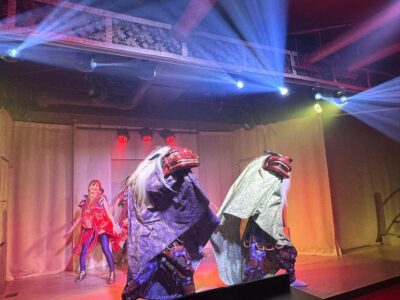
Japanese Dance Cabaret Theater Asakusa-Kaguwa Ticket
Read our review →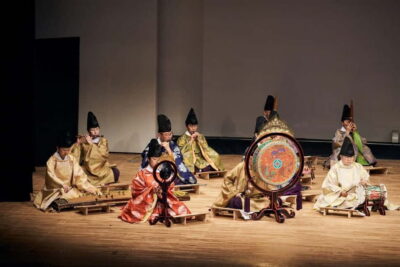
KABUKI, BUNRAKU, etc. presented by National Theatre
Read our review →

Tokyo’s Authentic and Finest Taiko Drumming Experience
Read our review →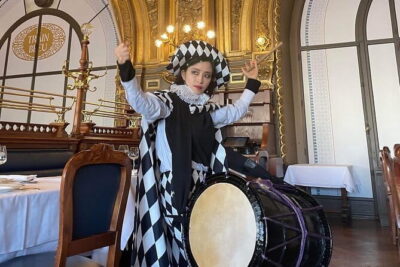
Tokyo’s Authentic and Finest Taiko Drumming Workshop
Read our review →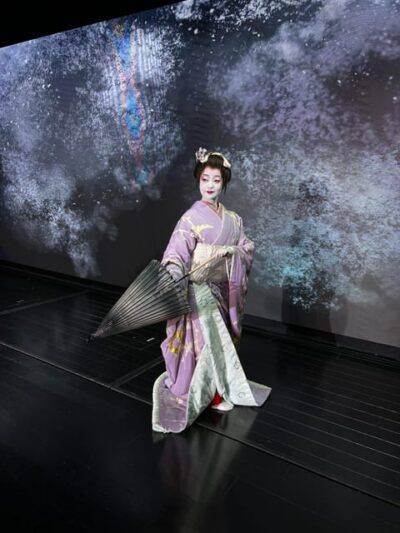
Authentic Japanese Dance Show ticket by professionals
Read our review →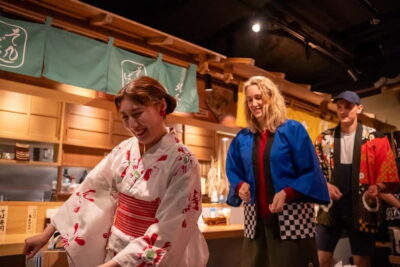
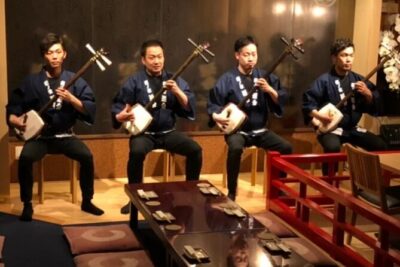
Tsugaru shamisen performance over traditional dinner
Read our review →Browse the lists this tour appears in