
Reviewed · TOKYO RAMEN TOURS AND CLASSES
Ramen Making from Scratch – Tokyo Ultimate Cooking Class
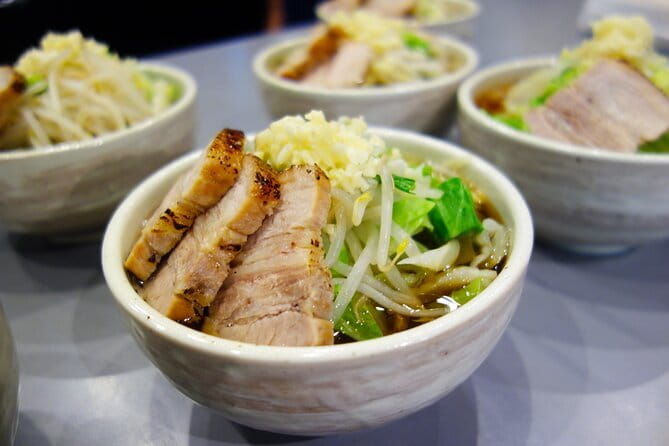
Jiro-style ramen is not a dainty bowl. You make thick noodles from flour, build a garlic-heavy soup, cook chashu pork, and pile the finished dish with vegetables. The best part is that you learn the whole process instead of simply watching someone else cook.
I like the hands-on format and the useful recipe you take home. I also like the family-friendly mood, with staff described as flexible and cheerful. The main drawback is that two hours leaves little room for a broader lesson about ramen, and vegetarians and vegans cannot be accommodated.
Key points at a glance
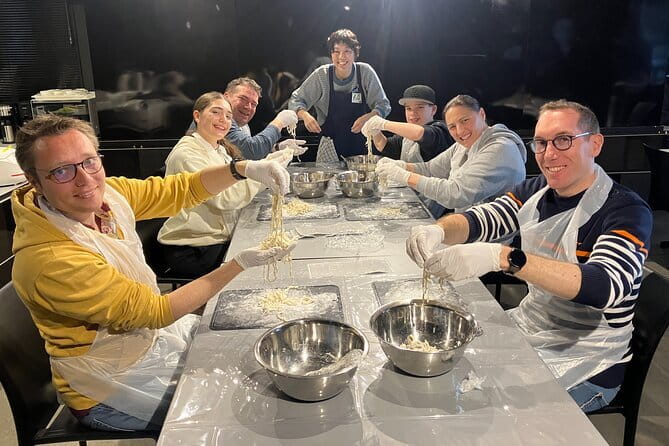
- Make the noodles yourself: You start with flour rather than using ready-made noodles.
- Jiro-style flavor: Expect thick noodles, a garlic-infused soup, chashu pork, and a generous vegetable topping.
- A complete meal: The cooking session ends with lunch, so this is both a class and a midday meal.
- Small group size: The class accepts a maximum of 12 people, with at least two required per booking.
- Useful take-home value: You receive the recipe and later-downloadable photographs from the experience.
- Flexible pork option: Request chicken instead of pork more than 48 hours before the class.
Why Jiro-style ramen makes a good Tokyo cooking class
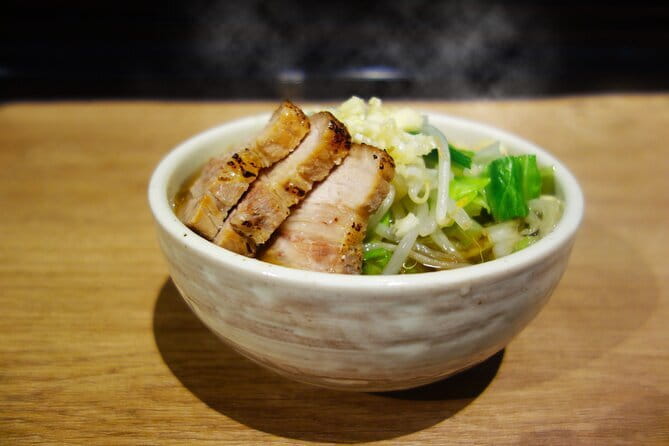
Jiro-style ramen is a bold choice for a short class. The noodles are thick and hearty, the soup has a strong garlic flavor, and the bowl is finished with substantial slices of chashu pork and a large amount of vegetables.
That makes this different from a quick lesson in assembling instant noodles or adding toppings to prepared broth. You work through the main parts of the dish, including the noodles, soup, toppings, and final assembly. For you, that means the class teaches a cooking method you can try again at home.
I also like the fact that the meal has a clear identity. You are not making a vague version of ramen that could be anything. Jiro-style ramen has a specific look and taste, so you leave knowing what you were trying to create.
The strong garlic flavor matters. If you prefer light, delicate soups, this may not be your ideal Japanese cooking lesson. If you enjoy filling food with a pronounced flavor, the style gives the class plenty of character.
More Tokyo ramen tours and classes:
- Eat and Drink Like a Local: Tokyo Ueno Food Tour-Taverns&Ramen
★ 5.0 · 957 reviews - Ramen & Gyoza Cooking Class in Tokyo with Local Supermarket Visit
★ 5.0 · 823 reviews - Tokyo: Ramen Tasting Tour with 6 Mini Bowls of Ramen
★ 4.9 · 432 reviews
The 12:20 meeting and 12:30 start
The published schedule asks you to meet at 12:20, with cooking beginning at 12:30. The activity lasts about two hours and ends back at the meeting point.
That timing works well as a Tokyo lunch plan. You do not need to give up an entire morning or evening, and the meal comes at the natural end of the class. Still, keep the schedule in mind if you are planning a tightly packed day. A cooking class is more enjoyable when you are not watching the clock for your next attraction.
The meeting point is in Tokyo and is near public transportation. Hotel pickup and drop-off are not included, so you need to make your own way there. The exact meeting details should be checked carefully after booking, since the supplied information gives Tokyo as the start location but does not name a more specific street address.
A minimum of two people is required per booking. The maximum group size is 12. That is small enough to keep the class focused, though the experience will feel different for a couple than for a full group.
Starting with flour and fresh noodles
The first major task is making ramen noodles from scratch. You work with flour and learn how the noodle base comes together before the final bowl is assembled.
This is one of the most valuable parts of the class because noodles are easy to take for granted. At a ramen shop, they arrive ready to eat. Here, you get a clearer sense of the work behind their texture and thickness.
The Jiro style calls for thick noodles, so this is not simply a lesson in making any noodle you happen to like. The final result should suit the heavier soup and substantial toppings. That pairing is important: thin noodles could get lost in such a powerful bowl, while thick noodles can hold their own.
The class is a good fit if you like practical instruction. You are not just taking photographs of a finished bowl. You are making a component that can be recreated later, using the recipe provided after the experience.
The information does not specify every tool or technique used, so I would not book this expecting a professional culinary-school lesson. Think of it as a compact, approachable cooking experience that gives you the key steps and a dish to eat at the end.
Building the garlic-infused soup
Next comes the soup, described as rich and infused with garlic. In a bowl of Jiro-style ramen, the soup is not a background detail. It carries much of the dish’s power and needs to stand up to the noodles, pork, and vegetables.
I like that the class includes preparation of the broth rather than focusing only on noodle shaping. A bowl of ramen depends on several parts working together. Learning the soup gives you a better chance of recreating the meal at home instead of producing noodles without the flavor that makes the dish recognizable.
Garlic is the defining warning here. The flavor is deliberately strong, so this class suits you best if you enjoy savory, intense food. It may be less suitable for a light lunch before another activity, especially if you are sensitive to garlic.
The available details do not explain how long the broth is prepared or which ingredients are used. You should therefore expect to learn the class’s method, not necessarily make a long-simmered restaurant broth from start to finish. In a two-hour session, the emphasis is on a workable process that fits the time.
More Tokyo cooking classes:
- Tokyo: Roll and Authentic Sushi Making Class in Asakusa
★ 4.9 · 1,957 reviews - Tokyo Shinjuku Chopsticks Making Class
★ 5.0 · 1,763 reviews - Tokyo: Sushi Making Class in a Happi Coat near a Famous Spot
★ 4.9 · 1,377 reviews - Tokyo Sushi Making Class in Tsukiji with Professional Chef
★ 5.0 · 1,177 reviews
Cooking chashu and preparing the toppings
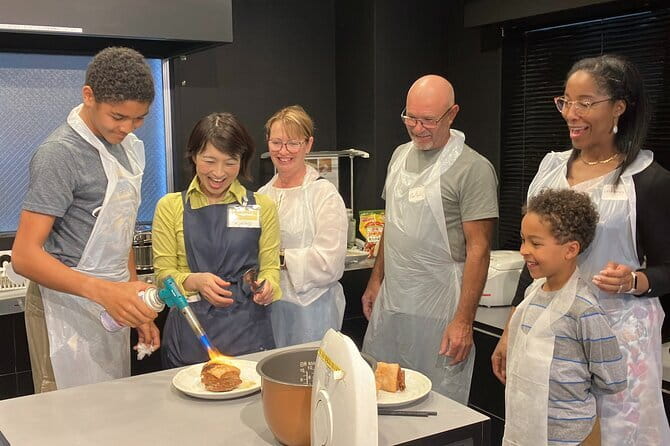
The class also covers chashu pork, the tender, generously sliced topping associated with many ramen bowls. You prepare the meat as part of the dish rather than receiving it as a ready-made extra.
That makes the lesson more complete. The noodles and soup provide the foundation, but the meat and vegetables give the bowl its weight and finish. The generous vegetable topping also helps explain why this style of ramen is so filling.
If you do not eat pork, you can request chicken instead. The change must be made more than 48 hours before the class, so do not wait until the day before. The provider does not offer vegan or vegetarian options, and chicken should not be treated as a vegetarian substitute.
The information does not say exactly which vegetables are used or how the chashu is seasoned. That is worth keeping in mind if you are seeking a very specific recipe. You will learn to make the featured ramen, but the precise ingredient list should be confirmed during booking or class preparation if dietary concerns matter.
The final bowl and included lunch
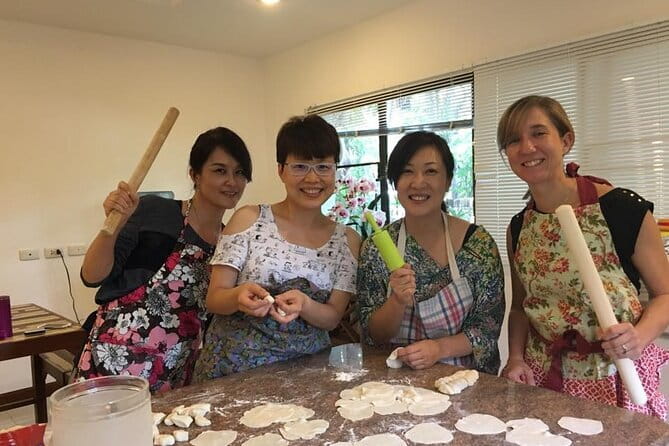
The cooking session is scheduled from 12:30 to 13:30, followed by tasting time. This is when you prepare and eat your own bowl, bringing together the fresh noodles, garlic soup, chashu, and vegetables.
That final assembly is more than a photo opportunity. It lets you see how much soup, noodle, meat, and vegetables go into a Jiro-style serving. You also get an immediate test of the work you have just done.
Lunch is included in the price. At $91.45 per person, that matters. You are paying for a two-hour cooking experience, instruction, ingredients, a meal, downloadable photographs, and a recipe for future use. It is not a cheap lunch, but it is also not priced like lunch alone.
The value is strongest if you genuinely want to cook Japanese food at home. If you only want to eat ramen, a restaurant meal will cost much less. If you want a hands-on activity that produces lunch and gives you a repeatable recipe, the price is easier to justify.
The class has a reported rating of 4.9 from 11 ratings, with 100 percent recommendation shown in the supplied information. That is a very positive early record, but the sample is small. I would treat it as encouraging rather than proof that every class will be identical.
A good choice for families and food-focused pairs
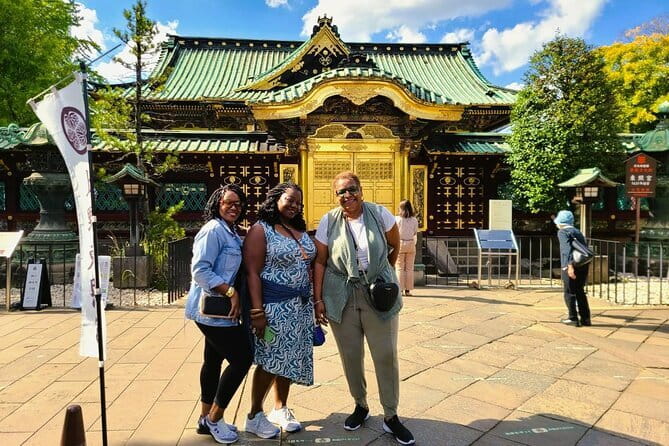
The activity suits families, couples, and small groups who enjoy doing something together. The staff are described as flexible and a joy to be around, and the experience has been especially well suited to sharing with family.
The cooking format gives everyone a clear role, though the exact division of tasks is not specified. You should expect a cooperative activity rather than a private kitchen lesson built entirely around your individual pace.
The two-person minimum is useful for couples or friends booking together. Solo visitors cannot rely on booking alone, since the experience requires at least two people per reservation.
Children are not specifically mentioned, so I would not assume a particular minimum age or child arrangement. If you are booking for a family, confirm the age rules and supervision details directly with Patia’s Japanese Cooking Class.
The group maximum of 12 keeps the activity from becoming a large food demonstration. Still, 12 is not the same as a private class. If you need one-on-one instruction or have a complex dietary requirement, this may not be the right format.
What you take home after the class
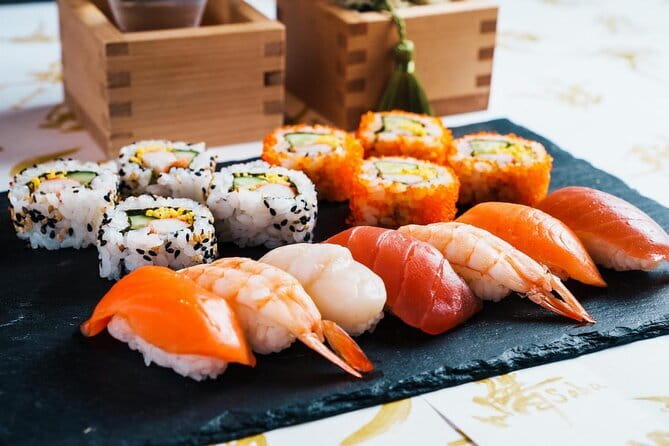
The practical benefit continues after lunch. A recipe is provided so you can try the ramen again at home, and photographs from the experience can be downloaded later.
The recipe is the more important of the two. Food photographs are pleasant reminders, but written instructions give you something useful when you want to repeat the dish. You can compare your home attempt with the bowl you made in Tokyo and adjust the noodles, garlic, toppings, or portion size.
The class is particularly worthwhile for cooks who enjoy recreating meals from a trip. You are learning one defined ramen style, not a complete survey of Japanese food. That focus makes the experience easier to remember and repeat.
I would still keep expectations realistic. The supplied details do not say that you take home raw ingredients, prepared noodles, or a physical cookbook. The clear take-home items are the recipe and later-downloadable photographs.
Booking details and cancellation terms
This experience is often booked about 46 days in advance, so reserve early if your Tokyo dates are fixed. The maximum is 12 people, and the minimum is two per booking.
Free cancellation is available until 24 hours before the local start time for a full refund. Cancellations or changes made within 24 hours are not accepted for a refund. The activity may also be canceled if the minimum number is not reached or if poor weather affects operation, in which case you are offered another date or experience, or a full refund.
The weather condition is worth noting because cooking normally happens indoors, but it is part of the stated policy. Do not assume that a last-minute change will be accepted simply because your plans have shifted.
The experience includes a mobile ticket, which is convenient for a Tokyo day when you may already be carrying several reservations on your phone.
Who should book this ramen class
I would choose this class if you want a short, hands-on food activity with a meal at the end. It is especially suitable if you like strong garlic flavor, thick noodles, substantial portions, and the idea of repeating the recipe at home.
It is also a good match for families and pairs who prefer making something together rather than sitting through a demonstration. The positive staff comments and flexible approach add to its appeal, though no individual guide names are provided.
I would look elsewhere if you need vegan or vegetarian food. I would also think twice if you dislike garlic, pork, or heavy ramen. Chicken is possible with advance notice, but the class does not offer a fully plant-based version.
The activity does not include the Akihabara walking tour. If you want both ramen making and an Akihabara walk, you need to book the separate experience specifically titled Ramen Making Experience: Entirely From Scratch! + Supermarket.
Should you book Ramen Making from Scratch?
Book it if you want to understand a distinctive ramen style by making its major parts yourself. The two-hour schedule is compact, the lunch is included, and the recipe gives the experience value beyond the meal.
At $91.45, this is best viewed as a cooking activity with lunch, not a budget food stop. The lack of vegetarian and vegan options is a firm limitation, and the garlic-forward Jiro style will not suit every palate.
For a family, couple, or food-loving pair, I think it is a sensible Tokyo choice. Arrive ready to cook, reserve at least two people, request chicken more than 48 hours ahead if needed, and leave enough space in your schedule to enjoy the bowl without rushing.
FAQ
How long does the ramen-making experience last?
The experience lasts approximately two hours. The schedule lists a 12:20 meeting time, cooking from 12:30 to 13:30, and tasting afterward.
What kind of ramen will I make?
You will make Jiro-style ramen with thick noodles, garlic-infused soup, chashu pork, and a generous amount of vegetables.
Is lunch included?
Yes. Lunch is included, and you eat the ramen you prepare during the tasting portion.
Can I replace pork with chicken?
Yes, but you must request the change more than 48 hours before the experience.
Are vegetarian or vegan options available?
No. Vegan and vegetarian options are not available.
Can I cancel for a full refund?
Yes. You can cancel at least 24 hours before the local start time for a full refund. Cancellations and changes made less than 24 hours before the start time are not accepted for a refund.
More hands-on classes and workshops in Tokyo
- Sushi Making Tokyo Roll and Authentic Japanese Sushi Class
★ 5.0 · 3,971 reviews - Chopstick Making Workshop in Ginza
★ 4.8 · 1,366 reviews - Matcha Making Class in Tokyo with Authentic Japanese Sweets Set
★ 5.0 · 744 reviews - Tokyo: Samurai Sword & Archery Class from Samurai Descendant
★ 5.0 · 603 reviews
Newly reviewed around Tokyo
- Tokyo Asakusa:Calligraphy & Make T-shirt Activity★ 5.0 · 62 reviews
- Intercity Shuttle, Tokyo to Haneda /Narita /Yokohama /Makuhari★ 5.0 · 5 reviews
- 1 Hour Travel around Tokyo with a Professional Photographer★ 5.0 · 3 reviews
- Travel Tokyo with Your Own Personal Photographer★ 5.0 · 43 reviews
- Train in Samurai Swordsmanship and Defeat the Demon in Tokyo★ 5.0 · 5 reviews
- Shuttle Van 6hr Tokyo Tour to-and-from Tokyo, Yokohama and Narita★ 5.0 · 9 reviews
- Kickboxing & Body Training with EX-Pro Fighter★ 5.0 · 4 reviews
- Traditional Japanese Knife Sharpening Class★ 5.0 · 18 reviews
Tokyo Ramen Tours and Classes, compared.

Eat and Drink Like a Local: Tokyo Ueno Food Tour-Taverns&Ramen
Read our review →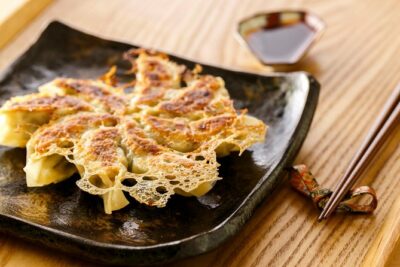
Ramen & Gyoza Cooking Class in Tokyo with Local Supermarket Visit
Read our review →

Easy Ramen Cooking Experience in Kabukicho, Shinjuku
Read our review →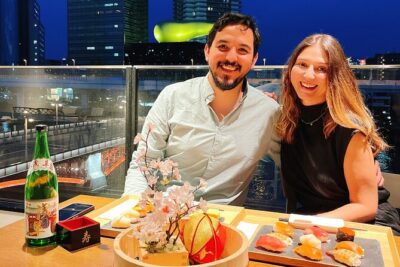
Ramen and Sushi Cooking Class with Sake Pairing Set in Tokyo
Read our review →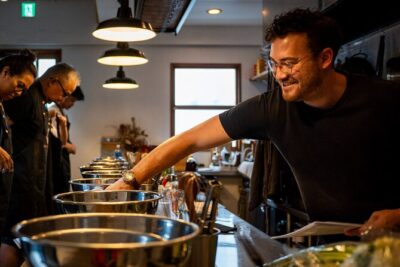
Professional Ramen & Gyoza with Ramen Chef in a restaurant!
Read our review →
Ramen Dojo Tokyo | Make All 3 (Tonkotsu/Shoyu/Miso)
Read our review →Ramen Dojo Tokyo | Make All 3 (Tonkotsu/Shoyu/Miso)
Read our review →Browse the lists this tour appears in