
Reviewed · TOKYO TEA CEREMONY EXPERIENCES
Make Traditional Nerikiri Sweets & Matcha experience in Shibuya
Making a flower, character, or tiny seasonal scene from bean paste is the heart of this small-group Harajuku experience. Hana guides you through three sample designs, then gives you room to create a fourth sweet of your own. It is part craft lesson, part cultural visit, and part tea break in a real Tokyo home.
I like two things here. First, you make four sweets, not just watch a demonstration. Second, the class gives you a glimpse of inner-city Tokyo life, a useful contrast to the department stores and giant screens nearby. The main consideration is time: 90 minutes passes quickly, so this suits you if you want a focused introduction rather than a full tea-school course.
Key points
- Four sweets to make: Choose three designs from examples, then create one original piece.
- Matcha and tea etiquette: Prepare matcha and enjoy it with Japanese sweets after the craft session.
- Hana’s home studio: Meet the instructor near Omotesando and walk about 30 seconds to her home.
- Very small class: The maximum group size is four, allowing close help with fine details.
- Good for families: Children as young as seven and older adults have taken part successfully.
- Useful morning timing: The 9:00 AM class leaves much of Harajuku and Shibuya open for sightseeing afterward.
Four sweets, one creative challenge
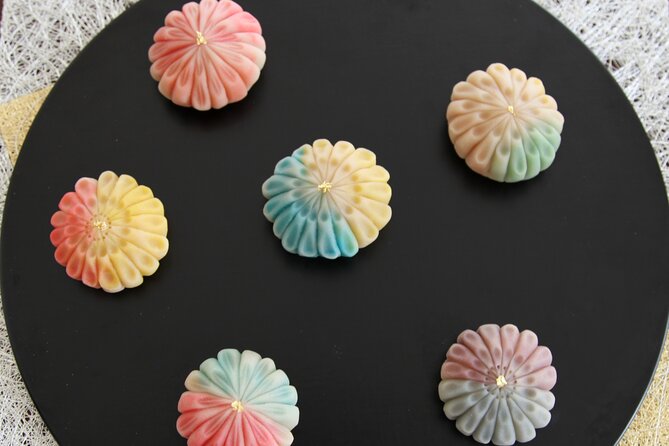
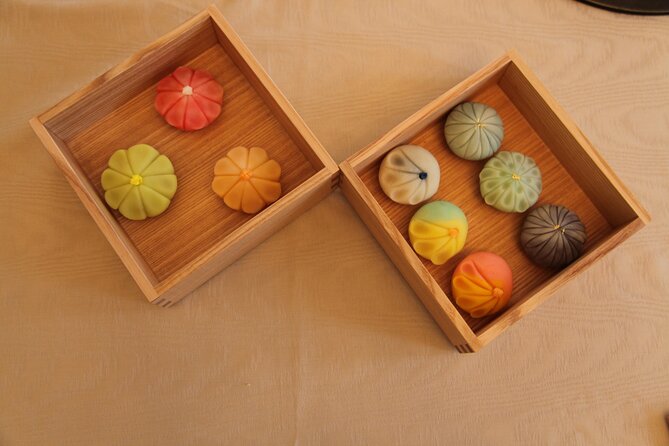
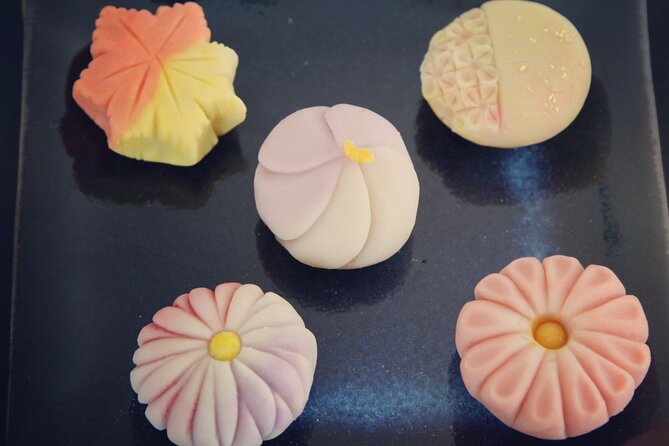
Nerikiri is a traditional Japanese confection made from ingredients such as bean paste and sugar. It is soft, colorful, and shaped with care. The sweet is often designed to suggest flowers, seasons, animals, or other pleasing forms.
That makes this activity different from a standard food tasting. You are not simply handed a finished treat. You work with the material, learn how to shape it, and see why Japanese sweets place such weight on appearance as well as flavor.
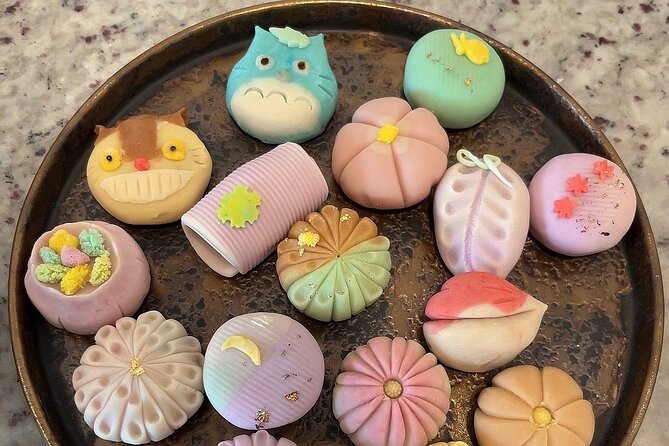
The class begins with sample designs. You choose three shapes to copy, with Hana showing you how to handle the paste and form the details. The examples can include flowers and character-inspired designs. Past creations have included cherry blossoms, pumpkins, Kitty, Totoro, Pikachu, and original animals.
You then make a fourth nerikiri from your own idea. This is the most personal part of the class, but it can also be the trickiest. Tiny details are harder than they look, and your first attempt may come out a little lopsided. That is part of the fun, and Hana’s patient guidance helps you correct the shape without taking over the work.
All four sweets can be taken home. That gives the class a useful souvenir element, though you should remember that these are delicate handmade foods rather than sturdy gifts to toss into a full suitcase.
More things to do in Shibuya:
- Official Street Go-Kart in Shibuya
★ 5.0 · 3,435 reviews - Tokyo: Street Kart Experience in Shibuya
★ 4.9 · 1,484 reviews - Shibuya Meltdown Nightlife Tour: All-You-Can-Drink Bar Hopping
★ 5.0 · 1,058 reviews
A quiet home visit in central Tokyo

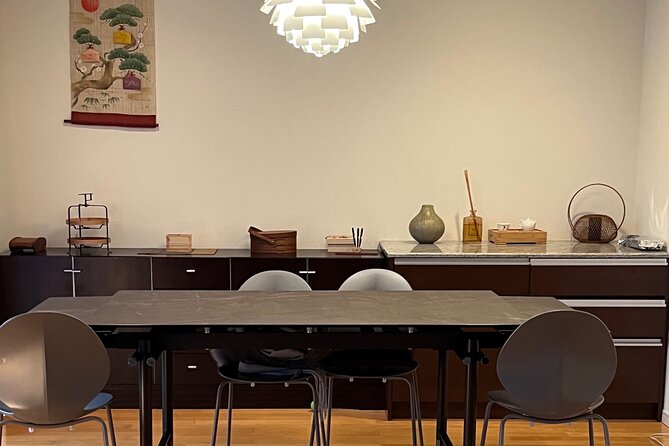
The meeting point is at 5-chōme-2-21 Jingūmae, near CHUMS Omotesando. The instructions specify meeting across from the shop, in front of the brown building. From there, Hana walks with you for about 30 seconds to her home.
This short transition matters. You begin in one of Tokyo’s polished shopping districts, then step into the personal setting of a local resident. You get a small glimpse of how someone lives in central Tokyo, where space is valuable and homes can sit close to major shopping streets.
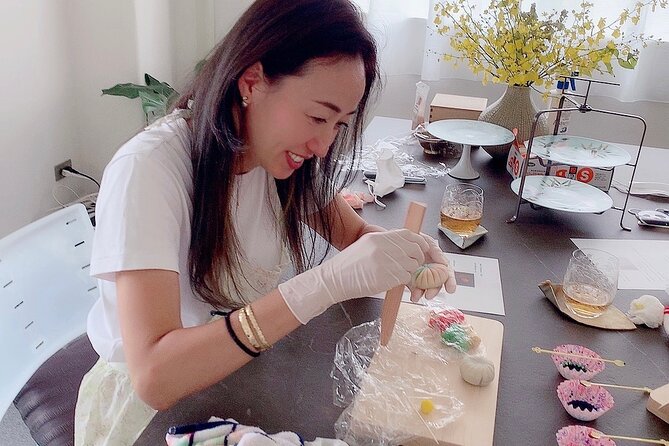
The home setting also gives the lesson a calm pace. You are seated at a table rather than standing in a busy commercial kitchen. The maximum group size is four, so Hana can watch how each person is handling the paste and offer help when a design starts to go off course.
I like this format for first-time visitors who want something more personal than a large cultural demonstration. You are still close to the city’s major sights, but the activity itself slows down and asks you to pay attention to a small object in your hands.
What the 90-minute schedule feels like
The advertised duration is about one hour and 30 minutes. The time is divided between sweet making and the matcha portion, so you should arrive ready to get started rather than expecting a long lecture.
At the beginning, Hana introduces the nerikiri process and shows the available designs. You select three forms from the examples, then follow her instructions as you shape each one. The work involves color, layering, pressing, and forming details. The precise technique varies by design, but the aim is to make something neat enough to suggest the intended flower, animal, or character.
The third design usually gives you a better sense of the material. You have seen the basic movements and can pay more attention to finish. This is also where children often find the activity rewarding, since the process feels like modeling clay but ends with an edible result.
The final piece is your own design. You might copy something familiar, make a simple flower, or combine colors and shapes in a new way. If you have a child in your group, this is a good moment to let them make the creative decisions. Hana can help with technique while the child decides the look.
There are small snacks during the session, according to the experience details and individual accounts. The exact selection is not specified, so do not plan on this being a large meal. Think of it as a sweet-making lesson with tasting, not lunch.
Matcha after the sweets
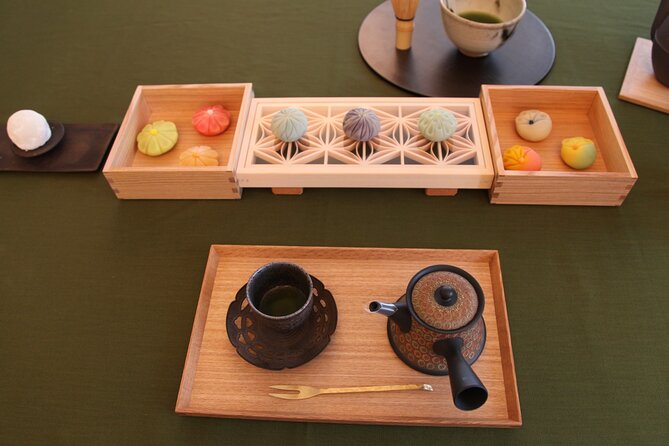
After the nerikiri work, Hana serves matcha with carefully selected Japanese sweets from different parts of Japan. You also learn how to prepare matcha and take part in a table-style tea ceremony.
This is a useful pairing. Nerikiri is usually delicate in flavor, and matcha brings a bitter, grassy balance. More important, the tea portion shows you that Japanese food culture is concerned with how something is presented, handled, and enjoyed, not only with the recipe.
You should not confuse this with a formal tea ceremony held in a traditional tea room. The setting is a home, the group is small, and the lesson is designed for visitors of different ages and backgrounds. Still, you learn some basic etiquette and get to make the tea yourself.
That hands-on part was especially praised in the feedback. People found the tea preparation unusual and memorable, and several enjoyed the slower pace after the concentration of shaping the sweets. I would treat it as a friendly introduction to matcha manners rather than an advanced study of tea ceremony.
More Tokyo tea ceremonies:
- Matcha Making Class in Tokyo with Authentic Japanese Sweets Set
★ 5.0 · 744 reviews - Tokyo: Traditional Tea Ceremony with a Tea Master
★ 5.0 · 528 reviews - Dynamic Tokyo: Tokyo Tower, Tea Experience, Bay Cruise Day Tour
★ 4.5 · 521 reviews - Tokyo: Matcha Making Experience with Mochi Sweets in Asakusa
★ 4.9 · 388 reviews
Why Hana makes a difference
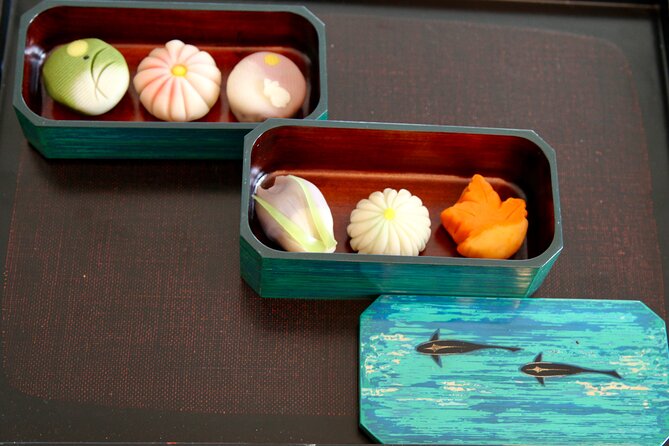
Hana is the instructor named throughout the experience. She speaks English and Japanese, and her teaching style is patient and encouraging. That matters because nerikiri can look simple in finished photographs while requiring careful control in practice.
Her approach seems well suited to mixed groups. Parents have been able to concentrate on their own designs while she helped younger children. A seven-year-old made a successful character design with her assistance, and a 10-year-old also enjoyed the activity. Older children and teenagers have taken part as well.
Hana also offers local suggestions for the rest of your Tokyo visit. Her advice can be useful because the class sits between Omotesando, Harajuku, and Shibuya, three areas where it is easy to spend a full day without seeing the same side street twice.
One small point to keep in mind: the class is personal and host-led, so the experience depends on the group dynamic and on the pace of the people attending. That is normal for a four-person home lesson. You should expect conversation and individual help, not a tightly timed production line.
Best time to book: 9:00, 13:00, or 15:30
The available start times are 9:00 AM, 1:00 PM, and 3:30 PM. Each creates a different kind of Tokyo day.
The 9:00 AM class is the most practical choice if you want to combine this with sightseeing. Many shops open around 11:00 AM, so you can complete the workshop early, then visit Meiji Shrine, Takeshita Street, Omotesando, or Shibuya Crossing. This schedule turns the class into a useful morning anchor.
The 1:00 PM option works well as a break between morning and evening plans. You can explore Harajuku first, then step indoors for a quiet activity. The drawback is that the class uses the middle of your day, so it may be harder to fit in distant Tokyo sights afterward.
The 3:30 PM start suits a relaxed afternoon. You can shop or visit nearby attractions first, then finish with sweets and matcha. Since the activity ends back at the meeting point, you can continue into Shibuya or stay nearby for dinner, though the exact timing of your evening plans should allow for the full 90 minutes.
The location gives you an easy follow-up day
The class is about a three-minute walk from Omotesando Station, with Shibuya and Harajuku within walking distance. That makes it a strong choice for a day focused on western central Tokyo.
Afterward, you can visit Meiji Shrine for a quieter setting among the city’s major attractions. Takeshita Street offers a very different mood, with youth fashion and colorful shops. Shibuya Crossing gives you the familiar Tokyo spectacle of people moving through the intersection from every direction.
You may also reverse the order. Visit Meiji Shrine or Takeshita Street first, then attend the afternoon class. Just allow enough time to reach the meeting point at 5-chōme-2-21 Jingūmae. The directions are specific, but meeting across from a shop and in front of a building still requires you to pay attention when you arrive.
The location is near public transportation, and the short walk to the home keeps the activity easy to reach. You do not need to set aside a remote half-day for this experience.
Price and what you receive for $60
At $60 per person, the class is not a budget snack stop. You are paying for a 90-minute guided lesson, four handmade sweets, matcha, additional Japanese sweets, personal instruction, and a small-group setting capped at four people.
I think the price makes sense if you value direct instruction and a personal cultural setting. A large commercial class could probably offer a lower price, but it would not provide the same amount of individual attention or the chance to see a local home.
The value is also stronger for families. Each person makes four pieces, and children can take part rather than simply watching adults. For a couple, parent and child, or small group of friends, the activity becomes both a food experience and a shared souvenir.
It is less suitable if your main goal is a full meal or a long formal tea ceremony. The food portion is modest, the class is short, and the tea lesson is introductory. You are buying a focused craft experience, not a dinner or an expert certification.
The activity had 10 or more bookings in the previous month and carries a 4.9 rating from 130 reviews, with 98 percent recommending it. Those figures support the impression of a well-liked class, but the more useful takeaway is the repeated praise for Hana’s patience, clear explanations, family-friendly teaching, and help with individual designs.
Who should book this class
I would recommend it to you if you want a calm break from Tokyo’s crowds and enjoy making something with your hands. It is especially good for visitors curious about Japanese food culture but not interested in a restaurant-only experience.
Families are a strong match. The class is suitable for young children through seniors, and the small group allows Hana to help at different skill levels. Children who enjoy drawing, clay, baking, or character design may get the most from the creative portion.
It also works for solo visitors, though the social feel may be stronger when you share the table with a partner or small group. Since the maximum is four people, even a solo booking should not put you in a large class.
Vegetarians and vegans can take part, according to the experience information. If you have specific dietary concerns, including alcohol-related ingredients, contact the host when booking. One participant requested substitutions for halal reasons and received attention to that concern, which suggests that advance communication is worthwhile.
Practical details before you go
The experience uses a mobile ticket, and confirmation is provided at booking. It ends back at the meeting point, so you can plan your next activity from the Omotesando area.
Wear something comfortable enough for seated handwork. The class is not described as physically demanding, but you will be using your fingers for detailed shaping and decoration. Keep your schedule flexible enough to enjoy the creative process rather than rushing out at the advertised end time.
The cancellation policy is straightforward: cancel at least 24 hours before the local start time for a full refund. Cancellations or changes made within 24 hours are not accepted for a refund.
Should you book the nerikiri and matcha class?
Book it if you want a personal, hands-on look at Japanese culture in a convenient Tokyo neighborhood. Making four sweets, creating an original design, and learning matcha etiquette offers more substance than a quick tasting, while the 90-minute length fits neatly into a busy sightseeing day.
I would skip it only if you want a substantial meal, a formal tea ceremony, or a long workshop with advanced culinary instruction. For families, couples, and curious first-time visitors, Hana’s small home class is a thoughtful use of $60, especially when you pair it with Meiji Shrine, Harajuku, or Shibuya afterward.
FAQ
How long does the nerikiri and matcha experience last?
The activity lasts approximately one hour and 30 minutes.
Where does the experience meet?
The meeting point is 5-chōme-2-21 Jingūmae, Shibuya, Tokyo 150-0001, near CHUMS Omotesando. The group then walks about 30 seconds to the instructor’s home.
How many sweets will I make?
You will make four nerikiri sweets. You choose three designs from examples and create one original design of your own.
Is matcha included?
Yes. After making the sweets, you learn about preparing matcha and enjoy it with selected Japanese sweets.
Is the activity suitable for children and dietary preferences?
The experience is suitable for all ages, from young children to seniors, and is also suitable for vegans and vegetarians. Contact the host in advance about specific ingredient concerns.
What happens if I need to cancel?
You can receive a full refund if you cancel at least 24 hours before the experience start time. Cancellations or changes made less than 24 hours before the start are not refunded or accepted.
More Dessert Tours in Tokyo
- Private Mochi Sweets Making class near Shibuya area
★ 5.0 · 93 reviews - Japanese Traditional Sweets making and Tea Ceremony
★ 4.7 · 50 reviews - Tokyo Local Food Tour: Noodles, Skewers, Dumplings, Sweets
★ 5.0 · 48 reviews - Mochi Matcha Gluten Free Japanese Sweets Class near Shibuya area
★ 5.0 · 26 reviews
Newly reviewed around Tokyo
- Tokyo Asakusa:Calligraphy & Make T-shirt Activity★ 5.0 · 62 reviews
- Intercity Shuttle, Tokyo to Haneda /Narita /Yokohama /Makuhari★ 5.0 · 5 reviews
- 1 Hour Travel around Tokyo with a Professional Photographer★ 5.0 · 3 reviews
- Travel Tokyo with Your Own Personal Photographer★ 5.0 · 43 reviews
- Train in Samurai Swordsmanship and Defeat the Demon in Tokyo★ 5.0 · 5 reviews
- Shuttle Van 6hr Tokyo Tour to-and-from Tokyo, Yokohama and Narita★ 5.0 · 9 reviews
- Kickboxing & Body Training with EX-Pro Fighter★ 5.0 · 4 reviews
- Traditional Japanese Knife Sharpening Class★ 5.0 · 18 reviews
Tokyo Tea Ceremony Experiences, compared.
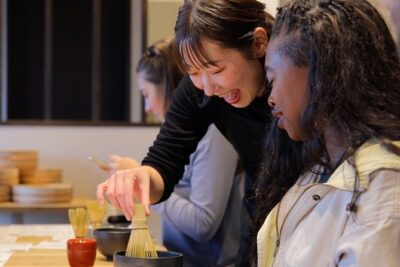
Matcha Making Class in Tokyo with Authentic Japanese Sweets Set
Read our review →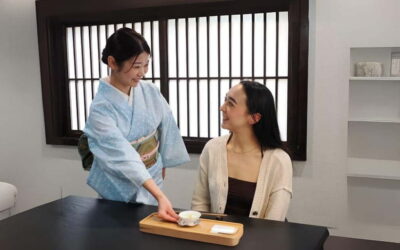
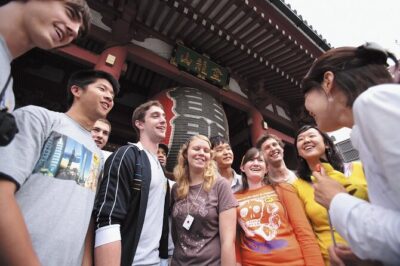
Dynamic Tokyo: Tokyo Tower, Tea Experience, Bay Cruise Day Tour
Read our review →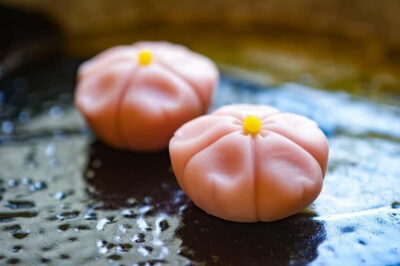
Matcha Making Experience with Mochi Sweets in Asakusa
Read our review →
Tea Ceremony Workshop in Tokyo by the Experienced Instrucor
Read our review →
Browse the lists this tour appears in