
Reviewed · TSUKIJI AND TOYOSU FISH MARKET TOURS
Private Tokyo’s Famed Tsukiji Fish Market Tour
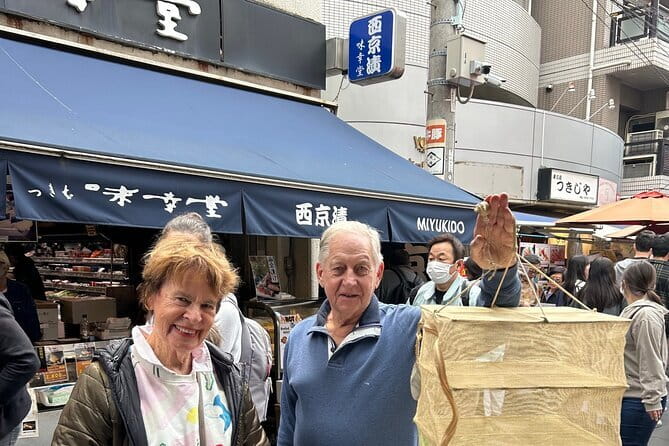
Tsukiji is easiest to enjoy when someone shows you where to look, what to taste, and how to behave. This private walk pairs the outer market with Tsukiji Hongwanji Temple and Namiyoke Inari Shrine, giving you food, faith, and local customs in one compact morning.
I like the guide’s personal attention, especially if this is your first visit to Japan. I also like that snacks are included and that the guide can point out foods you might pass by alone. The main drawback is that lunch is not included, so the two-hour market visit is more of a tasting walk than a full meal.
Key points to know before booking
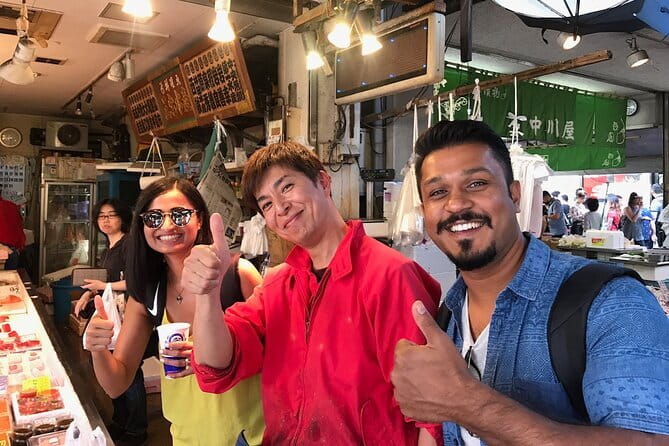
- Private guiding: Your group has the guide’s full attention rather than sharing the walk with strangers.
- Three different stops: The route covers Tsukiji Hongwanji Temple, Tsukiji Jogai Market, and Namiyoke Inari Shrine.
- Food and customs together: You learn Japanese market etiquette while trying snacks and sweets.
- Morning timing: Tours run Monday through Saturday from 8:00 AM to noon during the listed operating periods.
- Small-group value: At $84.54 per person, the price makes the most sense for people who want personal guidance and food help in Tsukiji.
- Flexible cancellation: You can receive a full refund if you cancel at least 24 hours before the start time.
Why a private Tsukiji walk works well
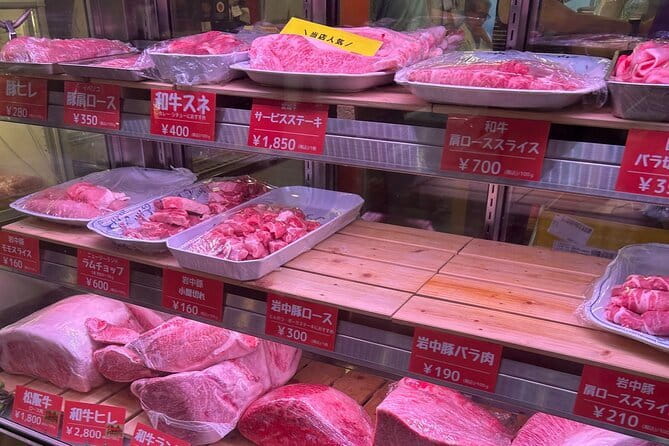
Tsukiji is no longer Tokyo’s main wholesale fish market. The famous inner wholesale operation moved to Toyosu, but the Tsukiji Jogai Market remains a lively food district packed with shops, counters, ingredients, sweets, and cooking goods.
That distinction matters. You will not be watching the old tuna auction here. Instead, you will explore the public market area where you can see how food is sold, prepared, and enjoyed in central Tokyo.
A private guide is useful because Tsukiji is not arranged like a simple sightseeing street. Small shops sit close together, some counters are easy to miss, and local manners matter. A guide can explain what is appropriate to photograph, how to move through busy spaces, and which foods are worth your time.
The tour is led by GuruGuruTour Tokyo, and the guide named in the available feedback is Guru-San. The strongest praise centers on the personal connection: the guide shares Japanese culture, local history, and a clear passion for food. That makes this more than a map-and-snack outing. It is designed as an introduction to how Tsukiji fits into Japanese daily life.
More Tsukiji and Toyosu fish market tours:
- Tokyo Tsukiji Fish Market Food and Culture Walking Tour
★ 5.0 · 3,184 reviews - Tokyo: Tsukiji Fish Market Food and Walking tour
★ 5.0 · 1,724 reviews - Tokyo: Tsukiji Fish Market Guided Walking Tour
★ 4.9 · 1,397 reviews
Starting at Tsukiji Hongwanji Temple
The first stop is Tsukiji Hongwanji Temple, with about 20 minutes set aside. Admission is free, so this is an easy way to begin without adding another ticket to your morning budget.
The temple is known for its unusual appearance, and the stop gives your guide a chance to explain some of the area’s past before you enter the market. You can take photographs, learn about the temple, browse for gifts, or pause at the temple cafe if you want a quiet start.
I like this opening because it gives the food market some context. If you begin with snacks alone, Tsukiji can feel like a series of quick purchases. Starting at a religious site slows the pace and introduces a different side of the neighborhood.
The time is short, though. Twenty minutes is enough for an introduction and a few photographs, but not for a long temple visit or a detailed study of every feature. If you enjoy architecture or want to spend time at the cafe, you may need to return on your own later.
Two hours inside Tsukiji Jogai Market
The main part of the experience lasts about two hours at Tsukiji Jogai Market. This is where the tour earns its price, especially for anyone who feels unsure about ordering food or navigating Japanese customs.
You will learn about Japanese etiquette and food culture as you move through the market. The guide can explain how to approach stalls, how to handle snacks, and how to avoid treating the market like a photo set. That advice is practical. In a working food district, courtesy matters as much as knowing where to eat.
Snacks and Japanese sweets are included. The available details do not name every item, so you should not book this expecting a fixed tasting menu. Instead, think of the food as a series of small samples chosen to help you understand the market.
That format has two benefits. First, you can try things you might not recognize or choose alone. Second, small bites leave room for you to buy lunch afterward. The tour specifically does not include lunch, so plan to keep eating after the guided portion if you want a full meal.
The guide can also point out higher-quality food and places that are less obvious to a first-time visitor. This is where private touring can save time and reduce guesswork. You are not wandering from stall to stall trying to decode signs while a morning slips away.
Still, keep your expectations sensible. Tsukiji is a commercial market, not a quiet museum. Space can be tight, food service may be quick, and shop routines come first. The tour helps you understand the setting, but it cannot make the market slow or empty.
What the food focus means for your budget
At $84.54 per person, this is not the cheapest way to walk through Tsukiji. You are paying for a private guide, snack stops, cultural explanation, and a carefully arranged route rather than simply entering the market.
The value depends on how you travel. If you are comfortable choosing food, reading signs, and handling local customs on your own, you may prefer to explore independently and spend the money on lunch. If you want direct help and personal attention, the price is easier to justify.
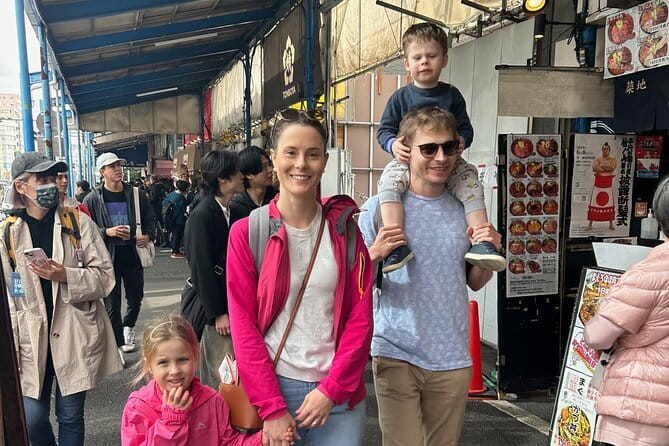
The private format is especially useful for a couple, family, or small group with different interests. One person can ask about food, another can ask about religion or etiquette, and the guide can adjust the pace. A large shared group would not offer the same level of conversation.
The snacks are a nice addition, but they should not be mistaken for a meal. Build the cost of lunch into your plans. The tour finishes back at its starting point, so you can continue eating or sightseeing in the Tsukiji area afterward.
More Tokyo markets and shopping streets:
- Tsukiji Fish Market Guided Tour and Sushi Making with Pro Chef
★ 5.0 · 775 reviews - Tokyo: Tsukiji Fish Market Food and Culture Walking Tour
★ 4.7 · 757 reviews - Tsukiji Fish Market: Street Food & Culture Walking Tour
★ 5.0 · 669 reviews - Tsukiji Fish Market Small-Group Food Walking Tour
★ 5.0 · 621 reviews
Learning how to visit Namiyoke Inari Shrine
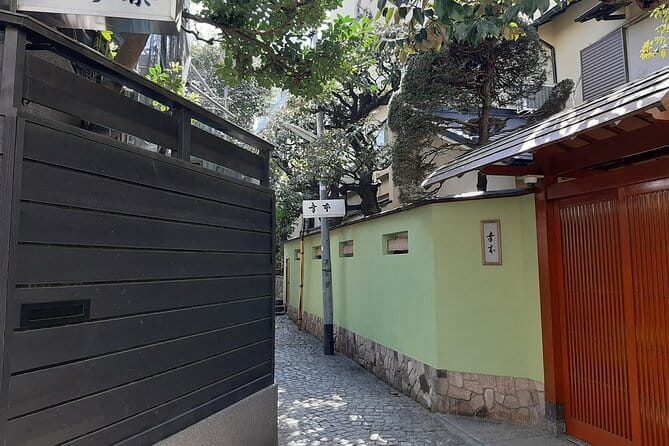
The final stop is Namiyoke Inari Shrine, with about 10 minutes scheduled. The shrine has a protective role connected with the area, and your guide explains its history and the correct way to visit.
The stop includes a chance to take a photograph with the large lion feature. That gives the visit a memorable visual detail, but the more useful part is learning shrine etiquette. A short explanation can help you feel more comfortable at later shrines throughout Japan.
Ten minutes is brief, so this is an introduction rather than a full shrine visit. You will not have much time for a long pause or careful exploration. Still, the location works well as a closing stop because it brings the market walk back to local belief and community tradition.
Together, the temple and shrine keep the tour from becoming only a food crawl. You get two forms of religious culture, each presented in a short, accessible visit.
Timing, meeting point, and walking expectations
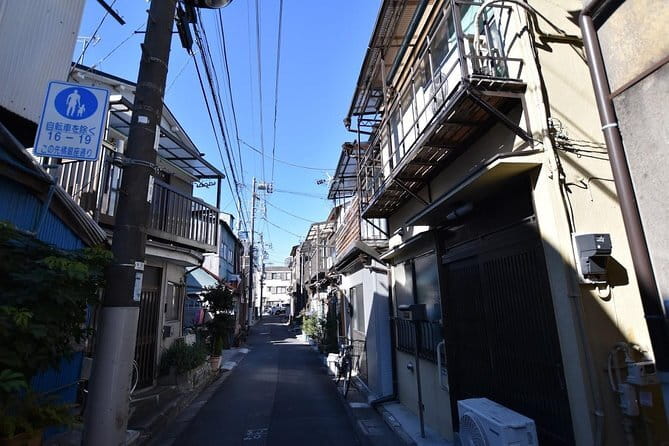
The meeting point is Eni Kaita Mochi Tsukiji Store at 4-chome 7-5 Tsukiji, Chuo City, Tokyo, in the first-floor Ky Building area. The tour ends back at this same meeting point.
The listed operating hours are Monday through Saturday, 8:00 AM to noon, for April 26 through May 18, 2026, and again from August 31 through September 30, 2026. Since the route is built around a morning market visit, early booking and punctual arrival matter.
The total time is about two to three hours. The scheduled stops add up to a little over two hours, while the extra time likely allows for movement, food stops, and explanations. You should be ready to walk and stand in a market setting, though the supplied details state that most people can participate.
The route is near public transportation, which makes it practical to reach from other parts of Tokyo. Exact transit directions are not provided, so check your route to the meeting point before the morning begins.
A nursing room is available. The package also lists a restroom on board, although this is a walking market activity, so I would confirm how that amenity applies before relying on it.
The private format and the guide’s role
The private setup is the central feature. Only your group participates, so you can ask questions without worrying about holding up a larger party.
This also gives the guide room to respond to your interests. If you care most about food, the market can take more attention. If you want cultural background, the temple and shrine explanations can become more important. The experience is still structured, but it is not just a fixed speech delivered to a crowd.
The guide named in the available comments is Guru-San. The strongest praise focuses on his kindness, attention, and ability to share Japanese culture and food with warmth. One detailed account describes the experience as feeling like an introduction from a special friend in Tokyo. That is a useful clue about the tone to expect: personal and conversational rather than formal or academic.
Of course, a private tour is only as strong as the guide on the day. The listed information does not promise a particular guide for every booking, so confirm the guide’s name if that matters to you.
Who should book this Tsukiji experience
I would consider this tour a good fit for first-time visitors who want an easy introduction to Japanese food culture. It also suits people who have visited Tokyo before but have never understood how to approach Tsukiji beyond taking photographs.
Families may appreciate the private format because the guide can keep the group together and explain unfamiliar foods in simple terms. Couples and small groups can make the most of the personal conversation. Anyone nervous about language barriers or local customs will likely get the most value.
This is less suitable if your main goal is a long, sit-down seafood meal, the old wholesale auction, or several hours of independent shopping. It is also not the best choice if you only want to enter the market, take a few photographs, and leave. In those cases, the guided price may feel high.
Food allergies and dietary needs are not addressed in the supplied details. If that affects your booking, ask the provider what snack choices are possible before paying.
Cancellation and booking details worth noting
Confirmation is provided when you book, and the activity accepts mobile tickets. Free cancellation applies if you cancel at least 24 hours before the local start time.
Changes or cancellations made within 24 hours are not accepted for a refund. That rule is worth remembering because the tour has limited morning hours and does not run on Sunday according to the listed schedule.
The experience is booked, on average, seven days ahead. That is not a guarantee of availability, but it suggests you should not wait until the last morning if your Tokyo plans are fixed.
Should you book this Tsukiji tour?
Book it if you want personal guidance, small food tastings, and cultural explanations in one short morning. The temple and shrine stops add meaning to the market visit, while the private format makes the guide’s advice easier to use.
Skip it if you are mainly searching for the former tuna auction or a full seafood lunch. You will need to arrange lunch separately, and the tour does not recreate the old wholesale market experience.
For most people who want a gentle, well-organized first look at Tsukiji, the $84.54 price is reasonable when shared with a companion or small group. Its real strength is not the number of stops. It is having Guru-San or another guide help you understand what you are seeing, tasting, and doing.
FAQ
How long does the Tsukiji tour last?
The tour lasts approximately 2 to 3 hours. The market portion is scheduled for about 2 hours, with shorter visits to the temple and shrine.
What places does the tour visit?
The route includes Tsukiji Hongwanji Temple, Tsukiji Jogai Market, and Namiyoke Inari Shrine.
Is this a private experience?
Yes. Only your group participates, so you have the guide’s attention during the activity.
Are snacks included?
Yes. Snacks are included during the market visit, including Japanese street food and sweets. Lunch is not included.
Are admission fees included?
Tsukiji Hongwanji Temple and Namiyoke Inari Shrine are listed with free admission. The market stop does not include an admission ticket, although the supplied details do not identify a separate market entry fee.
Where does the tour start and finish?
The tour starts at Eni Kaita Mochi Tsukiji Store in the Ky Building on Tsukiji 4-chome, Chuo City, Tokyo. It ends back at the same meeting point.
What days and times is the tour available?
The listed hours are Monday through Saturday from 8:00 AM to noon during April 26 through May 18, 2026, and August 31 through September 30, 2026.
Can I cancel for a full refund?
Yes, if you cancel at least 24 hours before the experience start time. Cancellations or changes made less than 24 hours before the start are not refunded or accepted.
Newly reviewed around Tokyo
- Tokyo Asakusa:Calligraphy & Make T-shirt Activity★ 5.0 · 62 reviews
- Intercity Shuttle, Tokyo to Haneda /Narita /Yokohama /Makuhari★ 5.0 · 5 reviews
- 1 Hour Travel around Tokyo with a Professional Photographer★ 5.0 · 3 reviews
- Travel Tokyo with Your Own Personal Photographer★ 5.0 · 43 reviews
- Train in Samurai Swordsmanship and Defeat the Demon in Tokyo★ 5.0 · 5 reviews
- Shuttle Van 6hr Tokyo Tour to-and-from Tokyo, Yokohama and Narita★ 5.0 · 9 reviews
- Kickboxing & Body Training with EX-Pro Fighter★ 5.0 · 4 reviews
- Traditional Japanese Knife Sharpening Class★ 5.0 · 18 reviews
Tsukiji and Toyosu Fish Market Tours, compared.
Tokyo Tsukiji Fish Market Food and Culture Walking Tour
Read our review →
Tokyo Sushi Making Class in Tsukiji with Professional Chef
Read our review →
Tsukiji Fish Market Guided Tour and Sushi Making with Pro Chef
Read our review →Tsukiji Fish Market Food and Culture Walking Tour
Read our review →
Tsukiji Fish Market: Street Food & Culture Walking Tour
Read our review →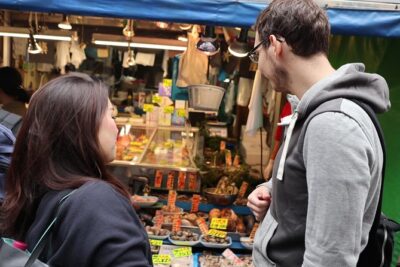
Tsukiji Fish Market Small-Group Food Walking Tour
Read our review →Browse the lists this tour appears in