
Reviewed · TOKYO TEA CEREMONY EXPERIENCES
A perfect Japanese experience: Tea Ceremony and Mochi Forming
Tokyo is full of polished attractions, but this experience takes you into a century-old antique store to make nerikiri wagashi, delicate Japanese sweets shaped like flowers, fans, and seasonal plants. You will also take part in a short tea ceremony, seated in a chair rather than on the floor.
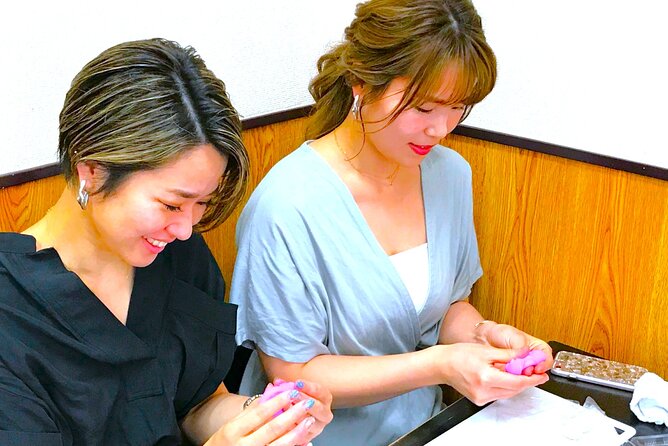
I like the hands-on work, which feels more like shaping colorful clay than taking a formal cooking class. I also like the small group size, capped at five people, because you can follow the artisan’s movements without being lost in a crowd. The main drawback is the language barrier: the host is a Japanese artisan who may speak limited English, so patience and close attention are part of the experience.
Key points to know
- A century-old antique store: You begin by looking at traditional tableware before the workshop starts.
- Seasonal nerikiri designs: The sweets may reflect spring flowers, plum blossoms, hydrangeas, fans, or other motifs.
- Two Japanese traditions in one visit: You shape wagashi, then enjoy it during a tea ceremony.
- Small groups only: The maximum is five people, allowing for direct instruction.
- Real matcha, not a sweetened drink: The tea is served with your confection in a dedicated tea room.
- Best for ages 13 and up: Anyone under 18 must attend with an adult.
Why this Tokyo workshop feels different
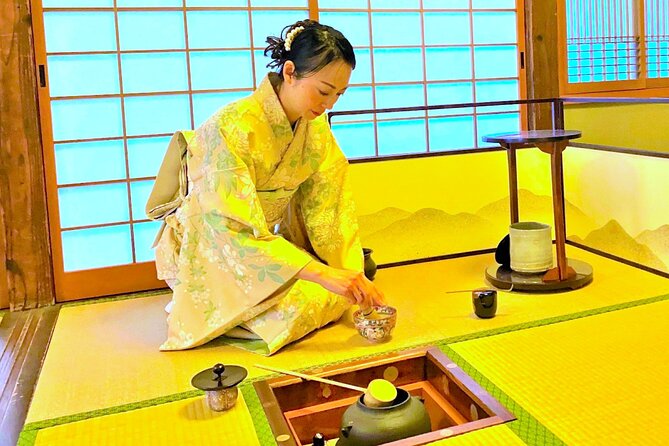
The strongest feature here is the setting. Instead of meeting in a plain apartment room, you enter an antique store that has been in place for about a century. The shop is described as a quiet hideaway, and the first part of the visit gives you time to examine old Japanese tableware.
That detail matters. Wagashi is not only about sugar and technique. Shape, color, season, serving dish, and tea all belong to the same Japanese sense of occasion. Seeing antique vessels before you begin helps connect the sweets to the wider culture of hospitality.
The experience has also received international attention, including a feature on CNN. That does not make it better by itself, but it tells you this is more than a standard food demonstration. You are entering a working artisan environment with its own character.
You should not expect a large commercial studio, a polished stage presentation, or a fluent English lecture. The provider openly explains that the host is an artisan rather than a commercial tour professional. That can mean a less predictable pace, but it can also give the class a more personal feel.
More Tokyo tea ceremonies:
- Matcha Making Class in Tokyo with Authentic Japanese Sweets Set
★ 5.0 · 744 reviews - Tokyo: Traditional Tea Ceremony with a Tea Master
★ 5.0 · 528 reviews - Dynamic Tokyo: Tokyo Tower, Tea Experience, Bay Cruise Day Tour
★ 4.5 · 521 reviews
Meeting the wagashi craft in Yanaka
The meeting point is at 6-chōme-2-40 Yanaka in Taito City, Tokyo. The activity ends at the same place, and the venue is near public transportation.
Yanaka is a fitting part of Tokyo for this type of visit. The area is known for older streets, traditional shops, and a quieter feel than the city’s major commercial districts. The address itself is the important point, so allow time to find the store and arrive before the scheduled start. Late arrivals do not extend the class, and the program ends at its original time.
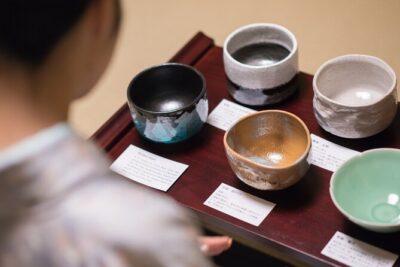
Once inside, you are encouraged to look at the antique tableware. This is not filler while the host prepares. It gives you a first look at the objects used to frame Japanese food. A tiny sweet can look entirely different depending on the plate, bowl, or tea utensil beside it.
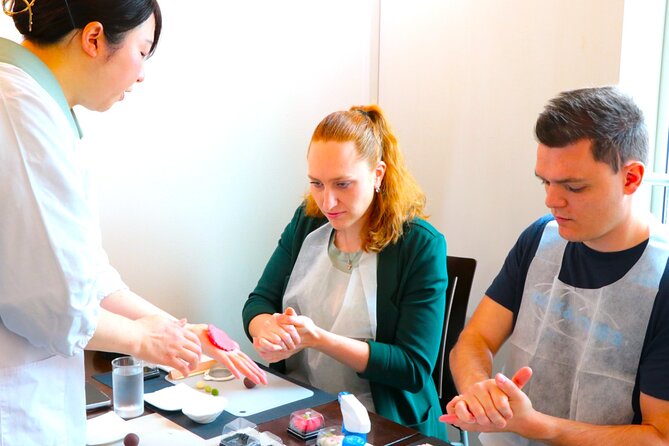
The group limit is five people. That is a real advantage for a craft lesson. You can watch the demonstration at close range, copy the hand movements, and ask for help without competing with a busload of other people. It also means the atmosphere may feel quiet and intimate rather than lively and social.
Shaping seasonal nerikiri sweets
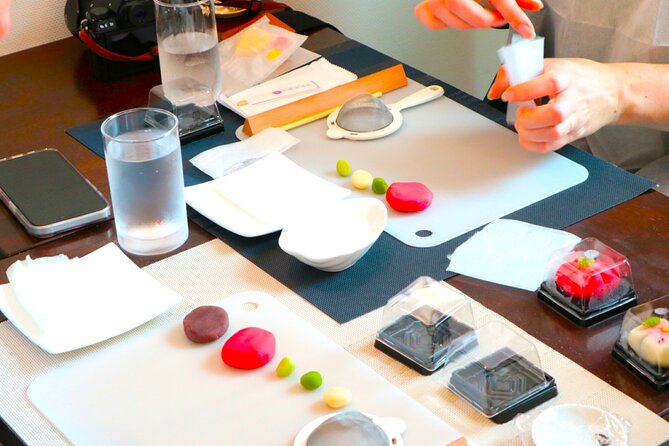
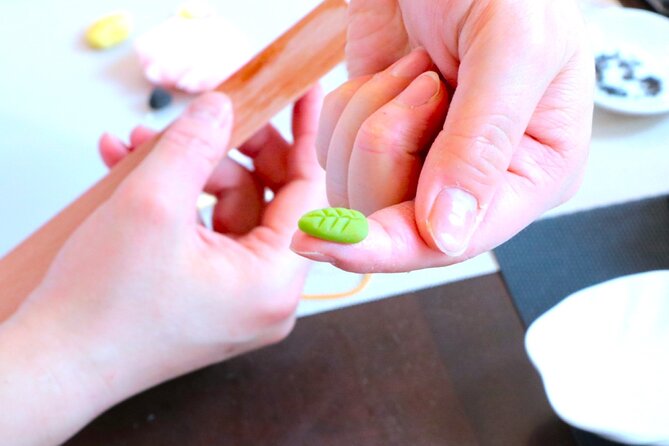
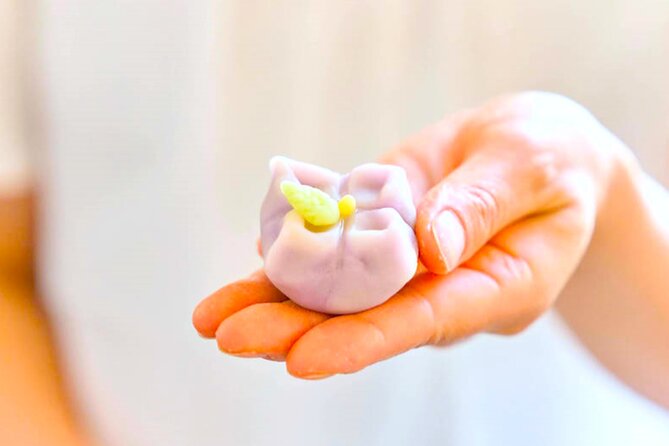
The wagashi in this experience is called nerikiri, a soft Japanese confection associated with seasonal designs. The class uses colored ingredients that are formed by hand into a target figure. The activity is compared to working with colorful clay, which is a useful way to picture it.
You do not need to bring equipment or ingredients. Everything needed for the workshop is supplied. That keeps the focus on your hands and the shape in front of you, rather than on measuring, shopping, or cleaning up.
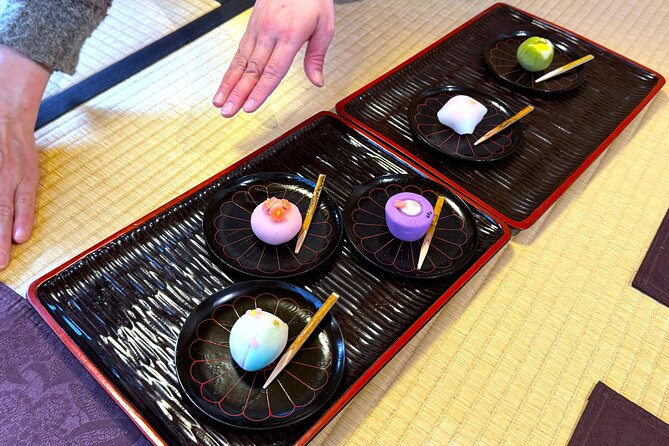
The exact designs depend on the season. Examples from past sessions include a plum blossom, a hydrangea, a fan, and a flower. Spring classes may use cherry blossom or other spring themes. The changing designs give the activity a local rhythm, since the sweets are tied to the time of year instead of being the same year-round souvenir.
The supplied information describes four different styles of sweets, while individual classes may focus on two designs during the session. You should think of this as a seasonal workshop whose precise number and pattern of sweets can vary. The central skill remains the same: divide and combine colors, shape the confection, and use simple tools or hand movements to create a detailed form.
The ingredients include red and white bean components, and the workshop describes mochi flour as part of the nerikiri preparation. This is not a cake-baking class. You are working with a soft, moldable confection, so the pleasure comes from touch, balance, and visual detail.
Do not worry if your first flower looks a little uneven. That is part of the fun. The designs can appear impossibly precise when you first see them, but the class breaks the process into manageable steps. You will still need care, especially when making petals or keeping the colors clean, but artistic talent is not required.
From candy making to the tea room
After shaping the sweets, you move into a dedicated tea room. The room is designed for a chair-based tea ceremony, which is useful if sitting on the floor is uncomfortable or if you simply prefer a more relaxed position.
The host serves a confection followed by real matcha. The matcha is not sweet, so expect the firm, grassy flavor that gives the sweet a clear contrast. This pairing is the point. The wagashi prepares your palate for the tea, while the tea prevents the confection from becoming cloying.
You get to eat one of your own creations during this part of the visit. That gives the shaping exercise a satisfying finish, but it also makes the tea ceremony more than a performance. You have something personal on the plate, made only a short time earlier.
The tea portion is not described as a long, formal ceremony with every possible movement explained. Instead, it is a compact introduction to the custom of serving matcha with Japanese sweets. You can expect the host to guide you through the basic experience, with the atmosphere shaped as much by the room and the objects as by a long speech.
The language issue is worth keeping in mind here. Instructions may be demonstrated more clearly than they are explained in English. Watch the host’s hands, copy the sequence, and ask for clarification when needed. This is a good activity for someone comfortable learning by observation. It may frustrate you if you want a detailed English lecture on every historical point.
A completely different kind of day in Tokyo:
- Mt Fuji and Hakone 1-Day Bus Tour Return by Bullet Train
★ 5.0 · 26,383 reviews - 1-Day Tokyo Bus Tour
★ 5.0 · 14,250 reviews - Tokyo: teamLab Planets TOKYO Digital Art Museum Entry Ticket
★ 4.6 · 9,779 reviews - Mt Fuji & Hakone Cruise, Drum Show Bullet Train 1 Day from Tokyo
★ 4.0 · 7,413 reviews
What the small group changes
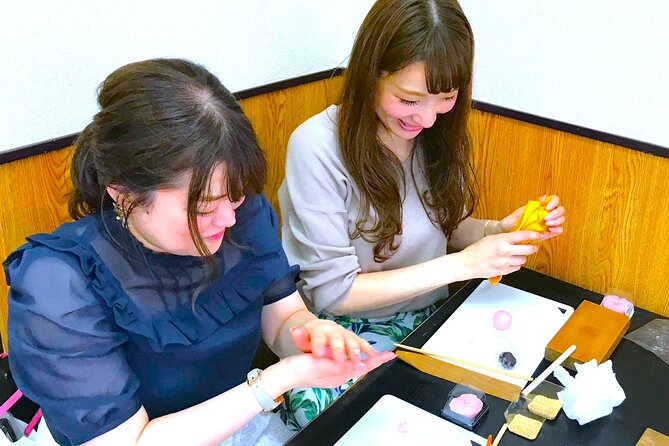
A maximum of five participants gives this class a more personal scale than many food activities in Tokyo. You are close enough to see how the artisan handles the confection, and the host can notice when your shape needs a small correction.
The small group also affects the mood. This is not a noisy party class where the entertainment comes from a large crowd. The fun comes from trying to make something delicate, laughing at imperfect petals, and comparing the finished designs around a small table.
One especially playful account describes the lesson as almost like a comedy scene, with a kind and funny teacher and plenty of laughter. You should not count on a scripted comedy show, but a warm personality can make the language barrier easier. The atmosphere seems suited to couples, families with older children, and friends who enjoy making things together.
The minimum age is 13. Participants under 18 must be accompanied by an adult. Children below that age are not permitted, so this is aimed at teenagers and adults rather than younger families.
Is $55.38 a fair price?
At $55.38 per person, this is not the cheapest snack stop in Tokyo. You are paying for more than a confection. The price includes instruction, all tools and ingredients, the tea ceremony, matcha, and access to an unusual historic setting.
I think the value is strongest if you want an activity rather than a quick taste. You spend about 1 hour and 40 minutes making several designs, learning a little about wagashi, and taking part in tea service. That is a reasonable use of an afternoon, especially if you have already seen Tokyo’s major temples and shopping areas.
The value is weaker if you only want to eat traditional sweets. You could spend far less at a Japanese confectionery. This class makes sense because you want to understand the handwork behind the food and leave with a memory tied to your own effort.
The works contain no artificial additives and last only about two days when refrigerated. That makes them poor long-term souvenirs, but it also means you are dealing with fresh handmade sweets. Eat them soon, and do not plan to carry them home for a week.
Who should book this experience?
I would choose this workshop for you if you like crafts, Japanese food, seasonal customs, small historic shops, or quiet cultural activities. It suits people who enjoy learning with their hands and do not need a tour leader to talk continuously.
It is also a good match for anyone who wants a gentler Tokyo activity. You are not walking for hours, and the tea room uses chairs. The class still requires concentration, though. Fine shaping can be fiddly, and the sweets are made to be beautiful, not merely fast.
You may want to skip it if you dislike sweet bean-based confections, cannot participate while sober and well, or need a fully fluent English lesson. Anyone who arrives under the influence of alcohol or feeling unwell will not be admitted, with no refund.
The activity is also not flexible after booking. It is non-refundable and cannot be changed for any reason, so book only when your Tokyo schedule is firm. Confirmation is sent within 48 hours, subject to availability, and the experience is often reserved about 16 days ahead.
Practical details before you go
Bring yourself, your booking confirmation, and enough time to find the Yanaka address. Tools and ingredients are supplied, so you do not need to pack cooking equipment.
The activity begins and ends at the same meeting point. Since the class lasts about 1 hour and 40 minutes and cannot wait for late arrivals, plan your train connection carefully.
The finished sweets are delicate and short-lived. If you want to save one, keep it refrigerated and eat it within two days. Also remember that anyone entering the venue must pay, even if that person does not participate.
The mobile ticket is convenient, but the important practical point is punctuality. Once the scheduled time begins, the program keeps moving.
Should you book the nerikiri and tea ceremony?
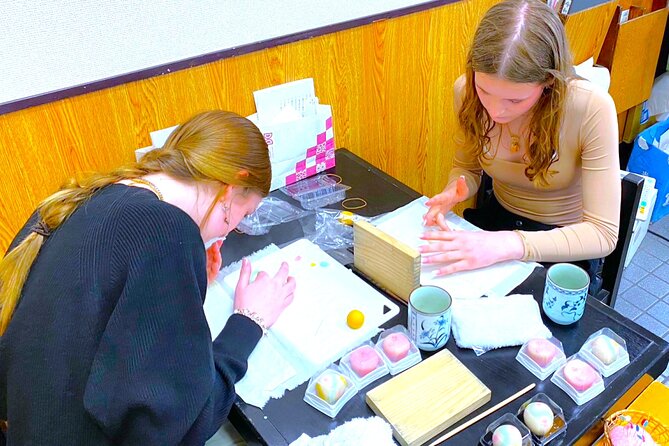
Book it if you want a personal, hands-on look at Japanese food culture in an old-fashioned setting. The combination of seasonal sweet shaping, antique tableware, chair-based tea service, and a group of no more than five people gives the visit real character.
Think twice if you want a fully scripted English tour, a long formal tea ceremony, or a cheap tasting. The language barrier and strict cancellation terms deserve attention.
For the right visitor, $55.38 buys an experience you cannot get from a shop window: you shape the flower or fan yourself, then eat it with unsweetened matcha in a traditional tea room. That is a fine little piece of Tokyo to carry with you, even after the sweets are gone.
FAQ
Where does the tea ceremony and wagashi workshop take place?
It takes place at 6-chōme-2-40 Yanaka, Taito City, Tokyo 110-0001, Japan. The venue is an antique store near public transportation.
How long does the experience last?
The activity lasts approximately 1 hour and 40 minutes.
What is included in the price?
Tools and ingredients for making the sweets are included, along with a sweet tasting and Japanese tea. You also take part in the tea ceremony.
How many people can join?
The maximum group size is five participants.
What kind of sweets will I make?
You will make seasonal nerikiri wagashi, a Japanese confection shaped from colored ingredients. Designs can vary by season and may include flowers, fans, plum blossoms, hydrangeas, or other seasonal forms.
Is the tea sweetened?
The matcha served during the tea ceremony is described as real matcha and is not sweet.
Are children allowed to participate?
Participants must be at least 13 years old. Anyone under 18 must attend with an adult.
Can I cancel or change my booking?
No. The experience is non-refundable and cannot be changed for any reason. Late arrival does not extend the scheduled activity, and unwell participants or those under the influence of alcohol will not be admitted.
Newly reviewed around Tokyo
- Tokyo Asakusa:Calligraphy & Make T-shirt Activity★ 5.0 · 62 reviews
- Intercity Shuttle, Tokyo to Haneda /Narita /Yokohama /Makuhari★ 5.0 · 5 reviews
- 1 Hour Travel around Tokyo with a Professional Photographer★ 5.0 · 3 reviews
- Travel Tokyo with Your Own Personal Photographer★ 5.0 · 43 reviews
- Shuttle Van 6hr Tokyo Tour to-and-from Tokyo, Yokohama and Narita★ 5.0 · 9 reviews
- Kickboxing & Body Training with EX-Pro Fighter★ 5.0 · 4 reviews
- Train in Samurai Swordsmanship and Defeat the Demon in Tokyo★ 5.0 · 5 reviews
- Traditional Japanese Knife Sharpening Class★ 5.0 · 18 reviews
Tokyo Tea Ceremony Experiences, compared.
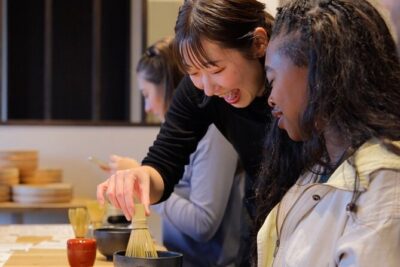
Matcha Making Class in Tokyo with Authentic Japanese Sweets Set
Read our review →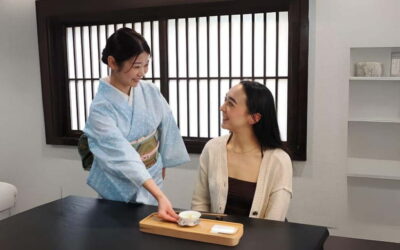
Dynamic Tokyo: Tokyo Tower, Tea Experience, Bay Cruise Day Tour
Read our review →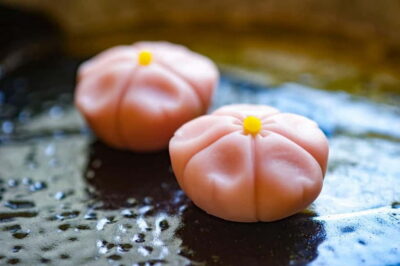
Matcha Making Experience with Mochi Sweets in Asakusa
Read our review →
Tea Ceremony Workshop in Tokyo by the Experienced Instrucor
Read our review →
Browse the lists this tour appears in