
Reviewed · TOKYO TEA CEREMONY EXPERIENCES
Privately visit local home for relax tea ceremony &music, Tokyo
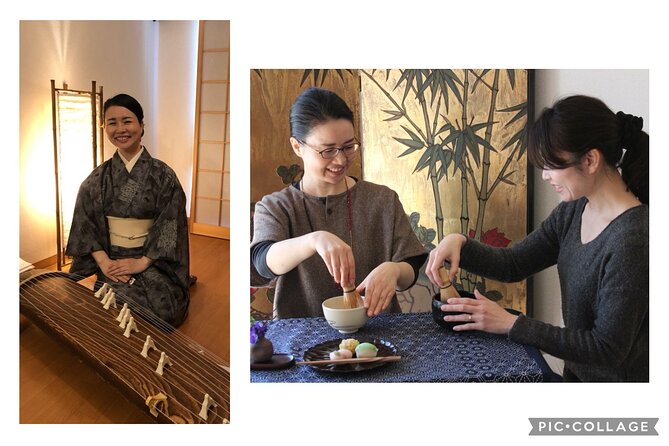
A tea ceremony in Japan does not have to mean sitting silently in a formal room. At Noriko’s home near Shin-Urayasu, you get a friendly introduction to matcha, make your own bowl, and ask direct questions about Japanese customs. The private home setting keeps the mood easy and personal.
I like the hands-on format, especially preparing the second bowl of tea and trying the koto after Noriko performs two pieces. I also like the practical location, just 20 minutes from Tokyo Station and a short walk from Shin-Urayasu Station. The main drawback is the price: at $81 per person, it costs more than a basic tea demonstration, and the optional yukata adds another 3,500 yen.
Key points to know before booking
- A private visit with Noriko: Your group alone takes part, so you can ask questions without keeping up with a larger class.
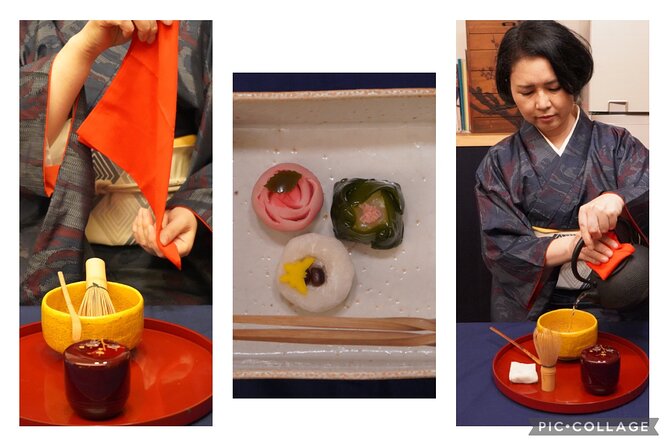
- You make your own matcha: Noriko prepares the first bowl, then guides you through making the second.
- Koto music is hands-on: You hear two pieces, then get a chance to play a melody yourself.
- Three small sweets are included: You receive two small sweets and one seasonal sweet with the tea.
- The optional yukata takes extra time: Dressing costs 3,500 yen and includes a simple hairstyle for women.
- Shin-Urayasu keeps the journey simple: The meeting point is about 20 minutes from Tokyo Station, followed by a three to four minute walk.
A relaxed tea ceremony inside a Japanese home
This experience begins at Shin-Urayasu Station, not in central Tokyo. That detail matters. You are still close enough to fit the visit into a Tokyo sightseeing day, but the setting feels more residential and personal than a busy tourist district.
Noriko meets you at the station and walks with you to her home. The walk takes about three minutes, although the meeting details describe it as roughly four minutes from the nearest station. Either way, you should not need a long transfer or a complicated search once you arrive.
The first part is a relaxed tea ceremony. Noriko explains a little about the background of the ritual before preparing the first bowl of matcha. You can watch how she handles the tea, then taste it with two small sweets and one seasonal sweet.
The word relaxed is important here. This is not presented as a strict lesson where you must memorize rules about posture, gestures, or the correct angle for every movement. If you are curious about why the tea is prepared in a certain way, you can ask as you go.
That makes the visit a good choice if you want cultural context without feeling tested. You still get a look at the customs around matcha, but the emphasis is on conversation and participation.
More Tokyo tea ceremonies:
- Matcha Making Class in Tokyo with Authentic Japanese Sweets Set
★ 5.0 · 744 reviews - Tokyo: Traditional Tea Ceremony with a Tea Master
★ 5.0 · 528 reviews - Dynamic Tokyo: Tokyo Tower, Tea Experience, Bay Cruise Day Tour
★ 4.5 · 521 reviews
Making your own bowl of matcha
After Noriko prepares the first bowl, you make the second one yourself. She gives you step-by-step guidance, so you do not need previous experience with a tea ceremony or matcha preparation.
This is one of the best parts of the visit because it changes you from a spectator into a participant. You will likely remember the whisking and preparation more clearly than a demonstration you only watched. It also gives you an easy opening to ask questions about the drink, the ceremony, or the equipment being used.
The sweets add a small but useful cultural detail. You receive two small sweets along with one seasonal sweet, rather than simply being handed a cup of tea. Their role is to balance the bitterness of matcha, and the seasonal item gives the visit a connection to the time of year.
The experience lasts about two hours in total. The tea portion is only one part of that time, so you should not book this expecting a long formal tea school session. Instead, think of it as a compact cultural visit with food, conversation, music, and a practical introduction to Japanese customs.
Hearing and playing the koto
The second major part of the visit focuses on the koto, a traditional Japanese string instrument. Noriko performs two pieces for you before handing over the experience to you.
You then get the chance to try playing the instrument. The description notes that you may be surprised by how quickly you can play a melody, but you should treat this as a short introduction rather than a full music lesson. The value is in touching the instrument, hearing its sound up close, and discovering how it feels to make music on it.
I especially like this pairing of tea and koto. Tea introduces a familiar Japanese custom through taste and movement. The koto adds sound and performance. Together, they give you more than a single demonstration and help break up the two-hour visit.
Noriko’s range is another reason this format works. The available feedback describes her as someone who can talk about tea, music, history, and questions about Japan, and one visitor said she went beyond what was expected. That suggests you should come with questions ready. A private appointment gives you the chance to ask the things that often get skipped on a large group tour.
The optional yukata experience
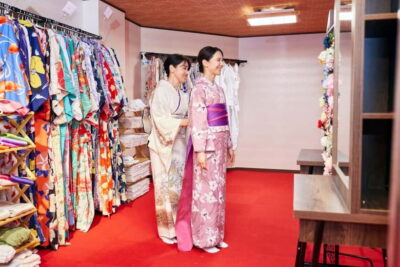
You can add a cotton kimono, called a yukata, for 3,500 yen. This is paid separately and can be handled with cash, card, or PayPal.
The dressing time depends on the guest. It takes about 10 minutes for a man and 20 to 30 minutes for a woman, including choosing the garment. Women also receive a simple hairstyle. Noriko then helps take photos, giving you a keepsake from the visit.
You must request the yukata option when booking. It extends the total time, so do not add it casually if you have a tight schedule afterward. The base experience is about two hours, but the yukata portion adds dressing, selection, hairstyling for women, and photos.
For many people, the extra cost will be worthwhile. Wearing a yukata makes the visit more visual and gives you a stronger connection to the customs you are learning about. It also gives you something more active to do than simply sitting for tea and music.
Still, the option is not necessary to enjoy the main experience. If you mainly want matcha, conversation, and koto music, the standard visit should be enough. If you want photos in traditional clothing, request the add-on early and allow extra time.
A completely different kind of day in Tokyo:
- Mt Fuji and Hakone 1-Day Bus Tour Return by Bullet Train
★ 5.0 · 26,383 reviews - 1-Day Tokyo Bus Tour
★ 5.0 · 14,250 reviews - Tokyo: teamLab Planets TOKYO Digital Art Museum Entry Ticket
★ 4.6 · 9,779 reviews - Mt Fuji & Hakone Cruise, Drum Show Bullet Train 1 Day from Tokyo
★ 4.0 · 7,413 reviews
Why the private format matters
This is a private activity, so only your group participates. That is a major difference from a public cultural demonstration.
In a larger class, the guide must give the same explanation to everyone and move on when the schedule says so. Here, you can ask about Japanese culture in a more natural way. You might want to know about tea etiquette, the koto, seasonal sweets, or everyday customs. The private setting gives Noriko room to adjust the conversation to your interests.
The format should suit couples, families, and small groups who prefer a quiet cultural activity. It also works well for people who feel hesitant about formal etiquette. You are not expected to arrive already knowing how to behave at a tea ceremony.
The tradeoff is that a private experience usually costs more per person than a large group class. At $81 per person, the price reflects the personal attention and the use of a private home, not just the cost of a bowl of tea. The value is strongest if you plan to ask questions, make the tea yourself, and try the koto.
Getting there from Tokyo Station
Shin-Urayasu Station is about 20 minutes from Tokyo Station. Noriko meets you at the station, then walks with you to her home for another three to four minutes.
That makes this a practical addition to a day that includes Tokyo Station or the eastern side of the Tokyo area. You do need to leave central Tokyo, so the activity is not a quick stop between sights in Shibuya, Asakusa, or Shinjuku. Plan for the train ride in both directions, as well as the two-hour appointment.
The station meeting point also removes much of the uncertainty involved in finding a private residence. You do not need to navigate alone to an unfamiliar home. Instead, meet Noriko at the stated station and follow her.
The activity ends back at the meeting point. That makes onward planning easier, particularly if you are meeting someone or continuing by train. Even so, allow a little spare time after the scheduled end, especially if you add the yukata option.
A mobile ticket is available, and confirmation is received at booking. Service animals are allowed, and the meeting point is near public transportation.
What the $81 price really buys you
The $81 price is not the cheapest way to taste matcha in Japan. You can find simple tea experiences that cost less, especially if they are group demonstrations with limited personal interaction.
Here, you are paying for a two-hour private appointment, a host who prepares and explains the tea, your own chance to make matcha, three small sweets, a live koto performance, and time to try the instrument. You are also paying for the opportunity to shape the conversation around your own questions.
That can be good value if you care about contact and participation. A person who wants a polished photo and a quick cup of tea may find the price harder to justify. Someone who wants a calm cultural visit and direct conversation will get more from it.
Group discounts are available, which could improve the value for a family or group of friends. The optional yukata is a separate expense, bringing the total higher, so decide whether traditional clothing is central to your plans before booking.
The current feedback is unusually strong, with a 5 out of 5 rating and 100 percent recommendation from 14 reviews. One especially positive response praised Noriko’s ability to discuss tea, music, history, and Japanese culture, as well as her willingness to go beyond the basic plan. Those comments match the strongest reason to book: this is built around a person, not just a set of props.
Who will enjoy this most
I would suggest this experience to you if you want an introduction to Japanese culture that feels friendly rather than formal. It suits first-time visitors who have questions but do not want to sit through a long lecture.
It is also a good fit for families and small groups. The private format means your group can move at its own pace, and trying the koto gives children or teenagers something active to do. The available information does not specify a minimum age, so you should confirm any age-related concerns before booking.
Couples may especially like the yukata add-on and photo session. It turns the visit into a more memorable occasion without requiring a full-day excursion.
You may want to skip it if your schedule is packed with central Tokyo sights and you do not want to spend time getting to Shin-Urayasu. You should also think twice if you want a strictly formal tea ceremony with traditional rules and ceremony etiquette. This visit is intentionally informal.
Booking, timing, and cancellation advice
The experience is booked about 20 days in advance on average, so it is sensible to arrange it before your Japan trip if you have a fixed travel schedule. You should request the yukata when booking, not after arriving.
The standard visit lasts about two hours. The yukata option extends that time, with dressing taking about 10 minutes for a man or 20 to 30 minutes for a woman, plus the simple hairstyle and photos for women.
Free cancellation is available if you cancel at least 24 hours before the start time. Cancellations made less than 24 hours before the experience are not refunded, and changes within that period are not accepted. Cutoff times use local Japanese time.
Should you book Noriko’s home tea and music visit?
Book it if you want a private, hands-on introduction to Japanese culture. Making your own matcha, tasting seasonal sweets, hearing two koto pieces, and trying the instrument give the visit more variety than a standard tea demonstration.
The $81 price is fair for a private two-hour appointment, but it is not a bargain activity. Add the 3,500 yen yukata only if wearing traditional cotton clothing and taking photos matters to you.
For a relaxed cultural experience near Tokyo that leaves room for real questions, this is a strong choice. Just allow time for the trip to Shin-Urayasu and remember that the tone is friendly and informal, not a strict ceremonial lesson.
FAQ
Where does the experience begin?
It begins at Shin-Urayasu Station, at 1 Chome-1 Irifune, Urayasu, Chiba 279-0012, Japan.
How far is Shin-Urayasu Station from Tokyo Station?
Shin-Urayasu Station is about 20 minutes from Tokyo Station. From the station, Noriko walks with you for about three to four minutes to her home.
How long does the activity last?
The main experience lasts approximately two hours. Adding the yukata option extends the total time.
Do I get to make my own matcha?
Yes. Noriko prepares the first bowl and then guides you through making the second bowl yourself.
Is the yukata included in the price?
No. The optional yukata experience costs 3,500 yen and accepts cash, card, or PayPal. You must request it when booking.
Can I cancel for a full refund?
Yes, if you cancel at least 24 hours before the experience start time. Cancellations made less than 24 hours before the start time are not refunded.
Newly reviewed around Tokyo
- Tokyo Asakusa:Calligraphy & Make T-shirt Activity★ 5.0 · 62 reviews
- Travel Tokyo with Your Own Personal Photographer★ 5.0 · 43 reviews
- Intercity Shuttle, Tokyo to Haneda /Narita /Yokohama /Makuhari★ 5.0 · 5 reviews
- 1 Hour Travel around Tokyo with a Professional Photographer★ 5.0 · 3 reviews
- Train in Samurai Swordsmanship and Defeat the Demon in Tokyo★ 5.0 · 5 reviews
- Shuttle Van 6hr Tokyo Tour to-and-from Tokyo, Yokohama and Narita★ 5.0 · 9 reviews
- Kickboxing & Body Training with EX-Pro Fighter★ 5.0 · 4 reviews
- Traditional Japanese Knife Sharpening Class★ 5.0 · 18 reviews
Tokyo Tea Ceremony Experiences, compared.
Matcha Making Class in Tokyo with Authentic Japanese Sweets Set
Read our review →
Dynamic Tokyo: Tokyo Tower, Tea Experience, Bay Cruise Day Tour
Read our review →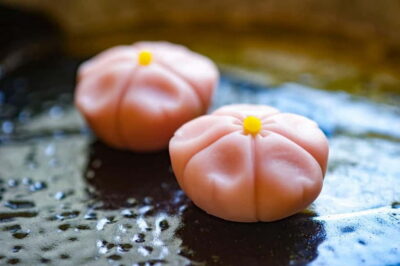
Matcha Making Experience with Mochi Sweets in Asakusa
Read our review →
Tea Ceremony Workshop in Tokyo by the Experienced Instrucor
Read our review →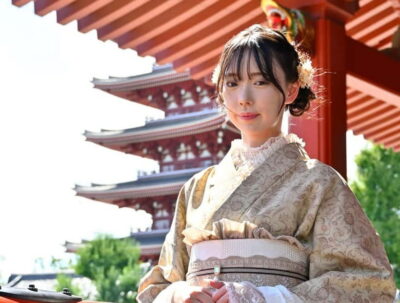
Browse the lists this tour appears in