
Reviewed · TOKYO TEA CEREMONY EXPERIENCES
Japanese Traditional Breakfast and Tea Ceremony
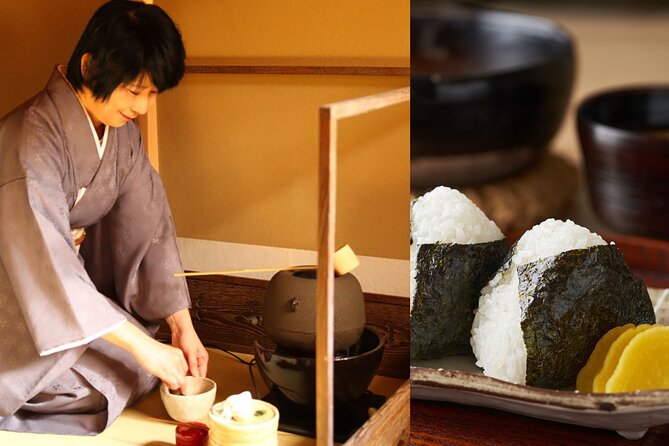
Tokyo mornings rarely offer a better introduction to Japanese culture than a meal followed by a tea ritual. This 90-minute experience begins with rice balls and traditional breakfast foods, then moves into meditation, Zen ideas, sweets, and matcha prepared by a bilingual licensed tea master. I like the hands-on second ceremony, where you make your own tea, and the chance to learn about the hanging scroll and utensils rather than simply watch a performance. The main drawback is the meeting point, which can be a little tricky to find.
This suits you best if you want a calm start to the day and a real cultural activity instead of another hotel buffet. The setting may accommodate up to 28 people, so it is not a tiny private lesson. Still, the English explanations, group discounts, mobile ticket, and practical tea-making instruction give it good value at $60.81 per person.
Key details before you book
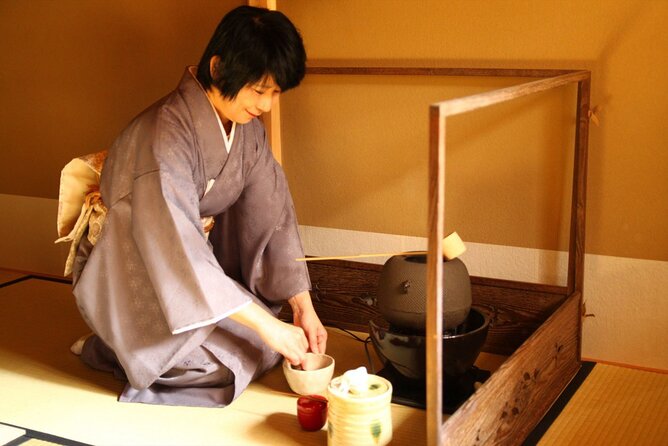
- Breakfast comes first: Try rice balls and other local flavors, with traditional sweets served during the tea portion.
- You make your own matcha: The second tea ceremony is performed by you, with step-by-step instruction.
- Zen is part of the lesson: A short meditation and an explanation of the hanging scroll connect the ceremony to its spiritual setting.
- English support is built in: A bilingual licensed tea master leads the ceremony, alongside a nationally certified guide interpreter.
- Plan around the 9:00 am start: The experience lasts about 1 hour 30 minutes and ends where it begins.
- Allow extra time to find the venue: The meeting point is Kikai Shinko Kaikan at 3-chome-5-8 Shibakoen, Minato City.
A Japanese breakfast instead of a hotel buffet
The morning starts with a light Japanese breakfast. The clearest star is the onigiri, or rice ball, which gives you a direct taste of an everyday Japanese food rather than a dressed-up restaurant dish.
You may also receive other local breakfast items and small accompaniments. The exact menu is not specified, so I would not book this expecting a large meal. Think of it as a thoughtful cultural breakfast that sets up the tea ceremony, not as brunch.
That distinction matters. At about $60.81, the price is not simply paying for food. You are also paying for an English-language explanation, a guided tea performance, meditation, sweets, matcha, and the chance to make tea yourself. If you only want a quick breakfast, this will feel expensive. If you want breakfast to be part of a cultural lesson, the cost makes more sense.
One particularly useful touch is the chance to make onigiri. You do not just hear about Japanese food. You handle one of the country’s most familiar staples, and the rice balls are then served with the other breakfast foods. It gives families and first-time visitors an easy way to take part without needing prior knowledge.
More Tokyo tea ceremonies:
- Matcha Making Class in Tokyo with Authentic Japanese Sweets Set
★ 5.0 · 744 reviews - Tokyo: Traditional Tea Ceremony with a Tea Master
★ 5.0 · 528 reviews - Dynamic Tokyo: Tokyo Tower, Tea Experience, Bay Cruise Day Tour
★ 4.5 · 521 reviews
The quiet pause before the tea
Before the tea work begins, you take part in a short meditation. It is a small part of the schedule, but it helps explain why the ceremony is not simply about drinking a fashionable green tea.
The meditation gives you a moment to slow down and pay attention. That is useful after the noise and speed of central Tokyo. It also gives the tea ceremony a clear rhythm: settle yourself, observe the room, listen to the explanation, then take part.
Do not expect a long formal retreat. The meditation is short, and the full activity lasts about an hour and a half. Its value is in the change of pace. You get a taste of the calm and focus connected with Zen practice without committing to a lengthy religious program.
The tea master also explains the hanging scroll that expresses the spirit of Zen. This is the sort of detail that can be easy to miss if you attend a ceremony without guidance. The scroll is not just decoration, and learning how it fits into the room helps you understand why the setting, objects, and movements all matter.
Watching a tea master at work
The first tea ceremony is performed by the host. You watch the movements, hear the explanations, and see how the utensils are handled. The tea master has more than five years of experience and is licensed to conduct the ceremony in English, so the cultural details do not depend on guesswork or a hurried translation.
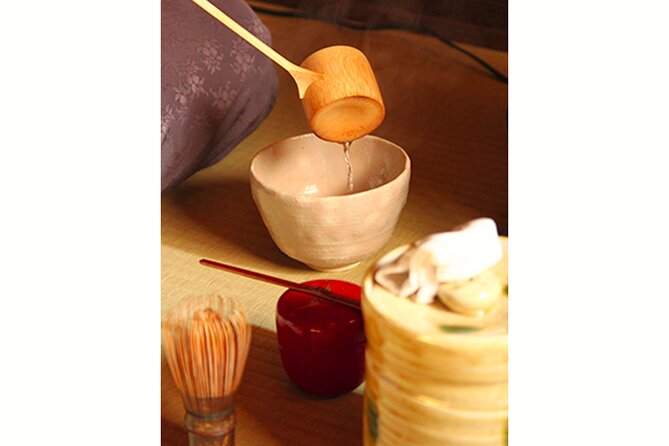
The tea itself is high-quality matcha prepared by the host. Matcha is more than an ordinary cup of green tea. It is whisked into a fine, strong drink, and the preparation is part of the experience. The host explains the tea utensils and the order of the ritual so you can follow the purpose behind each action.
This demonstration is valuable because it gives you a model to copy. If you were asked to make tea immediately, you might spend the whole time worrying about the sequence. Watching first lets you notice the pace, tools, and gestures.
The host also explains tea ceremony customs, Zen practices, and Japanese hanging scrolls in English. The information is designed for visitors, so you do not need previous knowledge of Japanese culture. You will get more from it if you treat it as a lesson in attention and hospitality, not as a performance you need to photograph every second.
Your turn to prepare matcha
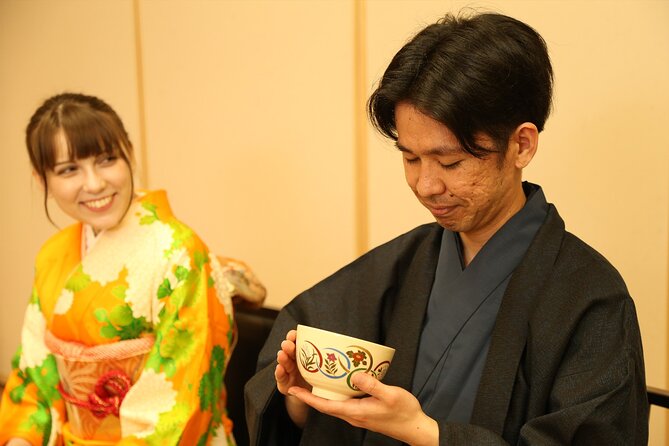
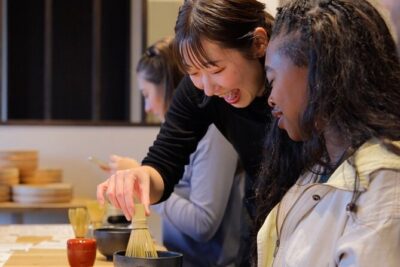
The second tea ceremony is the most practical part of the experience. This time, you prepare your own tea with instruction from the host.
That hands-on section is a real advantage over a standard cultural demonstration. You can try the process yourself, learn how the utensils are used, and see how much care goes into making a bowl of matcha. The instruction also means you are not left to guess whether you are holding or moving something correctly.
The description does not promise that you will master every part of the ceremony in one session. That is not a problem. The point is to learn enough of the ritual that you can recreate some of it at home. The experience specifically focuses on matcha practices you can take with you, which gives the activity value beyond the morning itself.
You will also drink matcha made by the host using high-quality tea. The flavor may be stronger and more bitter than the green tea served in many cafes. Traditional sweets help balance that taste and show how tea and confectionery work together in Japanese hospitality.
A completely different kind of day in Tokyo:
- Mt Fuji and Hakone 1-Day Bus Tour Return by Bullet Train
★ 5.0 · 26,383 reviews - 1-Day Tokyo Bus Tour
★ 5.0 · 14,250 reviews - Tokyo: teamLab Planets TOKYO Digital Art Museum Entry Ticket
★ 4.6 · 9,779 reviews - Mt Fuji & Hakone Cruise, Drum Show Bullet Train 1 Day from Tokyo
★ 4.0 · 7,413 reviews
Sweets, utensils, and small details
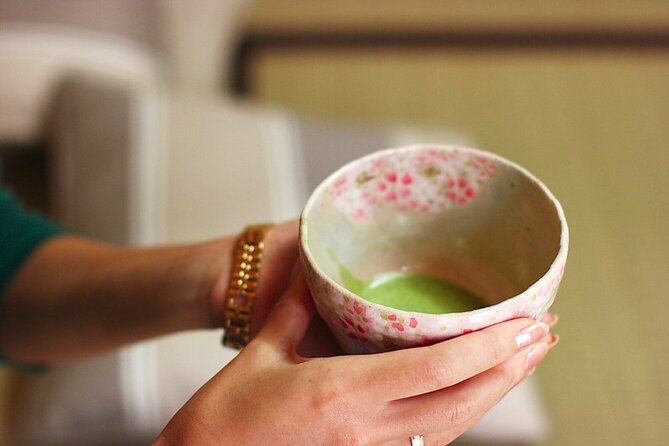
The sweets are not an afterthought. Traditional Japanese confections are included, and they provide the sweet element that accompanies the matcha.
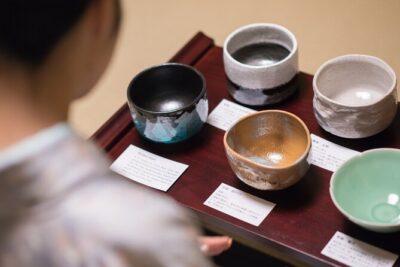
The activity also introduces the tea utensils. You may find that this makes the ceremony easier to understand because the tools are not anonymous objects. Each one contributes to the preparation and presentation of the tea.
I like this approach because it keeps the ceremony grounded in ordinary physical details. You are not only hearing about Zen in the abstract. You are looking at the scroll, handling utensils under direction, tasting matcha, and pairing it with a sweet.
The order of events also makes sense. Breakfast provides something familiar and filling, meditation slows the pace, the host demonstrates the ceremony, and you then try it yourself. The experience moves from eating, to observing, to doing.
What the 90-minute schedule means
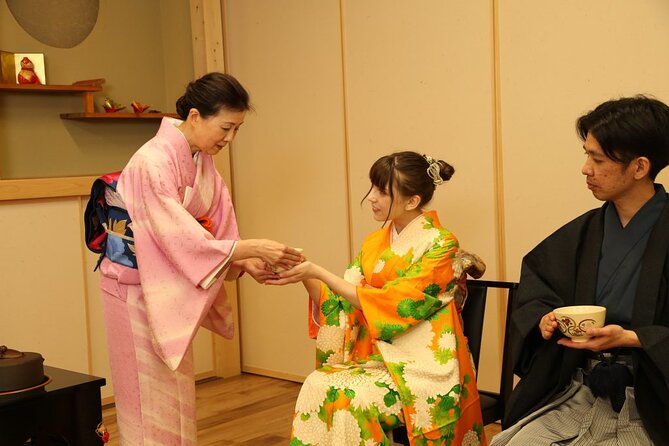
An hour and a half is long enough to include several parts without taking half your day. You can start at 9:00 am and still have most of the day available for Tokyo sightseeing.
That early start has two sides. It is useful if you have a busy itinerary, and the calm morning setting fits the subject. But you need to be ready to leave your hotel early, especially if you are staying outside Minato City. There is no pick-up or drop-off service, so you arrange your own transport to the meeting point.
The activity begins and ends at Kikai Shinko Kaikan, 3-chome-5-8 Shibakohen, Minato City, Tokyo 105-0011. It is near public transportation, but one person had difficulty finding the venue. I would allow extra time and check the building name and address before setting out. A mobile ticket is convenient, but it does not remove the need to identify the correct entrance.
The maximum group size is 28 people. That is large enough that the experience may feel like a group class rather than a private tea lesson. On the other hand, a group can make the hands-on portion less intimidating, especially if you are unsure of the etiquette.
Is $60.81 a fair price?
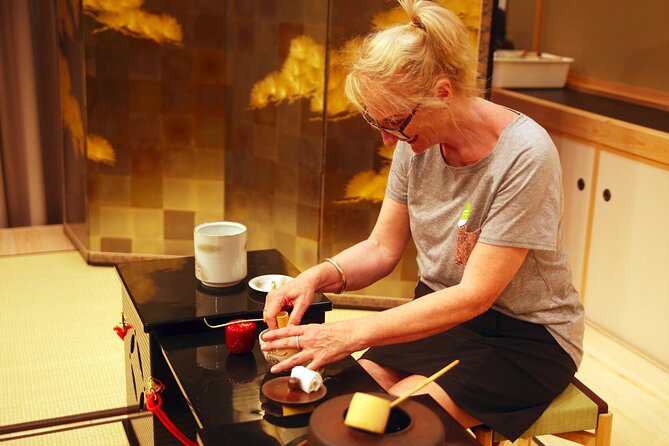
The value depends on what you compare it with. Compared with a simple breakfast, $60.81 is a high price for rice balls, sweets, and tea. Compared with a guided cultural lesson that includes food, a professional tea demonstration, English instruction, matcha, and your own tea-making session, it is more reasonable.
The most valuable inclusions are the second tea ceremony and the bilingual licensed tea master. You are not only watching someone else perform. You get a chance to repeat the process with help, which is the part most likely to stay with you.
The nationally certified guide interpreter adds another layer of support. English explanations are provided for the ceremony, Zen practices, hanging scrolls, and utensils. That matters because the meaning of the ritual can be lost when an activity is reduced to a series of silent gestures.
Group discounts may improve the price for families or larger parties. The experience can also work well for parents and children because the breakfast includes a simple food-making element, although the supplied information does not specify a minimum age or child pricing. If you are booking for a family, confirm those details before paying.
Who will enjoy this Tokyo experience most?
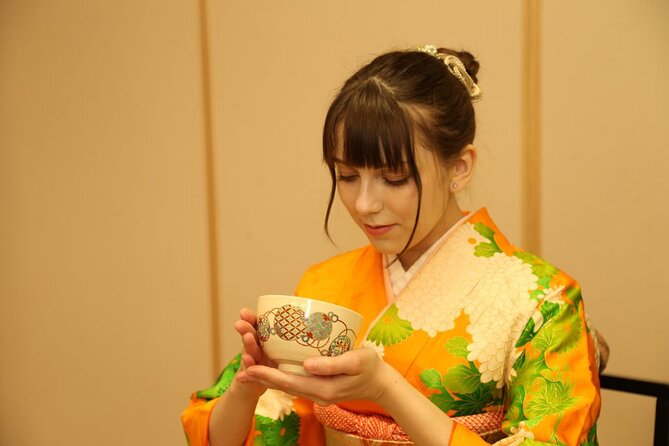
I would choose this for a first visit to Japan, especially if you want an introduction to customs but do not want a long lecture. The combination of food, sweets, meditation, explanation, and practice keeps the morning varied.
It is also a good fit for anyone interested in Japanese hospitality, Zen, or tea preparation. The lesson is not limited to matcha as a drink. It shows how the room, scroll, utensils, movements, and food work together.
Families can get a lot from the session. Making onigiri gives younger participants something concrete to do, while the tea ceremony offers a quieter cultural activity. The relaxed format described by the provider may also suit a family better than a highly formal ceremony, though the group size could mean less individual attention.
You might skip it if your priority is a large breakfast, a private experience, or a tour with extensive sightseeing. This activity stays at the meeting venue and focuses closely on breakfast and tea. It will not show you several Tokyo landmarks or introduce a broad range of neighborhoods.
Practical planning for the morning
Book with the 9:00 am start in mind. You will need to reach Shibakoen on your own, and the venue can take a little effort to locate. Keep the full address available on your phone and avoid arriving at the last minute.
Confirmation is sent within 48 hours of booking, subject to availability. The activity normally accepts bookings in advance, with the average booking made 53 days before the date. That does not mean you must book exactly that early, but it suggests adding the experience to your plan before your Tokyo schedule fills up.
Free cancellation is available until 24 hours before the start time. Cancellations or changes inside that window are not refunded or accepted. The experience also requires good weather and a minimum number of participants. If the provider cancels for either reason, you are offered another date or experience, or a full refund.
The weather condition is worth noting even though this is not an outdoor sightseeing tour. Keep your plans flexible until the activity is confirmed. The cancellation terms use Tokyo local time, so check the deadline carefully if you are booking from another country.
Should you book the breakfast and tea ceremony?
Book it if you want a focused, English-language introduction to Japanese food and tea that lets you participate rather than only watch. The onigiri, sweets, meditation, Zen explanation, professional demonstration, and hands-on matcha session create a well-shaped morning.
I especially like that you get a second tea ceremony to perform yourself. That practical step gives the $60.81 price more weight than a breakfast-only outing. The main cautions are the possible 28-person group, the lack of hotel transport, and the need to find the venue carefully.
For a family, first-time visitor, or tea-curious traveler, this is a sensible choice. For a private luxury breakfast or a major sightseeing tour, choose something else. Arrive early, bring an open mind, and treat the morning as a lesson in Japanese hospitality rather than just a meal.
FAQ
Where does the Japanese breakfast and tea ceremony begin?
It begins at Kikai Shinko Kaikan, 3-chome-5-8 Shibakohen, Minato City, Tokyo 105-0011, Japan.
What time does the activity start?
The start time is 9:00 am.
How long does the experience last?
The experience lasts approximately 1 hour 30 minutes.
Is breakfast included?
Yes. A light breakfast is included, with rice balls and other local flavors. Traditional Japanese sweet confections are also included.
Will I make my own matcha?
Yes. After watching a tea ceremony performed by the tea master, you have a second tea ceremony where you make your own tea with instruction.
Is the activity offered in English?
Yes. A bilingual licensed tea master provides English guidance, and the activity includes explanations of the tea ceremony, Zen practices, Japanese hanging scrolls, and tea utensils in English.
Newly reviewed around Tokyo
- Tokyo Asakusa:Calligraphy & Make T-shirt Activity★ 5.0 · 62 reviews
- Intercity Shuttle, Tokyo to Haneda /Narita /Yokohama /Makuhari★ 5.0 · 5 reviews
- 1 Hour Travel around Tokyo with a Professional Photographer★ 5.0 · 3 reviews
- Travel Tokyo with Your Own Personal Photographer★ 5.0 · 43 reviews
- Train in Samurai Swordsmanship and Defeat the Demon in Tokyo★ 5.0 · 5 reviews
- Shuttle Van 6hr Tokyo Tour to-and-from Tokyo, Yokohama and Narita★ 5.0 · 9 reviews
- Kickboxing & Body Training with EX-Pro Fighter★ 5.0 · 4 reviews
- Traditional Japanese Knife Sharpening Class★ 5.0 · 18 reviews
Tokyo Tea Ceremony Experiences, compared.
Matcha Making Class in Tokyo with Authentic Japanese Sweets Set
Read our review →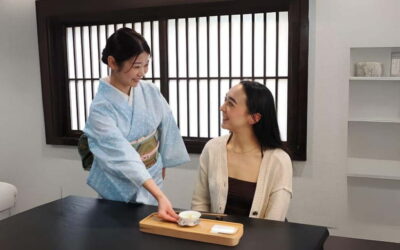
Dynamic Tokyo: Tokyo Tower, Tea Experience, Bay Cruise Day Tour
Read our review →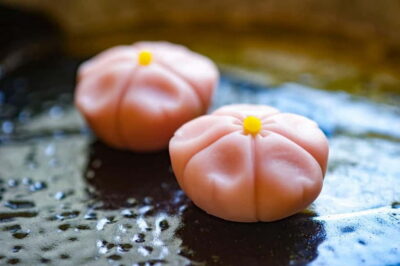
Matcha Making Experience with Mochi Sweets in Asakusa
Read our review →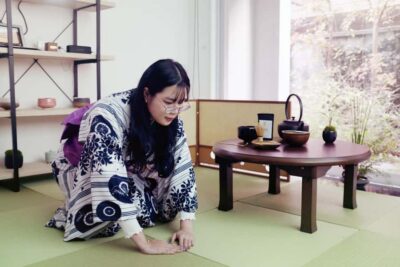
Tea Ceremony Workshop in Tokyo by the Experienced Instrucor
Read our review →
Browse the lists this tour appears in