
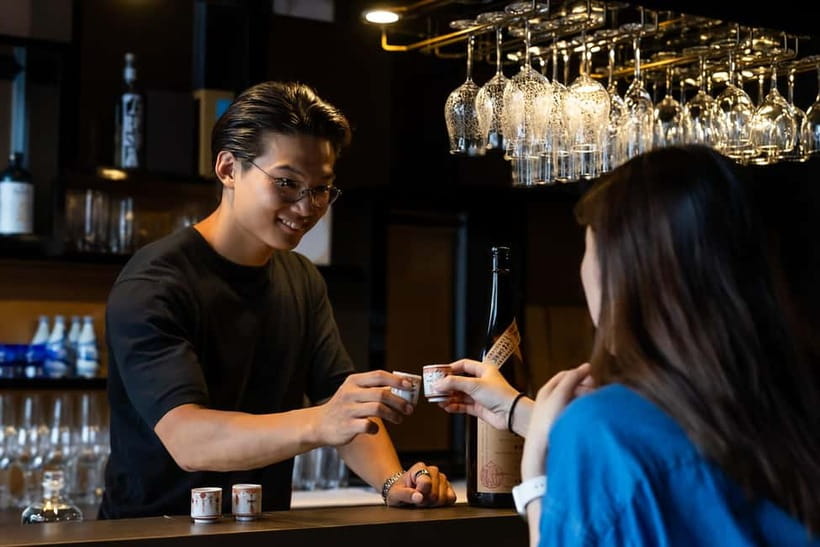
Reviewed · TOKYO SAKE TASTINGS
Ginza, Tokyo: Sake Experience with traditional vessels
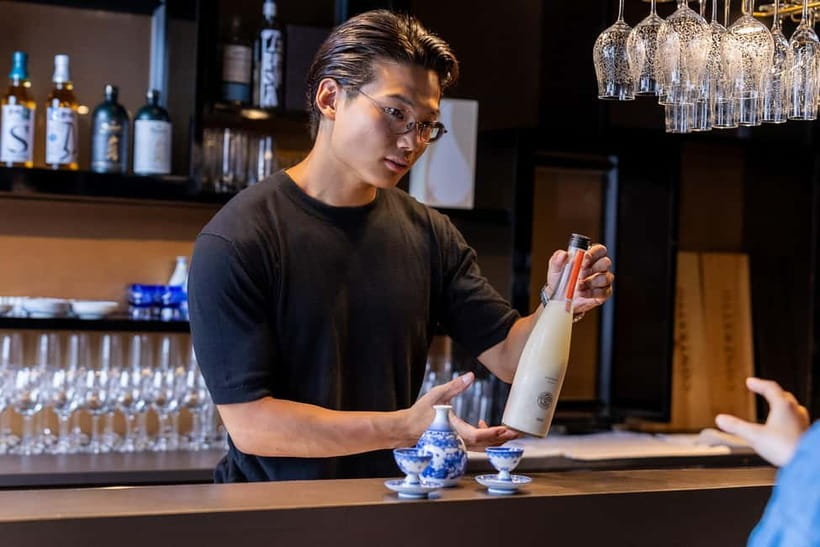
The clever part of this Ginza experience is that it treats the vessel as part of the tasting. You sample three types of sake, then see how a wine glass or traditional KINTSUGI presentation with 400-year-old Imari porcelain can change the way you notice each one.
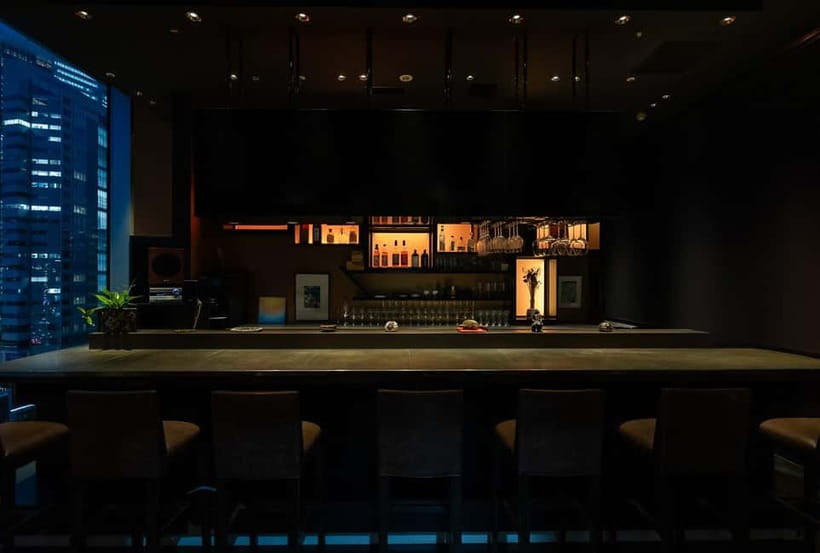
I like the small group, limited to seven people, and the bilingual explanations about sake made in different parts of Japan. I also like the setting: JIDAI occupies the 11th floor of the JEWEL BOX GINZA building, with a view toward Tokyo Bay. The main consideration is that only three tastings are included, so anyone hoping for a full evening of drinks, food, or a large brewery tour will find this more focused.
Key points to know before booking
- Three sake styles, three serving choices: Each pour is matched with a vessel intended to suit its character.
- A compact Ginza setting: Find JIDAI on the 11th floor of JEWEL BOX GINZA, with Swarovski on the ground floor.
- English support: Bilingual staff explain sake culture and production in English.
- Small group format: The experience is limited to seven participants, making questions easier.
- Tokyo Bay views: The high-floor location gives your tasting a city-and-water backdrop.
- Useful local advice: Staff can offer Tokyo travel tips and recommendations beyond the sake itself.
What this Ginza sake experience actually offers
This is a tasting session at JIDAI, a bar in Ginza, rather than a visit to a sake brewery. You arrive, settle in, and sample three types of sake chosen as a good introduction for first-time drinkers.
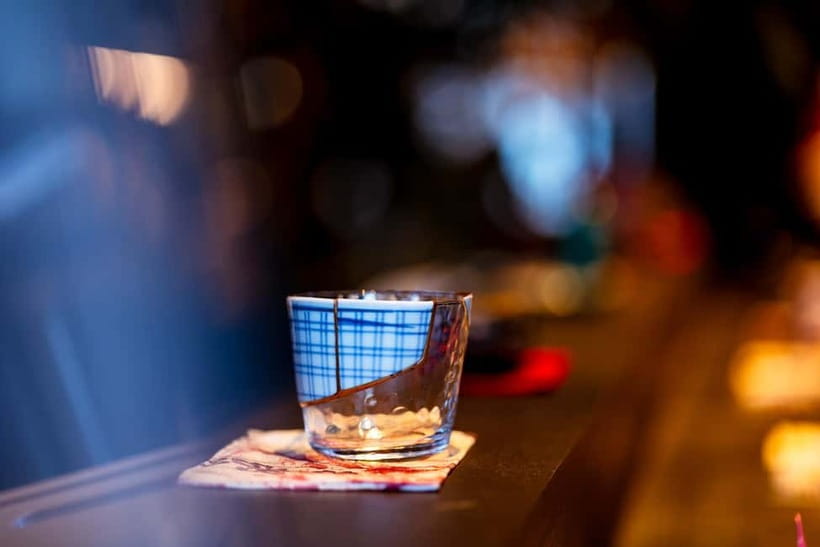
The central lesson is simple but useful: sake does not have one single taste, and the glass or cup can affect how you experience it. Some pours are served in wine glasses, while another may be presented through KINTSUGI with 400-year-old Imari porcelain. That gives you something more concrete than a basic drink flight. You are comparing both the sake and the way Japan presents it.
The staff also explain the history and culture of sake. Japan has about 1,500 sake breweries, and each one reflects its local region and traditions. You will not tour all those regions in one sitting, of course, but the tasting gives you a starting point for understanding why sake from different places can vary.
The session is conducted in English, and the hosts have been praised for being warm, clear, and helpful. Hiyori and Nana have been singled out for explaining how sake is made, while Rireka has been praised for her friendly help and practical advice. Host assignments can change, so do not assume a particular person will be working when you visit.
More things to do in Ginza:
- Chopstick Making Workshop in Ginza
★ 4.8 · 1,366 reviews - Tokyo: Art Aquarium Museum GINZA Entry Ticket
★ 4.5 · 278 reviews - Official Japan Go-Kart Through Tokyo Bay / Ginza (IDP Required)
★ 4.5 · 71 reviews
Why the vessels matter as much as the sake
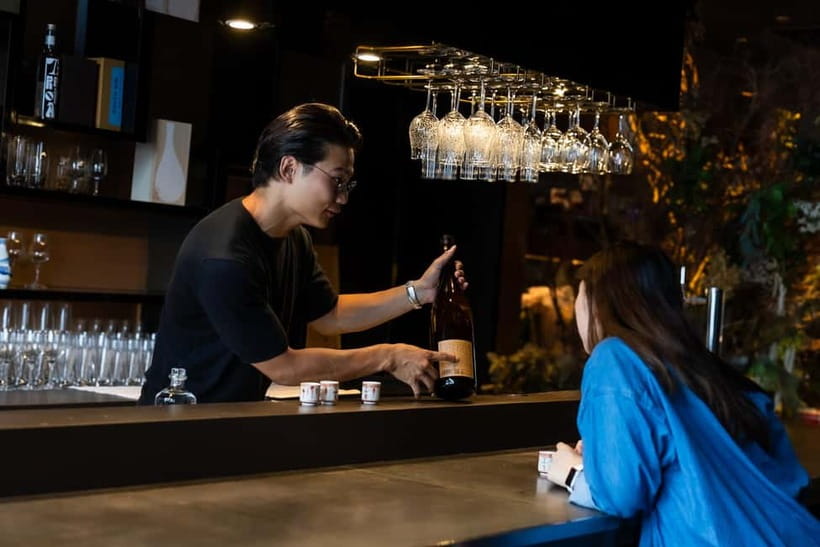
Many sake tastings simply line up several small pours and ask you to compare them. This one adds a cultural detail that makes the tasting easier to remember: each sake is paired with a vessel chosen to bring out its qualities.
A wine glass may help you notice aroma in a way that a small traditional cup does not. You can look at the color, bring the glass to your nose, and take smaller sips. The point is not that one vessel is always correct. The point is that serving style shapes the experience.
The KINTSUGI presentation adds another layer. Kintsugi is associated with repairing ceramics and honoring their marks rather than hiding them. Here, the experience uses 400-year-old Imari porcelain as part of the presentation. That connection gives you a glimpse of Japanese craft and the care placed on an object used for drinking.
I appreciate this approach because it avoids treating sake as just another alcoholic drink. You learn that the container, the setting, and the method of serving all matter. If you are new to sake, that makes the subject less intimidating. You do not need to know brewing terms before you arrive. The staff guide you through the basic differences one glass at a time.
Three pours designed for a first taste
The three sake selections are described as suitable for a first-time experience. The available information does not name the specific labels or breweries, so you should not book expecting a fixed list of bottles. Selections may depend on what JIDAI is serving at the time.
That lack of a published menu is worth noting. Serious sake fans may prefer a tasting built around exact producers, rice varieties, polishing rates, or regional styles. This experience takes a more approachable route. You get an introduction rather than a technical seminar.
The order of the tasting is likely to help you compare the pours, though the exact sequence is not specified. Listen for the staff’s explanation of why each sake is paired with its vessel. Ask questions as you go. The small group gives you a better chance to ask about flavor, brewing, or the region behind a particular pour.
The tasting includes three types of sake only. Extra sake, other drinks, and snacks cost more or are not included. That makes this a good pre-dinner activity or a short cultural stop, but not a substitute for a full night out. Plan your expectations around a guided tasting, not an open bar visit.
The 11th-floor Ginza setting
JIDAI is in Ginza, one of Tokyo’s most polished districts. The location is convenient and gives the experience a refined feel without requiring a trip far from central Tokyo.
To find the venue, go to the JEWEL BOX GINZA building and look for Swarovski on the first floor. Then take the elevator to the 11th floor. This detail matters because a high-rise bar can be easy to miss if you are looking for a street-level entrance or a large sign.
Once inside, the Tokyo Bay view becomes part of the evening. The view will depend on the weather, time, and exact seat, so treat it as an added feature rather than the main reason to book. Still, sipping sake above Ginza gives the tasting a sense of place that a plain barroom would not provide.
The setting also works well after a day of sightseeing. You can finish your evening with something structured and calm, then return to your hotel. Since the experience is in Ginza, it is especially convenient if you are already shopping, dining, or visiting nearby parts of central Tokyo.
More Tokyo sake tastings:
- Ramen and Sushi Cooking Class with Sake Pairing Set in Tokyo
★ 5.0 · 291 reviews - Sake Tasting Masterclass in Shinjuku (8+ Varieties with a Pro)
★ 5.0 · 271 reviews - Sake Omakase in Tokyo: Guided Tasting by Certified Sommeliers
★ 5.0 · 239 reviews - Tasting All Types of Sake with Sommelier
★ 5.0 · 151 reviews
What the hosts add to the experience
The staff do more than pour the sake. They explain sake-making traditions, introduce the cultural background, and answer questions in English. The strongest part of the experience is likely to be the conversation.
Hiyori and Nana have received particular praise for their friendly hosting and clear explanation of the brewing process. Rireka has also been noted for giving helpful advice and making the bar feel welcoming. These names are useful to know, but staffing can vary by date.
The travel advice is a nice extra. If you are still planning your Tokyo days, ask the staff for recommendations. They are presented as concierges as well as hosts, so you may get ideas for places to visit or ways to improve the rest of your trip. The exact recommendations are not promised, but the format encourages questions.
I would arrive with a few ready. You might ask how sake from two regions differs, why one pour uses a wine glass, or what food would pair well with the sake. You can also ask about the difference between a tasting pour and the way sake is normally served in Japan. The more specific your questions, the more useful the conversation is likely to be.
How the small group changes the evening
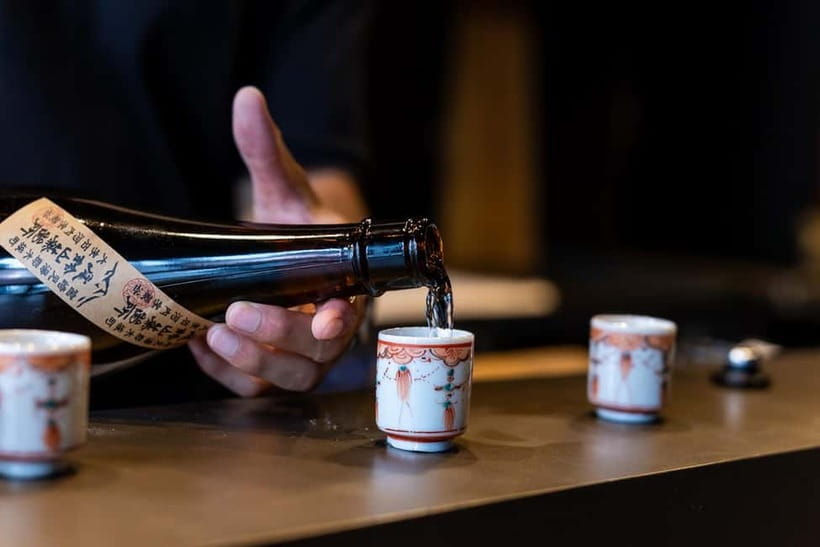
The group is limited to seven participants. That is small enough for a personal explanation without making the evening feel like a private lesson.
A small group matters here because the experience depends on questions and observation. You want to hear why a vessel was selected and have time to look closely at the porcelain. With seven people or fewer, you should have a reasonable chance to follow the host’s explanation and ask something of your own.
There is one tradeoff. The atmosphere can depend on the people booked for your session. A quiet group may make the tasting feel more intimate, while a talkative group may create a more social evening. The limited size does not guarantee a private booking.
The format suits solo visitors, couples, and small groups who want a cultural activity without committing to a long class. It is also a good choice if you are curious about sake but do not want a technical lesson filled with specialist vocabulary.
Is $22 a good value?
At $22 per person, the price is reasonable for a guided Ginza tasting that includes three sake pours, vessel pairings, English-language instruction, and a high-floor setting. The value comes less from the amount of alcohol and more from the explanation and presentation.
You are paying for a short cultural experience in one of Tokyo’s most expensive districts. Three pours alone would not make this a bargain, especially since snacks and additional drinks are not included. The staff’s sake lesson, the traditional porcelain, and the chance to ask for local travel advice make the price easier to justify.
I would compare it with what you want from the evening. If you want to sample a few styles and understand the basics, $22 is a sensible spend. If you want a substantial meal, many pours, or a long brewery visit, budget separately.
The format also helps protect your evening budget. You can book the tasting, then decide later if you want dinner or another drink nearby. Since the experience does not include food, you should plan a meal before or after rather than arrive expecting snacks.
Important health and age restrictions
This is an alcohol experience, and it is not suitable for children under 18 or for pregnant women. The supplied restrictions also exclude people with claustrophobia, vertigo, heart problems, respiratory issues, epilepsy, diabetes, kidney problems, high blood pressure, haemophilia, recent surgery, a cold, lactose intolerance, or other pre-existing medical conditions.
That is an unusually long restriction list. If any item applies to you, check with the provider before booking. The information does not explain the reason for every restriction, so do not assume a condition is acceptable simply because it seems unrelated to sake.
The activity is listed as wheelchair accessible. If you use a wheelchair, it is still sensible to confirm the building access and elevator arrangements before arrival, especially since the meeting point is on the 11th floor.
Booking details that matter
The meeting point is the 11th floor of JEWEL BOX GINZA, with Swarovski on the first floor. Save the map location before you leave your hotel, and allow time to identify the correct building.
The activity is listed as valid for one day, with starting times shown according to availability. The exact tasting length is not provided, so avoid scheduling an immediately timed reservation afterward.
You can cancel up to 24 hours in advance for a full refund. The reserve-now, pay-later option is useful if your Tokyo plans are still shifting. It lets you hold a place without paying at once, subject to the booking terms shown at the time of reservation.
Who will enjoy this most
I would recommend this to you if you are new to sake, enjoy small-group activities, or want an evening stop with some cultural background. It is also well suited to anyone who likes design, ceramics, and the small details behind Japanese hospitality.
The experience fits first-time visitors who want useful Tokyo advice from people working locally. The Ginza address makes it easy to pair with time in central Tokyo, and the Tokyo Bay view gives the tasting a memorable setting.
You may want something else if you are already a serious sake drinker. The three bottles are not specified in advance, and the session is built for beginners. You also need to buy your own food and extra drinks if you want to turn it into a longer night.
Should you book this Ginza sake tasting?
Book it if you want a focused introduction to sake, friendly English explanations, and a touch of traditional craft in a polished Tokyo setting. The best reasons are the vessel pairing, the small group, and the chance to ask staff for practical advice about Japan.
Skip it if you want a brewery visit, a full meal, or a long list of rare labels. At $22, it offers good value for a guided three-pour tasting, but its appeal is the quality of the explanation and presentation, not quantity. For most first-time sake drinkers with an evening free in Ginza, it is a smart, manageable way to start.
FAQ
Where does the sake experience take place?
It takes place at JIDAI on the 11th floor of the JEWEL BOX GINZA building in Ginza, Tokyo. Swarovski is located on the first floor of the building.
How many types of sake are included?
Three different types of sake are included. Additional sake, other drinks, and snacks are not included.
Which language is used during the experience?
The activity is conducted in English, with bilingual staff explaining sake history, culture, and production.
What types of vessels are used?
The sake may be served in specific vessels selected for each pour, including wine glasses and a KINTSUGI presentation using 400-year-old Imari porcelain.
How large is the group?
The experience is limited to seven participants.
Is the activity wheelchair accessible?
Yes, the activity is listed as wheelchair accessible.
Can I cancel my booking?
Yes. You can cancel up to 24 hours in advance for a full refund. Reserve-now, pay-later booking is also available.
More Tokyo food tours
- Tokyo: Shinjuku Food Tour (13 Dishes at 4 Local Eateries)
★ 5.0 · 6,603 reviews - Tokyo Tsukiji Fish Market Food and Culture Walking Tour
★ 5.0 · 3,184 reviews - Tokyo: Shinjuku Food Tour (15 Dishes and 4 Eateries)
★ 4.9 · 2,033 reviews - Tokyo: Tsukiji Fish Market Food and Walking tour
★ 5.0 · 1,724 reviews
More Tokyo drink tastings and bars
- Tokyo Bar Hopping Tour in Shinjuku (All-You-Can-Drink + Dinner)
★ 5.0 · 3,587 reviews - Best of Shinjuku: Izakaya Food Tour (4 Stops, 14+ Tastings)
★ 5.0 · 1,863 reviews - Tokyo: Shinjuku Local Bar and Izakaya Guided Walking Tour
★ 4.9 · 1,794 reviews - Shibuya Meltdown Nightlife Tour: All-You-Can-Drink Bar Hopping
★ 5.0 · 1,058 reviews
Newly reviewed around Tokyo
- Tokyo Asakusa:Calligraphy & Make T-shirt Activity★ 5.0 · 62 reviews
- Intercity Shuttle, Tokyo to Haneda /Narita /Yokohama /Makuhari★ 5.0 · 5 reviews
- 1 Hour Travel around Tokyo with a Professional Photographer★ 5.0 · 3 reviews
- Travel Tokyo with Your Own Personal Photographer★ 5.0 · 43 reviews
- Kickboxing & Body Training with EX-Pro Fighter★ 5.0 · 4 reviews
- Train in Samurai Swordsmanship and Defeat the Demon in Tokyo★ 5.0 · 5 reviews
- Shuttle Van 6hr Tokyo Tour to-and-from Tokyo, Yokohama and Narita★ 5.0 · 9 reviews
- Traditional Japanese Knife Sharpening Class★ 5.0 · 18 reviews
Tokyo Sake Tastings, compared.
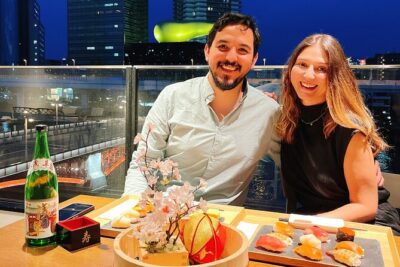
Ramen and Sushi Cooking Class with Sake Pairing Set in Tokyo
Read our review →
Sake Tasting Masterclass in Shinjuku (8+ Varieties with a Pro)
Read our review →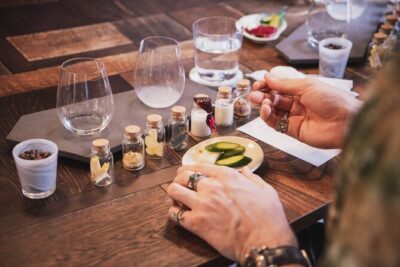
Sake Omakase in Tokyo: Guided Tasting by Certified Sommeliers
Read our review →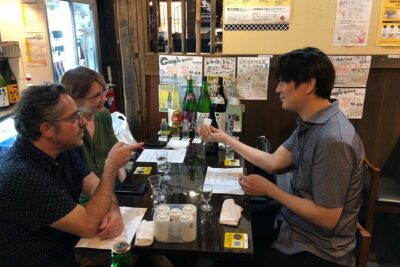
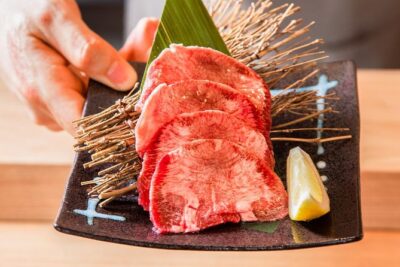
Wagyu & Sake Pairing in Shinjuku – Steak, Shabu-Shabu & More
Read our review →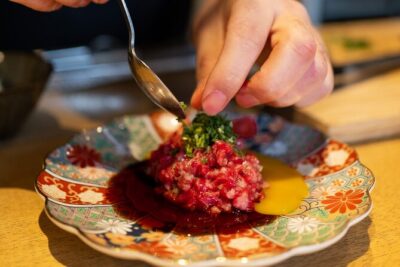
Tokyo Wagyu & Sake Pairing Tasting Experience with Local Flavors
Read our review →
Sushi and Ramen Cooking Class with Sake Pairing Set
Read our review →
Tsukiji: Outer Market Walking Tour & Sake Tasting Experience
Read our review →Browse the lists this tour appears in