
Reviewed · TOKYO COOKING CLASSES
Tokyo Night Cooking Class: 5 Home-Cooked Japanese Dishes
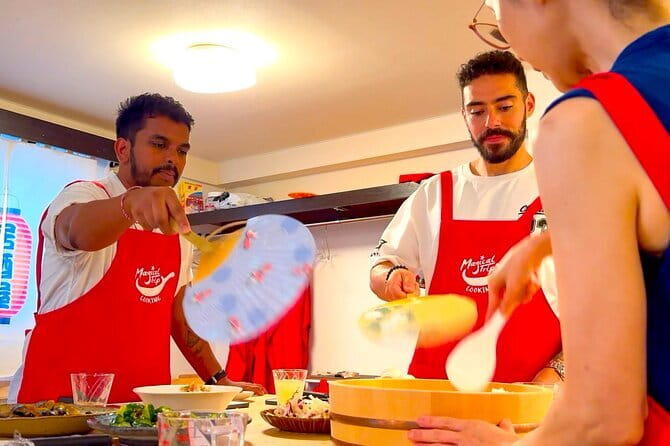
Tokyo’s best part of this class is that you do not simply watch someone prepare one famous dish. You shop for ingredients, cook a full spread of five izakaya-style dishes, and sit down to eat what you made. The evening also includes three alcoholic or soft drinks, so it feels part cooking lesson, part friendly Japanese home meal.
I like the practical recipes, such as sushi rolls, teriyaki chicken, chicken balls with shiso, eggplant with miso, and Japanese omelette. I also like the small group, capped at seven people, and the way guides such as Alice and Fuji explain steps clearly enough for you to repeat them at home.
The main drawback is the dietary limit. Vegetarians can be accommodated, but this is not suitable for vegan or gluten-free diets, and avoiding meat or eggs reduces the number of dishes. Knife and hot-stove work is also limited to participants aged 12 and over.
Key points to know before booking
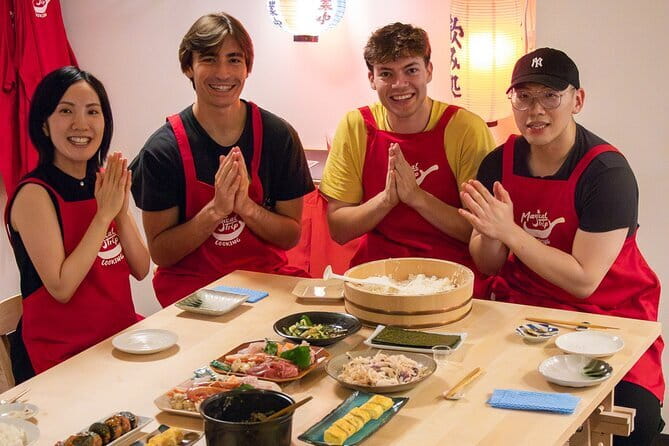
- Five dishes, not one: You prepare a multi-course meal of familiar izakaya food, then eat everything you make.
- A supermarket stop is included: Choosing ingredients adds a useful look at everyday Japanese cooking and shopping.
- Three drinks are included: You can receive alcoholic drinks or soft drinks, with alcohol limited to people aged 20 and over.
- Small evening group: The class lasts about three hours and accepts a maximum of seven participants.
- Recipes are designed for home use: The class focuses on ingredients and methods you can find outside Japan.
- Dietary rules matter: Vegetarian arrangements are available, but vegan and gluten-free requests cannot be accepted.
Why this Tokyo cooking class feels like a real evening meal
Tokyo has no shortage of restaurants, but a restaurant usually gives you a finished plate and little sense of how it got there. This class changes the rhythm. You begin with ingredients, work through several recipes, and finish with a shared dinner that you helped prepare.
The food follows the spirit of an izakaya, the Japanese pub where people order small dishes to share with drinks. That makes the menu a good match for an evening activity. You are not working toward one elaborate centerpiece. You are building a table of different tastes, textures, and cooking methods.
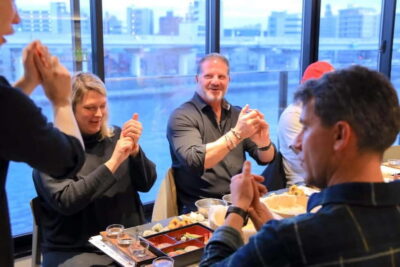
The class also connects with nomikai, Japan’s social drinking culture. You cook while trying drinks, then eat together. The setting is meant to feel relaxed and social rather than formal, which suits couples, friends, solo visitors, and families who enjoy meeting other people.
You should not expect a professional culinary course. The value is in learning useful home recipes, seeing how ingredients fit together, and enjoying a meal in good company. If you want advanced knife skills or a detailed lesson in regional Japanese cuisine, this will probably feel too light. If you want an approachable night that gives you something to do and something to eat, it is a strong fit.
More Tokyo cooking classes:
- Tokyo: Roll and Authentic Sushi Making Class in Asakusa
★ 4.9 · 1,957 reviews - Tokyo Shinjuku Chopsticks Making Class
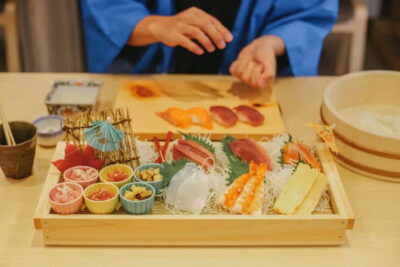
★ 5.0 · 1,763 reviews - Tokyo: Sushi Making Class in a Happi Coat near a Famous Spot
★ 4.9 · 1,377 reviews
Meeting near Iriya at 5:30 pm
The class begins at 5:30 pm at the FamilyMart Iriya store in Shitaya, Taito City, at 2-chōme 1-10. The meeting point is near public transportation, but I would still allow extra time to find the exact store. Tokyo streets and station exits can take longer to sort out than expected, especially after dark.
Being on time matters here. The group leaves together, and you cannot join later if you miss it. You also lose the option of a refund or rescheduling when lateness causes you to miss the group, so do not plan a last-minute arrival.
The meeting point also gives the evening a practical start. Rather than appearing at a kitchen with every decision already made, you move into the food-shopping part of the activity. That small step helps you understand what Japanese ingredients look like in ordinary shops and how a home cook might choose them.
The activity ends back at the meeting point after roughly three hours. That makes the timing easy to fit into an evening, though you should avoid scheduling a fixed event immediately afterward. Cooking, eating, and group conversation can vary in length.
Choosing ingredients before the cooking begins
The shopping portion is one of the more useful details of this class. You get to help choose ingredients instead of treating food preparation as a staged demonstration. The supermarket visit can show you the everyday side of Japanese cooking, including the kinds of items used for small plates and home meals.
This is not a separate food tour, and you should not expect a long market visit. Its purpose is to support the cooking session. Still, it adds context that many cooking classes miss. You see ingredients in their normal shopping setting, then use them soon afterward.
That sequence also helps if you plan to recreate the dishes. A recipe makes more sense when you have handled the ingredients and seen how they are sold. The class is aimed at recipes that can be made with items found at home, rather than techniques that depend on rare equipment.
The shopping part may be less exciting if you already cook Japanese food regularly or have limited interest in ingredients. For most visitors, though, it is a useful bridge between sightseeing and dinner. You are not just being handed a finished menu. You are involved in the choices that shape it.
Preparing five izakaya dishes
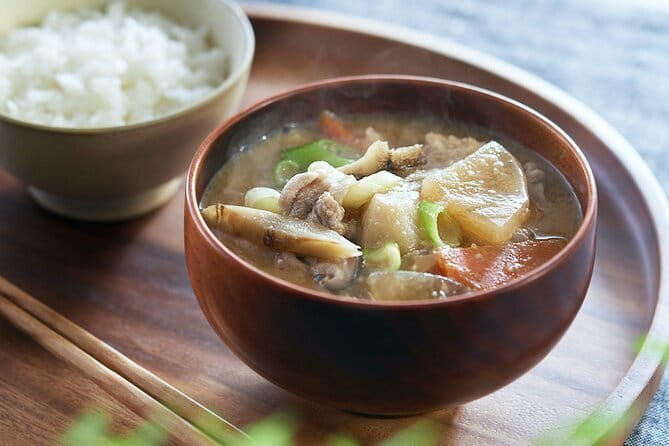
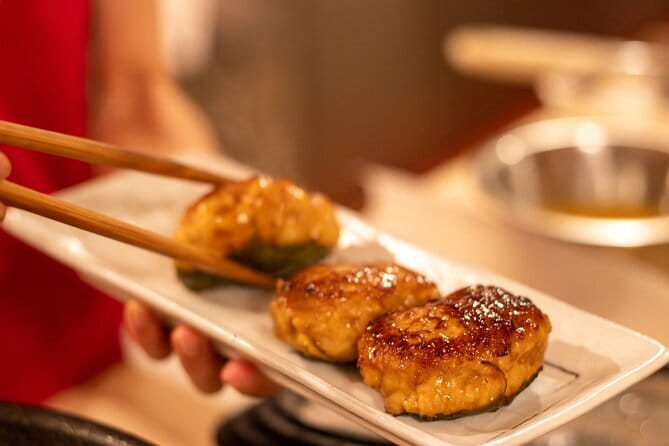
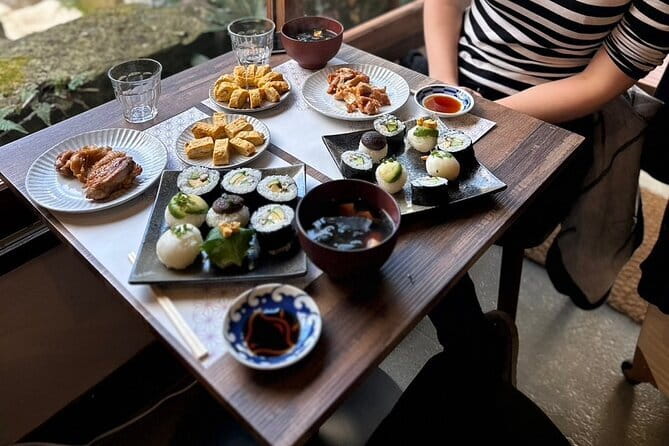
The exact menu may vary, but the class presents a mix of well-known Japanese home and izakaya dishes. The examples include sushi rolls, chicken balls with shiso leaves, eggplant with miso sauce, teriyaki chicken, and Japanese omelette.
That range is important. Sushi rolls give you a hands-on assembly task, while teriyaki chicken and chicken balls introduce cooked dishes with savory sauces and familiar methods. Eggplant with miso brings a softer vegetable dish to the table, and Japanese omelette adds a classic egg preparation.
You are not just memorizing names. You are learning how small dishes work together. A Japanese drinking meal often has several modest plates rather than one huge serving, so the class teaches a useful way to plan a social meal at home.
The recipes are also described as easy to reproduce. That does not mean every technique will be effortless on your first try. Japanese omelette, for example, can require practice, and working with several dishes in one session can feel busy. The benefit is that you leave with practical ideas rather than a single complicated project.
The class is suitable for beginners and more experienced home cooks. Beginners get clear, guided steps, while confident cooks can pay attention to seasoning, presentation, and the way the dishes are timed. The guides Alice and Fuji have been singled out for explaining each step clearly and offering useful tips that can carry over to your own kitchen.
Because this is a group class, you should expect to share work and space. With a maximum of seven people, the group is small enough to feel personal without promising private instruction. If you want every minute focused on your own technique, a private class would be a better match, but that option is not part of this activity.
A completely different kind of day in Tokyo:
- Mt Fuji and Hakone 1-Day Bus Tour Return by Bullet Train
★ 5.0 · 26,383 reviews - 1-Day Tokyo Bus Tour
★ 5.0 · 14,250 reviews - Tokyo: teamLab Planets TOKYO Digital Art Museum Entry Ticket
★ 4.6 · 9,779 reviews - Mt Fuji & Hakone Cruise, Drum Show Bullet Train 1 Day from Tokyo
★ 4.0 · 7,413 reviews
Cooking, sipping, and eating together
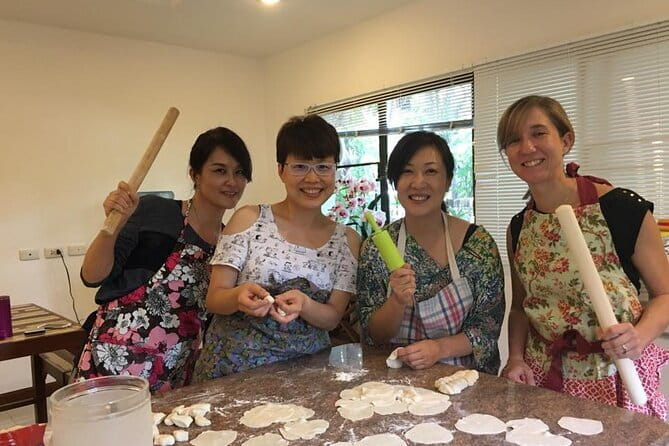
Three cans of alcoholic or soft drinks are included. Alcohol may include options such as sake or beer, and the activity describes sampling several kinds of Japanese drinks while cooking and eating. People aged 20 and over may have alcohol under Japanese law. Younger participants receive soft drinks instead.
The drinks are not a minor extra. They help explain why the menu is built around small plates. Izakaya food is meant to be eaten alongside conversation and a drink, not rushed through as a formal dinner. You get a taste of that social pattern while preparing the meal yourself.
Additional food and drinks cost extra. The included amount is enough to make the evening feel complete, but you should not assume unlimited servings or an open bar. If you want more after the three included drinks, budget separately.
The atmosphere may suit you if you enjoy meeting people while eating. It may not suit you if you prefer a quiet, private meal. The activity can include other participants, and the group format is part of the point.
Families can attend, with a children’s playroom available. Participants must be at least six years old, but anyone under 12 cannot take part in steps involving knives or heat. A parent or guardian must supervise those activities. This creates a workable family outing, though children will not all take part in every cooking task.
What the $79.28 price includes
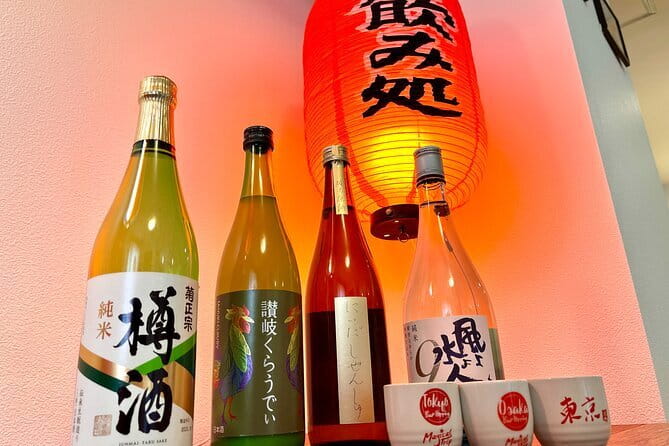
At $79.28 per person, the price covers about three hours of instruction, ingredients, dinner, the shopping portion, tour photos, a certified MagicalTrip guide, and three alcoholic or soft drinks.
I see the value in the combination. You are paying for an activity, a meal, ingredients, guidance, and drinks, not just a seat at a restaurant. Dinner alone in Tokyo can cost much less or much more, depending on where you eat, but it will not teach you how to prepare five dishes or give you the same hands-on role.
The included meal also removes the worry that a cooking class might leave you hungry. You eat the food you prepare, so the class functions as both an evening lesson and dinner. That matters when you are planning a full day of sightseeing and do not want to add another restaurant reservation afterward.
The price is less attractive if you mainly want to eat Japanese food without cooking. In that case, a good izakaya may offer more choice and less effort. You are paying for participation here, and the value rises when you care about recipes, social time, and learning what to do with the ingredients at home.
The maximum group size of seven helps protect that value. It is not a one-on-one lesson, but it is also not a large workshop where you only watch from the back. Small-group limits are especially useful when several dishes must be prepared within one evening.
Dietary limits and practical comfort
Vegetarians are welcome, and the ingredients and cooking process can be arranged for them. You should state this when booking and confirm the plan before the class begins.
The activity is not available for vegan or gluten-free diets. Allergy-free preparation cannot be guaranteed because the food is prepared in kitchens that do not belong to MagicalTrip. Substitutions may not always be possible, even though the team will try to make adjustments elsewhere in the meal.
The number of dishes can also change based on what you cannot eat. If you cannot eat meat and eggs, the menu drops from five dishes to three. If you can eat meat but not eggs, it drops to four. This is a key point when judging the price. If your diet removes several central ingredients, you may receive a much smaller cooking experience.
The class is not recommended for people with mobility issues. You will walk as part of the activity, and a private tour is suggested for people who have trouble walking. In summer, Tokyo is hot and humid, so bring water and wear a hat to reduce the risk of heat illness, particularly during the shopping portion.
Who will enjoy this evening most
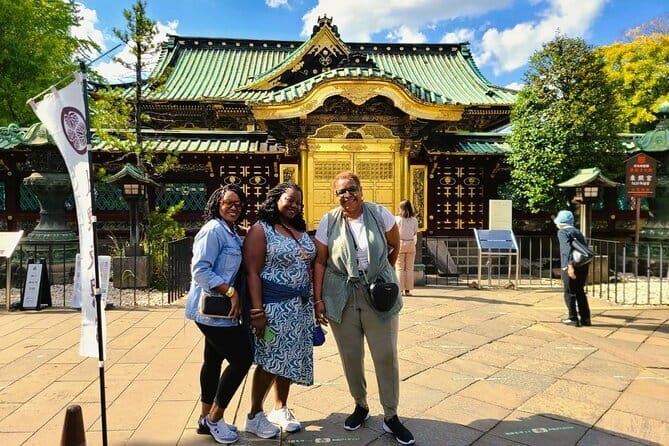
I would choose this class for a couple who wants more than a restaurant meal, friends who like cooking together, or a solo visitor who wants a social evening with a clear activity. It also works for families with children aged six and over, provided adults understand the knife and heat restrictions.
It is especially useful for people who want recipes they can make after returning home. Teriyaki chicken, sushi rolls, eggplant with miso, chicken balls with shiso, and Japanese omelette give you a small home menu rather than one isolated recipe.
Beginners should feel comfortable because the class is designed for all skill levels. You do not need to arrive with Japanese cooking experience. The main requirement is a willingness to follow instructions, share the kitchen, and eat the food you prepare.
I would look elsewhere if you need vegan, gluten-free, or allergy-controlled food. I would also skip it if you dislike alcohol-centered social settings, although soft drinks are available, or if your schedule cannot tolerate a strict 5:30 pm start.
Should you book the Tokyo night cooking class?
Book it if you want an active dinner, practical Japanese recipes, and a small social setting. The supermarket stop, five-dish menu, three included drinks, and meal at the end make the $79.28 cost reasonable for a three-hour evening, especially when you value learning as much as eating.
Think twice if you want a private lesson, a quiet restaurant-style meal, or careful accommodation for serious dietary needs. For everyone else, this is a friendly way to turn an ordinary Tokyo evening into something you can repeat at home. Just arrive early at the Iriya meeting point, check the food restrictions carefully, and let the cooking do the sightseeing for one night.
FAQ
Where does the Tokyo cooking class begin?
It begins at the FamilyMart Iriya store at Japan, 110-0004 Tokyo, Taito City, Shitaya, 2-chōme 1-10.
What time does the class start?
The start time is 5:30 pm. You should arrive early because late participants who miss the group cannot join, reschedule, or receive a refund.
How long does the activity last?
The cooking class lasts approximately three hours and ends back at the meeting point.
How many people can join the class?
The maximum group size is seven participants. Other participants may join the same class.
What food will I prepare?
The class teaches five izakaya-style dishes. Examples include sushi rolls, chicken balls with shiso leaves, eggplant with miso sauce, teriyaki chicken, and Japanese omelette. The menu may vary.
Are drinks included?
Yes. Three cans of alcoholic or soft drinks are included. Alcoholic drinks are available only to people aged 20 and over.
Can vegetarians join?
Yes. Vegetarian participants are welcome, and the ingredients and cooking process can be arranged. The activity is not available for vegan or gluten-free diets.
What is the cancellation policy?
You can cancel for a full refund up to 24 hours before the local start time. Cancellations or changes made less than 24 hours before the activity are not refunded or accepted.
More Tokyo night tours
- Tokyo Night Foodie Tour in Shinjuku – Seasonal Sushi, Wagyu Beef
★ 5.0 · 1,161 reviews - Tokyo: Daikoku JDM Car Meet & Night Car Culture Tour
★ 4.8 · 626 reviews - Tokyo After 5: Authentic Japanese Food & Drink Night Tour
★ 4.5 · 560 reviews - Tokyo: Samurai Entertainment Night Show in Kanda Shrine
★ 4.6 · 417 reviews
More hands-on classes and workshops in Tokyo
- Sushi Making Tokyo Roll and Authentic Japanese Sushi Class
★ 5.0 · 3,971 reviews - Chopstick Making Workshop in Ginza
★ 4.8 · 1,366 reviews - Tokyo Sushi Making Class in Tsukiji with Professional Chef
★ 5.0 · 1,177 reviews - Ramen & Gyoza Cooking Class in Tokyo with Local Supermarket Visit
★ 5.0 · 823 reviews
Newly reviewed around Tokyo
- Tokyo Asakusa:Calligraphy & Make T-shirt Activity★ 5.0 · 62 reviews
- Intercity Shuttle, Tokyo to Haneda /Narita /Yokohama /Makuhari★ 5.0 · 5 reviews
- 1 Hour Travel around Tokyo with a Professional Photographer★ 5.0 · 3 reviews
- Travel Tokyo with Your Own Personal Photographer★ 5.0 · 43 reviews
- Kickboxing & Body Training with EX-Pro Fighter★ 5.0 · 4 reviews
- Train in Samurai Swordsmanship and Defeat the Demon in Tokyo★ 5.0 · 5 reviews
- Shuttle Van 6hr Tokyo Tour to-and-from Tokyo, Yokohama and Narita★ 5.0 · 9 reviews
- Traditional Japanese Knife Sharpening Class★ 5.0 · 18 reviews
Tokyo Cooking Classes, compared.
Roll and Authentic Sushi Making Class in Asakusa
Read our review →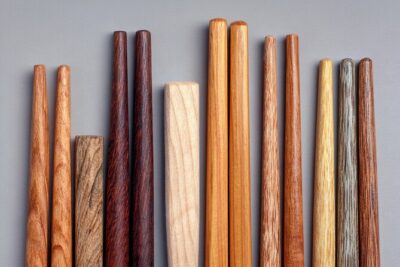
Sushi Making Class in a Happi Coat near a Famous Spot
Read our review →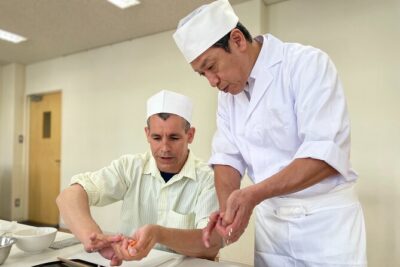
Tokyo Sushi Making Class in Tsukiji with Professional Chef
Read our review →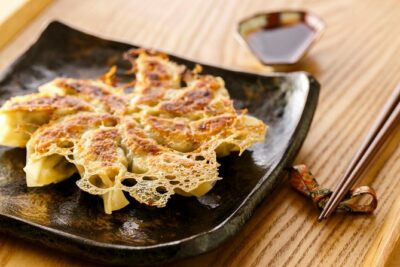
Ramen & Gyoza Cooking Class in Tokyo with Local Supermarket Visit
Read our review →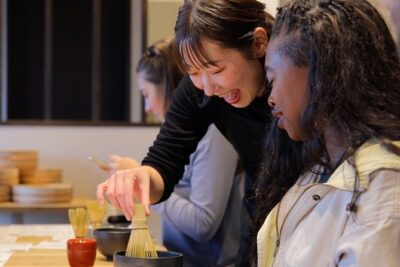
Matcha Making Class in Tokyo with Authentic Japanese Sweets Set
Read our review →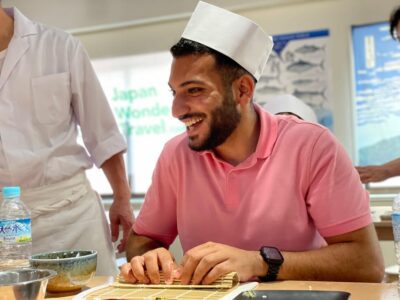
Tsukiji Fish Market Sushi Making Class with Pro Chef
Read our review →
Browse the lists this tour appears in