
Reviewed · TSUKIJI AND TOYOSU FISH MARKET TOURS
Tokyo:Enjoy street food & Japanese food culture at Tsukiji Market
Tsukiji is much more than a fish market. On this three-hour walking and tasting tour, you’ll sample seafood, dried fish, seasoned seaweed, roast beef sushi, and bean snacks while your guide explains how food, religion, and daily life meet in this famous Tokyo district. The small group size is a real plus, and guides such as Yoshi, Yuki, Haruka, and Hiro have been praised for making the market easier to understand.
I especially like the visit to Tsukiji Hongwanji Temple, which gives the morning a cultural start, and the chance to buy your own lunch at Tsukiji Uogashi rather than accept a fixed meal. The main consideration is cost: at $100.34 per person, lunch and personal purchases are extra, so this is best for people who want interpretation and guided tasting, not simply a cheap meal.
Key points to know before you book
- A small group of six or fewer: You get more room to ask questions and follow your guide through narrow market lanes.
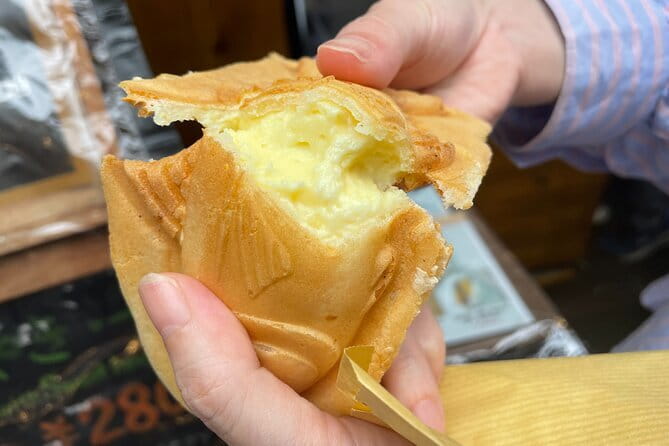
- More than seafood: Tastings can include seasoned seaweed, dried fish, roast beef sushi, oysters, sashimi, bean snacks, and other market foods.
- Two important religious sites: Hongwanji Temple opens the tour, while Namiyoke Shrine connects the market to prayers for safety at sea.
- Lunch is your choice: Your guide points out boxed lunches and other options at Tsukiji Uogashi, but you pay for lunch yourself.
- A food and culture lesson: The tour covers dashi, Japanese eating habits, market customs, and the religious life of Tsukiji.
- A walking tour with limits: You need moderate physical fitness, and the experience is not wheelchair accessible.
Why Tsukiji still matters after the wholesale market moved
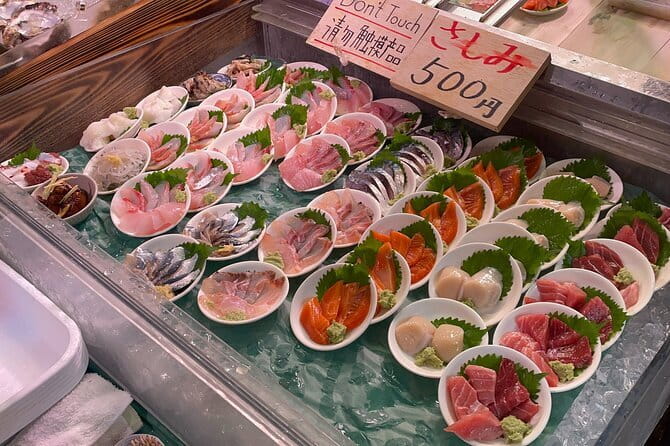
The inner wholesale market that made Tsukiji famous has closed and moved elsewhere, but the Tsukiji Outside Market remains a major food district. Shops still sell seafood, dried goods, prepared foods, seasonings, snacks, and other Japanese ingredients.
That change matters. If you arrive expecting the old wholesale auction area, you may be disappointed. This experience focuses on the outside market, where you can browse food shops, buy small portions, and see how a famous market serves both professionals and ordinary shoppers.
I like this focus because it puts the attention on food you can actually taste. Your guide does not simply point at storefronts. You buy several snacks together, learn what they are, and try them as part of a wider discussion about Japanese food culture.
The tour is also useful if Tsukiji feels confusing at first. The lanes contain many stores and food counters, and it is not always obvious what is worth trying or how a particular ingredient is used. A guide can help you make sense of dashi, dried fish, seaweed, seafood, and other staples that may be unfamiliar.
More Tsukiji and Toyosu fish market tours:
- Tokyo Tsukiji Fish Market Food and Culture Walking Tour
★ 5.0 · 3,184 reviews - Tokyo: Tsukiji Fish Market Food and Walking tour
★ 5.0 · 1,724 reviews - Tokyo: Tsukiji Fish Market Guided Walking Tour
★ 4.9 · 1,397 reviews
Starting at Tsukiji Hongwanji Temple
The meeting point is at the main gate of Tsukiji Hongwanji Temple, at 3-chome-15-1 Tsukiji. The tour begins with about 20 minutes inside or around the temple grounds, and admission is included.
This is a smart first stop. The building uses architectural ideas from several parts of Asia, including India, so it looks different from the classic wooden Buddhist temples you may have seen elsewhere in Japan. Its design gives the morning a strong visual opening and helps explain that Tokyo religious sites are not all built in the same style.
Your guide can also connect the temple to the neighborhood around it. That context makes the market feel less like a row of food stalls and more like a working district shaped by worship, trade, and local routines.
Twenty minutes is enough for an introduction, a look at the architecture, and a few questions. It is not a long temple visit, so you should not book this experience if your main goal is extended religious sightseeing. The temple is here to frame the market, not replace it.
One hour of tasting in the Tsukiji Outside Market
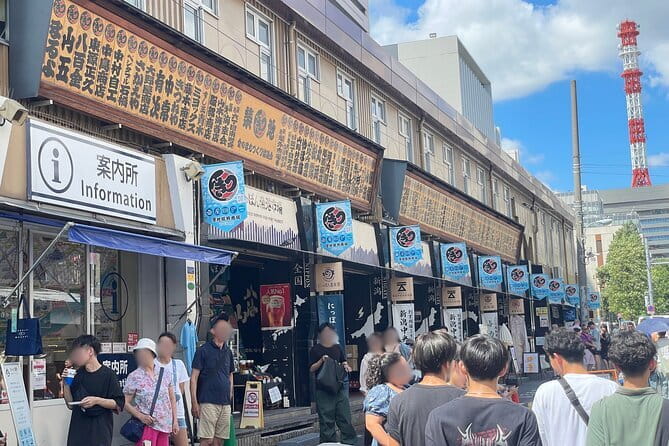
The central part of the tour lasts about an hour in the outside market. Your guide leads you to recommended shops and helps purchase snacks for the group to taste.
The listed possibilities cover a wide range of flavors and textures:
- Seasoned seaweed
- Dried fish
- Roast beef sushi
- Oysters
- Sashimi
- Bean snacks
The exact selection can vary, so you should treat this as a guided introduction rather than a guaranteed menu. Seafood and meat are part of the tasting, and you need to tell your guide about allergies before the tour begins.
The variety is one of the experience’s strongest features. You are not locked into only raw fish, and the food can show how Japanese cooking uses preservation, seasoning, texture, and small portions. Dried fish and seaweed are especially useful for understanding dashi, the stock that supports many Japanese dishes.
One past participant came away especially interested in the different types and uses of dashi. That is the sort of detail that can make this tour worthwhile. You may already know what sushi looks like, but learning why certain dried ingredients matter gives you a better grasp of Japanese cooking at home and in restaurants.
You also have the chance to buy additional food for yourself. Those purchases are not included, and the cost depends on what you choose. I would keep some budget available if you like trying unusual seafood or market snacks.
There is a practical point here: this is a tasting tour, not a full breakfast. Portions and selections are intended to introduce foods along the way. You should plan to buy lunch later, especially since the tour includes a dedicated lunch stop.
Buying lunch at Tsukiji Uogashi
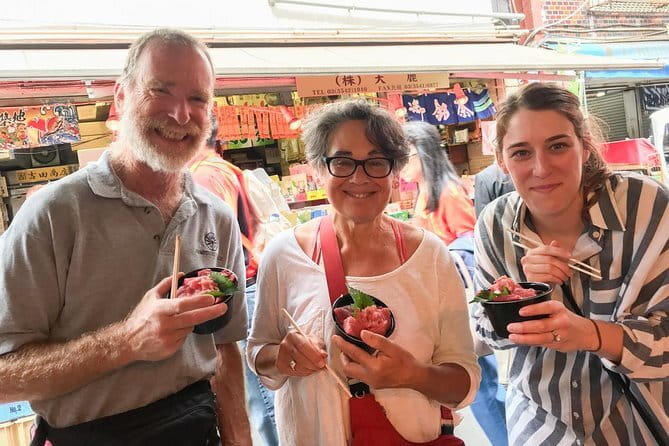
The next stop is Tsukiji Uogashi’s Kaikobashi Building, where the guide shows you boxed lunches and other items available for purchase. You choose and pay for your own lunch, then eat it with the snacks bought earlier.
This arrangement gives you more control than a fixed restaurant meal. You might choose something familiar, or use the guide’s advice to try a dish you would not have selected alone. The food you buy here becomes a chance to compare a complete lunch with the smaller tastes from the market.
About 1 hour and 10 minutes is set aside for this section. That is a generous portion of the tour, so the experience is not rushed from one food counter to the next. It also gives your group time to talk about what you have eaten.
The drawback is simple: the advertised price does not cover lunch. Your final cost depends on your choice, and additional shopping is also separate. At $100.34, you are paying for the guide, the small group, the planned tastings, and the cultural explanation. You are not paying for an all-inclusive meal.
I see the value most clearly if you are curious about ingredients and customs. If you only want lunch near Tsukiji, you can spend much less by choosing a shop yourself. If you want help finding food, understanding what you are eating, and making sense of the area, the price becomes easier to justify.
More Tokyo food tours:
- Tokyo: Shinjuku Food Tour (13 Dishes at 4 Local Eateries)
★ 5.0 · 6,603 reviews - Tokyo: Shinjuku Food Tour (15 Dishes and 4 Eateries)
★ 4.9 · 2,033 reviews - Best of Shinjuku: Izakaya Food Tour (4 Stops, 14+ Tastings)
★ 5.0 · 1,863 reviews - Tokyo Night Foodie Tour in Shinjuku – Seasonal Sushi, Wagyu Beef
★ 5.0 · 1,161 reviews
Ending at Namiyoke Shrine
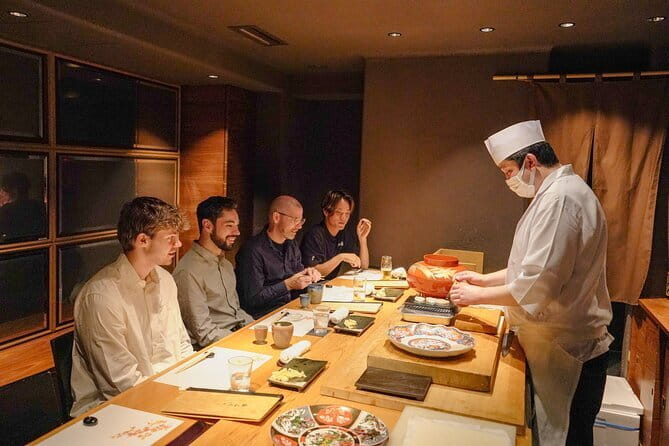
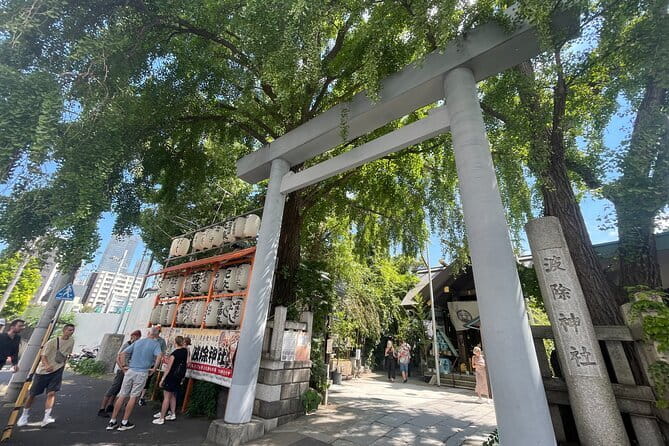
The tour ends with about 30 minutes at Namiyoke Shrine, at 6-chome-20-37 Tsukiji. The shrine has been honored by people connected with the market since Tsukiji was established in this location.
Its connection to the sea is central. Market workers have prayed there for safety, and the shrine reflects the close relationship between food commerce and the ocean. After tasting seafood and seeing the market’s shops, this stop gives the day a fitting close.
I like the way the tour links the shrine with the food rather than treating it as an unrelated sightseeing stop. Japanese food culture is not only about recipes and ingredients. It also includes work, seasonal supply, community, and religious practice.
The route ends here rather than returning to the temple. You should plan your next activity from the shrine area, not from the starting point. The meeting and ending locations are both near public transportation, which makes it easier to continue sightseeing after lunch.
What the guides add to the experience
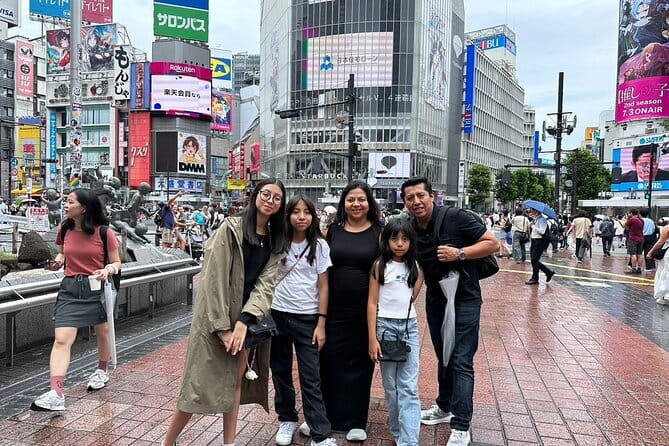
The guide is the main reason to book this rather than explore Tsukiji alone. English-speaking guides explain not only what is directly in front of you, but also how Japanese food fits into everyday life, culture, and religion.
The small maximum of six people helps. In a crowded food district, a large group can be awkward, especially when you need to stop at a counter or hear an explanation. A small party should make it easier to ask about ingredients, allergies, etiquette, and preparation.
Several guides have received specific praise for their approach. Yoshi and Yuki are associated with clear explanations of food and culture. Haruka has been noted for helpful restaurant recommendations when the market’s many choices became confusing. Hiro made a strong impression while explaining dashi and Japanese culture.
Guide quality can vary from person to person, but the format gives the guide plenty of room to shape the experience around your questions. Ask about foods you do not recognize. Ask how an ingredient is used at home. Ask why a shrine matters to market workers. Those questions are likely to give you more than simply following the route quietly.
Timing, walking, and practical limits
The experience lasts about three hours. The scheduled stops total 20 minutes at Hongwanji Temple, one hour in the outside market, 1 hour and 10 minutes for lunch at Tsukiji Uogashi, and 30 minutes at Namiyoke Shrine.
You should be prepared to walk and stand in a working market area. The required fitness level is moderate, and the tour is not wheelchair accessible. If you have mobility concerns, check carefully before booking because the route involves market movement and access conditions that may not suit every visitor.
The tour is usually booked about seven days in advance. That does not guarantee availability, but it suggests you should reserve ahead if your Tokyo schedule is fixed. Confirmation arrives when you book, and the mobile ticket makes it easy to keep the booking on your phone.
The meeting point is Tsukiji Hongwanji Temple’s main gate. The end point is Namiyoke Shrine. Both addresses are in Tsukiji, but they are not the same location, so check the route before setting out.
Food safety and allergies deserve attention. The included tastings can contain both seafood and meat. Tell the guide about any allergies in advance, and do not assume that every tasting can be replaced.
Who will get the most from this Tsukiji tour
I would choose this experience if you want a guided food introduction rather than a simple market walk. It fits first-time visitors who are unsure what to buy, people interested in Japanese cooking, and anyone who wants a manageable introduction to Tsukiji’s food shops.
It also suits you if you like cultural context with your meal. The temple and shrine stops are short, but they make the food story broader. You learn about ingredients, the market’s working life, and the religious places tied to the district.
It may not suit you if you already know Tsukiji well, want a long independent shopping session, or are looking for a low-cost meal. You will still pay for lunch and personal purchases, and the three-hour schedule leaves less time for wandering on your own.
Seafood lovers have plenty to look forward to, including possible oysters, sashimi, and other seafood tastings. Meat eaters are not ignored, since roast beef sushi may be included. Still, you should only book if seafood and meat are acceptable for you or your dietary needs can be handled by the guide.
Is $100.34 a fair price?
The price is not cheap for three hours, especially once lunch and extra purchases are added. But the calculation changes if you value a small group, an English-speaking guide, several included tastings, and explanations that connect food with Japanese life.
You are paying for structure and access to local food choices, not just admission to the market. The guide helps you avoid wandering without a plan and can explain items that would otherwise remain mysterious.
I would call it fair for a visitor who wants a focused introduction and has room in the food budget. I would not call it the best choice for someone who prefers to browse independently or wants the lowest possible cost.
Free cancellation is available if you cancel at least 24 hours before the start time. Cancellations or changes made less than 24 hours ahead are not refunded or accepted, so keep that deadline in mind when arranging your Tokyo days.
Should you book this Tsukiji experience?
Book it if you want to taste several Japanese market foods, learn about dashi and food customs, and see Tsukiji through both its markets and religious sites. The group size of six or fewer and the freedom to choose your own lunch are meaningful advantages.
Skip it if your priority is a bargain meal, a long visit to the old wholesale market, or a fully accessible route. For everyone else, this is a practical way to turn Tsukiji from a confusing collection of shops into a place with clear connections between food, work, worship, and daily life.
FAQ
Where does the tour begin?
It begins at the main gate of Tsukiji Hongwanji Temple, at 3-chome-15-1 Tsukiji, Chuo City, Tokyo 104-0045.
Where does the tour end?
It ends at Namiyoke Shrine, at 6-chome-20-37 Tsukiji, Chuo City, Tokyo 104-0045.
How long does the experience last?
The tour lasts approximately three hours.
How many people can join the tour?
The maximum group size is six people.
Is lunch included?
No. You purchase your preferred lunch at Tsukiji Uogashi, and the lunch cost is separate.
Are the market snacks included?
Yes. The tour includes snacks such as seasoned seaweed, dried fish, roast beef sushi, oysters or sashimi, and bean snacks.
Are personal shopping purchases included?
No. Any additional items you buy at the market are paid for separately.
Does the tour include seafood and meat?
Yes. The tasting may include seafood and meat. You should tell the guide about allergies.
Is the tour wheelchair accessible?
No. The experience is not wheelchair accessible.
Can I cancel for a full refund?
Yes, if you cancel at least 24 hours before the experience start time. Cancellations made less than 24 hours ahead are not refunded.
More Tokyo markets and shopping streets
- Tsukiji Fish Market Guided Tour and Sushi Making with Pro Chef
★ 5.0 · 775 reviews - Tokyo: Tsukiji Fish Market Food and Culture Walking Tour
★ 4.7 · 757 reviews - Tsukiji Fish Market: Street Food & Culture Walking Tour
★ 5.0 · 669 reviews - Tsukiji Fish Market Small-Group Food Walking Tour
★ 5.0 · 621 reviews
Newly reviewed around Tokyo
- Tokyo Asakusa:Calligraphy & Make T-shirt Activity★ 5.0 · 62 reviews
- Intercity Shuttle, Tokyo to Haneda /Narita /Yokohama /Makuhari★ 5.0 · 5 reviews
- 1 Hour Travel around Tokyo with a Professional Photographer★ 5.0 · 3 reviews
- Travel Tokyo with Your Own Personal Photographer★ 5.0 · 43 reviews
- Kickboxing & Body Training with EX-Pro Fighter★ 5.0 · 4 reviews
- Train in Samurai Swordsmanship and Defeat the Demon in Tokyo★ 5.0 · 5 reviews
- Shuttle Van 6hr Tokyo Tour to-and-from Tokyo, Yokohama and Narita★ 5.0 · 9 reviews
- Traditional Japanese Knife Sharpening Class★ 5.0 · 18 reviews
Tsukiji and Toyosu Fish Market Tours, compared.
Tokyo Tsukiji Fish Market Food and Culture Walking Tour
Read our review →
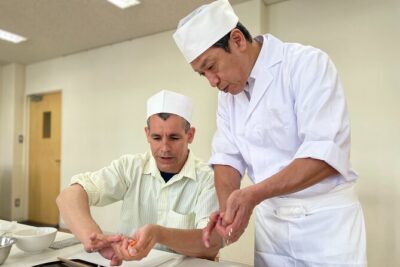
Tokyo Sushi Making Class in Tsukiji with Professional Chef
Read our review →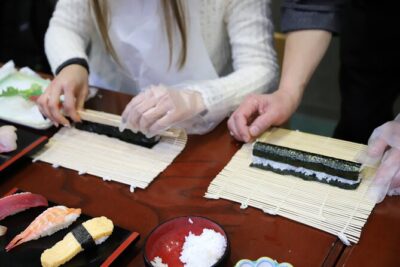
Tsukiji Fish Market Guided Tour and Sushi Making with Pro Chef
Read our review →Tsukiji Fish Market Food and Culture Walking Tour
Read our review →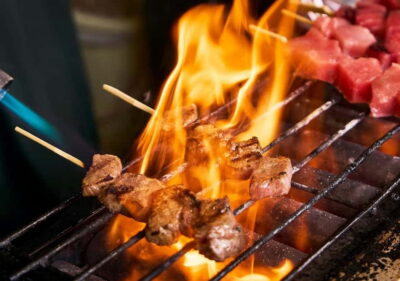
Tsukiji Fish Market: Street Food & Culture Walking Tour
Read our review →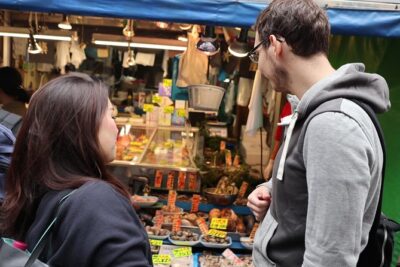
Tsukiji Fish Market Small-Group Food Walking Tour
Read our review →Browse the lists this tour appears in