
Reviewed · TOKYO TEA CEREMONY EXPERIENCES
Kamkura: Private Zazen, Matcha at Bamboo Temple & Mindful Cuisine
Kamakura is at its best when you slow down, and this experience gives you a clear reason to do exactly that. You visit Hokokuji’s bamboo grove, sit for zazen with a Buddhist priest at Hokaiji, and share a plant-based lunch shaped by Zen tradition.
I like the thoughtful mix of quiet practice and sightseeing. The matcha in the bamboo garden gives you time to pause, while the shojin ryori lunch turns a meal into part of the cultural lesson. The main consideration is that the meditation may feel brief, and winter temple rooms can be cold.
Key Points
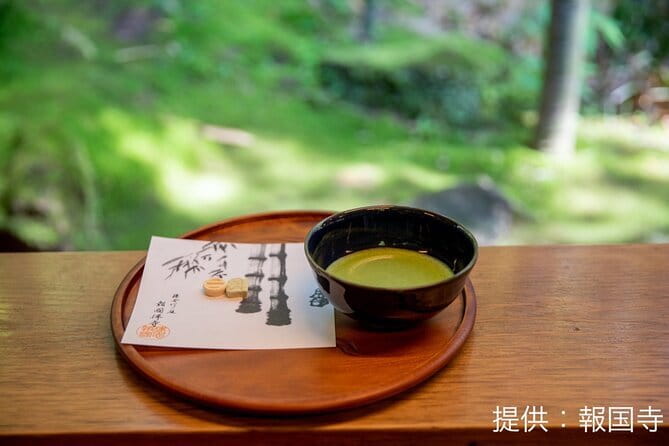
- Bamboo-grove matcha: Sip a bowl of matcha at Hokokuji, with the service offered on a first-come basis.
- Zazen with a priest: Practice seated meditation at Hokaiji with English interpretation from your guide.
- Shojin ryori lunch: Eat a healthy Buddhist meal built around seasonal vegetables, tofu, and other plant-based foods.
- Small group size: The experience is limited to a maximum of 10 people.
- Full Kamakura day: Allow about 8 hours and 45 minutes, starting at 8:30 a.m.
- Return costs extra: The train from Kamakura to Shinjuku is not included, and the scheduled arrival is 5:15 p.m.
Why This Kamakura Day Feels Different
Kamakura has famous temples, but this outing is not mainly about racing from one landmark to the next. It gives you a simple rhythm: look, sit, eat, walk, and look again.
That rhythm matters. A visit to a bamboo grove can easily become a quick photo stop. Here, the matcha service gives you a reason to remain in the temple grounds. The zazen session adds a direct encounter with Zen practice, rather than only an explanation from behind a guidebook page.
You also get a local guide to connect the stops. One guide associated with the experience is Yoriko, and the route is designed to include lesser-known corners of Kamakura as well as its better-known temples. The day is structured, but it does not feel like a standard sightseeing checklist.
Still, keep your expectations sensible. This is a one-day introduction, not a silent retreat. The meditation portion lasts about an hour, including instruction and interpretation, and one account describes the actual sitting as fairly brief. That can be a benefit if you are new to meditation, but serious Zen students may want more time.
More Tokyo tea ceremonies:
- Matcha Making Class in Tokyo with Authentic Japanese Sweets Set
★ 5.0 · 744 reviews - Tokyo: Traditional Tea Ceremony with a Tea Master
★ 5.0 · 528 reviews - Dynamic Tokyo: Tokyo Tower, Tea Experience, Bay Cruise Day Tour
★ 4.5 · 521 reviews
Hokokuji and the Bamboo Grove
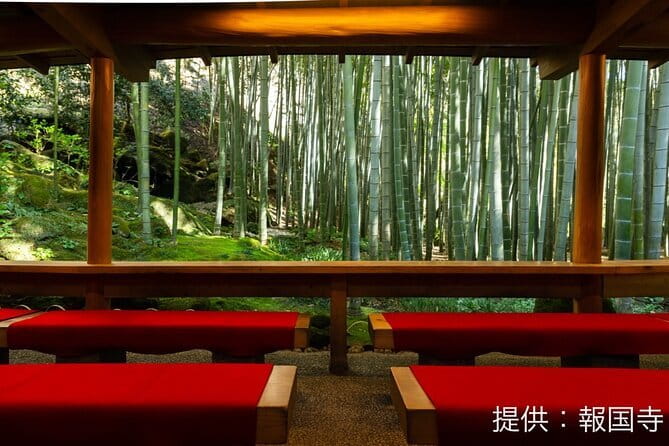
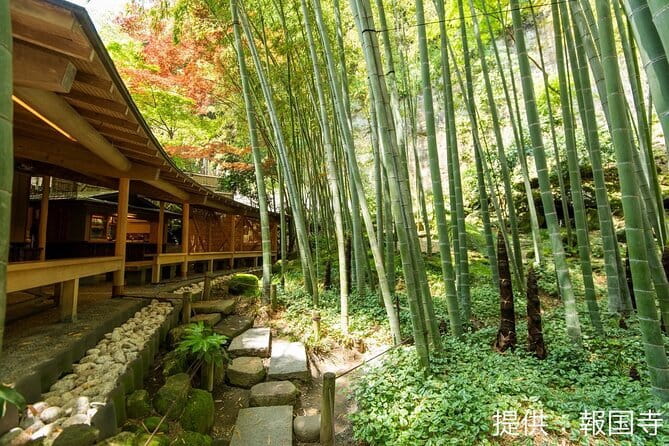
The morning begins at Hokokuji, one of Kamakura’s most atmospheric temple stops. Its bamboo grove is the visual centerpiece of the day. Tall bamboo creates a narrow green corridor, with a very different feel from Tokyo’s busy streets.
You have about 50 minutes here, with admission included. That is enough time to walk through the grove, take in the temple grounds, and have matcha if the service is operating. The tea is served on a non-reserved basis, so timing and crowd levels matter. If the tea area becomes too busy, service may be suspended.
That rule is worth knowing before you arrive. The matcha is a key part of the experience, but it is not guaranteed in every circumstance. Go early in the day, stay flexible, and treat the bamboo walk as valuable on its own.
The tea setting is one of the strongest parts of the outing. You are not simply handed a drink between attractions. You sit with the bamboo nearby, and the quiet setting gives the tea ceremony a little space to make sense. Traditional Japanese sweets may also accompany the matcha, depending on the service.
Rain can make the grove especially atmospheric, with the bamboo taking on deeper shades of green. On the other hand, wet paths may require careful footing, and the service can be affected by crowding. The experience is best approached as a calm temple visit rather than a guaranteed private tea ceremony.
Zazen at Hokaiji Temple
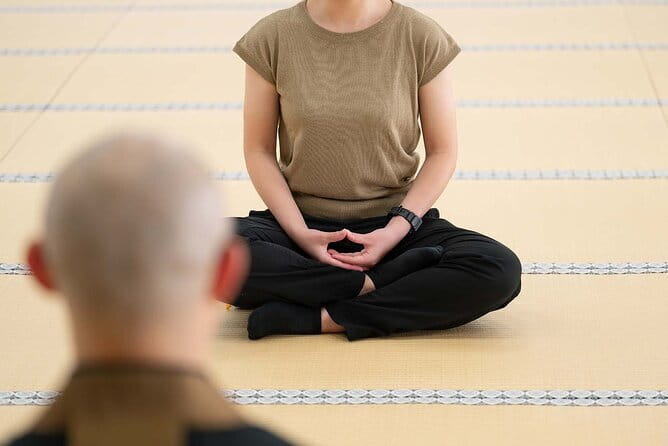
From Hokokuji, the focus shifts from looking to sitting. At Hokaiji Temple, a Buddhist priest introduces zazen, the seated meditation practice central to Zen Buddhism. Your guide interprets the priest’s explanations into English.
Expect instruction on posture, breathing, and attention. You sit in a cross-legged position and work with the simple challenge of staying aware of your breath. That may sound easy. It is not, especially when you are unused to sitting still.
The setting helps. Hokaiji offers a more direct contact with Buddhist practice than a quick temple visit. You are not just hearing about Zen ideas. You are asked to try one of its basic disciplines for yourself.
The listed time here is one hour. That includes the priest’s explanation, interpretation, preparation, and meditation. If you want a long period of silent sitting, you may find the actual meditation shorter than expected. For a first experience, though, the format is approachable and not overly demanding.
Wear loose-fitting clothes. Short skirts are not recommended, both for comfort and for sitting posture. Winter visitors should dress warmly. Temple interiors can feel chilly, and the cool conditions may distract you from the exercise.
I would also avoid treating zazen as a test you must pass. Your mind will wander. Your legs may become uncomfortable. The point is to notice those things and return your attention to the breath. A good guide and a clear explanation make that first attempt much easier.
Shojin Ryori at Minemoto
Lunch at Minemoto introduces shojin ryori, the vegetarian cuisine associated with Buddhist practice. The meal is included, and the dining period lasts about 90 minutes.
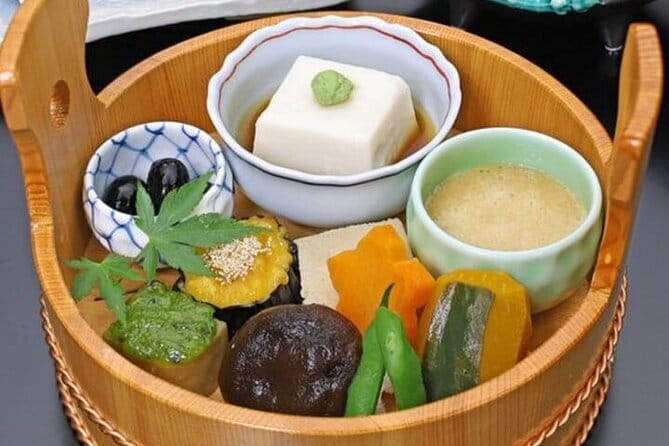
Shojin ryori is not simply ordinary food with meat removed. It places attention on seasonal vegetables, tofu, preparation, balance, and presentation. The meal may include several small portions rather than one large plate, allowing you to notice different textures and flavors.
That makes lunch an important cultural part of the day. Food gives you another way to understand Zen values: restraint, care, seasonality, and respect for ingredients. It also gives your mind a break after meditation.
The meal is suitable for vegetarian and vegan diners, according to the tour details. If you follow one of those diets, this is a convenient way to enjoy a traditional Japanese meal without having to explain your needs at every stop. Still, I would tell the operator about your requirements when booking, rather than waiting until lunch.
Expect a measured meal rather than fast, heavy comfort food. Some diners will love the clean flavors and careful presentation. Others may want more food or stronger seasoning. The experience is about trying a traditional style of dining, not ordering from a large menu.
One especially memorable detail is the presentation in traditional lacquerware. That kind of table setting helps lunch feel connected to the temples and meditation instead of being an unrelated restaurant stop.
More private tours in Tokyo:
- Tokyo 6hr Private Tour with Government-Licensed Guide
★ 5.0 · 3,902 reviews - Private Tour to Mt. Fuji and Hakone (Fully Licenced Operator)
★ 5.0 · 1,910 reviews - Tokyo Customized Private Tour (Must See Places in 1 Day)
★ 5.0 · 1,499 reviews - Mount Fuji Full-Day Private Tour from Tokyo (Customizable)
★ 4.9 · 1,470 reviews
A Local Walk Through Kamakura
After lunch, you have about 80 minutes to explore Kamakura with your guide. This is where the day becomes less formal.
The guide shares local history and points out favorite places along the way. You may see streets and corners that are easy to miss if you are moving between the city’s headline attractions on your own. The walk gives context to the temples and shows how Zen tradition fits into Kamakura’s broader identity.
Do not expect a long list of major monuments in this section. The value is in the pace and interpretation. Your guide can explain what you are seeing, answer questions, and help you make sense of the city beyond the bamboo grove.
The day’s route also benefits people who have visited Kamakura before. The standard sights can feel familiar after one or two trips, while a guide-led walk may reveal a different side of the city. If this is your first visit, the walk offers a gentle introduction without requiring you to plan every turn.
Because the schedule is full, do not count on a long independent shopping period. This is a guided cultural day, not free time with a few activities added in.
What the $170 Price Covers
At $170 per person, this is not the cheapest way to visit Kamakura. It can still be a fair deal if you value structure, interpretation, and a carefully arranged cultural experience.
The price includes:
- Admission to the listed temples
- Matcha at Hokokuji, subject to availability
- The zazen activity and priest’s instruction
- Shojin ryori lunch
- Transportation fees from Kamakura Station
- The guide-led Kamakura walk
You are paying for more than entry tickets. The main value is the connection between the stops. Someone explains the setting, translates the priest’s words, manages the day, and takes care of the included local transport.
The price does not include private transportation. You also pay your own train fare from Kamakura back to Shinjuku. The planned arrival at Shinjuku Station is 5:15 p.m., though traffic or other delays can push the end later.
That return detail affects the total cost and your evening plans. Leave extra room if you have a dinner reservation, theater ticket, or flight connection. The tour itself begins at 8:30 a.m. and lasts roughly 8 hours and 45 minutes, so it is a full day.
The word private also deserves a closer look. The experience is described as private, but the stated maximum is 10 people. If having the guide and route entirely to yourself matters, confirm the arrangement before paying. A group of 10 is still small enough for conversation, but it is not the same as a one-party booking.
Timing, Clothing, and Practical Comfort
Start with a good breakfast. Lunch comes later, and the morning includes walking, temple visits, and sitting.
Wear comfortable clothes that allow you to sit on the floor. Loose trousers or another flexible outfit are more practical than tight clothing. Avoid short skirts. Comfortable shoes are also sensible because you will move between several places, although the exact amount of walking is not specified.
Dress for the season, especially from late autumn through early spring. Temple rooms may be cold, and one winter account specifically found the meditation space chilly. A warm layer is easy to carry and can make the zazen session much more pleasant.
The matcha service is not reserved in advance. If the grove is crowded, you may have to accept that the tea portion is unavailable. The temple visit still remains worthwhile, but anyone booking mainly for the matcha should understand this limitation.
Most people can participate, and no special fitness requirement is listed. Meditation can be uncomfortable for anyone with knee, hip, or back problems, so consider your own sitting needs before booking. The information does not specify chair seating or alternative postures, so ask the operator if you need an accommodation.
Confirmation is sent within 48 hours, subject to availability. The booking is non-refundable and cannot be changed once purchased. That makes travel insurance or a firm schedule especially useful, since cancellation for personal reasons does not result in a refund.
Who Will Enjoy This Experience Most

I would recommend this day to you if you want a slower, more thoughtful side of Japan and prefer having the cultural details explained as you go.
It fits especially well for:
- First-time visitors who want a guided introduction to Kamakura
- Solo visitors who would like company and an organized route
- Couples seeking a calm day away from Tokyo
- People curious about Zen but unsure how to visit a temple respectfully
- Vegetarian and vegan diners interested in traditional Japanese food
- Repeat visitors who want more than the usual Kamakura sights
It may be less suitable if you want a long meditation retreat, extensive free time, or a private car. It also may not suit anyone who dislikes fixed schedules or sitting on the floor.
The experience is strongest when you treat it as a cultural day with a wellness theme. You are not promised a profound spiritual transformation. You are given a chance to slow down, try zazen, enjoy matcha in a striking setting, eat a carefully prepared meal, and see Kamakura with useful local guidance.
FAQ
What time does the experience start?
The start time is 8:30 a.m.
How long does the experience last?
It lasts approximately 8 hours and 45 minutes. The planned train arrival at Shinjuku Station is 5:15 p.m., though the end may be delayed by traffic or other unforeseen conditions.
Is lunch included?
Yes. A shojin ryori lunch, based on Buddhist vegetarian cuisine, is included.
Is the experience suitable for vegan diners?
Yes. Vegetarian and vegan guests can be accommodated.
Is the train from Kamakura to Shinjuku included?
No. The train fare from Kamakura to Shinjuku is not included in the price.
Is matcha guaranteed at Hokokuji?
No. Matcha is served without a reservation, and the service may be suspended if the temple becomes too crowded.
Should You Book This Kamakura Zen Day?
Book it if you want a well-organized day built around quiet temple time, zazen, matcha, and plant-based cuisine. The combination is unusual, and the guide’s English interpretation makes the meditation session much more accessible.
I would skip it if your priority is a long formal meditation session, a private vehicle, or a flexible day shaped around your own schedule. Also check the private-booking arrangement if you do not want to share the experience with other participants.
For the right person, the $170 cost is reasonable because it includes admissions, lunch, local transportation from Kamakura Station, and a guide who connects the cultural pieces. Pack warm, comfortable clothing, allow extra time after 5:15 p.m., and arrive ready to slow your pace. That is where this Kamakura experience does its best work.
Newly reviewed around Tokyo
- Tokyo Asakusa:Calligraphy & Make T-shirt Activity★ 5.0 · 62 reviews
- Intercity Shuttle, Tokyo to Haneda /Narita /Yokohama /Makuhari★ 5.0 · 5 reviews
- 1 Hour Travel around Tokyo with a Professional Photographer★ 5.0 · 3 reviews
- Travel Tokyo with Your Own Personal Photographer★ 5.0 · 43 reviews
- Kickboxing & Body Training with EX-Pro Fighter★ 5.0 · 4 reviews
- Train in Samurai Swordsmanship and Defeat the Demon in Tokyo★ 5.0 · 5 reviews
- Shuttle Van 6hr Tokyo Tour to-and-from Tokyo, Yokohama and Narita★ 5.0 · 9 reviews
- Traditional Japanese Knife Sharpening Class★ 5.0 · 18 reviews
Tokyo Tea Ceremony Experiences, compared.
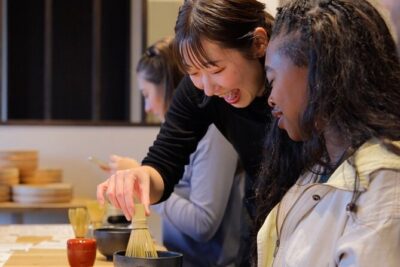
Matcha Making Class in Tokyo with Authentic Japanese Sweets Set
Read our review →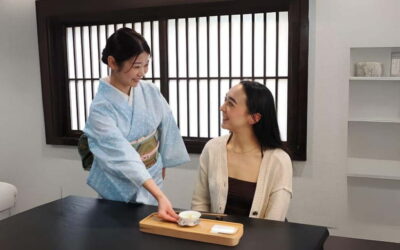
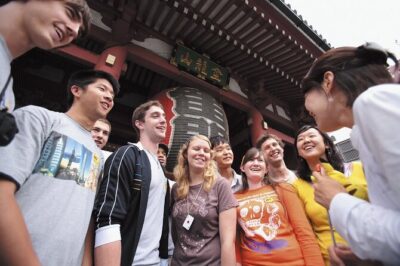
Dynamic Tokyo: Tokyo Tower, Tea Experience, Bay Cruise Day Tour
Read our review →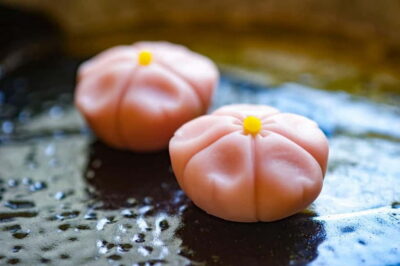
Matcha Making Experience with Mochi Sweets in Asakusa
Read our review →
Tea Ceremony Workshop in Tokyo by the Experienced Instrucor
Read our review →
Browse the lists this tour appears in