
Reviewed · TOKYO RAMEN TOURS AND CLASSES
Gyoza Making from Scratch- Tokyo Ultimate Cooking Class
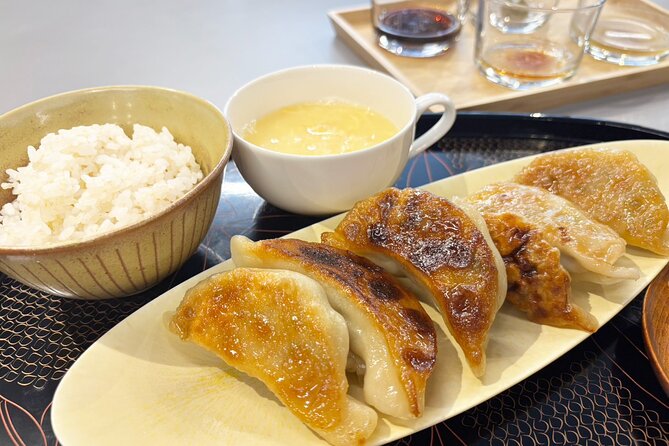
The best part of this Tokyo cooking class is that you make the entire gyoza, not just fold prepared dumplings. You knead the wrappers, mix a juicy filling, learn several folds, and cook the finished dumplings as yaki-gyoza. You also prepare soup and a side dish, so this is a real meal rather than a quick kitchen demonstration.
I like the direct, hands-on format and the chance to compare handmade wrappers with store-bought ones. I also like the practical take-home recipe and digital photos, which help the class live on after your holiday. The main consideration is the price: at $92.24 per person, it is a proper cooking experience, not a cheap snack stop.
Key points at a glance
- Make the wrappers and filling yourself: You begin with fresh ingredients and handle each major stage of the gyoza process.
- Compare two kinds of wrappers: Handmade and store-bought wrappers are folded and cooked so you can notice the difference in texture and taste.
- Learn juicy filling techniques: The instructor explains how to keep the meat filling moist rather than dense or dry.
- Cook a complete Japanese meal: Along with pan-fried gyoza, you prepare soup and a side dish.
- Ask for chicken instead of pork: The filling can be changed if you request it more than 48 hours before class.
- Leave with useful extras: You receive an English recipe and downloadable photos from the session.
What this central Tokyo cooking class is really about
Gyoza looks simple on the plate. A thin wrapper, a savory filling, a hot pan. But small choices make a big difference: dough thickness, moisture in the filling, the tightness of each fold, and the final balance between crisp bottom and tender top.
This class gives you a chance to work through those details rather than simply watching an instructor do the difficult parts. An English-speaking instructor guides you step by step in a modern Patia Kitchen studio in central Tokyo. Since the group is capped at 12 people, the format should feel more personal than a large demonstration, although the exact amount of individual help can depend on the group.
The class lasts about 1 hour and 50 minutes. That is long enough to cover several cooking stages without taking an entire morning or afternoon from your Tokyo plans. You finish by eating what you made, with several dipping sauces available to change the flavor from bite to bite.
More Tokyo ramen tours and classes:
- Eat and Drink Like a Local: Tokyo Ueno Food Tour-Taverns&Ramen
★ 5.0 · 957 reviews - Ramen & Gyoza Cooking Class in Tokyo with Local Supermarket Visit
★ 5.0 · 823 reviews - Tokyo: Ramen Tasting Tour with 6 Mini Bowls of Ramen
★ 4.9 · 432 reviews
Starting with gyoza dough and fresh ingredients
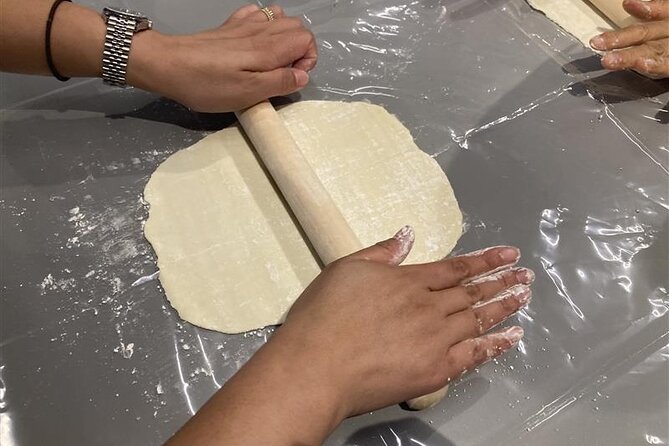
The process begins with the foundations of the dish: wrappers and filling. You make the gyoza wrappers from scratch, which gives you a better feel for how much work goes into a dumpling before it reaches a restaurant table.
Making wrappers is also the part most casual home cooks tend to skip. Store-bought wrappers are convenient, but handmade dough lets you see how thickness affects the finished gyoza. Too thick, and the dumpling can feel heavy. Too thin, and folding and cooking become less forgiving.
The filling is another important stage. The instructor shares the method for making juicy gyoza filling, a useful lesson because dry dumplings are one of the easiest ways to lose the appeal of this dish. You work with fresh ingredients and learn how the filling should come together before it reaches the pan.
If you prefer chicken to pork, you can request that change at least 48 hours in advance. This is worth arranging early because the standard filling is pork, and late changes are not accepted under the stated timing rules.
Folding techniques that you can use at home
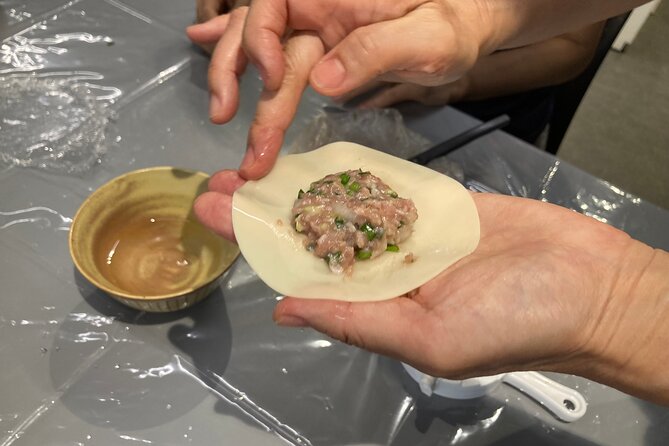
Folding is where this experience becomes especially practical. You learn how to seal the filling inside the wrapper and practice folding techniques rather than relying on one quick pinch.
Your dumplings may not all look identical, and that is part of the lesson. Gyoza folding takes practice, especially when you are trying to keep the filling inside, create a neat seal, and avoid tearing the dough. The instructor’s step-by-step guidance makes this suitable for beginners, including families with children and older cooks.
The class is designed for all age groups. That does not mean every person will find the folding equally easy, but it does mean you do not need professional kitchen skills. You can expect to learn by doing, with the instructor helping you correct the basic technique as you go.
This is also a good activity for people who want a food experience with a clear result. You are not making a decorative dish that disappears into a display. You are preparing something you can repeat at home with ordinary kitchen equipment.
Cooking handmade and store-bought wrappers side by side
One of the most useful features is the direct comparison between handmade and store-bought wrappers. You fold and cook both types, then taste the difference.
That comparison adds value because it avoids a common cooking-class problem: learning a technique without knowing when it is worth the extra effort. Handmade wrappers can offer a different texture, while store-bought wrappers are faster and easier for a weeknight meal. Trying both helps you decide which approach suits your own kitchen.
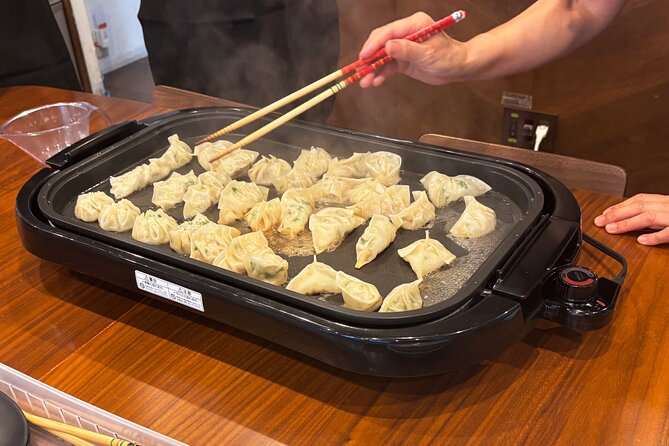
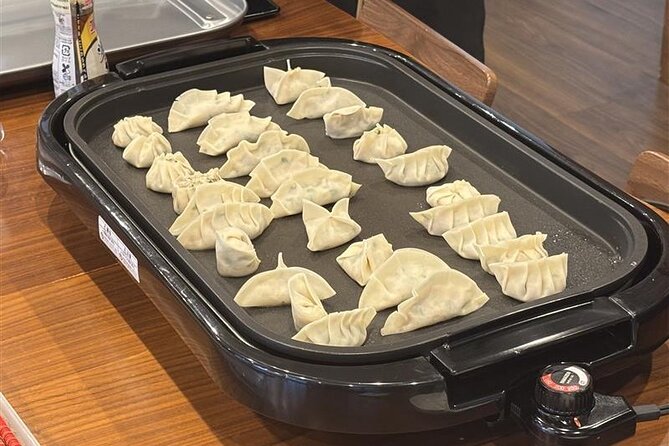
The main cooking method is yaki-gyoza, or pan-fried gyoza. You cook the dumplings so the bottoms develop a crisp surface while the rest remains tender. This is a simple method, but timing and heat matter. The class gives you a chance to see how the dumplings change in the pan instead of only being handed a finished plate.
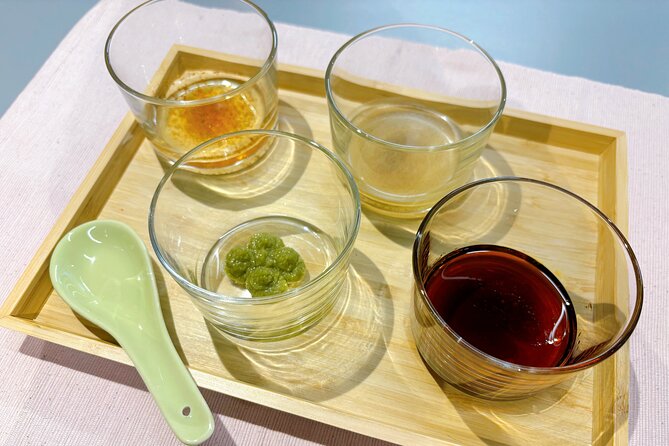
You also get to use several dipping sauces. That lets you adjust the taste of the dumplings and notice how the sauce changes the balance of the filling. It is a small detail, but it makes the meal more enjoyable and gives you ideas for serving gyoza at home.
More Tokyo cooking classes:
- Tokyo: Roll and Authentic Sushi Making Class in Asakusa
★ 4.9 · 1,957 reviews - Tokyo Shinjuku Chopsticks Making Class
★ 5.0 · 1,763 reviews - Tokyo: Sushi Making Class in a Happi Coat near a Famous Spot
★ 4.9 · 1,377 reviews - Tokyo Sushi Making Class in Tsukiji with Professional Chef
★ 5.0 · 1,177 reviews
More than dumplings: soup, side dish, and a full meal
The class does not stop with gyoza. You also prepare soup and a side dish to eat with the dumplings.
That broader meal makes the price easier to assess. You are not paying for a short lesson followed by one or two samples. You are taking part in a compact Japanese cooking session that covers a main dish, soup, side dish, sauces, and the work needed to bring them together.
The added dishes also give you a better sense of how gyoza fits into an everyday Japanese meal. Dumplings can be a snack, but they can also be part of a larger home-cooked spread. The soup and side dish provide context without turning the session into a long menu with too many separate recipes.
Meals are included, so you eat the food prepared during the experience. The class ends back at the meeting point, which keeps the plan simple for a day of sightseeing in Tokyo.
The Patia Kitchen setting in central Tokyo
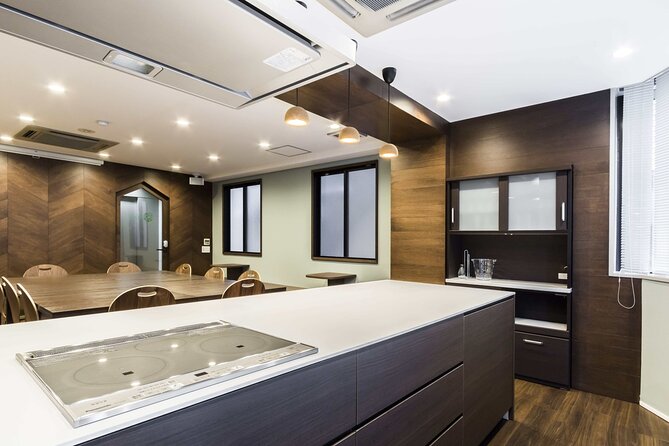
The cooking takes place in a modern, stylish Patia Kitchen studio in central Tokyo. The kitchens are described as spacious and fully equipped, which matters when several people are preparing dough, filling, sauces, and side dishes at the same time.
The central location is useful because you arrange your own way there and return to the same meeting point afterward. Public transportation is nearby. Hotel pickup and drop-off are not included, so you should plan the route before the class rather than expecting a vehicle transfer.
A mobile ticket makes the entry process easier. You receive booking confirmation at the time of reservation, and the activity has a maximum of 12 people. That is a reasonable group size for a shared cooking session. If you want the most personal guidance possible, a smaller group would naturally be preferable, but the stated limit keeps this from being a very large class.
The exact studio address is not provided in the details here, so check the meeting instructions carefully after booking. Central Tokyo has many stations and busy streets, and arriving at the wrong entrance can cost more time than expected.
Is $92.24 a fair price?
At $92.24 per person, this class is not the budget choice for a casual meal. You could eat gyoza more cheaply in Tokyo. The value comes from the amount of participation and the number of useful elements included.
You make the wrappers and filling, learn folding, cook two wrapper styles, prepare soup and a side dish, and eat the finished food. The English recipe gives you a way to repeat the dish later, and the digital photos provide a personal record of the session.
I would consider the price reasonable for visitors who want to learn a Japanese dish rather than simply taste one. It is less compelling for someone who only wants a quick lunch or has little interest in cooking. The experience is also easier to justify if you plan to use the recipe at home.
The rating information is strong, with a 5 out of 5 score from 26 ratings and a 100 percent recommendation figure. One especially positive response praised the instructor’s patience and information, the food, and the quality of the hands-on experience. That matches the class design: its success depends heavily on clear guidance during the dough, filling, and folding stages.
Who should book this experience?
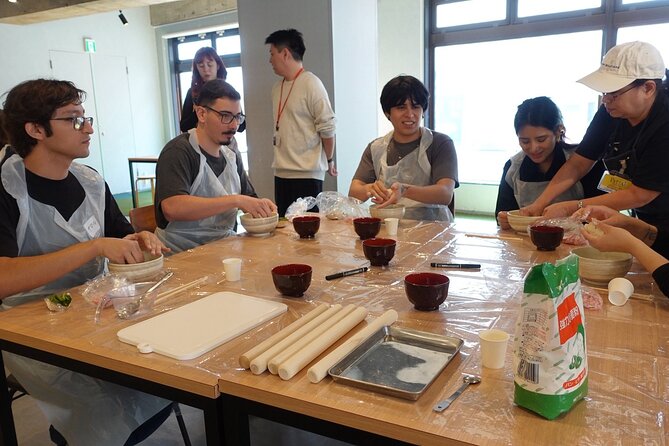
This class suits first-time cooks who want a structured introduction to gyoza. You do not need to arrive with special skills, and the instructor leads you through each stage.
It is also a good choice for families. The activity is intended for young children through seniors, and folding dumplings gives different age groups a task they can share. Just remember that the food preparation is hands-on, so younger children will need suitable supervision from the adults in their group.
Food-focused visitors will get the most from the wrapper comparison and the filling lesson. Those details go beyond the usual eat-and-leave activity. You can also request chicken filling if pork does not suit your diet or preference, provided you contact the provider more than 48 hours before the start time.
This may not be the right pick if you dislike group activities, want a private lesson, or prefer a very short food stop. The class has a maximum of 12 people, but it remains a shared experience in a cooking studio.
Planning the timing and cancellation terms
The experience takes about 1 hour and 50 minutes. I would allow extra time around that window for reaching the studio, getting settled, and continuing to your next Tokyo activity. The class itself ends at the meeting point, with no hotel transfer afterward.
It is often booked about 35 days ahead, so reserving early makes sense if your Tokyo dates are fixed. Confirmation is provided at booking, and the experience is available with a mobile ticket.
Free cancellation is available up to 24 hours before the local start time for a full refund. Cancellations or changes made inside that 24-hour window are not refunded or accepted. The activity also requires a minimum number of participants. If that minimum is not reached and the class is canceled, you are offered another date or experience, or a full refund.
What you take home after the class
The most useful souvenir is the English recipe. It gives you a written reference for the dough, filling, folding, and cooking process, so you are not depending on memory after leaving Japan.
You also receive downloadable digital photos taken during the experience. These are a nice extra for a family, couple, or group of friends, especially since the activity involves visible stages of preparation rather than a single finished dish.
The larger benefit is confidence. After making both handmade and store-bought versions, you can choose the slower method for a special meal or the convenient method for home cooking. That kind of comparison makes the lesson more practical than a one-time demonstration.
Should you book the Tokyo gyoza class?
Book this class if you want to understand how gyoza is made and enjoy a meal you helped prepare. The strongest reasons are the handmade dough, juicy filling lesson, wrapper comparison, English recipe, and patient step-by-step instruction. The 1-hour-50-minute length also fits neatly into a busy Tokyo itinerary.
Skip it if you are mainly looking for the cheapest dumplings in town or if the $92.24 price feels high for a meal. You are paying for participation, teaching, a full set of dishes, photos, and a recipe, not just food.
For families, first-time cooks, and people who want a practical Japanese food memory, this is a well-focused choice. Request chicken early if needed, confirm the meeting point, and leave enough time to reach the central Tokyo studio.
FAQ
How long does the gyoza cooking class last?
The class lasts approximately 1 hour and 50 minutes.
Where does the cooking class take place?
It takes place at a modern Patia Kitchen studio in central Tokyo, near public transportation. The activity begins and ends at the meeting point.
Is the class taught in English?
Yes. An English-speaking instructor guides you through the cooking process step by step.
What will I cook during the experience?
You make gyoza wrappers and filling, fold and pan-fry the dumplings, and prepare soup and a side dish. Several dipping sauces are available with the meal.
Can I request chicken filling instead of pork?
Yes. You can request chicken filling if you notify the provider more than 48 hours before the experience.
Are meals and photos included?
Meals, the cooking experience, and downloadable digital photographs taken during the class are included. You also receive an English recipe.
What is the cancellation policy?
You can cancel up to 24 hours before the local start time for a full refund. Cancellations or changes made less than 24 hours before the start time are not refunded or accepted.
More hands-on classes and workshops in Tokyo
- Sushi Making Tokyo Roll and Authentic Japanese Sushi Class
★ 5.0 · 3,971 reviews - Chopstick Making Workshop in Ginza
★ 4.8 · 1,366 reviews - Matcha Making Class in Tokyo with Authentic Japanese Sweets Set
★ 5.0 · 744 reviews - Tokyo: Samurai Sword & Archery Class from Samurai Descendant
★ 5.0 · 603 reviews
Newly reviewed around Tokyo
- Tokyo Asakusa:Calligraphy & Make T-shirt Activity★ 5.0 · 62 reviews
- Intercity Shuttle, Tokyo to Haneda /Narita /Yokohama /Makuhari★ 5.0 · 5 reviews
- 1 Hour Travel around Tokyo with a Professional Photographer★ 5.0 · 3 reviews
- Travel Tokyo with Your Own Personal Photographer★ 5.0 · 43 reviews
- Kickboxing & Body Training with EX-Pro Fighter★ 5.0 · 4 reviews
- Train in Samurai Swordsmanship and Defeat the Demon in Tokyo★ 5.0 · 5 reviews
- Shuttle Van 6hr Tokyo Tour to-and-from Tokyo, Yokohama and Narita★ 5.0 · 9 reviews
- Traditional Japanese Knife Sharpening Class★ 5.0 · 18 reviews
Tokyo Ramen Tours and Classes, compared.
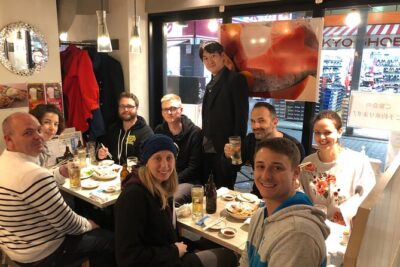
Eat and Drink Like a Local: Tokyo Ueno Food Tour-Taverns&Ramen
Read our review →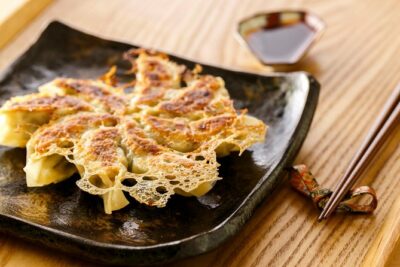
Ramen & Gyoza Cooking Class in Tokyo with Local Supermarket Visit
Read our review →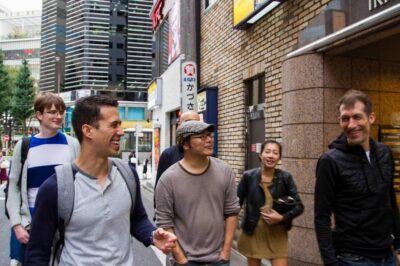
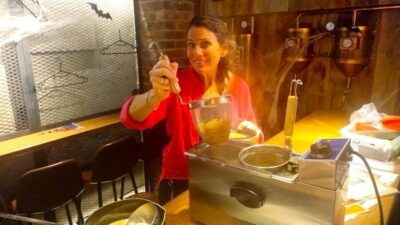
Easy Ramen Cooking Experience in Kabukicho, Shinjuku
Read our review →
Ramen and Sushi Cooking Class with Sake Pairing Set in Tokyo
Read our review →
Professional Ramen & Gyoza with Ramen Chef in a restaurant!
Read our review →
Ramen Dojo Tokyo | Make All 3 (Tonkotsu/Shoyu/Miso)
Read our review →Ramen Dojo Tokyo | Make All 3 (Tonkotsu/Shoyu/Miso)
Read our review →Browse the lists this tour appears in