
Reviewed · TOKYO COOKING CLASSES
Private Mochi Sweets Making class near Shibuya area
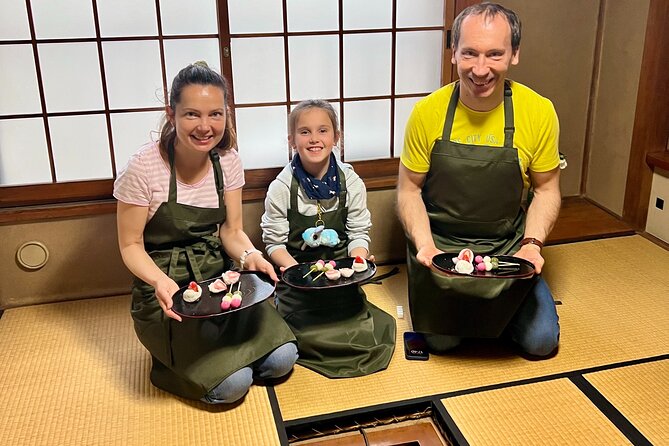
The special part of this class is the setting: Sakura welcomes you into her own home in Sangenjaya, a local Tokyo neighborhood close to Shibuya. You will make fruit daifuku and dango by hand, not simply watch a demonstration, then sit down with your sweets and Japanese tea.
I like the small group size, with no more than eight people, and Sakura’s patient teaching style, which works well for children and first-time cooks. I also like that you learn why mochi matters in Japanese life, not just how to shape it. The main consideration is the home setting: there is a dog, stairs to the second floor, and limited space compared with a commercial cooking studio.
Key points to know before booking
- Sakura teaches in her own home: This gives the class a personal feel and a glimpse of everyday Japanese hospitality.
- You make several sweets yourself: The class includes fruit daifuku and dango, with hands-on preparation from start to finish.
- The lesson lasts about two hours: That leaves enough time for instruction, cooking, tasting, and conversation without taking your whole day.
- Small groups help beginners: The maximum group size is eight, so Sakura can guide each person through the tricky steps.
- Tea and take-home packaging are included: You can enjoy your sweets with green tea or matcha and carry leftovers away.
- Check the home setting first: The venue has a dog and a staircase to the second floor, so this matters if you have allergies or mobility concerns.
Making mochi in Sakura’s Sangenjaya home
Most Tokyo food classes take place in restaurants, studios, or schools. This one happens in Sakura’s home at 1-chōme-11-13 Sangenjaya, Setagaya City. That simple change shapes the whole experience.
You are not arriving for a polished stage show. You are entering a working household where Sakura has taught more than 1,000 people from more than 35 countries. Her dog, Chico or Choco in the class comments, may also be around. That can make the visit feel warm and informal, though anyone with a dog allergy should take the warning seriously.
The neighborhood is near public transportation and close enough to Shibuya for an easy food activity during a Tokyo sightseeing day. The class begins and ends at the same meeting point, so you do not need to work out a second location afterward. Build in a little time to find the address and climb the stairs to the second floor.
The home setting is especially useful if you want more than a quick cooking task. Sakura can explain how sweets fit into Japanese customs, answer questions about daily life, and adjust her pace for children or beginners. Several families used the class as a shared activity, and that makes sense: the work is creative, the food is familiar enough for young people, and nobody needs advanced cooking skills.
More things to do in Shibuya:
- Official Street Go-Kart in Shibuya
★ 5.0 · 3,435 reviews - Tokyo: Street Kart Experience in Shibuya
★ 4.9 · 1,484 reviews - Shibuya Meltdown Nightlife Tour: All-You-Can-Drink Bar Hopping
★ 5.0 · 1,058 reviews
What you make in two hours
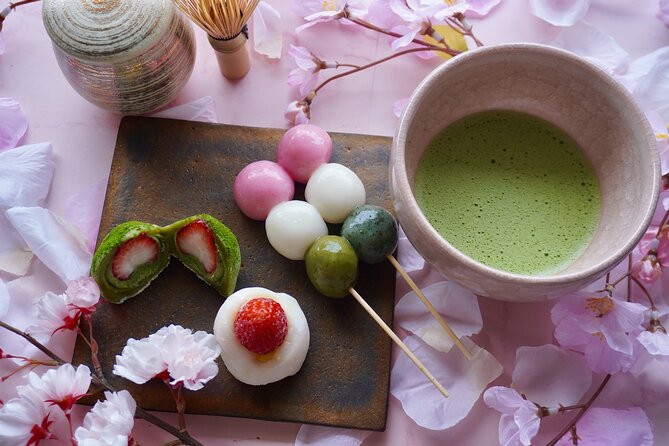
The class centers on fruit daifuku and dango, two sweets that look simple but reward careful handling. Daifuku combines a soft mochi covering with a filling, while dango is shaped rice-flour dough served as small dumplings. The supplied details describe the recipes as free of gluten, alcohol, and additives.
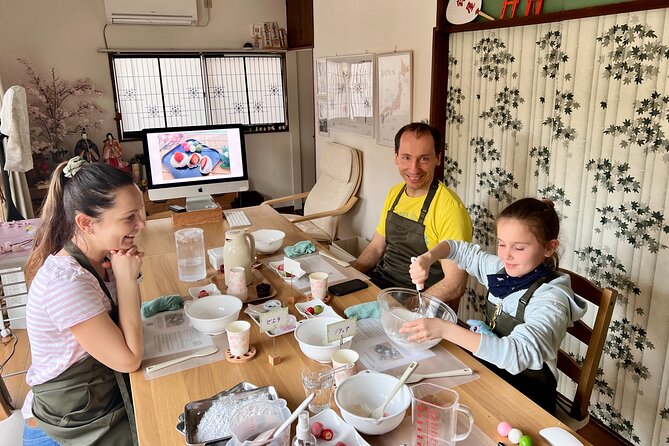
You will take part in the steps yourself. This is important. A demonstration can be pleasant, but it does not teach you much about why mochi sticks, how much pressure to use, or how to close the dough around its filling. Here, Sakura guides you through those actions and helps when the dough becomes difficult to manage.
The class can include two types of daifuku and two types of dango, according to the activity details shared by participants. Strawberry daifuku appears in the lesson descriptions, and one class also included dango haiku and matcha tea. The exact order or selection may vary, so you should think of the menu as a traditional sweets lesson rather than a fixed restaurant tasting.
That hands-on format suits people who like to learn by doing. You can expect some uneven shapes at first. That is part of the fun, and Sakura’s calm instruction keeps the process from feeling like a test. By the end, you have food you made yourself, plus a better idea of how Japanese sweets are prepared.
Why the cultural lesson matters
Mochi is not just a trendy chewy dessert. It has a long place in Japanese customs and is connected with seasonal events, celebrations, and family traditions. Sakura explains when Japanese people eat mochi and why it has cultural meaning, giving the cooking a useful context.
I appreciate this part because it changes how you look at the sweets afterward. You are not simply folding dough around a strawberry or rolling dango into balls. You are learning how a food can carry social meaning and appear at particular times of year.
The class also offers a practical look at Japanese home life. Sakura has raised two children, and her teaching style is described as gentle and patient. That experience matters if you are bringing younger children who need clear instructions and encouragement rather than a fast-paced lesson.
The cultural material is presented alongside the cooking, not as a long lecture. You get enough background to understand the food, then return to the table and make it. If you want a formal academic talk about Japanese food, this will feel light. If you want useful context during a fun activity, it should fit well.
Tea, tasting, and the take-home bag
Once your sweets are ready, you sit down to eat them with Japanese green tea or matcha. Decaffeinated black tea is available if you do not like caffeine. This final pause is more than a refreshment break because it gives you time to compare your results, ask Sakura questions, and enjoy the food while it is fresh.
Tea is included in the price, as is a take-out bag. Aprons are available for rent, which is helpful when working with sticky dough and fillings. Bottled water, brunch, soda, and alcohol are not included, so do not expect a full meal or a drinks menu.
The take-home option adds real value. Mochi is best enjoyed fresh, but you may not finish everything during the class, especially if you are part of a larger group. A bag lets you bring leftovers back to your hotel or continue sharing them after the lesson.
Several people found the sweets good enough to want to recreate them at home. The ingredients are described as widely available outside Japan, which makes this a better souvenir than a recipe you cannot repeat. You leave with a technique, not just a photograph.
More Tokyo cooking classes:
- Tokyo: Roll and Authentic Sushi Making Class in Asakusa
★ 4.9 · 1,957 reviews - Tokyo Shinjuku Chopsticks Making Class
★ 5.0 · 1,763 reviews - Tokyo: Sushi Making Class in a Happi Coat near a Famous Spot
★ 4.9 · 1,377 reviews - Tokyo Sushi Making Class in Tsukiji with Professional Chef
★ 5.0 · 1,177 reviews
A good choice for families and mixed-age groups
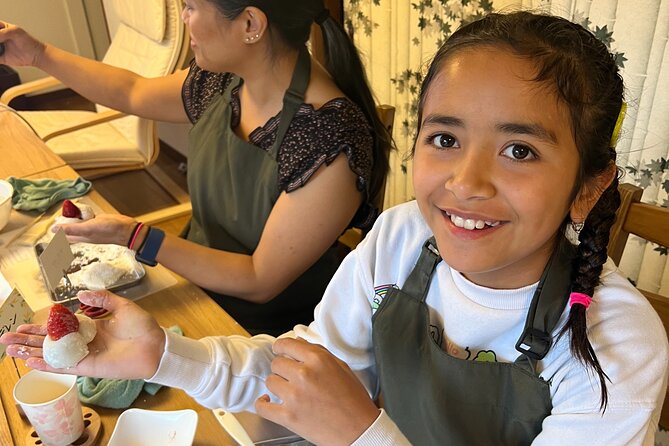
This is one of the stronger Tokyo activities for families. Children can shape the dough, decorate or assemble the sweets, and eat what they made. Sakura’s background as a mother helps her explain steps in a way that does not rush younger students.
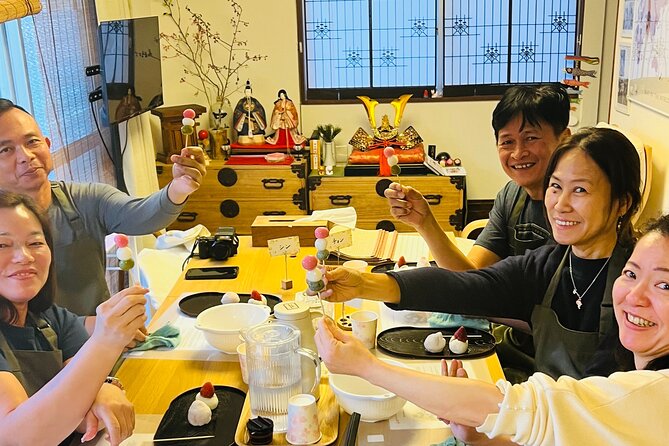
The class has also worked well for teenagers, adults, couples, and work groups. A group of colleagues from Singapore, Korea, and Australia used it as a team activity, while other groups included parents with children as young as eight or nine. The maximum of eight people keeps the experience from becoming a crowded workshop.
The social side is part of the value. You have a shared task, plenty of chances to laugh at imperfect shapes, and a natural reason to talk with Sakura and the other people at the table. It is a gentler choice than a high-energy Tokyo attraction.
That said, very young children may need help with hot surfaces, sticky dough, or precise shaping. The available information does not specify the minimum age, so check before booking if your child is particularly young.
How the price compares with the experience
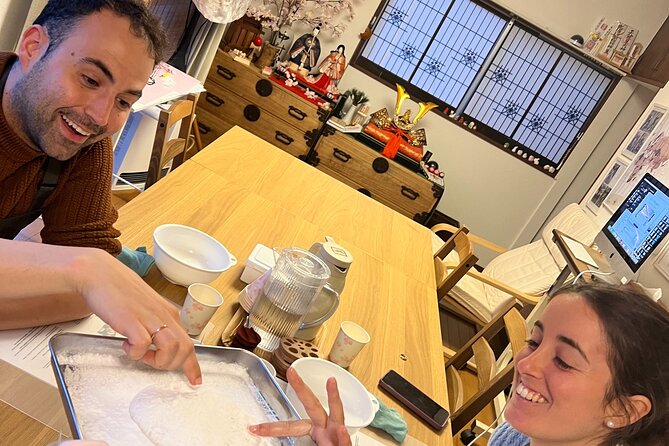
The cost is $79.28 per person, with group discounts available. For a two-hour activity, that is not the cheapest way to eat sweets in Tokyo. You can buy excellent mochi from a department store or station food hall for far less.
The comparison changes once you count what is included. You receive personal instruction, cultural background, tea or matcha, hands-on preparation, and a take-home bag. The class also provides something a shop cannot: access to a local home and direct conversation with Sakura.
I would consider the price reasonable for someone who values participation and cultural contact. It is less compelling if you only want to sample Japanese desserts or are watching every yen. A family of four will spend a significant amount, but a private or small-group activity can be easier to manage than a large cooking school.
Group discounts may improve the value for families or friends booking together. The exact discount is not specified, so check the final price before payment.
Getting there and planning the day
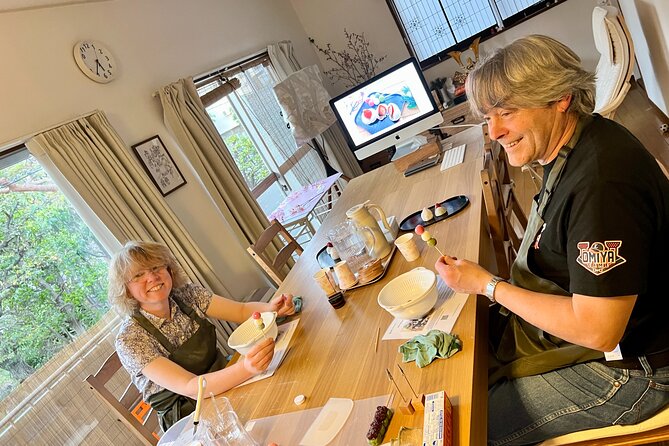
The meeting point is in Sangenjaya, at 1-chōme-11-13 Sangenjaya, Setagaya City, Tokyo 154-0024. The activity begins and ends there. It is near public transportation, and the neighborhood gives you a chance to see a quieter side of Tokyo before or after the class.
Since the activity lasts about two hours, it fits neatly into a half-day plan. You could schedule it before exploring Shibuya, or use it as a break from major shopping streets and busy attractions. Avoid placing it too close to another timed booking because the class involves cooking and tasting rather than a quick drop-in.
You will go upstairs to the second floor. There is no private transportation included, and bottled water is not provided. Bring your own water if you want it, and follow the meeting instructions carefully.
Confirmation is sent within 48 hours of booking, subject to availability. Free cancellation is offered up to 24 hours before the start time. Changes or cancellations inside that window are not accepted for a refund. The activity can also be affected by poor weather or a failure to meet the minimum number of participants, in which case you are offered another date, another experience, or a full refund.
What may not suit every person
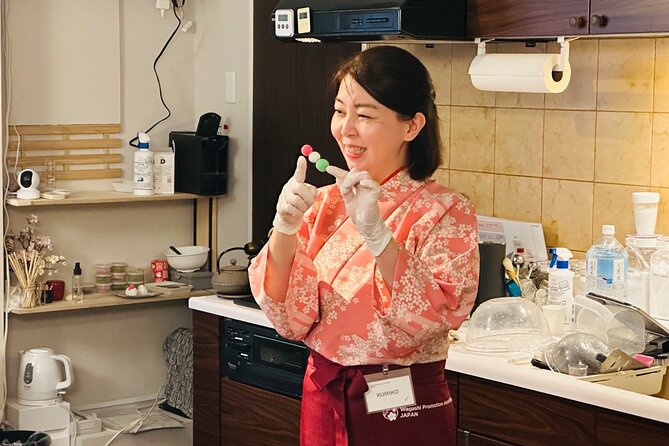
The same home setting that makes this class personal can also create limits. The house has a dog, and the activity provider does not recommend it for people with dog allergies. Service animals are allowed, but you should still consider how the resident dog may affect your comfort.
The second-floor location requires using stairs. If that is difficult for you, contact the provider before booking. The information does not describe step-free access.
The class is designed around sweets, so it is not a substitute for lunch or brunch. You receive tea, but no meal, soda, alcohol, or bottled water. If you need a substantial meal, plan one before or after.
Finally, mochi has a soft, sticky texture that not everyone enjoys. You may love the chewiness, or you may prefer the cultural lesson and the making process to the eating itself. The class is still worthwhile for many non-dessert enthusiasts, but the food is central to the activity.
Who should book this mochi class?
I would choose this for families, couples, solo visitors who enjoy meeting locals, and anyone looking for a quieter alternative to Tokyo’s major sights. It is especially good if you want to take part in something rather than watch another performance or photo opportunity.
It also suits people who want a practical souvenir. The recipes use ingredients that can be found abroad, and the instruction is clear enough to encourage you to try again at home.
I would be more cautious if you have a dog allergy, difficulty with stairs, or no interest in sweets. You should also confirm availability early if your dates are fixed, since booking confirmation is subject to space and the group has a maximum of eight.
Should you book it?
Book this class if you want personal contact, hands-on cooking, and a small taste of home life in Tokyo. Sakura’s patient approach, the family-friendly format, the cultural explanation, and the chance to make several sweets give the two hours real substance.
Skip it if you only want inexpensive dessert tasting or need a fully accessible, pet-free venue. For everyone else, the $79.28 price buys more than mochi. It buys a practical lesson, a local welcome, tea at the table, and a recipe you can try again after Japan.
FAQ
Where does the mochi-making class take place?
The class takes place in Sakura’s home at 1-chōme-11-13 Sangenjaya, Setagaya City, Tokyo 154-0024, Japan.
How long does the class last?
The activity lasts approximately two hours.
What sweets will I make?
The class teaches you to make fruit daifuku and dango. The lesson may include two types of daifuku and two types of dango.
Is tea included?
Yes. Japanese green tea or matcha is included. Decaffeinated black tea is available for people who prefer to avoid caffeine.
Is the class suitable for children?
Yes. Sakura has experience teaching children, and the activity is described as suitable for families and young participants. A specific minimum age is not provided.
How many people can join?
The class has a maximum of eight travelers.
Is there a dog at the venue?
Yes. A dog lives in the home, so the class is not recommended for people with dog allergies.
Do I need to climb stairs?
Yes. The venue is on the second floor and requires using stairs.
What is the cancellation policy?
You can cancel for a full refund up to 24 hours before the experience starts. Cancellations or changes made less than 24 hours before the start time are not accepted for a refund.
More hands-on classes and workshops in Tokyo
- Sushi Making Tokyo Roll and Authentic Japanese Sushi Class
★ 5.0 · 3,971 reviews - Chopstick Making Workshop in Ginza
★ 4.8 · 1,366 reviews - Ramen & Gyoza Cooking Class in Tokyo with Local Supermarket Visit
★ 5.0 · 823 reviews - Tokyo: Samurai Sword & Archery Class from Samurai Descendant
★ 5.0 · 603 reviews
More Dessert Tours in Tokyo
- Matcha Making Class in Tokyo with Authentic Japanese Sweets Set
★ 5.0 · 744 reviews - Tokyo: Matcha Making Experience with Mochi Sweets in Asakusa
★ 4.9 · 388 reviews - Make Traditional Nerikiri Sweets & Matcha experience in Shibuya
★ 5.0 · 130 reviews - Japanese Traditional Sweets making and Tea Ceremony
★ 4.7 · 50 reviews
Newly reviewed around Tokyo
- Tokyo Asakusa:Calligraphy & Make T-shirt Activity★ 5.0 · 62 reviews
- Intercity Shuttle, Tokyo to Haneda /Narita /Yokohama /Makuhari★ 5.0 · 5 reviews
- 1 Hour Travel around Tokyo with a Professional Photographer★ 5.0 · 3 reviews
- Travel Tokyo with Your Own Personal Photographer★ 5.0 · 43 reviews
- Train in Samurai Swordsmanship and Defeat the Demon in Tokyo★ 5.0 · 5 reviews
- Shuttle Van 6hr Tokyo Tour to-and-from Tokyo, Yokohama and Narita★ 5.0 · 9 reviews
- Kickboxing & Body Training with EX-Pro Fighter★ 5.0 · 4 reviews
- Traditional Japanese Knife Sharpening Class★ 5.0 · 18 reviews
Tokyo Cooking Classes, compared.

Roll and Authentic Sushi Making Class in Asakusa
Read our review →
Sushi Making Class in a Happi Coat near a Famous Spot
Read our review →
Tokyo Sushi Making Class in Tsukiji with Professional Chef
Read our review →
Ramen & Gyoza Cooking Class in Tokyo with Local Supermarket Visit
Read our review →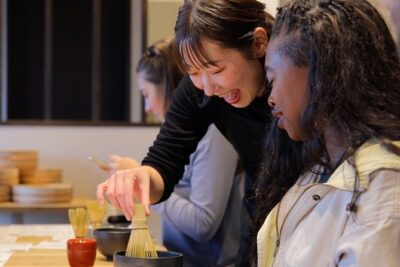
Matcha Making Class in Tokyo with Authentic Japanese Sweets Set
Read our review →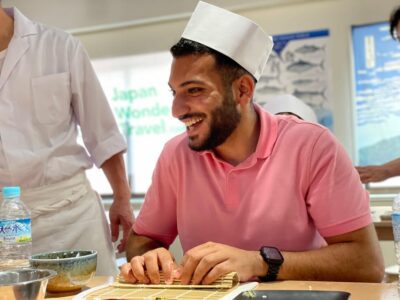
Tsukiji Fish Market Sushi Making Class with Pro Chef
Read our review →
Browse the lists this tour appears in