
Reviewed · TOKYO TEA CEREMONY EXPERIENCES
Making Japanese desserts Nerikiri & drinking matcha in Tokyo
The most engaging part of this Tokyo experience is the hands-on shaping of three seasonal nerikiri sweets, each made from kneaded dough and formed by your own fingers. You get more than a finished dessert. The instructor explains how this traditional confectionery changes with the seasons, then serves matcha to drink with your work.
I like the small maximum group of eight, since that gives you a fair chance to watch the technique and ask questions. I also like the practical design: ingredients, tools, matcha, and take-home packets are included. The main consideration is the meeting location, which is usually in Shimokitazawa but may move to Toritsudaigaku Station if the kitchen is unavailable.
Key points to know before booking
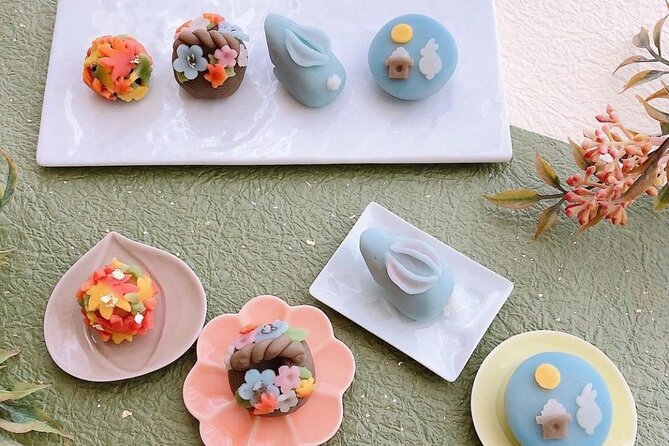
- Make three seasonal nerikiri by hand, with the exact designs changing through the year.
- Drink freshly prepared matcha after shaping your sweets.
- Learn the background of nerikiri, not just the steps of the recipe.
- Join a group of no more than eight, a useful size for personal help.
- Eat your sweets immediately or take them home, with packets supplied.
- Allow 90 minutes, then use the rest of your day to explore Setagaya-ku.
Shaping seasonal nerikiri in a small Tokyo class
Nerikiri is the delicate Japanese confectionery often shaped into flowers, leaves, animals, or other seasonal forms. Here, you do not simply watch an expert make one and then receive it. You work the dough yourself, following the instructor’s demonstration and guidance.
The class includes three types of seasonal kneaded dough. The designs depend on the time of year, so the activity has a changing character rather than a fixed set menu. That makes it a good choice if you want a Tokyo experience tied to the calendar instead of another general cooking lesson.
You will learn the basic process, then use your hands to form the sweets. The supplied information does not promise a particular design for each date, so I would not book expecting one exact flower or character. If you have your heart set on an owl or a needle mouse, you can request one by email, although the instructor may not be able to meet that request depending on timing.
That small note matters. It tells you how to approach the class: come ready to make seasonal pieces, and treat special designs as a request rather than a guarantee. The seasonal option is likely the safer choice if you want the class to run in its normal format.
More Tokyo tea ceremonies:
- Matcha Making Class in Tokyo with Authentic Japanese Sweets Set
★ 5.0 · 744 reviews - Tokyo: Traditional Tea Ceremony with a Tea Master
★ 5.0 · 528 reviews - Dynamic Tokyo: Tokyo Tower, Tea Experience, Bay Cruise Day Tour
★ 4.5 · 521 reviews
Why the 90-minute format works
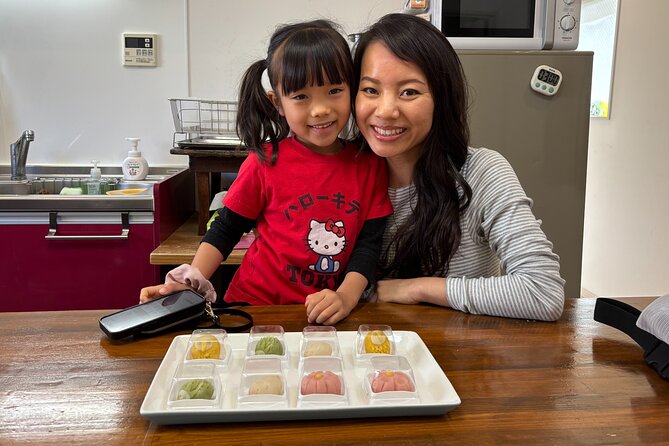
At about one hour and 30 minutes, this is a compact activity. You can fit it into a Tokyo day without giving up half your sightseeing schedule, yet the class has enough time for instruction, hands-on work, tea, and eating or packing the finished sweets.
A short class also helps if you are visiting Tokyo with family or friends who have different interests. One person may prefer food, another may enjoy crafts, and another may simply want a calm cultural stop. The activity gives everyone something to do without requiring a full day in the kitchen.
The tradeoff is simple: you should not expect a detailed professional pastry course in 90 minutes. The focus is on learning the basic process and enjoying the act of shaping nerikiri. If you want advanced confectionery training, this will probably feel brief. If you want a memorable introduction with a finished result, the timing is more useful.
The class has a maximum of eight people. That is small enough to make personal attention realistic, especially for a hands-on activity where a single demonstration may be easy to miss. It also keeps the session from feeling like a large public demonstration.
A reported rating of 4.9 from 20 ratings, with 100 percent recommending the activity, fits its strongest quality: it is beginner-friendly. You do not need to arrive with cooking experience. The instructor explains the method, and you learn by trying it yourself.
Matcha and the best moment to taste your work
After you make the sweets, the instructor prepares powdered green tea, or matcha. You then eat the nerikiri with the tea at the class location, giving the activity a natural finish.
Matcha is not just a drink added at the end for decoration. It gives you a traditional pairing for the sweets and slows the pace after the more active shaping work. You can pay attention to the flavor and texture of what you made, rather than rushing straight out to the next sight.
You also have a choice. Eat your nerikiri on the spot, or take them home using the packets provided. I like that flexibility because handmade sweets can be a pleasant afternoon snack, but they can also make a small food gift or a treat for later in your accommodation.
The information provided does not specify how long the sweets keep, so do not assume they are suitable for carrying around all day. If you plan to take them with you, ask the instructor about timing and storage during the class.
What the instructor adds beyond the recipe
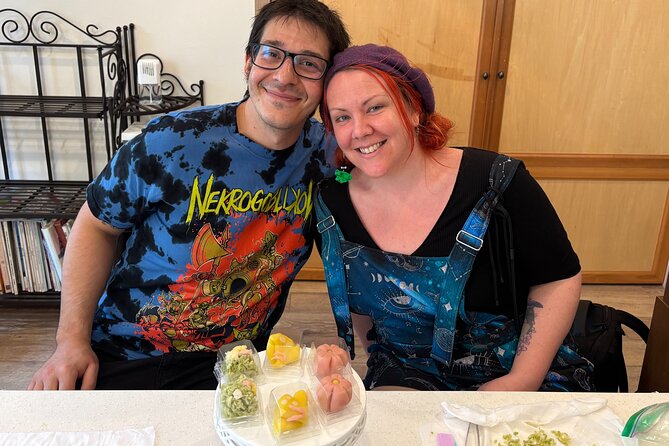
The instructor explains the history of nerikiri confectionery while you sample a range of treats. This is important because the activity is not limited to following a sequence of steps. You learn why the sweets are shaped and how seasonal ideas affect the designs.
The class also promises facts about Japanese cuisine that many guidebooks leave out. That makes the session useful for people who want context with their food, not just a photograph and a snack. The explanation may help you notice details in Japanese confectionery shops later in your trip.
You should still keep your expectations measured. The supplied details do not name the instructor or list a long lecture syllabus. The main teaching comes through the making process, tasting, and explanation during the class. It is a practical cultural lesson, not a formal history seminar.
That balance suits the activity. You get enough background to understand what you are making, then spend most of the time doing it. For many people, that is more memorable than standing in front of an exhibit and reading a paragraph about sweets.
More Tokyo drink tastings and bars:
- Tokyo Bar Hopping Tour in Shinjuku (All-You-Can-Drink + Dinner)
★ 5.0 · 3,587 reviews - Best of Shinjuku: Izakaya Food Tour (4 Stops, 14+ Tastings)
★ 5.0 · 1,863 reviews - Tokyo: Shinjuku Local Bar and Izakaya Guided Walking Tour
★ 4.9 · 1,794 reviews - Shibuya Meltdown Nightlife Tour: All-You-Can-Drink Bar Hopping
★ 5.0 · 1,058 reviews
Shimokitazawa makes a useful base for the afternoon
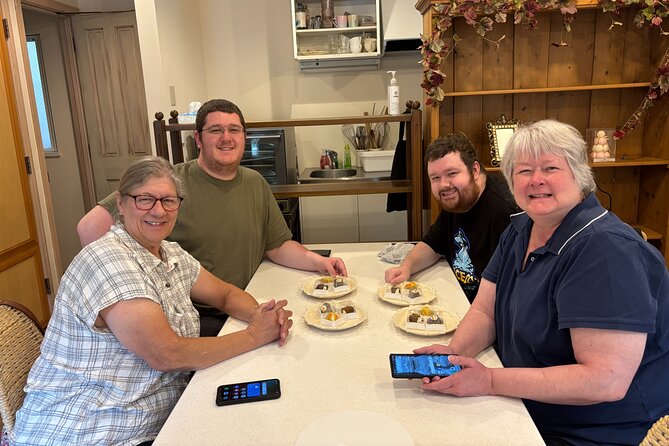
The usual meeting point is 3-chome-20-4 Kitazawa in Setagaya City, in the Shimokitazawa area. The class ends at the same meeting point, so you do not need to find a separate departure location after the activity.
Shimokitazawa is a practical area for pairing this class with more time in Setagaya-ku. The activity information specifically points to exploring the nearby district after class. That makes it easier to turn a 90-minute booking into part of a wider neighborhood outing.
The precise event location is confirmed by email after booking. If the Shimokitazawa kitchen is unavailable, the class may instead take place near Toritsudaigaku Station. This is the biggest logistical point to watch.
Do not rely only on the general meeting point shown when comparing your Tokyo plans. Check the instructor’s email and confirm the final location before setting out. A change from Shimokitazawa to Toritsudaigaku Station may affect your train route and the time you have afterward.
The class is near public transportation, which helps, but the supplied information does not identify a specific station exit or walking time. Give yourself room to locate the venue, especially if you are unfamiliar with the neighborhood or the final address arrives close to your booking date.
What the $65.69 price includes
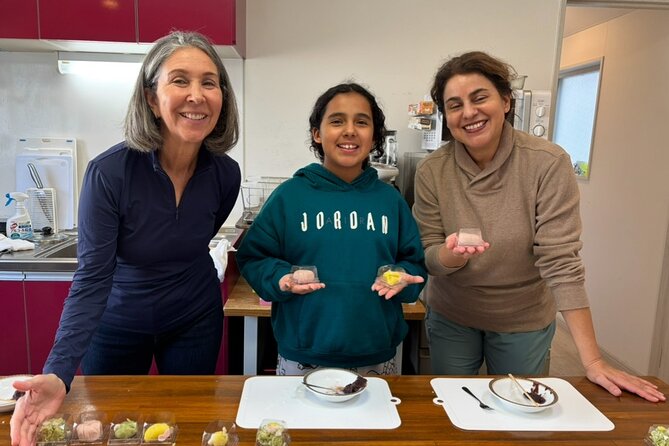
At $65.69 per person, this is not the cheapest way to spend 90 minutes in Tokyo. The value depends on what you want from the outing.
You are paying for instruction, ingredients, tools, three seasonal sweets, matcha, and the use of the class space. You also receive packaging for anything you take away. If you bought a prepared nerikiri and matcha in a shop, you would receive the food but not the hands-on lesson or the explanation of how it is made.
The small group improves the value. A large class could make a shaping activity frustrating, since you might struggle to see the demonstration or get help with your dough. With no more than eight people, your fee supports a more personal format.
The price makes the most sense for you if you value participation over quantity. You are not booking a long meal or a full cooking workshop. You are paying for a short cultural activity, a guided craft, something to eat, and a memory you can carry in a packet.
Group discounts are available, so check the total if you are booking for several people. This could make the activity more appealing for a family or a small group of friends. One especially positive detail is that the class has been described as fun and suitable for beginners, which reduces the risk of paying for an activity that feels too technical.
Who will enjoy this activity most
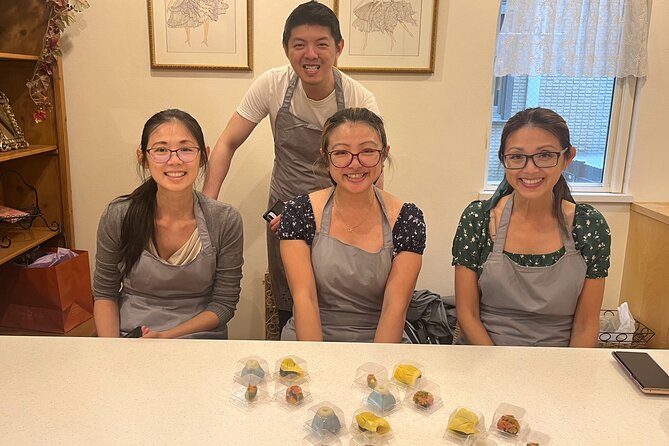
I would recommend this class to first-time visitors who want an easy introduction to Japanese sweets. You do not need prior cooking skills, and the instructor guides you through the basic process.
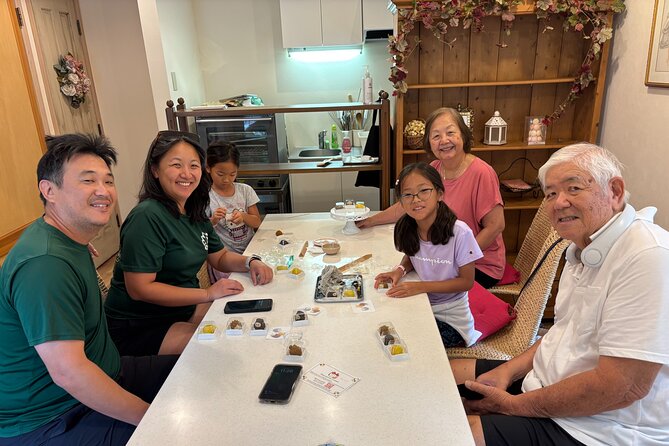
It also fits families and friends who want to make something together. The hands-on format gives you a shared task, and the option to eat or pack the results means the class has a clear reward at the end.
Food-focused visitors will appreciate the chance to learn about nerikiri rather than simply buy one. The seasonal designs also make the experience more interesting for repeat visitors who have already covered Tokyo’s major sights.
It may be less suitable if you want a large menu, a full lunch, or a technically demanding pastry course. The class centers on one style of confectionery, three shaped pieces, matcha, and the story behind them. That narrow focus is a strength for a short cultural stop, but it will not satisfy every cooking-school preference.
I would also think carefully about the location change if your day is tightly scheduled. Shimokitazawa and Toritsudaigaku Station are not interchangeable planning details. Wait for the instructor’s email before fixing this activity between other reservations.
Booking, confirmation, and cancellation details
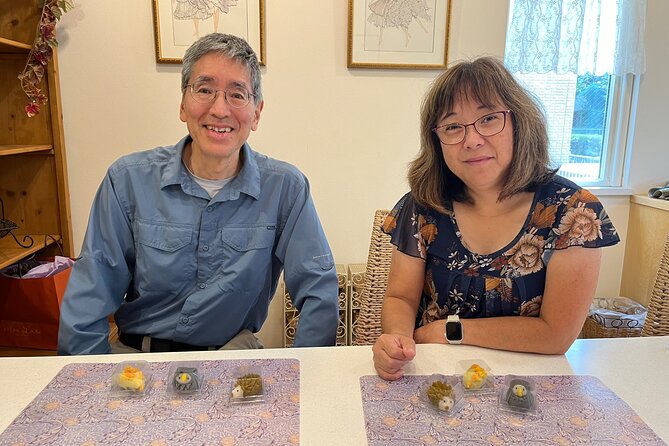
Confirmation arrives within 48 hours of booking, subject to availability. Since the final location is sent by email, check your inbox and make sure you have the address before leaving for the class.
The activity is often booked around 34 days ahead. That does not mean you must reserve exactly that early, but it suggests you should not leave a preferred date until the last minute if your Tokyo schedule is fixed.
Free cancellation is available up to 24 hours before the local start time for a full refund. Cancellations or changes made less than 24 hours before the start are not accepted for a refund. Keep that cutoff in mind if your itinerary may change.
The provider is Shuminavi Inc. The class is designed for a maximum of eight people, and group discounts may help if you are booking with others.
Is this nerikiri and matcha class worth booking?
Book it if you want a short, personal Tokyo activity that combines food, craft, and seasonal culture. The strongest reasons are the small group, the chance to shape three sweets yourself, the included matcha, and the option to take your work home.
I would be especially inclined to book this for a family, a pair of friends, or anyone who finds standard sightseeing too passive. The activity is beginner-friendly and has earned a 4.9 rating from 20 ratings, with every rating recommending it.
Skip it if you are looking for a full meal, advanced pastry instruction, or a guaranteed special design such as an owl or needle mouse. Also wait to commit if a location change would disrupt your day.
For most people who want an authentic-feeling food activity without spending half a day in a kitchen, this is a good-value choice. Confirm the final meeting point, allow the full 90 minutes, and leave room afterward to explore Setagaya-ku.
FAQ
How long does the nerikiri and matcha class last?
The class takes approximately one hour and 30 minutes.
Where does the class meet?
The usual meeting point is 3-chome-20-4 Kitazawa, Setagaya City, Tokyo 155-0031, Japan. The instructor will email the event details after booking.
Can the class location change?
Yes. The class is usually held in a kitchen in Shimokitazawa, but it may be held near Toritsudaigaku Station if that kitchen is unavailable.
How many people can join the class?
The activity has a maximum of eight travelers.
What will I make during the class?
You will make three types of seasonal kneaded dough used to form nerikiri sweets. The designs depend on the season.
Can I request an owl or needle mouse design?
You can request an owl or needle mouse by email, but the instructor may not be able to meet the request depending on when you apply.
Can I take the sweets home?
Yes. You may eat the nerikiri at the class or take them home. Packets are provided for taking them away.
Newly reviewed around Tokyo
- Tokyo Asakusa:Calligraphy & Make T-shirt Activity★ 5.0 · 62 reviews
- Intercity Shuttle, Tokyo to Haneda /Narita /Yokohama /Makuhari★ 5.0 · 5 reviews
- 1 Hour Travel around Tokyo with a Professional Photographer★ 5.0 · 3 reviews
- Travel Tokyo with Your Own Personal Photographer★ 5.0 · 43 reviews
- Kickboxing & Body Training with EX-Pro Fighter★ 5.0 · 4 reviews
- Train in Samurai Swordsmanship and Defeat the Demon in Tokyo★ 5.0 · 5 reviews
- Shuttle Van 6hr Tokyo Tour to-and-from Tokyo, Yokohama and Narita★ 5.0 · 9 reviews
- Traditional Japanese Knife Sharpening Class★ 5.0 · 18 reviews
Tokyo Tea Ceremony Experiences, compared.
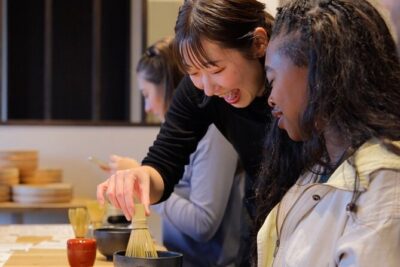
Matcha Making Class in Tokyo with Authentic Japanese Sweets Set
Read our review →
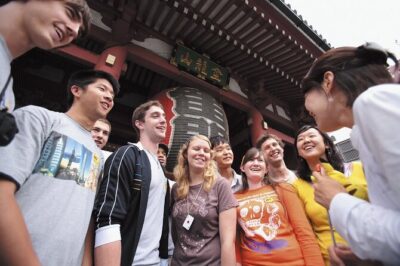
Dynamic Tokyo: Tokyo Tower, Tea Experience, Bay Cruise Day Tour
Read our review →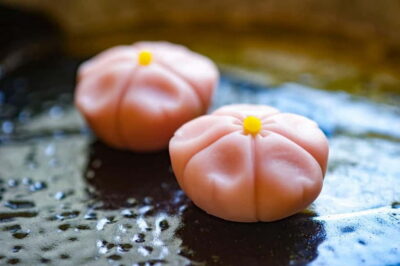
Matcha Making Experience with Mochi Sweets in Asakusa
Read our review →
Tea Ceremony Workshop in Tokyo by the Experienced Instrucor
Read our review →
Browse the lists this tour appears in