
Reviewed · TOKYO WALKING TOURS
Discover Tokyo 3 Hour Customizable Private Walking Tour
Tokyo is easiest to understand when someone helps you read the small details: how a shrine fits beside a shopping street, how to order a simple meal, or which train connection makes sense. This private tour lets you shape three hours around your interests, with possible routes through Shibuya, Shinjuku, Ueno, or Odaiba.
I like the one-to-one attention and the freedom to choose a start time. I also like that guides such as Bunga and Ron have tailored plans around specific interests, rather than handing every guest the same fixed walk. The main drawback is geography: these areas are spread far apart, so you should confirm which stops can realistically fit into three hours.
Key points
- Private and adjustable: Your group has the guide to itself, with room to focus on food, culture, local customs, shopping, or city views.
- Four very different route ideas: Shibuya, Shinjuku, Ueno, and Odaiba each show a different side of Tokyo.
- Useful trip advice: You can ask about basic Japanese menu items and navigating public transportation.
- Three hours goes quickly: The listed sections allow about 45 minutes each, but moving between distant neighborhoods requires careful planning.
- Transport costs are separate: The guide is included, but snacks and private transportation are not.
- Good first-day option: A private orientation can help you feel more confident for the rest of your Tokyo stay.
A private first look at Tokyo
This is not a formal bus tour with a large group and a fixed script. You meet a guide for roughly three hours and decide what kind of Tokyo you want to understand first.
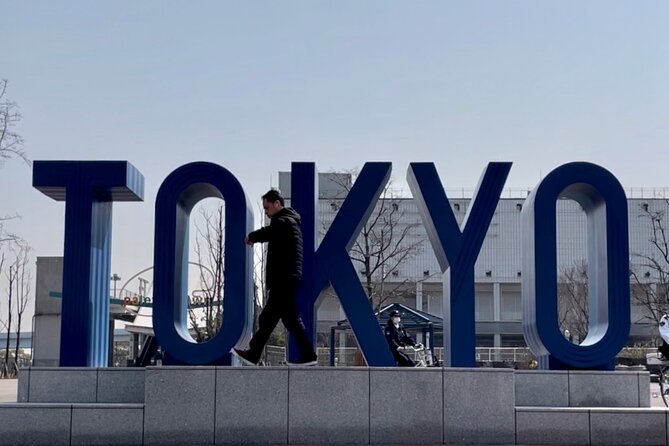
That matters in a city this large. Tokyo can feel like many separate cities joined by rail lines. Shibuya offers youth culture and back streets. Shinjuku mixes parks, drinking alleys, office towers, and broad city views. Ueno brings shrines, gates, a pond, and market streets. Odaiba gives you a modern waterfront setting reached from the Shinbashi area.
The tour is designed to help you get your bearings. I would use the time for more than photographs. Ask your guide how to handle a basic Japanese menu, how local customs work, and how to make sense of public transportation. Those answers can save you time and uncertainty later in the trip.
The guide also has room to adjust the plan. If you care about food, ask for market streets and local eating areas. If you prefer culture, request shrines and traditional details. If you want city scenery, ask for promenades and high views. The point is not to check off every famous place. It is to build a useful introduction that fits you.
More Tokyo walking tours:
- Tokyo Tsukiji Fish Market Food and Culture Walking Tour
★ 5.0 · 3,184 reviews - Tokyo: Imperial Palace and Shogun Historical Walking Tour
★ 5.0 · 2,251 reviews - Tokyo: Shinjuku Local Bar and Izakaya Guided Walking Tour
★ 4.9 · 1,794 reviews
The biggest planning question: which neighborhoods fit?
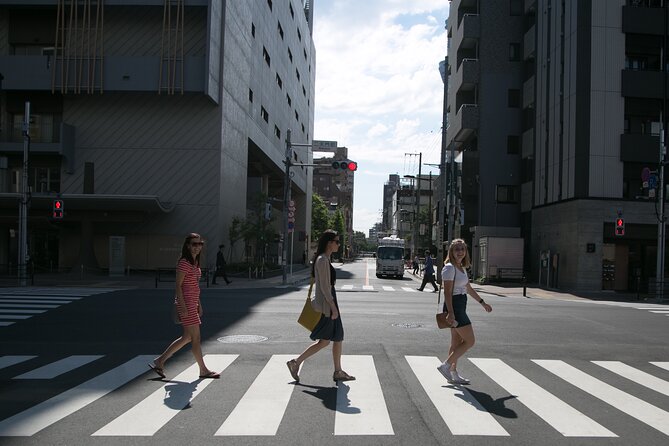
The four listed areas are not close together. Shibuya and Shinjuku sit on the western side of central Tokyo. Ueno is farther northeast, while Odaiba lies across the bay and is reached from Shinbashi by monorail.
Each area is described as a 45-minute stop. Four sections would add up to the full three hours before allowing much time for connections. Because of that, I would ask the guide before booking or soon after booking whether the plan is meant to cover all four areas or to offer a choice of route.
This is not a flaw in the idea of the tour. It is simply a matter of Tokyo scale. A private guide can make a short visit work well, but the route needs to be sensible. A focused walk through one or two nearby areas may give you more time to look around than a rushed circuit of the whole city.
The flexible starting points help. You can arrange to begin from one of several central Tokyo locations, which makes it easier to match the walk with your hotel plans or another activity. The exact starting point should be confirmed when you arrange the experience.
Shibuya, from famous crossing to quieter streets
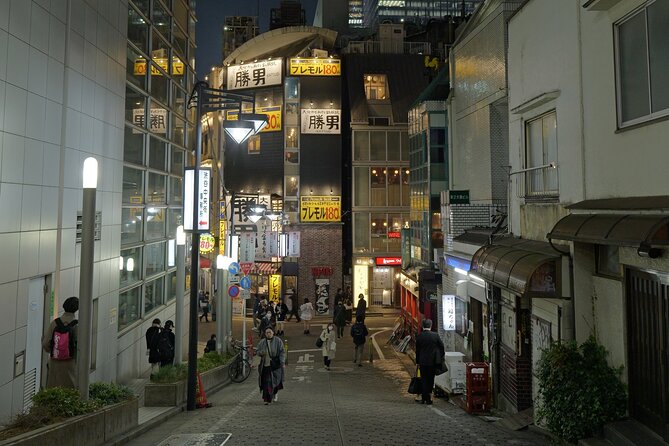
The Shibuya route moves from west to east through the neighborhood. It includes back alleys, shops, and some shrines, so the walk is not limited to the district’s best-known public spaces.
That mix is useful. Shibuya is often reduced to one famous crossing, but the surrounding streets show how entertainment, shopping, everyday businesses, and religious sites share the same district. A guide can help connect those pieces instead of leaving you to wander without context.
The back alleys are especially important for a short orientation. They offer a change of pace from major roads and give you a closer look at the smaller streets that make Tokyo feel lived-in. The shops may appeal if you want to understand local retail culture or pick up a few items without spending the whole day in a department store.
The shrines provide another contrast. You can ask your guide about basic shrine manners and local customs while you are there. The tour information does not promise admission to a particular shrine, so treat this as a neighborhood visit rather than a guaranteed temple or shrine program.
Shibuya is a good choice if you want an energetic introduction with some quieter corners. It is less suitable if your priority is old Tokyo architecture or a long cultural visit, since the stop is limited to about 45 minutes.
Shinjuku, with parks, alleys, and city views
Shinjuku is described as a large area with different moods by day and night. The possible walk includes city parks, drinking alleys, broad promenades, and sweeping views of the city.
That range makes Shinjuku one of the strongest choices for a first orientation. You can see how a major business and entertainment center changes depending on the hour. A daytime walk may suit parks, public spaces, and views. An evening route may make more sense if you want to see the drinking alleys and the district after work.
The schedule matters here. A 45-minute visit is enough for a taste, not a full exploration. Shinjuku’s scale can easily consume an afternoon, especially if you stop for food or spend time looking from a high point. Tell the guide in advance if you care more about views, parks, nightlife, or local eating areas.
I like this route for travelers who want a broad sense of Tokyo’s modern side. It also gives you practical clues about returning later on your own. Your guide can explain how the area connects to public transportation, which is exactly the sort of advice that becomes useful after the tour ends.
If you are sensitive to crowds or prefer a slow walk, ask for a calmer section of the district. The description makes clear that Shinjuku offers several types of experience, but it does not guarantee a quiet route at a particular time.
A completely different kind of day in Tokyo:
- Mt Fuji and Hakone 1-Day Bus Tour Return by Bullet Train
★ 5.0 · 26,383 reviews - 1-Day Tokyo Bus Tour
★ 5.0 · 14,250 reviews - Tokyo: teamLab Planets TOKYO Digital Art Museum Entry Ticket
★ 4.6 · 9,779 reviews - Mt Fuji & Hakone Cruise, Drum Show Bullet Train 1 Day from Tokyo
★ 4.0 · 7,413 reviews
Ueno and the walk toward Akihabara
The Ueno route is the most varied of the four. It passes shrines, Torii gates, a large pond, Ameyoko Street, ethnic food, bargain shopping, and goods associated with the route toward Akihabara.
This section gives you a look at an older-feeling part of Tokyo without turning the outing into a museum visit. The shrines and gates bring in religious and cultural details. The pond offers a slower setting. Ameyoko adds street commerce, food, and bargain hunting.
I would choose Ueno if you want a walk with several different textures in a short time. You can ask the guide to explain shrine etiquette, point out food options, or help you understand what to look for in the market area. Since snacks are not included, any food you purchase will be your own expense, but the guide can help you make better choices.
The route is also useful if Akihabara interests you. The provided details describe the walk as moving through Ueno toward the Akihabara area, but they do not promise a specific electronics store, game shop, or anime-focused stop. Ask for the emphasis you want before setting out.
There is a practical tradeoff. Market streets can take time, and the area offers enough distractions to make 45 minutes feel short. If you want to browse, eat, and visit shrines, consider making Ueno the main focus rather than adding several faraway districts.
Odaiba by way of Shinbashi
The Odaiba option begins around Shinbashi and uses the monorail to reach the man-made island. The route includes a man-made beach, Rainbow Bridge, a Statue of Liberty replica, and other modern sights.
This is the most different option in the group. Instead of old streets or dense shopping districts, you get open waterfront views and large modern structures. Odaiba can help you see Tokyo as a city built around the bay as well as a city of narrow lanes and rail stations.
The monorail ride is part of the proposed route, but private transportation is not included. That means you should expect transportation costs to be separate. The available details do not state the exact fare or explain whether the guide’s own ticket is covered, so ask about that before the tour begins.
Odaiba also needs more travel time than a compact walking route. The ride from Shinbashi and the return journey reduce the time available for sightseeing. I would select this option if the waterfront and modern city views are high on your list. I would not combine it with several distant neighborhoods unless the guide confirms that the timing works.
The beach and bridge views make this a good choice for photographs and a change from central Tokyo. It may be less useful if your main goal is traditional culture, market food, or small back streets.
What the guide adds beyond directions
The strongest reason to book a private tour is the guide’s ability to adjust the experience as you go. The supplied accounts describe Bunga as someone who built a plan around the guest’s input, while Ron is described as preparing carefully around a couple’s interests and combining busy places with less obvious stops.
Those details point to the service you should expect: a conversation before the walk, followed by a route that makes sense for your priorities. You should tell the guide what you already know, what you want to see, and what you do not care about.
The guide can also act as a practical bridge to the rest of your trip. Ask for simple Japanese phrases or menu help if you are unsure about ordering. Ask how to use the train system if the stations feel confusing. Ask for suggestions for later visits, but remember that the guide can offer advice rather than include additional attractions in the three-hour tour.
The personal approach also suits first-time visitors who want patience. The feedback supplied for this experience places special emphasis on friendly, attentive guidance and clear explanations. I would value that most during a first visit, when a short answer to a basic question can make the city feel much easier.
Price, time, and what you receive
The listed price is $91.04 per person. For a private three-hour experience, the value depends mainly on your group size and how much you use the customization.
For one person, it is a sizeable spend for a short introduction. For a couple or small group, the private format can make more sense, especially if you want to avoid a fixed public group and have specific interests. Group discounts are available, though the exact discount is not provided.
The guide is included. Snacks are not, and private transportation is not. You should budget separately for any food, drinks, or transport required by your chosen route. This matters most for Odaiba, since the plan includes a monorail ride.
The tour is booked an average of 54 days ahead, which suggests that planning early may be sensible if you want a particular date or guide. Confirmation is provided at booking, and the mobile ticket makes the experience easy to keep with your other travel documents.
You can cancel for a full refund up to 24 hours before the start time. Cancellations and changes made less than 24 hours ahead are not accepted for a refund, and the cut-off follows Tokyo local time.
Who will get the most from this walk?
I would recommend this experience to a first-time Tokyo visitor who wants a human introduction before exploring alone. It is also a good match for couples, families, and small groups with different interests, since the private format allows the guide to adjust the pace and subject.
It suits you if you want practical help as much as sightseeing. Menu advice, local customs, train guidance, and neighborhood context can be worth more than another list of famous places.
It may be less suitable if you want a full sightseeing day, guaranteed entry to major attractions, or a specialist tour focused on one subject. Three hours is a useful start, but it is not enough for a detailed visit to four widely separated districts.
You should also be comfortable walking for much of the experience. A moderate level of physical fitness is advised, and the route may include ordinary city streets, public spaces, and transit connections.
Should you book the Discover Tokyo walk?
Book it if you want a flexible private orientation and are willing to help shape the route. Bunga and Ron are associated with plans built around individual interests, and the format gives you a chance to ask the practical questions that improve the rest of your trip.
Before committing, confirm the exact neighborhood combination. Shibuya, Shinjuku, Ueno, and Odaiba are all worthwhile, but a three-hour visit cannot offer equal time in every area without rushing. Choose the district that best matches your priorities, and treat the tour as a smart introduction rather than a complete tour of Tokyo.
FAQ
How long is the Discover Tokyo Customizable Private Walking Tour?
The experience lasts approximately three hours.
Is this a private tour?
Yes. Only your group participates in the activity.
How many people can join?
The supplied information does not state a maximum group size. Group discounts are available.
Can I choose the start time?
Yes. You can choose a start time that fits your schedule.
Where can the tour begin?
Multiple central Tokyo starting points are available. Confirm the exact meeting place when booking.
Which Tokyo areas can the tour include?
The listed route options include Shibuya, Shinjuku, Ueno, and Odaiba, with the Odaiba route beginning around Shinbashi.
Is transportation included?
Private transportation is not included. The Odaiba route includes travel by monorail, so transportation costs should be confirmed and budgeted separately.
Are snacks included?
No. Snacks are not included in the price.
Do I need to be physically fit?
You should have a moderate level of physical fitness.
Can I cancel for a refund?
Yes. You can cancel at least 24 hours before the local start time for a full refund. Cancellations or changes made less than 24 hours before the start are not accepted for a refund.
More 3 Hour Experiences in Tokyo
- Tokyo Top Highlights 3h Guided E-bike Tour
★ 5.0 · 714 reviews - 3h Tokyo E-Bike Tour: Hidden Gems, and Local Life with guide
★ 5.0 · 670 reviews - Tokyo: 3-Hour Bike or E-Bike City Highlights Tour
★ 4.8 · 435 reviews - Tokyo: 3-hour Guided E-Bike Tour of the City’s Hidden Gems
★ 4.8 · 251 reviews
Newly reviewed around Tokyo
- Tokyo Asakusa:Calligraphy & Make T-shirt Activity★ 5.0 · 62 reviews
- Intercity Shuttle, Tokyo to Haneda /Narita /Yokohama /Makuhari★ 5.0 · 5 reviews
- 1 Hour Travel around Tokyo with a Professional Photographer★ 5.0 · 3 reviews
- Travel Tokyo with Your Own Personal Photographer★ 5.0 · 43 reviews
- Train in Samurai Swordsmanship and Defeat the Demon in Tokyo★ 5.0 · 5 reviews
- Shuttle Van 6hr Tokyo Tour to-and-from Tokyo, Yokohama and Narita★ 5.0 · 9 reviews
- Kickboxing & Body Training with EX-Pro Fighter★ 5.0 · 4 reviews
- Traditional Japanese Knife Sharpening Class★ 5.0 · 18 reviews
Tokyo Walking Tours, compared.
Tokyo Tsukiji Fish Market Food and Culture Walking Tour
Read our review →
Imperial Palace and Shogun Historical Walking Tour
Read our review →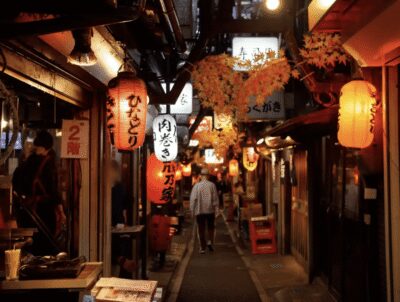
Shinjuku Local Bar and Izakaya Guided Walking Tour
Read our review →
Asakusa Walking Tour with Sensoji Temple Visit
Read our review →
Tokyo Castle & Imperial PalaceーShogun Walking Tour
Read our review →
Browse the lists this tour appears in