
Reviewed · TOKYO SAMURAI AND NINJA EXPERIENCES
Tokyo 2-Hour Genuine Samurai Experience: Kendo in Japan
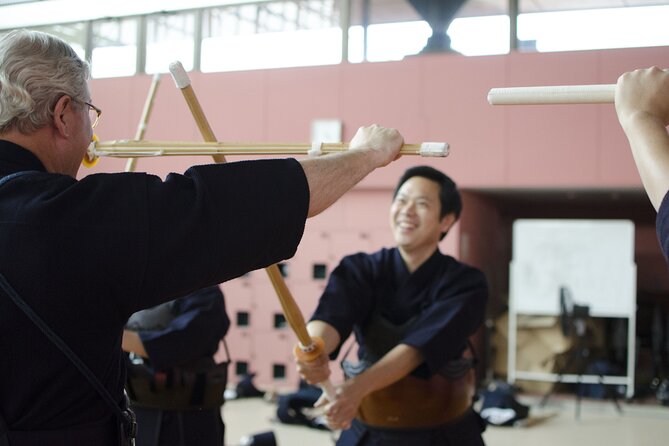
The most memorable part of this Tokyo activity is that you do not simply pose with a sword. You learn the basics of kendo, put on real training armor, and take part in a tournament-style game at a working dojo. The English-speaking instructor demonstrates each movement and guides you through the etiquette behind the sport.
I like the one-on-one attention and the chance to train alongside local dojo students. I also like that all equipment is supplied, including the keikogi, hakama, protective bogu, and bamboo sword. The main drawback is physical: this is an active martial-arts class, and the heavy gear can become hot. Strong fitness is recommended, especially if your knees are sensitive.
Key points before you book
- You train in full kendo gear: Wear the borrowed keikogi, hakama, and bogu before practicing strikes and footwork.
- The lesson is practical: A demonstration leads into drills, then a tournament-style combat game.
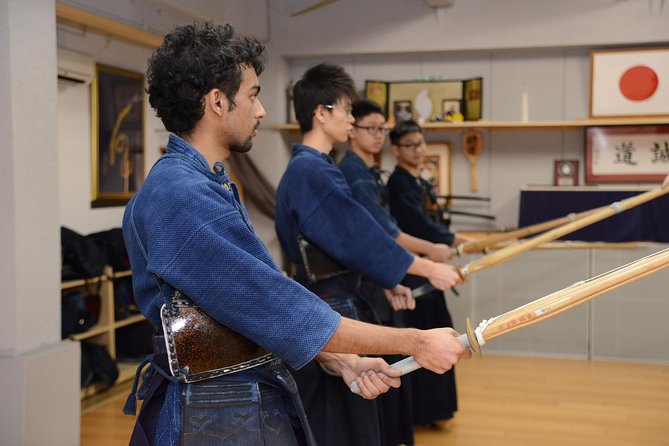
- The dojo setting feels authentic: You may train while regular local students practice nearby.
- English instruction is provided: The guide explains the movements, etiquette, and basic ideas in an easy-to-follow way.
- The activity suits families and beginners: The minimum age is 9, and no previous kendo experience is required.
- Plan for real exercise: Wear athletic clothes underneath, drink water beforehand, and tell the instructor about knee problems.
What this Tokyo kendo class actually offers
Kendo is often translated as the way of the sword. It grew from Japanese swordsmanship and remains a formal martial art, not a theatrical samurai show. In this two-hour session, you learn how the sport works, how practitioners behave in the dojo, and how to make controlled strikes with a bamboo sword.
The format is especially useful for first-time students. You are not expected to know how to stand, bow, hold the shinai, or move across the floor. The instructor demonstrates the basics, then corrects your form as you practice.
The lesson is held at a dojo in northern Tokyo, at 誠道館ビル, 4 Chome-7 Higashinippori, Arakawa City. You make your own way there, and the activity finishes at the same meeting point. That makes it easy to pair with other plans in the area, but you should allow time to find the building and arrive ready to train.
The group can include up to 15 people. That is small enough for personal guidance, though the amount of individual attention may depend on how many people are booked that day.
More Tokyo samurai and ninja experiences:
- Tokyo: Samurai Ninja Museum Guided tour and Experience
★ 4.6 · 1,010 reviews - Tokyo: Samurai Sword & Archery Class from Samurai Descendant
★ 5.0 · 603 reviews - Best Samurai Experience in Tokyo
★ 5.0 · 458 reviews
Beginning with samurai etiquette and demonstrations
The class starts with an introduction to samurai culture and kendo etiquette. This part matters because kendo is built around discipline, respect, and controlled movement. You learn that the sword is not treated as a toy, and that the formal gestures are part of the practice.
The instructor then demonstrates the basic actions. You can expect guidance on stance, grip, footwork, and hitting technique. The teaching is designed for beginners, and the instructor speaks English in a clear, accessible way.
This opening section is not just background for photographs. It gives you a better sense of why kendo looks so precise. A correct strike depends on timing, posture, foot position, and a clear voice, not simply on swinging hard.
The instructors are patient with new students. One instructor named Keshi has been praised for making the session easy to follow and memorable, while another sensei has decades of kendo training. The exact instructor lineup may vary, but the class is led by experienced practitioners rather than actors in costume.
Getting dressed in keikogi, hakama, and bogu
One of the most interesting parts is learning how to put on the clothing and protective equipment. You wear a keikogi, the jacket-like top, and a hakama, the wide pleated trousers associated with Japanese martial arts.
You then add the bogu, or protective armor. It is designed for contact practice, so it is heavier and warmer than ordinary sports clothing. That weight changes how you move and gives you a better sense of the demands of real kendo training.
You do not need to bring armor or a bamboo sword. Rental kendo equipment is included in the price. A bottled mineral water and Japanese hand towel are also provided.
Wear comfortable athletic clothing under the uniform. The class is not a quiet cultural demonstration, and the gear can become hot as the session continues. Drink water before you arrive, and use the scheduled water break.
If you have bad knees, mention it before the drills begin. Kneeling and low movements may be modified or skipped when needed. The information provided for this activity recommends a strong level of physical fitness, so this is not the best choice if you are looking for a gentle, seated cultural activity.
Learning strikes, footwork, and timing
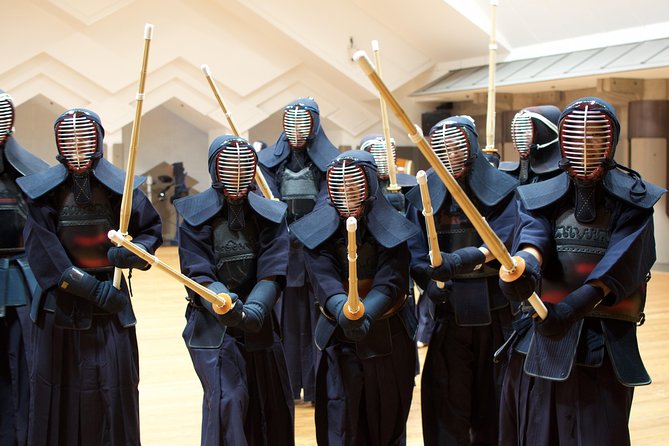
Once dressed, you work through the practical basics. The instructor shows you how to hold the shinai, how to move, and how to aim for the legal target areas. You practice the motions slowly before adding speed.
Kendo strikes are more exact than they may appear. The goal is not to hit wildly. You need the right distance, body position, footwork, and vocal call. The instructor watches for correct form and gives immediate feedback.
That coaching is one of the strongest reasons to choose this experience instead of simply visiting a museum or taking a costume photo. You get a physical understanding of the art. Even a simple strike becomes difficult when you must coordinate your hands, feet, posture, and timing.
Regular dojo students may also be present. Watching them train gives you a useful comparison, since experienced students move with a level of speed and control that beginners cannot yet match. It also helps show that the session takes place in a functioning training environment.
The class remains friendly, but the practice is real. You may hear a sharp call from the instructor when a strike is done correctly, followed by a correction when your form needs work. That direct feedback keeps the lesson lively and gives you a clear goal.
More Tokyo martial arts classes:
- Tokyo:Samurai sword and archery class from a samurai descendant
★ 5.0 · 121 reviews - Tokyo: Samurai Kendo Practice Experience
★ 4.7 · 102 reviews - Samurai Experience – Learn Bushido through Kendo, in Tokyo
★ 5.0 · 88 reviews - Tokyo: Japanese Archery (Kyudo) Experience
★ 5.0 · 78 reviews
The tournament-style combat game
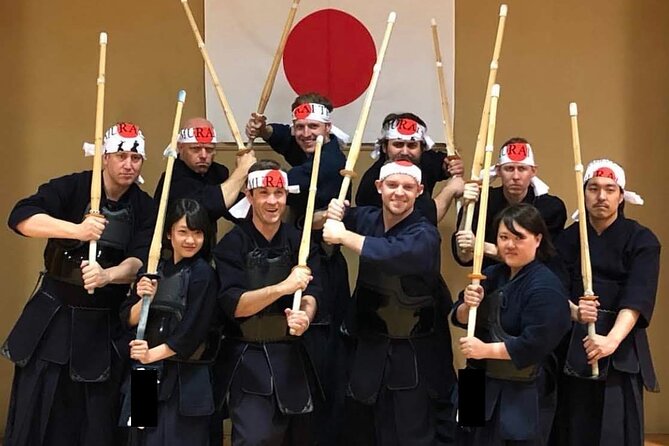
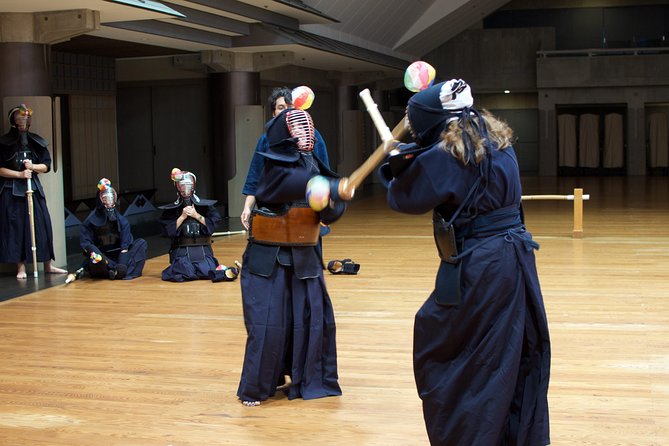
The session builds toward a mock tournament or sparring game. This is the part many people remember most, since you can use the movements you have just learned against an opponent.
The activity is structured as a beginner-friendly combat game, not an unsupervised fight. You wear protective armor, follow the instructor’s directions, and test basic strikes in a controlled setting.
Do not expect a polished movie duel. Kendo is fast, formal, and technical. Beginners may miss openings, hesitate, or focus so hard on remembering the movements that they forget to attack. That is part of the fun.
The sparring also shows why kendo takes years to master. A correct hit depends on much more than making contact. Distance, timing, posture, and commitment all count. The instructor may call out a successful strike or prompt you to try again.
This final section makes the class more than a history lesson. You leave with a physical memory of kendo, along with a better sense of the discipline required by serious practitioners.
Why the two-hour format works
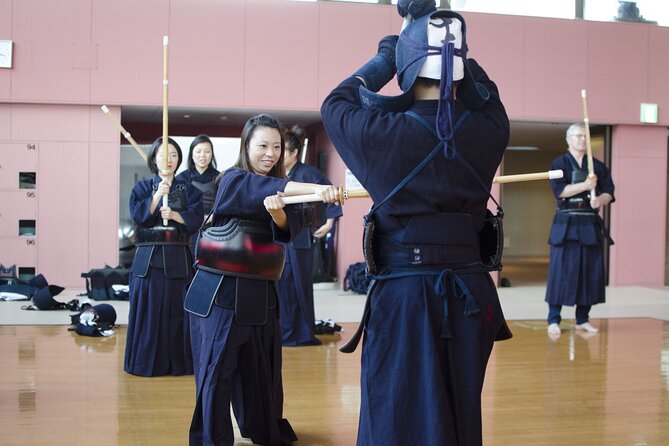
Two hours is long enough to cover the culture, clothing, basic training, and mock tournament without requiring a full day. You get a focused introduction rather than a rushed photo stop.
The schedule is offered in morning or afternoon sessions, so you can fit it around sightseeing. The supplied meeting information lists a 10:00 am start for the morning option. Check the selected session carefully when booking, since the afternoon time is not specified in the information provided here.
A two-hour class can still feel tiring once you add the armor and repeated drills. Plan a little recovery time afterward, especially if you have a full day of walking ahead. On the other hand, the location can work well as part of a broader northern Tokyo outing, since the class ends where it begins and does not include a long transfer between activities.
You are responsible for getting to the dojo. Hotel pickup and drop-off are not included, and transportation costs between activities are not covered. The location is near public transportation, so check your route before leaving rather than arriving rushed and uncertain.
The price and what you receive for $118.92
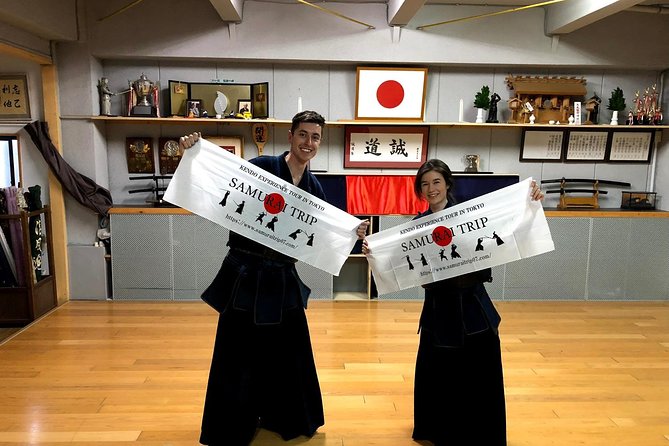
At $118.92 per person, this is not a bargain-priced introduction to Japanese culture. The value comes from the amount of hands-on instruction and the equipment included.
You are paying for a professional instructor, rented kendo clothing and armor, a bamboo sword, practical training, and the tournament-style activity. You also receive bottled water and a Japanese hand towel. If you had to arrange equipment and instruction independently, a short private introduction could be difficult to organize during a Tokyo visit.
The price makes more sense for someone who wants to participate, not simply watch. If you are mainly interested in samurai history, a museum or castle visit will usually offer more historical detail for less money. If you want to learn how kendo feels in practice, this class gives you something a standard sightseeing stop cannot.
The minimum booking is two people, which matters for solo visitors. You need at least one companion to reserve the activity. Families with older children may find the cost worthwhile because the session provides a shared challenge rather than a passive attraction.
The age minimum is 9. Children must also be comfortable with physical activity, protective gear, instructions, and the formal setting of a dojo.
Who will enjoy this experience most
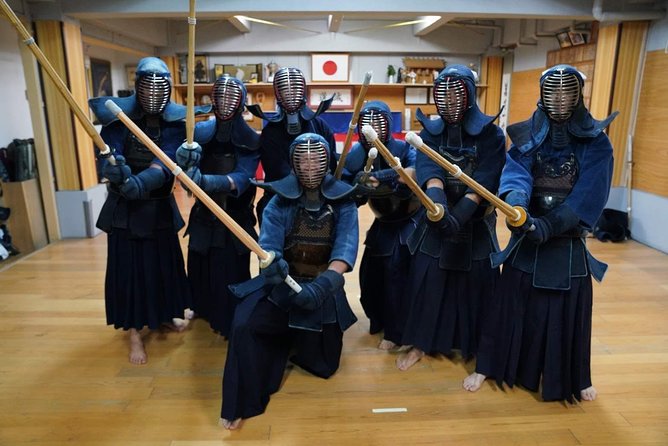
I would choose this for couples, families with older children, friends, and solo-minded visitors who can join a booking with another person. It works particularly well for anyone curious about martial arts or looking for something beyond Tokyo’s temples, shopping districts, and observation decks.
You do not need kendo experience. Beginners are welcome, and the instructor explains the basics from the start. You should be willing to listen carefully and repeat movements several times.
This is also a good fit if you appreciate authentic settings. The dojo is not presented as a stage set, and local students may train during the class. You get a glimpse of the regular discipline behind kendo, even though your own session is designed for first-time participants.
I would think twice if you dislike heat, kneeling, loud calls, close physical activity, or structured instruction. The class is friendly, but it is still a genuine martial-arts workout. It is not suitable for someone who wants a relaxed costume fitting with no exertion.
Practical advice for a smooth session
Arrive with athletic clothing and enough water already in you. The activity supplies a bottled drink and includes a water break, but starting hydrated will make the armor easier to handle.
Tell the instructor about knee problems before the physical drills. You may be able to avoid movements that cause pain, but you should not wait until the class is underway to raise the issue.
Wear clothes that are easy to move in under the uniform. You will need to change into kendo clothing and protective equipment, so avoid anything awkward or restrictive.
Keep your schedule realistic after class. The two-hour duration is approximate, and the physical work may leave you ready for food and a slower pace. The activity does not include meals or other drinks.
The activity has a maximum of 15 participants and confirmation is provided when you book. Free cancellation is available if you cancel at least 24 hours before the local start time. Cancellations or changes made less than 24 hours ahead are not accepted for a refund.
Should you book the Tokyo kendo experience?
Book it if you want an active, well-guided introduction to a real Japanese martial art. The strongest features are the English instruction, included armor, patient coaching, and final sparring game. You gain more than a samurai costume photo because you learn the etiquette and physical basics behind kendo.
I would especially recommend it for families with children aged 9 or older, adults who enjoy trying new sports, and anyone who wants a memorable break from ordinary sightseeing. The class has earned a 4.8 rating from 112 reviews, with 97 percent recommending it, and the praise centers on the instructors, the authentic training, and the fun of sparring.
Skip it if you need a low-effort activity, have serious mobility concerns, or would rather study samurai history than practice a martial art. For everyone else, $118.92 is a fair price for two hours of instruction, equipment, and a genuinely hands-on Tokyo experience.
FAQ
How long does the kendo experience last?
The activity lasts approximately two hours.
Where does the experience meet?
It meets at 誠道館ビル, 4 Chome-7 Higashinippori, Arakawa City, Tokyo 116-0014, Japan.
Does the activity include hotel pickup and drop-off?
No. Hotel pickup and drop-off are not included. You make your own way to the dojo, which is near public transportation, and the activity ends at the meeting point.
Is previous kendo experience required?
No. All experience levels are welcome, and the instructor teaches the basic movements and etiquette.
What equipment is included?
The experience includes rental kendo armor and equipment. This covers the protective bogu and training equipment used during the class.
What else is included?
A professional guide or instructor, bottled mineral water, and a Japanese hand towel are included.
What is the minimum age and booking size?
The minimum age is 9, and at least two people are required per booking.
Can I cancel for a full refund?
Yes. You can cancel at least 24 hours before the experience start time for a full refund. Cancellations or changes made less than 24 hours before the local start time are not accepted.
More 2 Hour Experiences in Tokyo
- Ninja Samurai 2-hour hands-on lesson by Japanese master in Tokyo
★ 5.0 · 194 reviews - Tokyo: Flagship 2-Hour Street Go-Kart Tour by Street Kart
★ 4.9 · 94 reviews - Tokyo: Shinjuku Izakaya and Golden Gai Bar Hopping Tour (2h)
★ 4.9 · 67 reviews - Tokyo: 2-Hour Vegan and Vegetarian Ramen Guided Walking Tour
★ 4.8 · 33 reviews
Newly reviewed around Tokyo
- Tokyo Asakusa:Calligraphy & Make T-shirt Activity★ 5.0 · 62 reviews
- Intercity Shuttle, Tokyo to Haneda /Narita /Yokohama /Makuhari★ 5.0 · 5 reviews
- 1 Hour Travel around Tokyo with a Professional Photographer★ 5.0 · 3 reviews
- Travel Tokyo with Your Own Personal Photographer★ 5.0 · 43 reviews
- Train in Samurai Swordsmanship and Defeat the Demon in Tokyo★ 5.0 · 5 reviews
- Shuttle Van 6hr Tokyo Tour to-and-from Tokyo, Yokohama and Narita★ 5.0 · 9 reviews
- Kickboxing & Body Training with EX-Pro Fighter★ 5.0 · 4 reviews
- Traditional Japanese Knife Sharpening Class★ 5.0 · 18 reviews
Tokyo Samurai and Ninja Experiences, compared.
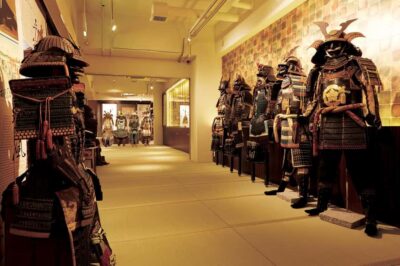
Samurai Ninja Museum Guided tour and Experience
Read our review →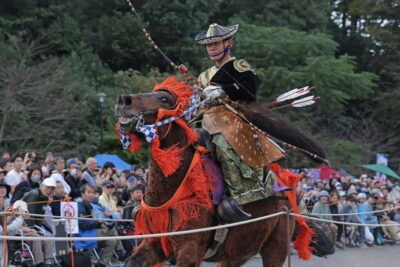
Samurai Sword & Archery Class from Samurai Descendant
Read our review →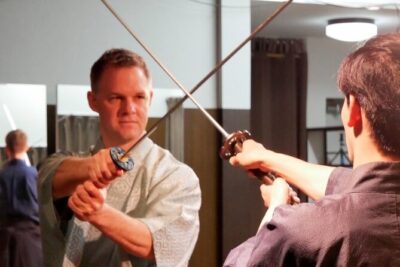
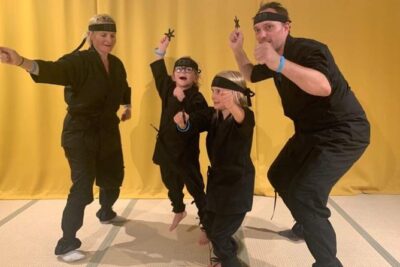
Ninja Experience (Family Friendly) at Samurai Ninja Museum TOKYO
Read our review →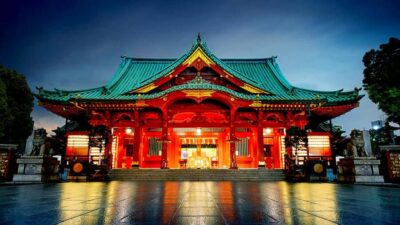
Samurai Entertainment Night Show in Kanda Shrine
Read our review →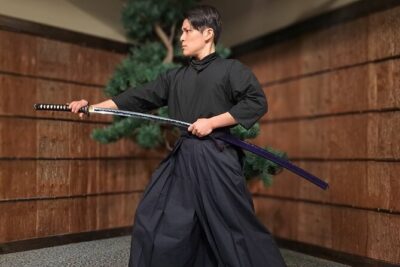
Tokyo Sword Experience – includes Museum Ticket/Ninja Experience
Read our review →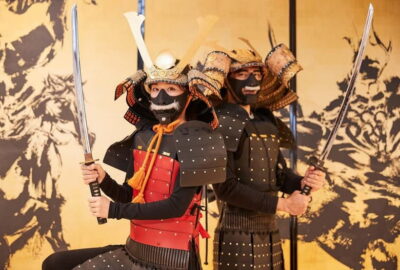
Samurai Ninja Museum Asakusa: Samurai Sword Lesson & Tour
Read our review →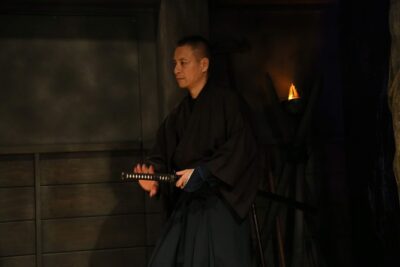
Ninja Samurai 2-hour hands-on lesson by Japanese master in Tokyo
Read our review →Browse the lists this tour appears in