
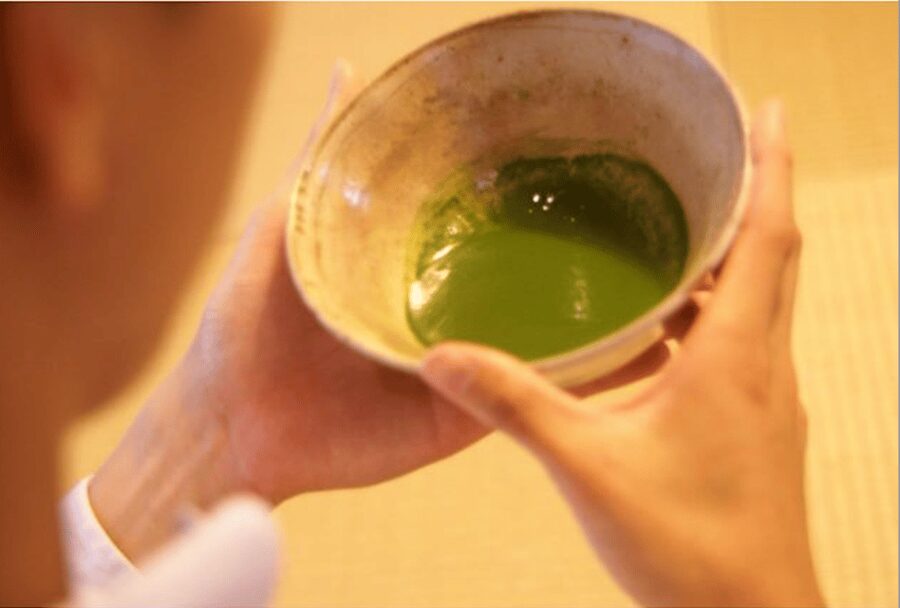
Reviewed · TOKYO TEA CEREMONY EXPERIENCES
Tokyo:Tea ceremony experience at Komaba Warakuan
Komaba Warakuan offers something many Tokyo tea experiences cannot: a lesson in a historic tea school rather than a quick photo stop. The school taught the Kobori Enshu tradition and once served as tea instructor to the third Tokugawa shogun. You learn the movements, the meaning behind them, and how to prepare the tea yourself.
I like the very small group of up to four people, which gives the Japanese instructor time to explain each step. I also like the choice between rich tea, a quiet and private-feeling setting, and light tea, a brighter session with more conversation. The main drawback is practical: several people have found the location hard to find, and one Italian visitor felt the price was high compared with other tea ceremonies.
Key points to know
- Choose your tea style: Rich tea is quieter and more secluded, while light tea is brighter and more social.
- Learn in a historic school: Komaba Warakuan is linked with the Kobori Enshu school and the Tokugawa shogunate.
- Expect a hands-on lesson: The instructor teaches you how to make tea instead of simply performing a ceremony for you.
- Plan extra time to find the entrance: Directions and location photos could be clearer.
- Small groups matter: With no more than four participants, the class feels personal and easier to follow.
- Japanese sweets are included: Each course combines tea with traditional sweets and the full ceremony setting.
A Tokyo tea ceremony with real historical roots
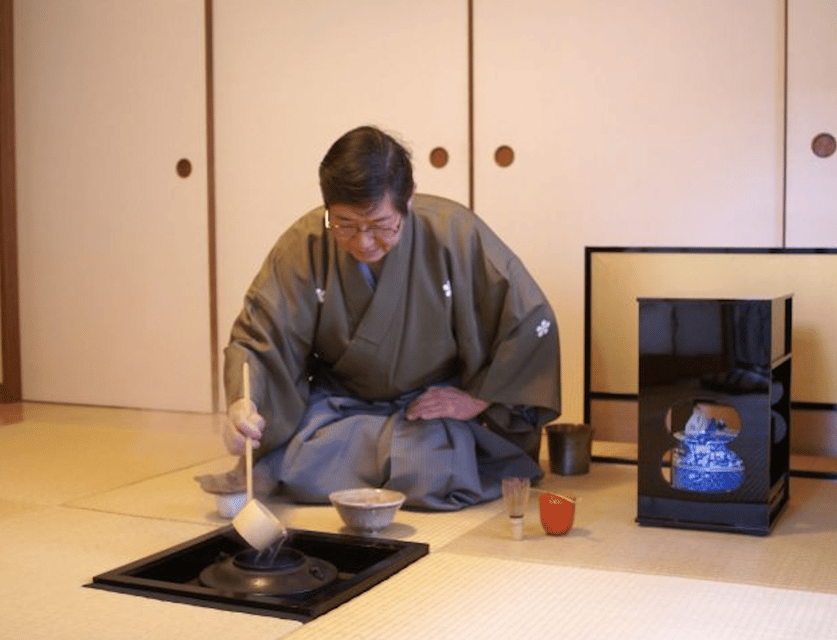
Komaba Warakuan is not presented as a stage set made only for sightseeing. It is a school with a long connection to the Kobori Enshu school of tea, a tradition associated with refined design and formal tea practice. The school also served as tea ceremony instructor to the third Tokugawa shogun, giving the experience a clear link to Japan’s courtly and samurai-era culture.
That background matters because a tea ceremony is not just about drinking a cup of green tea. The placement of objects, the way you enter the room, the handling of utensils, and the exchange between host and guest all have meaning. You may not master every rule in one visit, but you will leave with a better sense of why the ritual moves at its measured pace.
I like this setting for first-time visitors because it offers context without requiring prior knowledge. The session is designed for beginners, and the instructor explains the flow before the formal part begins. You are not expected to arrive knowing how to kneel, bow, hold a whisk, or handle the tea bowl.
More Tokyo tea ceremonies:
- Matcha Making Class in Tokyo with Authentic Japanese Sweets Set
★ 5.0 · 744 reviews - Tokyo: Traditional Tea Ceremony with a Tea Master
★ 5.0 · 528 reviews - Dynamic Tokyo: Tokyo Tower, Tea Experience, Bay Cruise Day Tour
★ 4.5 · 521 reviews
What happens from arrival to the tea room
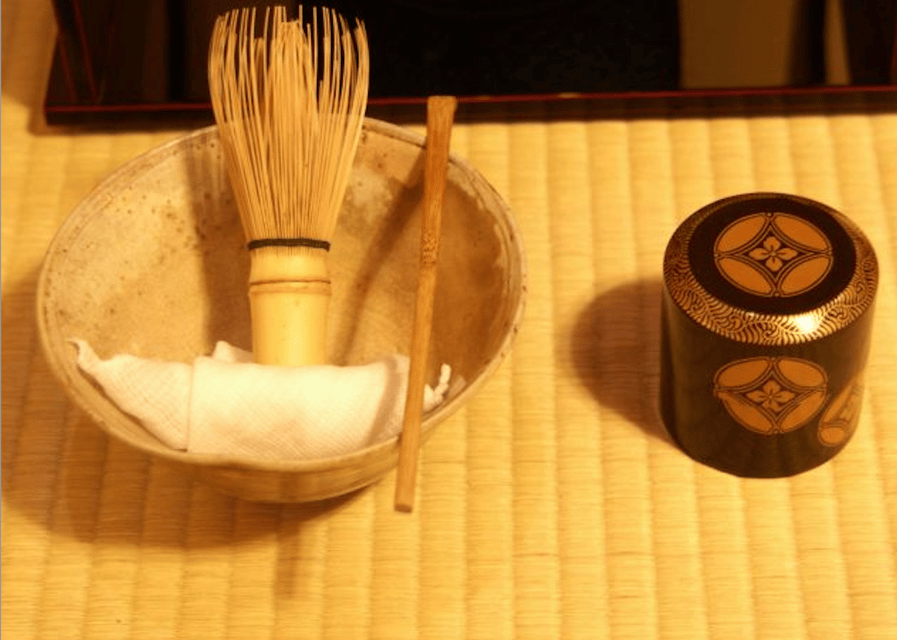
Your visit begins with an explanation of how the session will unfold. This is a useful start, especially if you have never attended a Japanese tea ceremony. The instructor can set out the order of events and explain what you should do before the formal preparation begins.
Next, you change into tabi socks. Tabi are traditional Japanese socks with a separate section for the big toe. They are provided, though you can bring your own if you prefer. This small detail helps shift the experience from an ordinary class into a more traditional setting.
From there, you are led through the open ground to the tea room. That short transition is part of the appeal. You are not simply seated at a modern table and handed a cup. The movement toward the tea room helps create a clear break from the streets and ordinary sightseeing.
Inside, the instructor carefully teaches you how to make tea. The exact pace can vary, since the experience lasts from 90 minutes to two hours, but the small group should make it easier to ask questions and copy the correct movements. The activity includes the tools needed for the lesson, including the items described as fukusa scissors, a folding fan, paper, and a toothpick. If you have your own tea utensils or accessories, you are welcome to bring them.
Japanese tea and traditional sweets are included in all three available courses. The sweets are not just a snack added to the booking. In tea practice, the sweetness prepares your mouth for the bitter tea, making the drink easier to appreciate.
Rich tea or light tea: choosing the right mood
The choice between rich tea and light tea is the most important decision you make when booking. The two options are not simply different drink sizes. They offer different moods and social settings.
Rich tea takes place in what is described as a hidden seat. You face the tea quietly, with a more private and restrained atmosphere. This may suit you if you want to focus on the ritual, watch the instructor closely, and spend less time on casual conversation.
Rich tea is likely the better fit for someone drawn to the formal side of Japanese culture. It may also work well for a couple or solo visitor who wants a calm pause in a busy Tokyo schedule. The quieter setting can make the details easier to notice, although it may feel serious if you prefer a relaxed, chatty class.
Light tea is described as the seat of the sun. It is brighter and more open, with lively conversation. Pick this option if you want the ceremony explained in a more social way or if you are attending with children and want a little more energy in the room.
The light tea option may also be the safer choice if you are unsure how formal you want the experience to feel. You still take part in the traditional process, but conversation helps keep the mood friendly and accessible.
Why the four-person limit improves the lesson
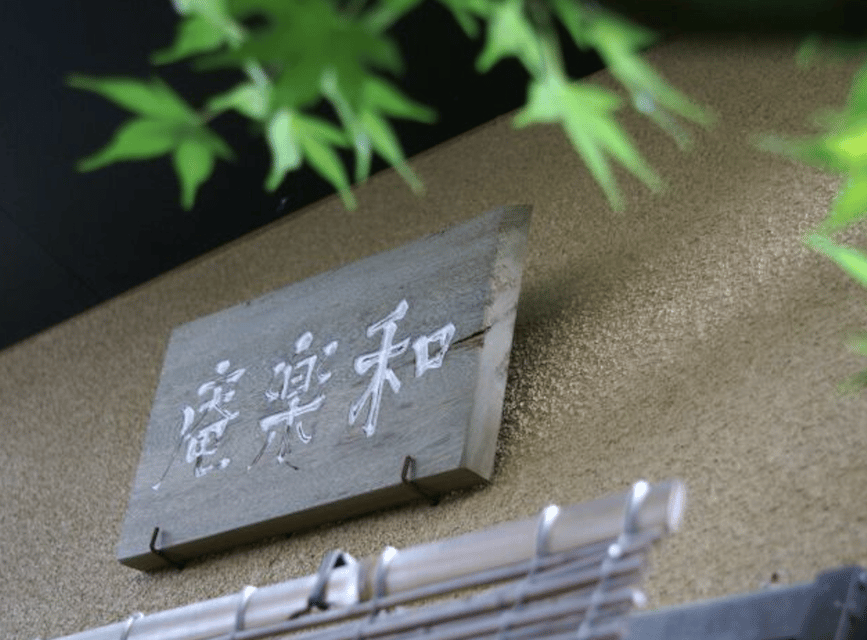
The group size is limited to four participants. That is a strong feature for a hands-on cultural activity. A large group can turn a tea ceremony into a demonstration where you sit at the back and try to see around other people. Here, you should have a much clearer view of the instructor’s hands and tools.
A small class also gives you a better chance to follow the sequence at your own pace. Tea ceremony has many small movements, and it can be hard to remember them all after seeing them once. With only a few people present, the instructor can repeat an action or correct a small mistake without slowing down an entire busload.
The experience is conducted in Japanese. That is important to know before booking. The supplied information does not list another operating language, so you should not assume that the instruction will be in English. The activity is beginner friendly, but the language detail may matter if you need extensive verbal explanation.
The positive side is that tea ceremony includes visual instruction. You watch the order of movements, copy the handling of the utensils, and take part directly. Still, if language support is important to you, contact the provider before booking rather than relying on guesswork.
A completely different kind of day in Tokyo:
- Mt Fuji and Hakone 1-Day Bus Tour Return by Bullet Train
★ 5.0 · 26,383 reviews - 1-Day Tokyo Bus Tour
★ 5.0 · 14,250 reviews - Tokyo: teamLab Planets TOKYO Digital Art Museum Entry Ticket
★ 4.6 · 9,779 reviews - Mt Fuji & Hakone Cruise, Drum Show Bullet Train 1 Day from Tokyo
★ 4.0 · 7,413 reviews
An authentic setting, with one clear navigation problem
The experience has earned a strong overall rating of 4.8 from nine ratings, and the most praised points are its authenticity, friendly instruction, and educational value. One visitor called it a wonderful, very traditional experience. Another described the instructor as very nice and clear in explaining each stage.
A family with a 14-year-old and an 11-year-old found the session educational and relaxing for both children. That makes this a useful choice for families who want something quieter than a major Tokyo attraction. The ceremony gives children a cultural activity with a clear structure, though you should choose light tea if your family prefers conversation and a more open mood.
The weak point is finding the venue. A visitor from Hong Kong had great difficulty locating it and specifically wanted better directions and clearer photos. An Italian visitor also had trouble finding the place. I would treat this as a real planning issue, not a minor complaint.
Allow extra time before the start. Study the meeting instructions carefully, save any available map details, and avoid arriving at the last minute. The session begins with an explanation, but that does not mean late arrival will be convenient for you or the group.
Is $56 a fair price?
The listed price is $56 per person, including the experience fee and tax. That is not a bargain tea break, especially if you compare it with simply ordering matcha and a sweet at a café. You are paying for a small group, a traditional setting, guided instruction, Japanese sweets, tabi socks, and access to a school with a notable historical connection.
The value is strongest if you want to understand the ceremony rather than just taste the tea. A short demonstration can give you a photograph and a cup. This experience gives you the chance to handle the process yourself and learn why the movements matter.
Still, the price deserves a careful look. One participant felt the cost was high after comparing it with other tea ceremonies. Tokyo offers many tea activities, and some may charge less or include more time. If your goal is simply to drink matcha, $56 may feel steep. If you value a four-person class in a historic school, the price is easier to justify.
The length also helps the value. You should set aside 90 minutes to two hours, depending on the selected course and pace. That is long enough to make the visit feel like a proper cultural lesson rather than a rushed stop between sightseeing plans.
Who will enjoy Komaba Warakuan most?
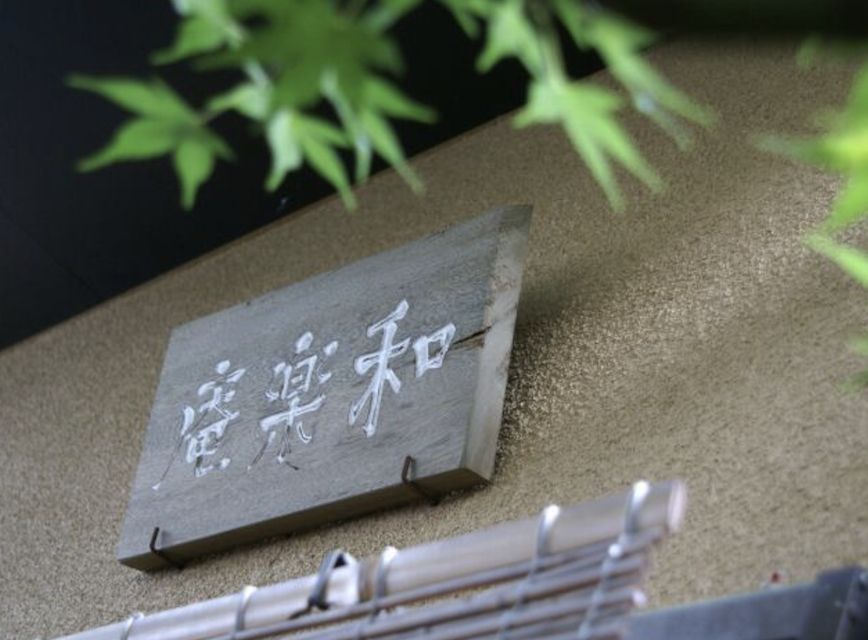
I would recommend this experience to first-time visitors who want a gentle introduction to Japanese tea ceremony. You do not need to know the etiquette beforehand, and the instructor explains the process before teaching you to prepare the tea.
It also suits families with older children, couples, and solo visitors who prefer a small class. The light tea option should appeal to people who enjoy questions and conversation. Rich tea is a better match for people who want silence, formality, and close attention to the ritual.
You may want to choose another activity if you need English instruction, dislike formal customs, or want a low-cost food experience. The Japanese-only format may be a barrier, and the location requires careful planning. The price also makes more sense for someone who values the history and instruction, not just the beverage.
Booking and cancellation details
You can cancel up to three days in advance for a full refund. Check availability for the current start times, since the duration is listed as 90 minutes to two hours rather than one fixed length.
Japanticket Inc. provides the experience. The class is held in Tokyo on Honshu, and the activity is limited to four participants. Since the location has been difficult for some people to find, I would arrive early enough to deal with a wrong turn without missing the opening explanation.
Should you book this tea ceremony?
Book Komaba Warakuan if you want hands-on instruction, a small group, and a serious connection to tea history. The school setting, tabi socks, traditional sweets, and choice of tea style give the visit more substance than a quick ceremonial display.
Before paying, decide which atmosphere suits you. Choose rich tea for a quiet, focused session. Choose light tea for conversation and a brighter mood. Also make sure the Japanese-only instruction works for you and allow extra time to locate the venue.
For a visitor who wants the cheapest cup of matcha in Tokyo, this is not the right pick. For someone who wants to learn the ritual in a historic school and take part personally, the $56 price can be worthwhile.
FAQ
Where does the tea ceremony take place?
It takes place at Komaba Warakuan in Tokyo, on Honshu, Japan.
How long does the experience last?
The activity lasts from 90 minutes to two hours. Starting times depend on availability.
How much does it cost?
The price is $56 per person, including the experience fee and tax.
How many people can join?
The activity is limited to four participants, making it a small-group experience.
Is the ceremony suitable for beginners?
Yes. The instructor explains the process and carefully teaches you how to make the tea.
Can I choose between different types of tea?
Yes. You can choose rich tea or light tea. Rich tea is quieter, while light tea has a brighter setting and more conversation.
Are Japanese sweets included?
Yes. All three courses include Japanese tea and traditional sweets.
Are tabi socks provided?
Yes. Tabi socks are provided, and you may bring your own if you prefer.
What language is used during the experience?
The listed language is Japanese, and the instructor is Japanese.
Can I cancel for a full refund?
Yes. You can cancel up to three days in advance for a full refund.
Newly reviewed around Tokyo
- Tokyo Asakusa:Calligraphy & Make T-shirt Activity★ 5.0 · 62 reviews
- 1 Hour Travel around Tokyo with a Professional Photographer★ 5.0 · 3 reviews
- Travel Tokyo with Your Own Personal Photographer★ 5.0 · 43 reviews
- Intercity Shuttle, Tokyo to Haneda /Narita /Yokohama /Makuhari★ 5.0 · 5 reviews
- Train in Samurai Swordsmanship and Defeat the Demon in Tokyo★ 5.0 · 5 reviews
- Shuttle Van 6hr Tokyo Tour to-and-from Tokyo, Yokohama and Narita★ 5.0 · 9 reviews
- Kickboxing & Body Training with EX-Pro Fighter★ 5.0 · 4 reviews
- Traditional Japanese Knife Sharpening Class★ 5.0 · 18 reviews
Tokyo Tea Ceremony Experiences, compared.
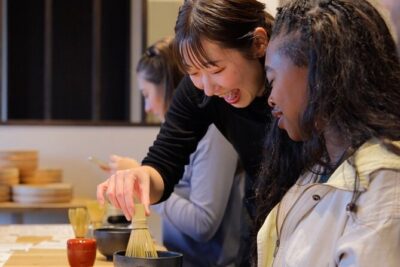
Matcha Making Class in Tokyo with Authentic Japanese Sweets Set
Read our review →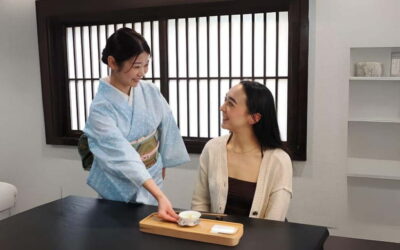
Dynamic Tokyo: Tokyo Tower, Tea Experience, Bay Cruise Day Tour
Read our review →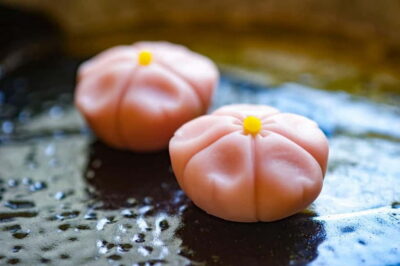
Matcha Making Experience with Mochi Sweets in Asakusa
Read our review →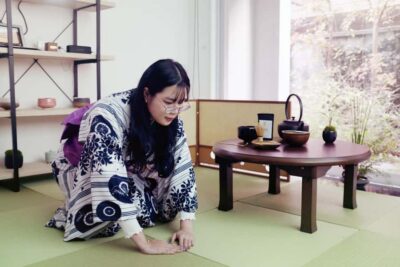
Tea Ceremony Workshop in Tokyo by the Experienced Instrucor
Read our review →
Browse the lists this tour appears in