
Reviewed · TOKYO COOKING CLASSES
Tokyo: Wagyu and 7 Japanese Dishes Cooking Class
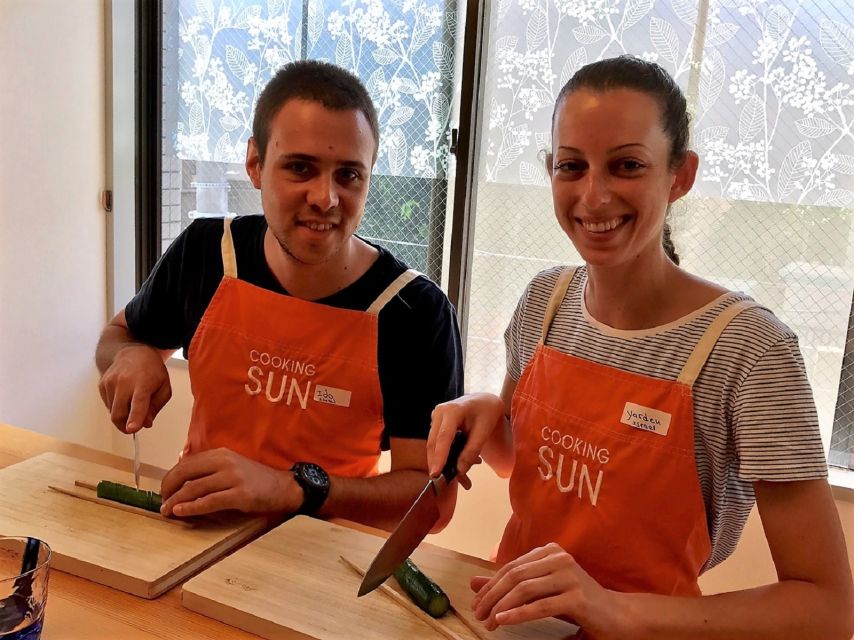
Tokyo’s Cooking Sun class puts Wagyu beef at the center of a full Japanese meal, but the beef is only part of the appeal. In about three hours, you prepare eight dishes, starting with small plates and dashi-based soup and finishing with a Japanese sweet. The class is practical, friendly, and built around food you can make again at home.
I like two things right away: the small group of up to eight keeps the instruction personal, and the recipes explain everyday Japanese cooking rather than focusing only on restaurant showpieces. The English-speaking instructors also explain ingredients, customs, and useful substitutions. The one drawback is that the studio can be hard to find in a quiet residential building, so you should prepare the directions before leaving.
Key points to know
- Eight dishes in one class: Prepare appetizers, soup, meat, side dishes, and dessert.
- Wagyu is the main event: Cook and eat tender beef in a Japanese hotpot-style dish.
- Useful home cooking: Learn dashi, miso, cutting methods, omelette technique, and simple sauces.
- Small English-speaking class: The group is capped at eight, with step-by-step help.
- Residential Tokyo setting: The studio is near Shinanomachi, away from the usual sightseeing streets.
- Good value at $67: Ingredients, utensils, apron, towel, welcome tea, and recipes are included.
What this Tokyo cooking class is really about
This is not a sushi-rolling lesson. It is a lesson in the foundation of Japanese home cooking, with Wagyu added as a special centerpiece.
That distinction matters. You learn how dashi gives soup its savory base, how miso varieties differ, how Japanese dishes balance texture and flavor, and how several modest side dishes can turn into a complete meal. The class also gives you recipes and practical tips for finding substitutes outside Japan.
You can expect roughly 2.5 hours of cooking followed by time to sit down and eat. The total activity lasts about three hours. That is a good length for a Tokyo morning or afternoon: long enough to learn real techniques, but not so long that the class takes over your day.
The setting is deliberately homey. Cooking Sun uses a clean, bright studio on the second floor of a beige residential building. It is not a grand culinary school with a theatrical demonstration kitchen. That is part of the charm. You work in a small room with local instructors and other participants, which makes the experience feel more like a shared meal than a stage show.
More Tokyo cooking classes:
- Tokyo: Roll and Authentic Sushi Making Class in Asakusa
★ 4.9 · 1,957 reviews - Tokyo Shinjuku Chopsticks Making Class
★ 5.0 · 1,763 reviews - Tokyo: Sushi Making Class in a Happi Coat near a Famous Spot
★ 4.9 · 1,377 reviews
Finding the studio near Shinanomachi
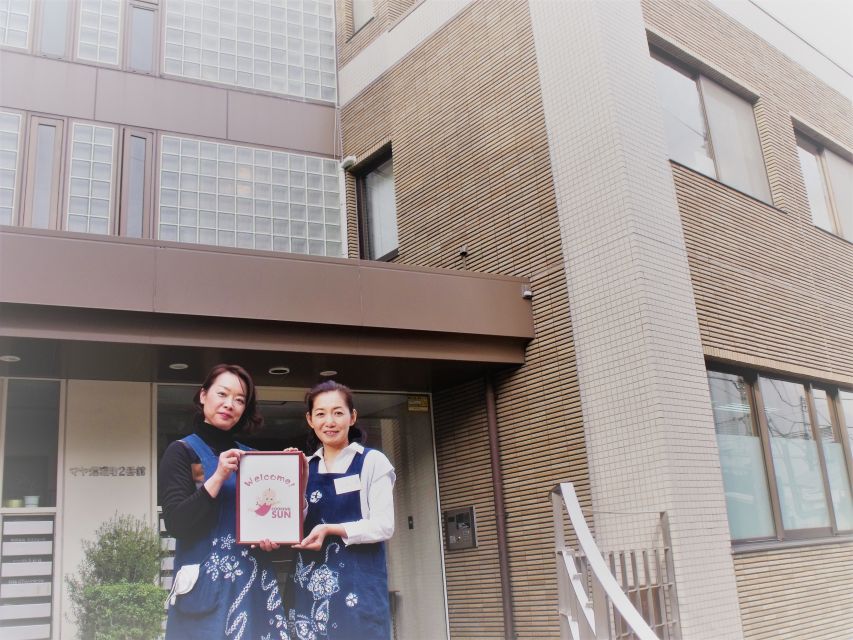
The studio is in a residential part of Tokyo, and the entrance is not obvious. Search Google Maps for Cooking Sun Tokyo, using the address Shinanomachi 18-39, Shinjuku-ku, Tokyo.
At the building entrance, you will see two doors. Use the door on the right. The studio is on the second floor, and you can press 314 on the intercom to call the staff.
I would not leave this detail until the last minute. If you have mobile data or Wi-Fi, Google Maps should help. If you do not, check the detailed directions before heading out. This is not the kind of meeting point where you want to arrive with a hungry group and then wander around a residential block.
If you arrive by a privately arranged vehicle, ask the driver to use a nearby coin-operated parking lot for waiting. Do not stop directly in front of the building or sit in the street. The area is quiet, and respecting the neighbors is important.
The residential location gives you a small look at a part of Tokyo you might otherwise miss. Just keep your expectations realistic: this is a cooking studio in a local neighborhood, not a sightseeing stop with a view.
Starting with Japanese ingredients and basic techniques
The instructors welcome you with tea, provide aprons and towels, and have the ingredients and utensils ready. The class is taught in English, and the pace is designed for beginners.
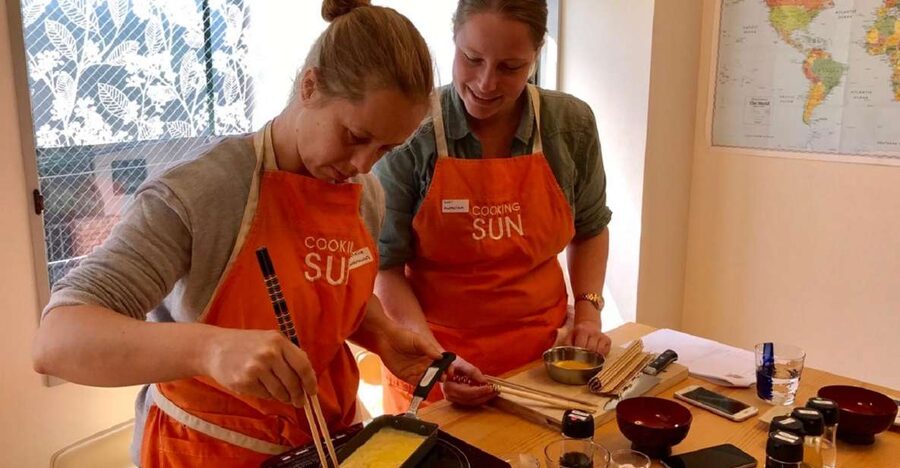
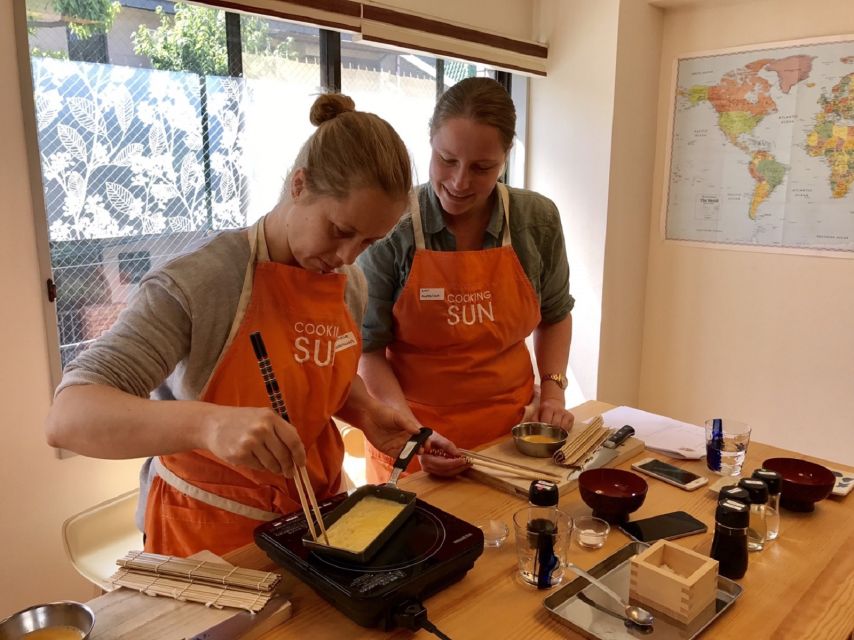
The menu changes with available seasonal ingredients, but the dishes described in the class give you a good idea of the range. You might make a rolled Japanese omelette, an accordion-cut cucumber salad, sesame potato salad, tofu stuffed with ground chicken, ginger, and edamame, and a soup made from dashi prepared in class.
These early dishes teach techniques that are more useful than they may sound. Cutting a cucumber in an accordion shape is a small skill, but it changes the texture and helps the vegetable hold dressing. Making dashi from scratch shows you why Japanese soups taste savory without needing a heavy sauce. Learning the difference between red miso and white miso gives you a practical guide for cooking after your trip.
The instructors demonstrate each step before you try it. You are not left to guess how thin to cut an ingredient or how long to cook it. At the same time, this is hands-on. You should expect to chop, mix, shape, season, and cook rather than simply watch a chef work.
The class also explains the background of the ingredients and dishes. That cultural context is useful because Japanese food can look simple on the plate while relying on careful preparation and balance.
Cooking the Wagyu main dish
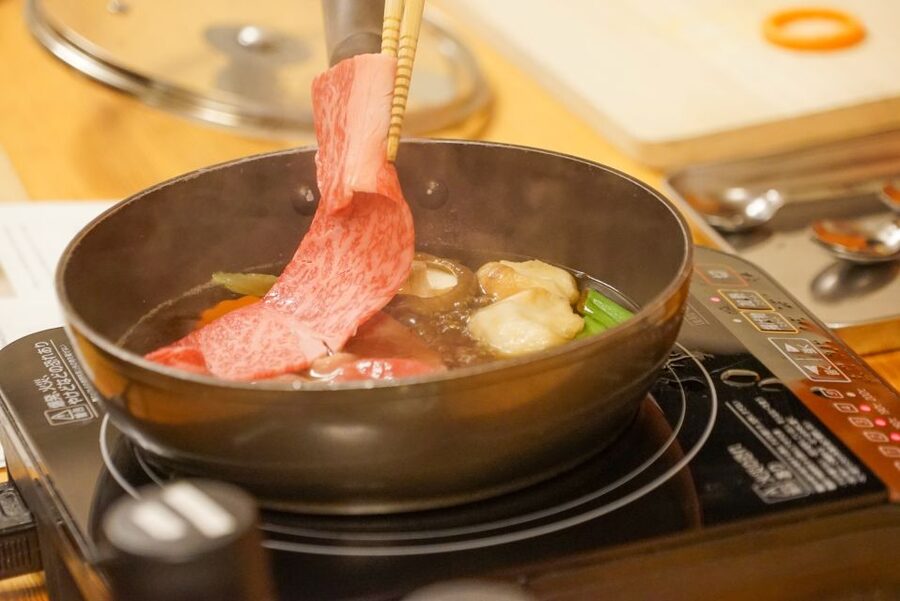
The Wagyu course is the feature that sets this class apart from a basic Japanese home-cooking lesson. The beef is prepared in a sukiyaki-style hotpot dish, giving you a chance to cook it in a simple Japanese format rather than just tasting a grilled steak.
Wagyu is prized for its tenderness and marbling, so timing matters. The instructors guide you through the cooking process and explain how the ingredients work together. The result is served as part of the full meal you have made, not as an isolated tasting.
This approach offers better value than a Wagyu tasting alone. For $67, you get the beef plus instruction, several side dishes, soup, dessert, and a meal. You also learn a method you can adapt at home with different cuts of beef if Wagyu is not available.
The menu is especially useful for someone who wants more than a famous ingredient. You see how a main dish fits with soup, vegetables, potatoes, and a sweet. That balance is one of the most helpful lessons in the class.
More Tokyo wagyu and yakiniku dinners:
- Tokyo Night Foodie Tour in Shinjuku – Seasonal Sushi, Wagyu Beef
★ 5.0 · 1,161 reviews - Small-Group Wagyu Beef and 7 Japanese Dishes Tokyo Cooking Class
★ 5.0 · 190 reviews - Nagano Snow Monkey 1 Day Tour with Beef Sukiyaki Lunch from Tokyo
★ 4.5 · 123 reviews - Wagyu & Sake Pairing in Shinjuku – Steak, Shabu-Shabu & More
★ 5.0 · 112 reviews
Finishing with dessert and a full Japanese meal
The class ends with a Japanese sweet, such as dorayaki made with rice flour pancakes. The dessert gives the meal a pleasant finish and adds another type of preparation to the session.
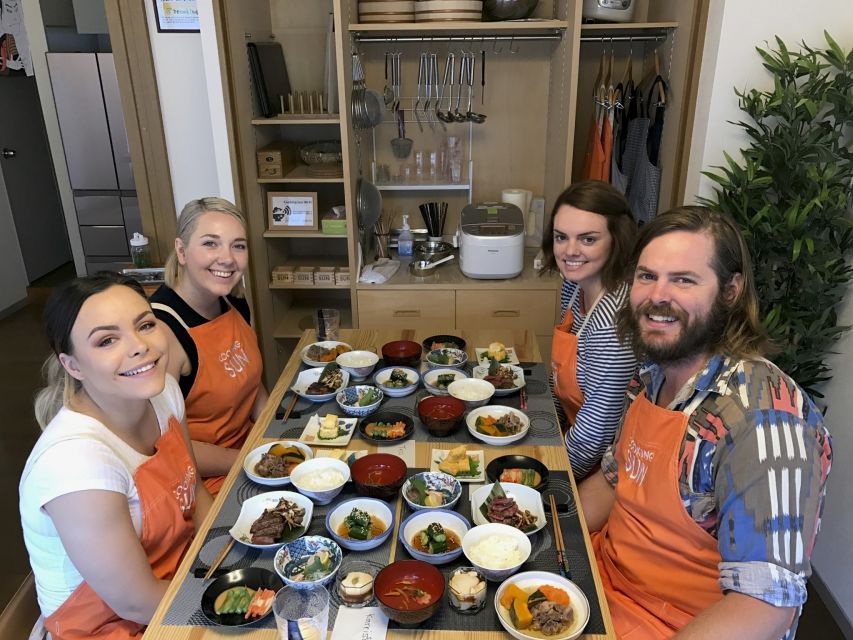
By this point, the group has prepared a surprising amount of food. You then sit down and eat the dishes together. This final meal is not an afterthought. It is the reward for the work and a chance to see how all the separate courses fit together.
The full spread may include:
- A rolled Japanese omelette
- Dashi-based miso soup
- Cucumber salad
- Sesame potato salad
- Tofu stuffed with chicken, ginger, and edamame
- Sukiyaki-style Wagyu
- Seasonal side dishes
- Dorayaki or another Japanese sweet
The exact menu may vary with the season, so treat this as an example rather than a fixed promise. The important point is the variety. You are not spending three hours learning one complicated recipe. You are building a meal from several approachable dishes.
One practical tip: do not arrive after a large breakfast or lunch. The cooking takes time, and the finished meal is substantial. You will probably want to eat what you prepare.
Why the small group improves the experience
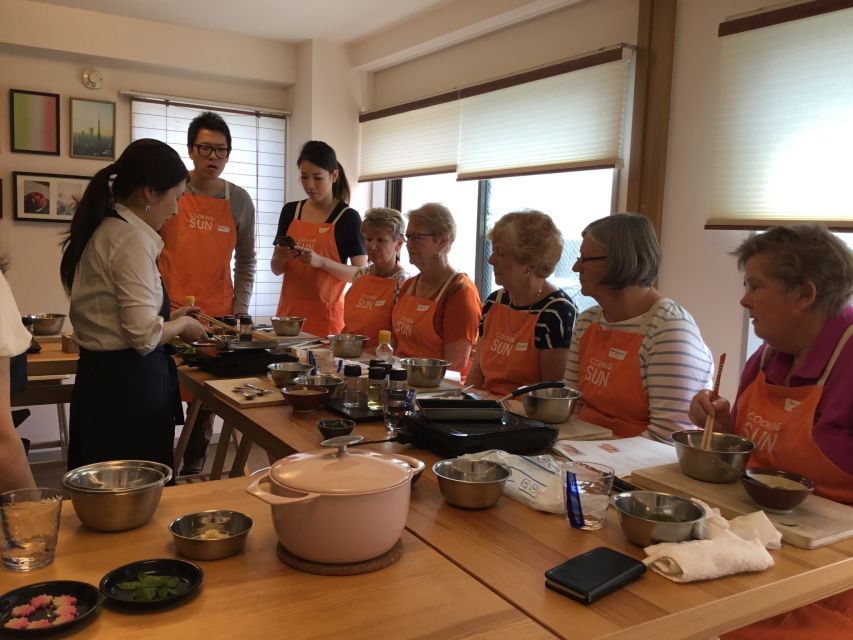
With a maximum of eight participants, the class has enough space for personal help without feeling like a private lesson. The instructors can watch your technique, answer questions, and keep the group moving through several recipes.
The teaching team may include instructors such as Yuki, Yuko, and other Cooking Sun staff. The important thing is not a single celebrity chef. It is the presence of several friendly local teachers who demonstrate, explain, and help with preparation and cleanup.
The class also works well for solo visitors. You share the cooking with the other participants, so there is a natural chance to talk while preparing food. Couples and families fit comfortably too. One family with an 11-year-old found the menu varied but simple enough to follow, and the class is suitable for teens according to the experience details.
You do not need advanced cooking skills. The recipes are structured for beginners, and the teaching is clear. If you already cook often, you may find the cutting and basic preparation easy. In that case, the value comes from the Japanese ingredients, seasoning methods, cultural background, and the chance to ask questions.
What you take home besides the recipes
The recipes are included, but the more useful souvenir may be the logic behind them. You learn how Japanese cooks build flavor with dashi, miso, sesame, ginger, and carefully chosen textures.
The instructors also offer suggestions for ingredient substitutions abroad. That matters because some Japanese products can be difficult to find once you leave Japan. A good cooking class should help you reproduce the dish in an ordinary kitchen, and this one puts clear emphasis on that goal.
You also learn about tools and presentation. One participant found the explanations about ingredients, utensils, meal arrangement, and what to say before and after eating especially helpful. These details give the class a cultural layer without turning it into a lecture.
The recipes are generally straightforward. If you are looking for advanced knife work or professional culinary training, this is probably not the right choice. One useful point made during the class is that it teaches Japanese style and flavor more than difficult technique.
Price, timing, and what is included
At $67 per person, this is strong value for a three-hour activity. The price includes all ingredients and utensils, a welcome tea, towel and apron rental, the instruction, the recipes, and the meal you prepare.
You would pay more for a similar amount of food and a Wagyu dish at many Tokyo restaurants, but the real value is the instruction. You leave with repeatable recipes instead of only a full stomach.
The class does not include hotel pickup or transportation. You make your own way to the Shinanomachi studio, so allow extra time for finding the building. Starting times vary, and you should check availability when booking.
Dietary needs can be handled with ingredient substitutions, including food allergies, gluten-free diets, vegetarian preferences, and religious restrictions. Tell the organizers when you book. Do not wait until you arrive, since the menu needs to be prepared in advance.
The activity allows cancellation up to 24 hours beforehand for a full refund, and you can reserve now and pay later. Those terms are useful if your Tokyo schedule is still changing.
Who should book this class
I would choose this class if you want to understand Japanese food beyond sushi and ramen. It is especially good for first-time visitors who want a practical introduction early in their trip, since the lessons can help you recognize ingredients and dishes during the rest of your stay.
It also suits:
- Couples seeking a relaxed shared activity
- Solo visitors who want a social class
- Families with older children or teens
- Beginners who want clear instruction
- Food lovers interested in Wagyu without paying for a luxury restaurant meal
- Cooks who want everyday recipes rather than restaurant decoration
You may want to skip it if your main goal is advanced knife work, a professional kitchen lesson, or a class devoted only to sushi. The pace covers many dishes, so there is not much time for mastering one recipe in great depth.
Final call: is the Cooking Sun class worth booking?
Yes, for most visitors interested in Japanese food, this is an easy class to recommend. The combination of Wagyu, eight dishes, English instruction, a small group, and recipes to take home gives you more than a standard food tasting.
Book it if you value practical skills, local explanations, and a full meal you helped create. Just prepare the directions carefully, notify the studio about dietary needs, and arrive hungry enough to enjoy the final spread.
FAQ
How long does the Tokyo Wagyu cooking class last?
The activity lasts about three hours. The cooking portion takes roughly 2.5 hours, followed by time to sit down and eat the dishes you prepared.
How many dishes will I make?
You will prepare a full-course Japanese meal with eight dishes in total. The menu includes appetizers, soup, meat, side dishes, and dessert, with the exact seasonal selection subject to change.
Is the cooking class taught in English?
Yes. The instructors speak English and guide you through the recipes, ingredients, techniques, and cultural background of the dishes.
Is Wagyu included in the cooking class?
Yes. Wagyu is the main highlight and is prepared in a sukiyaki-style hotpot dish as part of the meal.
Are ingredients and cooking equipment included?
Yes. The price includes all ingredients and utensils, along with a towel and apron rental and welcome tea.
Can dietary requirements be accommodated?
Yes. Ingredient substitutions are available for food allergies, gluten-free diets, religious dietary restrictions, vegetarian preferences, and other needs. You must provide this information when booking.
Where does the class meet?
The studio is at Shinanomachi 18-39, Shinjuku-ku, Tokyo, in a beige residential building on the second floor. Use the right-side entrance door and press 314 on the intercom.
Is transportation from my hotel included?
No. Hotel pickup and transportation are not included. You need to travel independently to the Cooking Sun Tokyo studio.
More hands-on classes and workshops in Tokyo
- Sushi Making Tokyo Roll and Authentic Japanese Sushi Class
★ 5.0 · 3,971 reviews - Chopstick Making Workshop in Ginza
★ 4.8 · 1,366 reviews - Tokyo Sushi Making Class in Tsukiji with Professional Chef
★ 5.0 · 1,177 reviews - Ramen & Gyoza Cooking Class in Tokyo with Local Supermarket Visit
★ 5.0 · 823 reviews
Newly reviewed around Tokyo
- Tokyo Asakusa:Calligraphy & Make T-shirt Activity★ 5.0 · 62 reviews
- Intercity Shuttle, Tokyo to Haneda /Narita /Yokohama /Makuhari★ 5.0 · 5 reviews
- 1 Hour Travel around Tokyo with a Professional Photographer★ 5.0 · 3 reviews
- Travel Tokyo with Your Own Personal Photographer★ 5.0 · 43 reviews
- Train in Samurai Swordsmanship and Defeat the Demon in Tokyo★ 5.0 · 5 reviews
- Shuttle Van 6hr Tokyo Tour to-and-from Tokyo, Yokohama and Narita★ 5.0 · 9 reviews
- Kickboxing & Body Training with EX-Pro Fighter★ 5.0 · 4 reviews
- Traditional Japanese Knife Sharpening Class★ 5.0 · 18 reviews
Tokyo Cooking Classes, compared.

Roll and Authentic Sushi Making Class in Asakusa
Read our review →
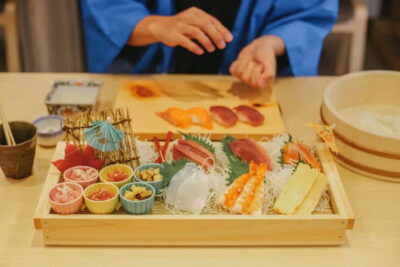
Sushi Making Class in a Happi Coat near a Famous Spot
Read our review →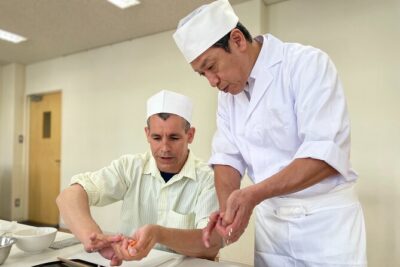
Tokyo Sushi Making Class in Tsukiji with Professional Chef
Read our review →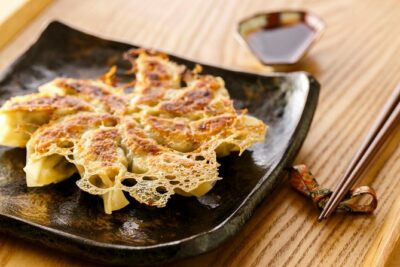
Ramen & Gyoza Cooking Class in Tokyo with Local Supermarket Visit
Read our review →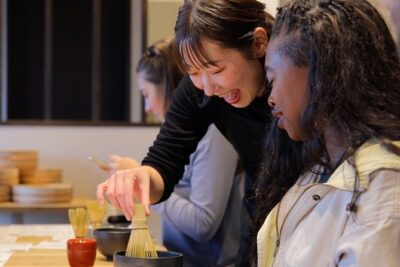
Matcha Making Class in Tokyo with Authentic Japanese Sweets Set
Read our review →
Tsukiji Fish Market Sushi Making Class with Pro Chef
Read our review →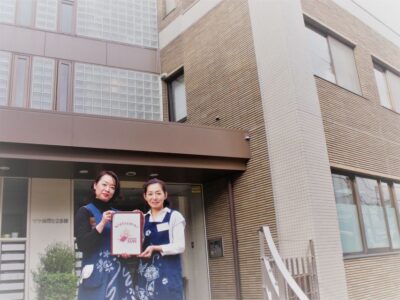
Browse the lists this tour appears in