
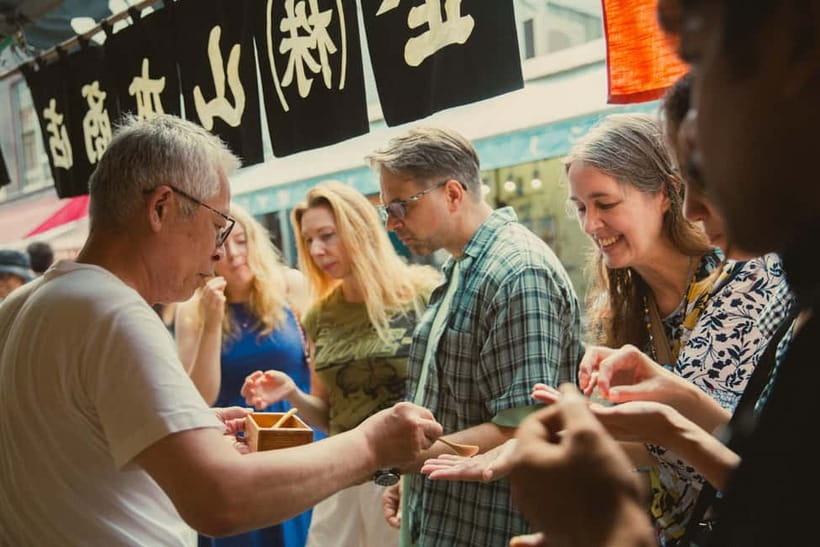
Reviewed · TSUKIJI AND TOYOSU FISH MARKET TOURS
Tokyo: Tsukiji Fish Market Culture Tour with Sashimi Tasting
Tsukiji is best approached with an appetite and a plan. The 90-minute guided walk leads you through the outer market’s maze of more than 400 shops, where a good guide can save you from wandering past the places you actually wanted to find. You’ll learn how the market works, hear about its culture, and taste sashimi along the way.
I like the small group limit of 10, which makes it easier to ask questions and keep up in crowded lanes. I also like the local introductions: guides such as Shun, Taka, and Shoko have been praised for being friendly, clear, and helpful at the shops. The main catch is simple: this is a tasting and orientation tour, not a full market meal. Food you buy yourself is not included, and the amount of sampling can vary.
Key points to know before you book
- The tour focuses on Tsukiji Outer Market: You explore the shop-lined streets and back lanes rather than visiting the former inner wholesale market.
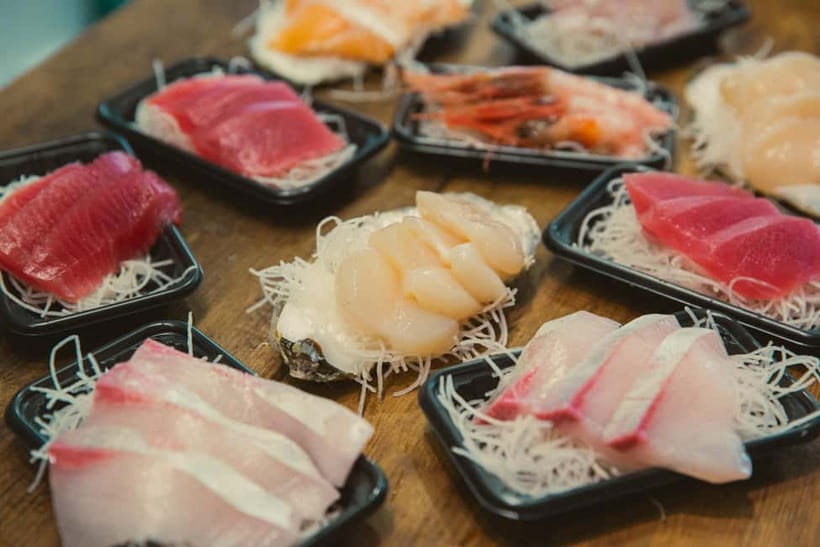
- Sashimi is part of the experience: You receive a tasting, with free samples that can change from day to day.
- The guide does more than lead the way: You get shopping tips, dining suggestions, market background, and introductions at selected shops.
- The group is limited to 10 people: That keeps the walk more personal, though the market itself can still feel tight and busy.
- Bring cash and comfortable shoes: Many local businesses accept cash only, and the tour involves a moderate amount of walking.
- Plan extra time afterward: The guided portion is 90 minutes, but Tsukiji rewards you with more time to eat, browse, and shop independently.
Why Tsukiji Outer Market is worth your morning
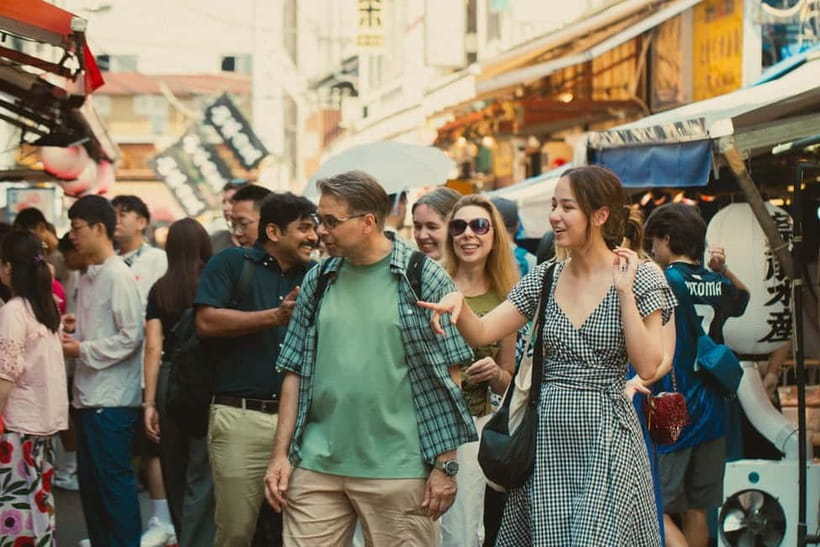
Tsukiji’s famous wholesale fish market moved to Toyosu in 2018, but the outer market remained a lively place to buy and eat Japanese food. This tour is centered on that outer market, where narrow lanes are filled with seafood sellers, kitchen shops, food counters, and specialty stores.
You are not simply walking past stalls while a guide recites facts. The useful part is learning how to read the market. With hundreds of shops packed into a small area, it is easy to spend your whole visit circling the same lanes or stopping at the first appealing counter. An English-speaking assistant gives you a starting point and helps you notice seasonal offerings.
I especially value the local introductions. A guide who knows the shopkeepers can make the market feel less like a display for tourists and more like a working neighborhood food district. You still need to make your own purchases, but you are less likely to miss the kinds of places that are hard to identify from a quick glance.
The setting also rewards curiosity. Some stops may be food-focused, while others help explain the tools, customs, and daily rhythm connected with Japanese cooking. The tour description places emphasis on market history and culture, so expect context along with the eating.
More Tsukiji and Toyosu fish market tours:
- Tokyo Tsukiji Fish Market Food and Culture Walking Tour
★ 5.0 · 3,184 reviews - Tokyo: Tsukiji Fish Market Food and Walking tour
★ 5.0 · 1,724 reviews - Tokyo: Tsukiji Fish Market Guided Walking Tour
★ 4.9 · 1,397 reviews
Meeting at Tsukiji Hongwan-ji Temple
You may begin at Tsukiji Hongwan-ji Temple or at the Tsukiji Bon Marche souvenir corner, depending on the option you select. These two meeting points are both tied directly to the market area, but check your booking details carefully so you do not wait at the wrong one.
Starting near Tsukiji Hongwan-ji Temple gives you an easy landmark at the edge of the market district. The temple itself also provides useful context for the neighborhood, although this is not primarily a temple tour. One piece of visitor feedback was critical of time spent seeing shrines instead of eating, so you should know what the experience is designed to do: give you a market introduction, not rush you from one food counter to the next.
The Bon Marche meeting point is another practical starting location, especially if you prefer to begin close to shopping. Your guide will lead the group into the outer market and help everyone get oriented before the lanes become more confusing.
The exact meeting point may vary by the option booked. Arrive ready to walk, and bring your phone or camera if you want to record shop names and food recommendations for later.
Following the narrow lanes of the outer market
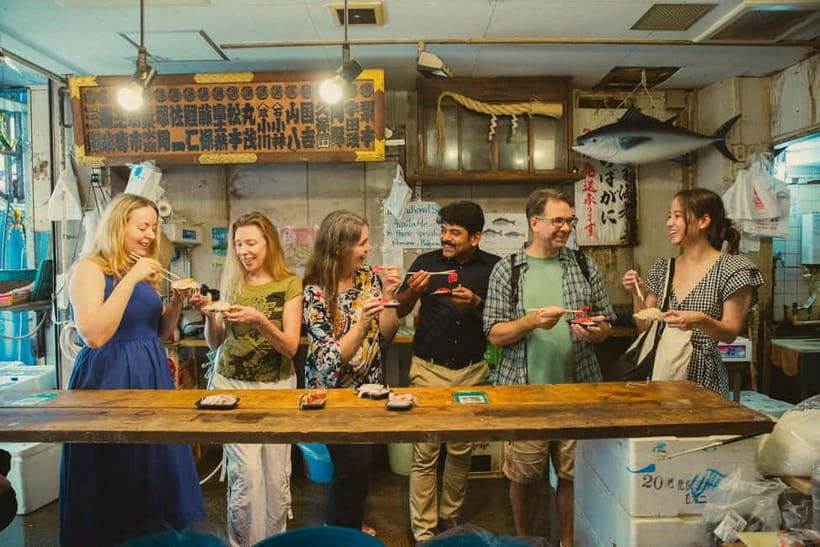
The main guided portion lasts about 90 minutes. That is enough time to get a useful introduction, sample food, and identify places to revisit, but it is not enough for a slow meal and serious shopping at every stop.
The market has more than 400 shops, so the guide’s value is partly practical. You can ask where to look for seasonal products, which areas are good for gifts, and where to find foods you may not recognize. The best part of a short tour like this is not trying everything. It is learning how to spend your next hour wisely.
Expect moderate walking through narrow backstreets. Wear comfortable shoes and clothing that lets you move easily. This is not a smooth, wide-pavement sightseeing route, and the tour runs rain or shine. A small umbrella or rain layer may be sensible, though the provided information does not specify any particular equipment.
The group limit of 10 matters here. In a market with tight passages, a large group would be awkward. A small group gives you a better chance to hear the guide, ask questions, and stay near the shop introductions. It does not guarantee a quiet walk, since the market itself can be crowded.
Sashimi tasting and free samples
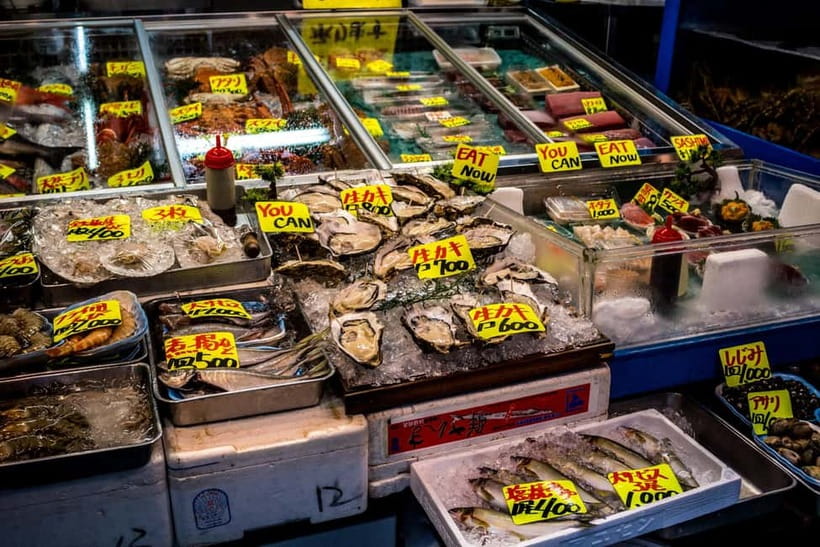
Sashimi is the headline food moment, and it is a real part of the experience. The tasting can be more generous than the word tasting suggests, according to one especially positive account, but you should not treat it as a full breakfast or lunch.
The amount and type of free sampling can change with the day. That makes sense in a market built around fresh and seasonal food, but it also means you should keep expectations flexible. You may taste more than one item, or you may find that the selection is limited on your particular morning.
Food is not included as a general meal. The tour provides sashimi tasting and local samples, but anything you decide to buy separately is your responsibility. Bring cash because many small local spots accept cash only. If you arrive hungry, set aside time and money for additional food after the tour.
Some feedback praised sashimi paired with sake, but do not assume every booking includes the same drink or the same selection. The supplied details specifically promise sashimi tasting and samples, while the free samples vary by day. Think of any extra item as a possible bonus, not a guaranteed feature.
This is also where expectations matter most. If you want to eat your way through several stalls, you may find the guided pace too restrained. One dissatisfied participant expected to stop at many food stands and felt hurried when asked not to disrupt the tour. The practical lesson is to use the tour to learn the market, then stay afterward for your own food crawl.
More Tokyo food tours:
- Tokyo: Shinjuku Food Tour (13 Dishes at 4 Local Eateries)
★ 5.0 · 6,603 reviews - Tokyo: Shinjuku Food Tour (15 Dishes and 4 Eateries)
★ 4.9 · 2,033 reviews - Best of Shinjuku: Izakaya Food Tour (4 Stops, 14+ Tastings)
★ 5.0 · 1,863 reviews - Eat and Drink Like a Local: Tokyo Ueno Food Tour-Taverns&Ramen
★ 5.0 · 957 reviews
The guides make the difference
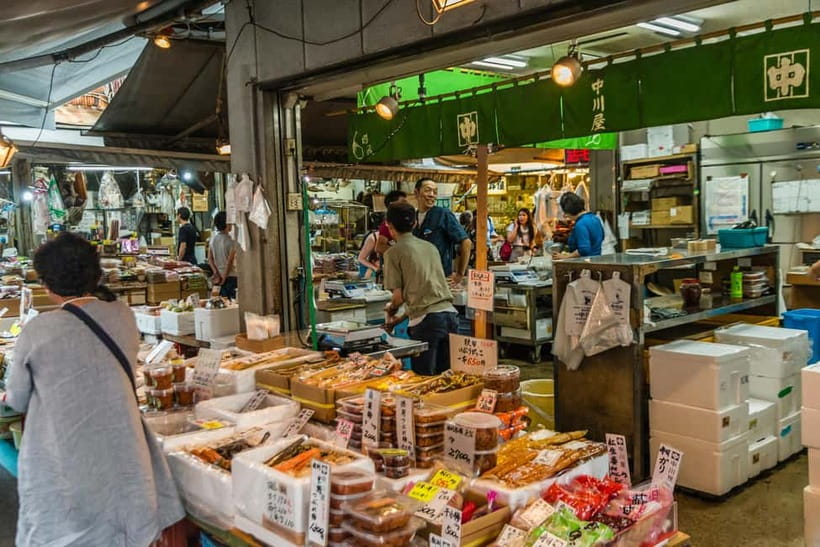
The tour is led in English, and the guide’s role is central. You are not only getting directions between stalls. You are also relying on the assistant to explain market customs, point out seasonal items, and help you communicate at local shops.
Several guides received specific praise. Shun was described as friendly and informative, while Taka was noted for strong English, a good sense of humor, and clear advice about what to see. Shoko was also praised for being a warm guide. These comments suggest that the human side of the tour can shape the experience as much as the market itself.
Because the group is small, you can ask questions about ingredients, shopping, or the history of Tsukiji as you go. You can also note the names of shops you want to return to after the walk. That is more useful than trying to remember a blur of food counters.
Still, a guide cannot control every part of the market. Shop schedules, crowd levels, available samples, and seasonal stock can change. The experience is best for someone who appreciates local guidance but understands that Tsukiji is a working market, not a fixed museum route.
What you can do after the 90-minute walk
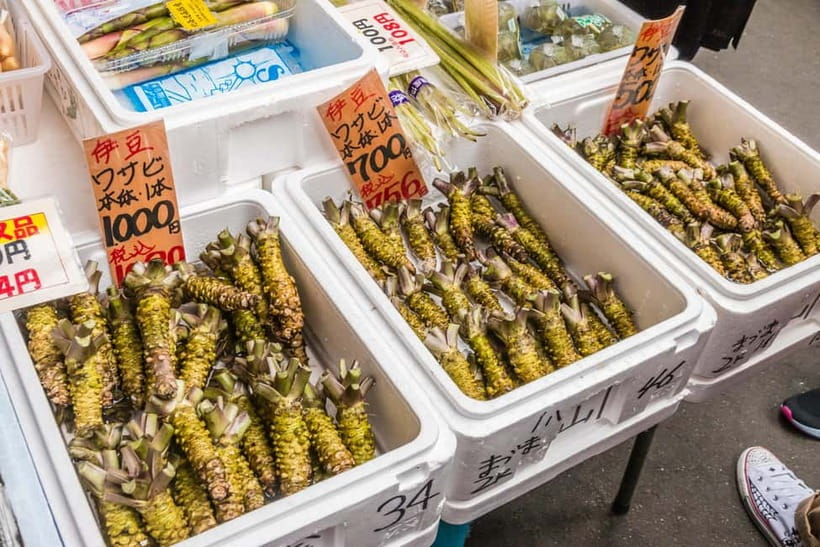
The tour ends at either the Tsukiji Bon Marche souvenir corner or Tsukiji Hongwan-ji Temple, depending on the option selected. You are then free to continue through the outer market at your own pace.
This extra time is important. The guided walk points out possibilities, but the independent hour afterward is when you can return to a shop, buy a snack, browse kitchen goods, or sit down for more food. I would avoid scheduling a tight appointment immediately after the tour. The official duration is 90 minutes for the guided portion, while the activity information can show a total duration range from 90 minutes to four hours depending on availability and option details.
Use the final part of your visit to follow up on the guide’s recommendations. If a shop caught your eye, go back while you remember its location. If you want a proper meal, this is the time to choose one. The guide’s job is to give you a map in your head, not to complete your entire Tsukiji visit for you.
The market also makes a good place to buy souvenirs related to Japanese cooking. Just remember that some shops accept cash only, and purchases are not covered by the tour price.
Is the $38 price good value?
At $38 per person, the tour is reasonably priced for a small-group orientation with an English-speaking guide and food sampling. The value depends on how you use it.
If you would otherwise wander without knowing where to start, the price can be worthwhile. You receive a 90-minute guided walk, sashimi tasting, introductions at selected shops, and advice you can use after the tour. For a first visit to Tsukiji, those practical pointers may save time and help you avoid spending your budget on the first available snack.
The price is less appealing if you expect a substantial meal. The tour does not include all the food you might want to eat, and you will probably spend extra money if you plan to sample several stalls afterward. The food portion is best seen as an introduction rather than the entire reason to book.
The small group also adds value. A group capped at 10 is more manageable than a large food tour, especially in narrow market lanes. You get a better chance to interact with the guide and hear the explanations, although no small group can remove the market’s natural crowds.
Free cancellation up to 24 hours before the activity and the option to reserve now and pay later make the booking less rigid. The activity runs rain or shine, so check the forecast and dress for walking rather than assuming poor weather will cancel it.
Who should book this Tsukiji tour?
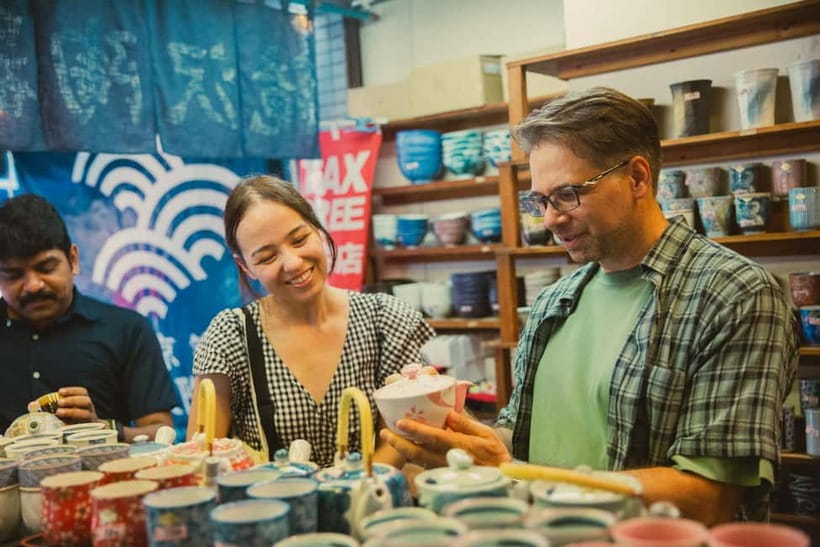
I would recommend it to a first-time Tsukiji visitor who wants help getting oriented. It suits you if you enjoy learning what you are looking at, asking questions, and then exploring independently.
It is also a good choice for solo visitors and couples who want a little local direction without joining a large group. The English guide, shop recommendations, and introductions are useful if you do not speak Japanese or feel uncertain about ordering in a busy market.
Food lovers should book with the right expectation. You will sample sashimi and local foods, but you should plan to purchase more afterward if eating is your main goal. The tour gives you a route and a reference point, then leaves you free to continue.
I would be cautious about booking if you dislike walking, need wheelchair access, or want a carefully timed meal at every stop. The experience is not wheelchair accessible, involves a moderate amount of walking, and does not promise the same food selection every day.
Children under 3 are not suitable for this activity. Older children may be fine, but the market’s narrow lanes, walking pace, and food-focused format may not hold every child’s interest.
Practical tips for making the most of it
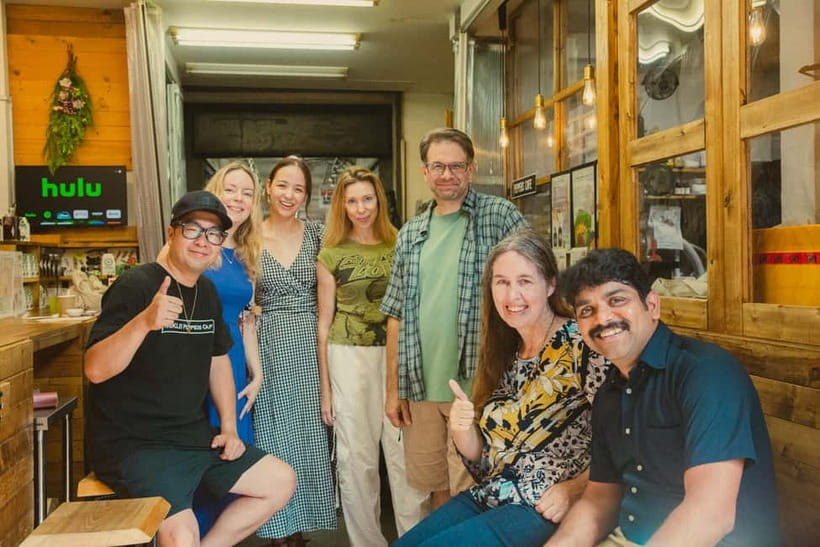
Arrive ready to move. Comfortable shoes matter more than stylish ones here, and a camera can help you remember shop names and products after the tour.
Bring cash. This is one of the most useful details to know before arriving, since many local businesses do not accept cards.
Do not eat a large meal immediately beforehand if you want to enjoy the sashimi and samples. At the same time, do not assume the tasting will satisfy you for the whole morning. Carry enough money for extra food and leave time after the tour.
Keep your expectations focused on guidance, not an all-you-can-eat route. You will get more from the experience if you listen for the guide’s recommendations and plan your own return visits.
Finally, allow some unplanned time. Tsukiji works best when you can stop for something that catches your eye without checking the clock every few minutes.
Final verdict: book it for guidance, not a full food tour
This Tsukiji experience is a good value for a first visit, especially if you want a friendly English-speaking guide and a small group to help you find your bearings. The sashimi tasting, local samples, and shop introductions add real appeal, while guides such as Shun, Taka, and Shoko have made a strong impression through clear explanations and warm service.
Book it if you want to understand the market and continue exploring afterward. Skip it if your only goal is to eat at as many stands as possible during the 90-minute walk. The best plan is to treat the tour as your introduction, then keep the rest of the morning free for the food and shopping you choose yourself.
FAQ
How long does the guided Tsukiji tour last?
The guided tour of Tsukiji Outer Market lasts 90 minutes. The activity information can show a total duration ranging from 90 minutes to four hours, so check the available option and start time when booking.
Is sashimi included?
Yes. Sashimi tasting is included, along with samples of local foods. The food available for free sampling can vary by day, and additional food you purchase is not included.
Is this a full meal or food crawl?
No. The experience is a guided market tour with tasting, not a full meal or guaranteed stop at many food stands. You can continue eating and shopping independently after the guided walk.
Where does the tour meet?
The meeting point may be Tsukiji Hongwan-ji Temple or the Tsukiji Bon Marche souvenir corner, depending on the option booked. Check your selected meeting details before arriving.
What should I bring?
Bring comfortable shoes, comfortable clothing, a camera, and cash. Many local shops accept cash only, and the tour involves a moderate amount of walking.
Is the tour wheelchair accessible and suitable for young children?
The tour is not wheelchair accessible, and children under 3 are not suitable for the activity. It takes place rain or shine.
More Tokyo markets and shopping streets
- Tsukiji Fish Market Guided Tour and Sushi Making with Pro Chef
★ 5.0 · 775 reviews - Tokyo: Tsukiji Fish Market Food and Culture Walking Tour
★ 4.7 · 757 reviews - Tsukiji Fish Market: Street Food & Culture Walking Tour
★ 5.0 · 669 reviews - Tsukiji Fish Market Small-Group Food Walking Tour
★ 5.0 · 621 reviews
Newly reviewed around Tokyo
- Tokyo Asakusa:Calligraphy & Make T-shirt Activity★ 5.0 · 62 reviews
- Intercity Shuttle, Tokyo to Haneda /Narita /Yokohama /Makuhari★ 5.0 · 5 reviews
- 1 Hour Travel around Tokyo with a Professional Photographer★ 5.0 · 3 reviews
- Travel Tokyo with Your Own Personal Photographer★ 5.0 · 43 reviews
- Train in Samurai Swordsmanship and Defeat the Demon in Tokyo★ 5.0 · 5 reviews
- Shuttle Van 6hr Tokyo Tour to-and-from Tokyo, Yokohama and Narita★ 5.0 · 9 reviews
- Kickboxing & Body Training with EX-Pro Fighter★ 5.0 · 4 reviews
- Traditional Japanese Knife Sharpening Class★ 5.0 · 18 reviews
Tsukiji and Toyosu Fish Market Tours, compared.
Tokyo Tsukiji Fish Market Food and Culture Walking Tour
Read our review →
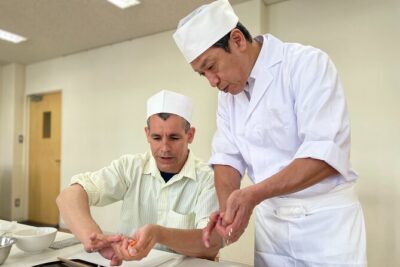
Tokyo Sushi Making Class in Tsukiji with Professional Chef
Read our review →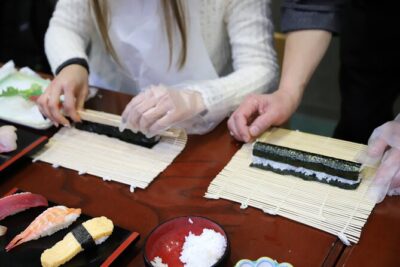
Tsukiji Fish Market Guided Tour and Sushi Making with Pro Chef
Read our review →Tsukiji Fish Market Food and Culture Walking Tour
Read our review →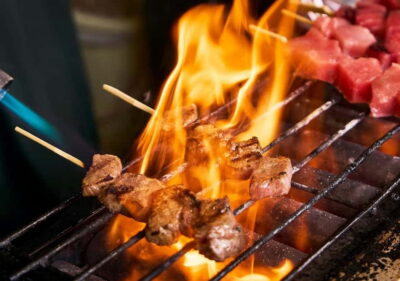
Tsukiji Fish Market: Street Food & Culture Walking Tour
Read our review →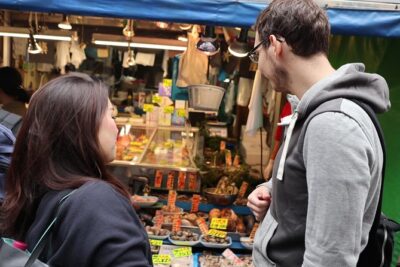
Tsukiji Fish Market Small-Group Food Walking Tour
Read our review →Browse the lists this tour appears in